Italy: Match Lifestyle First, Market Second
Italy isn’t one market — it’s a thousand local lives. Match the lifestyle you want (neighbourhood rituals, seasons, markets) to micro‑market data before you buy.
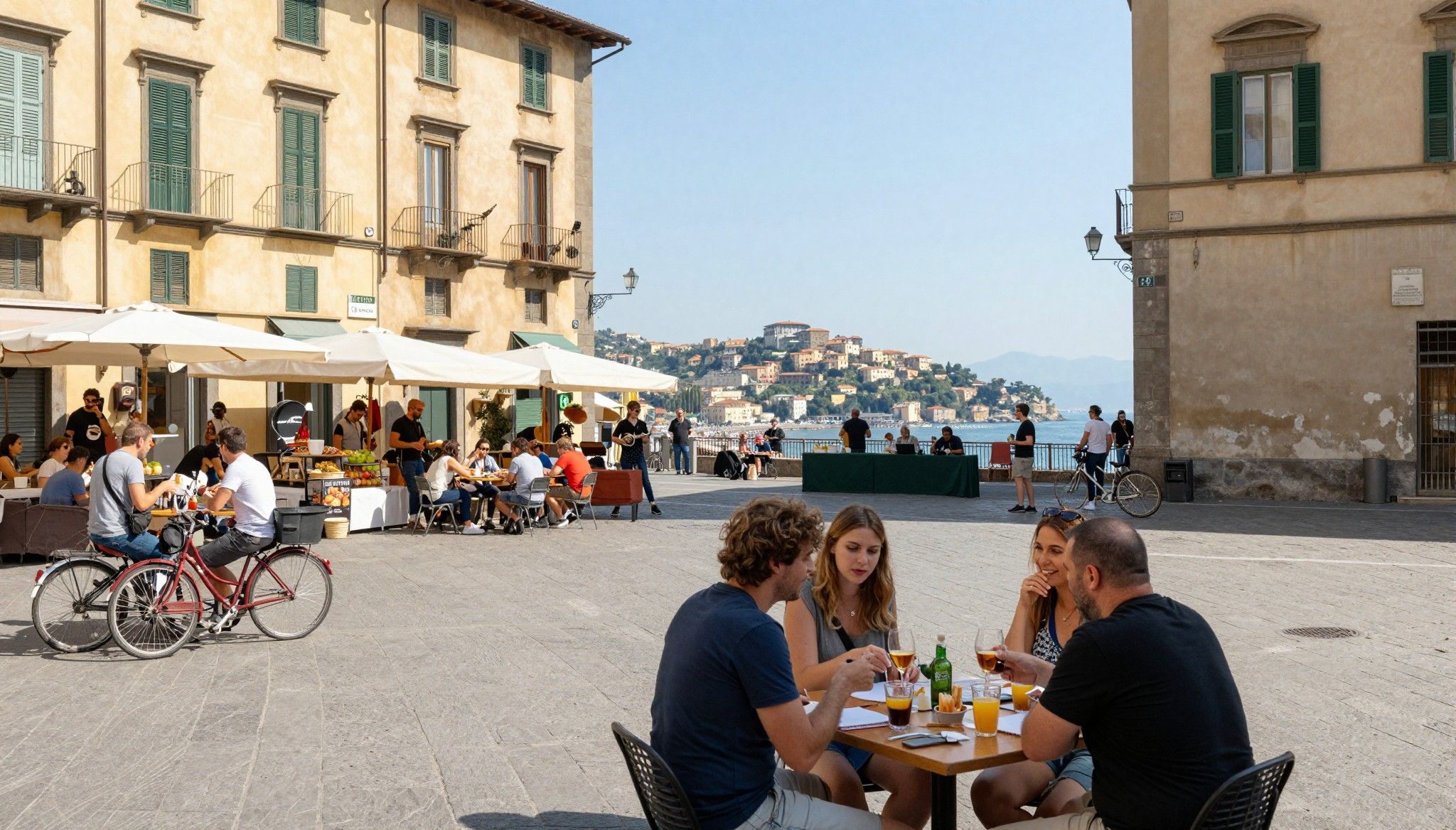
Imagine sipping an espresso on Via dei Coronari in Rome before slipping into a narrow artisan bakery for warm maritozzi — then stepping into a quiet apartment whose windows open onto a centuries‑old courtyard. That contrast — daily ease and deep history — is what draws so many international buyers to Italy. But the real story isn't just postcards: regional rhythms, seasonal life, and local market quirks change everything about where you should look and when.
Living the Italy lifestyle
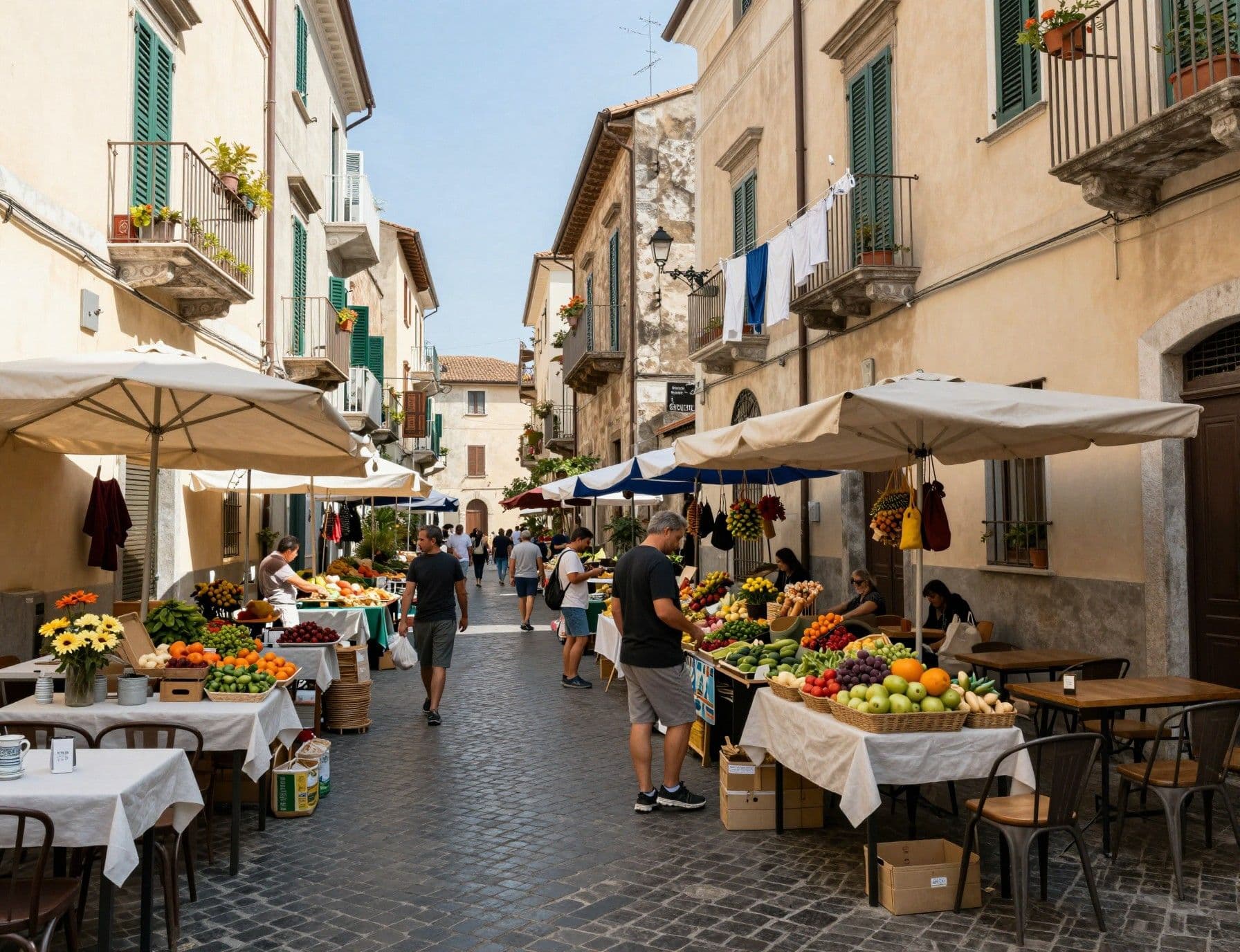
Italy moves at a thousand small paces. Morning markets, midday quiet, aperitivo hour, late dinners — these rituals shape which properties feel like home. City neighborhoods hum with cafes and foot traffic; hill towns reward a slower calendar of festivals, harvests and community dinners. A property’s real value is how it fits that rhythm, not its square metres alone.
City pulse: Trastevere, Navigli, San Salvario
If you want a neighbourhood that feels alive at 8am and 10pm, look at Trastevere (Rome), Navigli (Milan’s canal scene), or San Salvario (Turin). Expect cobbled streets, small grocers, and public squares where neighbours gather. Apartments here can be smaller, but they buy you immediate access to culture, nightlife and daily convenience.
Coast and countryside: Liguria lanes to Puglia olive groves
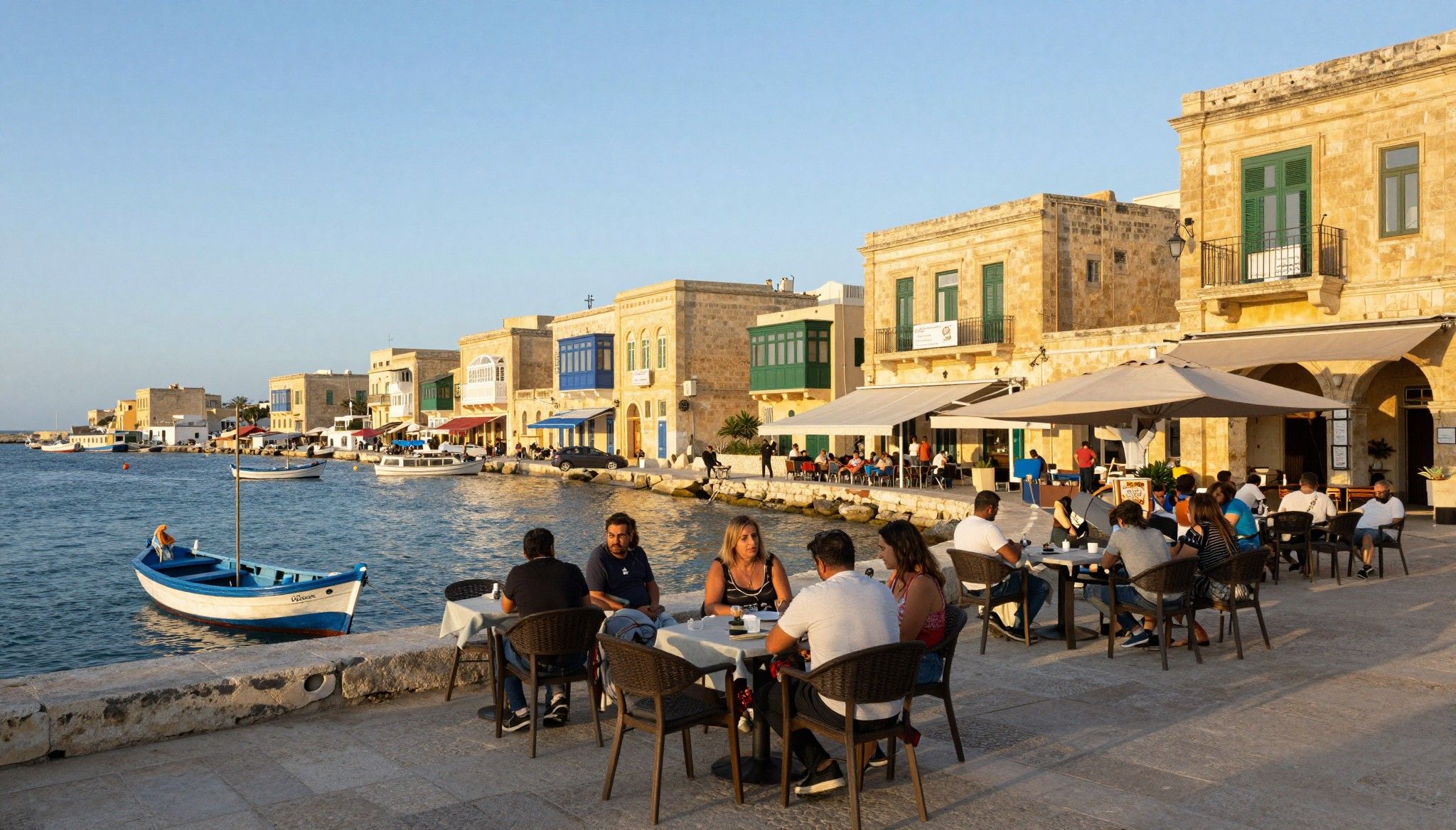
Coastal life in Liguria (think Camogli or Levanto) delivers tight, terrace‑faced villages and a year‑round sea culture. Move inland to Umbria, Le Marche or Puglia and you find slower mornings, larger plots, and seasonal abundance — truffle hunts, olive harvests, and weekend markets that define community life.
- Lifestyle highlights worth mapping before you buy:
- Piazza San Lorenzo in Lucina (Rome) for morning coffee and people‑watching
- Mercato di Via Ortega (Florence) or Mercato di Ballarò (Palermo) for weekly market rhythms
- Passeggiata along the Lungomare in Salerno or Genoa for seaside daily life
Making the move: lifestyle meets the market
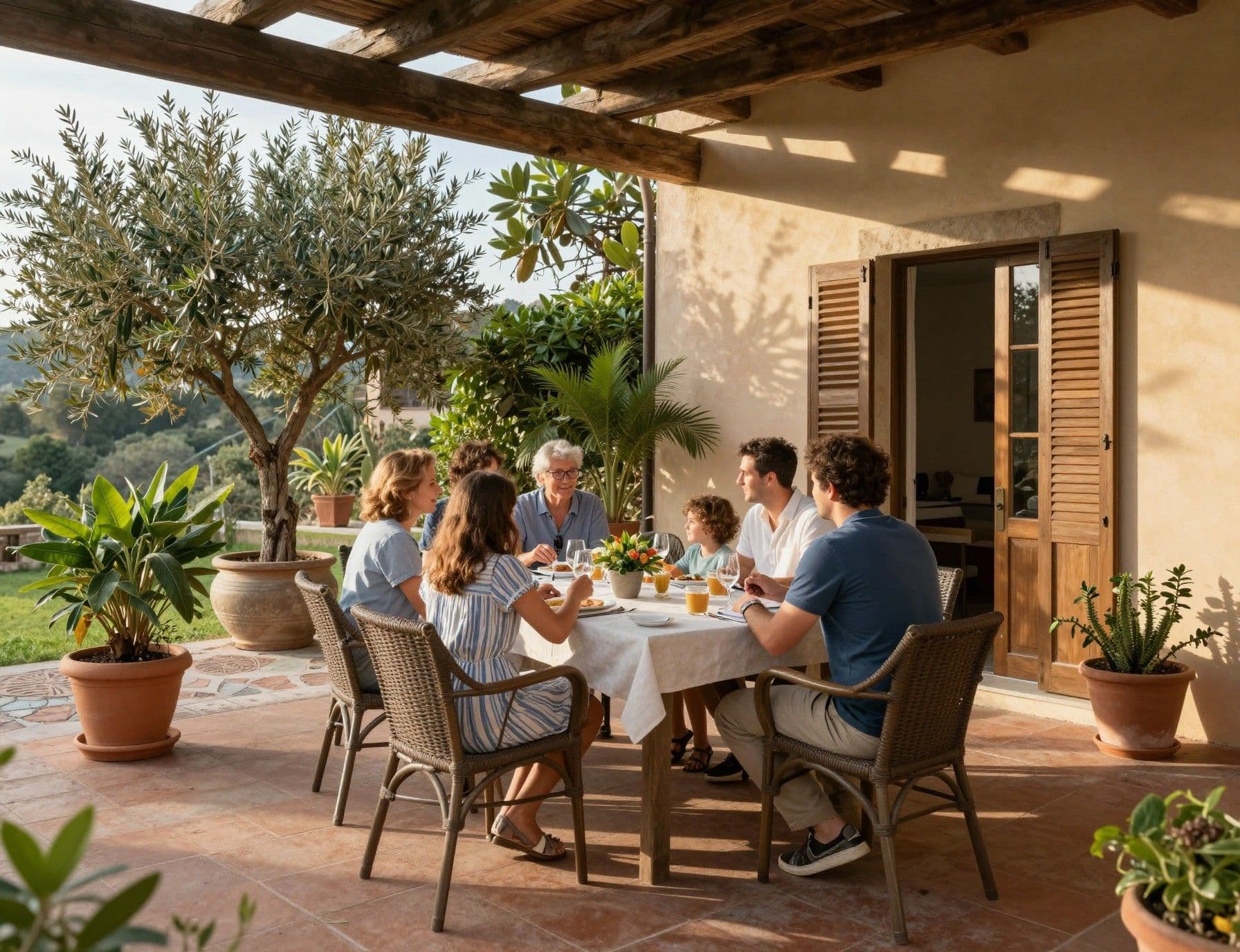
Dreams are the easy part. The practical bits — timing, neighbourhood selection, finance — decide whether that dream becomes a sustainable life. Recent data show modest national price growth but strong regional variation; city centres and luxury lakeside pockets outperformed inland rural areas last year. Use national indices as a backdrop, not a map: local streets tell the real price story.
Property styles and how they shape daily life
A medieval apartment with exposed beams gives you character and a courtyard community; a modern penthouse buys light, terraces and easier insulation. In lakeside towns you’ll trade lawn space for views; in Puglia you can often afford a garden and olive trees. Choose the property type that matches how you’ll actually spend mornings, afternoons and weekends.
Work with local experts who know the life you want
We favour agents who live in the neighbourhoods they sell. They’ll tell you about the morning market schedule, where the local schools actually send kids, and which terraces get afternoon sun. For international buyers, a lawyer fluent in local property customs and an agent with on‑the‑ground relationships shorten the search and reduce surprises.
- Practical steps that combine lifestyle and process:
- Visit at least twice — once in high season to feel energy, once off‑season to test services and quiet.
- Map daily routines: buy a property within 10–15 minutes of how you’ll spend weekdays (work, school, groceries).
- Ask your agent for three comparable sales on the same street — not the same neighbourhood — to see micro pricing.
- Factor seasonal costs: heating in hill towns, air conditioning on southern coasts, and upkeep for period façades.
Insider knowledge: what expats wish they'd known
Expat life in Italy often surprises buyers. Language matters — yes — but so does ritual. Neighbours choose the rhythm of your week; festivals close shops on certain dates; and paperwork can take longer than expected. The good news: once you’re embedded, those same rhythms become anchors for a rich, communal life.
Cultural integration and daily social cues
Learn the small courtesies: greet shopkeepers by name, understand local market rhythms, and accept that many Italian services pause for a long lunch in summer. These gestures open doors — literally and socially — and help you build the local network that transforms a house into a home.
Long‑term living: how life evolves after you buy
Your needs change: guest rooms become home offices, terraces get planted for year‑round enjoyment, and neighbours who were strangers at purchase become friends at harvest time. Think five years ahead: is there good healthcare access, transport to major airports, and a community that will keep the neighbourhood lively when tourist season fades?
- Red flags buyers often miss:
- Inconsistent sun exposure for terraces (check mid‑winter shadows)
- Unclear condominium rules for restoration projects
- Under‑reported seasonal service gaps (post office, doctors) in smaller towns
Conclusion: Italy is a collection of lifestyles more than a single market. If you start with the life you want — markets, cafés, sun patterns, community rituals — the right property becomes obvious. Work with local agents who live the rhythm, insist on micro comparables, and test a neighbourhood in every season before committing. When it fits, Italy rewards you with a life that feels built rather than bought.
Danish investment specialist who relocated to Costa del Sol in 2015. Focuses on data-driven market timing and long-term value for Danish buyers.