Buy the Rhythm, Not the Price: Italy’s Neighborhood Dossier
Italy’s layered lifestyle rewards buyers who match neighbourhood rhythm to property type—use local data and on‑the‑ground dossiers to turn romance into a reliable purchase.
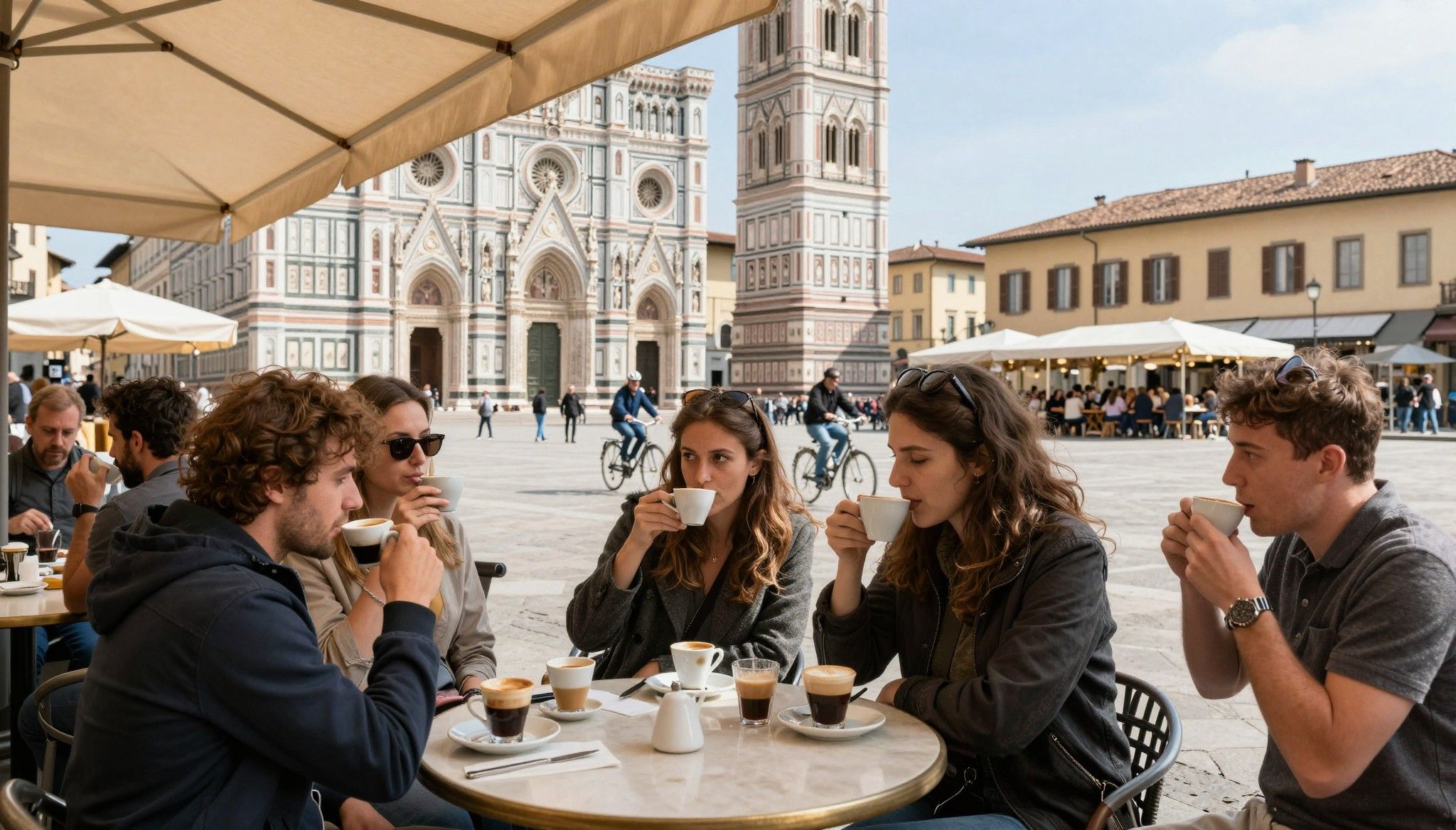
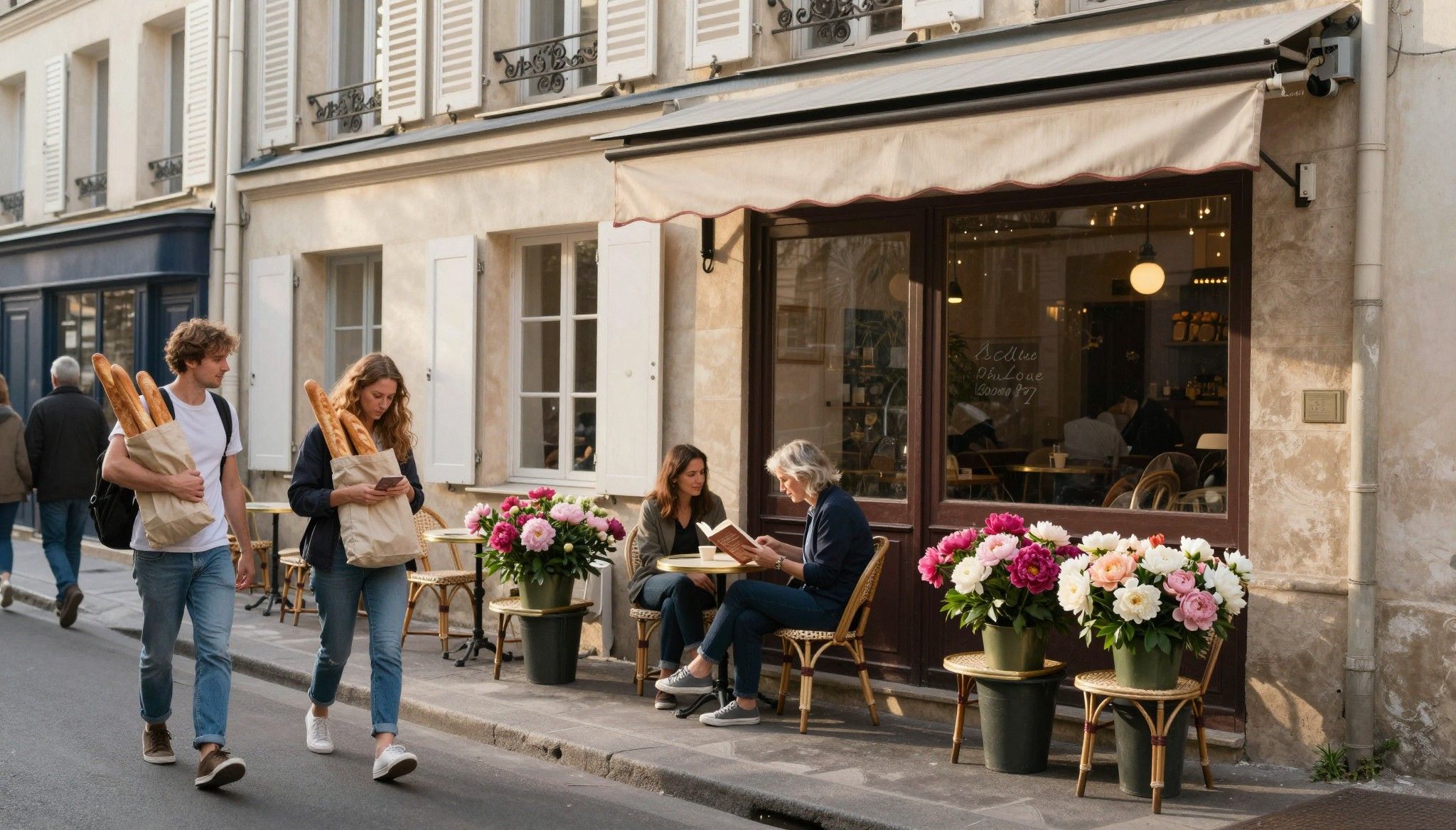
Imagine a Tuesday morning in an Italian piazza: an espresso pulled at a corner bar on Via del Governo Vecchio in Rome, a fishmonger setting out catch under the awning at Mercato di Rialto in Venice, and cyclists threading through olive groves outside Lecce. Italy is a mosaic of rhythms—coastal lazing, city cadence, hill-town quiet—that reshape how you live and what kind of property makes sense. For international buyers this variety is intoxicating, but it also means the simple question “where should I buy?” needs a place-specific answer. We’ll show you not only the life you can wake up to, but the practical market signals to look for when deciding.
Living the Italy lifestyle
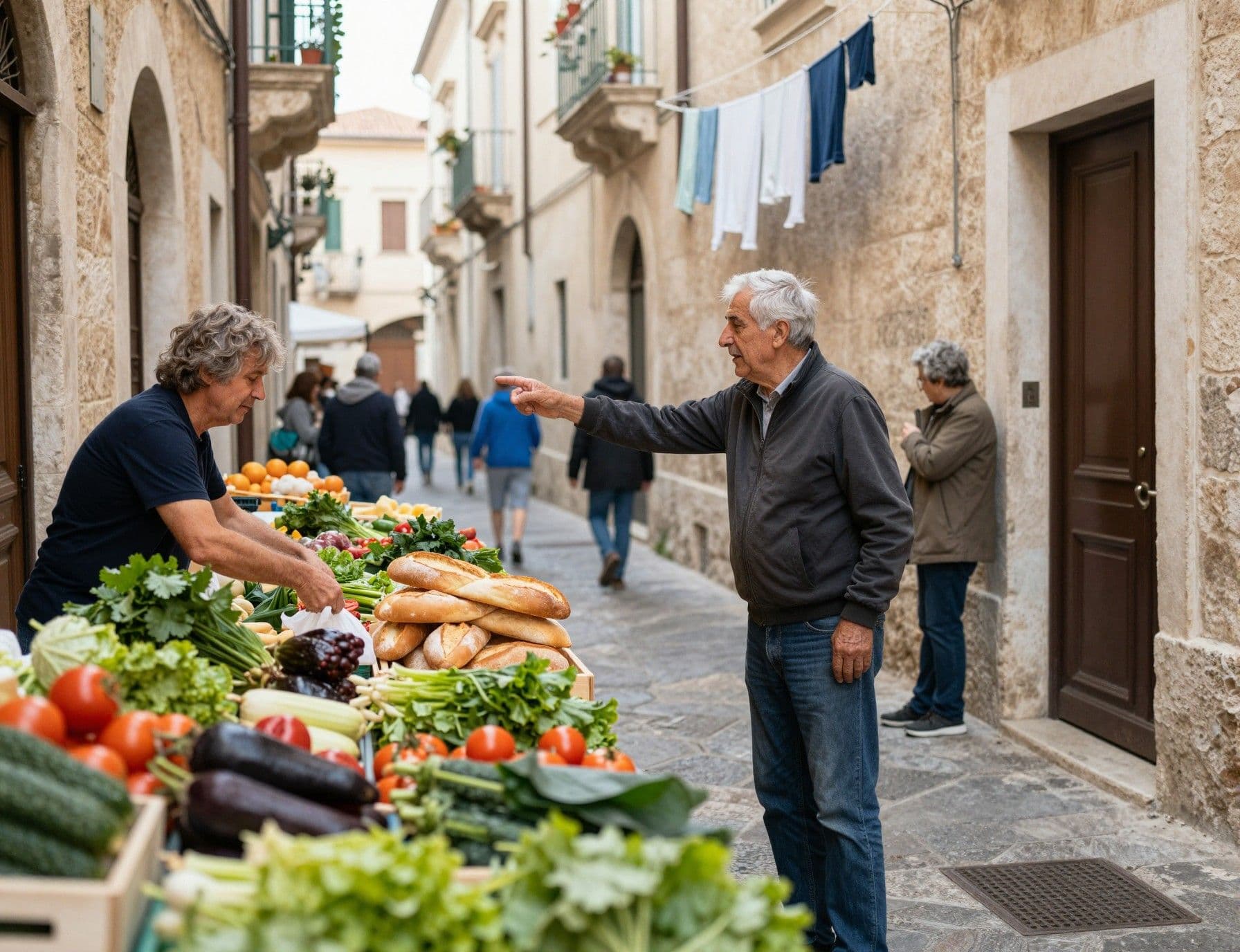
Italy’s daily life is sensory-first: morning cafés with thick crema, late lunches that run into passeggiata, neighbourhood markets where vendors know your name. The choice of neighbourhood—Trastevere versus Testaccio in Rome, Navigli versus Brera in Milan, Oltrarno versus Santo Spirito in Florence—changes the soundtrack of your day and the size, layout and age of properties you’ll consider. For buyers, lifestyle choices map directly onto property types: a lively centro apartment near a piazza, a quiet country casale with land, or a seaside casa with a balcony for evening breezes.
Neighborhood spotlight: Coastal hill towns and city pockets
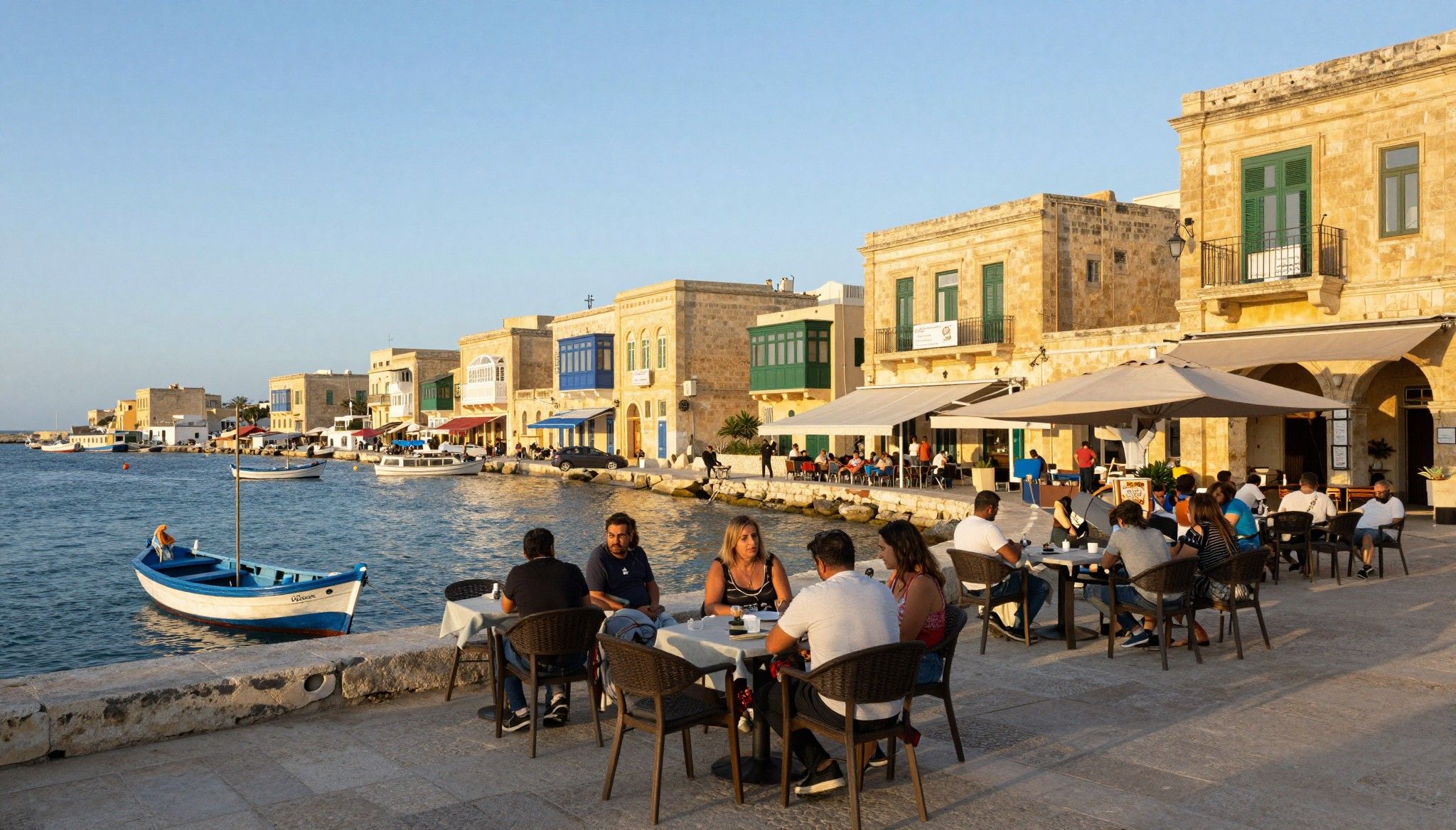
Head south from Amalfi toward small ports like Cetara and Maiori and you’ll find stair-stepped houses with lemon trees and morning light that fills terraces; inland, hill towns such as Orta San Giulio or Montepulciano offer stone facades, quiet lanes and winter warmth in a way the coast doesn’t. In cities, micro-neighborhood differences matter: in Milan, a Navigli canal-side apartment gives nightlife on your doorstep while Isola offers a calmer, design-led scene. We recommend walking—literally—three mornings in a target neighbourhood before you talk prices. That instinct tells you more than a listing photo ever will.
Food, markets and the social calendar
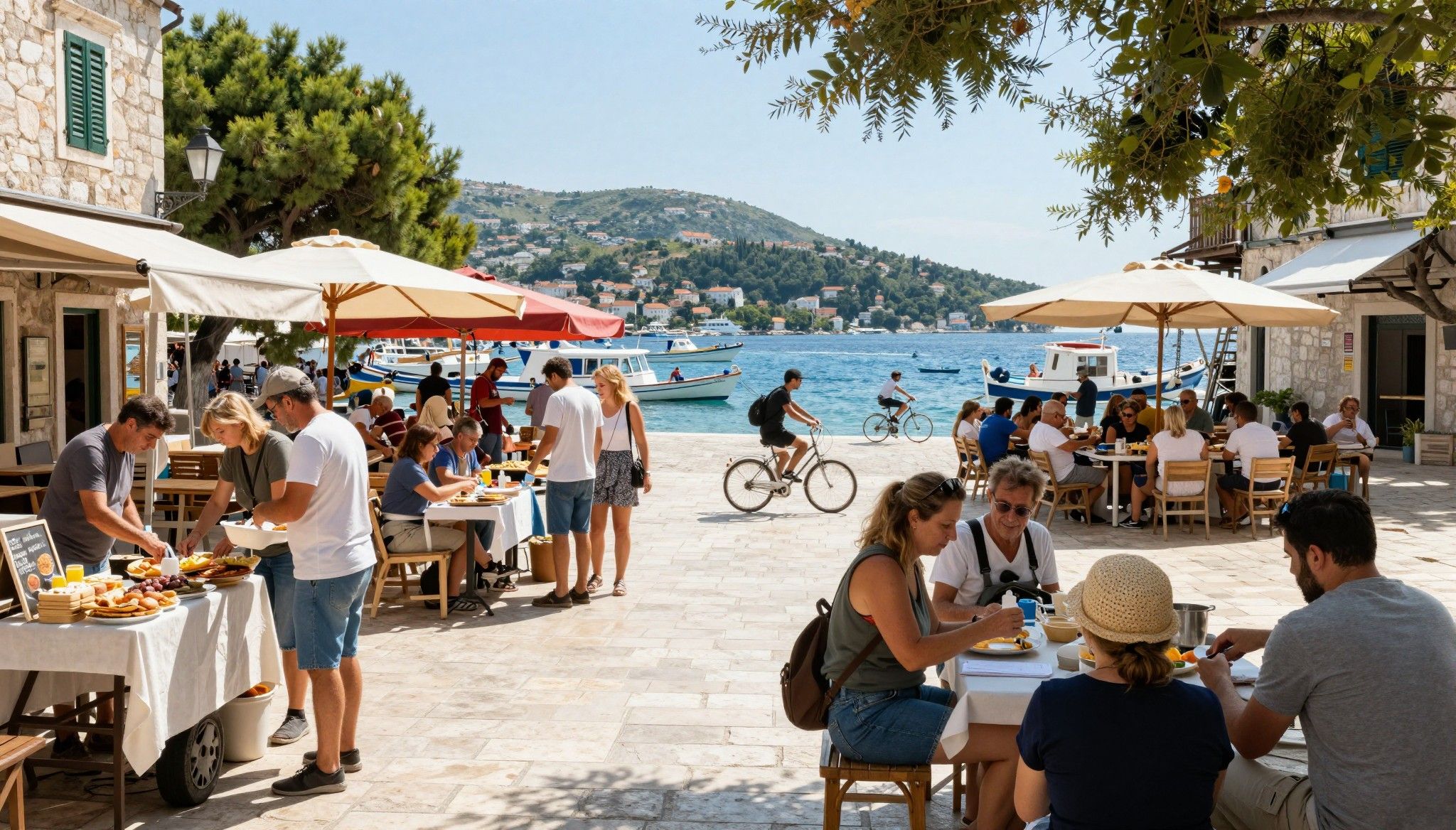
Markets and seasonal food shape Italian life. In Palermo you’ll haggle over fresh sardines, in Parma the weekend market supplies prosciutto and Parmigiano; in Emilia Romagna small family trattorie set the social rhythm for the neighbourhood. Look for properties within easy walking distance of a market or a quality alimentari—being close changes how often you cook, who you meet and how connected you feel. For many internationals this proximity is the difference between feeling like a visitor and feeling like you belong.
- Lifestyle highlights to scout (actual places)
- Piazza Navona’s morning rhythm (Rome) — cafés, street artists, compact apartments with shutters
- Mercato di Sant’Ambrogio (Florence) — fresh produce and neighbourhood cafés within ten minutes
- Riviera promenades (Liguria) — small seafront homes, walking culture, seasonal tourist flux
Making the move: practical considerations
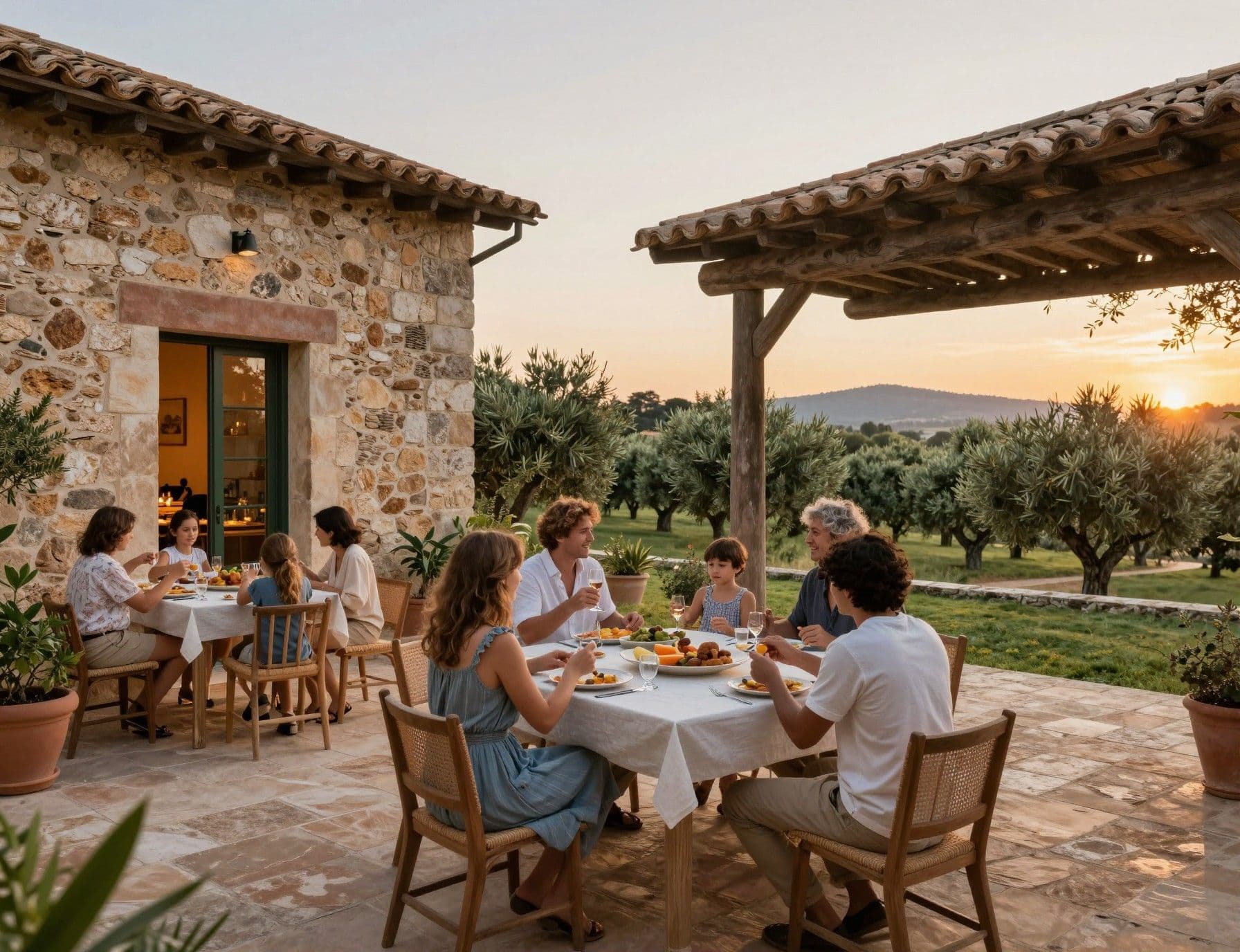
The romance of Italy meets a patchwork market. Nationally, house-price indices and transaction volumes have shown modest, regionally uneven growth—urban centres and sought-after coastal areas typically outpace many southern inland towns. Those macro signals matter because they tell you where demand (and liquidity) is improving. We use recent ISTAT and market-platform data to set expectations: prices can be rising nationally while excellent local bargains exist where demand hasn’t yet peaked.
Property styles and what they mean for daily life
Old palazzo flats in cities have high ceilings, thick walls and small windows—they keep summer heat out but are often poorly insulated, which affects bills and renovation choices. A renovated trullo in Puglia gives character and cool summers but limited ceiling height; a modern apartment in Milan’s Porta Romana offers efficient heating, elevators and coworking nearby. Match the property’s bones to the life you imagine—if you want dining rooms and dinner parties, prioritise kitchens and circulation; if you want outdoor living, terraces, courtyards and private access become non-negotiable.
Working with local experts who understand lifestyle fit
A local agent who’s done more than list properties becomes a neighbourhood curator: they’ll tell you which baker wakes at 5am, where the best after-school soccer pitches are, and which streets quiet down after 9pm. For internationals, we recommend agencies that can supply recent transaction dossiers, speak English (or your language), and have on-the-ground contacts—builders, notaries, and property managers. These relationships save you time and help avoid later costly surprises when the life you expected doesn’t match the property you bought.
- Practical steps blending lifestyle and legal checks
- Walk target neighbourhoods for three mornings to test daily rhythms and noise levels
- Ask your agent for recent comparable sales (dossier) and a list of recurring maintenance issues for the building
- Commission a structural and energy inspection before signing a preliminary contract (compromesso)
- Confirm supply contracts (water, gas, electricity) and ask neighbours about seasonal issues (flooding, winter heating)
Insider knowledge: expat realities and seasonal truths
What expats often learn the hard way: the dreamy façade of a town rarely tells you about seasonal shifts, maintenance cycles or municipal rhythms. Coastal towns can be bustling in summer and nearly empty in winter; hill towns may lack dependable broadband or year-round public services. Recent research shows that environmental risks—flood exposure or repeated events—can dent value over time, so factor climate realities into your lifestyle wish list and due diligence.
Cultural integration: small rules that change your life
Simple social habits matter: shopkeepers remember faces, municipal offices often require in-person visits, and effective integration is built on small daily interactions. Learning conversational Italian opens doors—literally and socially—but many towns have active expat meetups, language exchanges and international cultural clubs. Expect bureaucracy to be slower than in some countries; patience and a helpful local agent smooth many processes.
Long-term lifestyle: what keeps people here
People who stay in Italy long-term point to recurring themes: food, rhythm, community and public culture. For property, that means investing where services (healthcare, transport, schools) match your future needs. Cities give career and rental options; smaller towns offer land, lower entry prices and a different quality of life. Think five years ahead: will your chosen place deliver the amenities you’ll want then?
- Red flags buyers miss
- Missing paperwork on condominium common parts — ask to see the latest minutes and maintenance fund records
- Poor energy efficiency in old homes — check for insulation, heating type and potential Ecobonus eligibility
- Seasonal transport limits — verify winter road access, ferry timetables and regional train reliability
Conclusion: fall for the life, then build the file
Italy can change how you measure a good day. Start with the scene you want—market mornings, coastal sunsets, or a veranda for Sunday lunches—and let that vision guide which towns and property types make sense. Then demand dossiers, inspections and local insight before you sign. When you pair a clear lifestyle brief with diligent, local expertise, you buy more than a house: you buy the life you imagined.
Norwegian market analyst who serves Nordic buyers with transparent pricing and risk assessment. Specializes in residency rules and tax implications.