Malta’s ‘Island Premium’: Where Value Hides
Malta’s “island premium” hides micro-markets. Match street-level lifestyle with NSO-backed price trends to buy the life you want, not just a view.
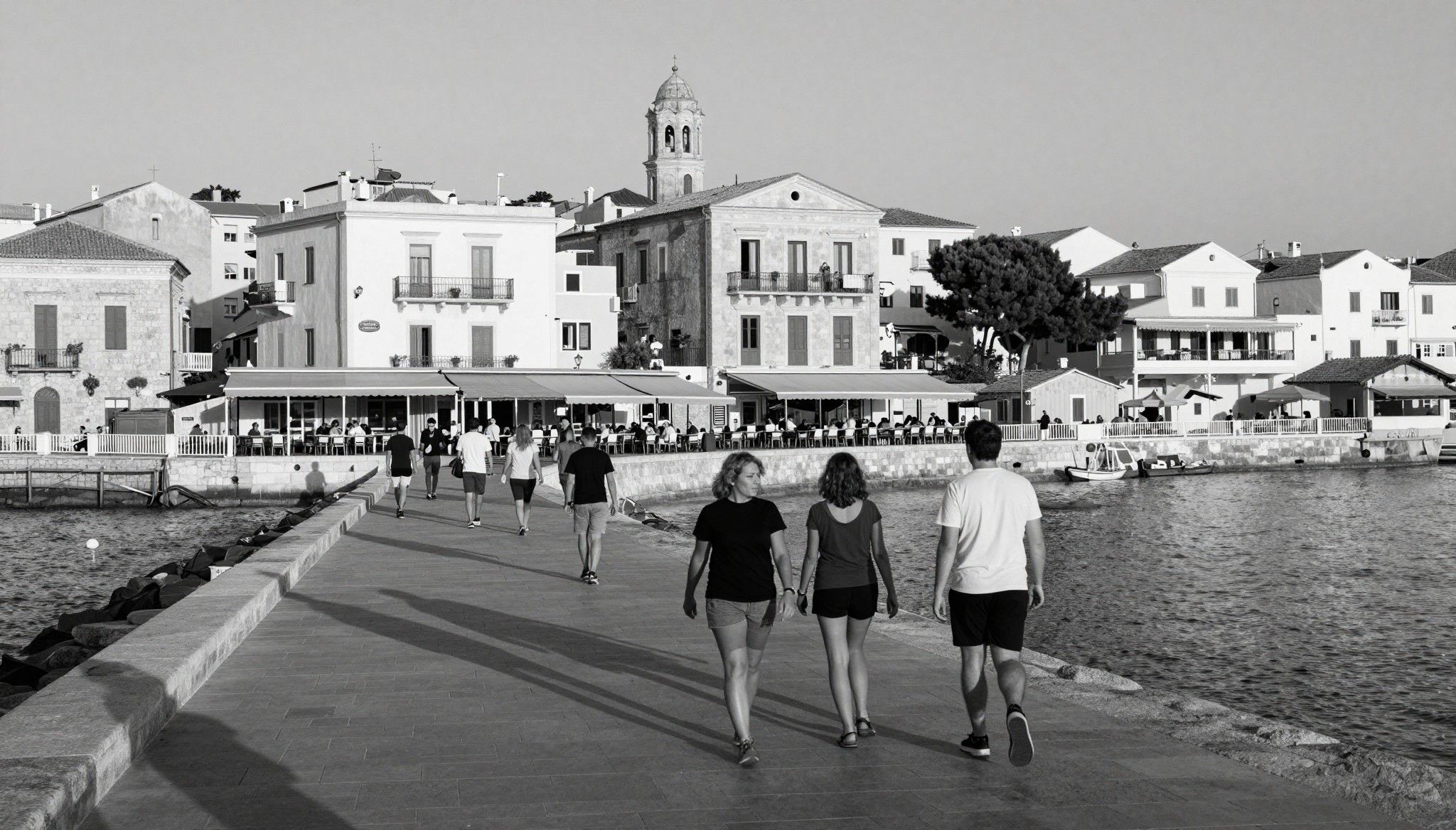
Imagine starting your day with espresso at Café Cordina, walking down Republic Street to the sea air, and deciding — almost on a whim — to look at a maisonette a few streets over. Malta fits into a single, intoxicating narrative: Mediterranean light, layered history, and neighbourhoods that feel like small towns inside a capital. But that feeling — “it’s small and expensive” — hides nuance. We’ll show you where value sits, why the headline “island premium” misses parts of the story, and which pockets let you buy into the life without overpaying. (Data note: recent RPPI figures show steady price growth; see NSO link.)
Living Malta: how the island actually feels
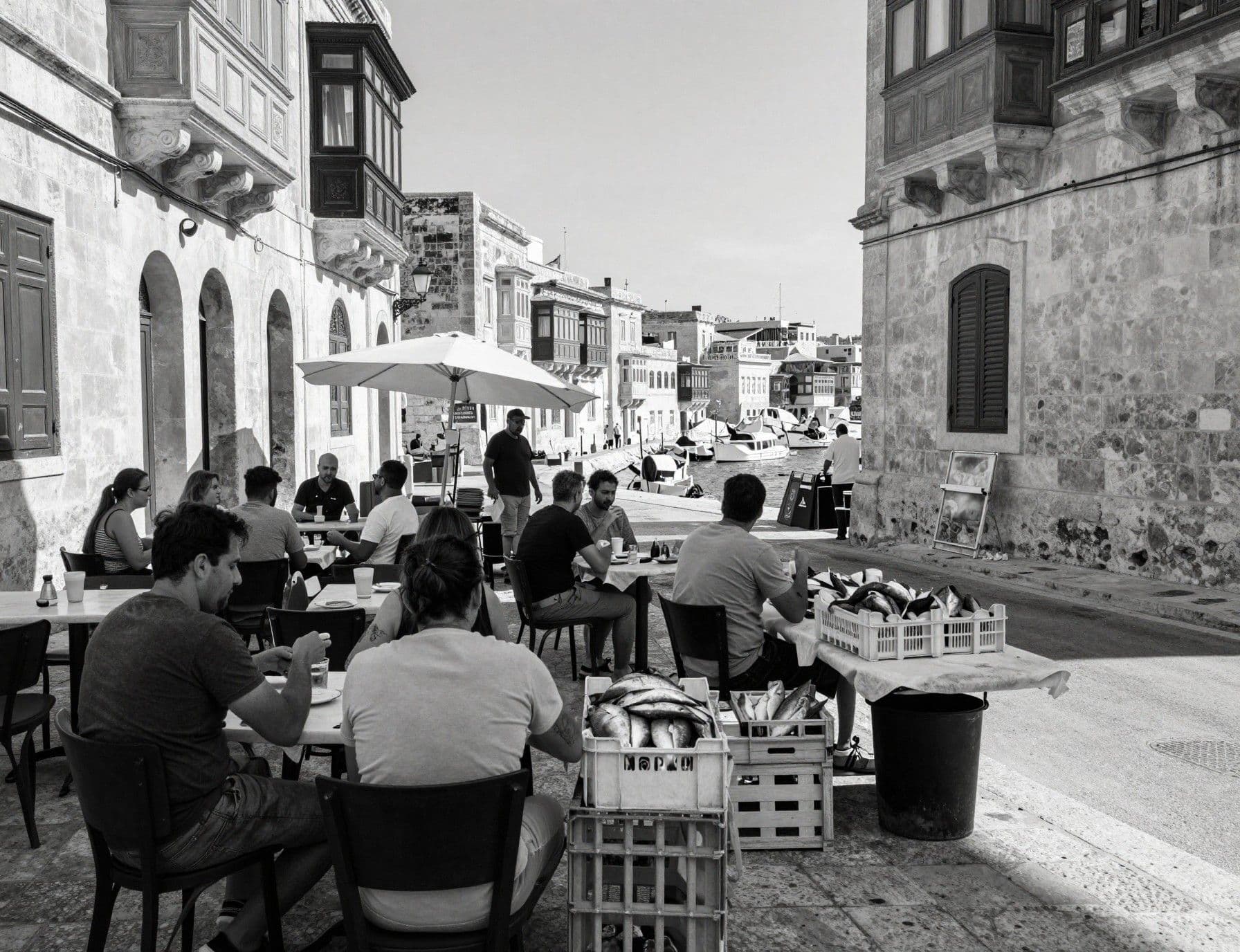
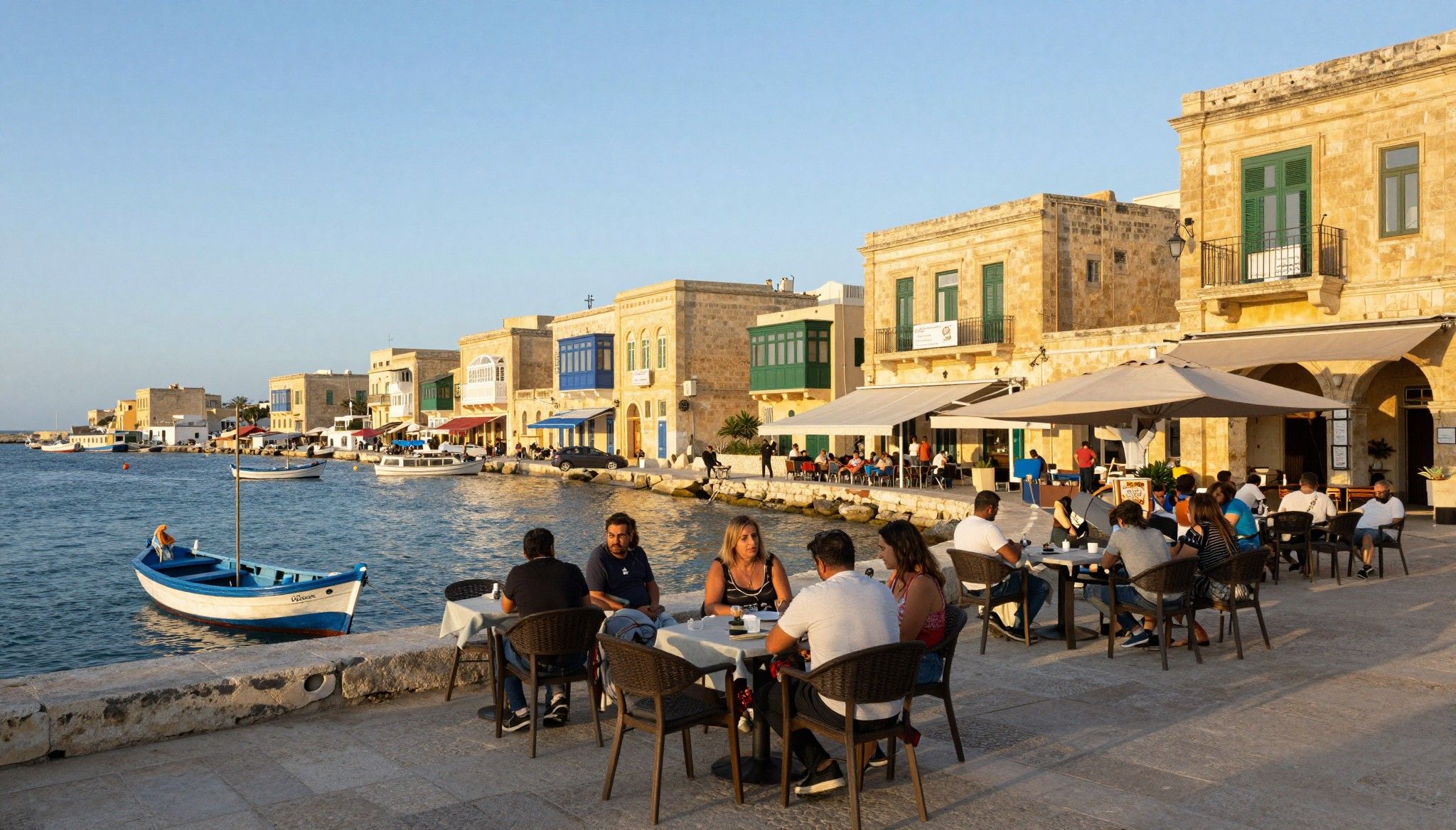
Malta moves at two paces: the slow, communal rhythm of village squares and the brisk, cosmopolitan tempo of Sliema and St Julian’s. You’ll hear Valletta’s church bells in the morning, lunch in Marsaxlokk among fishing families, and aperitifs on Balluta Bay at sunset. For buyers, that variety is the asset: one island contains seaside mornings, historic evenings, and quiet inland lanes. But the lived reality also explains price dispersion — some streets command premiums because they sell the daily scene, not just square metres. National measures record steady price increases but hide the street-by-street variation experienced by residents and buyers. (See MaltaToday for broader trends.)
Valletta, Sliema and St Julian’s — concentrated energy
If you want street life, cafes, galleries and a short walk to work, Valletta’s grid and Sliema’s promenade deliver. St Julian’s and Paceville skew younger and livelier; Sliema tilts towards daytime cafés and long coastal walks. These areas attract international buyers and short-term rentals, which pushes prices up — but what you pay for is convenience and a specific daily rhythm. For lifestyle-focused buyers, that premium buys time, not just location; for investors, it buys yield potential. (Central Bank and market analyses note higher activity in these hubs.)
Mdina, Marsaxlokk and the quieter side
Move inland or along the south-east coast and you’ll find atmosphere without the crowds. Mdina’s medieval silence and Marsaxlokk’s fishing-harbour sociability offer different daily pleasures: slow lunches, local markets and room to breathe. These neighbourhoods don’t always show up in headline price indices because transaction volumes are lower, but they are where lifestyle-minded buyers can often stretch their budgets for a larger home or garden. Recent NSO data shows national price rises; the trick is reading that data alongside local inventory and transaction volumes.
- Lifestyle highlights: café culture at Café Cordina (Valletta), sunset walks at Balluta Bay (St Julian’s), Sunday fish market in Marsaxlokk, village festas in Żurrieq, and the quieter lanes of Rabat for weekend strolls.
Making the move: marry lifestyle to market reality
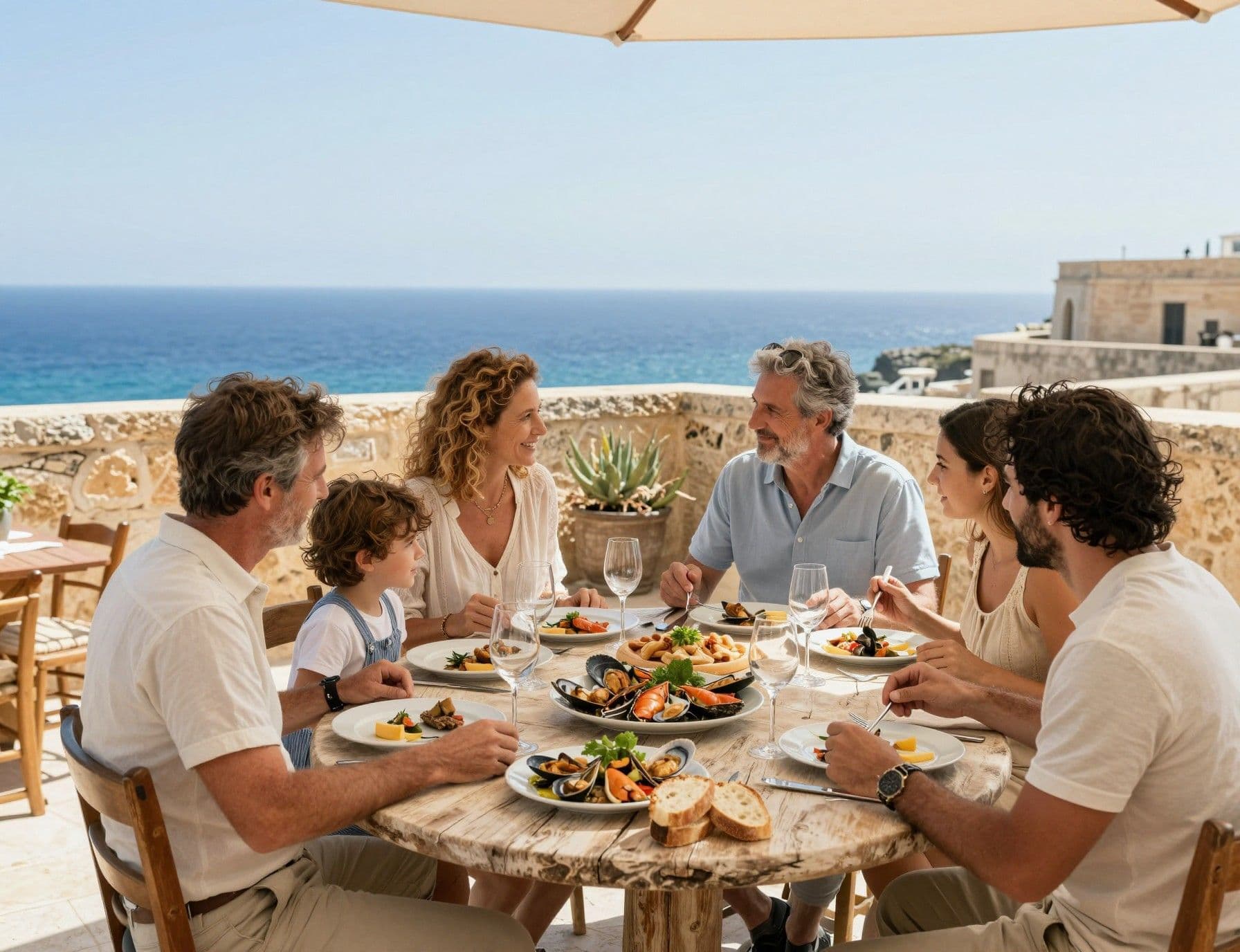
You can fall in love with a street and still make a smart purchase — but you must align lifestyle choices with market signals. Malta’s small size concentrates demand: when a neighbourhood becomes fashionable, supply tightens quickly. That means realistic expectations on size and trade-offs. Work with local agents who understand which streets hold their value and which are transient trends. Economic reports and NSO figures tell you where prices are heading; local agents tell you which terraces, maisonettes or converted warehouses match the life you want at a responsible price.
Property styles and what they mean for daily life
Historic townhouses and restored maisonettes deliver terraces, thick stone walls and cool interiors — great for summer and atmospheric in winter. Modern apartments (especially in Sliema and St Julian’s) offer amenities and easier rentals. If you plan to live the Maltese outdoor life, prioritise terraces, rooftop access or a small garden. Renovation potential is common in older stock, but factor in specialist contractors and sometimes lengthy permit timelines. Match property type to your rhythm: entertaining on terraces requires proximity to shops and parking; quiet mornings need residential streets and good insulation from nightlife hubs.
Working with the right local experts
- 1. Ask an agent for recent sales on the street, not just in the neighbourhood: small islands mean micro-markets. 2. Commission a local surveyor who understands Malta’s older structures and party-wall traditions. 3. Check rental registry trends if you plan nights-as-income — tourist hotspots differ from year-round rental demand. 4. Build a realistic renovation calendar: permits, materials and specialist trades can add months. 5. Confirm utility standards and insulation; older stone homes look beautiful but need attention for modern heating and soundproofing.
Insider knowledge: what expats wish they'd known
Expat life in Malta is easier than many expect because English is an official language and community networks are strong. But cultural quirks matter: festas can mean loud weekends, narrow streets mean parking is a negotiation, and summer tourist peaks change how neighbourhoods feel. Many buyers discover that being near a market or square makes daily life richer, while some who chased sea views later prioritise a quieter street with a good café. Learn fast which trade-offs you’re willing to accept — the island rewards clarity about daily priorities.
Integration, language and social life
English makes administrative steps and neighbourhood friendships easier, but learning Maltese opens doors at village festas and with older neighbours. Expect to be invited to coffee conversations that turn into helpful local intel — who’s selling, which block has recurring maintenance issues, which contractor to trust. Community ties often determine quality of life more than square metres: a friendly neighbour who collects your mail or a local shopkeeper who knows your tastes is part of the purchase value.
Long-term lifestyle and what grows in value
Tourism-driven areas can give higher short-term returns, but long-term value often follows infrastructure and scarcity: limited waterfront parcels, well-preserved historic homes near Valletta, and properties with private outdoor space. Energy-efficiency retrofits are becoming more valued as buyers look beyond superficial charm to running costs and resilience. Combine market reports with local street intel to prioritise the features that will still matter in five to ten years.
- Red flags and practical checks: unclear deed descriptions, missing building permits for extensions, repeated short-term lets in a block, roof terraces without proper rights, and unresolved party-wall disputes. Always ask for recent utility bills and a statement on maintenance contributions.
Ready to act: spend a day living the routine you want (coffee, shop, commute), collect three on-street comparables, and ask your agent for the seller’s timeframe — the island market moves fast when inventory appears. Match that street-level homework with the macro data: NSO and economic outlooks confirm steady growth, but micro-markets determine whether you bought sensibly or paid for a transient trend. If you want a hand, agencies with local networks and a records-first approach make the difference between a charming impulse buy and a considered move into life in Malta.
Swedish expat who moved from Stockholm to Marbella in 2018. Specializes in cross-border legal navigation and residency considerations for Scandinavian buyers.