Malta: Street Rhythm, Lifestyle & Market Truths
Malta’s compact, walkable lifestyle hides market tightness and regulatory shifts; pick a street as much as a property and match daily rhythm to long-term value.
Imagine waking on a narrow Valletta street to the smell of freshly baked ftira, then walking ten minutes to a ferry that pulls into Sliema for espresso by the sea. Malta is compact enough that your daily life stitches together Baroque streets, limestone terraces and a surprisingly bold contemporary food scene — and that close scale changes how property here works. For international buyers who dream of easy island living, Malta offers clarity of routine and texture of place; for the pragmatic buyer it also demands close attention to supply, regulatory shifts and neighbourhood rhythm.
Living the Malta lifestyle
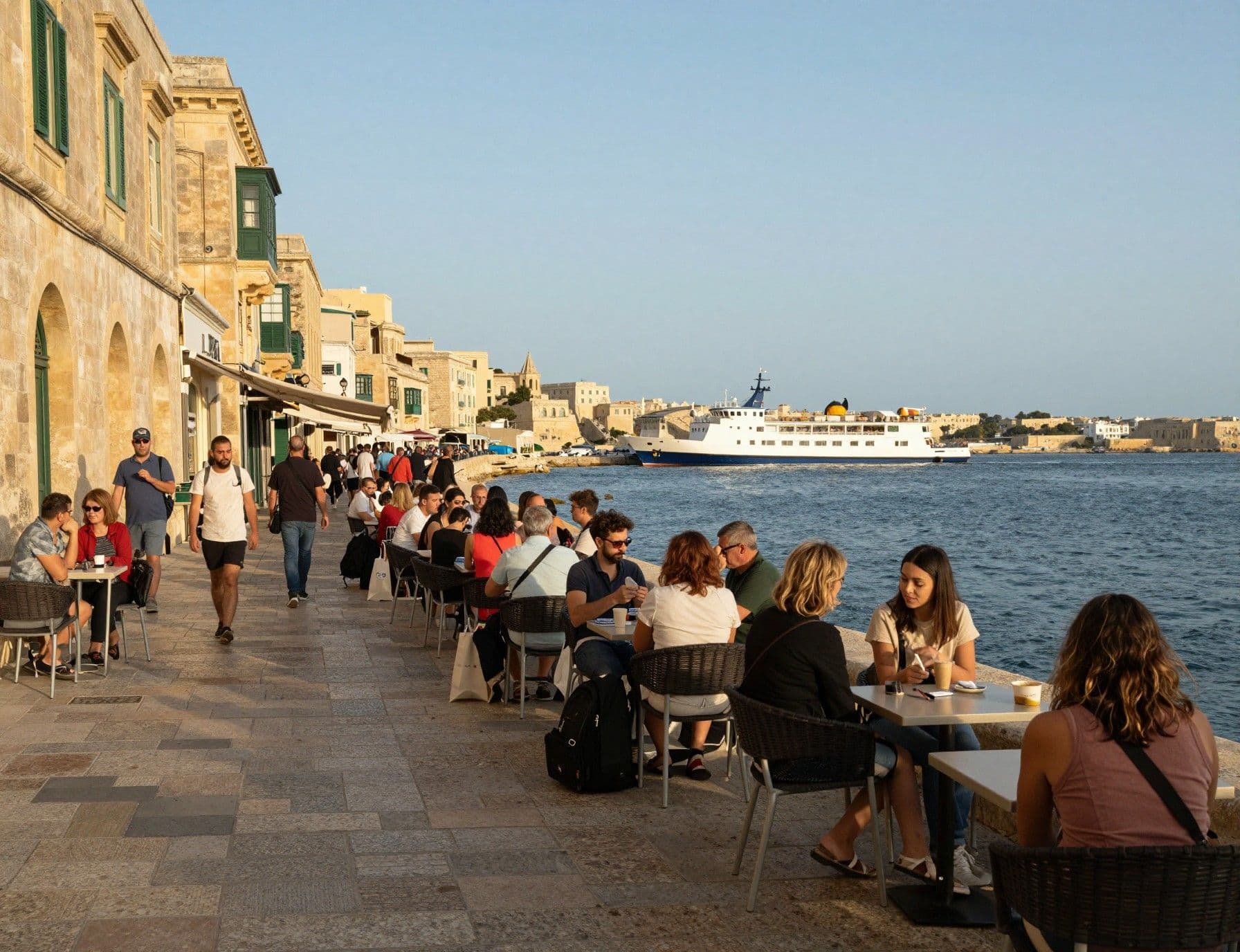
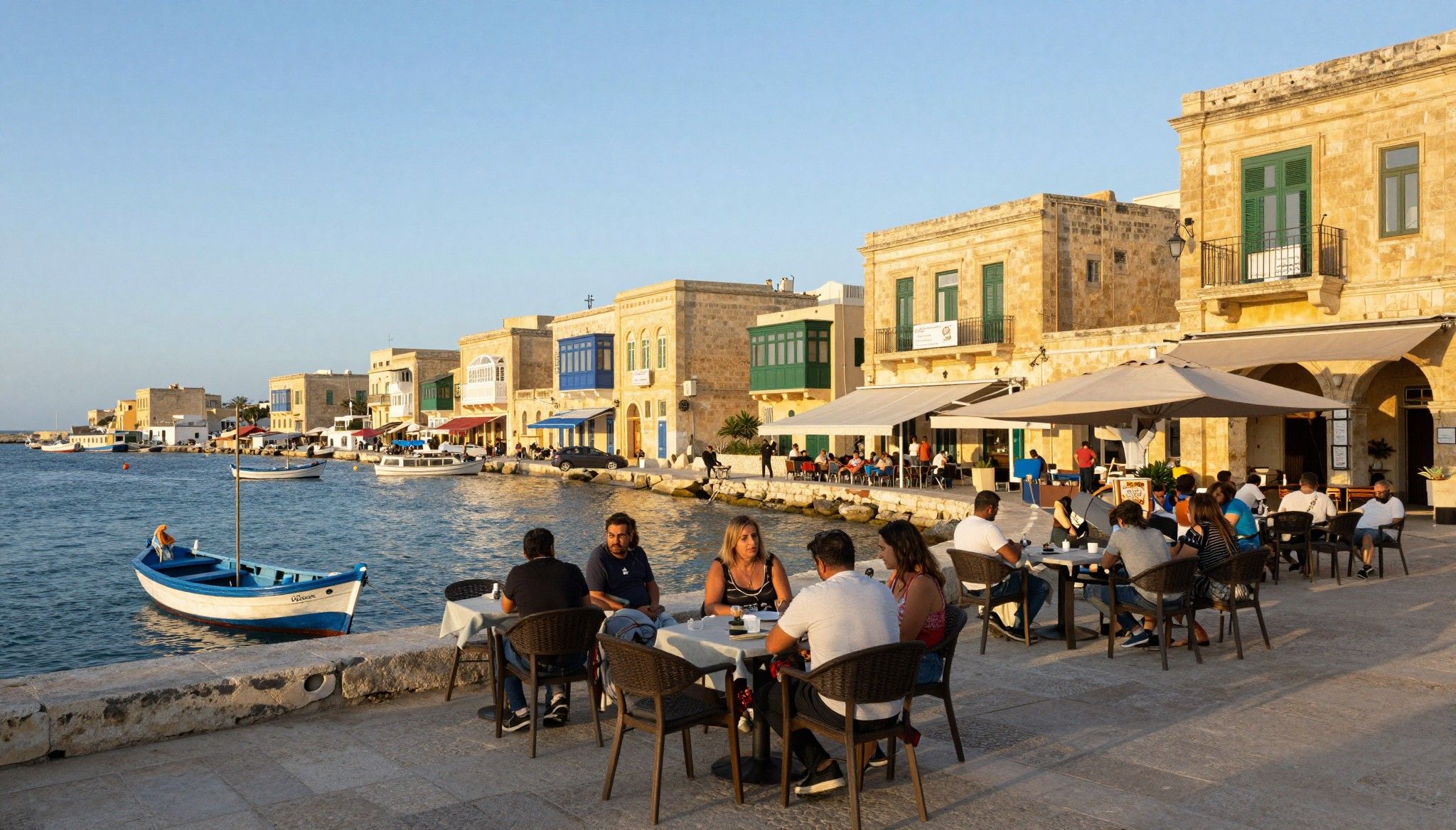
Life in Malta is best described as urban Mediterranean — streets hum all year, cafés pulse in the mornings, and evenings gather on terraces. Valletta, Sliema, St Julian's and Mdina each give a different tempo: Valletta for walks between museums and government buildings; Sliema for sea promenades and ferry commutes; St Julian's for a louder nightlife beat; and the quieter, village-like corners around Mgarr or Mellieha for beaches and olive-scented evenings. You’ll plan your weekends around small, dependable rituals: a Saturday fish market at Marsaxlokk, aperitifs at Spinola Bay, a weekday run along the Sliema promenade.
Valletta & the Three Cities: history on every corner
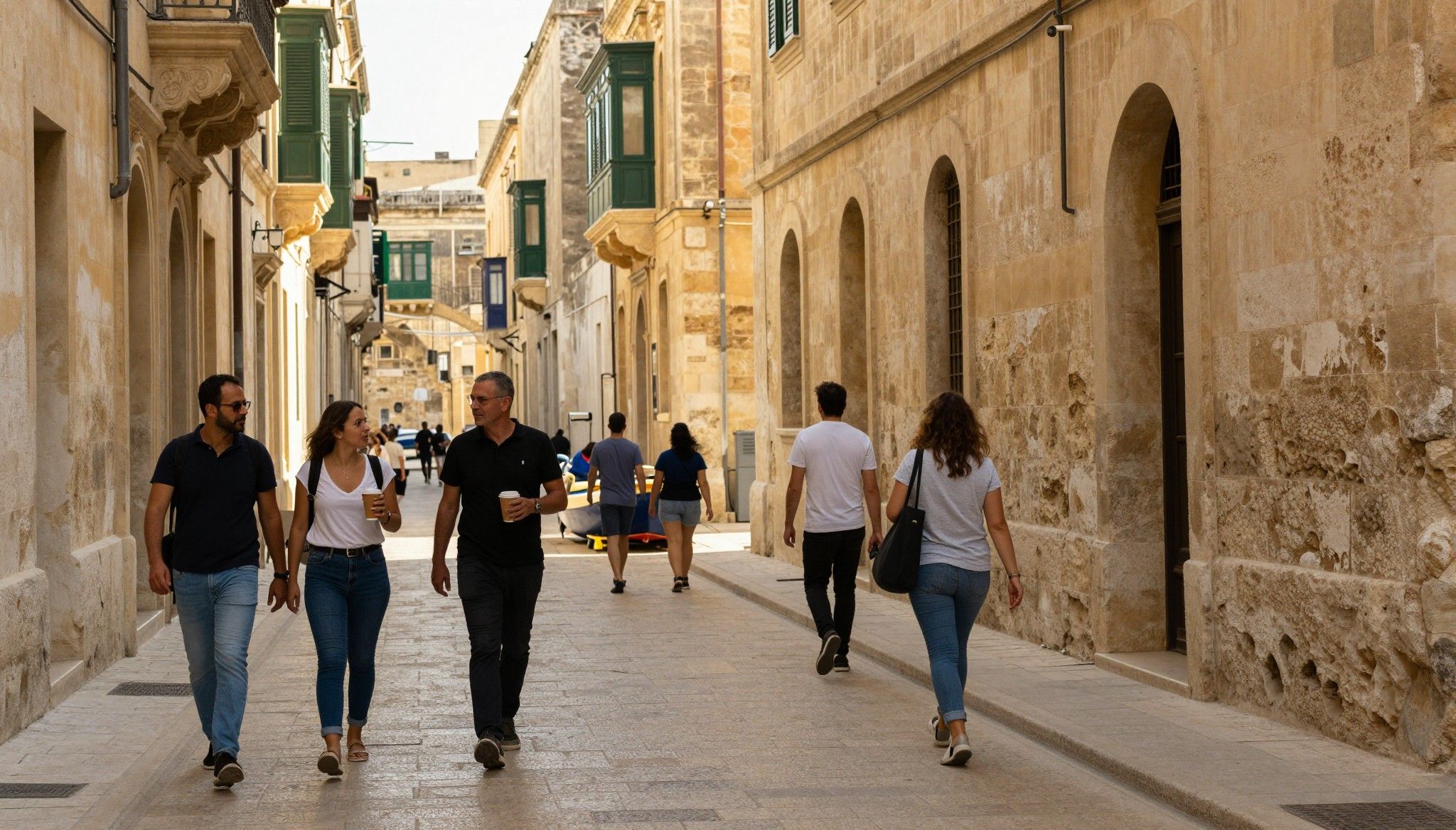
Strolling Valletta means leaving the car behind. Streets are stone, doors are painted, and the pace is one of discovery — a tiny cafe around every bastion. The nearby Three Cities (Vittoriosa, Senglea, Cospicua) feel more residential and deeply local: old fishermen’s lodges, narrow alleys and waterfront terraces where neighbours still stop to talk. These areas reward buyers who value character and walkability over open-plan space.
Sliema & St Julian’s: sea-facing routines
If your day includes a promenade, a quick swim and a late-afternoon espresso, Sliema or St Julian’s will fit like a glove. These districts offer a mix of modern apartments, converted maisonettes and high-rise blocks close to amenities — popular with expats and younger buyers. Expect higher turnover and a stronger rental market here, which matters if you plan to let the property when you’re away.
- Lifestyle highlights: - Morning espresso at Cafe Jubilee (Valletta) and a stroll past the Upper Barrakka Gardens - Seafood lunch at Marsaxlokk market on Sundays - Sunset drinks at Spinola Bay, St Julian’s - Weekend swims at Golden Bay or Ghajn Tuffieha - Farmers’ produce and pastries at local village markets in Rabat and Mellieħa - Casual ferry rides between Sliema and Valletta for work or dinner
Making the move: practical considerations
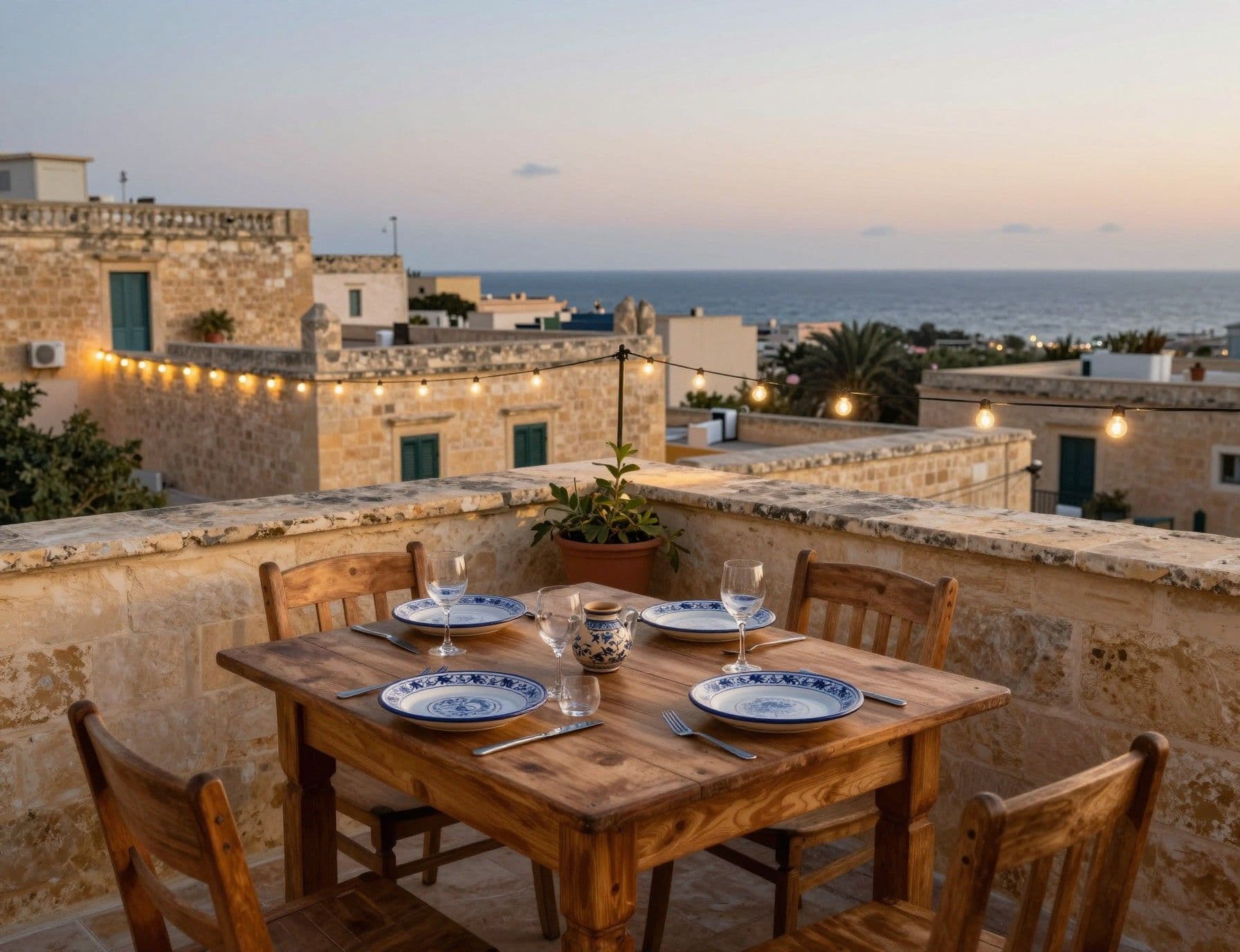
Malta’s market is small and tightly priced: official statistics show house prices continued to rise in recent years, with the Residential Property Price Index reporting year-on-year gains in 2024–2025. That tightness means two things for buyers: choice is limited in the most desirable pockets, and small differences in location or quality can have outsized effects on resale value and rental demand. Treat neighbourhood rhythm — ferry lines, school catchments, noise from tourism hubs — as fundamental to price, not just aesthetic.
Property styles and how they shape daily life
Traditional Maltese homes include terraced maisonettes with internal lightwells, upper-floor flats with balconies and modern apartment blocks. A maisonette can feel more like a house — private entrance, street life — while a modern apartment near the promenade gives you infrastructure and ease. Consider the realities: many older buildings lack insulation and lift access; terraces are priceless for summer living but need waterproofing; and listed or restaurable properties often require patient renovation and local approvals.
Working with local experts who know the rhythm
- Steps to blend lifestyle and legality: 1. Hire a Maltese notary and conveyancer early — the island’s compact title records and lease norms differ from many countries. 2. Ask agents for street-level comparables, not just headline prices — one street over can change rental yield materially. 3. Budget for renovation realities: waterproof terraces, sash-window repairs and limited insulation are common. 4. Verify residency rules before you buy: Malta’s citizenship-by-investment route has been ruled impermissible by EU authorities, and residency programs were updated in 2025, so rely on current legal advice.
Insider knowledge: what expats wish they'd known
Expat residents often tell us the surprises are small and social: how quickly neighbours know you, how consuming church festas can be, and how English makes daily life straightforward. The trick is matching the island’s social cadence to your expectations: if you prize peace, avoid holiday-hotspots in July and August; if you prize sociability, pick a street with corner cafés and community events. Practical surprises include seasonal tourist noise, the value of an allocated parking space, and the administrative time needed for planning permissions.
Cultural integration, language and local norms
English is an official language and widely used in business, which flattens the learning curve for many buyers. That said, learning Maltese opens doors at village gatherings and markets. Expect direct conversation, an appreciation for punctuality that loosens by island standards, and festivals that temporarily rewrite traffic and noise patterns. Building goodwill with neighbours and local tradespeople pays dividends when renovating or resolving utility questions.
Long-term lifestyle and investment realities
If your goal is long-term living rather than short-term speculation, focus on street-level fit: proximity to the things you’ll use daily, year-round sunlight on terraces, and a local grocery you like. Rental returns exist in central Sliema and St Julian’s, but small market size and regulatory change mean yields can fluctuate. Treat property here like a lifestyle purchase first; financial considerations second — that alignment usually preserves value.
- Red flags and quick checks: - No formal planning permission for added terraces or conversions - Unclear ownership splits in older maisonettes - Properties with chronic damp or uninsulated roofs - Listings without recent utility or energy upgrade records - Overpriced streets with tourist-facing storefronts that spike summer noise
Move here and you’ll trade commute time for café time, stone steps for elevators and anonymous suburbs for neighbourly streets. That trade-off is exactly Malta’s appeal: a life that’s dense with ritual and proximity. If you love short walks, morning markets, and a coastline that’s never more than a short drive away, Malta will feel like a carefully edited daily novel.
If you’re ready to explore, start with a shortlist of streets not just properties: test morning coffee routines, check ferry timetables, and ask a local agent for three recent comparable deeds on the exact block. Use a Maltese notary and insist on up-to-date title searches. For lifestyle-led decisions, let street rhythm guide your choice; for investment-led choices, let NSO data and local sales patterns set expectations. When in doubt, we’re here to introduce you to agents who know the island’s rhythms and the paperwork that keeps ownership clean.
Danish investment specialist who relocated to Costa del Sol in 2015. Focuses on data-driven market timing and long-term value for Danish buyers.