Streets, Markets & Market Facts: Malta Up Close
Malta’s charm is tactile—streets, markets and terraces—but steady price growth and supply limits mean international buyers must pair lifestyle choices with local data and advisers.
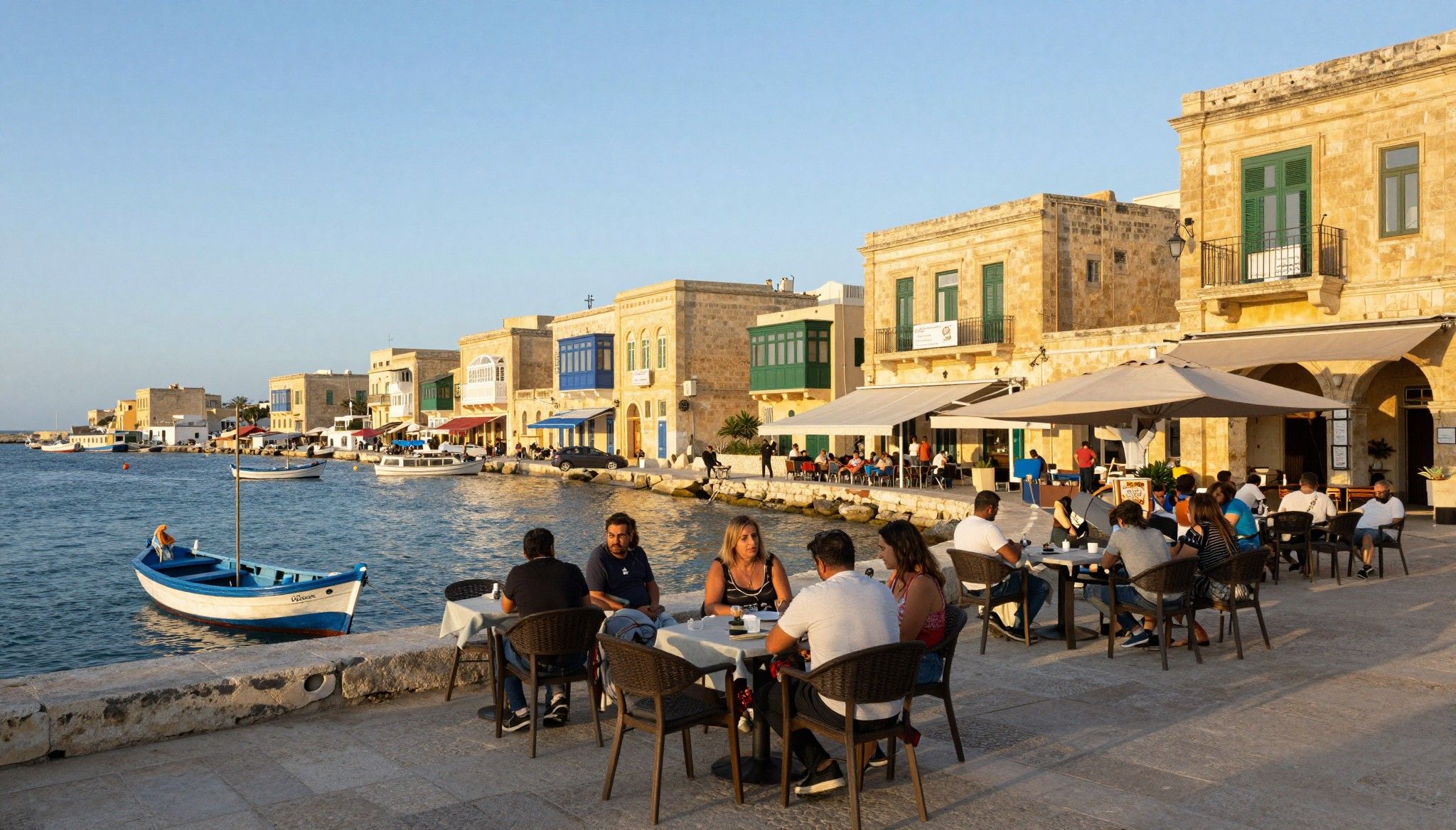
Imagine an alley in Valletta at 8am: shutters up, the scent of fresh ftira drifting from a bakery on Old Bakery Street, an old man sweeping limestone steps while a young couple argue cheerfully about where to grab coffee. Malta is compact—walkable streets, rooftop terraces that become living rooms in summer—and that compressed, human scale is what makes buying here feel like choosing a life, not just a home.
Living Malta: Daily rhythms and real corners
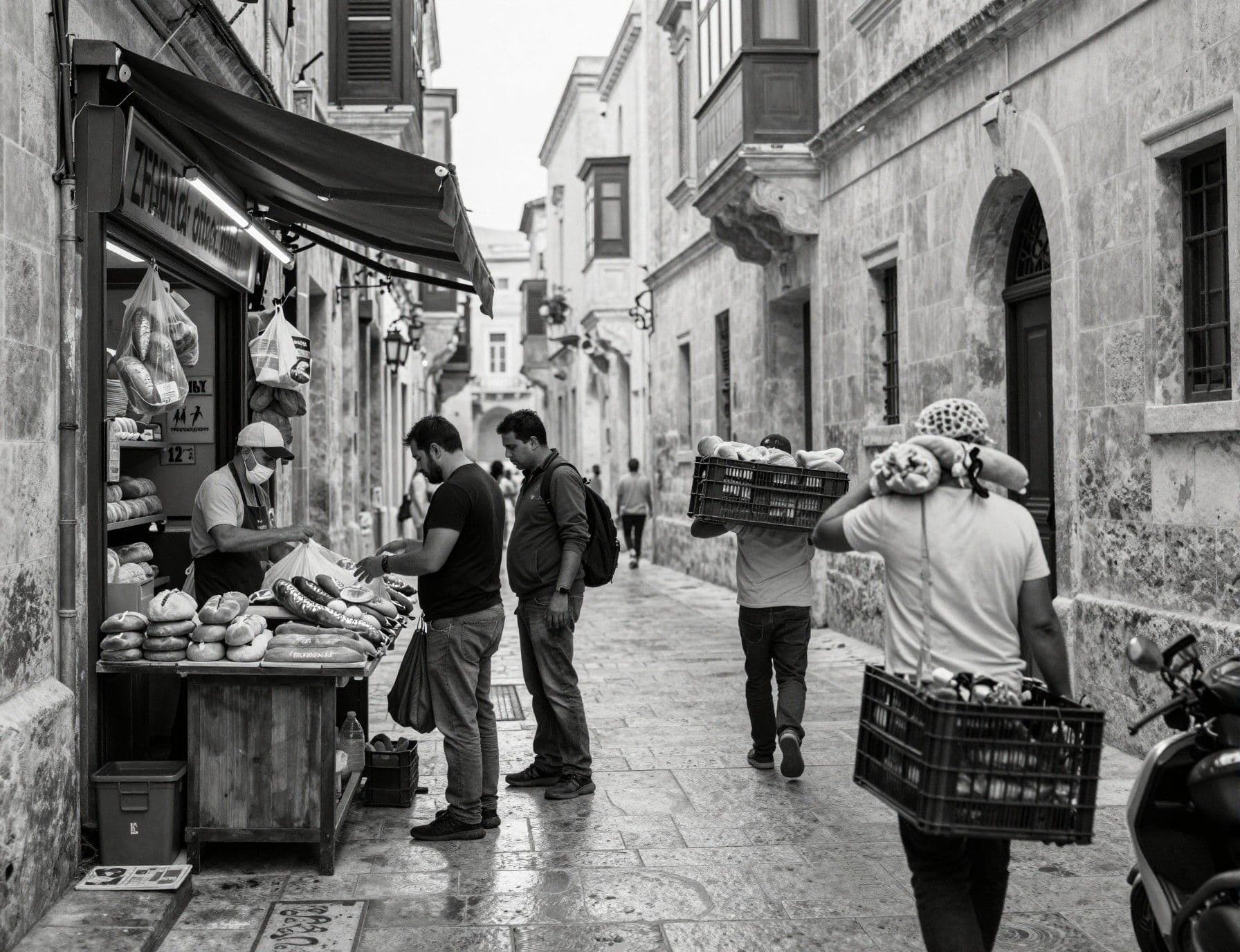
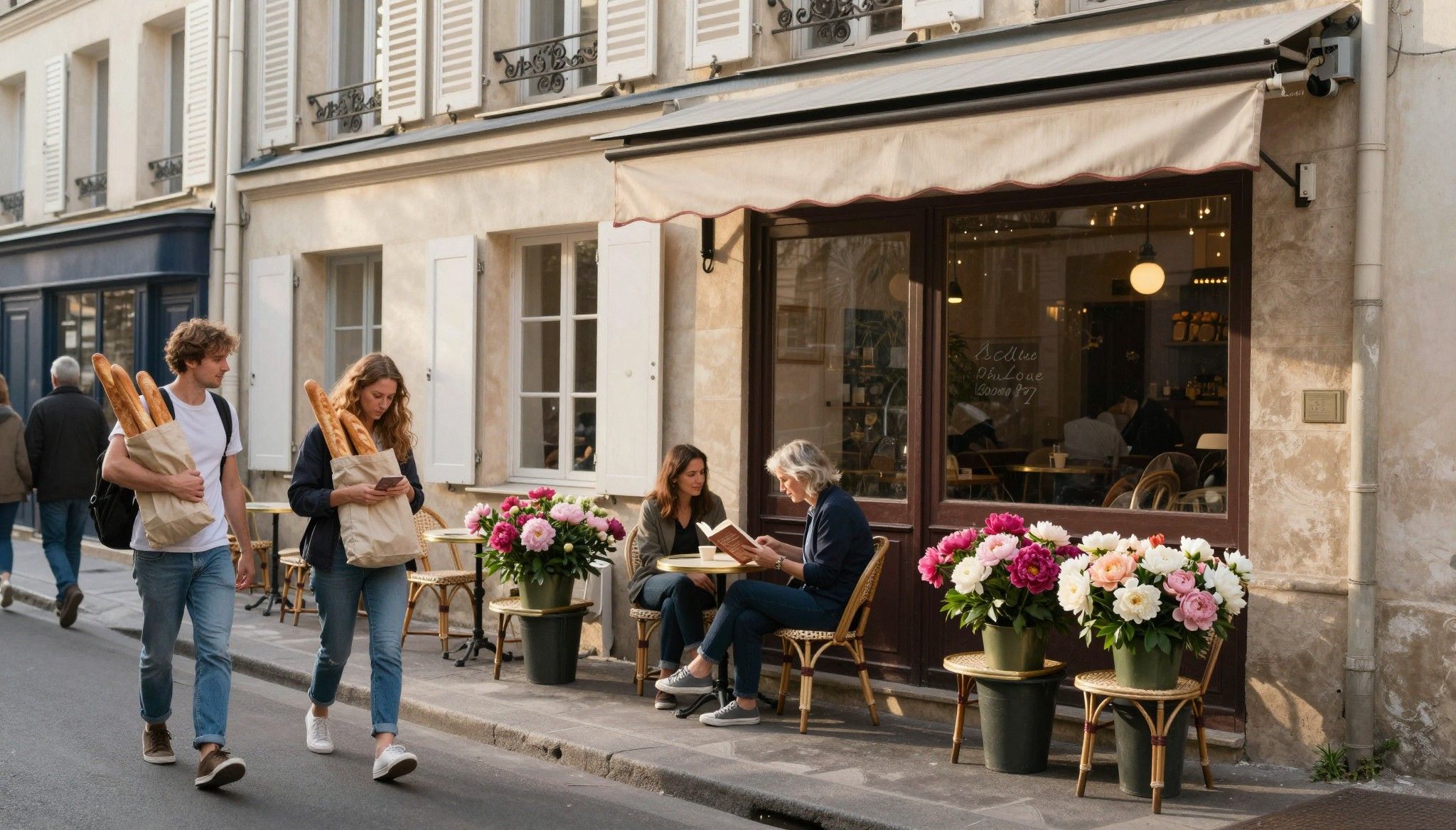
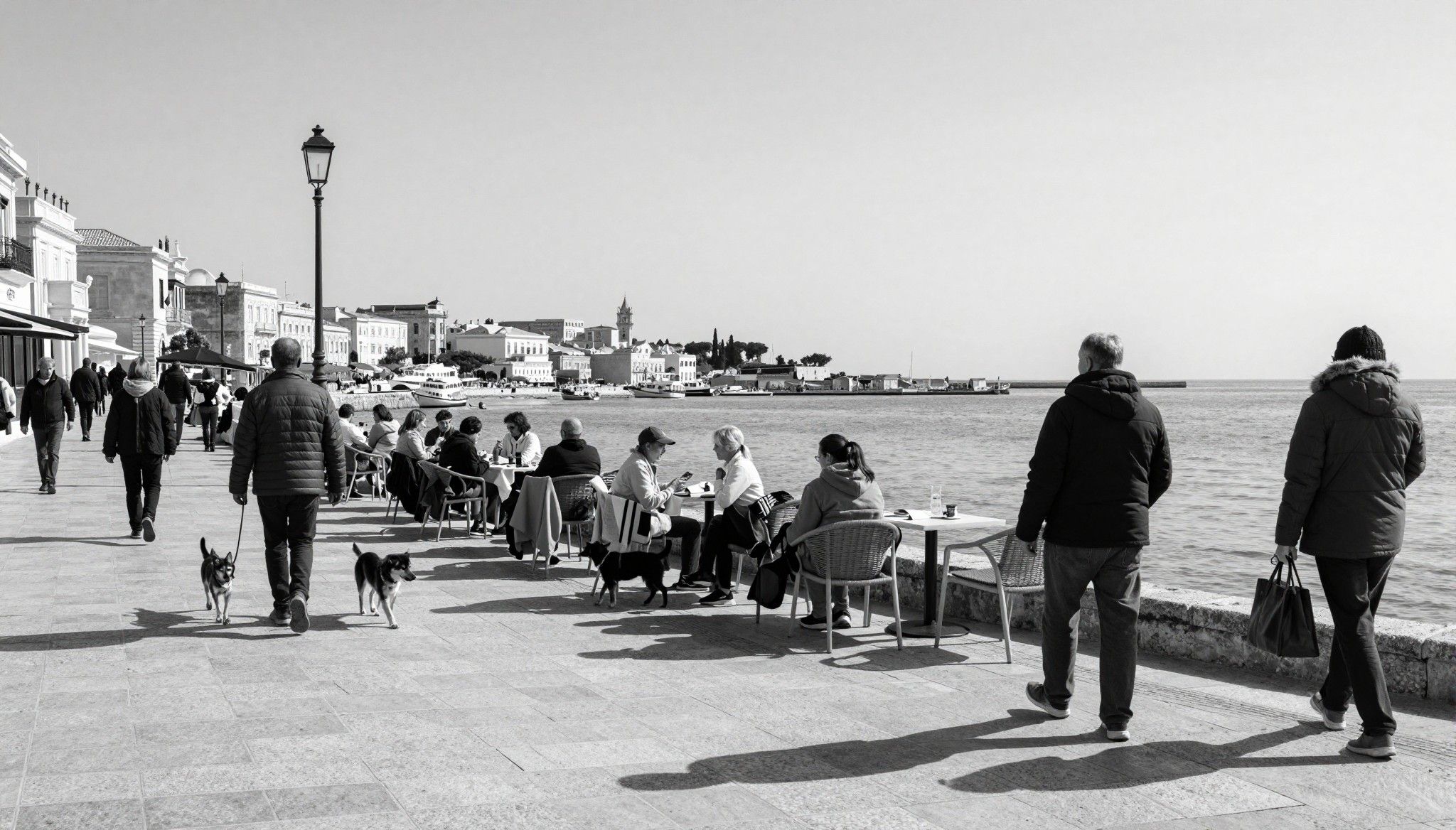
Living in Malta is less about postcard panoramas and more about the rhythm between sea and stone. Mornings mean espresso and a quick chat at a corner cafe; afternoons drift to bay swims or quiet renovation projects; evenings are small‑plate dinners on terraces and passeggiatas along promenades in Sliema and St. Julian’s. The island’s scale makes neighbourhood choice disproportionately important: the street you choose shapes weekly routines.
Neighborhood spotlight: Valletta, Sliema, and Gzira
Valletta is theatrical—baroque facades, narrow lanes, opera posters, and a steady stream of cultural life. Sliema and Gzira feel more everyday‑Mediterranean: cafes on seafront promenades, busy laundries, and apartment blocks with balconies that get claimed early each summer. If you want quiet streets and community markets, consider the older village cores like Naxxar or the fishing harbour of Marsaxlokk—each offers different social tempos and renovation opportunities.
Food, markets and the weekend pulse
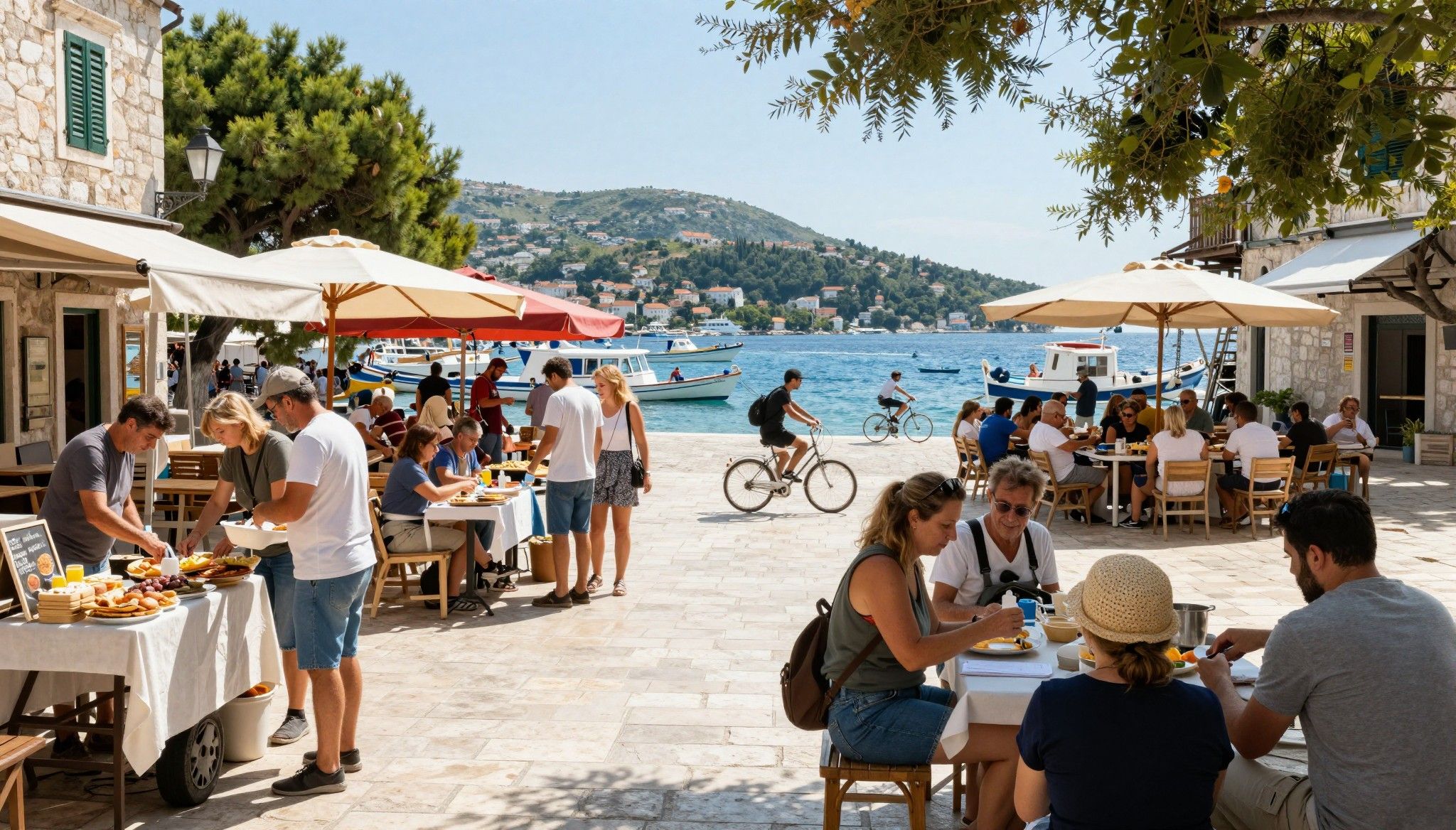
Saturday mornings move around markets: local fishmongers in Marsaxlokk, fruit stalls in Paola, and pop‑up bakers in Valletta. Maltese cuisine crosses Sicilian, British and North African notes—try lampuki pie when in season, ftira at a bakery, and small tavernas that serve rabbit stewed slowly. Eating locally is how people meet; restaurants and cafés are social infrastructure, not mere conveniences.
- Lifestyle highlights to look for when choosing a street or block
- Morning coffee rituals (check for quality and crowd at the local cafe)
- Access to a small market or fishmonger (weekly life gets easier with fresh produce)
- Walkable seafront or green space within 15 minutes
Making the move: market reality and property types
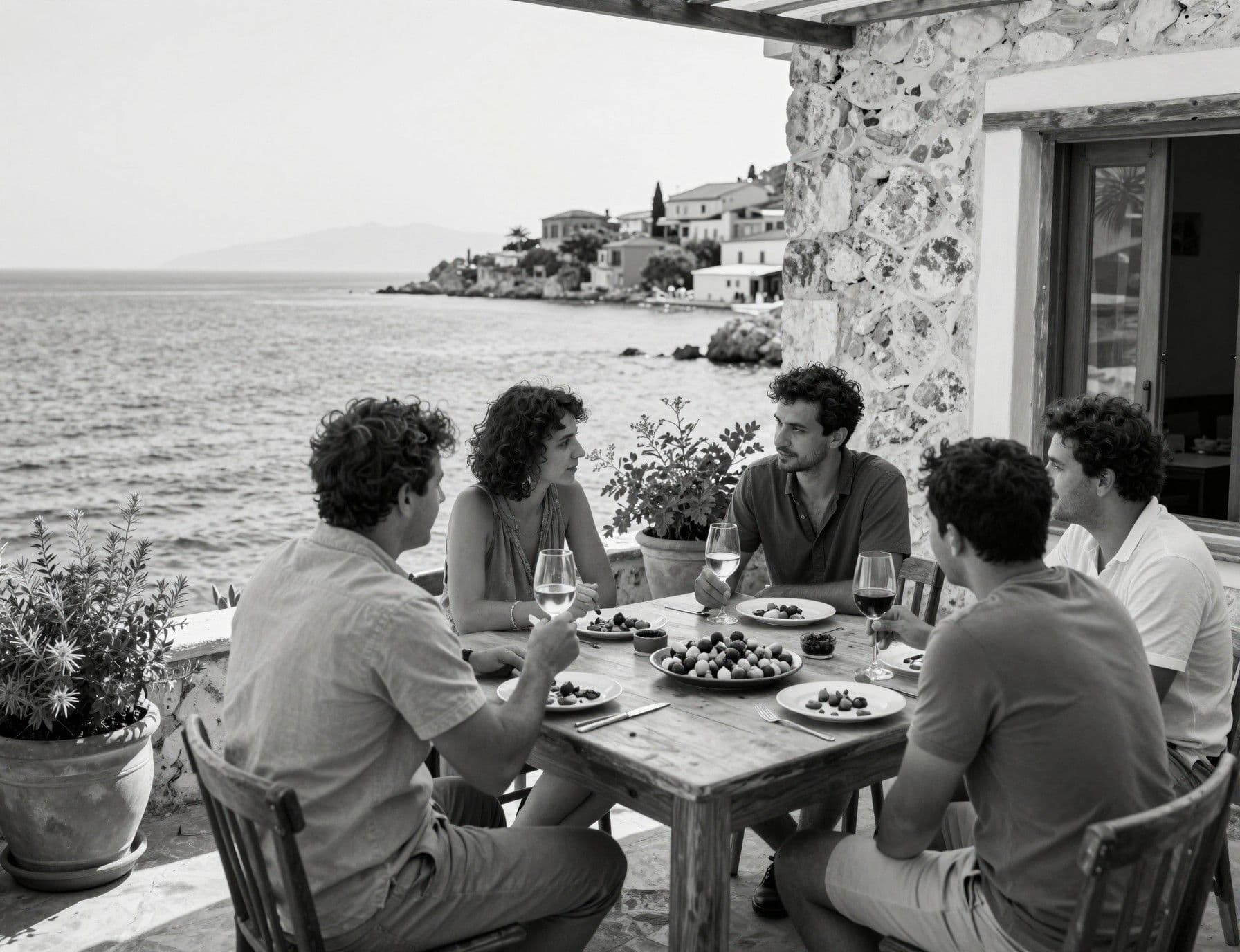
The romantic part is easy to describe; the market part is less glamorous. Malta’s Residential Property Price Index rose in recent quarters, reflecting steady demand and constrained supply—figures from the National Statistics Office show year‑on‑year increases in 2024–2025. That means buyers should plan for competition, especially in attractive central neighbourhoods, and for renovation budgets if buying older stock.
Property styles and what they mean for daily life
Traditional townhouses (often with internal courtyards) offer character and cooler summers but usually need work. Apartments and maisonettes are the bulk of transactions—practical, quicker to move into, and more common near promenades. Converted commercial buildings and new developments give modern layouts but come with different service charges and developer‑led rules. Think beyond square metres: ask how light moves through a place, where you’ll dine in summer, and whether a terrace can become your living room.
How local experts make the lifestyle match the paperwork
- 1. An agent who knows which streets hold community life and which are transient. 2. A surveyor who can cost a sympathetic renovation for a townhouse (don’t assume superficial finishes mean good structure). 3. A notary and lawyer versed in Maltese conveyancing and any recent planning changes. 4. A property manager who understands short‑term letting rules if you want seasonal income.
Insider knowledge: what expats wish they'd known
Conversations with long‑term residents often circle the same regrets: underestimating renovation timelines, choosing the wrong street for the rhythm you want, or failing to budget for service charges and local taxes. Local reporting and statistics frequently note steady price rises; planning for realistic timelines and costs turns a romantic purchase into a sustainable lifestyle.
Cultural integration and everyday norms
English is an official language, which lowers the friction for many buyers, but social life still hinges on local cues—siestas are not common but afternoons slow down, family gatherings shape Sundays, and relationships with neighbours matter. Join local associations, try weekly markets, and be visible in neighbourhood cafes; those small efforts pay dividends in feeling at home.
Thinking long term: lifestyle sustainability
Look beyond short‑term gains. If you want a life here, prioritise walkability, a sensible renovation plan, and connections to healthcare and schooling if relevant. Properties near the sea have charm but face different maintenance needs; inland village cores can offer quieter community life and often lower purchase prices.
If Malta feels like a possible next life, start with two things: spend extended time in the neighbourhood you’re considering, and work with a local agent who can show not just listings but the weekly life behind them. We’ll help you find the streets you’ll love—and the team that keeps the paperwork honest.
Dutch relocation advisor who moved to Marbella in 2016. Guides Dutch buyers through visa paths, relocation logistics, and balance of lifestyle with value.