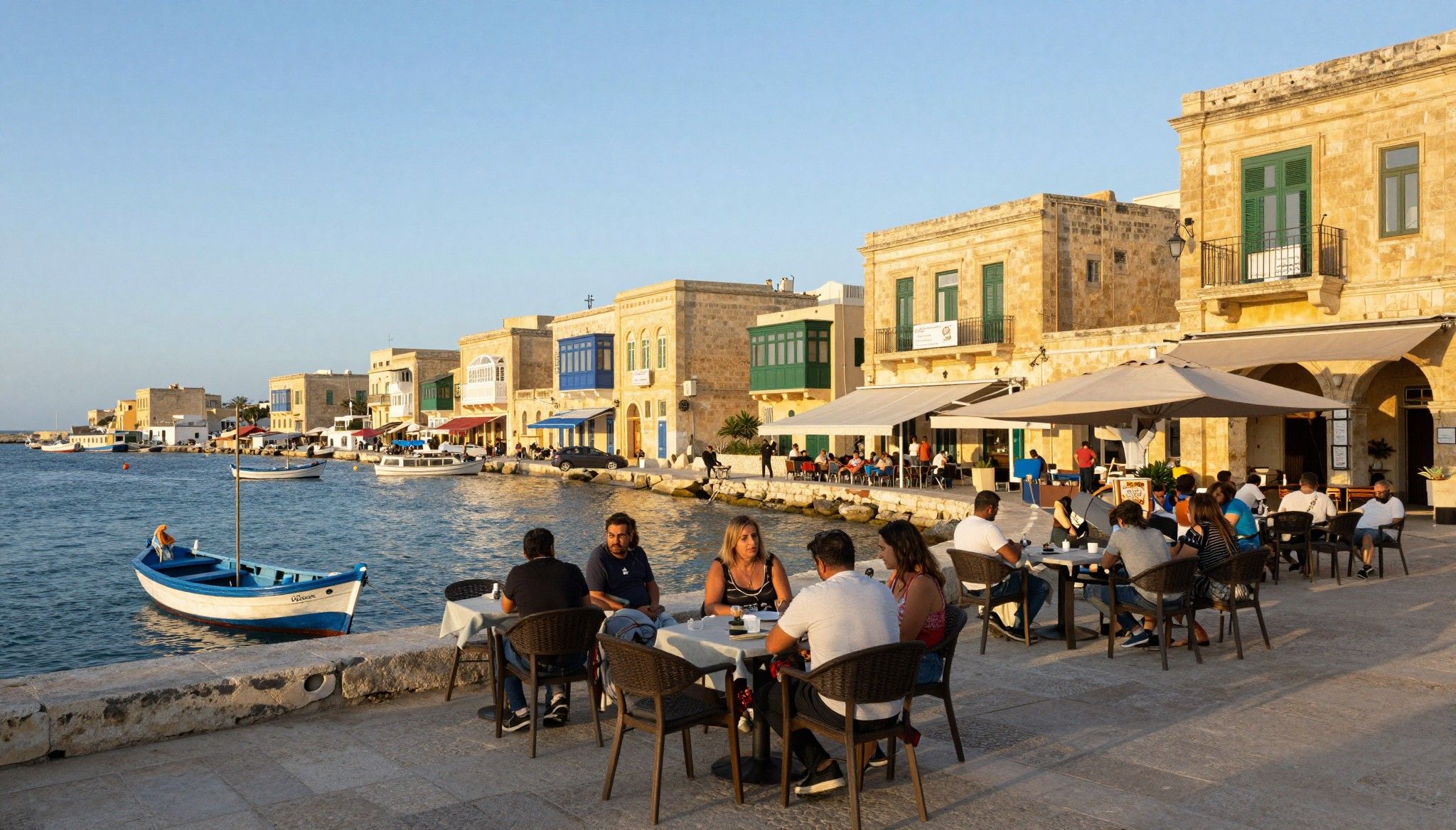
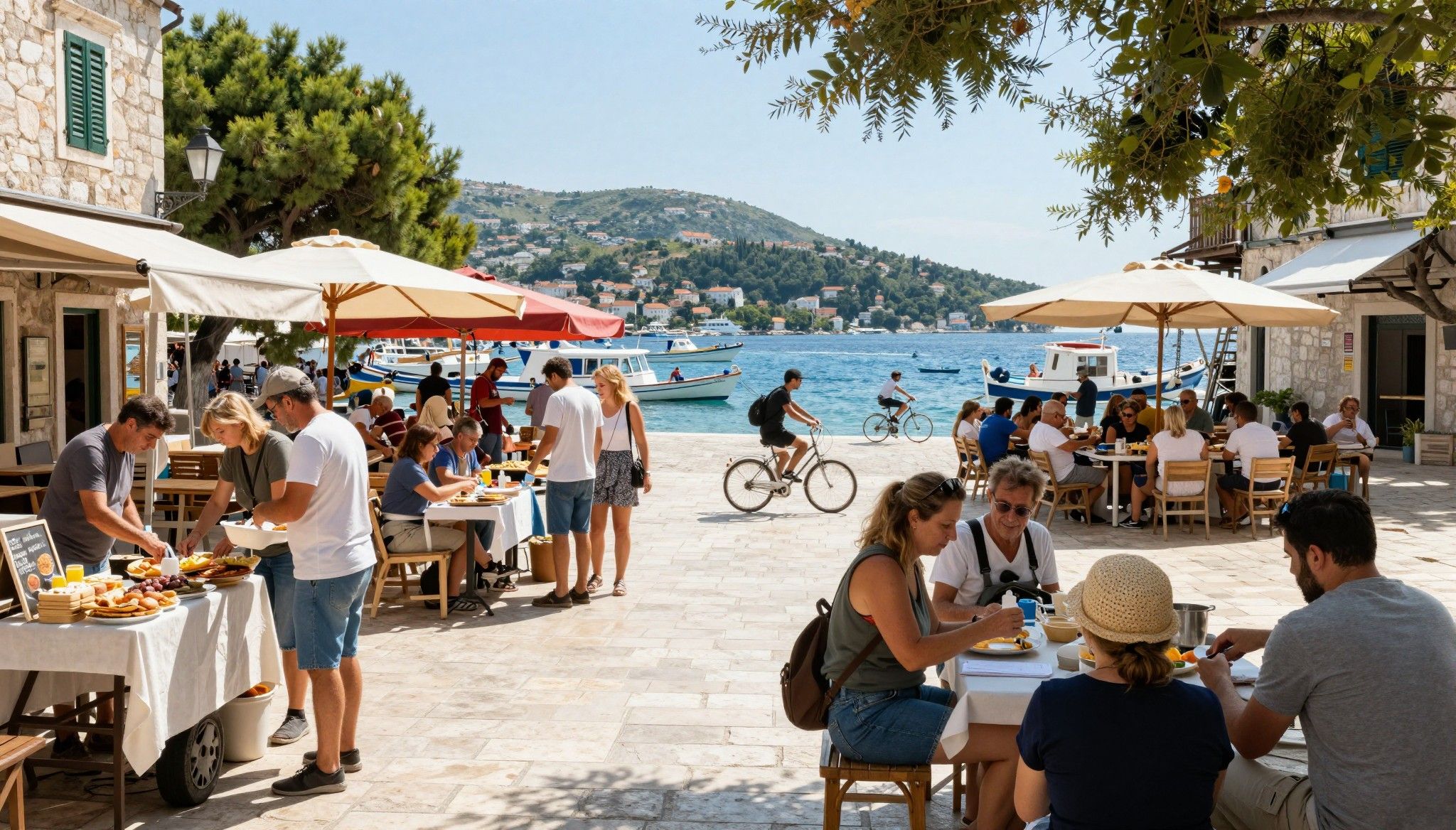
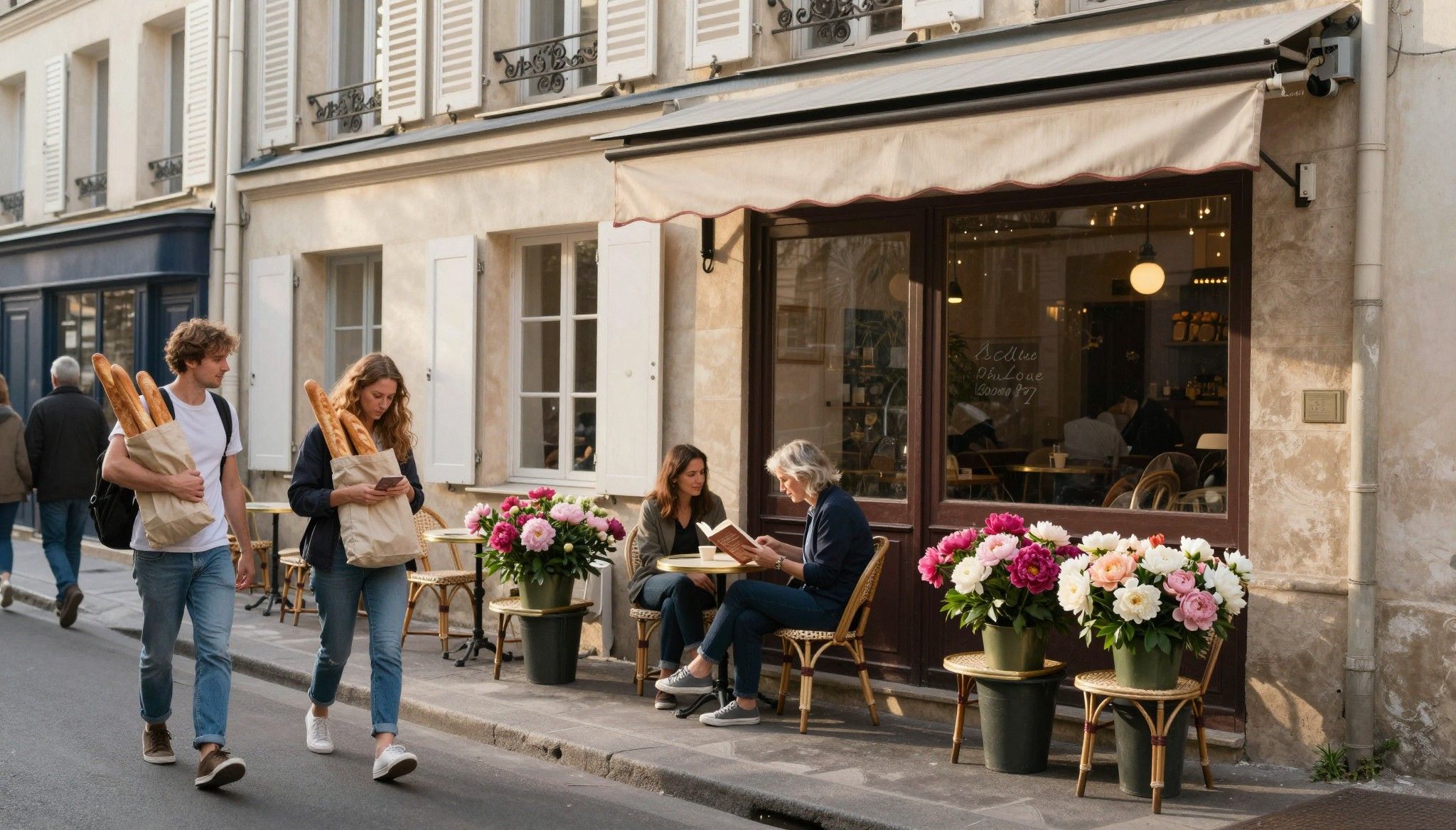
Santorini First? Where Greece’s Better Value Lives
Santorini-first thinking pushes buyers into overpriced, seasonal pockets. Look instead for towns where infrastructure, markets and community create year-round life and steadier value.
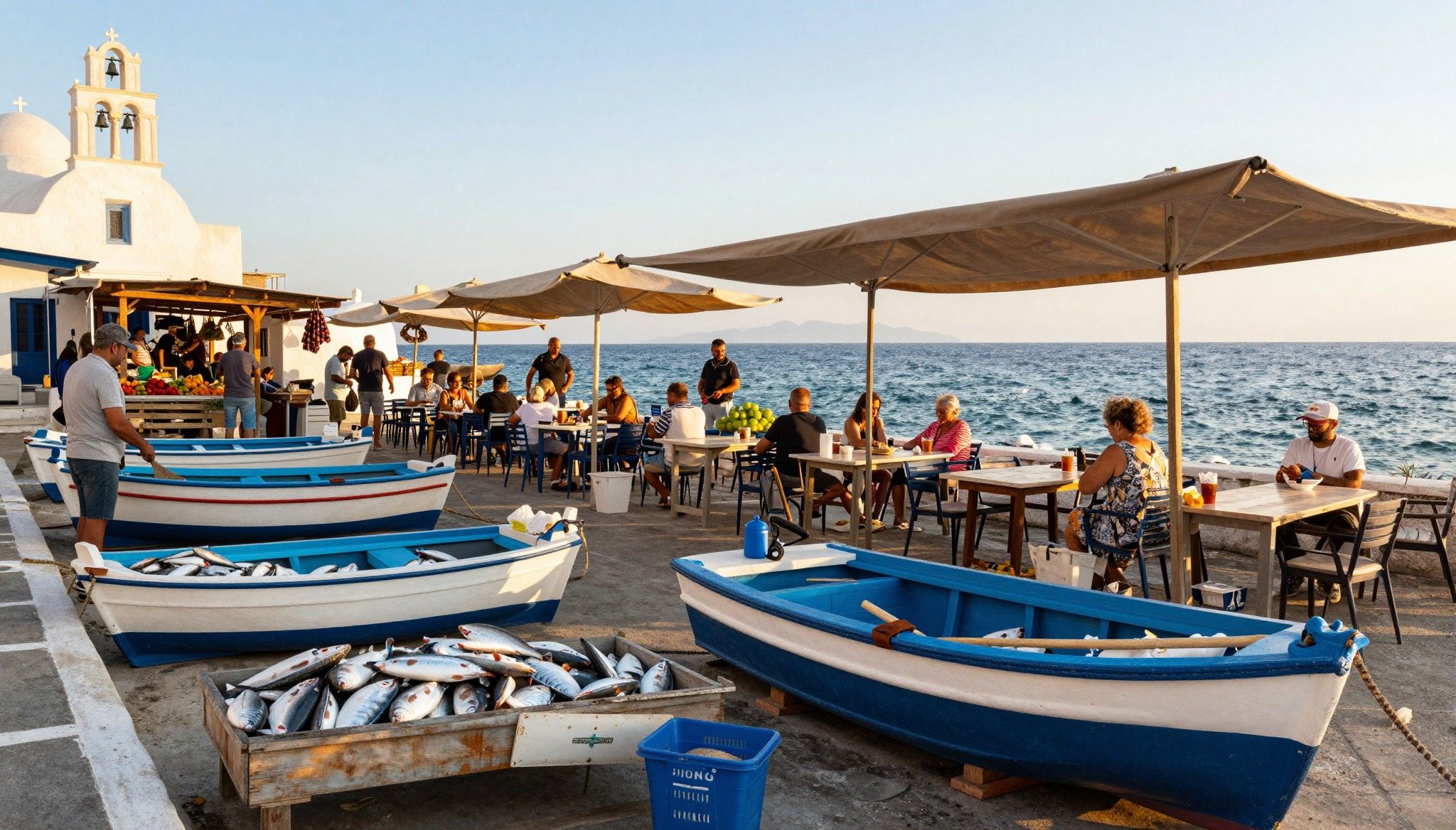
Imagine walking down a narrow lane in a Cycladic village at 9 a.m.: bakery steam, a café owner setting out the day’s loukoumades, and a view that makes emails feel optional. That sensory promise is why buyers tumble for Greece — but the version sold on glossy island postcards is only part of the story. We’ll start with the life you actually get here, then show where smart buyers find quieter value, the rules that recently reshaped demand, and the local signals agencies use to match lifestyle to reality.
Living the Greek Life — beyond the postcard
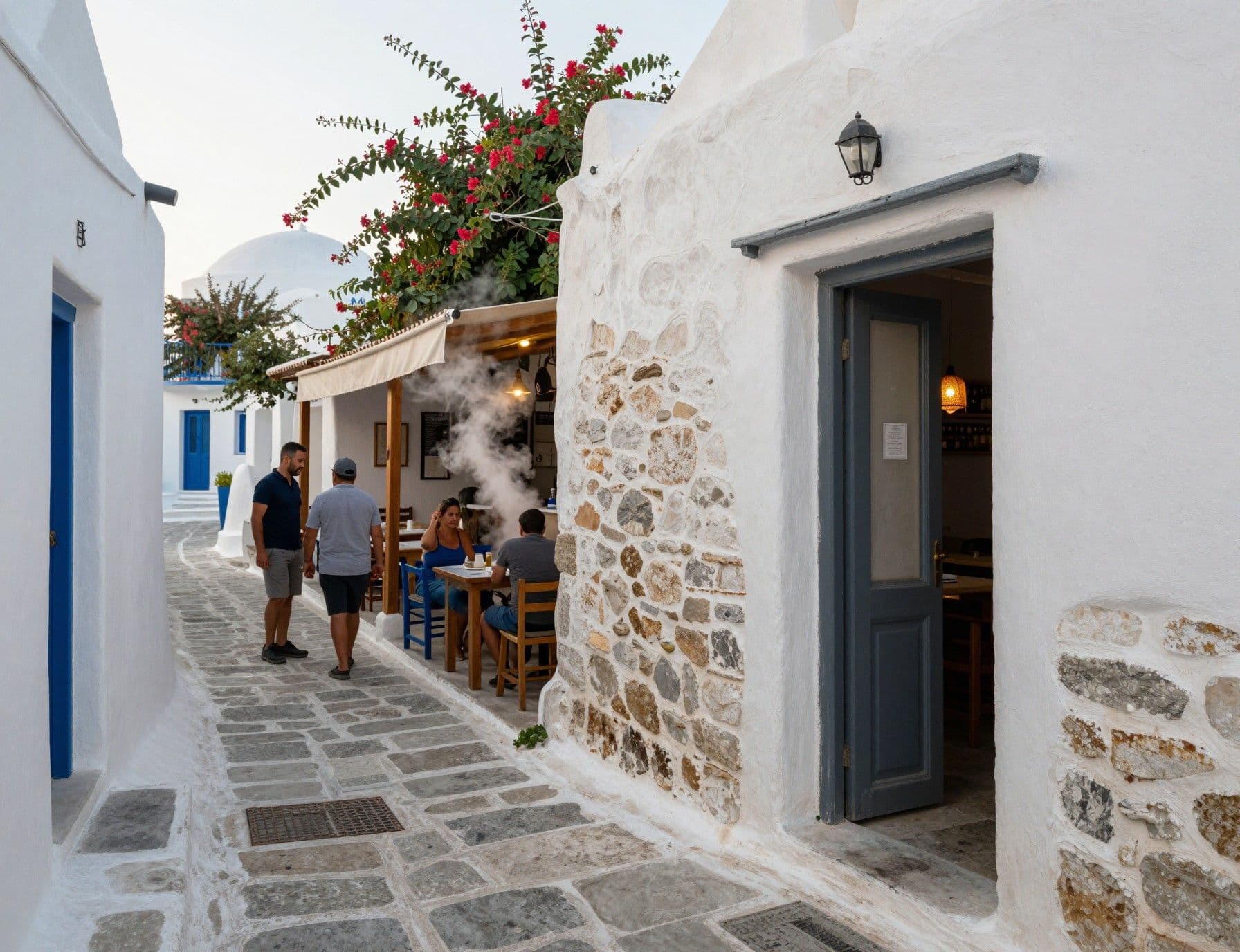
Greece is a mosaic of rhythms: Athens mornings are about espresso and quick passeggiata between markets, while island afternoons stretch around seafood taverna lunches and slow swims. Climate and topography shape daily life — the Peloponnese and Crete offer agricultural tables and village markets, Attica blends city culture with nearby beaches, and the northern city of Thessaloniki hums with student energy and late-night meze. For buyers who want more than a summer postcard, this variety matters: where you buy determines your grocery habits, social circle, transport options and even heating bills.
Neighborhood spotlight: Plaka, Koukaki, and Metaxourgeio (Athens)
Picture an apartment with a balcony on Rovertou Galli in Plaka: morning light, tourists trickling past the Acropolis, and a neighbor who sells homemade pies. Move two kilometers south to Koukaki and you’ll find quieter streets, coffee-roasting bars and a stronger sense of local community. Metaxourgeio, once industrial, now mixes galleries and affordable loft conversions — it’s where young professionals and small restaurateurs are buying before prices firm up. Each area delivers a distinct daily script; understand that script before you buy.
Food, markets and weekending: what life tastes like
A Saturday in Greece often means a market run: oysters of the Aegean, thyme-eaten tomatoes from Crete, and unsolicited cooking advice from stall owners. That marketplace culture spills into property choices — buyers who want that everyday richness tend to pick older apartments close to markets and cafés rather than glassy new builds on the periphery. Seasonality also matters: many coastal towns slow dramatically after October, which benefits buyers seeking community over peak‑season rental income.
- Lifestyle highlights to seek in a Greek purchase
- A balcony for morning coffee facing east — real sunlight matters.
- Access to a weekly market (farmers’ market or fish market) within a 10–15 minute walk.
- A mixed-use street with at least one neighbourhood taverna — social life begins at ground level.
Making the move: practical realities that shape the lifestyle
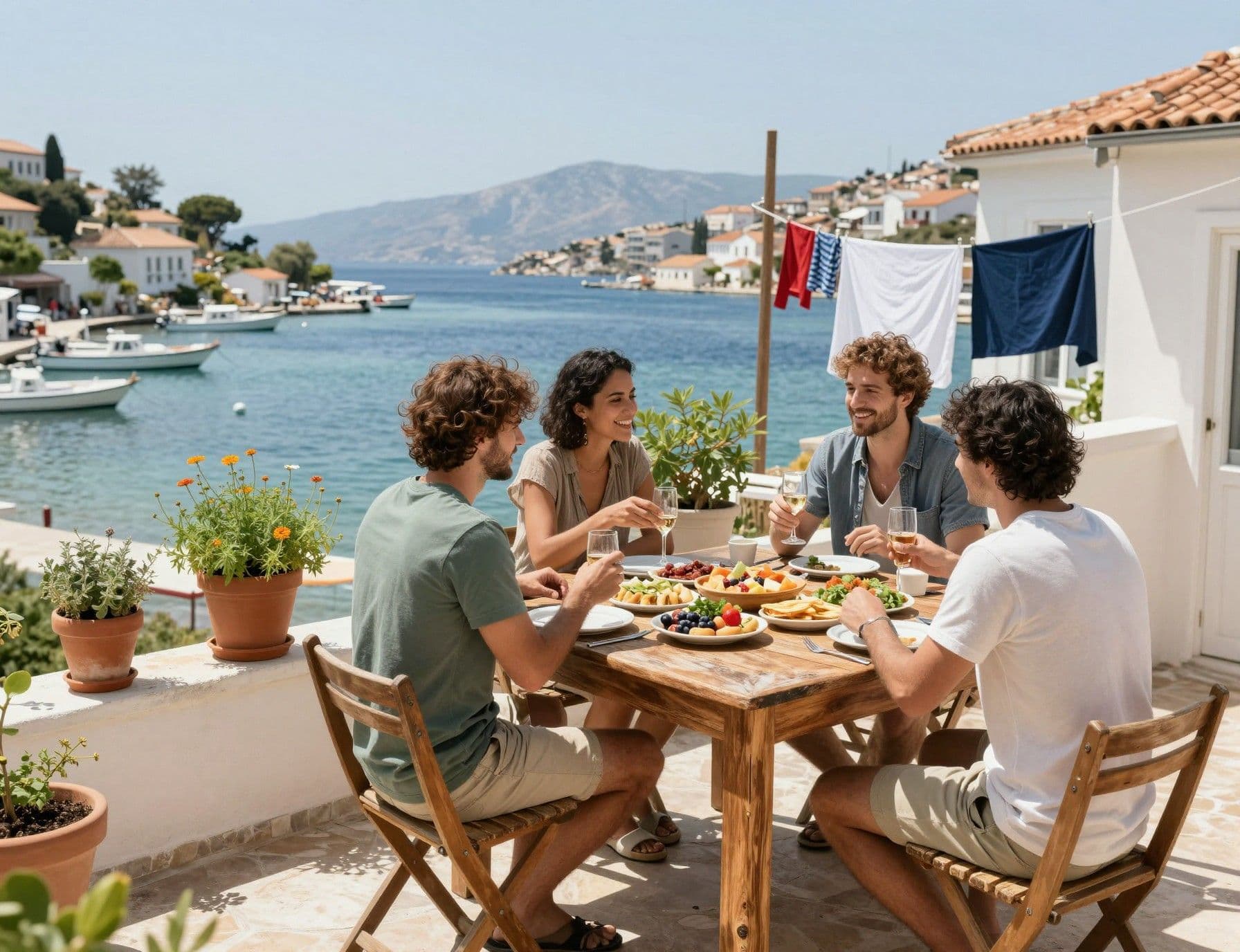
The dream of seaside living bumps into regulation, demand shifts and local building stock. Recent Bank of Greece data show residential prices rose through 2024 and into 2025, driven by limited supply in urban and desirable island areas; that trend changes what’s realistic for buyers who want both a lifestyle and a reasonable price. Golden Visa reforms and short‑term rental rule changes have already altered demand patterns — which means the islands that looked like bargains a year ago may no longer be so.
Property types and how they map to life
Stone houses in the Peloponnese suit buyers after a rural, food‑centric life: they’re cool in summer and require insulation upgrades in winter. Mykonos and Santorini white-washed apartments promise summer rental income but come with higher purchase prices and seasonal crowds. New developments in Athens offer elevators and parking — important if you plan year-round living and grocery runs. Match type to use: holiday rental, full-time residence, or blended living; each choice changes renovation budgets, management needs and where you should search.
Work with agencies who read local rhythms, not just listings
Local agents matter more in Greece than in many markets because availability is fragmented and regulations differ by municipality. Choose teams who can show you lived-in streets, provide neighbourhood spending comparisons, and explain seasonal utility quirks. We recommend agencies that offer contacts for reliable local builders, municipal planning offices, and property managers — the kind of network that turns lifestyle ideas into feasible property matches.
- Steps to match lifestyle to property (practical + lived experience)
- Spend three separate stays: a high-season week, an off-season month, and a winter week to test noise, services and community.
- Ask the agent for recent utility bills and vendor lists — heating and water costs vary widely by area and building age.
- Inspect access logistics: ferry schedules, car‑park availability, and seasonal road reliability are lifestyle-defining on islands.
Insider knowledge: what expats wish they'd known
Smart buyers we’ve worked with underestimated two things: regulation and seasonality. In 2024–25 Greece tightened Golden Visa thresholds and introduced limits on short‑term rentals in dense neighborhoods, shifting investor appetites and cooling some tourist-centre price growth. The practical upshot: if you bought purely for short-term income on a tiny island apartment in 2023, that model may be riskier now — but that same apartment can be a brilliant year‑round bolt-hole if you want local life.
Language, community and everyday manners
Greek is melodic and worth learning to unlock invitations and local tradespeople rates. Even basic phrases open doors: neighbours will help with water shut-off and advise the best plumber. Community integration often happens through food — share a batch of tzatziki or a tray of baklava and you’ll be known. Expect slower official processes; municipal paperwork and building permits can take time, so budget months rather than weeks for bureaucratic tasks.
Long-term lifestyle and market signals
Where the local council invests — coastal promenades, refurbished markets, reliable ferry piers — often predicts value better than flashy hotel openings. Look for towns with public investment in infrastructure and a rising local services base; those places convert seasonal tourists into year‑round residents. The Bank of Greece and market reports show steady urban price growth in recent years, so buying where community services will improve can be both a lifestyle and value play.
- Red flags we've seen (listen to the street)
- Properties marketed only with rental projections and no neighbourhood photos — often sign of over‑optimistic income models.
- Basements or windowless cells offered as 'studio conversions' (new regulations are closing those in many places).
- An agent who can't introduce a local builder or a neighbour willing to speak about the area — treat that as a gap.
- A simple due‑diligence ranking we use (lifestyle + risk)
- 1. Walk the street: neighbours, shops, and noise patterns (one day).
- 2. Check municipal plans and recent council spending (two weeks).
- 3. Talk to property managers about winter occupancy and maintenance costs (one month).
If you want our short verdict: don’t default to the island with the prettiest postcard. Instead, pick the place whose daily rhythms match how you want to live in March and November — not just August. That shift in perspective turns expensive-looking markets into sensible lifestyle choices and reveals quieter pockets where community, services and value align.
Ready to act? Start by booking three stays (high season, shoulder, off-season), ask your agent for recent utility bills and municipal plan excerpts, and insist on meeting a neighbour. If you want help turning a lifestyle brief into a shortlist of streets and apartments, we can make those local introductions and show you the lived-in options that match your vision.
Swedish expat who moved from Stockholm to Marbella in 2018. Specializes in cross-border legal navigation and residency considerations for Scandinavian buyers.