When the Island Hype Masks Value: Greece’s Quiet Winners
Look past island postcards: Greece’s real value lies in secondary cities, Athenian neighbourhoods and lesser-known islands where lifestyle meets affordability.
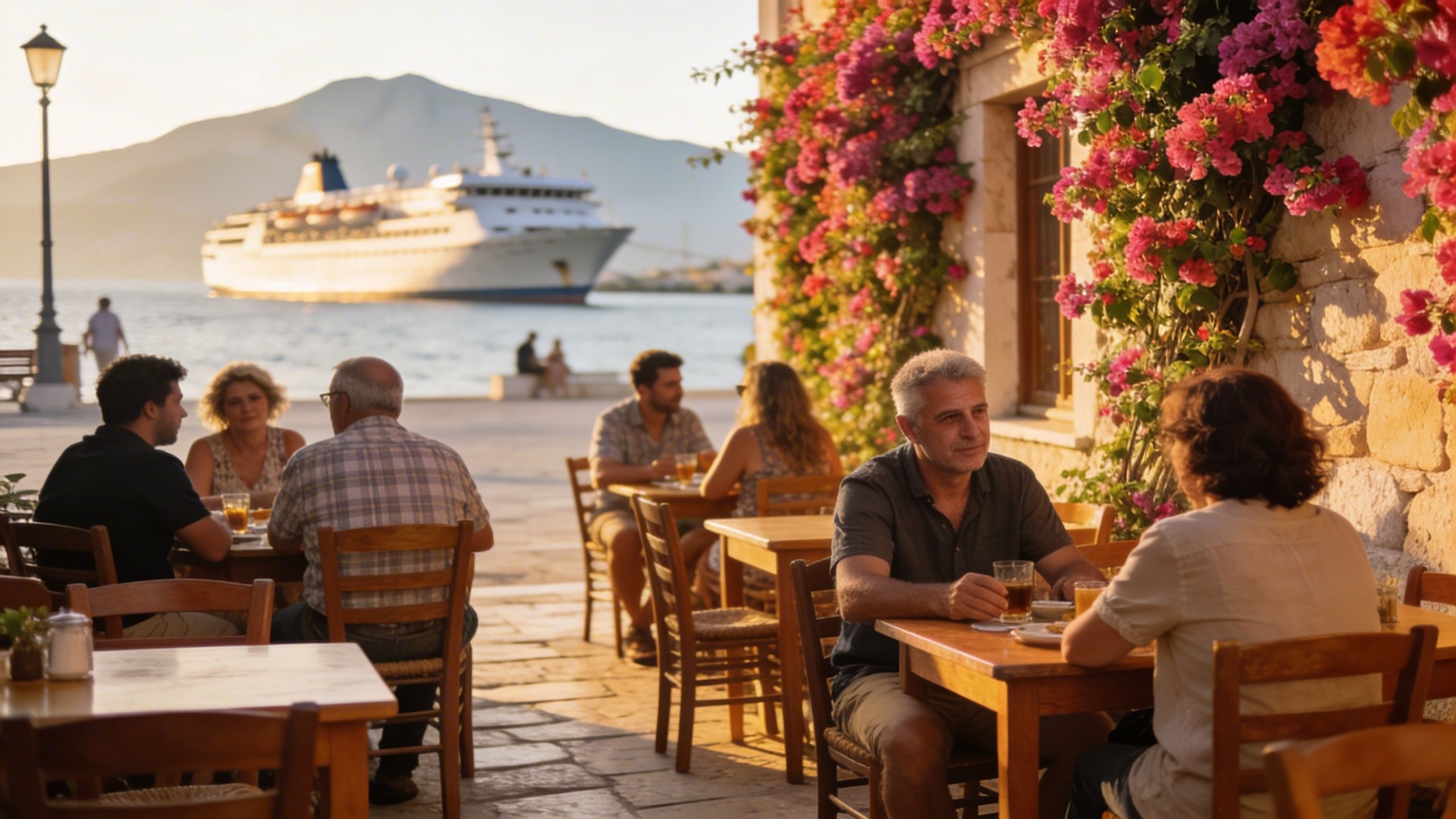
Imagine waking to a cup of espresso on a narrow Athenian balcony, walking past a bakery in Koukaki, then catching a late-afternoon ferry to a quieter island where the shoreline belongs to fishermen rather than Instagram. Greece offers that split personality: charismatic, lived-in cities and islands where life slows but value often hides. For international buyers, that split is the opportunity — if you look beyond postcard prices and learn the local rhythms that shape property value.
Living the Greece lifestyle
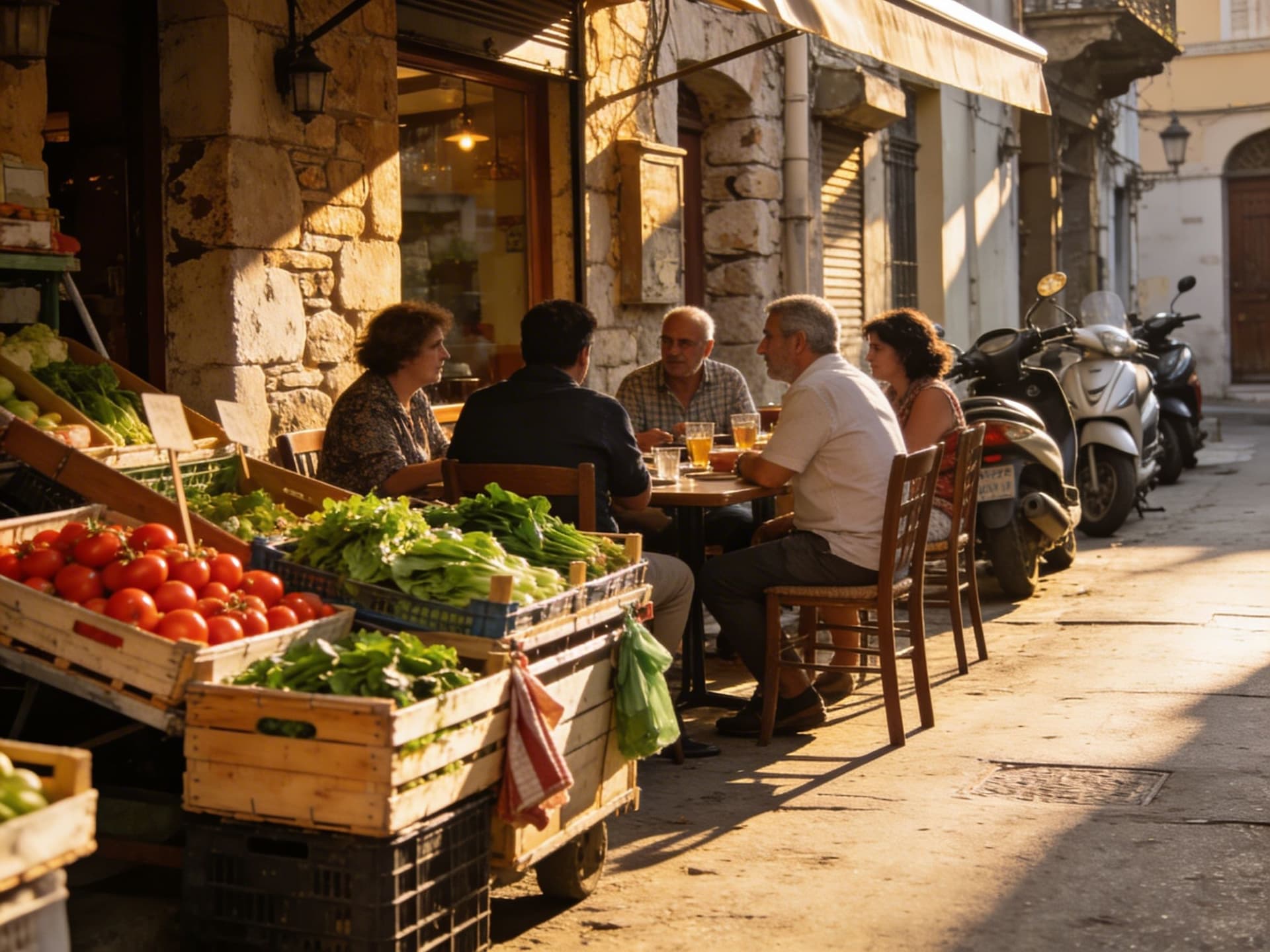
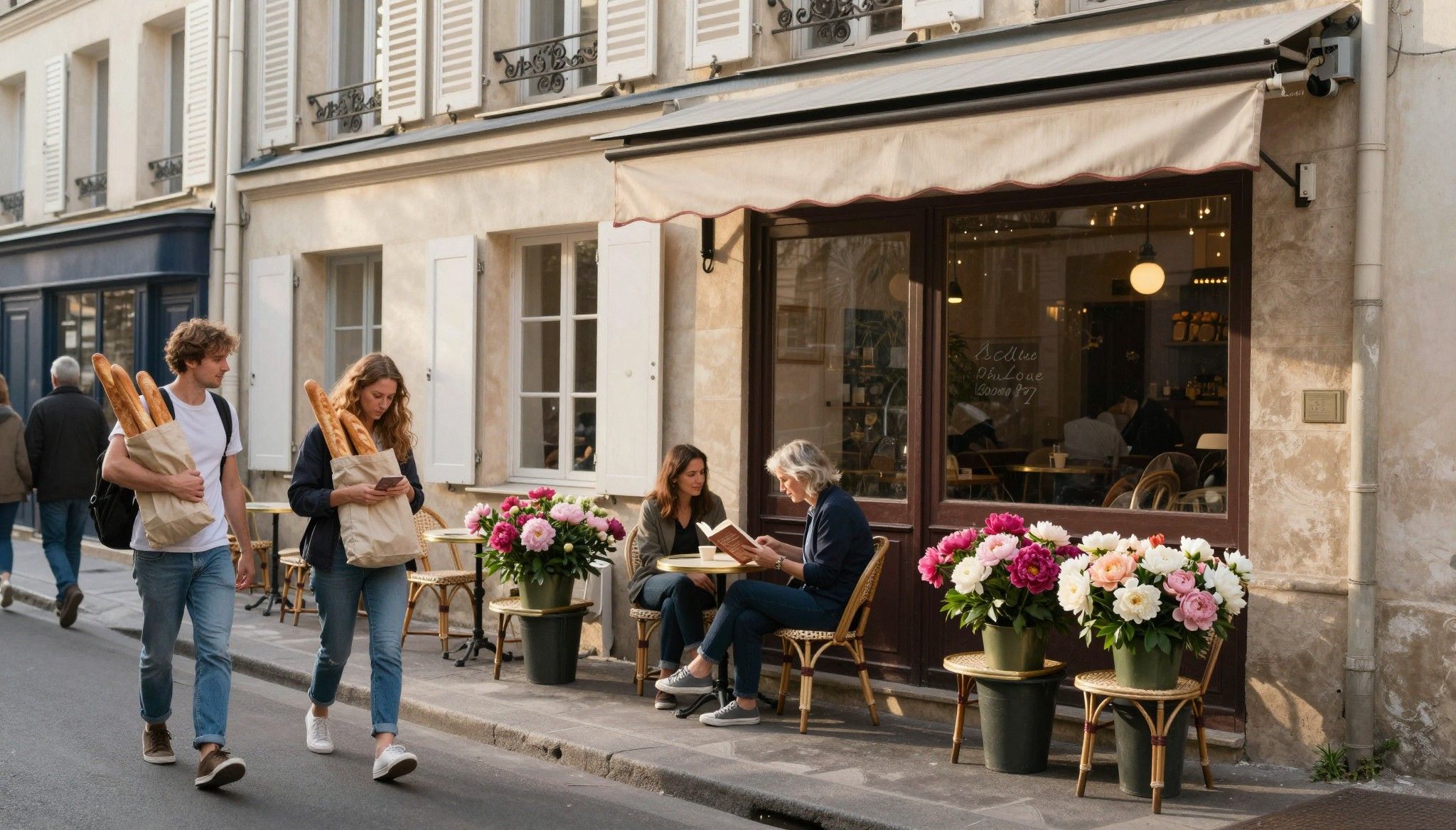
City mornings here are about coffee, the smell of baking tsoureki, and local vendors setting up market stalls. Athens neighborhoods like Koukaki or Pangrati feel neighbourly: narrow streets, plateia where people linger, and bakeries that know your name. Contrast that with island days — Paros or Naxos mornings bring blue shutters, fishermen’s nets, and beaches where you can still find an empty stretch by late afternoon. It’s not a fantasy; it’s daily life for many Greeks and the reason buyers are drawn to such diverse rhythms.
Athens: neighbourhoods that live like small towns
Koukaki: a short walk from the Acropolis with tavernas that still open late and streets lined with independent shops. Pagrati: wood‑floored apartments, bakeries on every corner and parks for evening strolls. Glyfada and Voula on the Athenian Riviera trade city convenience for seaside weekends — expect cafes, yacht clubs and a different tempo of life. These areas matter because when you buy here, you’re buying everyday routines as much as square metres.
Island life: more than sunsets and villas
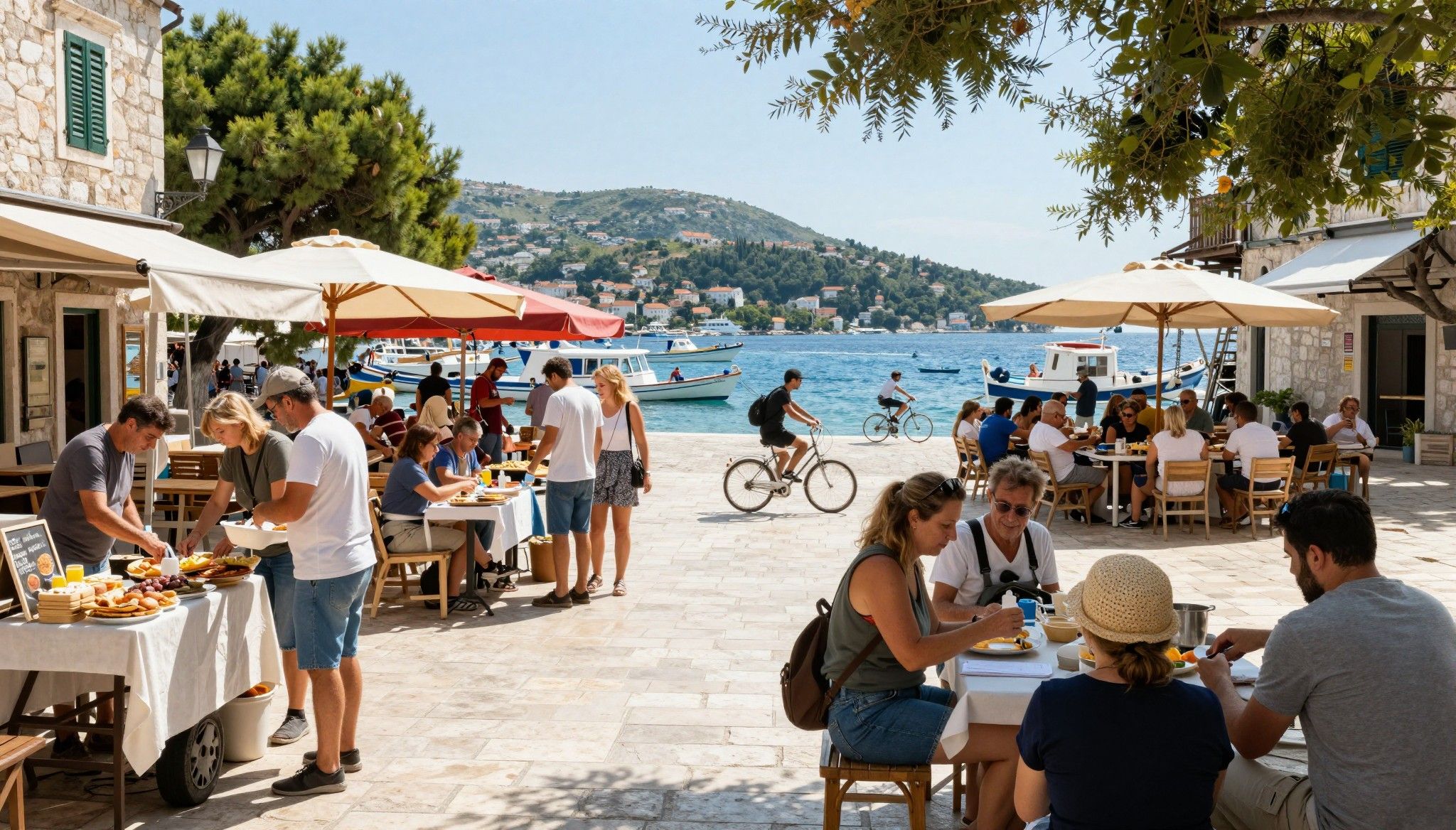
On islands like Paros, Naxos or parts of Crete, mornings begin with farmers unloading produce at the central market and cafés filling with locals comparing the day’s catch. Choose lesser-known islands or inland villages and you get lower entry prices, year-round communities and a different set of services than in Mykonos or Santorini. For many buyers, that tradeoff—less nightlife in exchange for a genuine village life—is precisely the point.
Lifestyle highlights
- Morning espresso at a kafeneio in Koukaki; afternoon swim at Vouliagmeni; weekend farmers’ market in Chania; sunset aperitivo on Paros’ Kolymbithres; trying kokoretsi at a local panigiri.
Making the move: lifestyle meets property reality
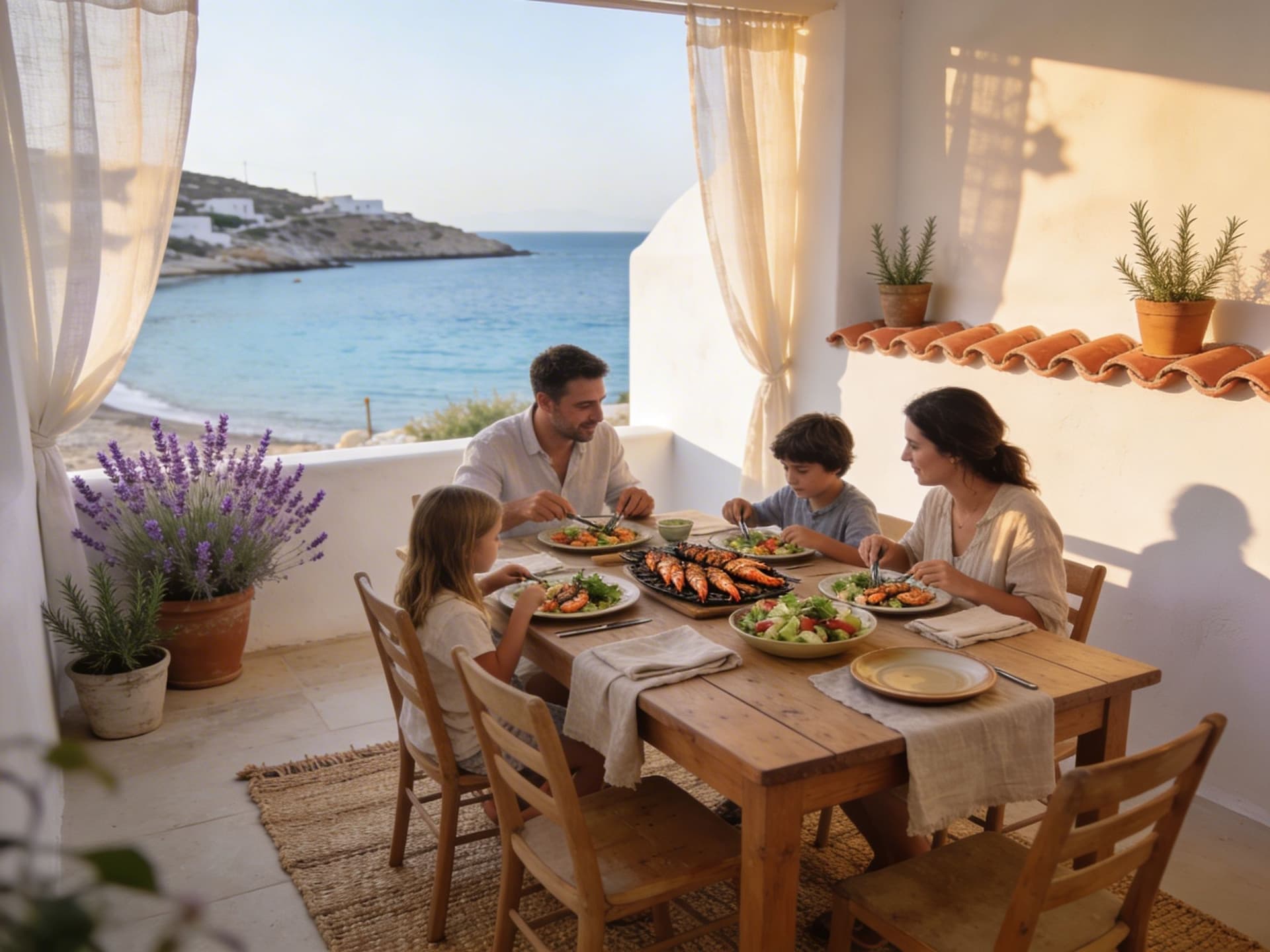
Beautiful daily life doesn’t erase market facts. Greece’s housing market has rebounded in recent years with steady price growth, especially in Athens, Thessaloniki and premium islands. The recovery means some pockets are now expensive relative to local wages, while secondary cities and rural coastal zones still offer value. That split is where strategy matters: align the lifestyle you want with realistic expectations about price, seasonality and rental dynamics.
Property styles and how they shape life
A renovated neoclassical apartment in central Athens gives you walkable life and year-round services; a stone house in Mani gives privacy and landscape but requires sturdy maintenance plans. New developments on the Athenian Riviera bring amenities (gyms, pools, concierge) and higher stratas of price, while converted older homes in island villages deliver character at a lower capital cost but often need infrastructure upgrades.
Working with local experts who know both life and law
Choose agencies and lawyers who speak lifestyle as well as regulation. Ask about local rental restrictions (Athens has tightened short‑term rental rules), utility reliability on islands, and community plans like Hellinikon that reshape neighbourhood value. A local agent should show you not only the deed but the rhythm of the block: where deliveries come, who shops nearby, and which cafes are open in winter.
- Steps that blend life and logistics
- 1) Pick the lifestyle you can imagine living all year, not just on holiday. 2) Visit in both high season and off‑season to test services and noise. 3) Ask your agent for utility bills, local fees and community rules. 4) Verify short‑term rental legislation and registration requirements. 5) Get a local structural and title check before making an offer.
Insider knowledge: what expats wish they'd known
Expat lessons are practical and often sensory: that baker in your square closes Sundays, that summer traffic doubles travel times between islands, and that a good olive‑oil producer can become your closest friend. Language helps more than you think — basic Greek opens doors to community trust and better deals. Also, be skeptical of glossy listings on islands during summer; many reflect seasonal pricing rather than year‑round livability.
Cultural integration and daily social life
Greek social life centers around food, festivals (panigiria) and the plateia. Participate: attend local festivals, get to know the kafeneio owners, and you’ll find services and relationships that make living easier. For families, neighbourhood schools and pediatric care differ markedly between Athens and remote islands, so factor daily logistics into neighbourhood choice.
Long-term lifestyle and value considerations
Think five years ahead: infrastructure projects like Hellinikon change local life and prices, while island popularity can jump fast and push short‑term rental demand. Secondary cities such as Thessaloniki and regional Crete have been registering stronger growth recently and offer a mix of affordability and rising demand. If you want relative stability and a living neighbourhood, target places where locals still outnumber tourists.
- Red flags to watch for before you sign: properties advertised for short‑term rental without licences; inconsistent utility or water access on islands; missing municipal permits for renovations; and properties sold through opaque intermediaries.
Conclusion: Greece rewards patience. Fall for the lifestyle first — the cafés, the sea, the unforced friendliness — then let data and local expertise shape your steps. Visit in different seasons, ask about community rhythms, and work with agents who speak both the language of the home and the ledger. When you combine feeling and fact, Greece stops being a holiday and starts feeling like a place you could belong.
Dutch relocation advisor who moved to Marbella in 2016. Guides Dutch buyers through visa paths, relocation logistics, and balance of lifestyle with value.