Greece: Street Life, Seasons and Smart Property Moves
Fall for Greece’s light and markets — then buy with local data, legal checks, and seasonal sense to avoid common expat mistakes.
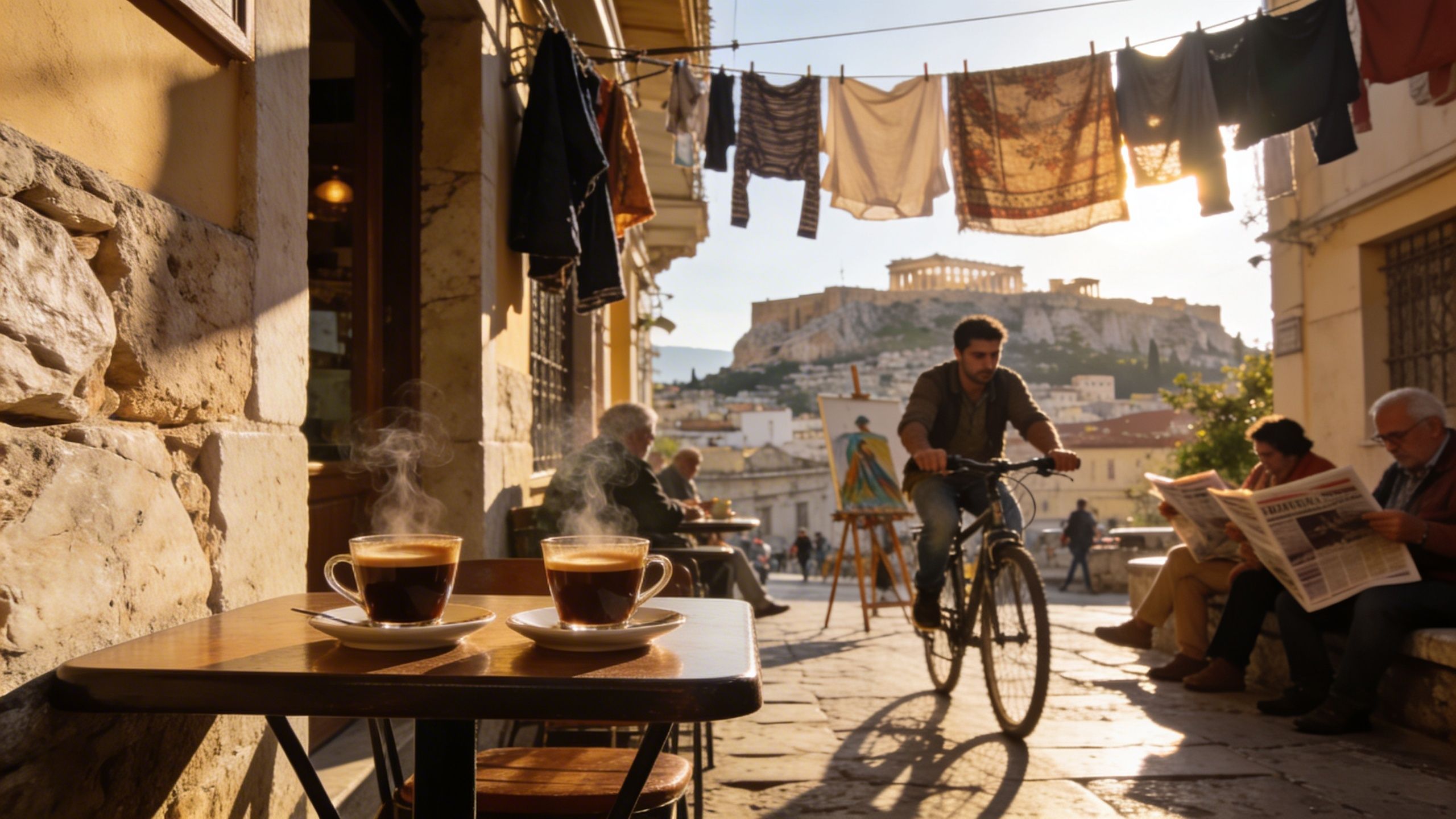
Imagine waking to a tiny table outside a kafeneio in Koukaki, espresso and paper in hand, then walking to the Acropolis as the city unfurls around you. Or picture afternoons on a wind-sculpted terrace in Chania, where the sea and light structure your day. Greece asks you to trade a hurried schedule for a rhythm: market mornings, slow lunches, and afternoons that reclaim time. We wrote this piece because falling for Greece should be sensual first and sensible second — so you love the place and know how to buy into it without surprises.
Living the Greece Life: Streets, Cafés, and Sea
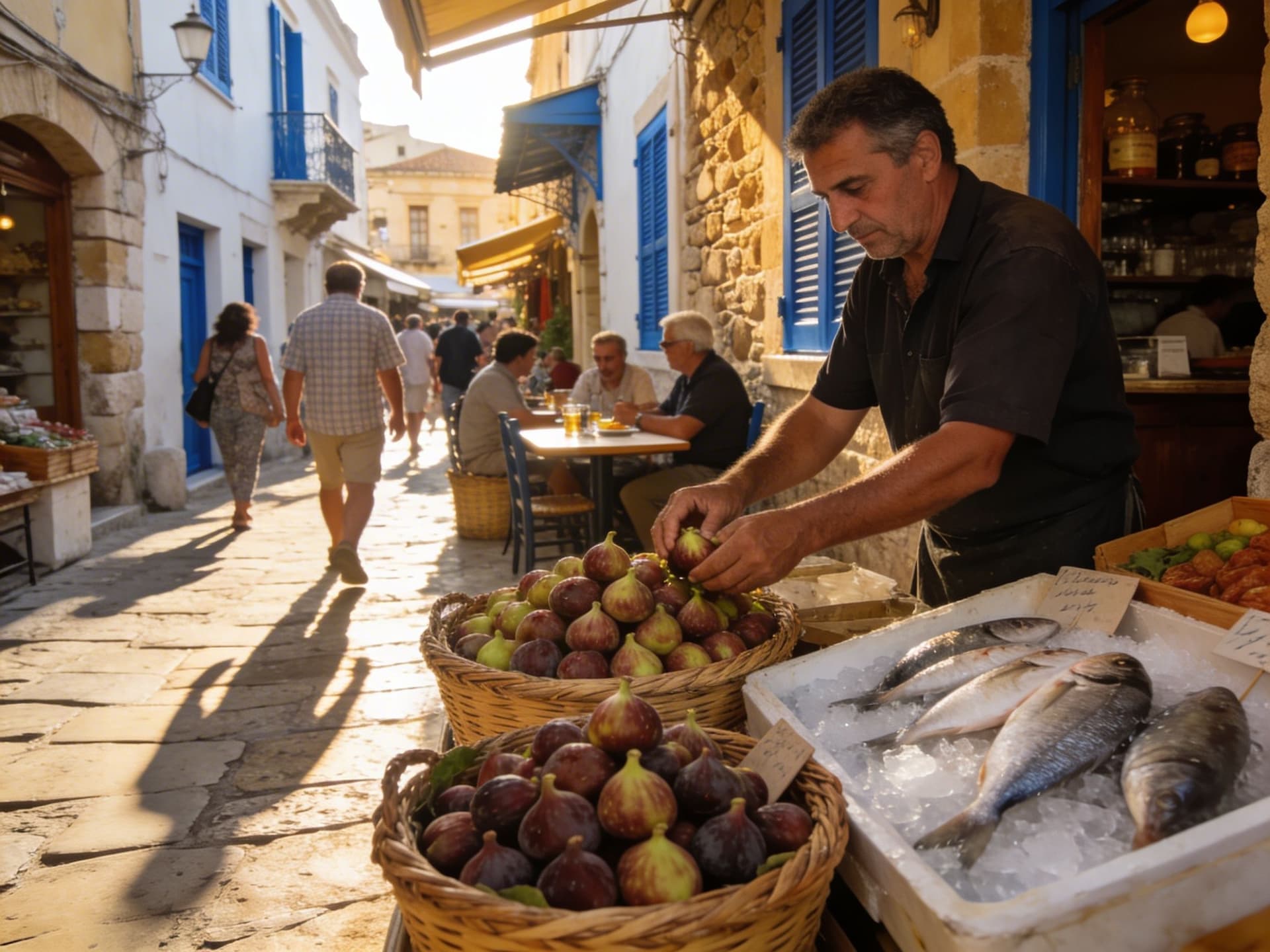
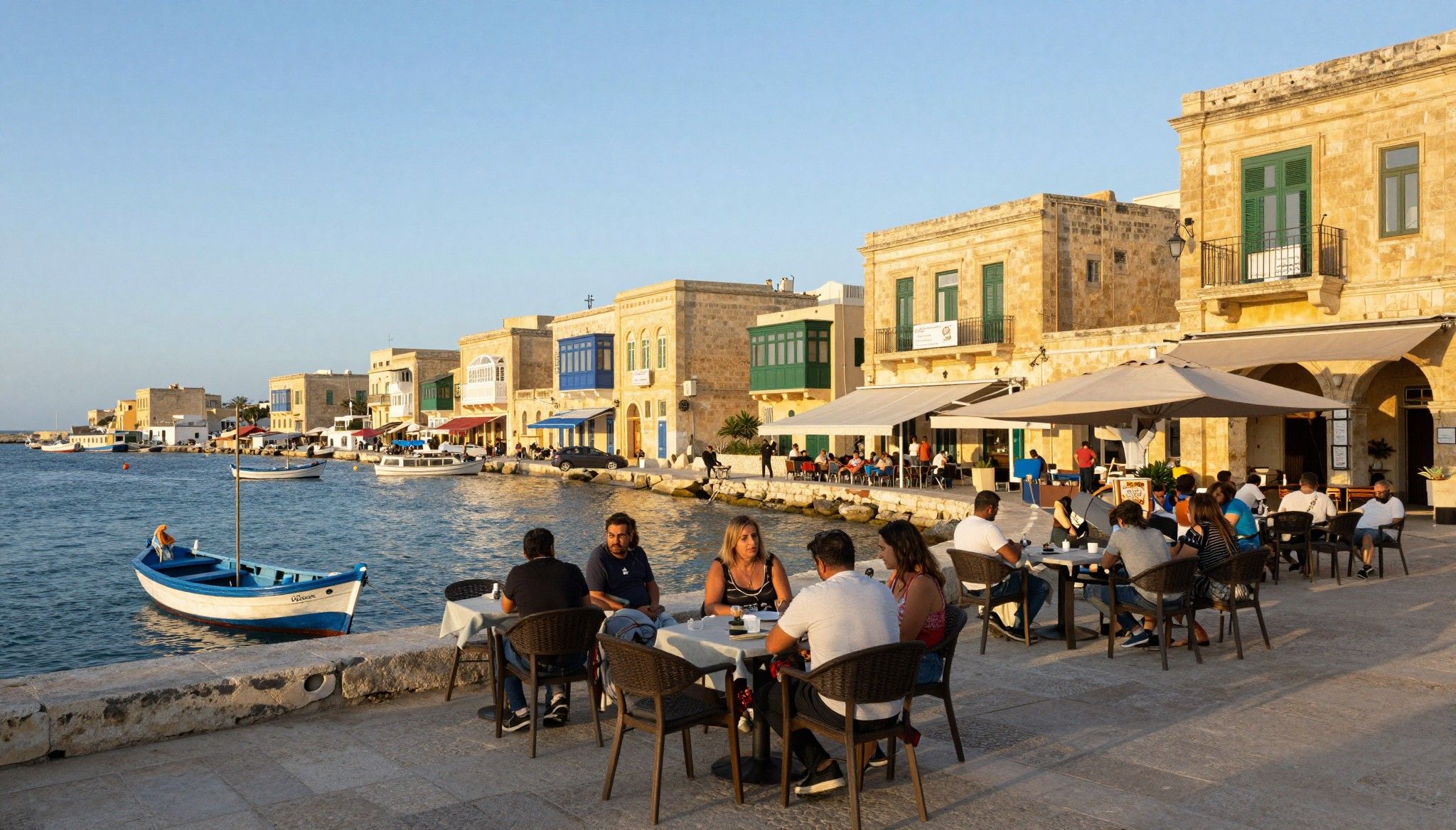
Greece is best experienced on foot and by small talk. In Athens you'll hear motorbikes weaving through tree‑lined streets, meet architects at midday cafés in Koukaki, and spot grandmothers sweeping steps in Plaka. On the islands, days are shaped by tides of fishermen, taverna owners, and seasonal crowds — a village square in Naxos can feel sleepy in winter and celebratory come July. These rhythms affect what you want from a property: proximity to services in winter and sunlight, shade and airflow for summer living.
Athens to Aegean: Distinct neighborhood characters
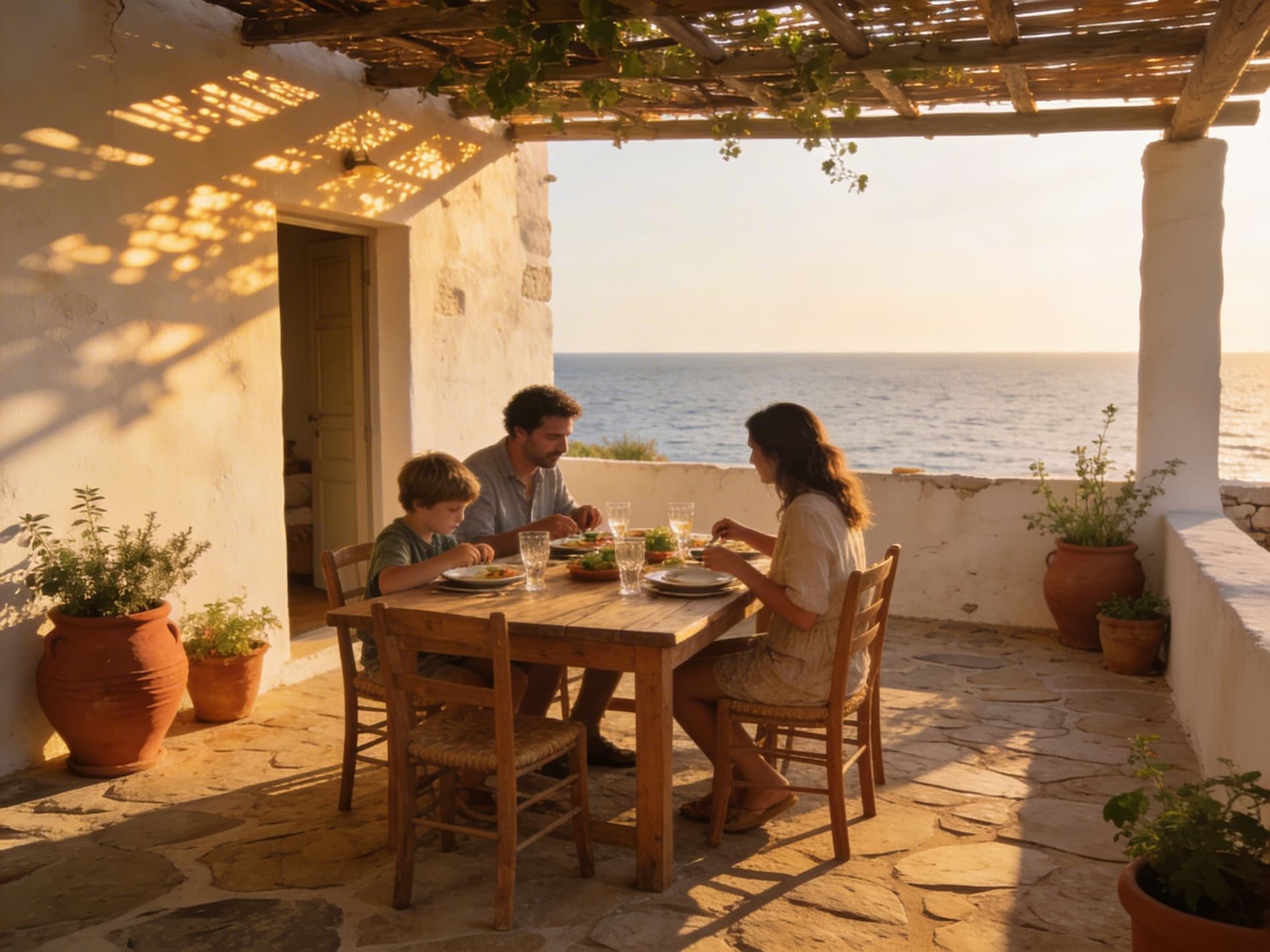
Choose Athens for cafés, galleries and a year‑round city life — think Koukaki for terraces and neighborhood energy, Kolonaki for polished shopping and short commutes, and Glyfada if you want the Athenian Riviera's beaches plus metro links. Crete (Chania and Rethymno) offers wider terraces, stone houses and a more village‑based calendar, while the Cyclades (Paros, Naxos) trade convenience for postcard views and slower municipal services. Each place frames daily life differently: island homes emphasise outdoor living; Athens properties prize daylight, insulation from noise, and walkability.
Food, markets and the small pleasures that define life
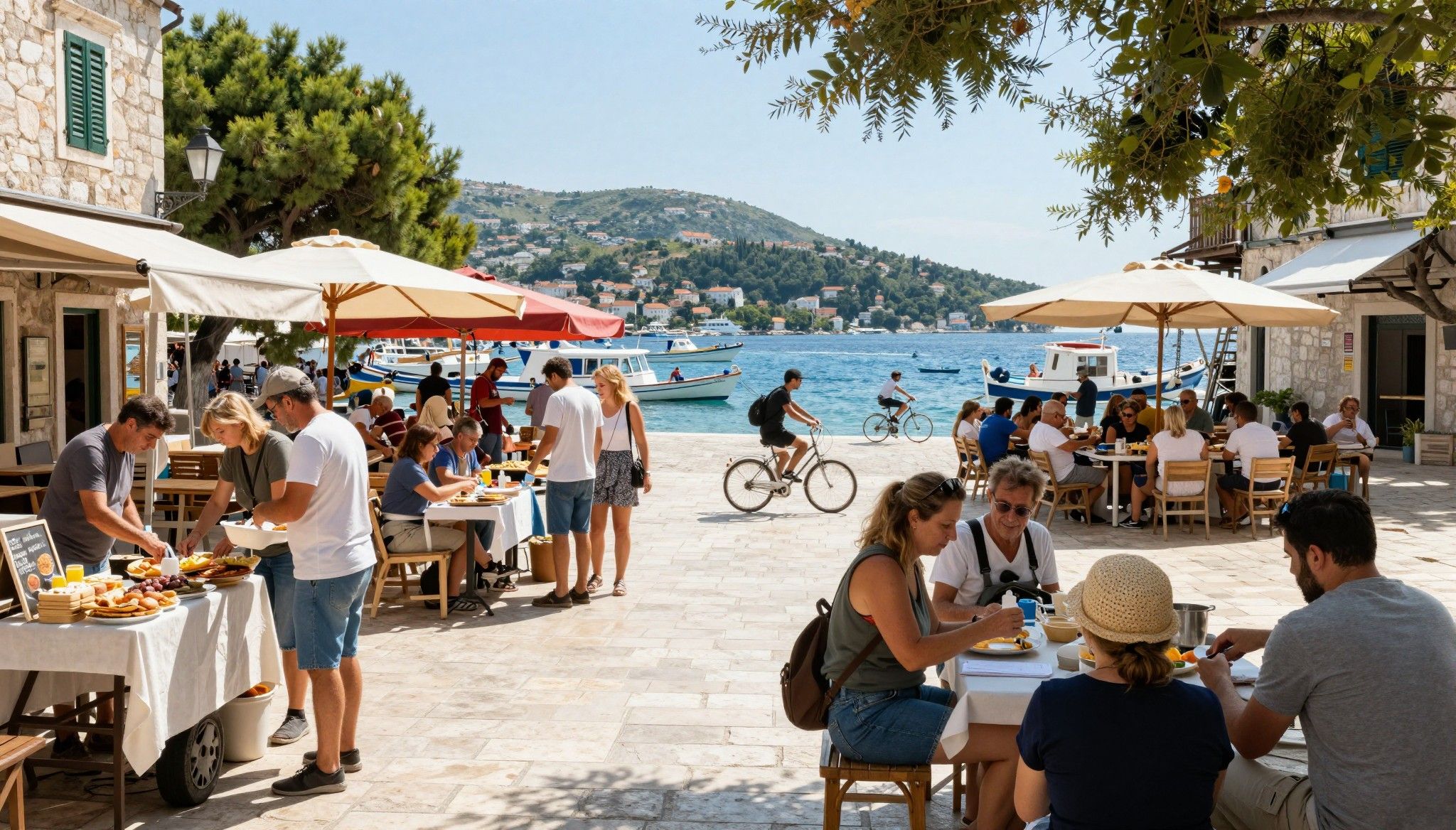
Market baskets matter here. Picture buying figs at Modiano market in Thessaloniki, sea urchins by the Venetian harbour in Chania, or slow‑cooked lamb at a backyard taverna on Kea. Food rhythms create social anchors — morning coffee at a corner kafeneio, afternoon shadowed siestas, evening plates shared across long tables. For buyers that means prioritising a kitchen you love, a good local greengrocer within a few blocks, and a dining terrace large enough to host friends — lifestyle touches that become everyday luxuries.
Making the Move: Practical Considerations
The dream needs an anchor: data. Greece's market has been rising in many places — Athens and island hotspots saw notable growth in recent years — which matters for timing and expectations. Recent public indexes show steady year‑on‑year increases in major centres, while regional pockets still offer value if you're willing to trade immediacy for slower appreciation. That means you can fall for a seaside terrace and still be strategic about where and when you buy.
Property types and how they map to daily life
Stone village houses suit those who want indoor‑outdoor flow and community ties — think courtyards, shutters, and thick walls that cool in summer. Newer apartments in Athens or Thessaloniki give easy access to services and co‑working spots; expect smaller terraces but stronger year‑round rental demand. Villas on Crete or Corfu are about land and light: larger maintenance needs, but unmatched privacy. Match the property type to your rhythm: if you plan long winters, prioritise insulation and central heating; for summer‑first buyers, focus on cross‑ventilation and shade.
How local experts turn lifestyle into a shortlist
Work with an agent who knows both the street and the system. They should introduce you to neighborhoods that match your daily routines, point out seasonal noise (festivals, ferry schedules), and provide comparable sales not just listing prices. A good lawyer checks titles and utility records before you commit; a local tax advisor explains residency options. Together, they translate your love of a place into an address that actually works year‑round.
Insider Knowledge: Rules, Red Flags and Seasonal Tradeoffs
Here’s the real talk: policies and seasons change the experience of living here. Golden Visa thresholds were reworked in 2024 with tiered minima by area, and transitional windows applied to some applicants — that affects where foreign demand concentrates and how prices move. Also, short‑term rental restrictions in many municipalities change the economics of island properties. Know the policy landscape before you fall irreversibly in love with a view.
Cultural integration, language and everyday logistics
You don't need fluent Greek to live well, but learning basic phrases opens doors — shopkeepers will remember you, neighbours will invite you to local festivals, and practical tasks get easier. Expect local bureaucracy to be slower than in Northern Europe; patience, a local contact, and clear paperwork will save you hours. Healthcare and schools vary by region, so investigate local clinics or international school options if family life is important. Small gestures — bringing pastries to a neighbour's name‑day, for instance — go a long way.
Expat realities and the longer view
• Seasonal population swings: island towns quiet in winter, full in summer — consider access to year‑round services. • Maintenance and utilities: island logistics raise service and repair costs; budget accordingly. • Rental rules: many islands limit short‑term lets — check municipal restrictions before assuming rental income. • Resale market: demand is strongest where transport and services are reliable (Athens suburbs, Crete, Corfu). • Long‑term gains: price growth concentrates in hubs with infrastructure upgrades and tourism diversification.
A practical financial note: Greece's non‑dom tax regime can be attractive for high earners, offering a flat annual tax in exchange for non‑dom status — useful if you expect significant foreign income. Combine that with careful property structuring and you can design a residency and tax profile that supports both living and investment aims. But these regimes come with deadlines and reporting requirements, so calendar those dates into your purchase plan and speak with a specialist before you sign.
Steps we recommend before making an offer:
1. Spend at least two seasons in your target area to feel winter and summer life. 2. Hire a local lawyer to obtain the property's title deed (πολεοδομικά) and debts certificate. 3. Confirm water, electricity and septic/connection records and budget for upgrades. 4. Check municipal rules on short‑term rentals if you plan to let. 5. Get three independent valuations and ask your agent for comparable sales, not just asking prices.
Conclusion: Fall for Greece — then do the file
Greece rewards people who love places deeply and buy with their eyes open. The light, the markets, the ease of living — those are the reasons to move. But the best moves pair feeling with facts: correct titles, an agent who knows the street rhythm, and advisors who keep you on the right side of policy. If you want to talk specifics — a street in Chania, an arrondissement in Athens, or islands where year‑round life is realistic — we can introduce you to local agents who treat lifestyle as the first filter, and paperwork as the essential next step.
Swedish expat who moved from Stockholm to Marbella in 2018. Specializes in cross-border legal navigation and residency considerations for Scandinavian buyers.