Where Greece’s Price Tag Misleads: Value Beyond Postcards
Greece’s headline prices hide opportunity. Explore coastal towns, Athens suburbs and islands where lifestyle value outpaces postcard premiums — with practical steps and data-backed caution.
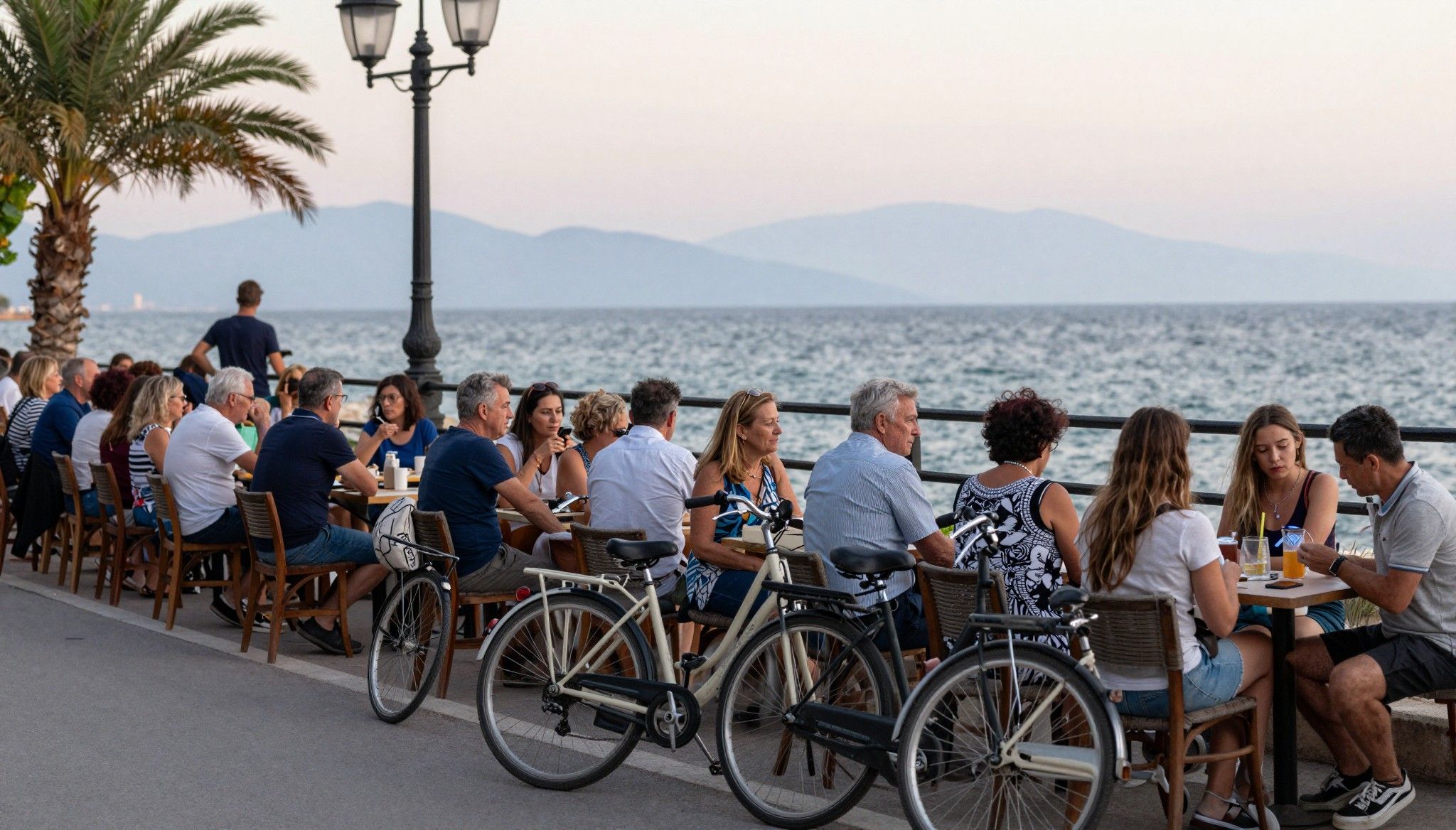
Imagine waking to the smell of baking koulouri on a narrow street in Koukaki, then cycling the coastal avenue in Glyfada before lunch. Greece feels like a sequence of small, perfect days — loud markets, quiet lanes, beaches with their own personalities — and the places that attract international buyers are as varied as the islands themselves. But the headline you read — “Greece is expensive” — hides more than it reveals.
Living Greek: what the day-to-day actually feels like
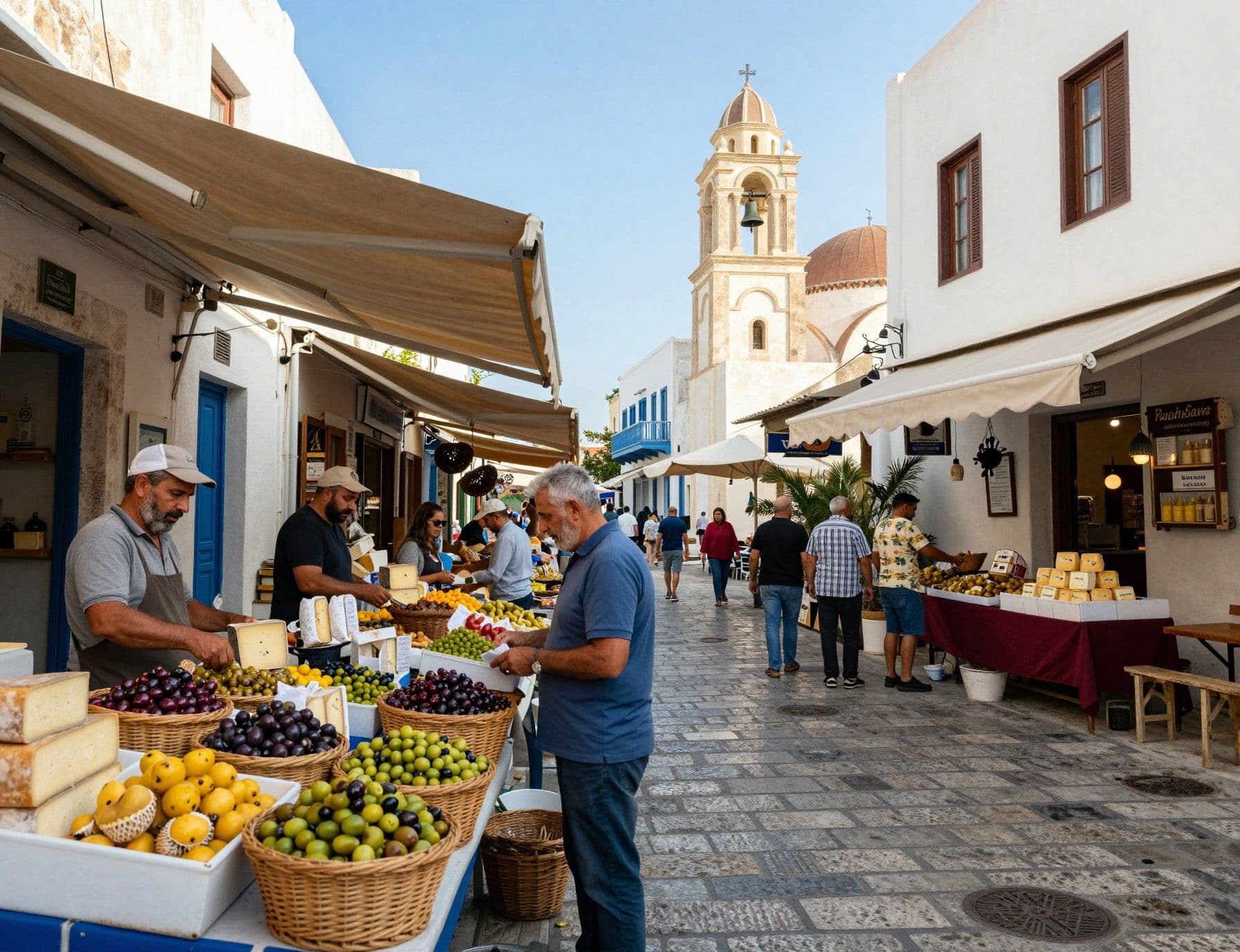
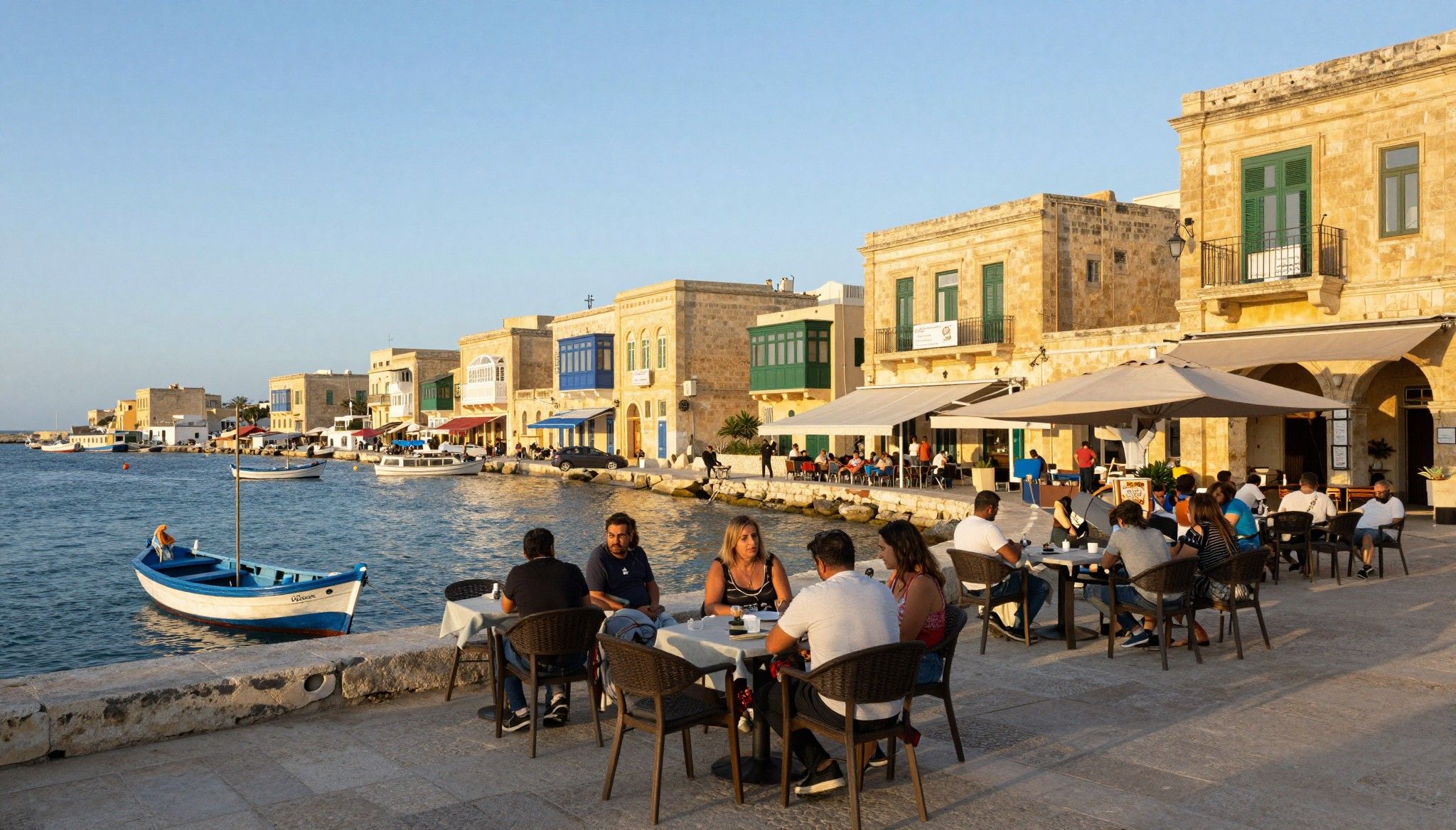
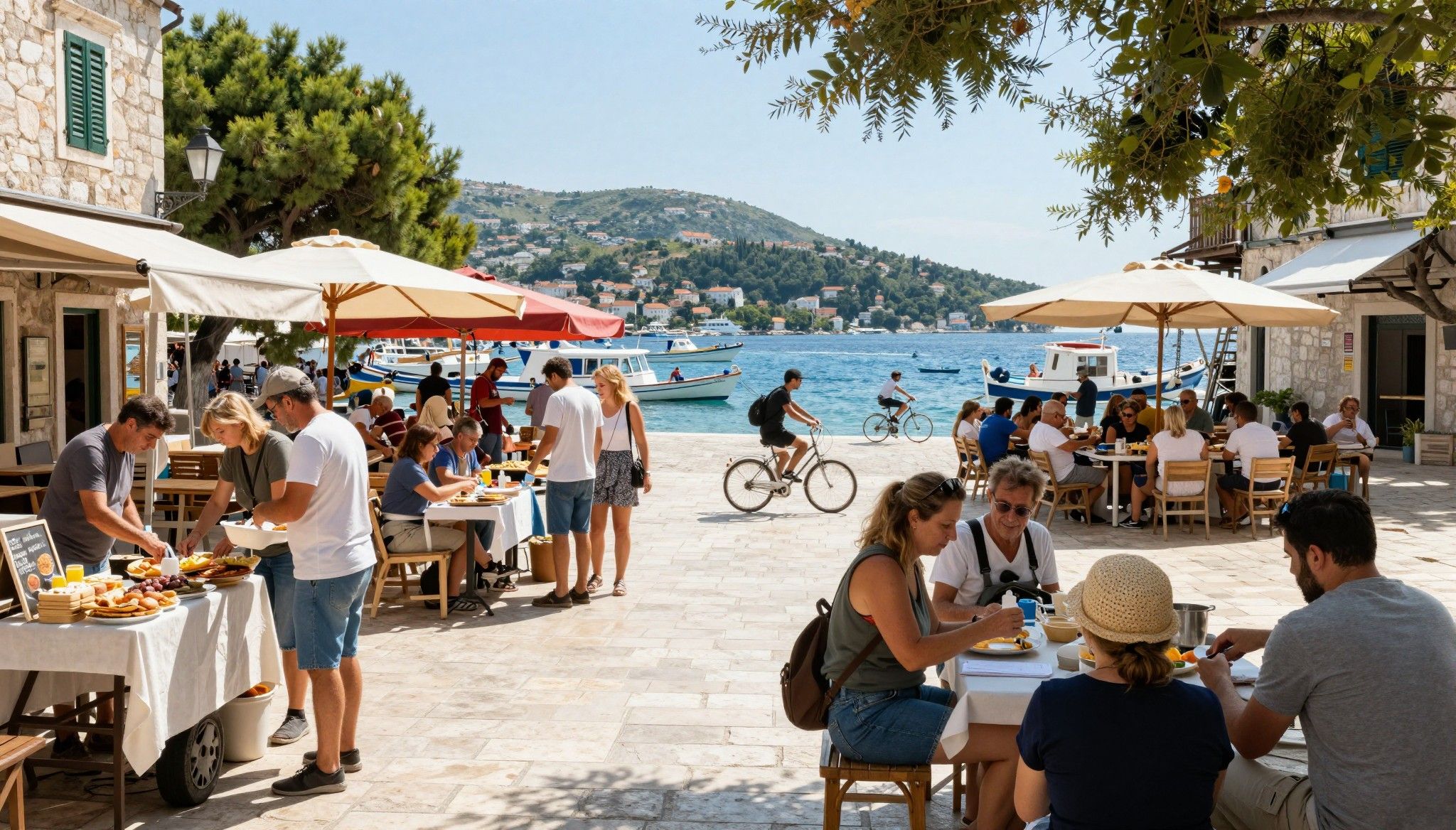
Living in Greece moves at a human pace. Mornings mean coffee and small talk at kafeneia on side streets; afternoons are for a beach siesta or a stroll through a local market; evenings are long and social. If you love outdoor life, seaside promenades, and well-made food, you’ll notice how architecture and urban rhythms support that: town squares (plateies) become living rooms, and terraces are part of everyday circulation.
Athens: city grit, coastal calm
Athens telescopes the country’s contrasts. Walk from Plaka’s tourist lanes to Koukaki’s cafés and you’ll find restored neoclassical facades, new-design apartments, and neighborhoods still reshaping after years of underinvestment. Coastal suburbs — Glyfada, Voula, Vouliagmeni — trade urban convenience for sea breeze and larger terraces. Note: central Athens has seen some of the fastest price rebounds driven by urban renewal and tourism-linked demand. (See Bank of Greece housing reports.)
Islands & coast: each place has its own market personality
Santorini and Mykonos sit at the extreme luxury end; prices there can be multiple times higher than nearby islands. But look west — Corfu, Kefalonia, parts of Crete and the Peloponnese — and you find lower entry prices, large plots, and lifestyle appeal that’s similar but less crowded. Recent market reports show national apartment prices rising in the mid-to-high single digits in 2024–2025, while island and coastal hotspots outperformed that average.
- Lifestyle highlights to sample before you buy:
- Sip freddo espresso at Kafenio O Sokratis (Koukaki), then wander the flea stalls under Philopappos.
- Late afternoon swim at Vouliagmeni beach, followed by seafood in a taverna on the water.
- Sunday morning market run in Chania old town — fresh cheese, olive oil, and preserved fish.
Making the move: real choices that shape daily life
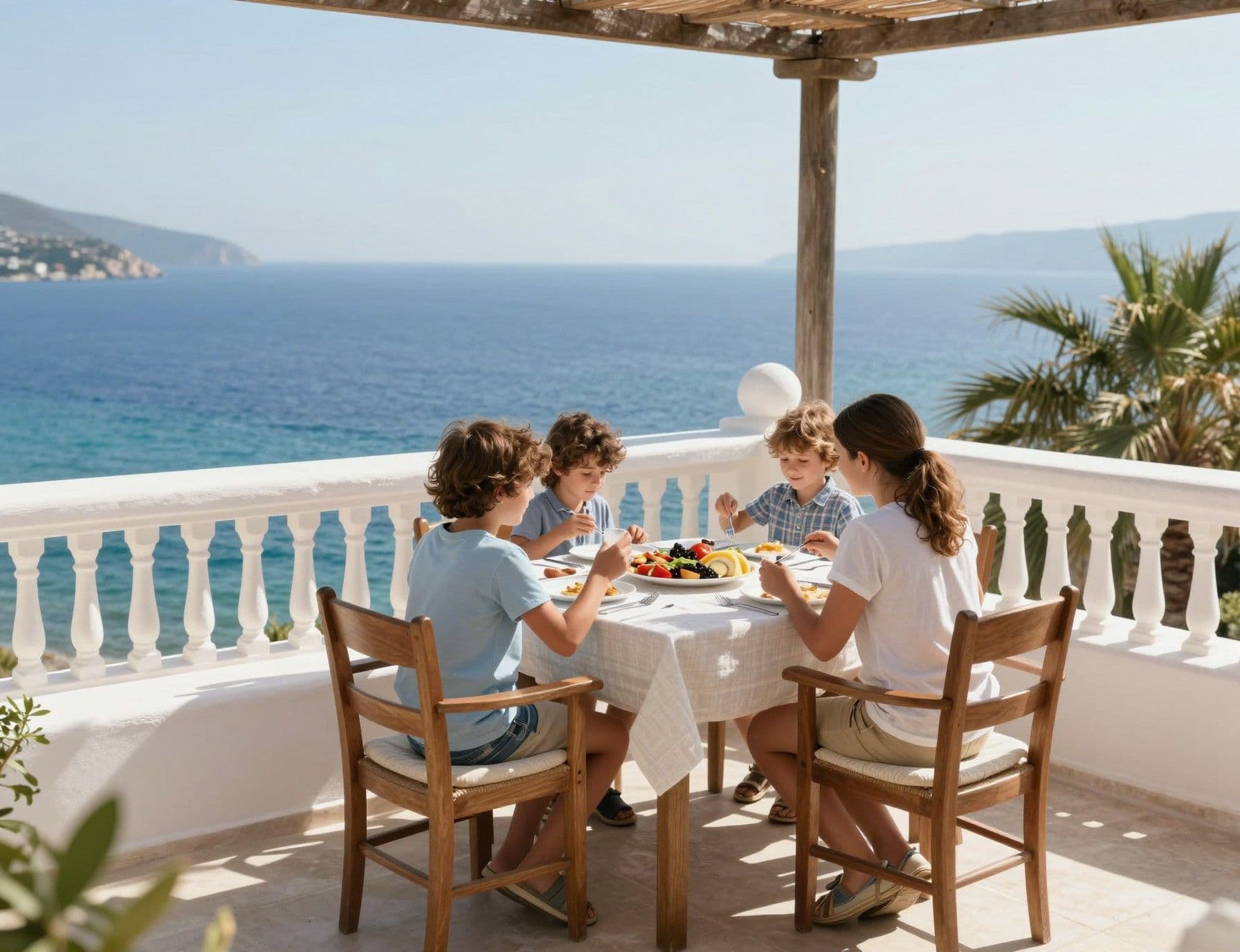
Your lifestyle choice — full-time resident, winter escape, or holiday rental owner — should determine the neighbourhood and property type you target. Regulation and market forces have made short-term rental hotspots both desirable and riskier; recent policy moves seek to limit windowless basements and tighten licensing in central areas, which affects yields and liveability. Translate that into location choices: if you want community year-round, prefer towns with schools, clinics and a mix of residents over purely tourist strips.
Property styles and how they map to lifestyle
Stone village houses and island villas give you private outdoor life and large terraces; Athens apartments give access to culture and services. New-builds around Elliniko and the Athens Riviera offer modern specs and pools, but older buildings in Kifissia or Chania deliver charm and larger lot sizes at lower per-square-metre prices. Match the property type to how you’ll actually live — cooking, hosting, walking to shops — not just the investment story.
Working with experts who know the lived reality
- How a focused local agency helps you live the life you imagined:
- 1) Show you streets where neighbours are year-round residents, not just holiday tenants.
- 2) Help estimate real running costs for a seafront property (insulation, shutters, maintenance).
- 3) Advise on micro-location risks: landslide-prone slopes, septic systems, and seasonal flood paths.
Insider knowledge: the things expats wish they’d known
Expats often assume the island lifestyle solves every problem. It doesn't. Seasonal isolation, supply-chain delays for contractors, and municipal service differences matter. We’ve seen buyers pick a dreamy seaside village without checking winter ferry schedules or the local healthcare options; that beautiful quiet becomes a real inconvenience when you need routine services.
Language, community and daily social life
Learning key phrases goes a long way. Neighborhood caf owners, local builders and market vendors value face-to-face relationships; that social capital eases renovations, lets you find trusted help, and turns a house into a home. Expat enclaves exist (parts of Chania, Corfu, Glyfada) — they’re useful but don’t replace integrating locally if you want a true sense of belonging.
Long-term life: what ages well
Think about durability: tile terraces, shutters, and simple plumbing age better here than high-maintenance gardens. Choose locations with improving infrastructure — new metro lines, port upgrades, and regional airports — because those are the places that keep getting better, not just prettier on postcards. Data shows areas tied to infrastructure see faster price growth.
- Red flags buyers often miss:
- Unclear property title history or missing building permits (ask for certified deeds).
- Over-reliance on seasonal rental income projections without allowance for regulation shifts.
- Buying sight-unseen in tiny island markets without a trusted local agent and builder.
- Practical next steps — a short checklist:
- 1) Visit twice: once in high season to feel the energy, once off-season to test daily life.
- 2) Ask an agent for comparable year-round rental data, not just summer peak rates.
- 3) Check municipal plans and ferry/airport timetables — accessibility matters for resale and life.
If you want to feel the life before signing, we’ll show you two streets in each area: one where the neighbours live year-round, and one that looks charming only in July. That contrast alone reshapes which property makes sense.
Conclusion: buy the life, not the postcard
Greece can be surprisingly affordable — if you look beyond the postcard islands and match property type to real-life seasonality and services. Start by defining how you want to spend a typical month, then work backward to location, building type and local specialists. If the dream is daily beach swims and market mornings, pick a place where that’s possible in winter as well as August.
Ready to compare streets, not just square metres? We’ll show you the realities that matter — weekday cafés, winter ferry timetables, and the neighbours you’ll actually see in January.
Swedish expat who moved from Stockholm to Marbella in 2018. Specializes in cross-border legal navigation and residency considerations for Scandinavian buyers.