How Italy’s Seasons Shape Where You Should Buy
Italy’s coastal rhythms reward buyers who match lifestyle to property: use OMI and ISTAT data to plan season-aware purchases that preserve the life you fell for.
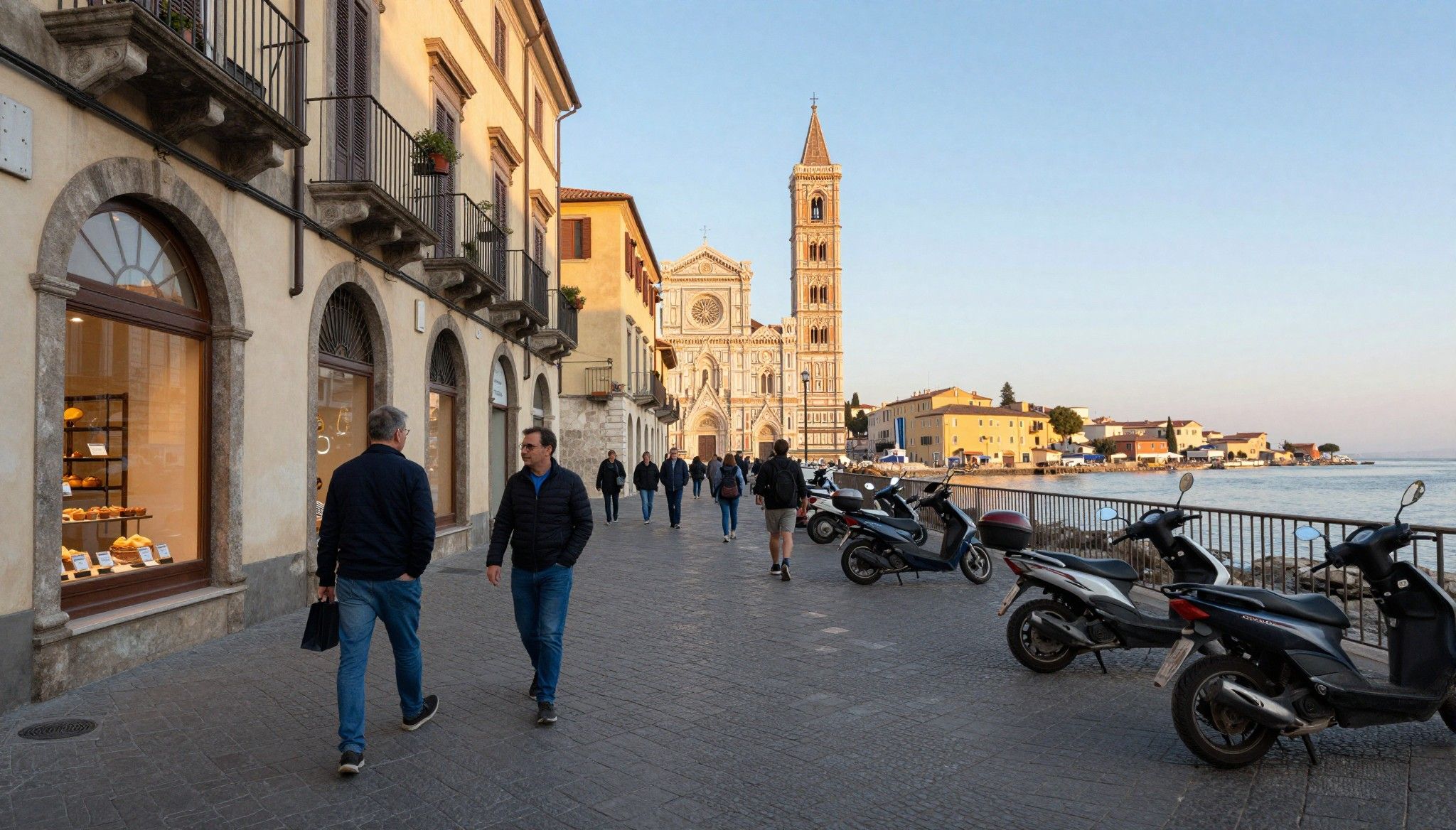
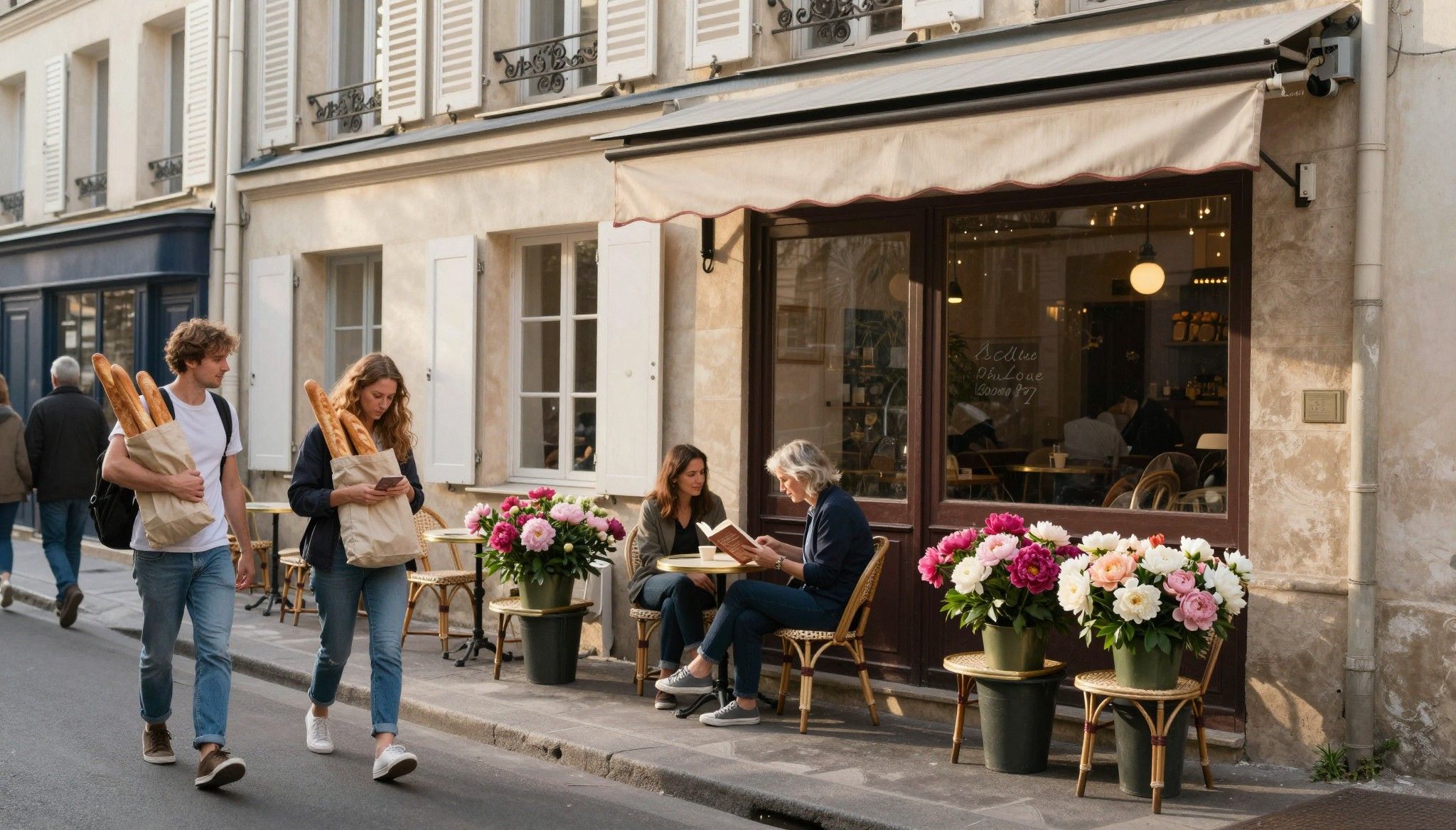
Imagine waking to a market full of morning chatter on Via Garibaldi, then drifting to a piazza for an espresso while the fishermen bring in their catch. Italy is that small, insistent miracle where everyday rituals—caffe, passeggiata, mercato—shape your week and, often, where you choose a home.
Living the Italy lifestyle: more than a postcard
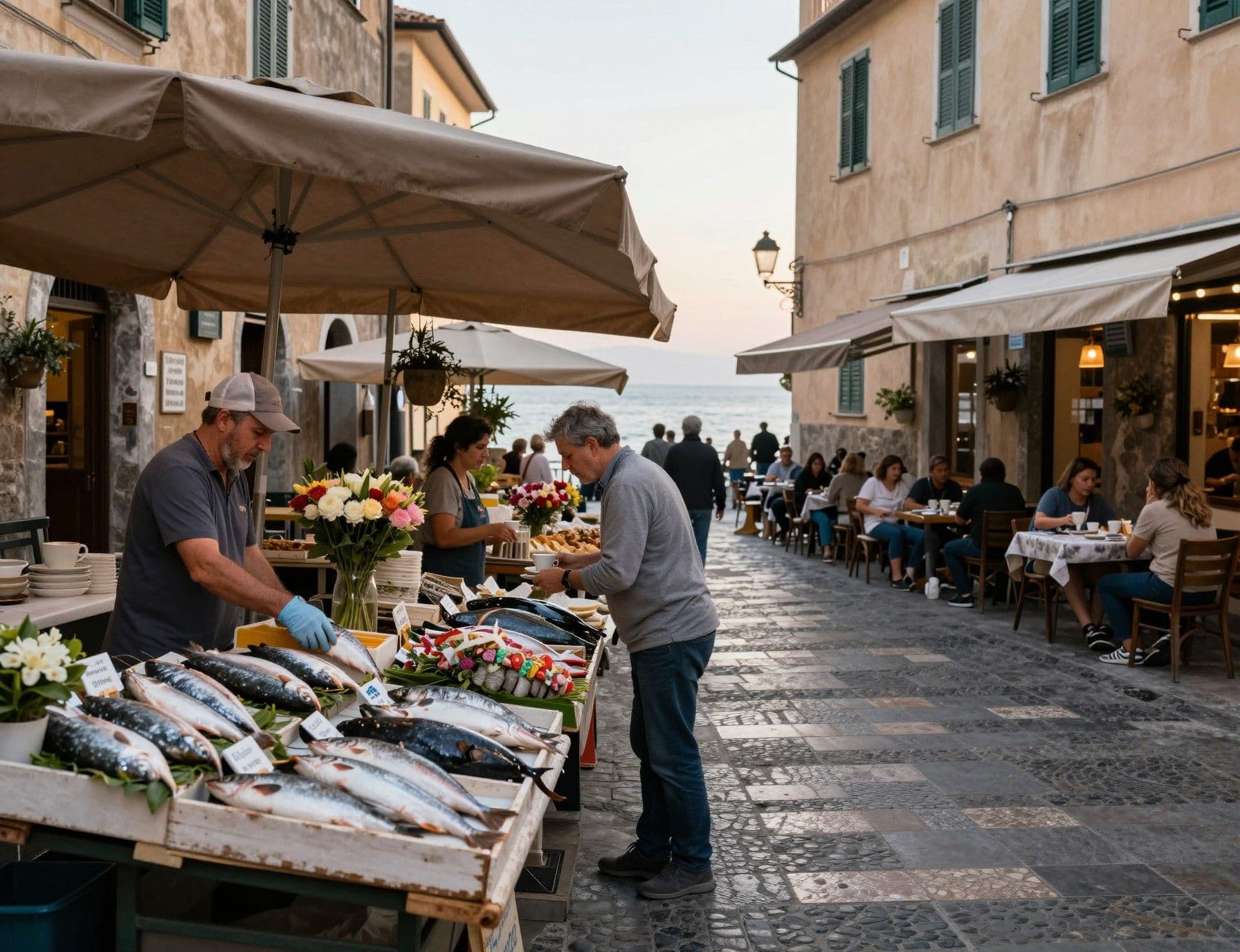
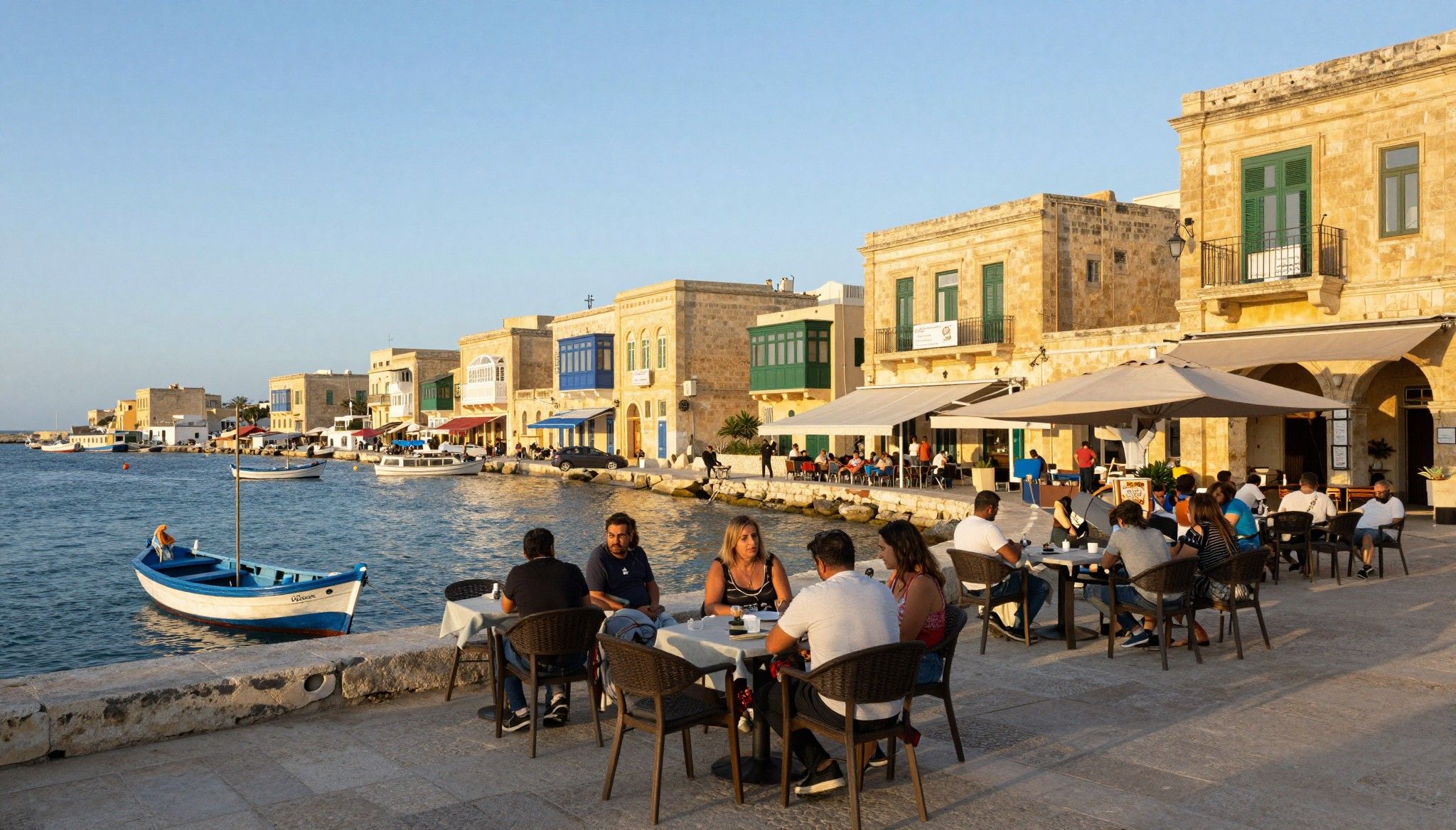
Life in Italy moves in readable rhythms: markets on weekday mornings, aperitivo around 6pm, and neighbourhood festivals that close streets for dances and food. Recent tourism growth has pushed some hotspots into a new, busier tempo—useful context if you plan a seaside purchase where short-term letting is part of the plan. (See ISTAT for arrivals and nights statistics.)
Neighborhood spotlights: choose your tempo
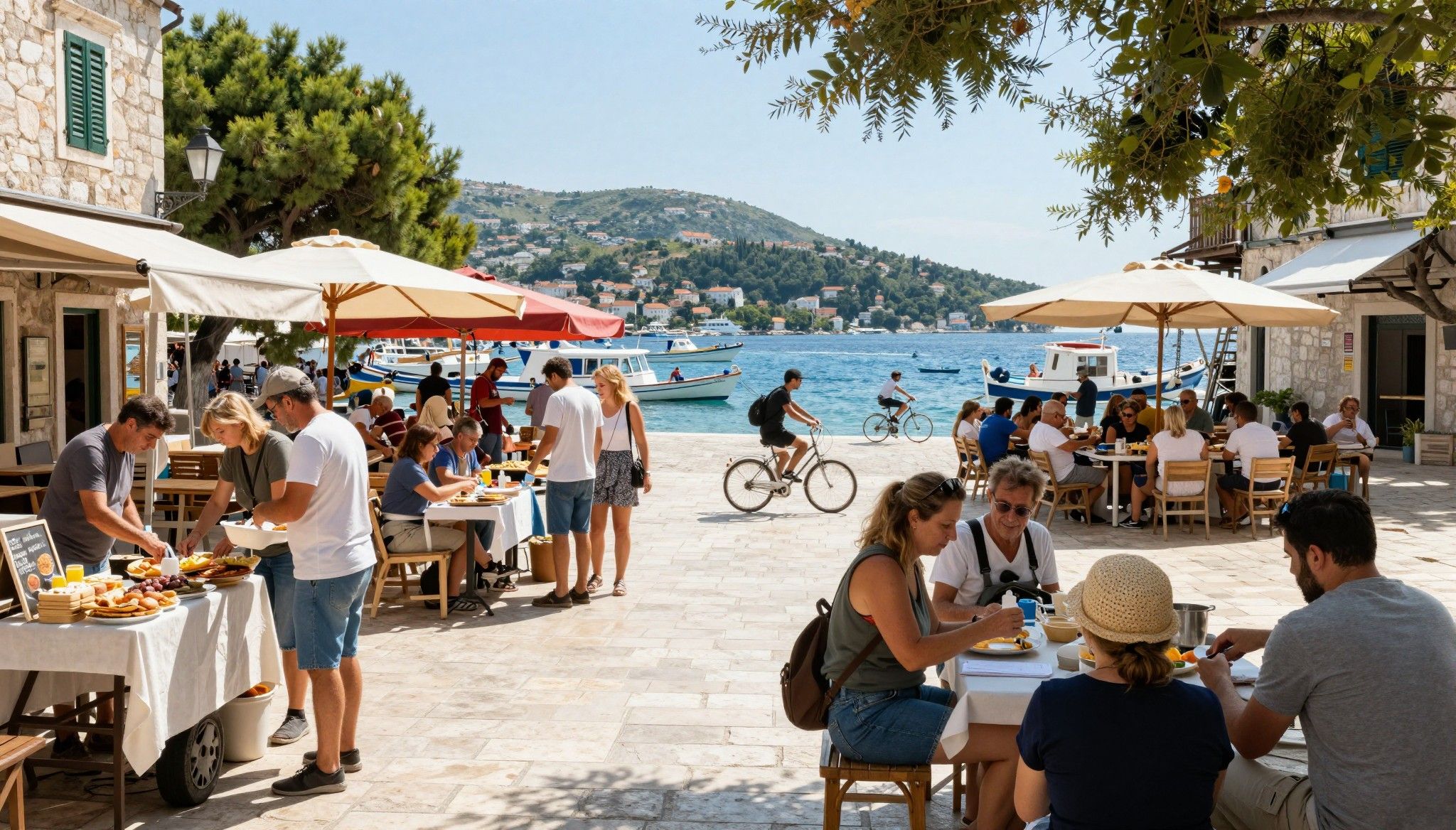
Want cobbles and cathedral bells? Centro Storico in cities like Florence and Bologna gives daily theatre and tiny artisan shops. Prefer coastal calm? Try Liguria’s Levanto or the fishing quarter of Cefalù in Sicily—smaller crowds, strong beach culture, and morning fish markets. For modern Italian life with cafes and galleries, districts such as Milan’s Brera or Naples’ Chiaia balance food scenes and quieter residential streets.
Food, markets and seasons: where kitchens decide the address
Markets and kitchens are linked: buying near Mercato Centrale in Florence or the Testaccio market in Rome means weekday mornings that feel like theatre. Seasonal harvests—truffle fairs in Piedmont, citrus festivals in Sicily—reshape local life and short-term demand. Markets also indicate popular rental windows; Nomisma and local reports show the food-and-festival calendar often aligns with peak tourist months.
- Lifestyle highlights: real places, real life
- Morning espresso on Via Toledo (Naples), fish stalls on Palermo’s Ballarò, evening passeggiata along Lungarno (Florence), weekend truffle markets in Alba, sunset swims at Cinque Terre coves
Making the move: practical considerations that preserve the lifestyle
The dream of daily markets and slow evenings must meet transaction reality. Italy’s property market has returned to steady activity; OMI (Agenzia delle Entrate) data and industry summaries show sales volumes and price moves vary by city and coast. Knowing where demand and seasonality intersect will keep your lifestyle intact and your purchase sensible.
Property styles: which one fits how you live
Historic apartment on a narrow street gives immediate culture but often limited light, no parking and renovation surprises. A seaside townhouse (Liguria, Amalfi Coast) offers terraces and direct beach access but higher maintenance. Newer condo developments (on the Adriatic or in northern coastal towns) deliver parking, elevators and communal pools—better for families and long-term comfort.
Working with local experts who know the life, not just listings
Agencies that live locally will tell you about seasonal noise, festival road closures, and whether a terrace truly captures sunset light in October. They also connect you to notaries, surveyors and a notary’s required checks—local expertise that preserves the lifestyle you fall in love with.
- Steps that blend lifestyle and process: 1. Visit neighborhoods at different times (market morning, Saturday evening) to test tempo. 2. Ask sellers about rental history and peak months if you plan short lets. 3. Commission a structural and damp survey before the preliminary contract. 4. Confirm access to local services (doctor, grocery, school) within 10–15 minutes by car. 5. Use a local notary and get an itemised cost schedule before signing.
Insider knowledge: expat truths and regional red flags
Expats tell the same truths: language opens doors, but your nearest neighbour’s morning habits dictate daily comfort. Some coastal towns look charming from the ferry but empty in winter; others pulse year-round because of nearby universities or hospitals. Reports from market analysts confirm regional divergence—price and demand in Milan or Rome differ sharply from smaller coastal towns. Use reports to compare long-term demand and seasonality.
Cultural integration: small customs that change where you settle
Church bells, municipal market days, and communal garbage schedules shape weekdays. Neighbours value face-to-face introductions—bring a small gift and you’ll be remembered. Learning even basic Italian smooths local bureaucracy and opens invitations to community events that make a house feel like home.
Long-term lifestyle realities worth planning for
Think beyond the first year: maintenance budgets for masonry and terraces, access to regional healthcare, and school logistics if you move with family. Coastal salt air accelerates corrosion; an annual property check will protect terraces, railings and window frames and preserve your sea view for decades.
Conclusion: fall for the life, then buy to keep it. Italy’s towns, markets and seasons create a life worth buying into—but smart moves mean matching the rhythm you want with the right property type and trusted local professionals. Start with 2–3 neighbourhood visits in different months, ask for OMI price history for those streets, and bring a local agent who knows the festivals, the plumber and the notary.
Dutch relocation advisor who moved to Marbella in 2016. Guides Dutch buyers through visa paths, relocation logistics, and balance of lifestyle with value.