Italy’s Coastal Life: Match the Dream with Local Proof
Italy’s coast sells a dream — this piece pairs vivid local life (markets, terraces, neighbourhood beats) with research-backed tips and sources for international buyers.
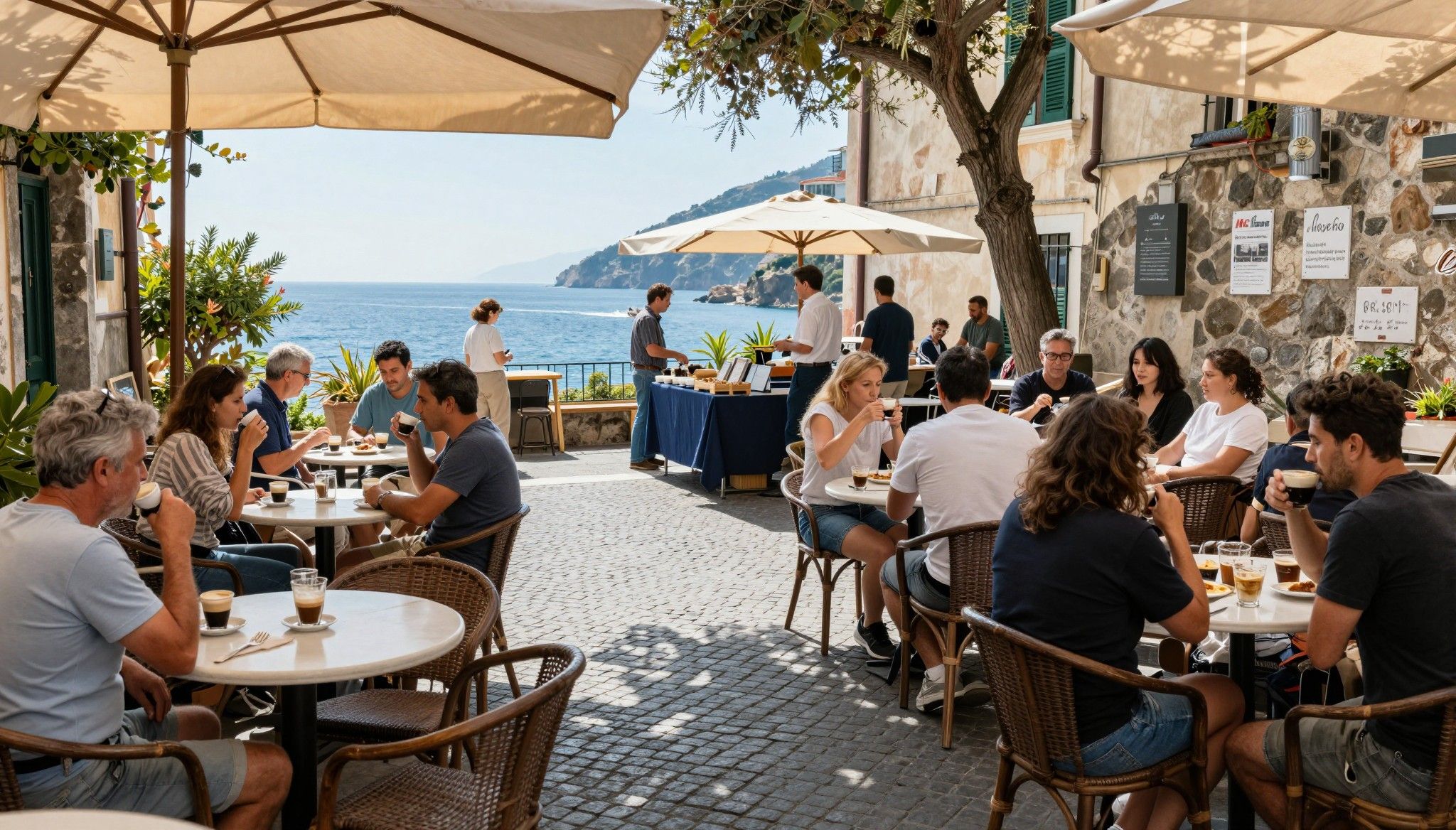
Imagine starting your morning with an espresso on a small terrace in Positano, then bike-riding along a palm‑lined promenade in Alassio by lunch. Italy makes those mornings real: sunlit streets, markets that change personality by day, and neighbourhoods where cafés remember your name. For international buyers the appeal is obvious — culture, food, and coastline — but the deeper story is how seasons, local rhythms and tourism flows shape where you actually want to live.
Living the Italy lifestyle — coastal edits, city rhythms and local texture
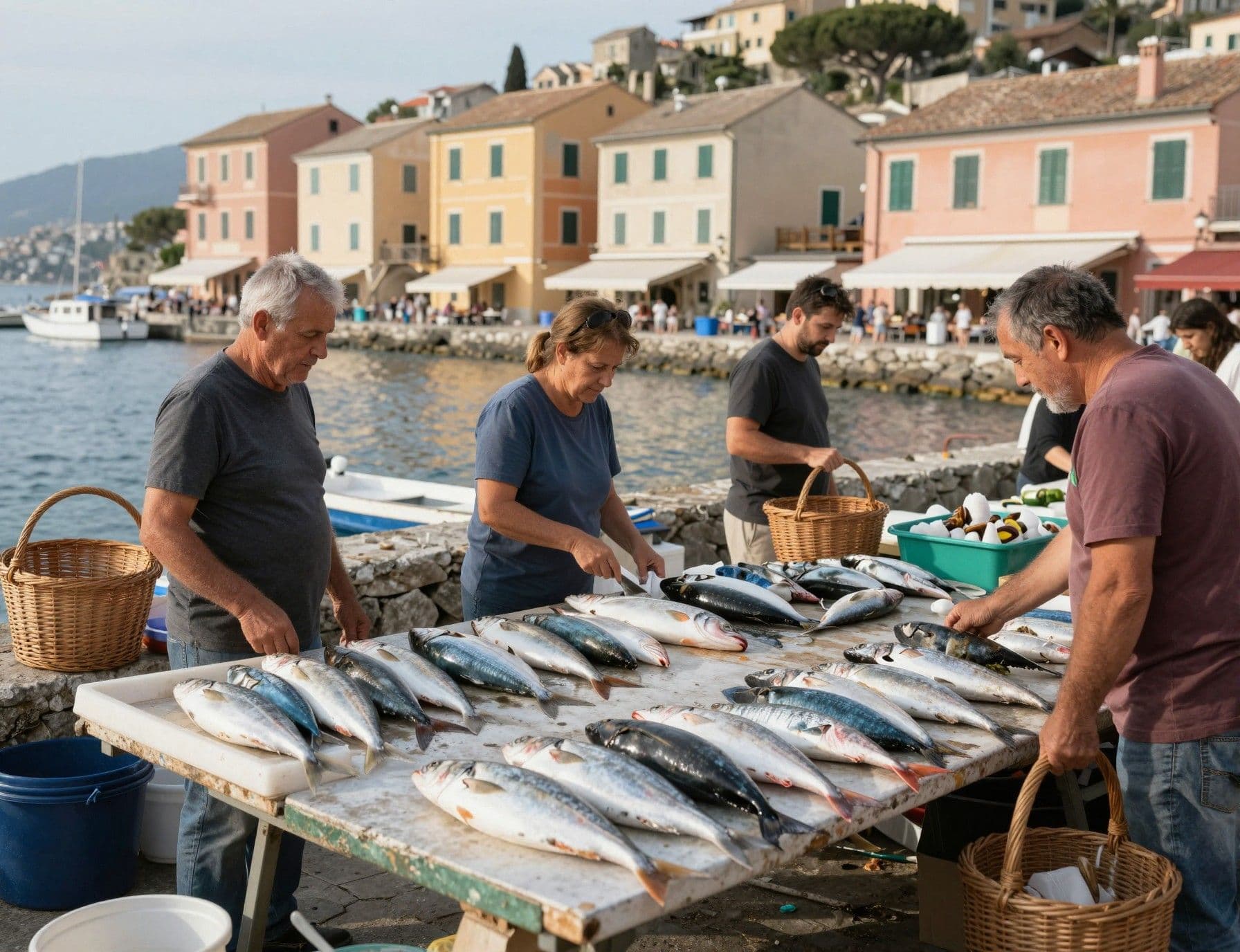
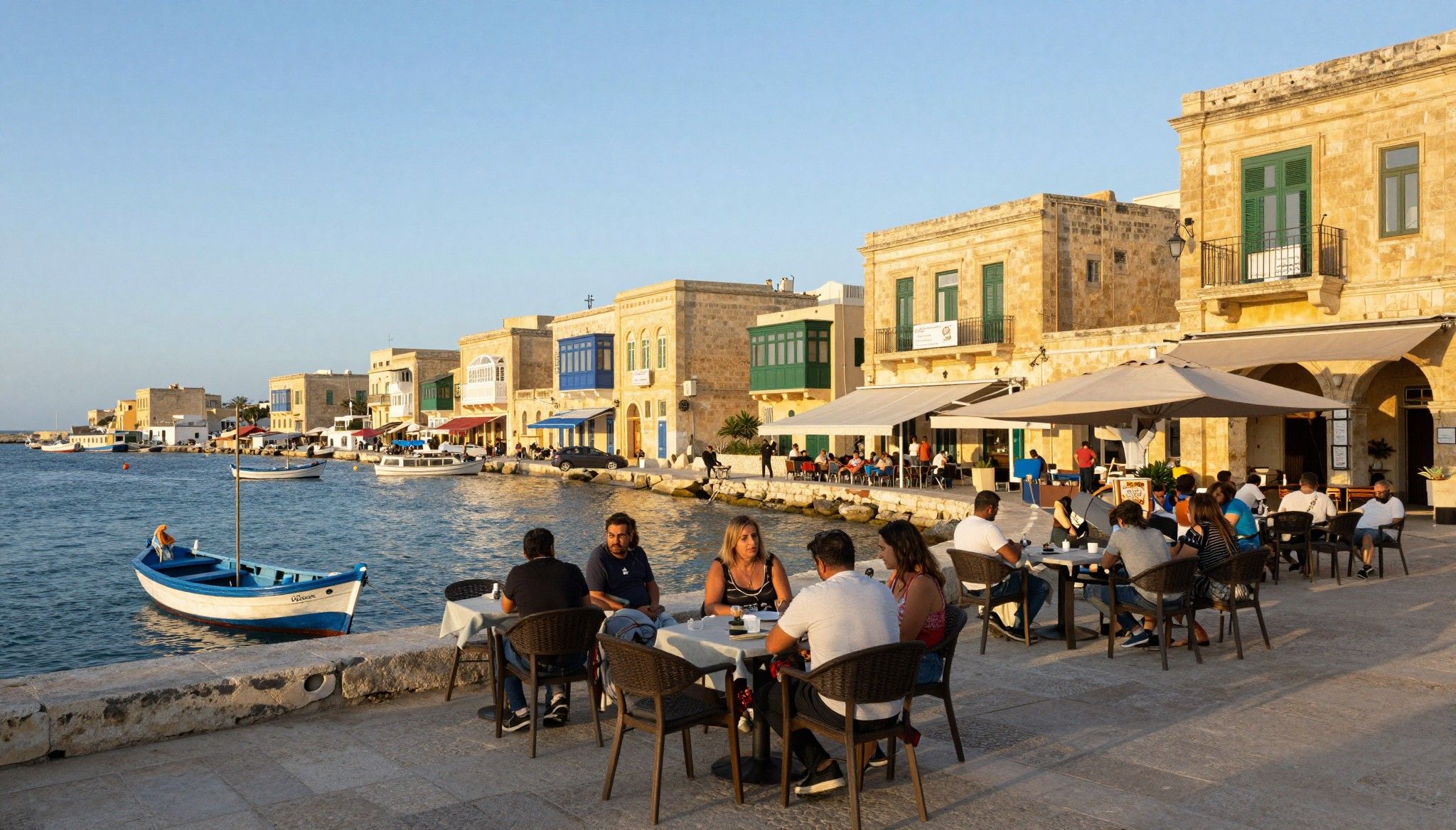
Life in Italy moves on a local clock: weekday markets set the tempo, beaches empty on school mornings and bustle at sunset, and small piazzas become living rooms after dinner. Tourism is big — ISTAT reported record overnight stays in recent years — but that doesn’t mean everywhere is ‘crowded’ all the time. Coastal towns like Sorrento and Alghero pulse in summer; Ligurian villages and parts of Puglia stay quieter in shoulder seasons, giving you alternately celebratory and calm options.
Spotlight: Liguria’s harbour towns vs Amalfi’s theatrical coast
Walk through Via Roma in Sanremo or Via Garibaldi in Imperia and you’ll feel a measured, small‑town Riviera life — coffee bars, early-walking pensioners, and tiled facades that age well. Amalfi and Positano are theatre: cliffs, terraces, boutique footpaths and a summer calendar that fills every terrace. For buyers wanting daily beach life and quiet winters, Liguria’s Sanremo or Levanto often wins. For those after showy sea views and a calendar of summer energy, Amalfi or Praiano deliver the theatrical coast.
Food, markets and the micro‑rituals that make a place
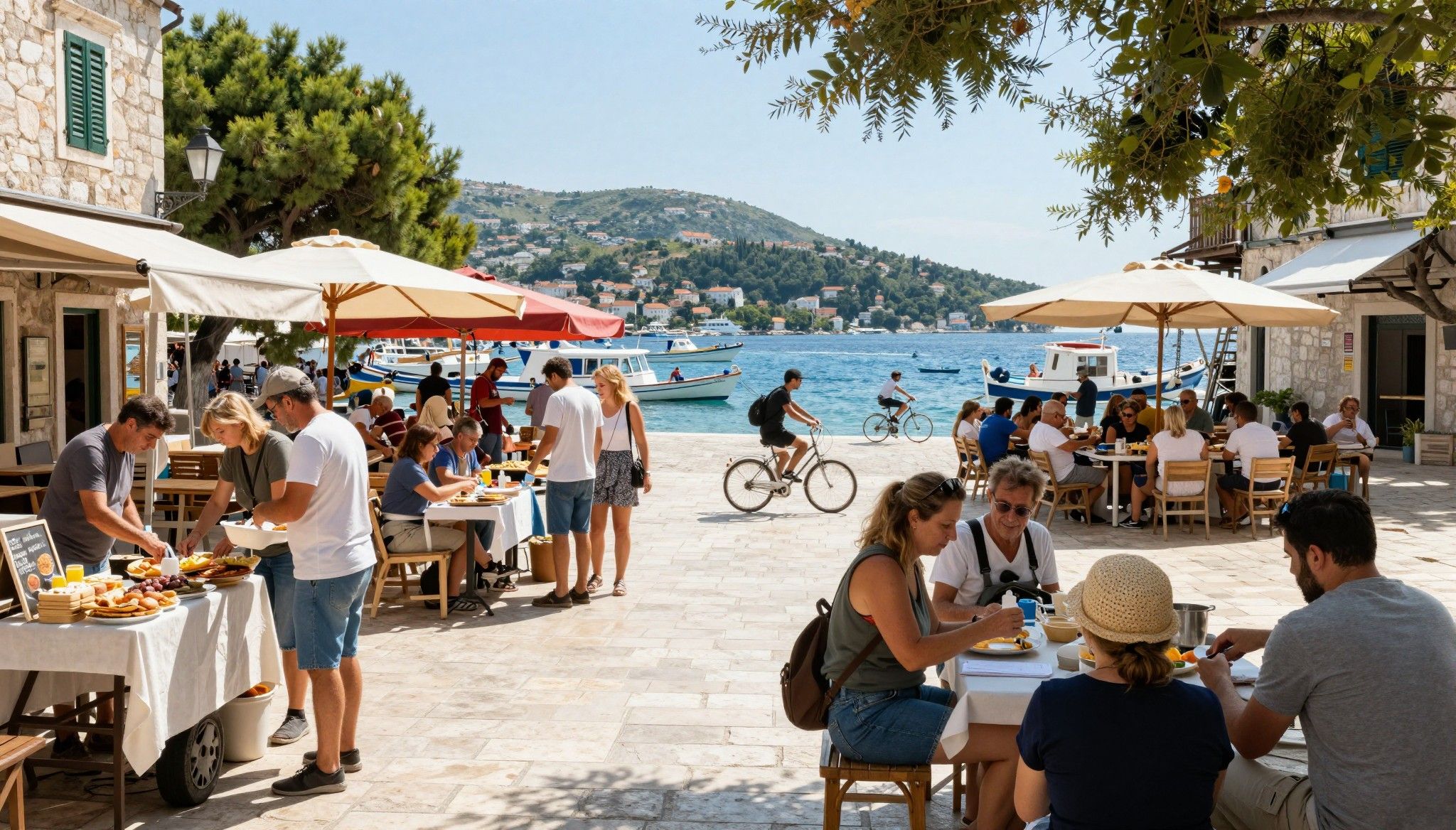
Markets are the local noticeboard: in Palermo’s Ballarò you’ll hear Sicilian dialect and find street‑food staples, while the Mercato Centrale in Florence mixes regional produce with a café crowd. Coastal towns bring seafood freshness to daily menus and tiny trattorie that open only at lunchtime. Those micro‑rituals shape what you buy: a compact pied‑à‑terre near a market is different from a villa bought primarily for terrace dinners with ocean wind.
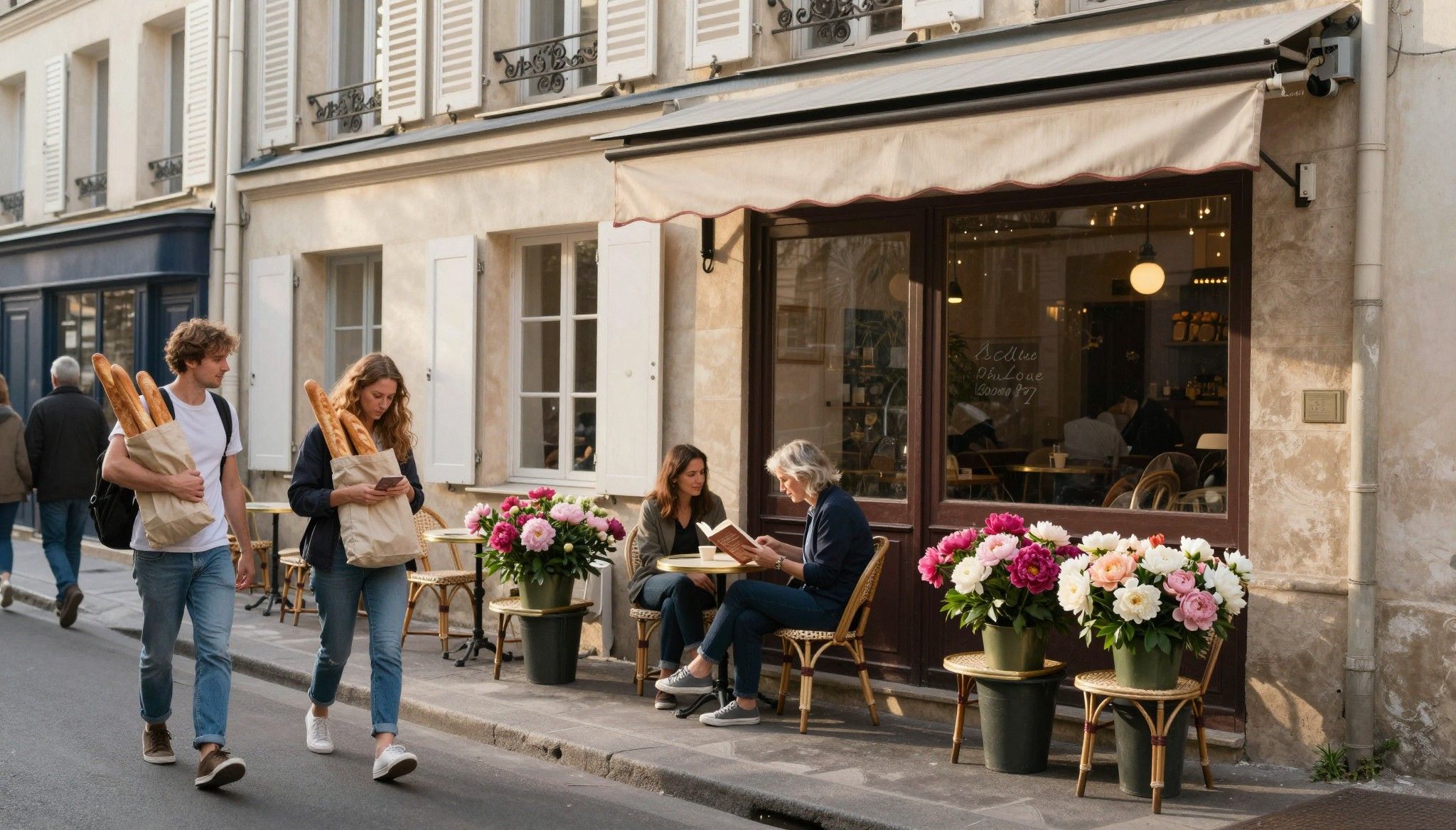
Morning espresso in a bar that knows your order — Piazza San Marco (Venice) vibe
Weekly fresh fish at Marina Piccola (Sorrento) and the seasonal seafood rituals
Sunday passeggiata along Lungomare (Camogli or Alassio): people‑watching as community glue
Making the move: lifestyle choices that should shape the property search
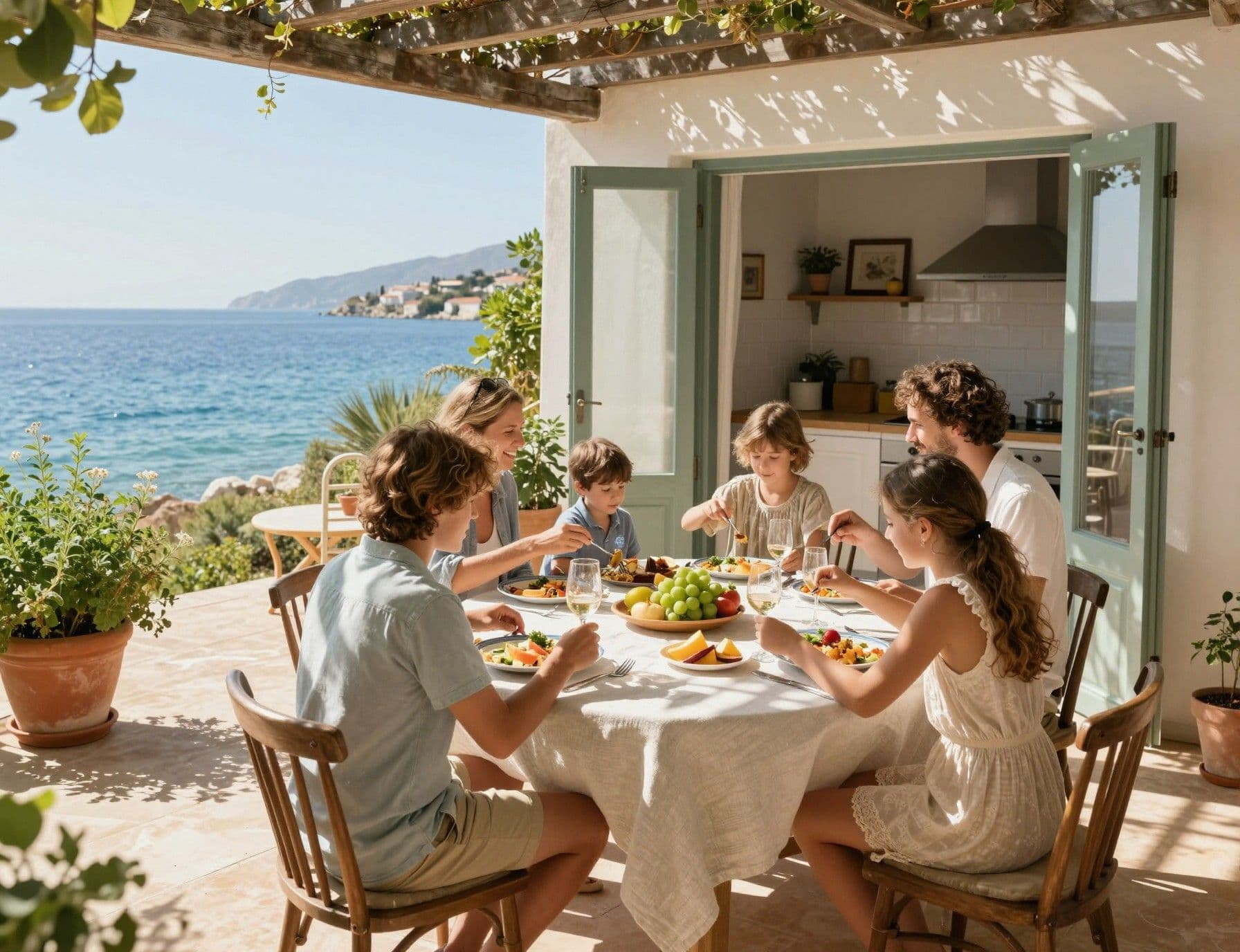
Dreams matter, but so do trade‑offs. If your idea of coastal life is morning swims and Sunday markets, prioritise a property with easy street access and a functional kitchen — terraces look great in photos but can become expensive to maintain. Market reports show foreign buyer interest rising, so competition in sought‑after pockets can be real; match your lifestyle brief to property type before you escalate the search.
Property styles and how they fit daily life
Historic apartments in Genoa or Naples mean thick walls, small windows and a vertical life — they’re romantic and cooler in summer, but less adaptable for open‑plan living. Newer coastal builds near Bari or Olbia offer modern plumbing, garages and terraces that suit car‑owners and families. Choose by habit: do you want market walks and stairs, or a car and parking close by? Each choice reshapes daily routines.
Work with local experts who match lifestyle to market realities
A local agent should be more than a listing service. They help calibrate seasonality (which months properties show best), explain neighbourhood microclimates, and introduce you to surveyors and notaries who understand local quirks. Reports indicate growing international activity; choose an agency that can show recent sales to foreigners and real examples of lifestyle matches, not just glossy brochures.
Start with lifestyle questions, then verify market fit: 1) List daily rituals you won’t give up (market, beach, café). 2) Ask agents for comparable sales with buyer nationality. 3) Visit across seasons to test noise and access. 4) Prioritise a registered local surveyor and notary early. 5) Keep renovation buffer for coastal salt‑air works.
Insider knowledge: what expats wish they’d known before buying
Expats often tell the same small regrets: underestimating the rhythm of local services, overlooking a kitchen size because the view seduced them, or buying without checking ferry timetables and winter accessibility. These are practical, avoidable errors. Understanding seasonality — not just tourist numbers — and how a town breathes through the year prevents buyer’s remorse and keeps the lifestyle promise intact.
Language, community and the social web
You don’t need perfect Italian to land in a neighbourhood, but learning local phrases transforms service interactions and opens doors to the best trattorie. Small towns reward effort: a few months of language study often converts casual nods into invitations. Seek neighbourhoods with an established expat core (e.g., parts of Lake Como, Liguria or parts of Puglia) if immediate community matters.
Long‑term lifestyle and resale signals
Think beyond the first season. Areas with diversified year‑round economies (small city + coast, or a regional airport nearby) usually hold value better than single‑season resort strips. Market commentary suggests modest national price growth but rising foreign demand; pick places with local services, school options and transport links if you want long‑term flexibility.
Red flags we watch: 1) Coastal plots without clear erosion or maintenance history; 2) Properties with informal extensions; 3) Listings that avoid showing the neighbourhood at midday; 4) Overly optimistic rental yield claims during shoulder months.
Smart checks to pair with lifestyle choices: 1) Request recent utility bills and local waste schedules; 2) Confirm access roads and winter clearing; 3) Ask for a map of protected areas or landscape restrictions; 4) Visit a weekday to test everyday life (shops, post office, medical access).
Italy seduces with food, light and seasons — but it rewards buyers who match lifestyle truth with local proof. Start with the life you want: market mornings, terrace dinners, family beach days or quiet winter retreats. Then bring the right local team to verify infrastructure, ownership records and seasonal reality. When lifestyle and due diligence align, you get the best of both: a place that feels like home and an asset that works.
Norwegian market analyst who serves Nordic buyers with transparent pricing and risk assessment. Specializes in residency rules and tax implications.