Italy’s Coastal Trade‑Offs: Sun, Stone and Buying Smarts
Coastal Italy rewards lifestyle-first buyers: visit in both seasons, prioritise access and service continuity, and verify cadastral/title details before you commit.
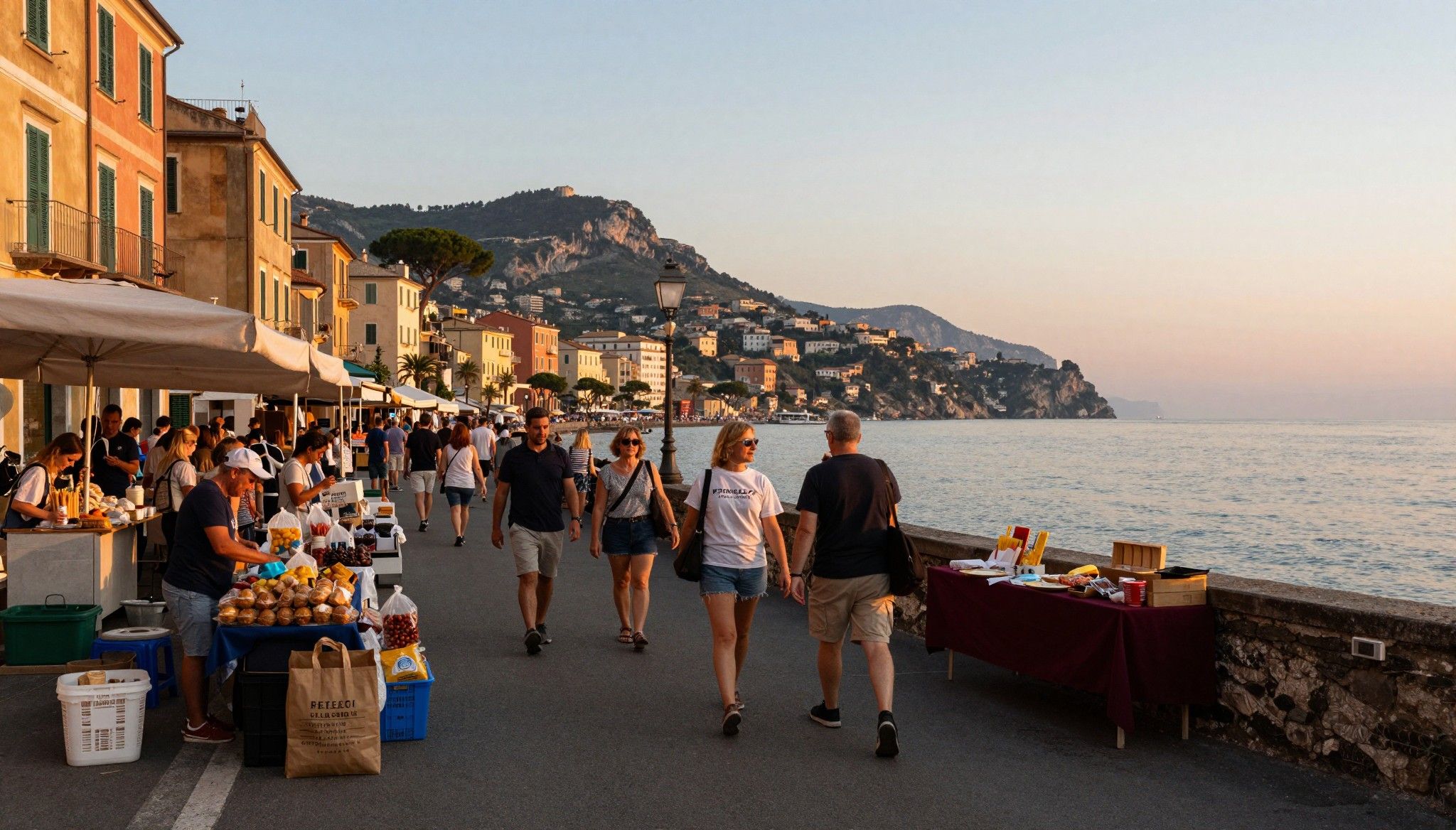
Imagine sipping an espresso on a piazza in Positano at 9am, then an hour later walking a salt-edged promenade in Liguria where fishermen mend nets. Italy’s coast moves at two paces: slow, ritual mornings and sociable, late evenings. That rhythm shapes where people choose to live — not just price per square metre. We’ll show you the coastal trade-offs that matter: lifestyle texture first, transaction clarity second.
Living Italy’s Coast: What the day actually feels like
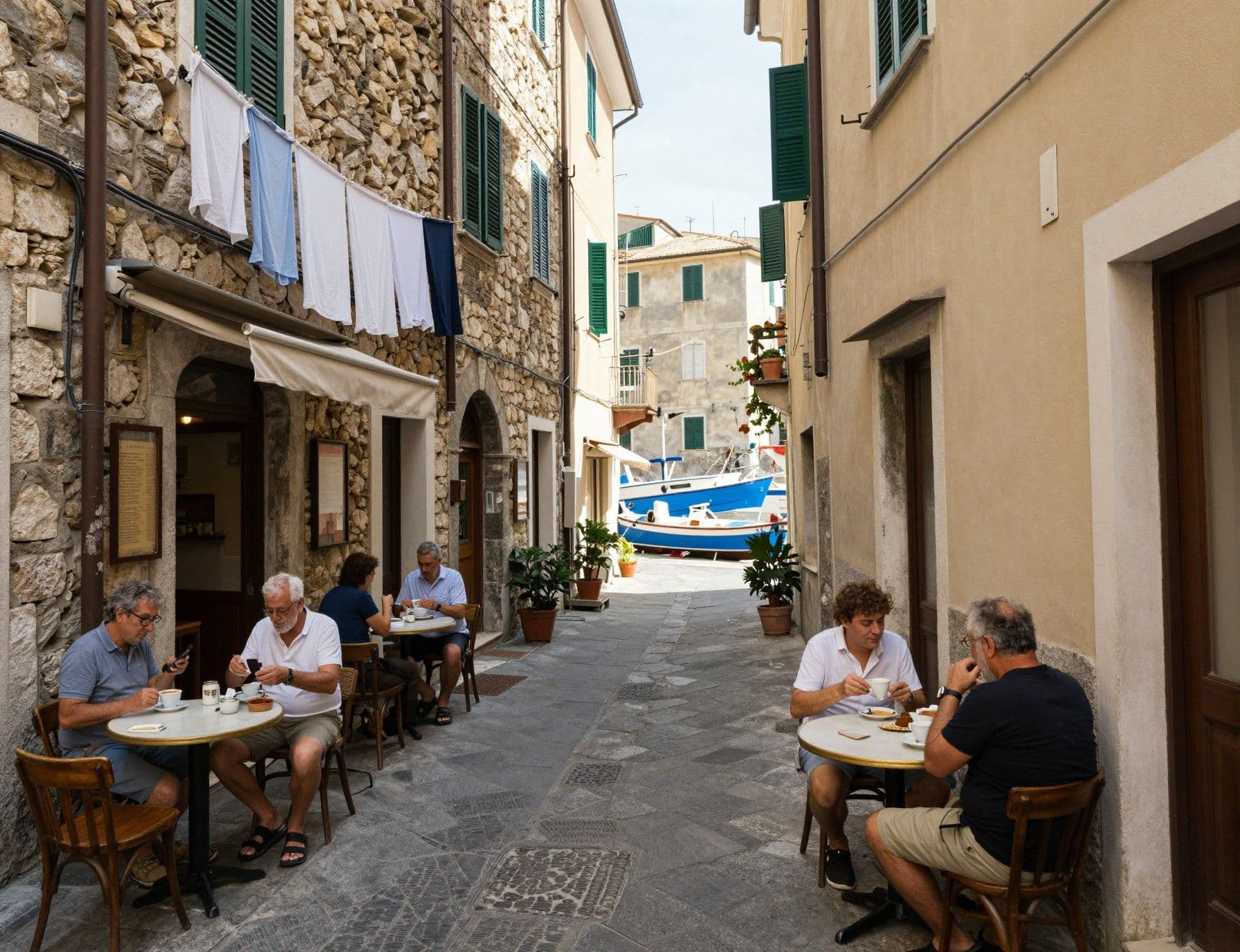
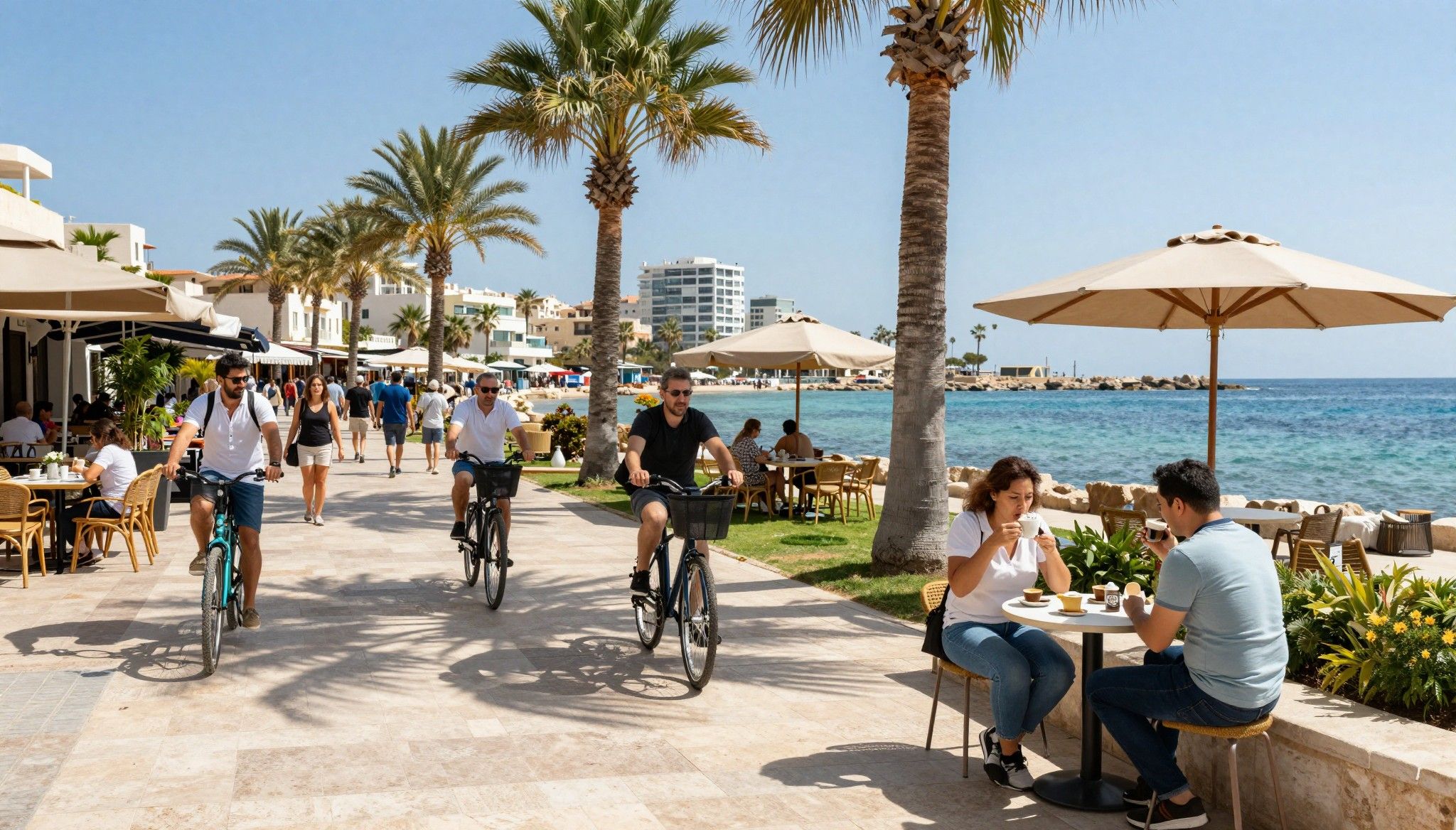
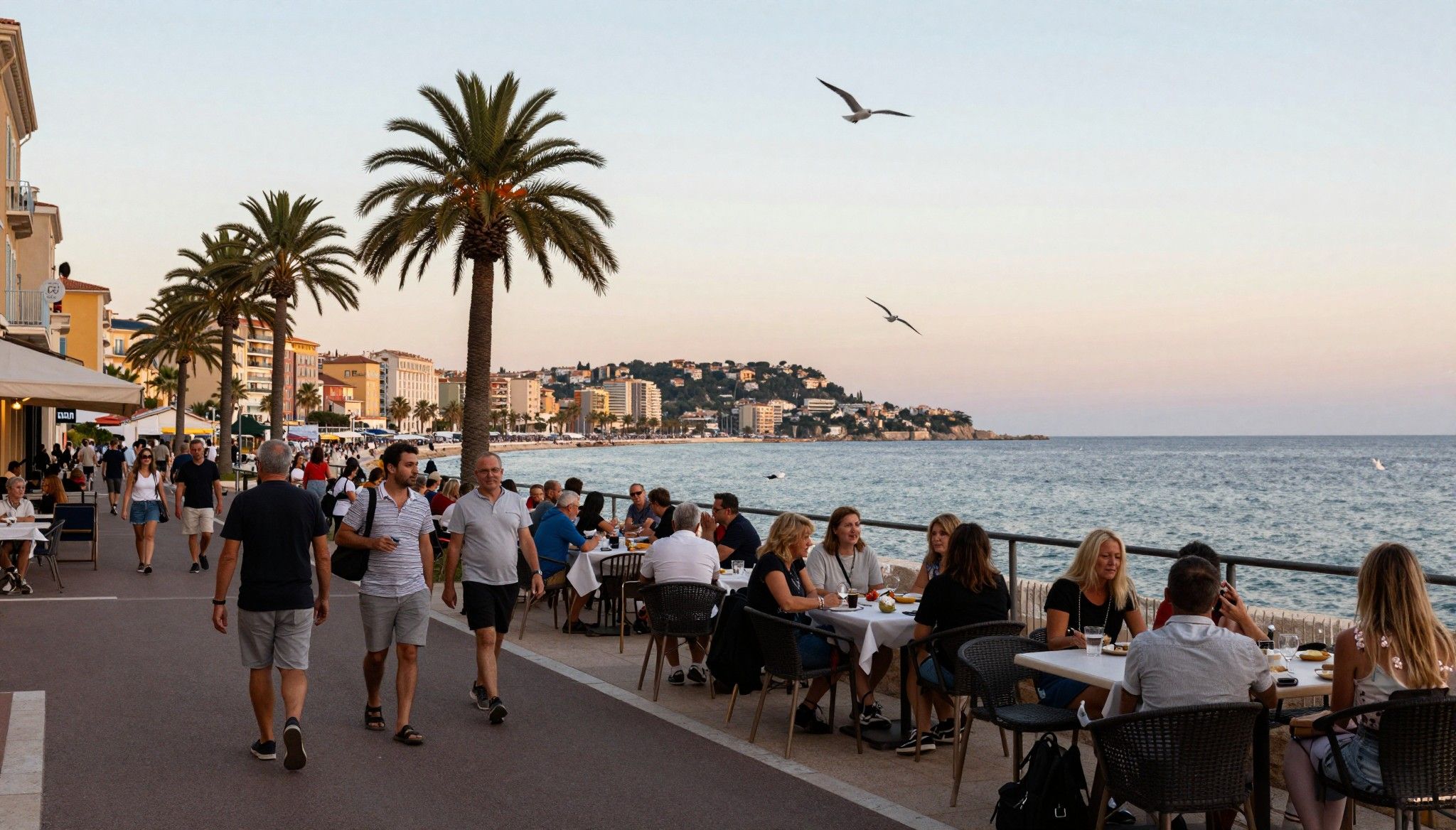
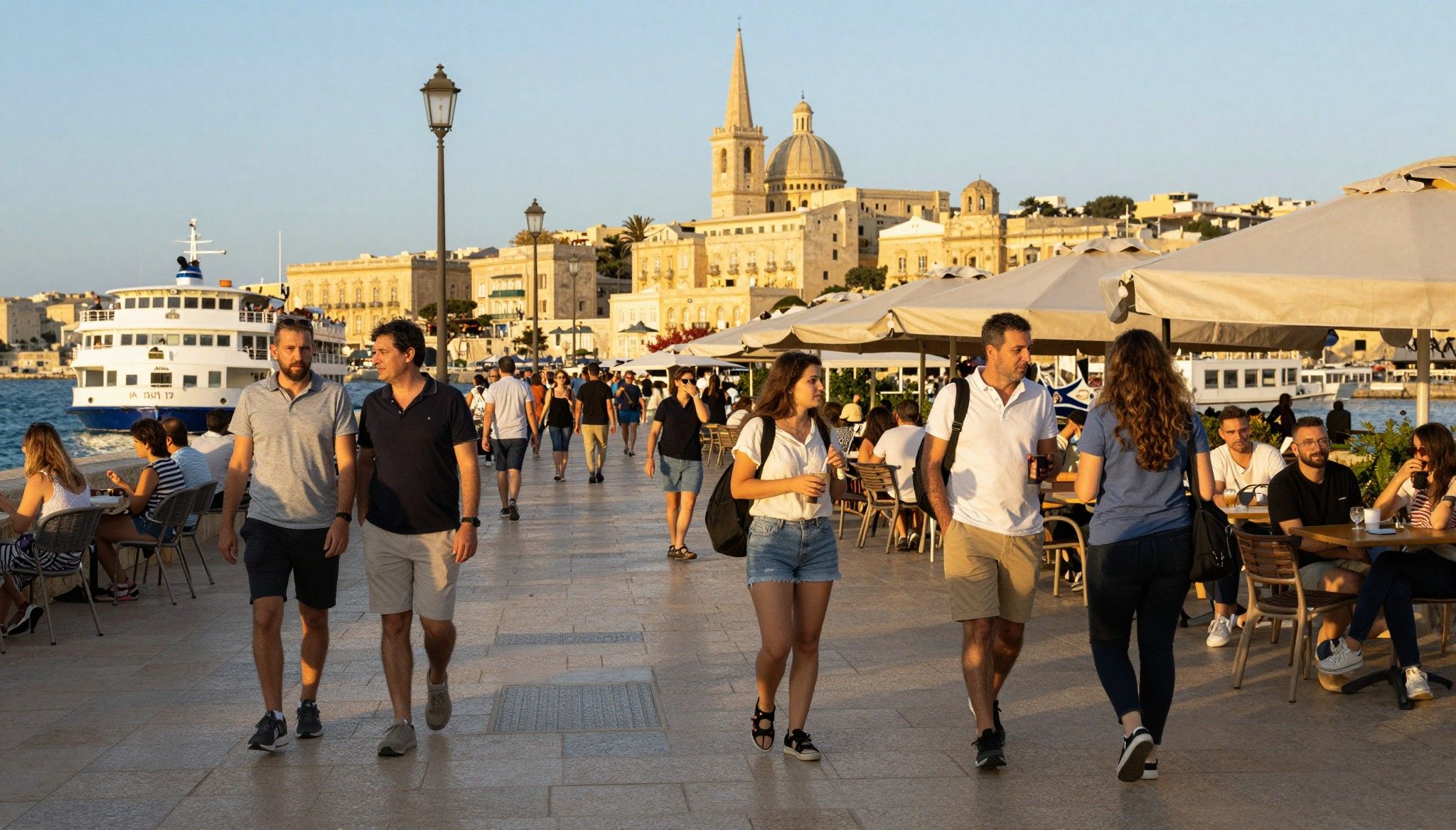
Mornings are coffee, bakeries and markets; afternoons are for the siesta-adjacent slow-down (especially in the south); evenings belong to passeggiata and seafood dinners. Beaches in the north — the Ligurian Riviera and Venetian Lido — are structured and family-friendly. The Amalfi Coast, Sicily and Sardinia mix dramatic cliffs with village life where doorways and church bells are part of your living room soundtrack.
Liguria & Cinque Terre: compact towns, steep streets
Here you buy a house for the view and the walking. Streets are narrow, parking is scarce, and many homes are multi-level—stairs are non-negotiable. Local cafés (try Bar Il Portico in Monterosso or the historic cafés of Santa Margherita Ligure) set the social timetable. If you want a weekend with groceries on foot and a dockside espresso, Liguria rewards daily living over sprawling villas.
Amalfi, Cilento & Campania: drama, tourism, strong seasons
Amalfi’s terraces and Sorrento’s lemon trees give you postcard days — and intense summer months when tourists arrive in force. Locals reorganise life around the season: many businesses close in winter, while rental demand spikes in summer. Owning here means deciding whether you want a year-round neighbourhood or a seasonal retreat.
- Lifestyle highlights: morning markets in Palermo’s Ballarò, sunset aperitivos on Porto Cervo’s marina, Ligurian coastal hikes between villages, fresh seafood plates at small trattorie, family-run wineries near the Maremma, hidden coves reached by footpaths.
Making the move: the coastal lifestyle — and the paperwork
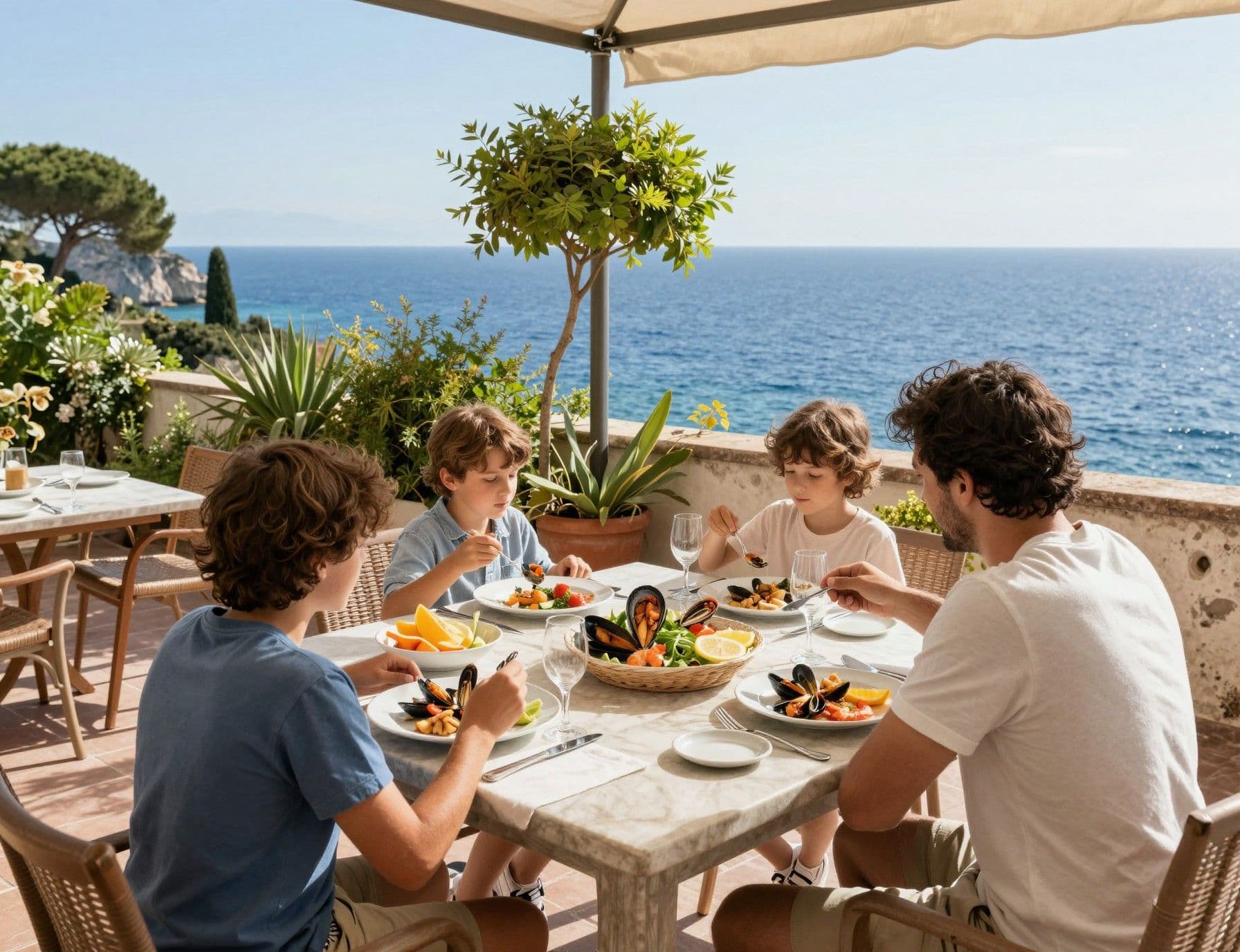
A coastal dream needs a coastal checklist. The notaio will do the legal heavy lifting, but your lifestyle questions — heating for damp Ligurian winters, water access on cliffside roads, rental rules if you want short lets — must be clarified early. Prices vary dramatically by micro-location; national indexes show modest recent movement but regional gaps are wide. Plan for site visits in different seasons before deciding.
Property types and how they shape daily life
Stone terraced houses deliver views and character but often need structural and damp-proofing work; newer apartments in seaside towns give easier maintenance but smaller terraces. In regions like Tuscany’s Maremma or Sardinia, modern villas with gardens add privacy and year-round outdoor living; on Amalfi, vertical living is common — think terraces and internal staircases rather than lawns.
Why a local agent matters (and what to ask them)
- Work with an agent who lives the coast and will: 1) show you properties in low-season and high-season so you can feel the difference; 2) explain access issues (boat moorings, private road maintenance); 3) share rental rules and realistic yield expectations; 4) source trusted restorers and architects for seaside work.
Insider knowledge: expat surprises and seasonal truths
If you’re not resident, purchase taxes and annual obligations differ; some ‘first home’ tax breaks require declaring residence. Expect that utilities, waste collection and road upkeep are local responsibilities that vary municipality by municipality — ask the mayor’s office or local commercialista about service levels before you buy.
Cultural quirks that change where you buy
In many coastal villages, social life centers on patron saint days and weekly markets. Shops may still close for a month in August. That’s charming until you need a plumber in August — so consider access to contractors and year-round services, not just the nearest trattoria. Learning some Italian goes a long way: it opens doors beyond the tourist season.
Longer view: central registers and industry reports show recovery and selective price growth in attractive coastal and city markets. That means well-located coastal properties still hold long-term appeal, but your timing and property type determine short-term returns and lifestyle fit.
- Steps we recommend before making an offer: 1) visit the property in low and high season; 2) commission a local technical survey focused on damp, foundations and access; 3) check cadastral and mortgage records via the notaio; 4) get a written estimate for seasonal running costs and expected rental income (if relevant); 5) confirm tax treatment with a commercialista.
- Red flags to watch for: unclear access agreements to the sea or private roads; unresolved building permits for terraces or extensions; properties advertised without a cadastral number; unexpectedly high condominium fees for coastal complexes; dependence on seasonal rental to cover costs.
Deciding to buy on Italy’s coast is deciding a lifestyle rhythm: do you want the constant hum of a full-season town, or the intimate rhythms of a near-forgotten village? Both deliver extraordinary days — but they demand different practicalities. When you pair a clear vision of life with local expertise (notaio, commercialista, an agent who knows the corner cafés), you buy more than stone and sea: you buy the life you imagined.
Swedish expat who moved from Stockholm to Marbella in 2018. Specializes in cross-border legal navigation and residency considerations for Scandinavian buyers.