Cyprus: Buy the Life, Check the File
Fall for Cyprus’s daily life — then protect it. Use national indices, local title checks, and neighbourhood-led choice to buy the lifestyle with confidence.
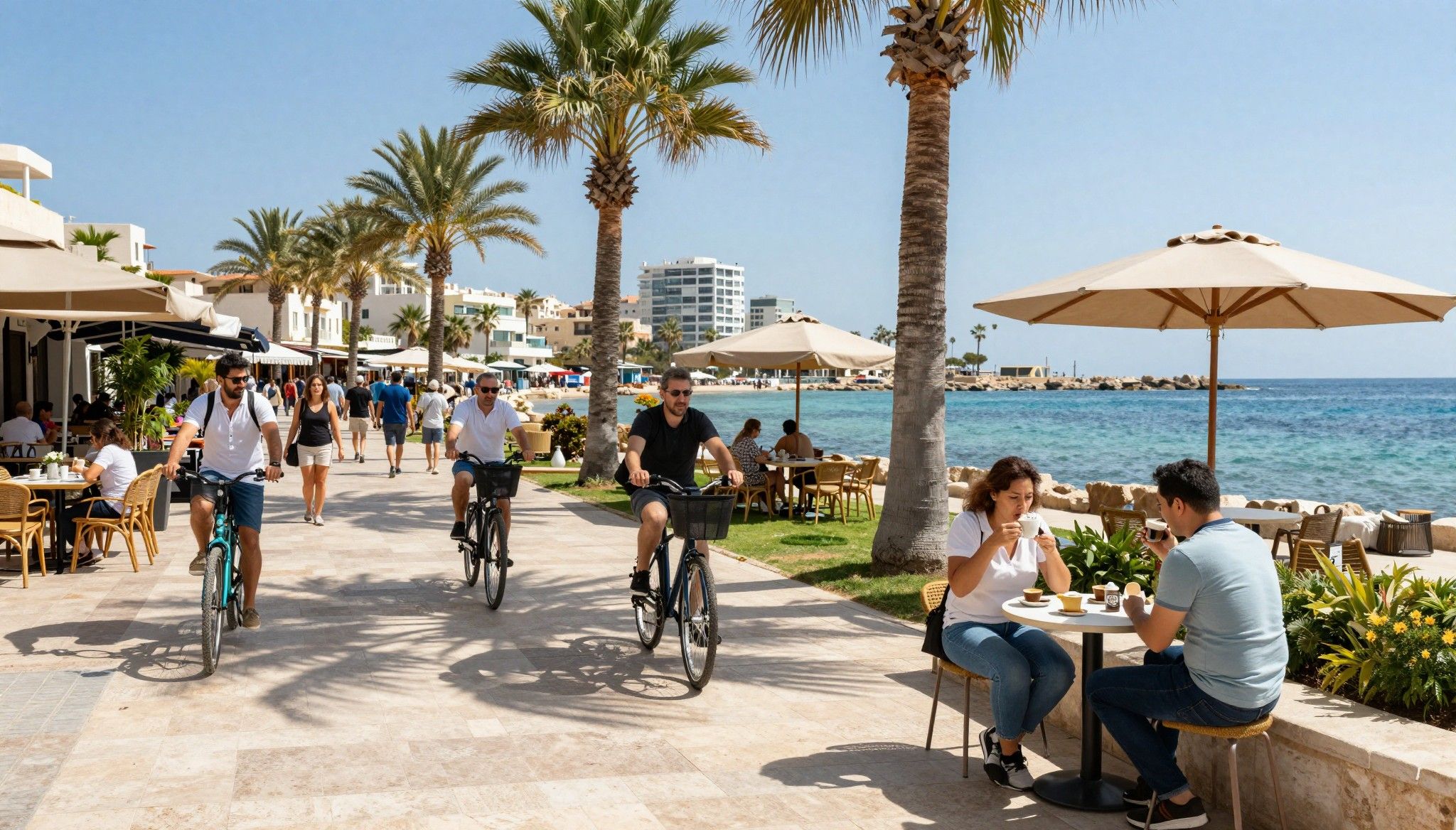
Imagine walking a limestone lane in old Paphos at 7am: bakery steam, a fisherman unloading nets, and a neighbour who knows the names of every stray cat. That daily intimacy is why buyers fall for Cyprus fast — the island’s pace, cafes, and coast create a convincing life. But the paperwork, price data and disclosure rules that sit behind that ease are less romantic and often opaque to internationals. We start in the sunlit lane and then show you the real mechanics that keep your purchase safe.
Living the Cyprus life
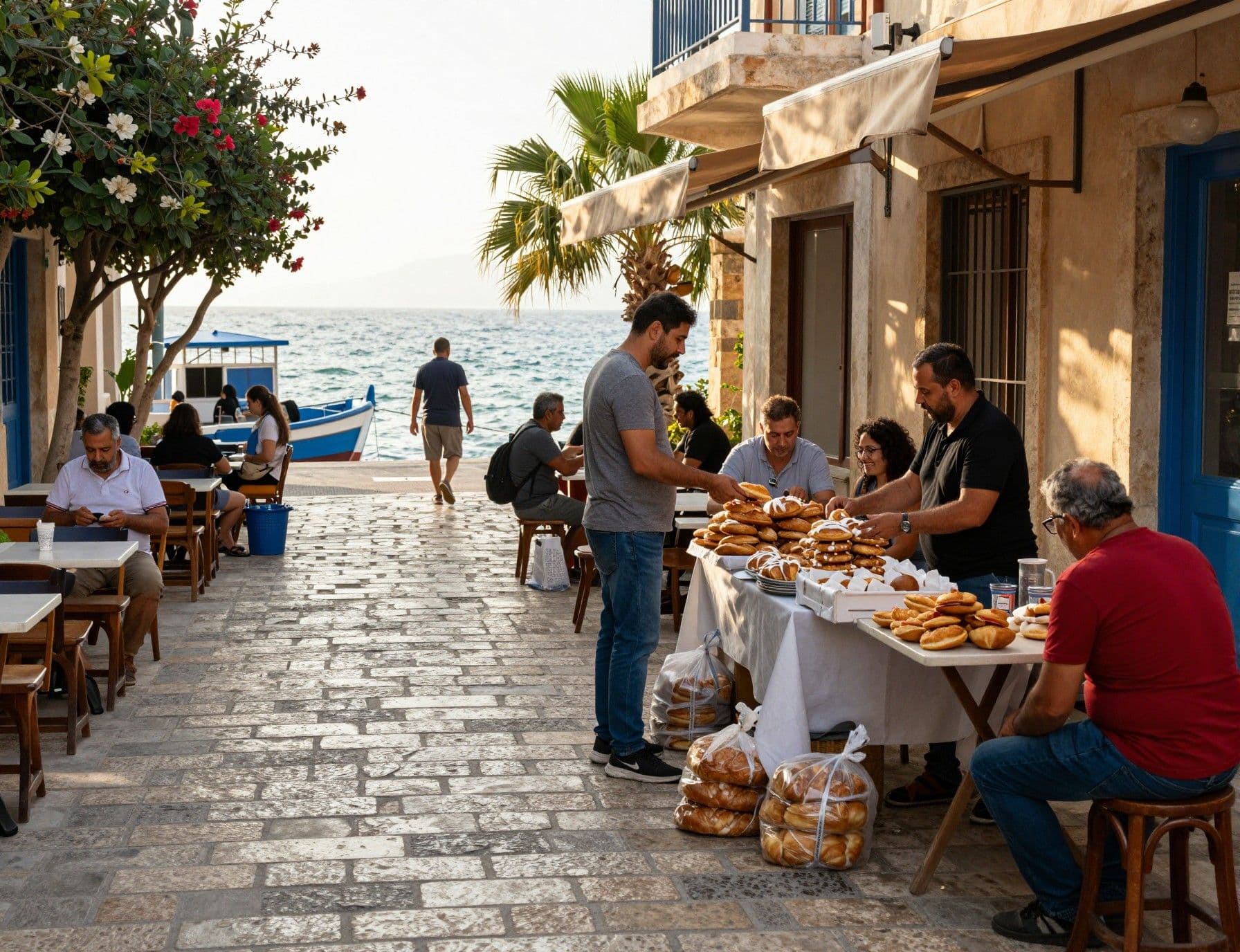
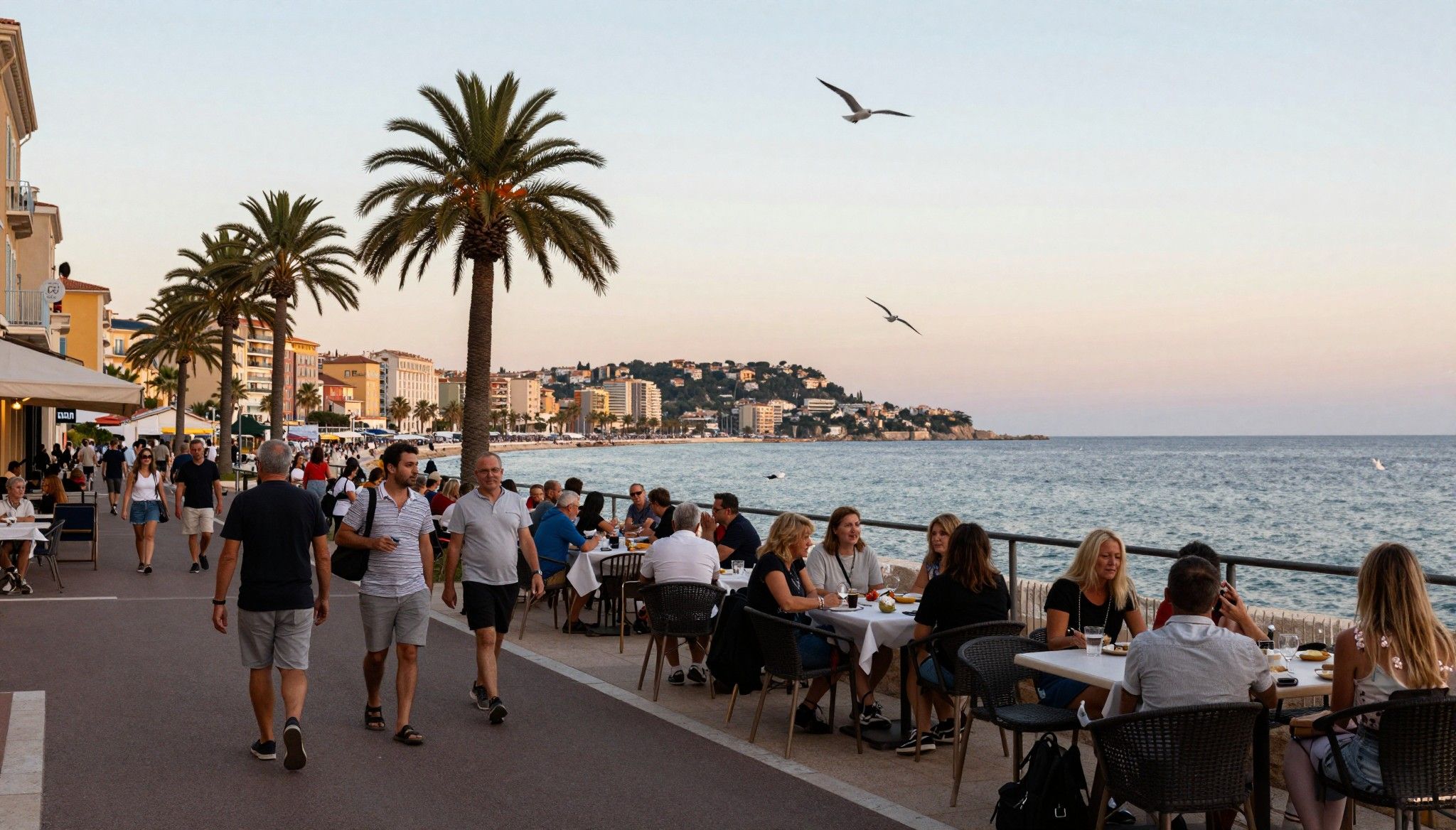
Cyprus is compact but varied: Nicosia’s almond-scented mornings feel different to Limassol’s marina-side espresso breaks or Ayia Napa’s summer pulse. You’ll trade commute time for terrace time — mornings at bakers like Larnaca’s cafes, afternoons on Kapparis or Coral Bay, evenings eating meze as the light softens. This island rhythm shapes what you’ll want in a property; a courtyard in Pano Lefkara, a terrace in Germasogeia, or a pocket garden in Kato Paphos each tells a different story about daily life.
Neighborhood spotlight: Limassol's old town to marina
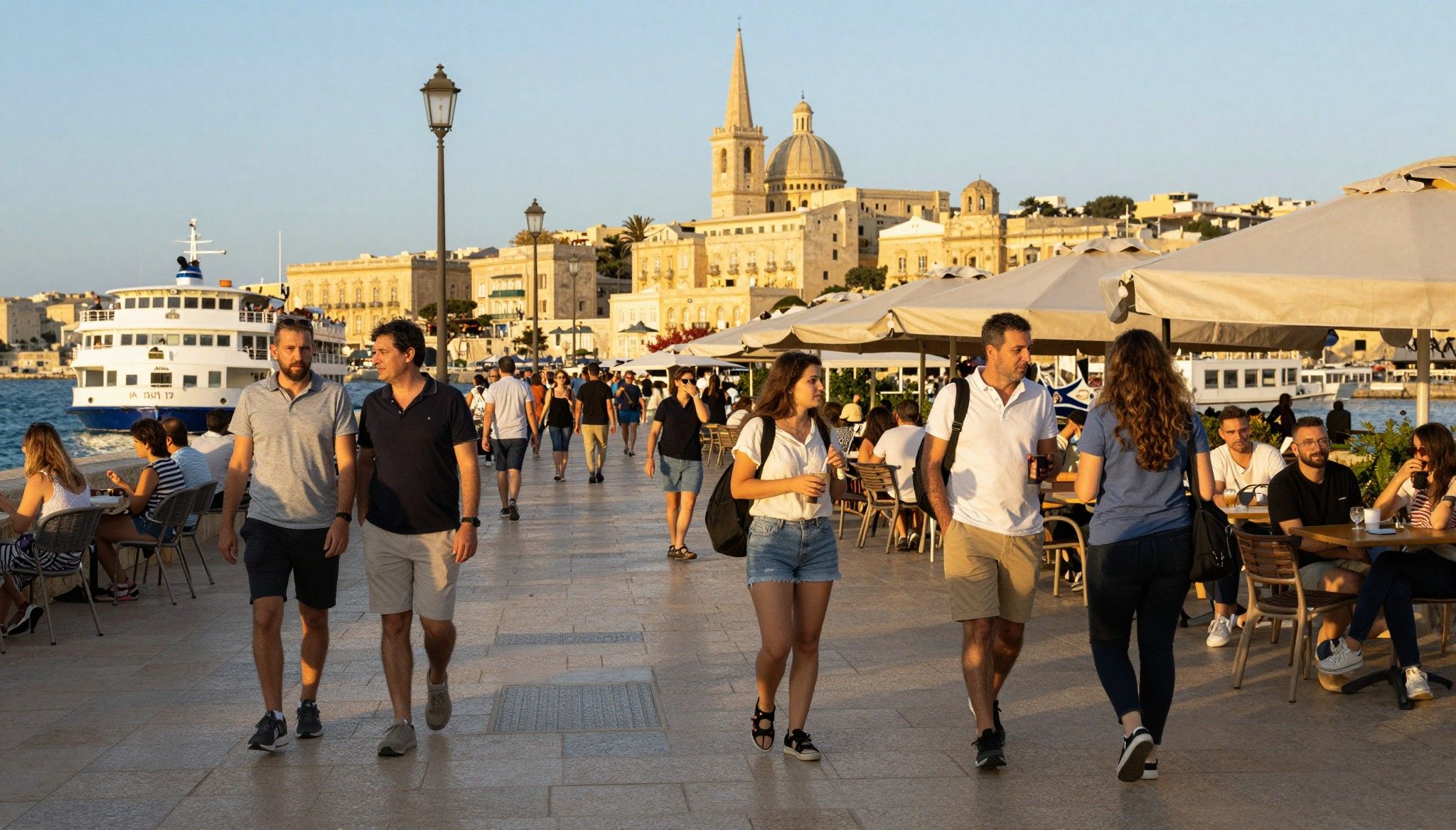
Walk from the narrow streets of Limassol Old Town to the marina and you go from traditional tavernas to glass-fronted seaside living in ten minutes. Buyers here pay for walkability, international schools nearby (like Foley’s and the American Academy), and year-round dining. Expect apartments and low-rise conversions to dominate demand; traditional maisonettes appear less but command a premium for character. If you crave nightlife and cafés within sight, Limassol is the practical choice.
Food, markets and seasonal life
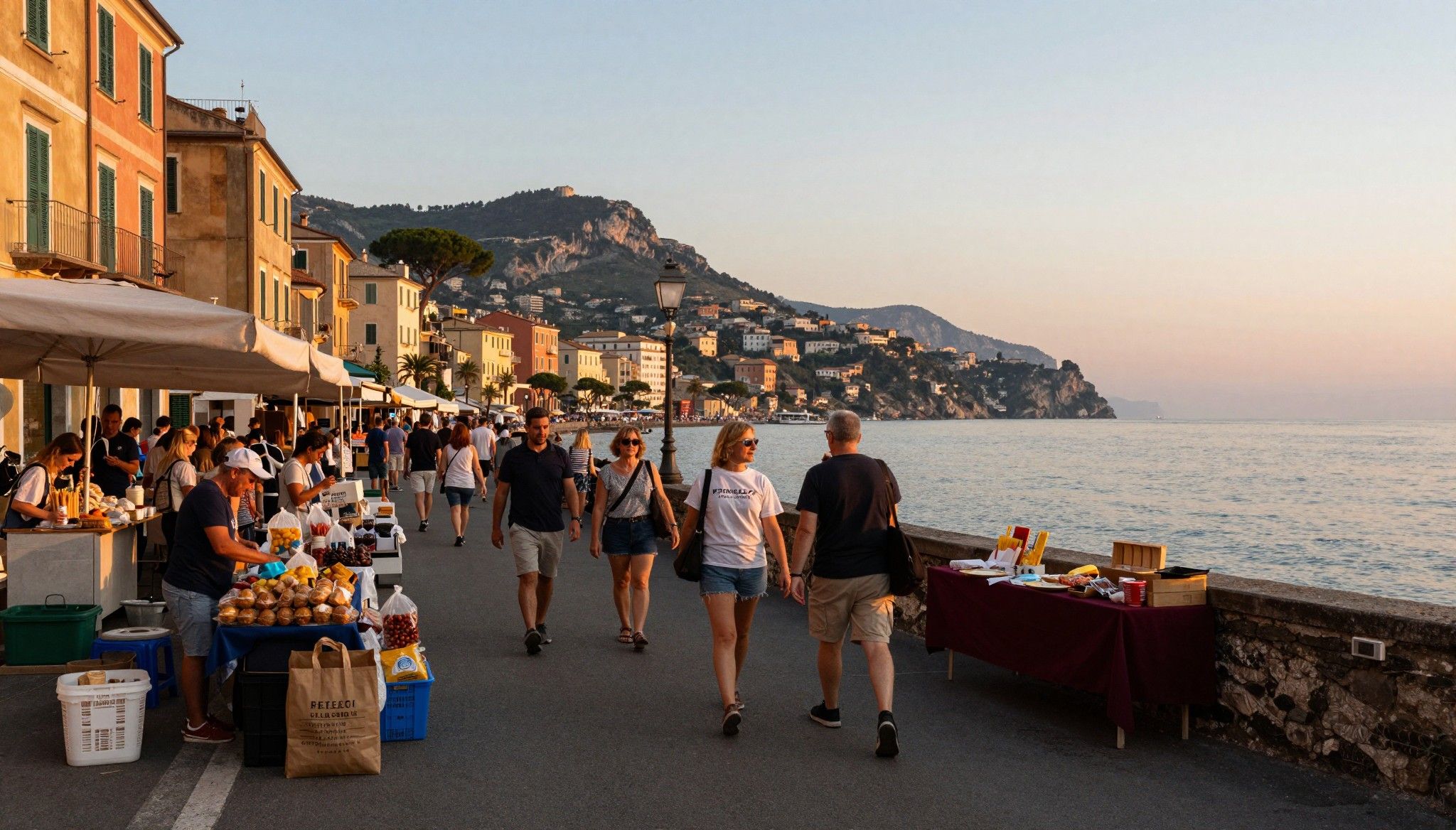
Markets are a weekly ritual: Nicosia’s municipal market hums on Saturdays, and Larnaca’s fish stalls are busiest before midday. Seasonal festivals — the grape harvest in Troodos or Limassol Carnival — shift the island from quiet to communal in ways that matter for community-minded buyers. For someone who imagines afternoons of local wine and village fêtes, these rhythms are the asset; for short-term renters chasing summer sun, seasonality is the risk you budget around.
- Limassol Old Town cafés, Paphos harbour walks, Larnaca Finikoudes promenade, Troodos mountain villages, Ayia Napa off-season calm, Local Sunday markets.
Making the move: practical realities that preserve the lifestyle

You can fall in love with a terrace and still lose the deposit if the vendor’s paperwork isn’t clean. Cyprus has transparent public registers, but they’re interpreted poorly by many agents — that’s where an experienced local lawyer and an agent who knows the neighbourhood matter. National datasets show modest, steady price movement rather than explosive booms, but pockets differ widely; the macro data helps set expectations while local checks protect capital.
Property types and how they fit your daily life
Villas, new-build seafront apartments, and village houses each map to different routines: villas reward privacy and car use, apartments reward walking and community services, and village homes reward market rhythms and slower seasons. Foreign buyers (non-EU) must follow specific acquisition permissions under the Aliens Law, and buying through companies or qualifying residency schemes can change timelines and disclosure needs. Match the property type with how you really want to live — more terrace dinners often means less square metres inside the home.
Work with experts who translate lifestyle into contracts
- Hire a local lawyer who will: 1) run a title-deed search at the Lands Department and confirm encumbrances; 2) verify planning consents and building permit history; 3) ensure deposit clauses protect you if completion is delayed. Get a surveyor for older homes and an accountant to model realistic running costs. Treat the agent as your neighbourhood translator, not your legal counsel — the split of roles keeps responsibility clear and reduces surprises.
Insider knowledge: myths, red flags and what expats wish they'd known
A common myth: "Cyprus is either cheap or wildly overpriced across the island." In reality, foreign purchases cluster in a few coastal hotspots — Limassol and Paphos see relatively higher demand while interior villages remain affordable. Land Department figures show thousands of transactions by foreigners annually, which pressures coastal stock but creates opportunities inland where lifestyle value is high. The real red flag is not price but unclear title chains and unregistered extensions — not glamorous, but important.
Cultural notes that matter for daily life
English is widely spoken in services and real estate, but Greek is the social glue — learn a few phrases and doors open faster. Community expectations around noise, garden upkeep, and shared fees differ from Northern European norms; ex-pats often note that social life begins in small rituals (coffee, bakery runs, and tavernas) rather than scheduled events. Respecting those rituals makes integration smoother and helps you assess whether a neighbourhood truly fits your long-term plans.
Long-term view: national indices from the Central Bank and CYSTAT show steady, modest growth rather than runaway escalation — useful if you plan to hold for a decade. That said, micro-markets diverge: Limassol and parts of Paphos often outperform inland areas. Use national indices to set your expectations and local comparables to value a specific street; both datasets matter when you’re asking whether a place will keep its character five years from now.
- Red flags to watch: vendors without registered title deeds, significant undocumented extensions, planning disputes, high common service fees without clear accounts, and properties marketed without recent energy or structural reports.
- A practical checklist before signing: 1) Confirm the Title Deed and any mortgages; 2) Obtain a recent survey and building-planning history; 3) Ask for utility bill history and community fee statements; 4) Read cancellation/forfeiture clauses in the contract; 5) Budget 4–6% for transaction taxes, legal fees and transfer costs, and build a 10% contingency for unexpected works.
How agencies help without doing the hard legal work for you
Good local agents translate lifestyle needs into a shortlist, provide honest local comparables, and help set realistic timelines during tourist seasons. They should introduce you to trusted lawyers, surveyors and property managers rather than offering legal assurances themselves. Ask prospective agencies for references from recent international clients and for examples of purchases where they helped resolve title or planning surprises.
In short: buy the life you want, but secure the file behind it. Cyprus offers a remarkable daily quality — sunlit terraces, short markets, and neighbours who become friends — and the island’s public data gives you tools to measure risk. Use national indices to set expectations, local checks to choose the street, and professional splits of responsibility (agent finds, lawyer secures) to protect your purchase. When you tie lifestyle to disciplined due diligence, Cyprus stops being just a dream and starts to feel like home.
Next steps: shortlist three neighbourhoods by lifestyle, commission a title search and structural survey, and ask your chosen agent for two recent, similar-sale comparables. If you want, we’ll introduce you to vetted Limassol and Paphos lawyers who specialise in foreign buyers and title clarity.
Dutch relocation advisor who moved to Marbella in 2016. Guides Dutch buyers through visa paths, relocation logistics, and balance of lifestyle with value.