Malta: Love the Life, Buy the Right Neighbourhood
Malta’s irresistible small‑island lifestyle meets rising prices and residency rules; pick the neighbourhood that fits your daily life and align purchases to current MPRP and planning realities.
Imagine starting your day with a falafel from a stall on Triq il-Marsa, then walking the limestone alleys of Mdina at golden hour. Malta’s compact scale — three inhabited islands you can cross in an afternoon — means your weekend routine might include a café in Sliema, a swim off St George’s Bay and a rooftop aperitivo in Valletta. That everyday variety is why people dream of Malta. But living there is not just a postcard: rising prices, specific residency rules and tight planning controls shape where you can actually buy. We’ll show you the life first, and then the practical moves that make it real.
Living Malta: small‑island rhythms, big variety
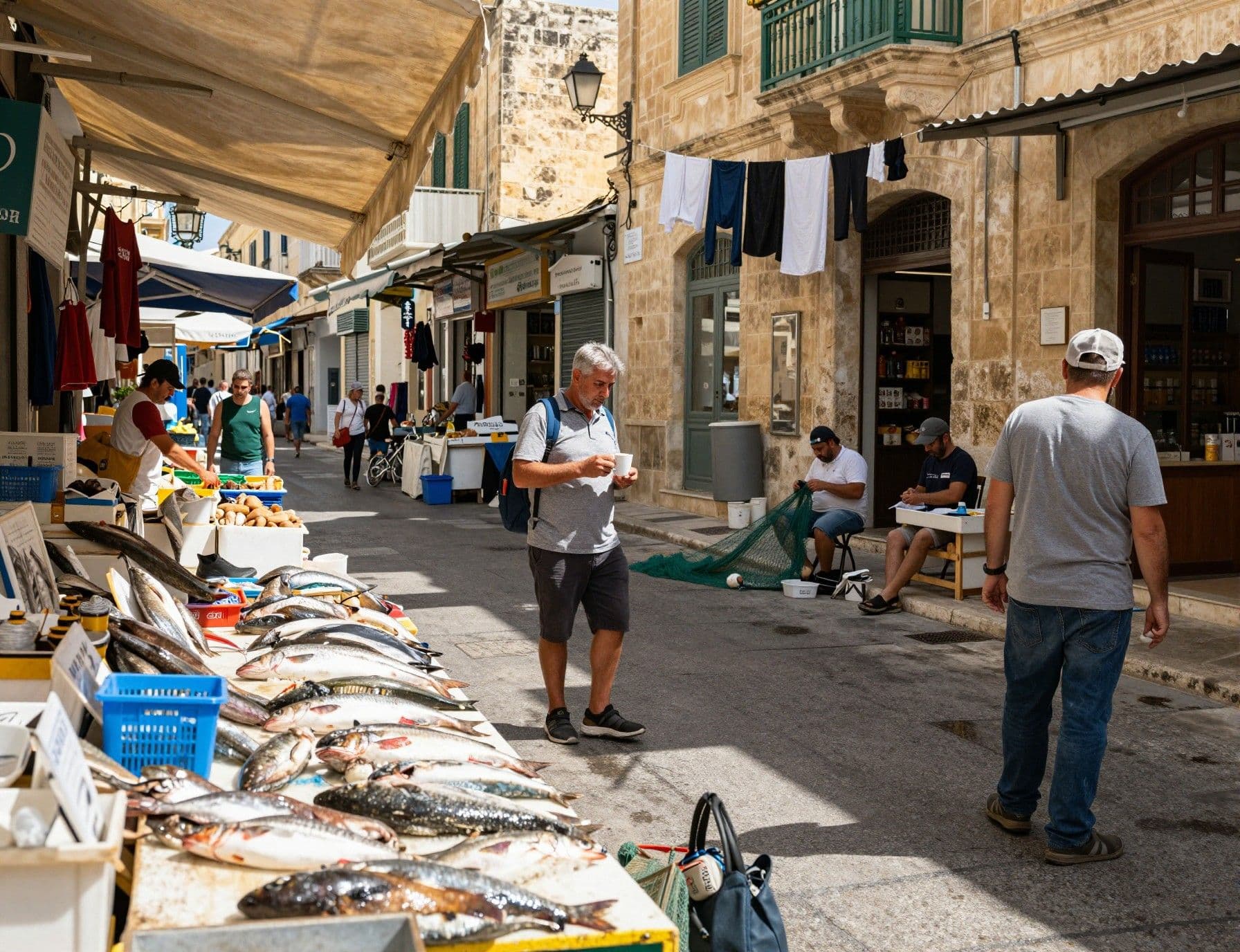
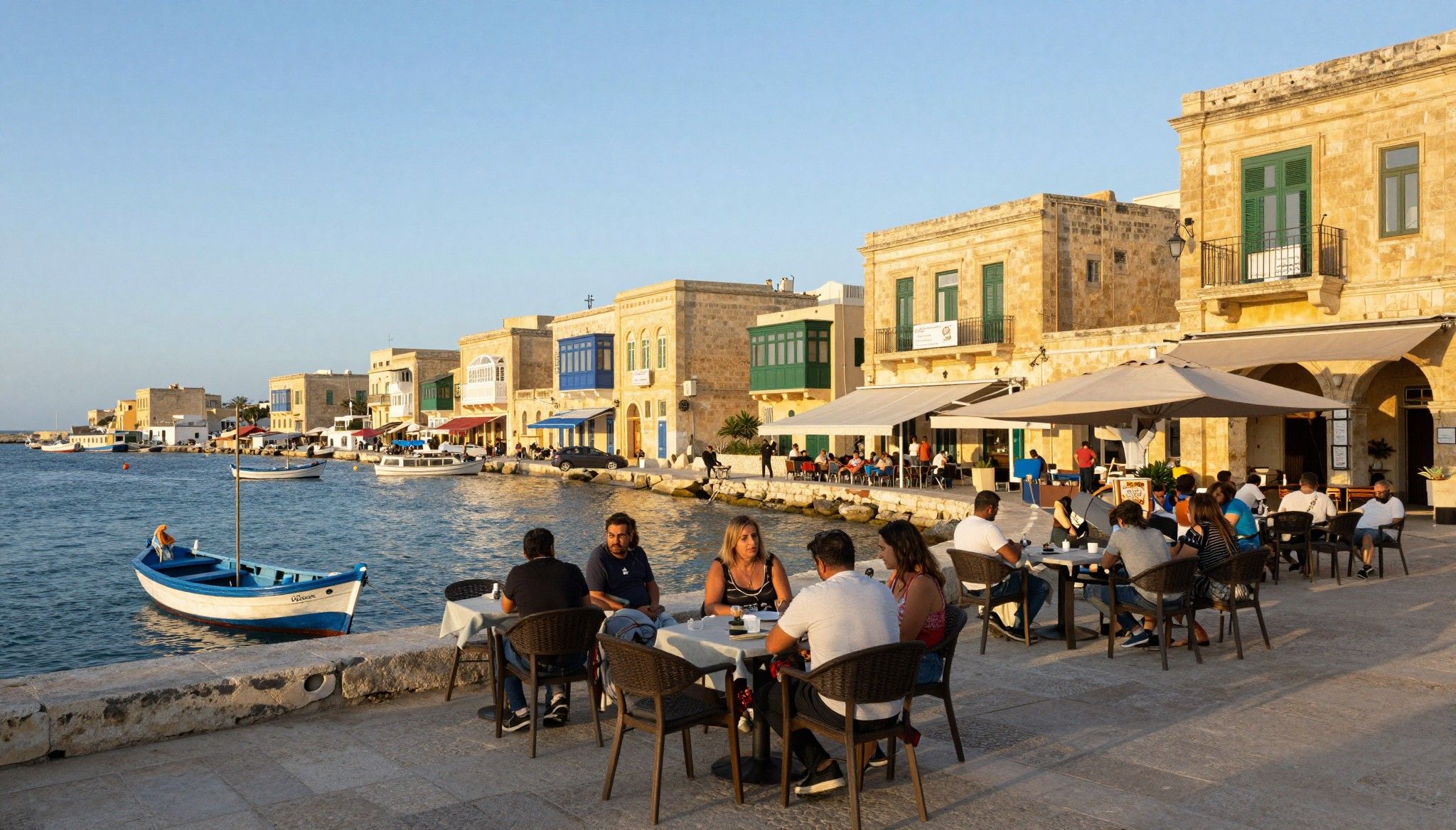
Daylight in Malta is architectural: limestone terraces, shuttered windows and narrow streets that funnel sea breezes. Valletta’s baroque facades meet modern cafés; Sliema and St Julian’s trade small‑boat harbours for polished promenades; Gozo has fields and a calmer pace. That combination — walkable towns, year‑round sun and English widely spoken — produces a social life that feels both Mediterranean and accessible. But life here is shaped by the market: the official Residential Property Price Index grew noticeably in recent quarters, so the places you fall in love with may require tradeoffs.
Valletta, Sliema, St Julian’s: three different mornings
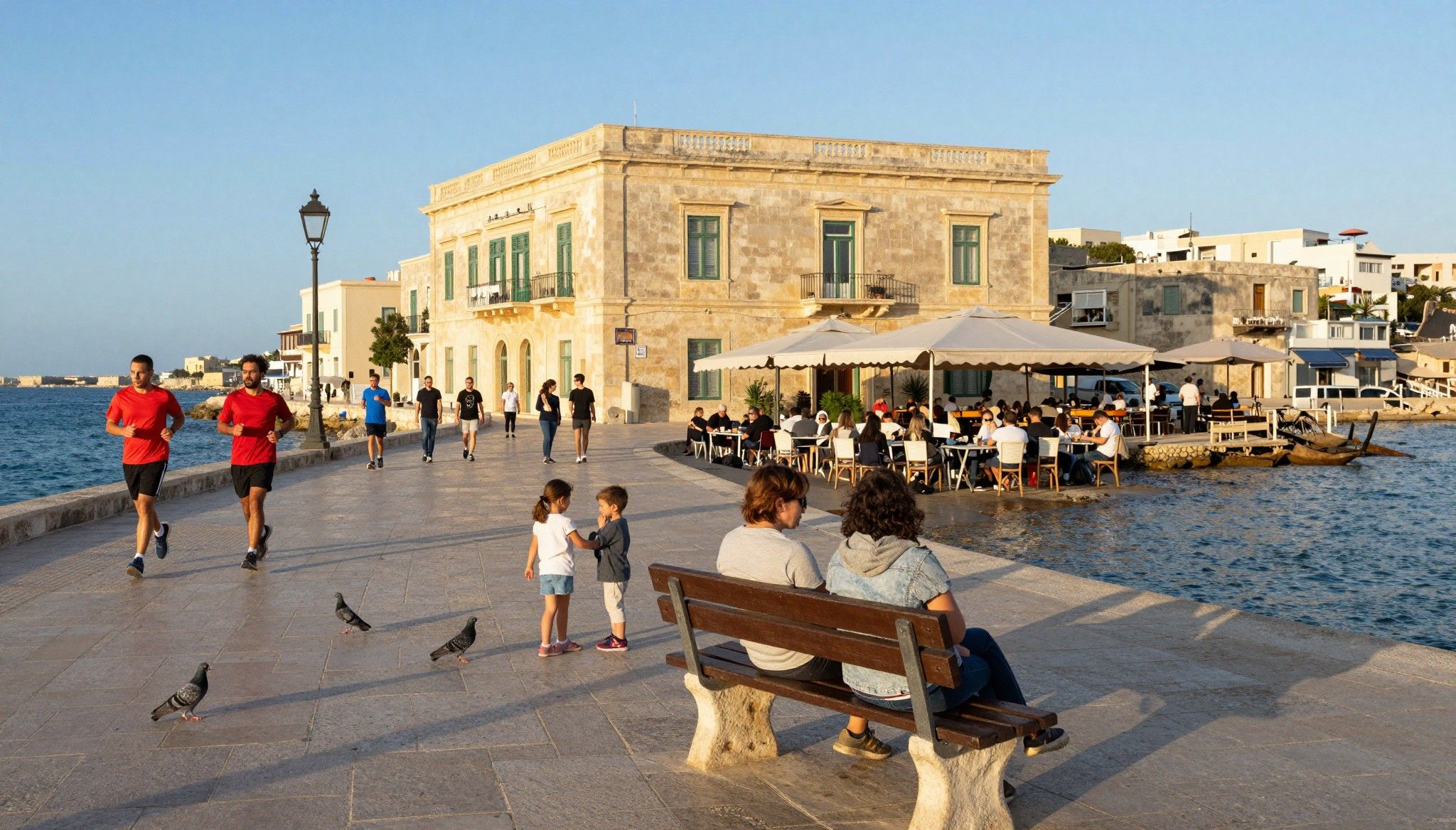
Picture this: a weekday morning in Valletta begins with an espresso on Republic Street and a ferry to the Three Cities; in Sliema it’s a jog along the seafront and pastries from a family bakery; in St Julian’s you’ll find people meeting for business breakfast before the cafés refill with university students. Each area offers different rhythms — Valletta is historic and civic, Sliema is residential with boutique shops, St Julian’s is livelier and more nightlife‑oriented — and that’s the first filter for buyers deciding between investment, holiday use or permanent relocation.
Food, markets and small pleasures
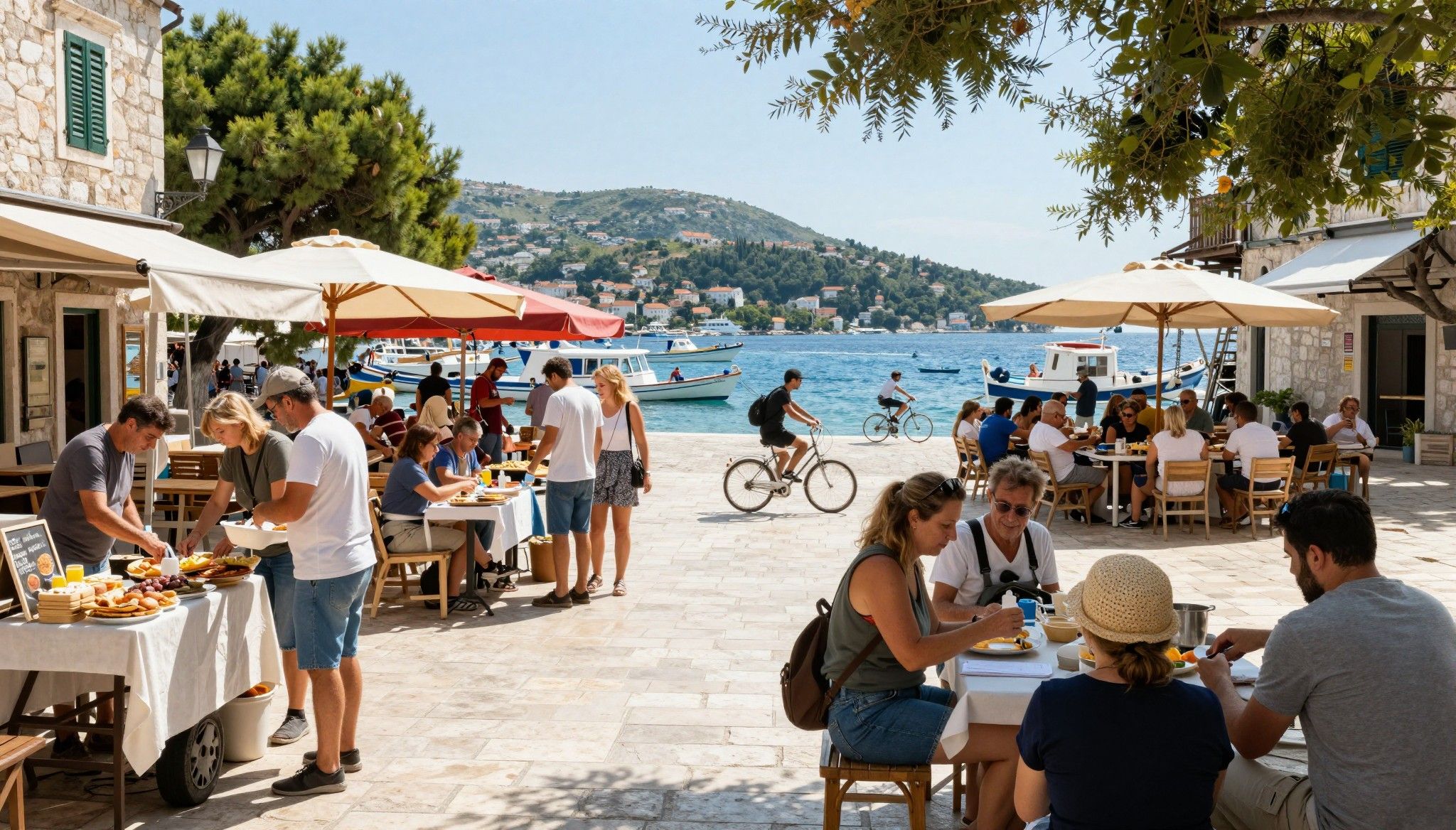
Weekends look like open markets in Marsaxlokk, fish grills by the water and long lunches in Marsa or Gzira. Local dishes — fenek (rabbit stew), ħobż biż-żejt (bread with tomato and tuna) and pastizzi at breakfast — anchor the day. Hidden gems: Sip coffee under the plane trees at Cafe Jubilee in Valletta, an evening drink by Spinola Bay in St Julian’s, or a low‑key supper at a winery in Gozo. Those routines influence what you’ll need from a property: a kitchen built for real cooking, roof terraces for summer evenings and, often, a parking space — not optional in many neighbourhoods.
- Lifestyle highlights
- Morning espresso on Republic Street, Valletta
- Sunset walk and fish market at Marsaxlokk
- Sea swims off St George’s Bay, St Julian’s
Making the move: lifestyle first, then the file
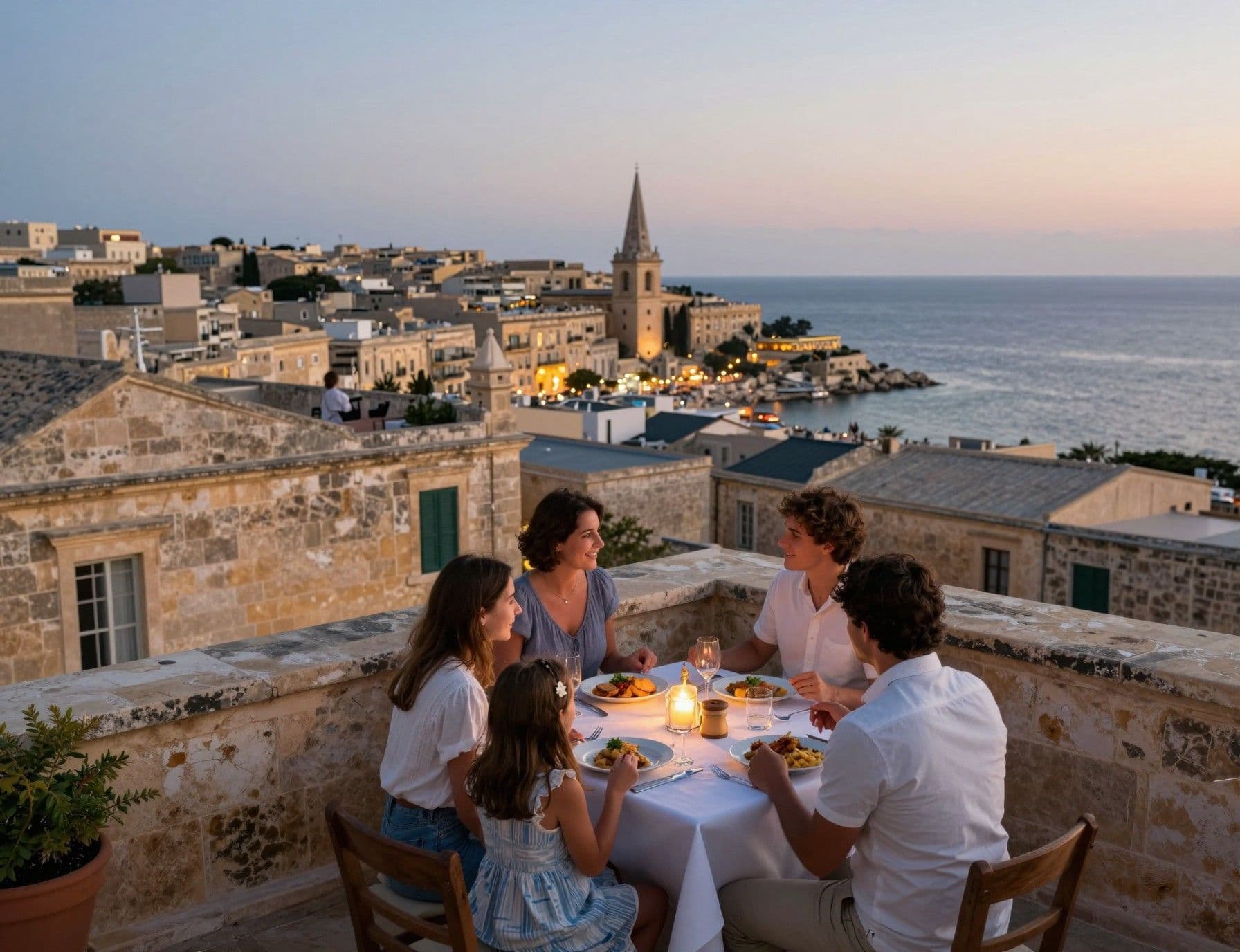
You can fall for a neighbourhood and still lose months if the property doesn’t meet residency or planning rules. The Malta Permanent Residence Programme (MPRP) and related residency routes changed in recent years; qualifying property rules, minimum holding periods and investment thresholds now matter in practice. Treat residency-linked property as a compliance requirement first and a lifestyle enabler second — the wrong purchase can force sale or reclassification later.
Property styles and how they shape daily life
Malta’s stock is a mix: converted townhouses and maisonettes, modern apartments on promenades, and terraced villas inland. If you want quiet mornings and a garden, Gozo or limits of Mosta and Naxxar are compelling. If you want door‑step cafés and ferries, Valletta or Sliema apartments fit the bill. Consider soundproofing, insulation and terrace orientation: wind off the sea makes a huge difference to how you use outdoor space during shoulder seasons.
Working with the right local experts
- How agents and advisers turn lifestyle into a workable purchase
- 1. Map your day‑to‑day: ask an agent to show properties at the times you’ll live there (mornings, rush hour, Sundays).
- 2. Verify residency requirements early: if you need MPRP compliance, ensure the property type and value meet current legal notices.
- 3. Use a local surveyor for sound, damp and structural checks — limestone hides issues under attractive paint.
- 4. Ask about planning constraints: many older townhouses are listed or sit in conservation areas with strict renovation rules.
Insider knowledge: what expats wish they'd known
Honest expat talk: preparation beats romance. You’ll need clear expectations about parking, rubbish collection schedules, house maintenance and the reality of narrow streets with delivery vans. Many buyers expect Mediterranean languor; what they find is a fast‑moving island market where demand outstrips supply in favoured pockets and where official data shows steady price rises. That affects negotiation room and the type of property that remains on the market.
Language, social life and integration
English is an official language and that makes many practical interactions easy. But small‑town social rules matter: shopkeepers remember faces, councils notice when properties sit empty, and neighbours protect communal spaces. Joining a local club, language class or volunteering at a festa are the fastest ways to be accepted. Expect a mix of international faces in Sliema and St Julian’s, and a quieter, more Maltese‑centred community on Gozo.
Longer view: what will your life look like in five years?
Tenure and adaptability matter. If you want to rent the property short‑term, check local regulations and homeowner association rules — Malta repeatedly tightens short‑term rental rules in busy areas. If you plan to age in place, pick ground‑floor access or apartments with reliable lift service and proximity to healthcare. The island’s economy and tourism cycles influence rental demand; expect steady interest in central coastal areas and seasonal peaks in summer.
- Red flags locals watch for
- Unresolved planning permissions on rooftop additions
- Properties with recurring damp/insulation problems
- Sales that hinge on informal promises (parking, furniture) rather than written clauses
Conclusion: Malta is a life you can buy — but buy the right life. Start with neighbourhood visits at different times, use local experts who understand both lifestyle and regulation, and align your purchase to real residency or rental rules. If you want a slow seaside routine, look beyond the promenade; if you want instant social life, budget for central coastal premiums. We can help you translate the daily scenes you love into a realistic checklist and a purchase plan that keeps the romance intact.
Danish investment specialist who relocated to Costa del Sol in 2015. Focuses on data-driven market timing and long-term value for Danish buyers.