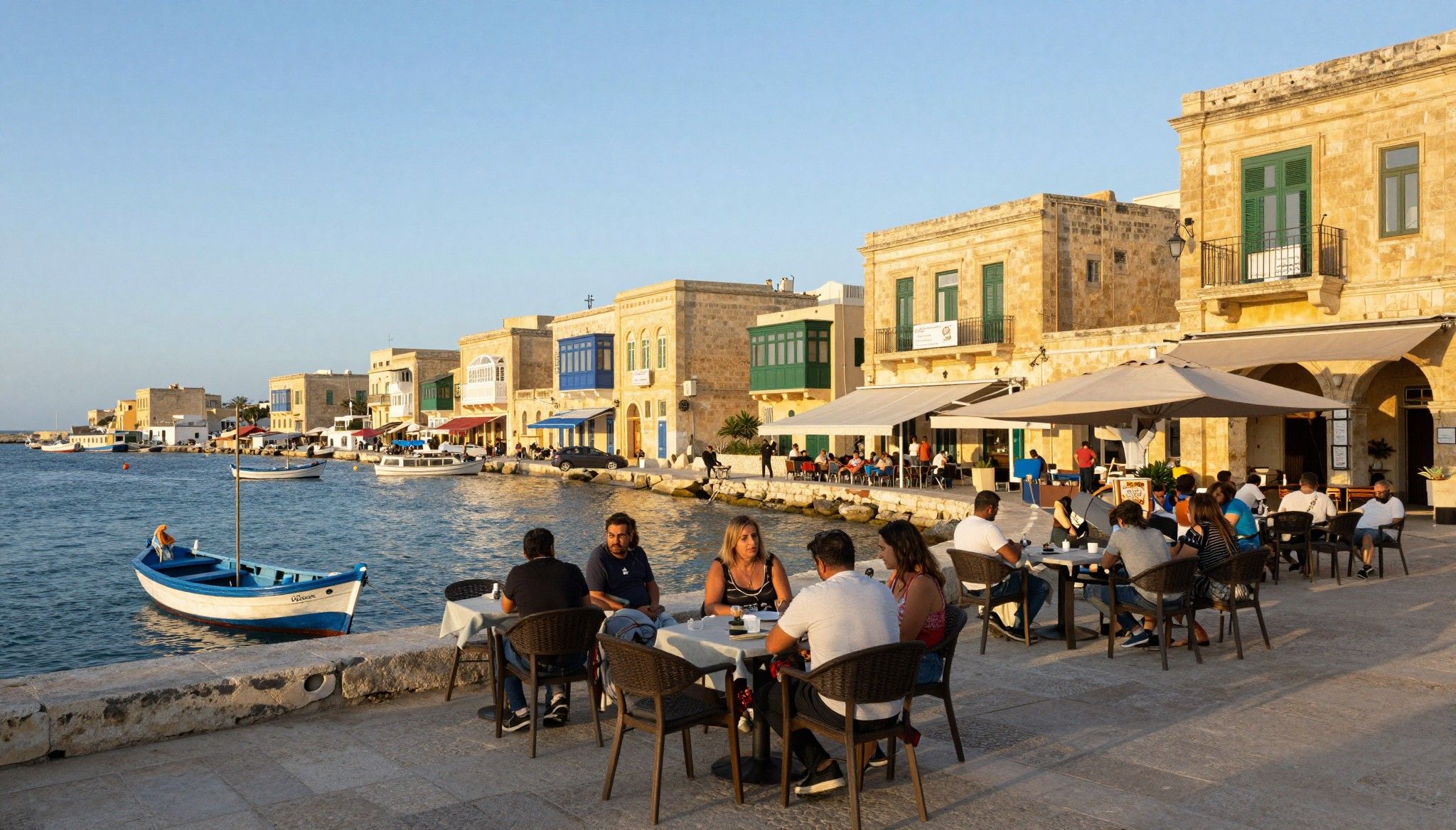
Malta: Buy the Street, Not the Passport
Malta’s compact charm hides tight markets and legal shifts. Buy for the street, not the passport—neighbourhood rhythm beats headline listings.
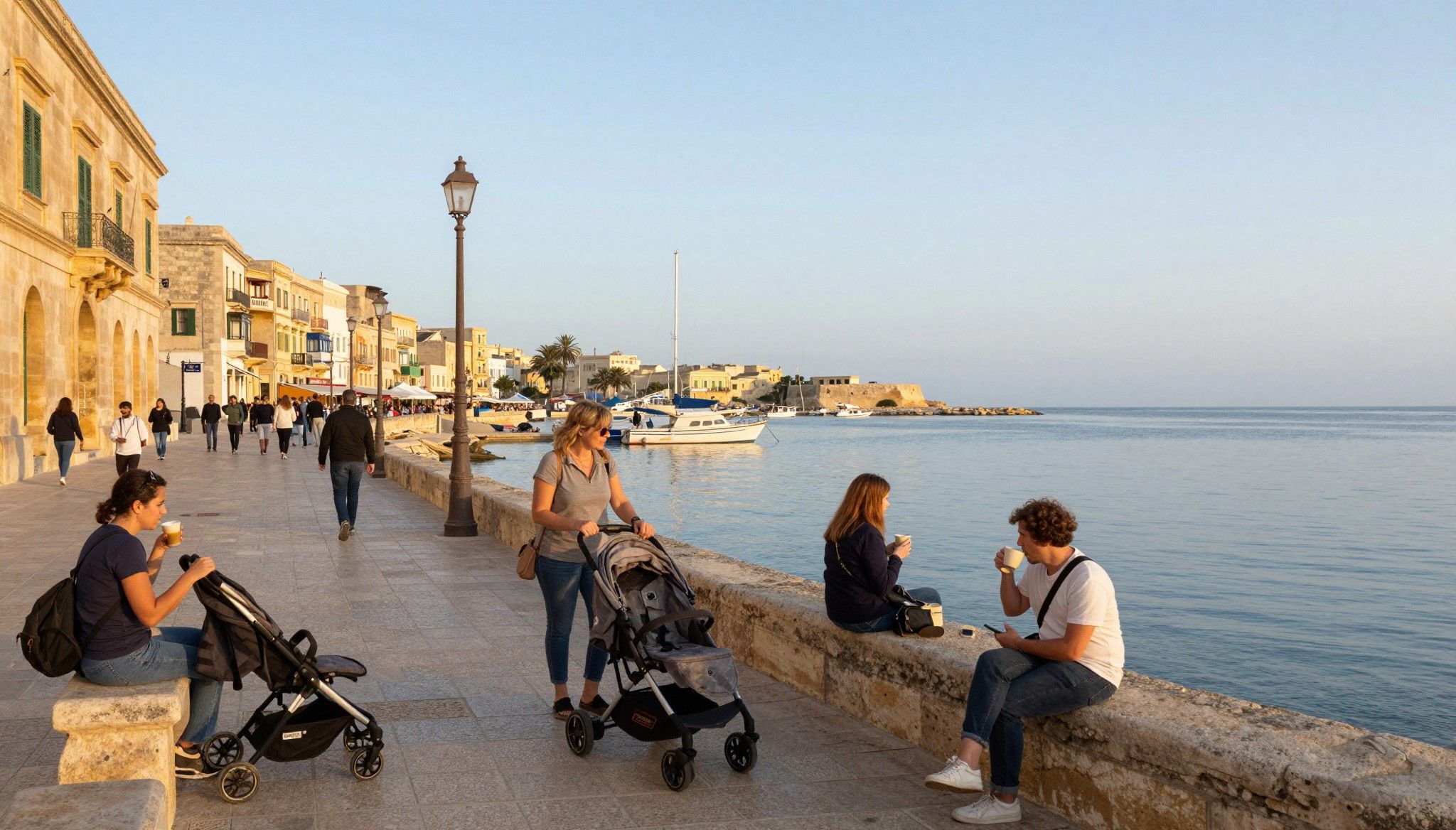
Imagine starting your day with a thimble of espresso at Caffe Berry in Sliema, then walking five minutes to a limestone terrace that frames the harbour. In Malta, that small ritual — coffee, sea air, neighbourhood chatter — is the throughline of everyday life. But the island’s charm hides practical trade-offs: a compact market, rising price indices, and recent legal shifts in residency and citizenship that change how buyers plan long-term. We’ll show you the places that make Malta sing, then give the exact, research-backed steps you need to move there with confidence.
Living the Malta life — small island, big personality
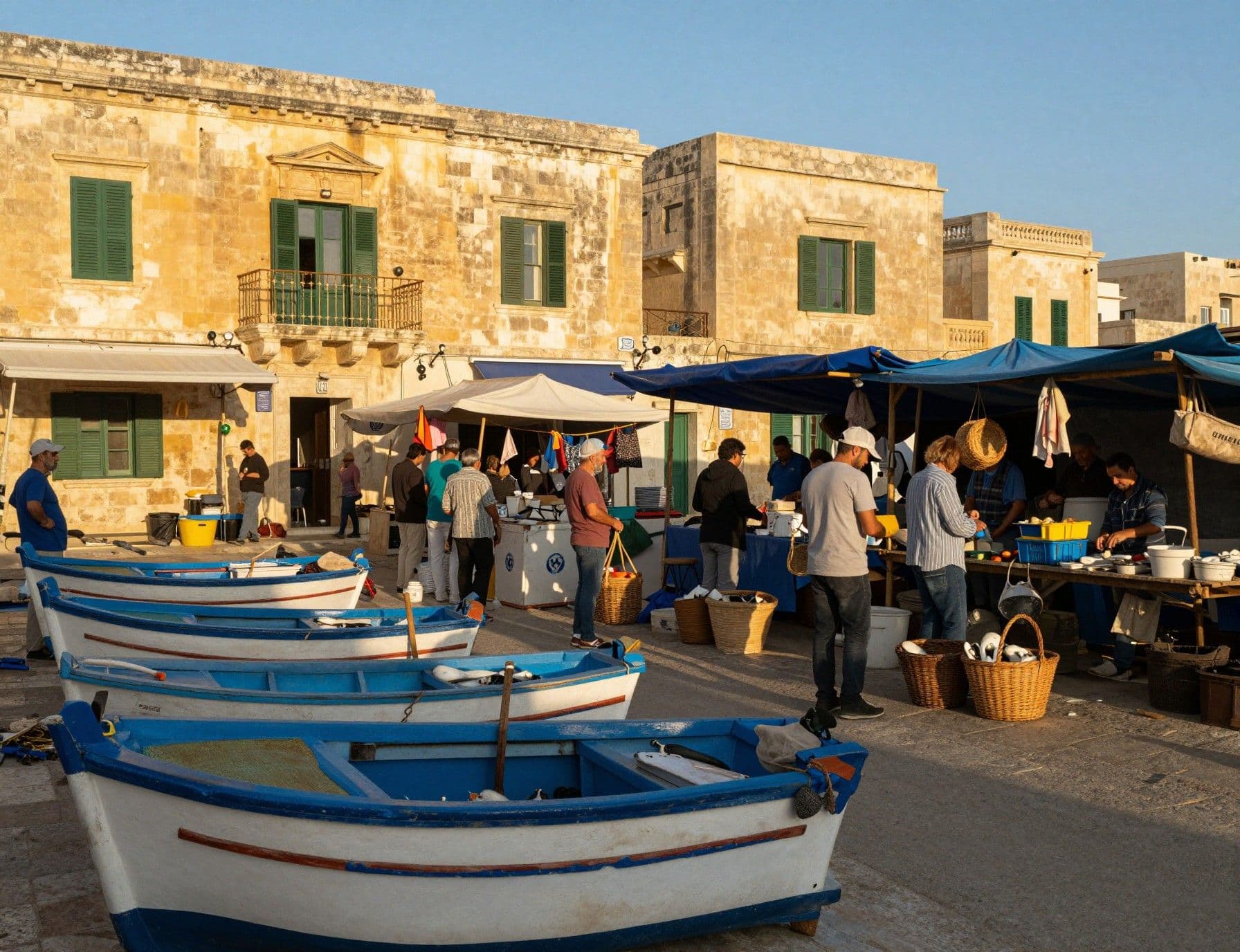
Malta’s pulse is compact and immediate. Valletta’s limestone alleys host theatre nights and late espresso conversations; Sliema and St Julian’s trade old‑world façades for seafront promenades and rooftop bars; Marsaxlokk wakes before dawn for the fish market. The island’s English-language ease makes integration fast for many internationals, but what feels like simplicity in daily life — short commutes, quick errands, year‑round climate — also means property markets move fast and micro‑neighbourhood differences matter more than region-wide trends.
Valletta & The Three Cities — history that stays with you
Picture morning light on Republic Street, bakers unfurling trays, and tiny squares where neighbours still exchange news. Valletta is for people who want history at their doorstep: museums, narrow rooftop terraces, and the steady hum of cultural life. The trade‑off is space — apartments are often compact and vertical — but you buy place and rhythm rather than square metres. For many buyers that’s exactly the point.
Sliema, Gżira & St Julian’s — promenades, cafés and modern life
If you want mornings on a seafront promenade and evenings with international dining options, Sliema and St Julian’s deliver. Gżira sits between them offering quieter streets and surprisingly good rental liquidity for investors. These areas suit professionals (iGaming, fintech) and remote workers who value easy café‑to‑desk routines and ferries to Valletta. Expect modern apartments, rooftop terraces, and a higher share of short‑term rental activity in parts of St Julian’s.
Valletta theatre nights; Sliema promenade walks; Marsaxlokk fish market sunrise; Għajn Tuffieħa sunset swims; Swieqi cafés and family life; Pembroke green spaces and expat schools
Making the move: market signals and the buyer reality
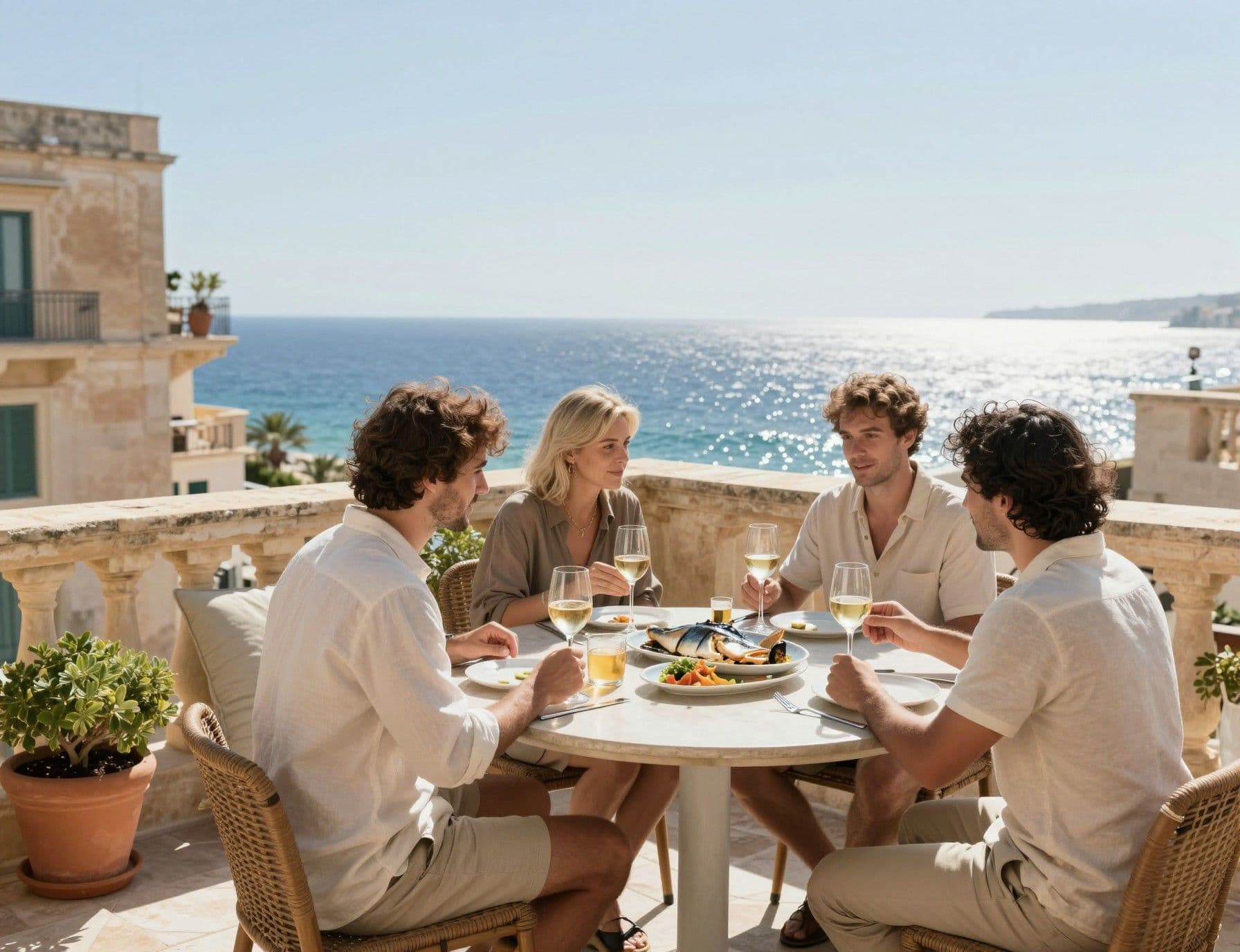
Malta’s market is tight and increasingly price‑sensitive. The National Statistics Office recorded a 6.7% year‑on‑year rise in its Property Price Index in Q1 2024, with apartments and maisonettes both climbing. PwC’s 2025 sector survey confirms resilient buyer demand and higher deed values in 2024. Those numbers tell a simple story: desirable addresses and well‑located apartments appreciate steadily, but the island’s size means supply constraints bite sooner than on larger coasts.
Property styles and what they mean for living
Malta’s architecture ranges from baroque townhouses in Mdina and Valletta to modern developments in St Julian’s and conversion apartments in Sliema. If you dream of terraces and sea views, be ready to pay a premium; if you prioritise neighbourhood rhythm and kitchens that get daily use, a back‑street Valletta or Gżira apartment can be more satisfying and better value. Think about how you’ll live: morning market runs favour ground‑floor access, while late‑night social life prefers good soundproofing.
Work with local experts who know the island’s micro‑markets
Because every street changes value, choose agencies that live in the neighbourhoods they sell. A local agent will show you sunrise markets in Marsaxlokk or a quieter terrace in Ta' Xbiex long before a generic portal lists them. We recommend seeking agents who can demonstrate recent transaction records, show deed copies, and explain local permit histories — that’s where you avoid the small but costly surprises on a compact island.
Inspect the title/deeds in person with a notary; confirm permitted use and any pending planning applications; compare at least three recent final deed sale prices within 200 metres; check rental demand if you plan short‑term lets; verify utility access and road frontage for ground floors
Insider knowledge: residency, citizenship shifts and what expats wish they’d known
A big recent change: EU courts have ordered an end to commercial citizenship‑for‑investment schemes, and Malta’s policies have been under close scrutiny. That matters to buyers who once factored fast citizenship into purchase strategies. Today, residency routes and long‑term naturalisation timelines are the reliable path for most internationals. The practical upshot is simple: buy for life and lifestyle first, citizenship second.
How this changes planning
If your plan relied on buying to fast-track EU access, revise expectations: Malta’s route now emphasises genuine residence and integration. For most buyers that means securing a property that supports multi‑year living (good schools, healthcare access, community ties) rather than a short-term purchase aimed at residency thresholds. It also means budgeting for holding costs if you intend to convert residency into citizenship over a five‑year timeline.
Cultural tips and unspoken neighbourhood rules
Learn basic Maltese phrases — a few words open doors; ask neighbours about rubbish collection days and water pressure — local intel beats manuals; expect living spaces to be smaller — treat storage as a design brief; balconies are social rooms — test them at different times of day; restaurants close mid‑afternoon in many towns — plan errands accordingly
Three practical, lifestyle‑first steps we recommend right now:
Spend a week living like a local (rent in two different neighbourhoods); work with a notary and agent who provide recent deeds and planning histories; prioritise properties near the services that matter to your life (schools, ferries, markets, or quiet promenades).
Conclusion: Malta’s compactness is its gift and its constraint. You get an intense, walkable Mediterranean life — cafés within five minutes, concerts in 15 — but you also enter a market where micro‑decisions determine value. Fall in love with the street before you fall for the view. If you pair that street‑level affection with neighbourhood‑savvy agents and airtight due diligence, Malta can be both a life‑change and a sound long‑term play.
British expat who relocated to Marbella in 2012. Specializes in rigorous due diligence and cross-border investment strategies for UK and international buyers.