Malta: Streets, Terraces and the Small Print
Malta’s island life seduces—but purchase success hinges on SDA rules, small‑market dynamics and micro‑location expertise backed by NSO price data.

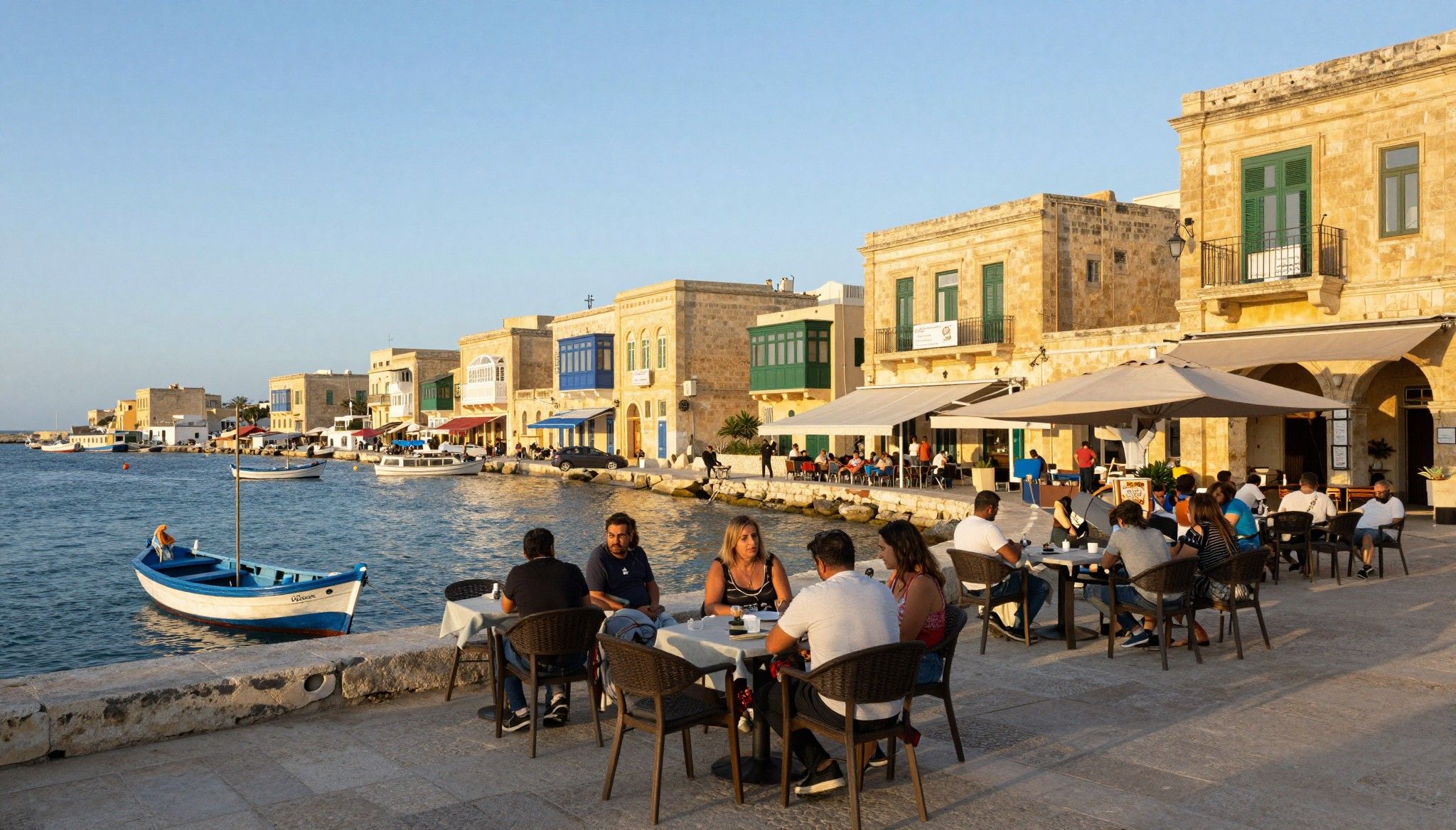
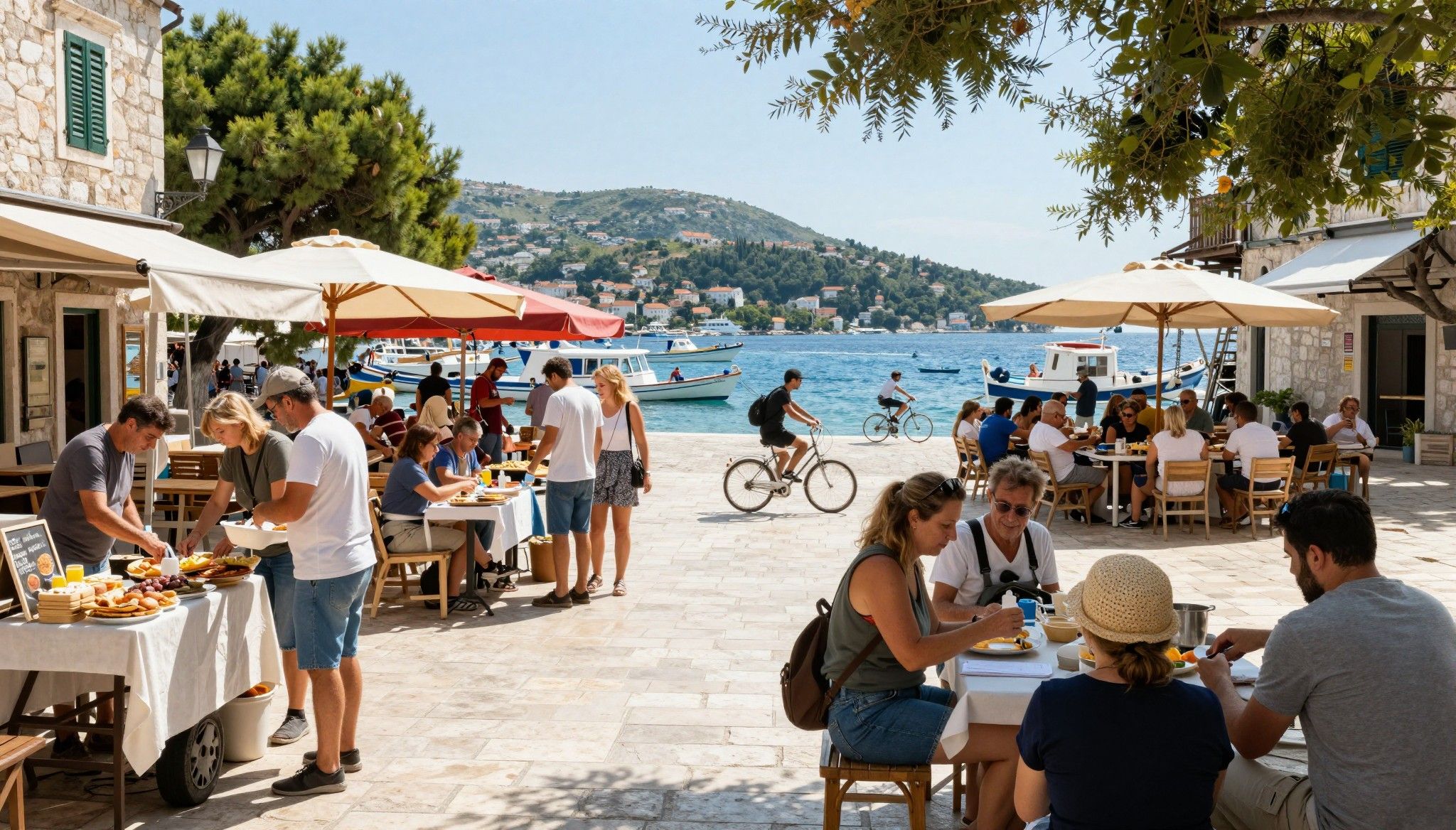
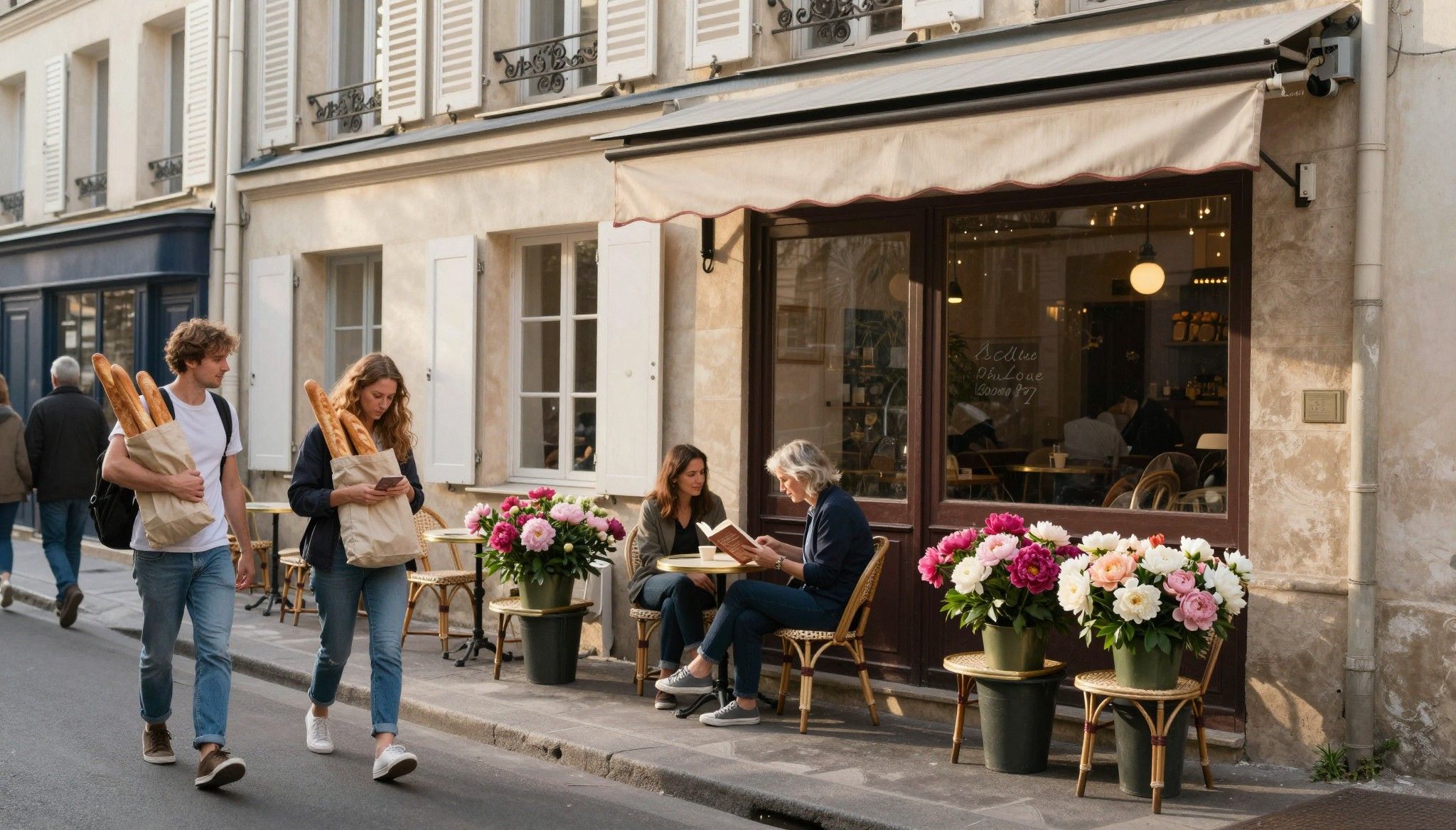
Imagine waking to espresso steam and church bells in Valletta, cycling along Sliema's seafront at dusk, or choosing whether to join the weekend crowd at Marsaxlokk market. Malta is compact enough that morning routines become neighborhood rituals: a café owner who knows your order, a baker who saves the last ftira for you, and a coastline that feels close enough to touch. That daily closeness—the hum of island life—is why buyers fall in love here. But the island's small size, zone rules and brisk price growth mean the purchase journey needs local nuance, not headline promises.
Living the Malta life
Malta feels like a collection of villages stitched together by a sea and a fast ferry timetable. Valletta's limestone facades and narrow streets host small theatres and late-night pastizzi runs. St Julian's and Sliema bring a louder, cosmopolitan energy—bustling promenades, late dinners and apartment towers with sea views. Gozo slows everything down: local festas, quieter beaches and homes where terraces become living rooms in summer. Each place promises a different daily rhythm; what you choose will define how you spend your mornings, weekends and social life.
Valletta & the Three Cities: history with an espresso
Picture morning light on Republic Street, a quick stand-up coffee, then a walk past Baroque churches to the harbour. Valletta is more than a museum—it's where culture, small restaurants and government offices meet. The nearby Three Cities (Birgu, Senglea, Cospicua) trade crowd-free lanes for working harbours and larger family homes. For buyers who want character over high-rise views, these quarters offer restoration projects with deep local roots and immediate street life.
St Julian’s, Sliema & Paceville: social life on repeat
If you want cafés, gyms, coworking and weekend brunches, St Julian’s and Sliema are the go-tos. Promenade living here means small apartments, easy access to ferries and late-night dining. Paceville delivers nightlife and younger crowds but also higher turnover and shorter-term rentals. Expect noise near bars and peace two streets back—location details matter more than broad labels. For remote workers, strong cafés and fibre connectivity make these spots practical as well as social.
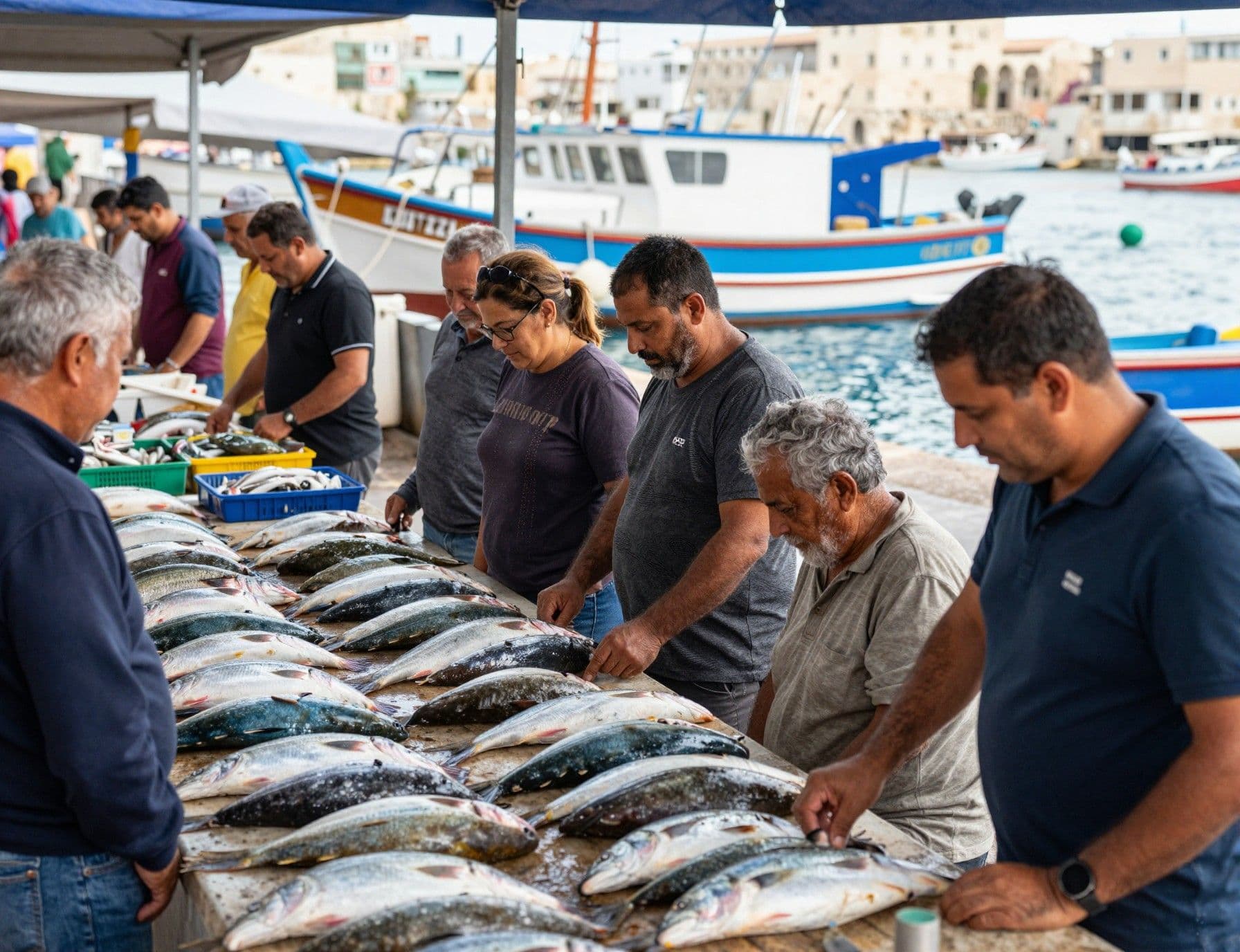
- Morning markets in Marsaxlokk; Valletta theatre nights; Sliema promenade coffee; Gozo festa afternoons; Dingli cliff walks; rooftop terraces in Ta' Xbiex.
Making the move: practical considerations
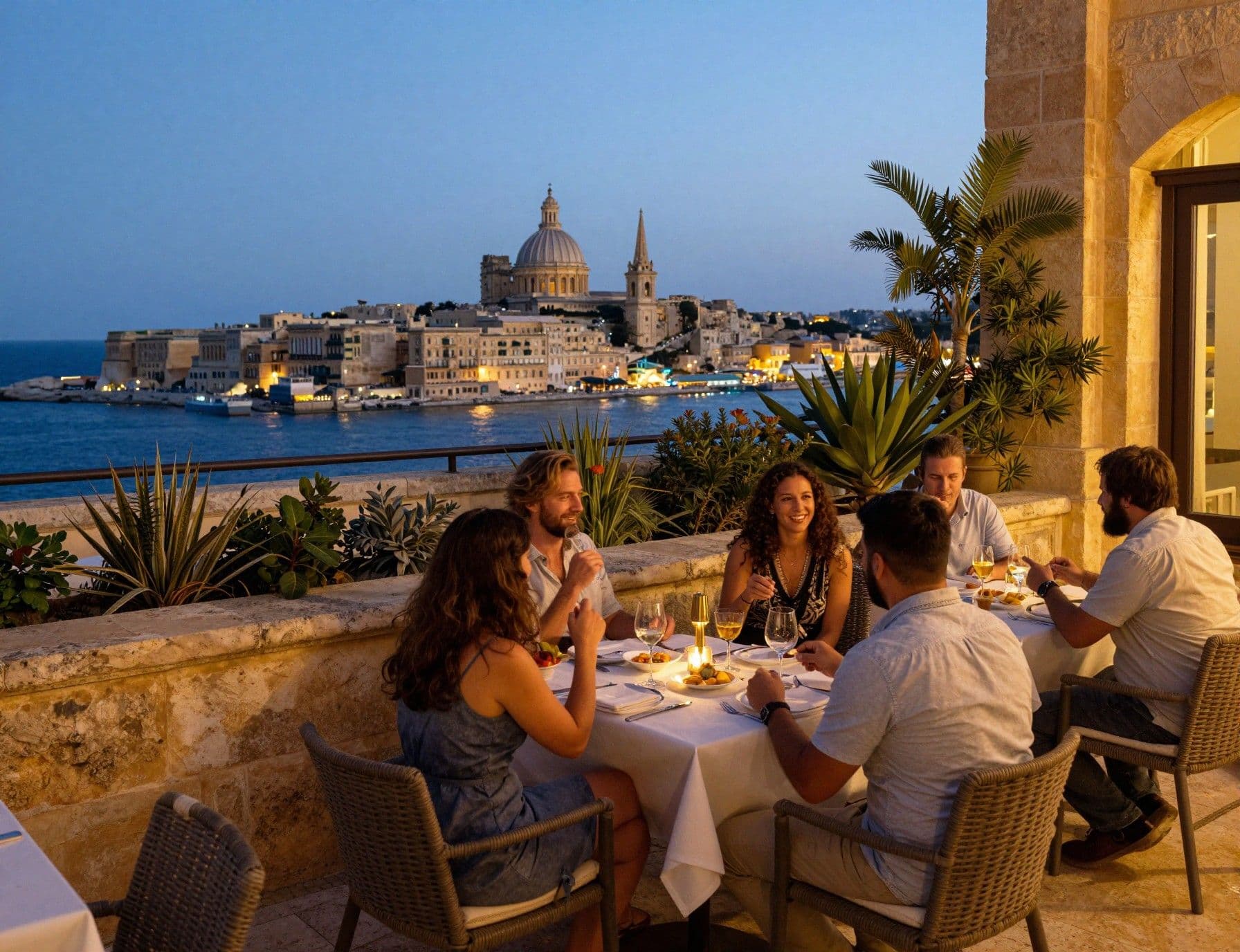
The romance meets reality quickly: Malta's Residential Property Price Index has shown steady year-on-year growth in recent quarters, so choice and timing matter. Small island, limited land and concentrated demand mean pockets heat up fast—and buyers who treat locations as interchangeable often overpay. Work with data (local RPPI figures) and local agents who know micro-markets: which streets trade as projects, where renovation yields volume, and which developments are SDA-designated for foreign purchases.
Property types and how you’ll live in them
Apartments dominate in Sliema and St Julian’s; maisonettes and village houses show up in traditional quarters; terraced houses and villas appear along quieter stretches and on Gozo. Think beyond square metres: a narrow, shaded street can be cooler in summer than a sun-baked terrace; a maisonette with a private roof terrace will feel twice as large in August. Match property type to how you want to use it—year-round living, seasonal rental, or a blend of both.
Working with local experts who know island life
- Engage advisors who combine lifestyle intuition with legal precision: 1) Local agent to surface off-market maisonettes and renovation prospects; 2) Notary-savvy lawyer to check AIP restrictions, SDA status and title history; 3) Local architect or builder to price realistic refurbishment; 4) Tax advisor for residency implications and stamp duty planning.
Insider knowledge: what expats wish they'd known
Buyers tell the same story: they fell for terraces and light, then learned to watch for hidden costs—elevator additions, roof repairs, and conservatory planning permissions. Language is less of a barrier here—English is an official language—but local custom matters: long siestas, festa dates that block streets, and neighbours who share opinions on works. Expect informal networks to solve small problems faster than authorities; that local social capital is part of the island's value.
Cultural integration, language and community
You’ll meet British retirees, Mediterranean families and young professionals in one coffee queue. English is common in business and property dealings, which shortens the learning curve. Still, showing respect for local rhythms opens doors—attend a festa, get to know the maître at your favourite bistro, learn a few Maltese phrases. Community ties here turn neighbours into allies when navigating permits, parking, or builders.
Long-term lifestyle questions buyers often miss
- Considerations: 1) Resale markets are local—what’s popular today (small seafront apartments) can be less attractive later if supply increases; 2) Renovation timelines often exceed expectations because historic façades need specialist work; 3) Rental demand spikes seasonally—plan for vacancy months; 4) Infrastructure improvements (ferry, road works) can change neighbourhood desirability quickly.
Malta is a place where lifestyle seduces, and regulations shape the reality. Fall for the morning light and the Saturday fish market—then bring a team who knows island zoning, SDA maps and the small-street quirks that change value. If you want to live here, choose the street that matches the life you imagine; if you plan to earn from it, pick locations with durable demand and clear legal status. We can introduce agencies who live these streets and read the paperwork with the same care they read the neighbourhood.
Next steps: visit the neighbourhoods at different times of day, ask agents for comparable contracts (not just glossy brochures), confirm SDA status early and budget for specialist renovation. If you’d like, we’ll connect you with lawyers and architects who work daily in Valletta, Sliema and Gozo. Malta asks you to love its details; buy in a way that respects them.
Swedish expat who moved from Stockholm to Marbella in 2018. Specializes in cross-border legal navigation and residency considerations for Scandinavian buyers.