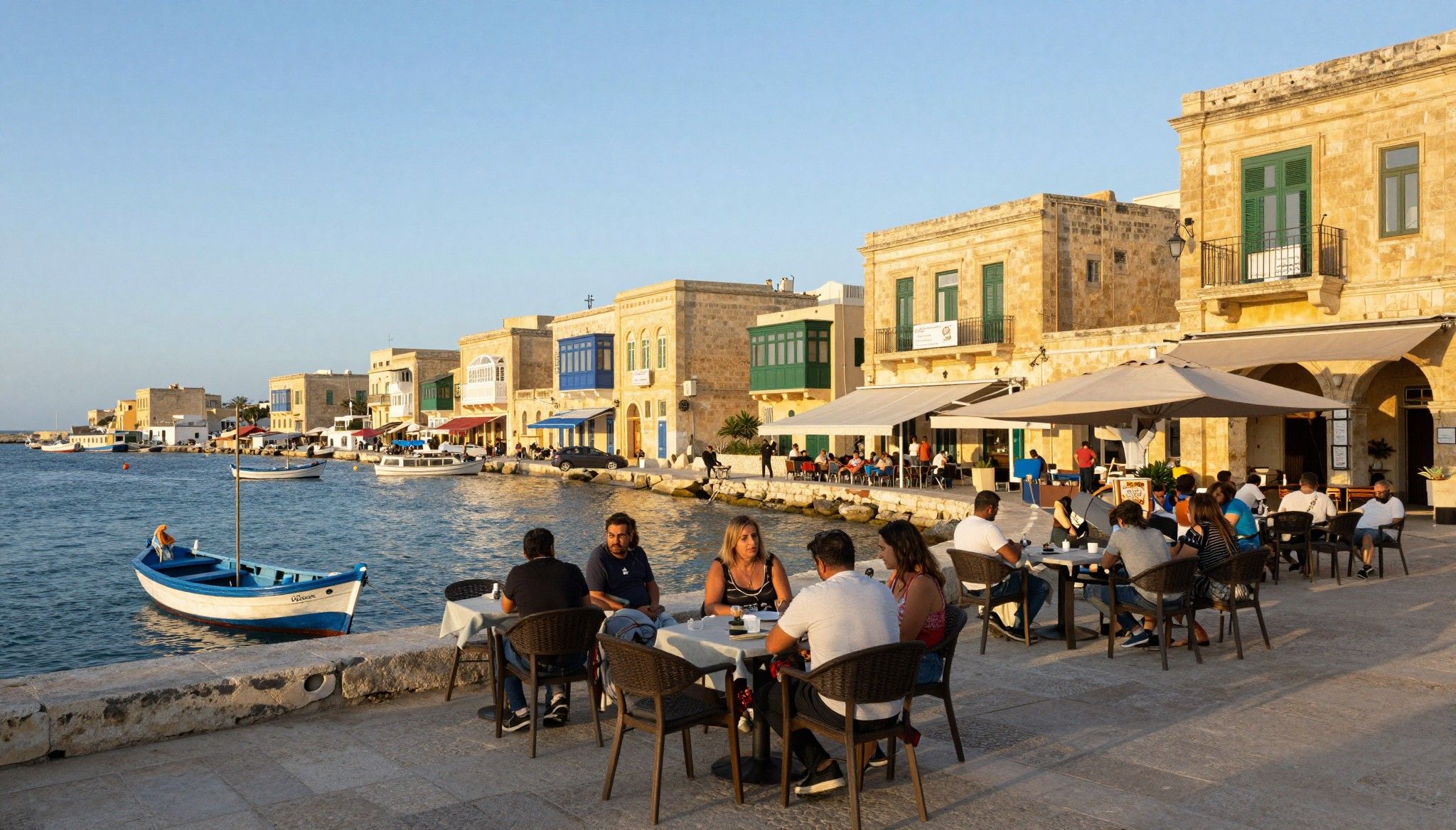
Buy the Street, Not Just the Square Metre
Why Greece’s city life sells itself — but how to buy the right street, not just square metres, backed by recent market reports and regulatory updates.
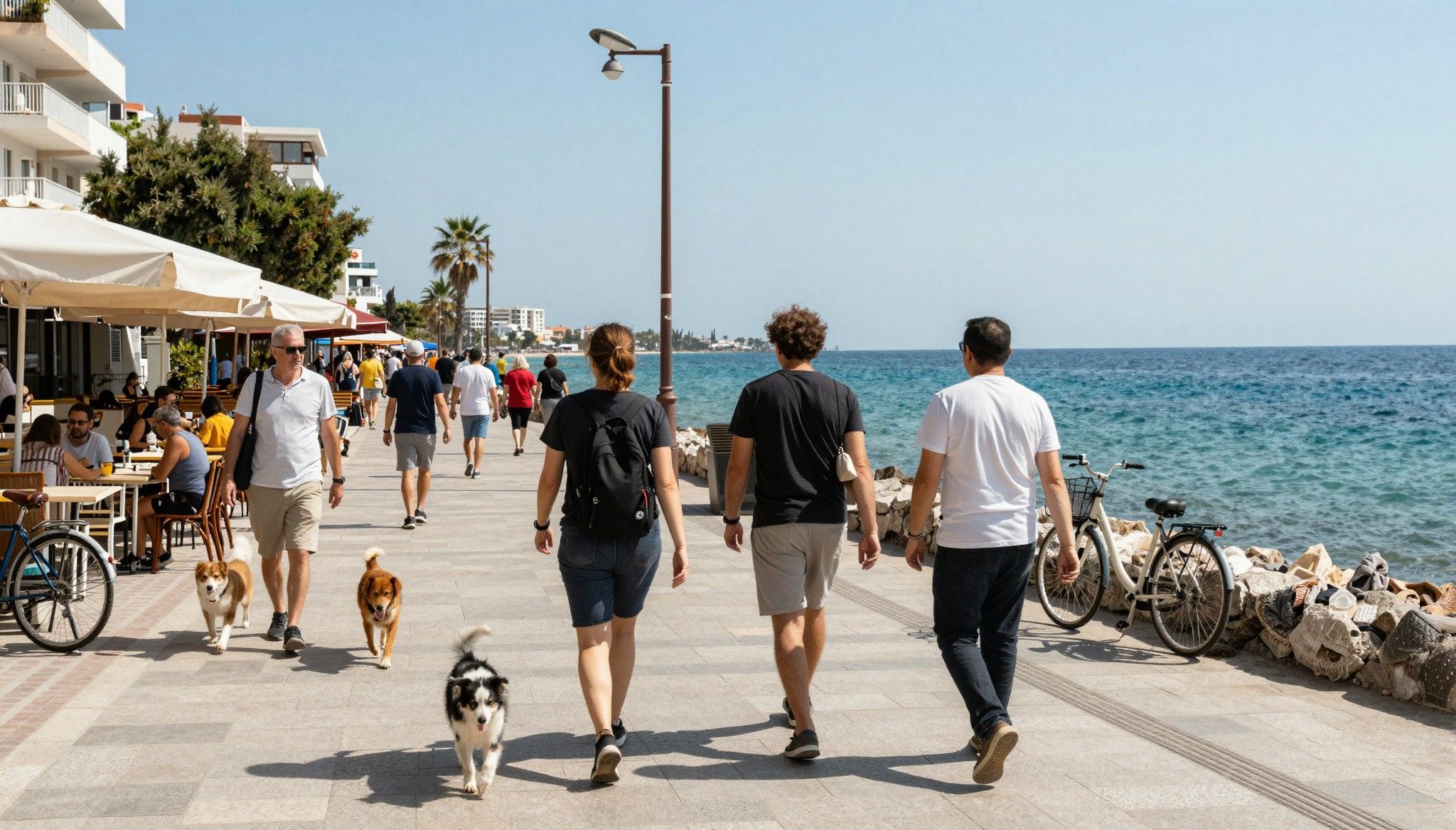
Imagine stepping out at 9am to a corner kafeneío in Koukaki, the smell of fresh koulouri and espresso mixing with sea air carried from the Phaleron Bay. This is Greece in everyday mode — sunlit mornings, late meals, streets that feel like living rooms. For many international buyers the question isn’t whether Greece is beautiful; it’s how to make that life yours without the mistakes most newcomers make.
Living Greek City Life — What Actually Feels Different
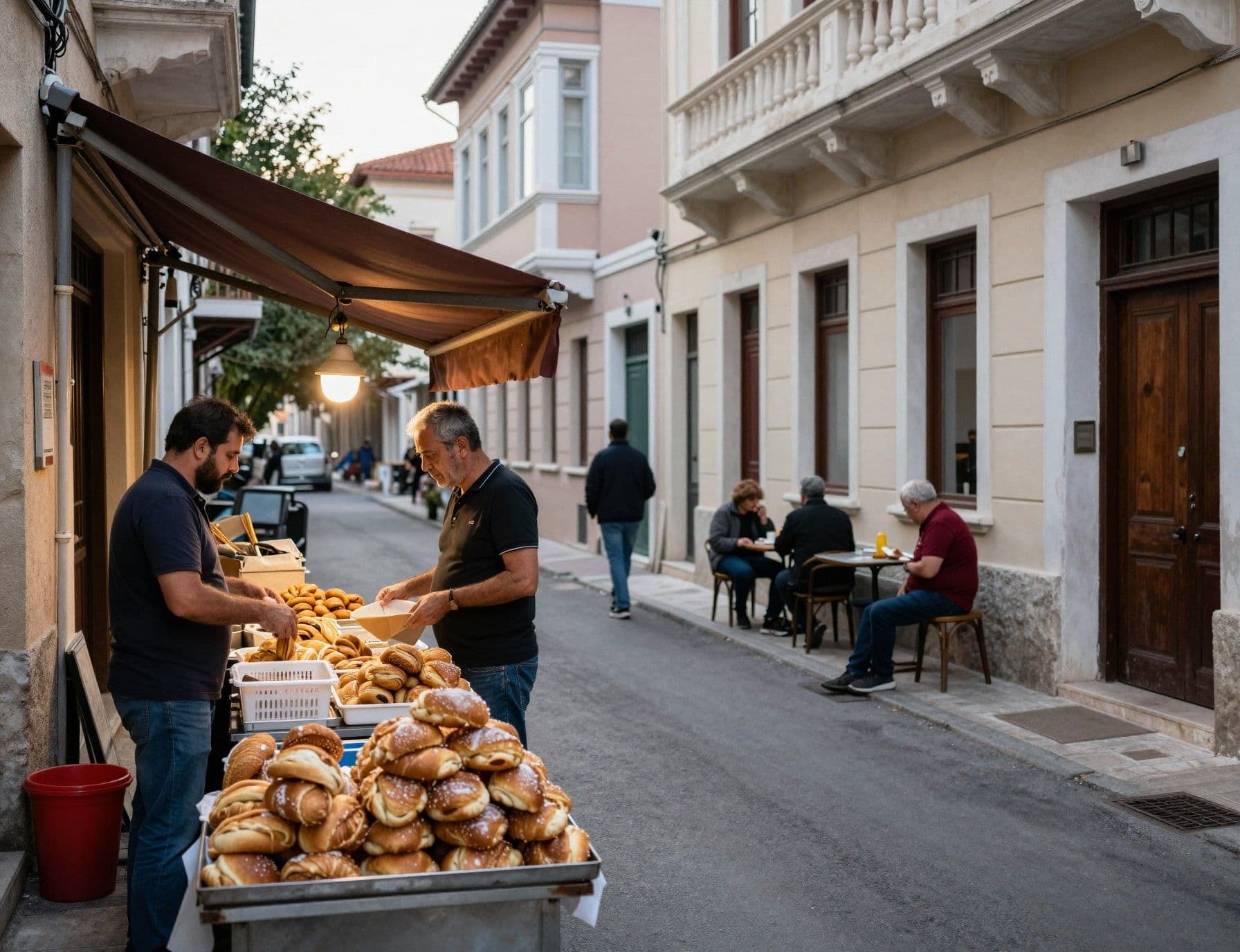
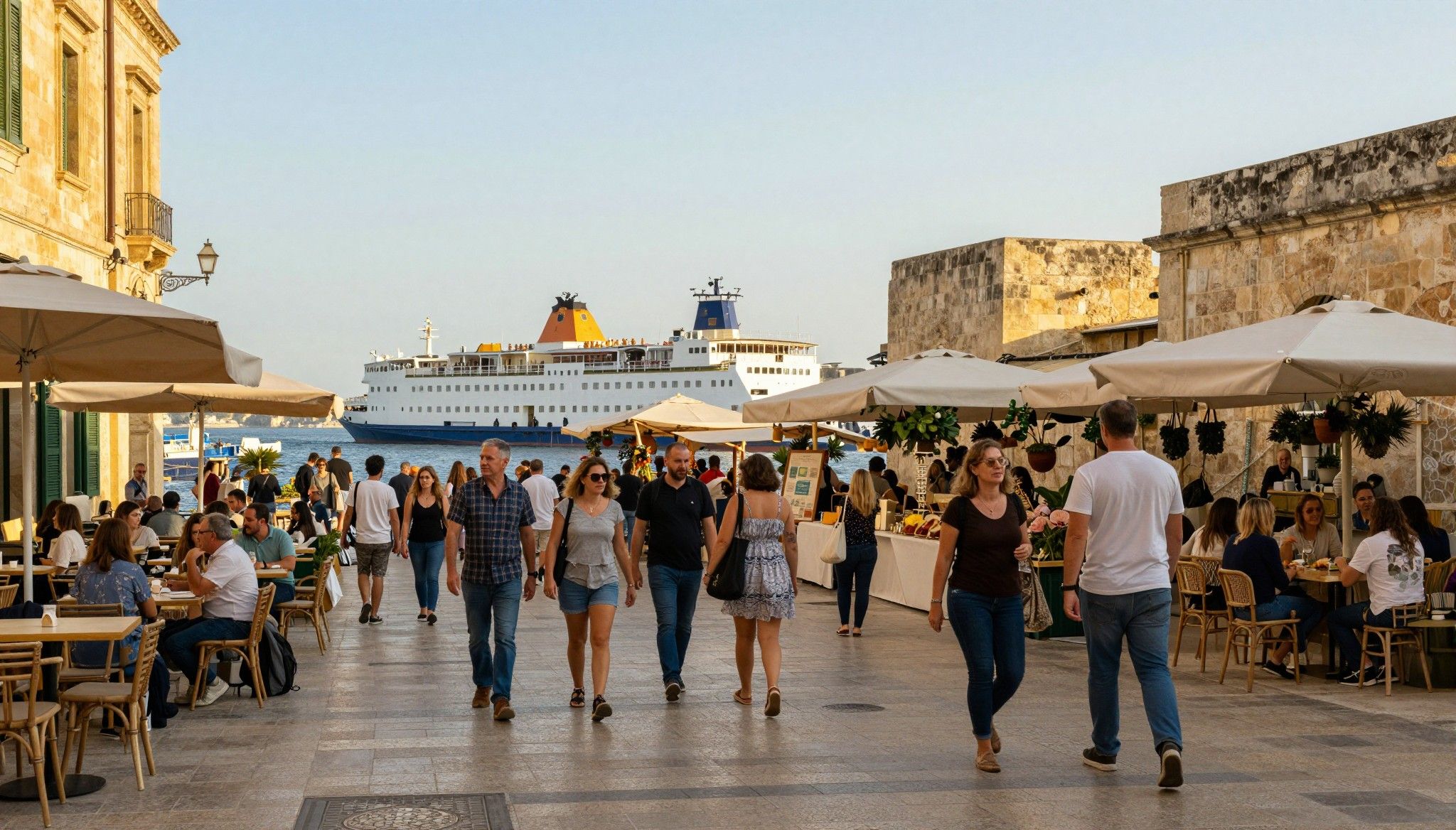
Greek urban hubs move at a relaxed but particular rhythm. Athens is a layered city — morning markets in Monastiraki, espresso and paper in Exarchia, aperitifs in Kolonaki — while Thessaloniki pulses with nightlife, food markets and a slower Aegean cadence. On any given Saturday you’ll see families strolling the coastal promenades in Glyfada or couples hunting secondhand books in the shaded lanes of Plaka.
Neighborhood spotlight — Koukaki to Kolonaki
Koukaki is the sort of place where you know the barista’s name and you’ll find a quiet terrace for weekday lunches; it suits buyers who want central life without the tourist crush. Kolonaki, with Voukourestiou Street boutiques and neoclassical façades, offers a more polished urban experience — closer to embassies, galleries and the kinds of services internationals look for.
Food, markets and the social economy
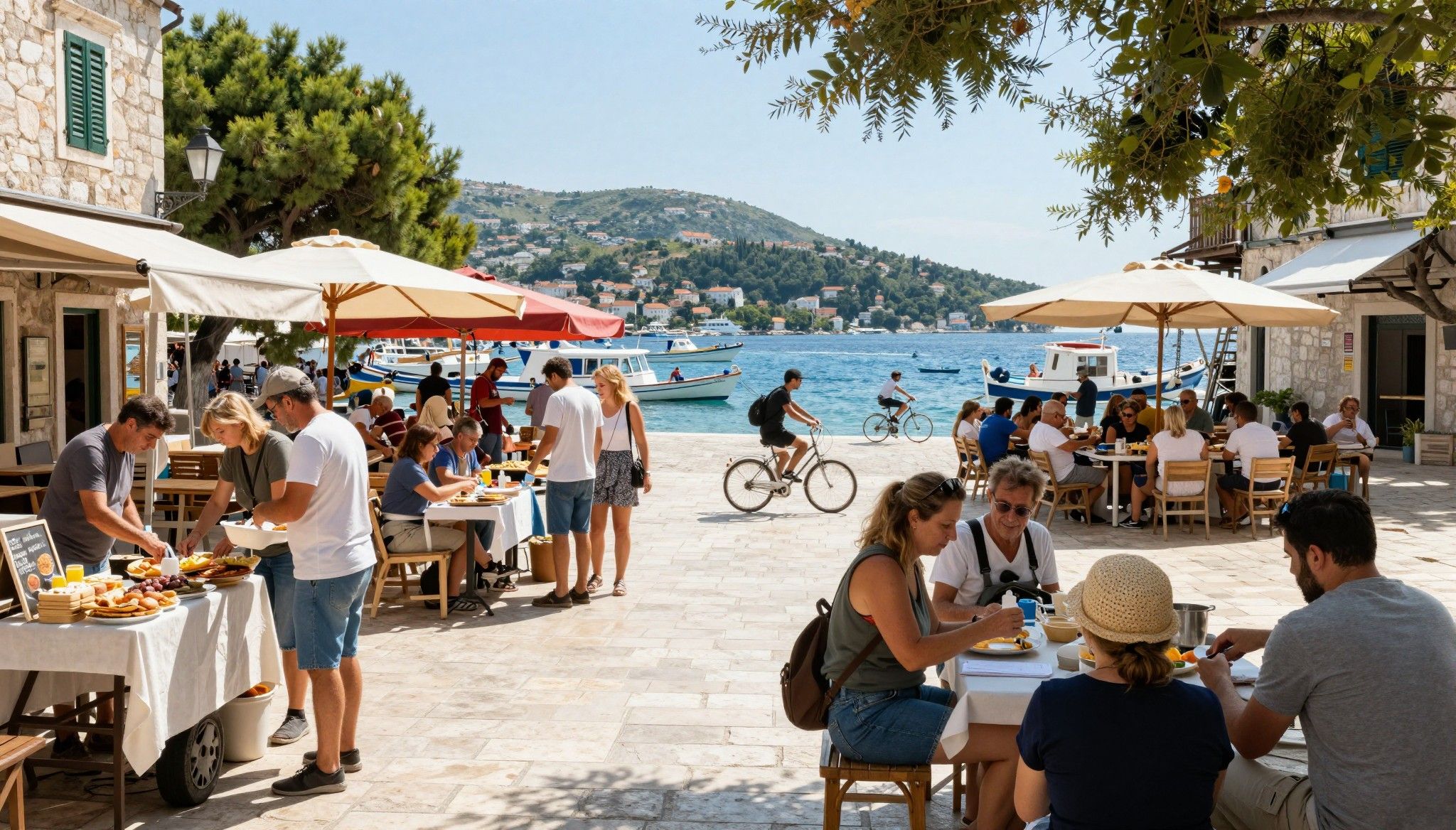
Buyers tell us food culture is transformational: morning visits to Varvakios market, late taverna dinners in Plaka, and the summer fish tavernas along the Saronic coast. People choose neighborhoods based on an easy walk to markets, a morning coffee spot, and an evening square where neighbors still congregate — these small rituals shape what you’ll want from a property.
- Lifestyle highlights: Varvakios Market (Athens), seaside promenade in Glyfada, Nikis Street (Thessaloniki), early-morning koulouri sellers, Sunday flea markets in Monastiraki, seaside cafés in Piraeus.
Making the Move: Lifestyle-First, Then Property
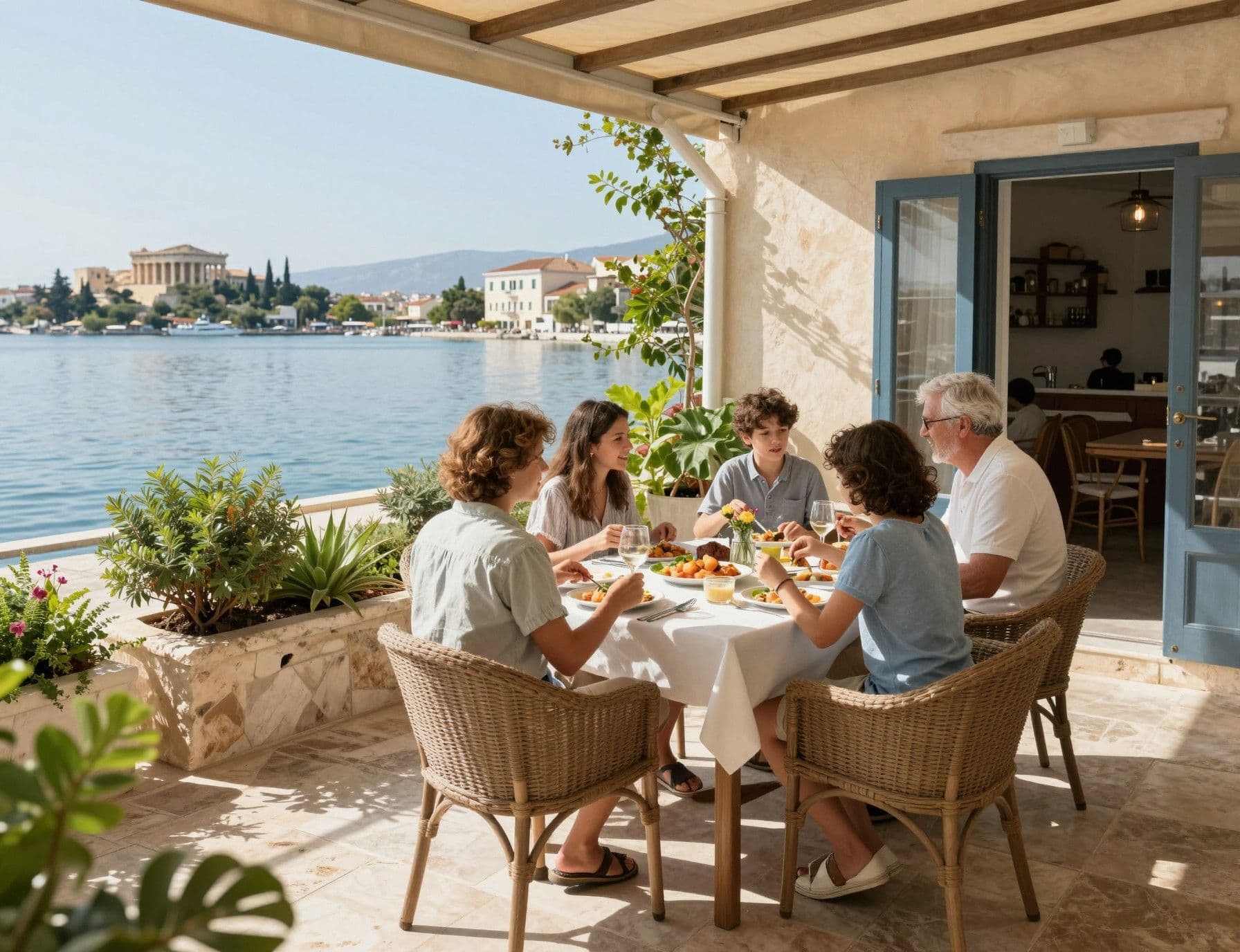
We often see buyers fall for a terrace view and forget how wind, summer heat and building orientation affect daily life. Start with how you want to live — morning light, proximity to a school or co‑working hub, or a walkable route to evening cafés — then match that to property features. Market data shows Athens prices rose materially into 2024–25, so location and quality matter more than square metres alone.
Property styles and how they map to life
From renovated neoclassical flats in central Athens to modern apartments in Glyfada and family homes outside Thessaloniki, each type supports a different rhythm. A restored 1930s flat gives you high ceilings and courtyards but usually needs modern wiring and insulation upgrades. New builds deliver efficient comfort but can be set back from the street life you came for.
Work with agencies that speak the lifestyle language
Choose local agents who know which streets quiet down in August, which blocks tolerate late-night tavernas, and which properties have legal short‑let histories. That context keeps your weekend routines intact and avoids surprises like restricted short‑term rental licenses in central Athens announced in recent reforms.
- Practical steps blending lifestyle and process: 1) List the three routines you won’t compromise (market, beach, commute). 2) Ask an agent for recent utility bills and orientation photos for sun/wind exposure. 3) Check recent local planning notices (short‑let rules, basement bans). 4) View properties at the times you’ll live there (weekday morning, Saturday afternoon). 5) Hire a bilingual lawyer to confirm permitted uses and any ongoing code changes.
Insider Knowledge: What Expats Wish They’d Known
We hear the same themes from expats: language barriers are surmountable, but local bureaucracy takes patience; tourist seasons change neighbourhood character; and rental‑market rules can reshape investment assumptions. Recent macro reports flag fast price rises and regulatory attention on short‑term rentals — both important context for long‑term buyers.
Cultural integration and daily life realities
You’ll make friends when you become a regular: get to know the kafeneío owner, learn basic Greek greetings, and show up for local festivals. Schools and healthcare in urban hubs are good — Thessaloniki and Athens both have international clinics and private hospitals — but smaller islands may mean occasional mainland travel for specialist care.
Long-term lifestyle and market outlook
Expect gradual market normalisation after rapid gains. That means long‑term buyers should prioritise micro‑location and build quality over chasing headline yields. If you love a neighborhood’s daily life, that’s often a better hedge than speculating on price growth alone.
- Red flags buyers often miss: properties with informal extensions, units without natural light labelled as ‘storage’, unclear condominium minutes about shared repairs, and neighbourhoods under short‑let freezes.
- Steps to move from dreaming to living in Greece: 1) Visit in two different seasons to test rhythms (summer heat vs winter quiet). 2) Shortlist neighborhoods by daily routines, not just price per sqm. 3) Ask agents for legal records and recent renovation permits. 4) Confirm any residency-by-investment rules relevant to you (thresholds and dates). 5) Engage a local lawyer and tax advisor before signing.
We believe Greece rewards buyers who begin with life, then do the paperwork. Choose streets where you can picture weekday coffee and Sunday markets. Then, work with people who protect that life — bilingual lawyers, agents who know which properties are occupied by year‑round residents, and contractors who can estimate renovation timelines honestly.
If you want help turning a kafeneío‑morning into a permanent routine, start by telling an agent the three things you won’t compromise. We’ll help you find the street where those rituals are already possible — and the property that keeps them intact.
Danish investment specialist who relocated to Costa del Sol in 2015. Focuses on data-driven market timing and long-term value for Danish buyers.