Italy: Fall for City Rhythm — Then Buy with Proof
Fall for Italy’s city rhythms first — then buy. Research shows modest price growth and strong urban demand; match lifestyle to property and insist on full documentation.
Imagine waking to an espresso pulled at the bar on Via dei Condotti, then swapping a morning walk past Roman palazzos for an afternoon siesta on a Ligurian balcony. Italy isn’t a single life; it’s a dozen lives stitched together by food, light and neighborhood routine. We wrote this to do two things: make you fall in love with the pulse of Italian cities and give clear, research‑backed steps so that love turns into a confident purchase. Below you’ll find street‑level scenes, practical rules of thumb, and the data that matters when you act.
Living the Italian city life
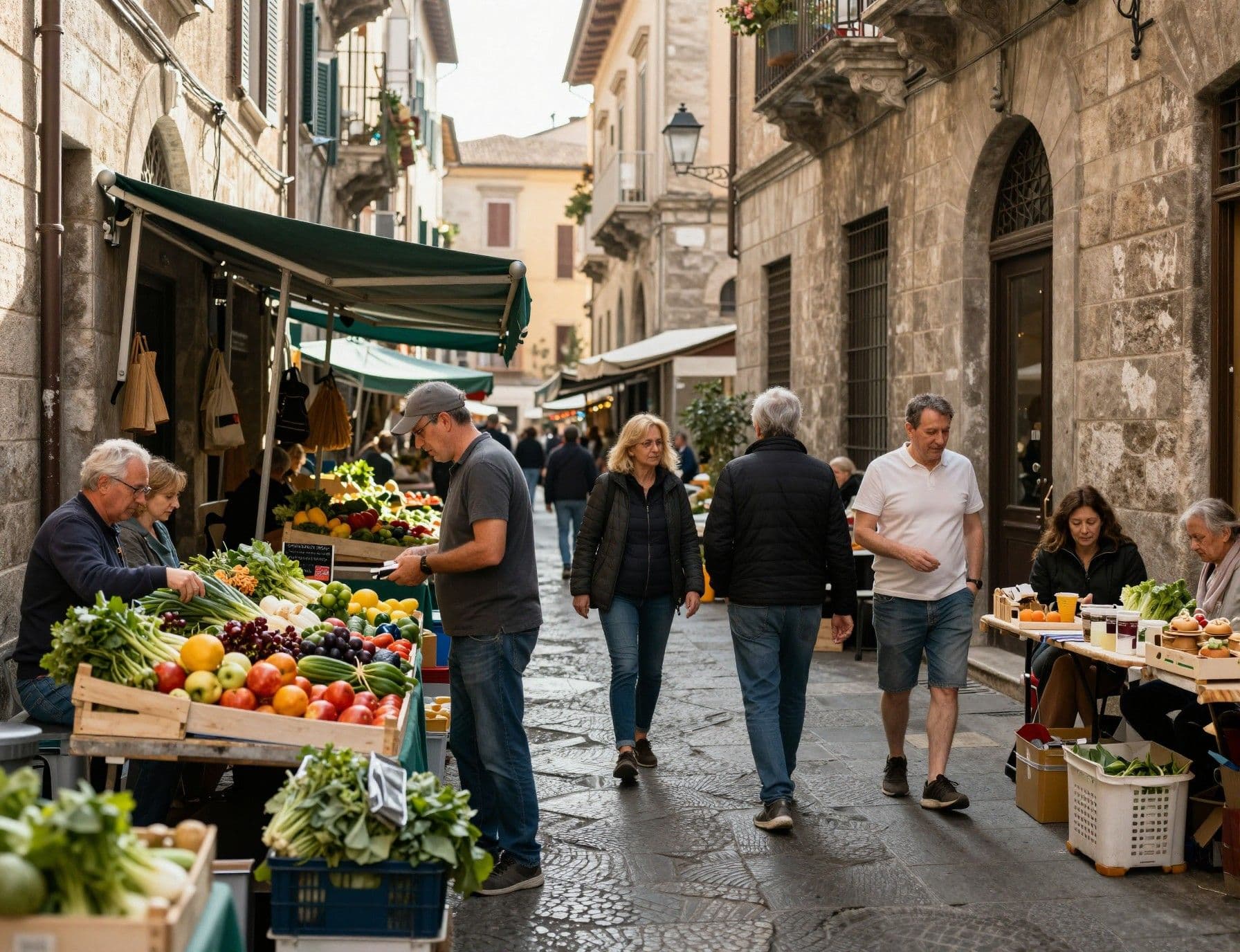
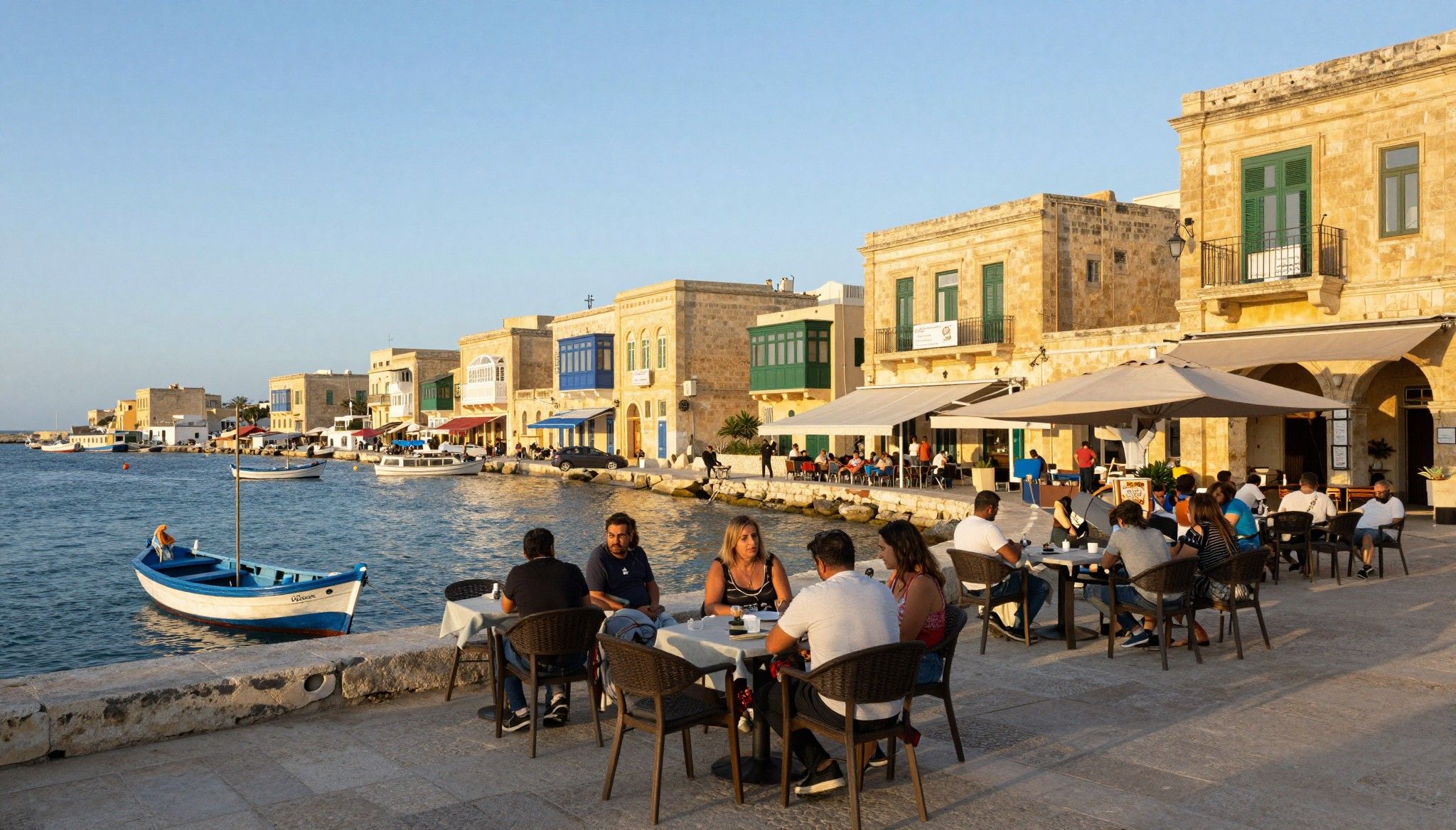
City living in Italy moves at a human pace: markets at dawn, slow lunches, and sudden bursts of nightlife in compact neighborhoods. In Milan you feel the tilt toward design and commerce; in Rome the layers of history make every corner conversational; in Naples the streets sing and the sea is never far. Those rhythms shape how you’ll use a home — a small terrace matters more on Mediterranean evenings, and storage for fresh market provisions is essential if you cook daily. Put another way: the lifestyle you want should shape the property type you chase, not the other way round.
Neighborhood spotlight: Milan’s Navigli vs. Brera
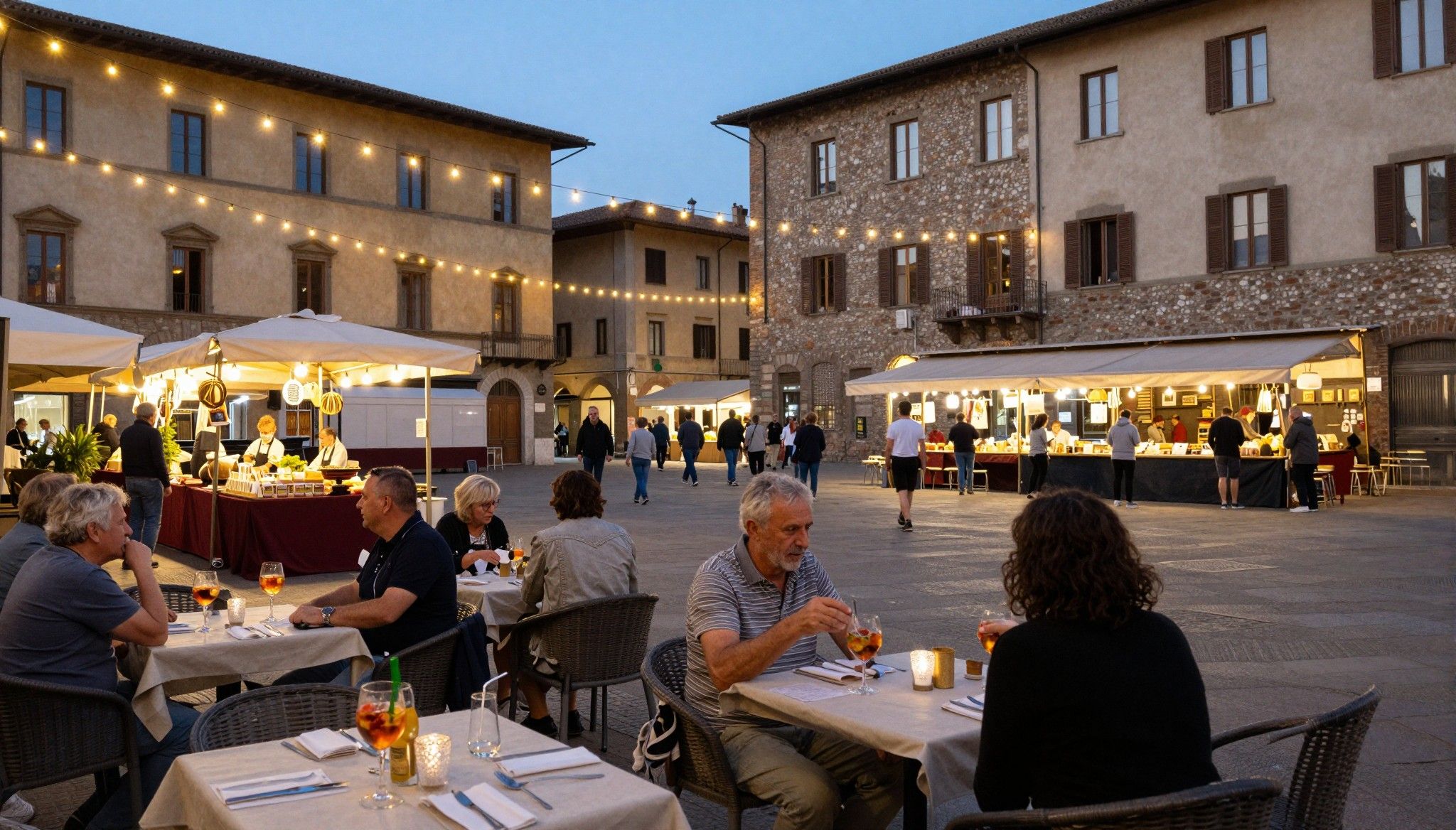
Walk Navigli at dusk and you’ll meet aperitivo crowds, canal-side bars and compact apartments with high ceilings but limited outdoor space. Cross to Brera for cobbled streets, art galleries and a quieter residential feel where antique doors hide surprisingly modern flats. For buyers who want nightlife‑adjacent energy, Navigli delivers rental demand and footfall; for those who want calmer mornings and boutique shopping, Brera’s long-term lifestyle wins. Both areas command premiums, but the tradeoff is clear: immediate social life versus calmer, classic character.
Food, markets and the small pleasures
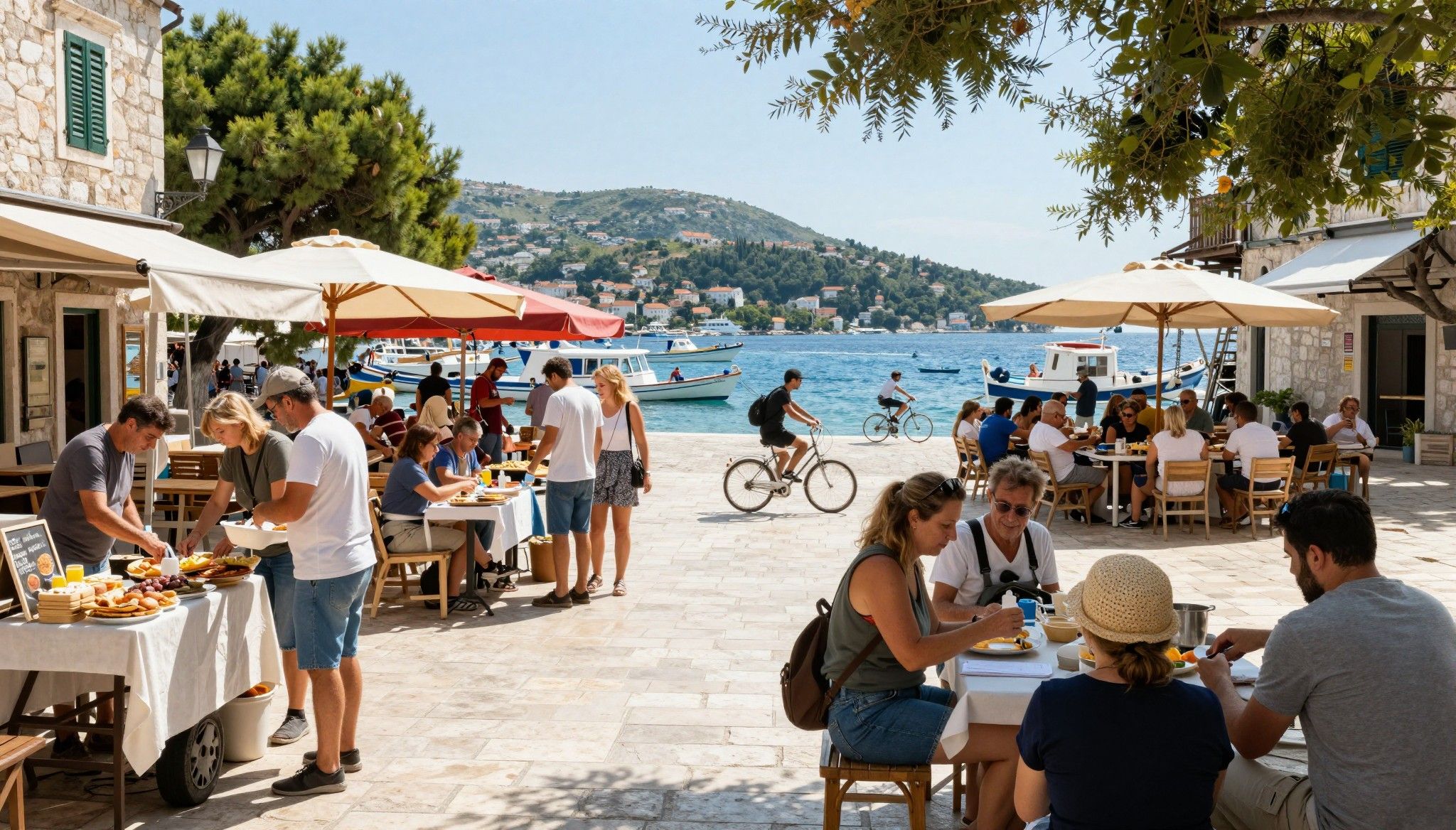
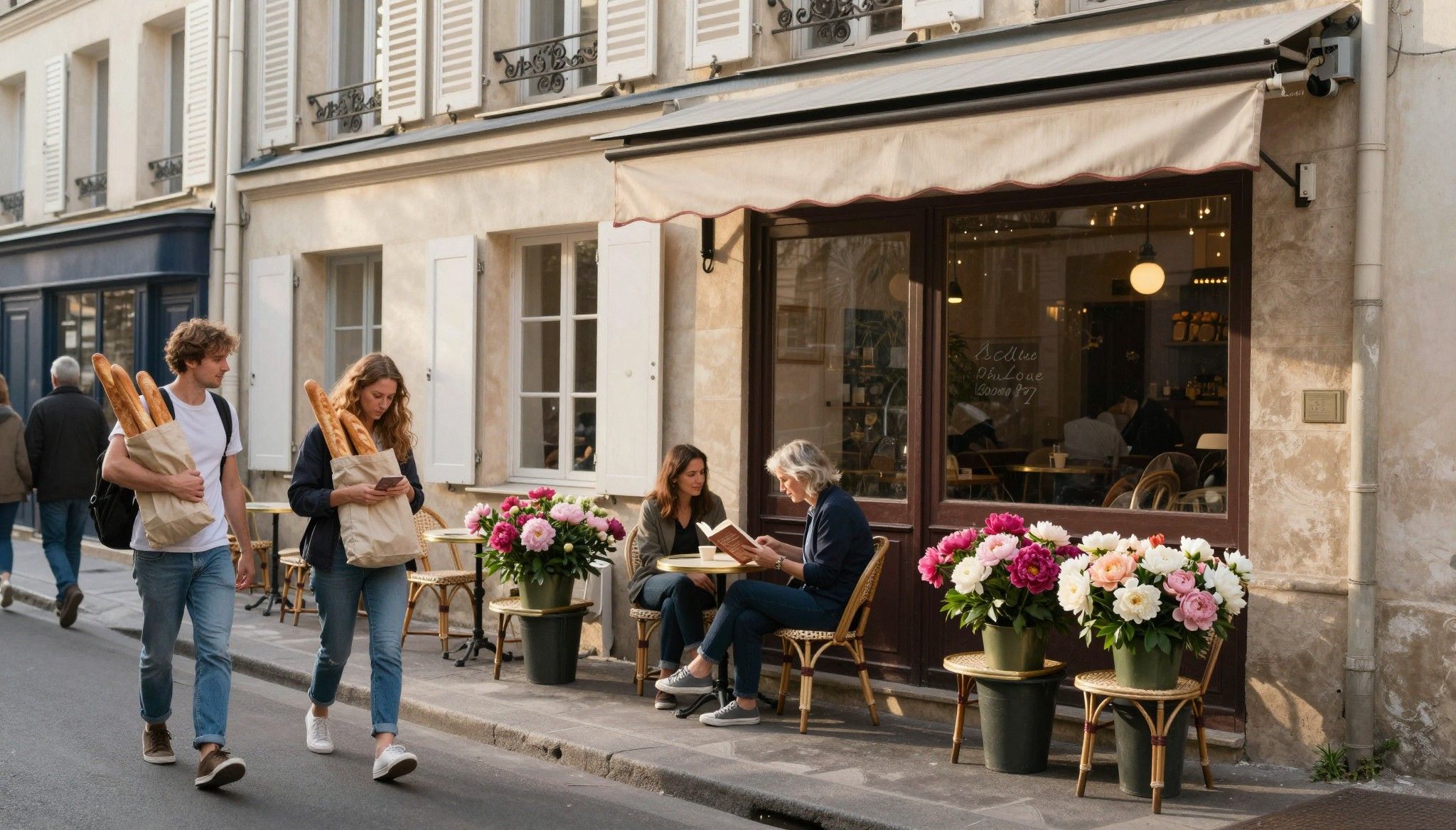
You’ll plan your week around markets: Campo de' Fiori in Rome for produce and flowers, Mercato Centrale in Florence for food‑forward weekends, and Mercato di Porta Palazzo in Turin for bargain discoveries. Eating is social — trattorie and enotecas become part of your network — and many buyers tell us proximity to a favourite market was a decisive factor in their purchase. Seasonal ritual matters too: chestnut fairs in autumn, seaside fish markets in summer, and neighborhood festivals that temporarily turn a piazza into your living room.
Making the move: practical realities that match the romance. Italy’s market is quietly active: national house prices showed modest year‑on‑year increases through 2024–2025, and transaction volumes recovered after the pandemic lull. That means opportunities exist in urban hubs but so does competition for well-located, well-documented flats. We’ll translate those market facts into steps you can act on — from neighborhood scouting to the paperwork you must insist on seeing.
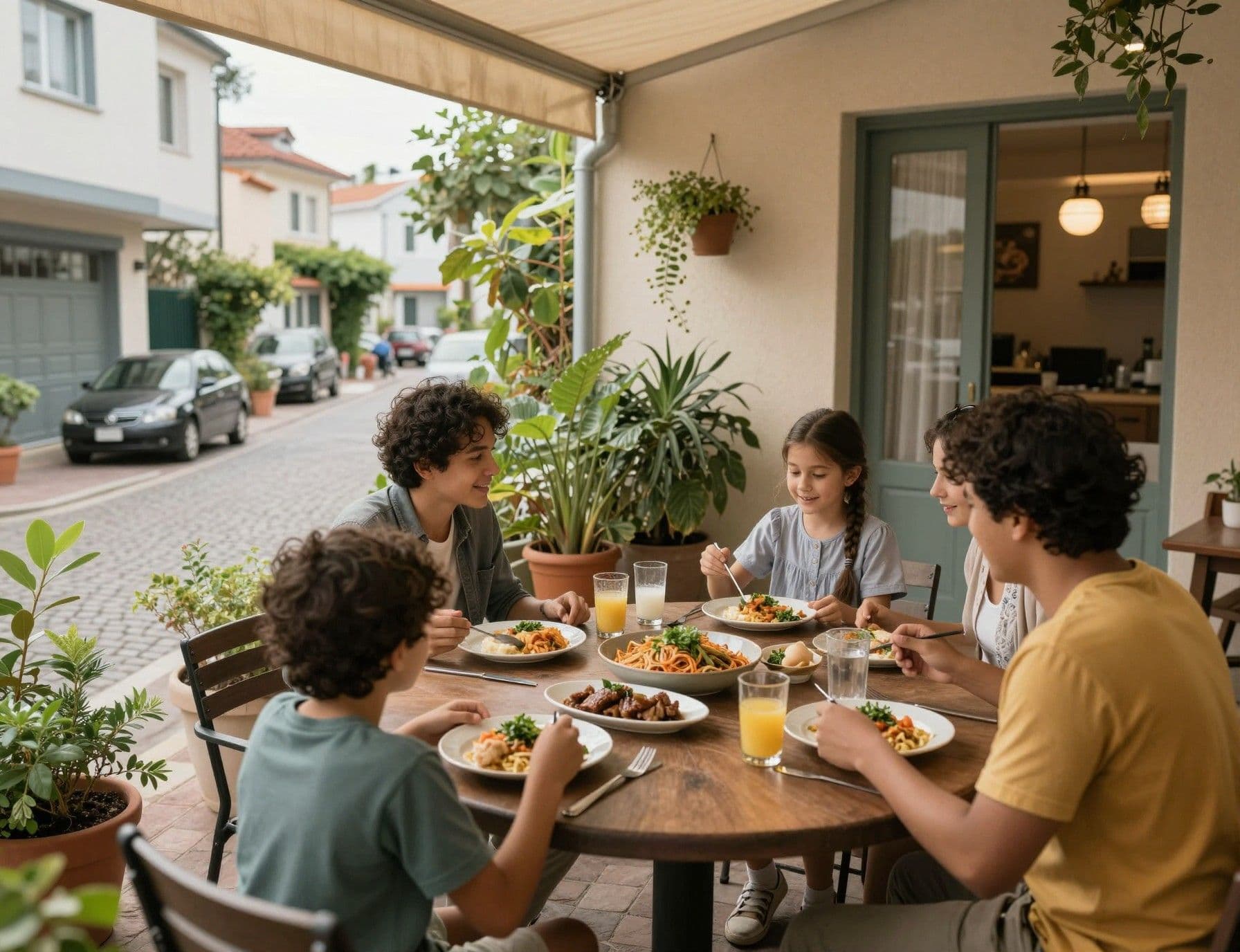
Property types in urban hubs are distinct and each suits a lifestyle. Historic centro apartments (high ceilings, original shutters) are brilliant for city life but often need renovation and modern systems. Contemporary conversions — lofts in former industrial zones or New Town developments — give open plans and better insulation but sometimes less character. For many internationals, a small restored flat with a balcony beats a larger modern box because the neighbourhood and street life are the point.
Working with agencies who know life (not just listings)
Find agents who can speak to markets and to daily life: ask about morning routines in the street, which cafés have reliable Wi‑Fi for remote work, or whether the building’s stairs get crowded during holidays. Local agencies that show you the piazza at lunchtime — not only the property — are usually the ones who understand what makes a neighbourhood tick. We recommend interviews: three agents, two references, one test walk. That simple process separates brokers who push inventory from those who match lifestyle to property.
Steps to marry lifestyle with purchase
- 1) Spend at least three full days living like a local in your target neighbourhood — buy coffee, shop the market, test the commute. 2) Insist on a full building history and energy certificate before serious offers; renovations in Italy are common and you’ll want clarity on costs. 3) Check seasonal noise patterns — some streets quiet down for most of the year but are noisy during festivals. 4) Prioritise agencies that provide local renovation contacts and post‑sale management — this is where many expats find ongoing peace of mind.
Insider knowledge: what expats wish they’d known
The common surprises fall into three camps: paperwork, seasons, and social rhythm. Bureaucracy is real — but so are generous renovation incentives and energy grants that savvy buyers use to add value. Seasonal swings matter: many coastal and island areas feel full in July but almost empty by October, which affects both liveability and short‑term rental income. Lastly, the social calendar influences property value: a piazza with weekly markets sustains demand more reliably than a street that depends only on tourist seasons.
Cultural integration and everyday life
You’ll integrate faster if you learn some Italian phrases and join local routines — whether that’s bocce on a Tuesday or a volunteer shift at the neighborhood festa. Expat communities cluster around international schools, certain streets, or familiar restaurants; they help, but we encourage using them as a bridge rather than a bubble. Language opens doors not only socially but practically — many smaller agencies and craftsmen work primarily in Italian and that fluency speeds renovations and avoids miscommunication.
Long-term lifestyle: what changes after move-in
After a year you’ll notice shifts: weekday rhythms normalize, your favourite libraio becomes indispensable, and property decisions that felt urgent at signing look less urgent. Climate adaptation also matters — in many cities older buildings keep summers cool but can be chilly in winter; insulation and heating systems are a long‑term comfort issue. Plan for lifecycle: what fits you at 35 might not at 65 — consider flexible rooms and neighbourhood services that scale with your life stage.
Checklist: street-level signals to check before you buy
- • Market and grocery access: is there a reliable market within 10–15 minutes? • Noise and events: does the street host frequent festivals or late-night venues? • Community services: clinics, schools and transport within easy reach matter for long‑term living. • Building fabric: check for damp, insulation and the heating system — older facades can hide costly needs. • Local planning: ask the agent about upcoming municipal projects that could change the street's character.
Closing thoughts: fall for Italy — but insist on the file
Italy’s cities give you a life you can’t get from a brochure — morning markets, cafe rituals, layered streets, and neighbourhood characters that become yours. The market is steady enough that careful buyers find value, but the work is in the details: live there first, choose agents who show life not just listings, and demand full documentation before offers. If you’re ready to see a neighbourhood in the way locals do, we can connect you with agencies who treat lifestyle as a search criterion, not an afterthought.
Swedish expat who moved from Stockholm to Marbella in 2018. Specializes in cross-border legal navigation and residency considerations for Scandinavian buyers.