Italy’s City Rhythms: Buy for Life, Not Just Price
City rhythms, market realities and visa routes: how to choose an Italian property that lets you live like a local, backed by recent market and visa sources.
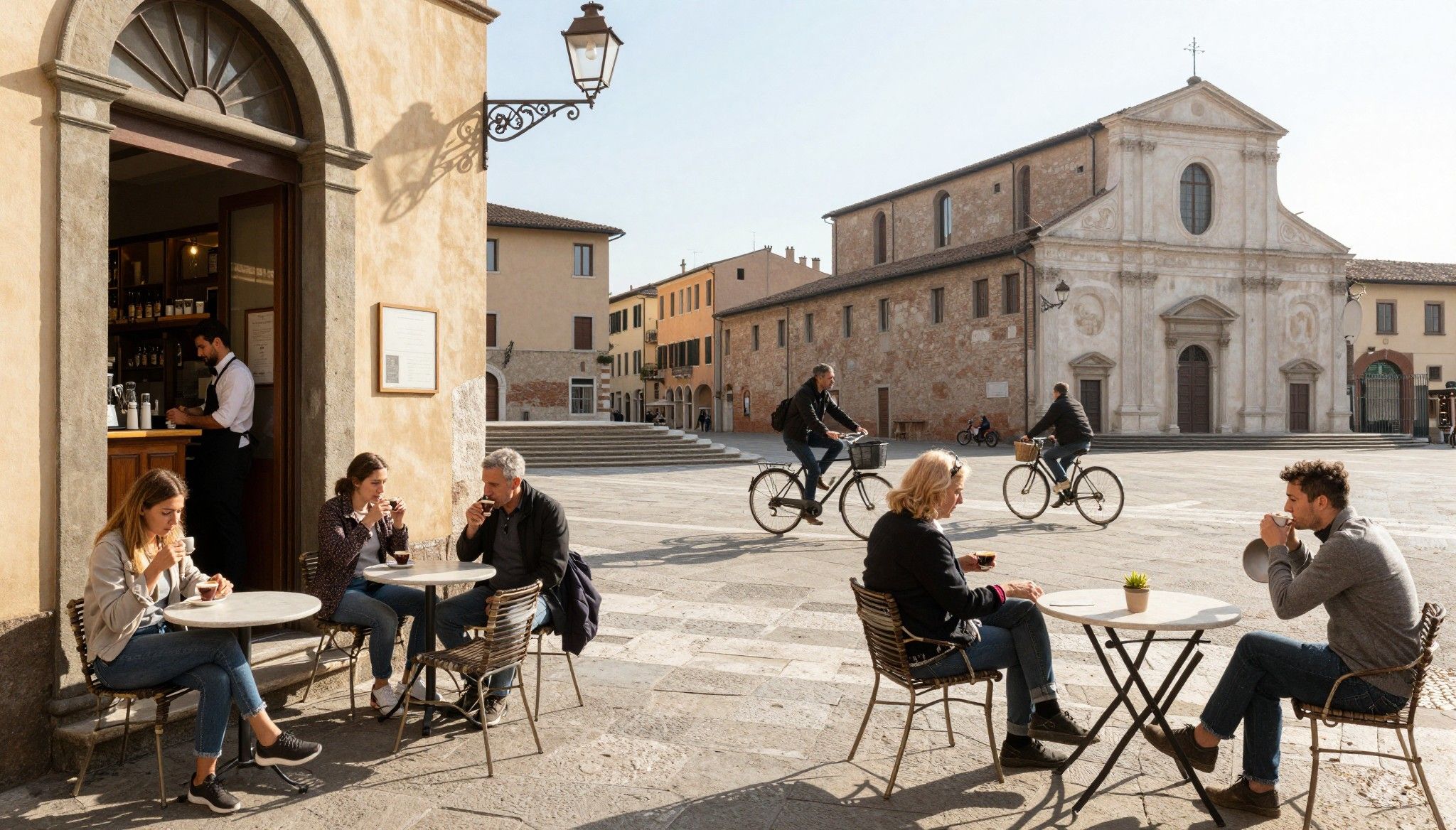
Imagine stepping out at 09:00 on a narrow Roman street: the clatter of espresso cups, a fruit stand pouring colour onto a cobbled corner, a building façade swollen with history and laundry. Italy lives in layers — loud mornings, slow siestas, luminous afternoons — and each layer shapes what you look for in a home. For international buyers dreaming of that rhythm, the question isn’t just price per square metre; it’s whether your property choice will let you live like a local or trap you in a postcard.
Living the Italy lifestyle: city heartbeats and daily rituals
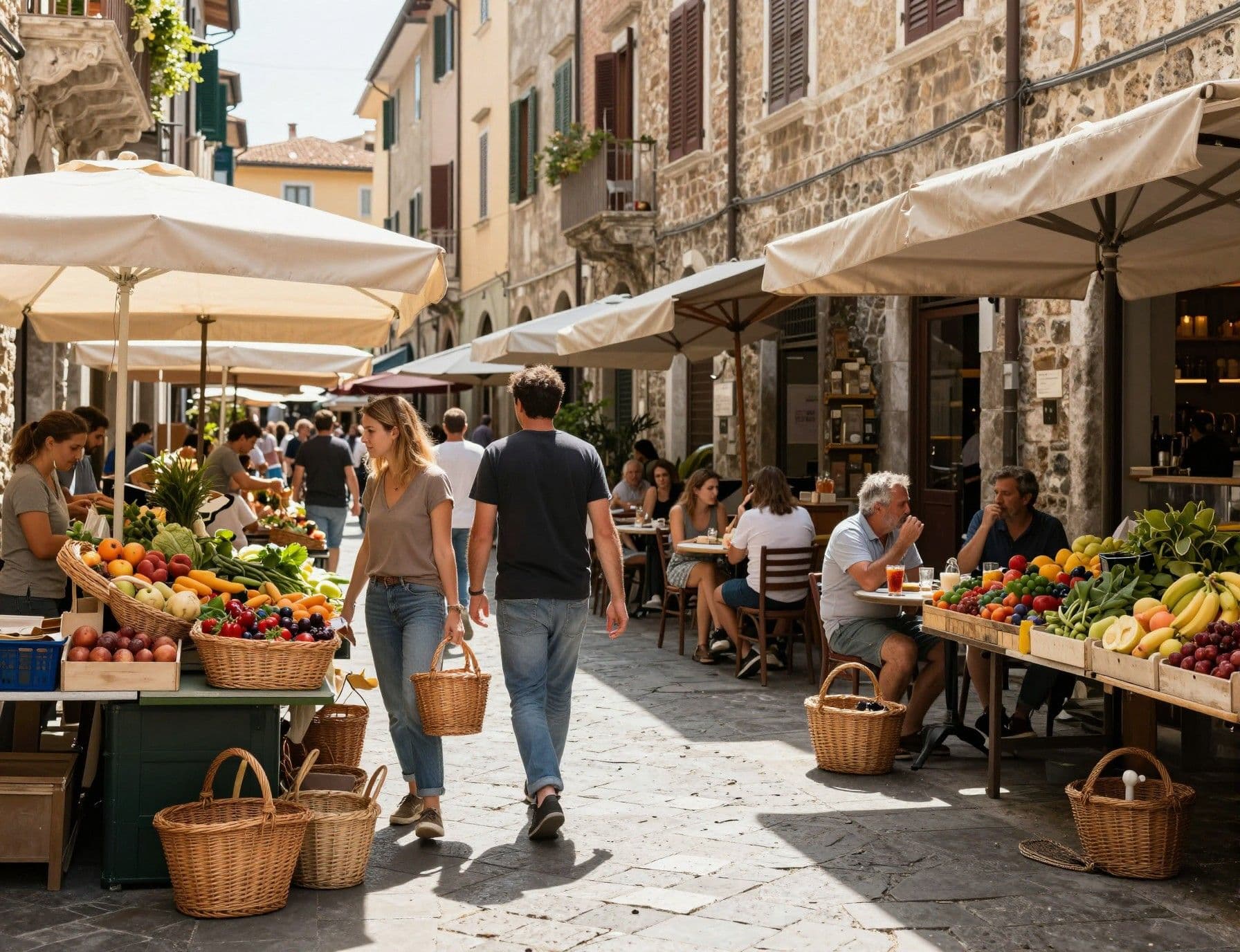
Italy’s cities are personalities. Milan moves like a start‑up wardrobe: tight schedules, short lunches, late aperitivi. Rome breathes history; you’ll learn which piazzas are quiet Sunday mornings and which draw tourists at noon. Naples still argues with you over pizza and practicality; Genoa and Turin nod toward industrial grace and hidden courtyards. Understanding these rhythms matters because the way a neighbourhood hums affects everything from noise at night to the best time to view apartments.
Neighbourhood spotlight: Trastevere to Navigli — where life is lived outside
If you want cafe life and unpredictable evenings, Trastevere in Rome or Navigli in Milan are alive at street level: cobbled lanes, trattorie, and locals who’ve been coming to the same barbershop for decades. In both areas, small apartments with terraces and shutters are prized — not because they’re fashionable, but because they let you participate in street life. Practical note: these neighbourhoods command premiums for charm; ask your agent about soundproofing and storage solutions before you fall in love.
Food, markets and the weekend ritual
Weekends in Italy often mean markets: think Mercato di Testaccio in Rome, Mercato Centrale in Florence, or weekly food stalls in Palermo. These places are civic theatres where you’ll learn suppliers’ names and bring home a seasonal menu. For buyers, proximity to markets equals convenience and a quick route into local social life — but it can mean earlier pickup trucks and more pedestrian traffic, a trade‑off worth understanding before signing.
- Lifestyle highlights to look for when choosing a neighbourhood:
- A morning market within a 10–15 minute walk (fresh produce, fish, seasonal specialties)
- A neighbourhood bar where staff know your name — that social infrastructure matters
- Access to green space or riverfront (think Parco Sempione in Milan or Tiber walks in Rome)
Making the move: practical realities that shape your lifestyle
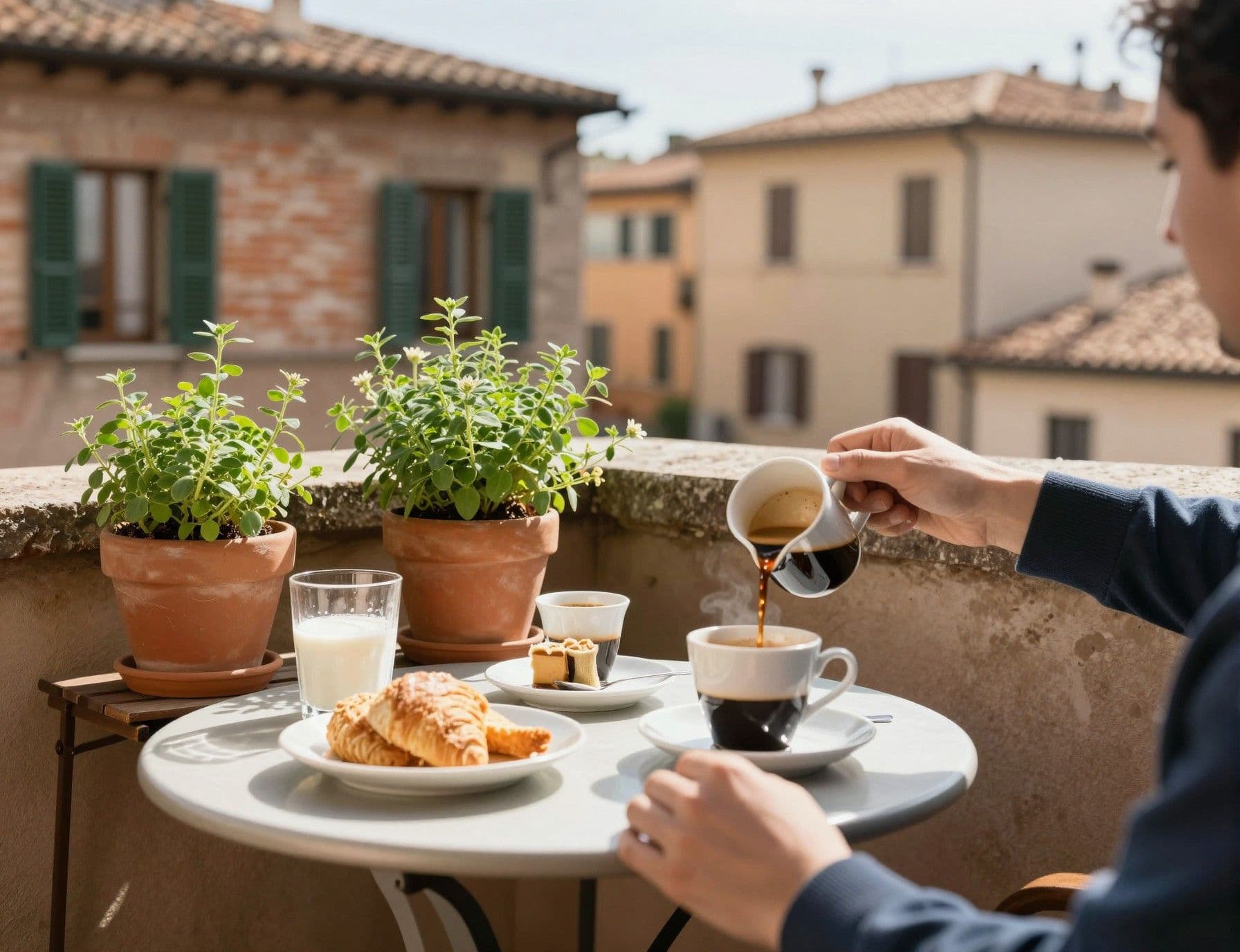
Dreams meet documents. Recent market reporting shows Italian prices stabilising after a period of growth, with urban hubs like Milan and Rome leading demand and rents rising for high‑quality stock. At the same time, Italy’s investor visa and elective residency pathways offer routes for non‑EU buyers who want long stays; the official portal lays out investment options and timelines. That combination — rising urban demand plus clear visa channels — makes timing and property type key decisions for buyers who plan to live the life, not just buy an asset.
Property styles and how they fit daily life
Historic centre apartments come with high ceilings, original details and thinner walls — they’re brilliant for evenings out but require insulation upgrades if you value quiet. New builds or converted industrial lofts in Milan offer efficiency, elevators, and private parking, which changes daily routines: grocery runs, bikes, and commuting feel easier. Think about maintenance too: communal heating in older buildings means a seasonal bill and less control, while a modern condo often gives you predictable running costs.
Working with local experts who understand life and logistics
Choose agents who know which streets buzz at night, which blocks flood in heavy rain, and where building permits cause renovation delays. Agencies with local networks will tell you the informal facts — which small grocer offers after‑hours service, where you can get a speedy renovation quote — and the formal ones: recent price trends, permit timelines, and tax filing rhythms. That mix of cultural fluency and market knowledge is the difference between a house that feels like home and one that feels like a temporary exhibit.
- Steps to align lifestyle priorities with a property search:
- List daily rituals (market visits, commute time, outdoor time) and score neighbourhoods for each.
- Visit at the time of day you’ll live there (mornings for markets, evenings for nightlife) and record noise, lighting and neighbours.
- Ask an agent for recent utility and condominium expense records — these often reveal hidden ongoing costs.
Insider knowledge: expat truths and seasonal realities
Expat buyers often arrive enchanted by weather and food and then trip over paperwork and seasonal rhythms. Summers can empty city centres (useful for house viewings in July), while winters concentrate life indoors and test heating systems. Renovations take longer than spreadsheets predict; local contacts matter. In short: lean into local routines and assume bureaucracy will take twice as long.
Language, social life and building community
You don’t need perfect Italian to live well, but neighbourhood integration requires small efforts: learn the market vendors’ names, greet the porter, introduce yourself to the barista. Local groups (language exchanges, volunteer organisations, and local festivals) accelerate belonging. Agents who connect you with these micro‑communities deliver more than a property — they deliver a life.
Longer view: how a place grows with you
Think five years ahead: will you want more outdoor space, a second bedroom for visiting family, or convenient airport access? Urban regeneration projects in Italian cities are shifting demand toward efficient, sustainable units; areas near new transit upgrades often outperform in rental appeal. If long‑term lifestyle flexibility matters, prioritise layout and proximity over short‑term price gains.
- Red flags local buyers warn about:
- Missing property deeds or unclear condominium minutes — always request certified copies.
- Ground‑floor apartments in flood‑prone streets (ask neighbours about autumn storms).
- Under‑insulated historic flats with communal heating — factor retrofit costs into your budget.
Conclusion: fall for the life, then buy for the long run. Italy rewards patience. Start with the life you want — morning markets, late dinners, a riverwalk or seaside weekend — and then work back to the neighbourhood, property type and paperwork. Bring an agent who knows the streets and the files; bring a local notary and a renovation contact; visit at the time you’ll live there. Do that, and you won’t just own a place in Italy — you’ll live it.
Norwegian market analyst who serves Nordic buyers with transparent pricing and risk assessment. Specializes in residency rules and tax implications.