Italy: Choose Neighbourhood Rhythm, Not Just Price
Fall in love first: choose Italian neighbourhood rhythms (markets, cafes, seasons), then match them to market data, red flags and practical steps for confident buying.

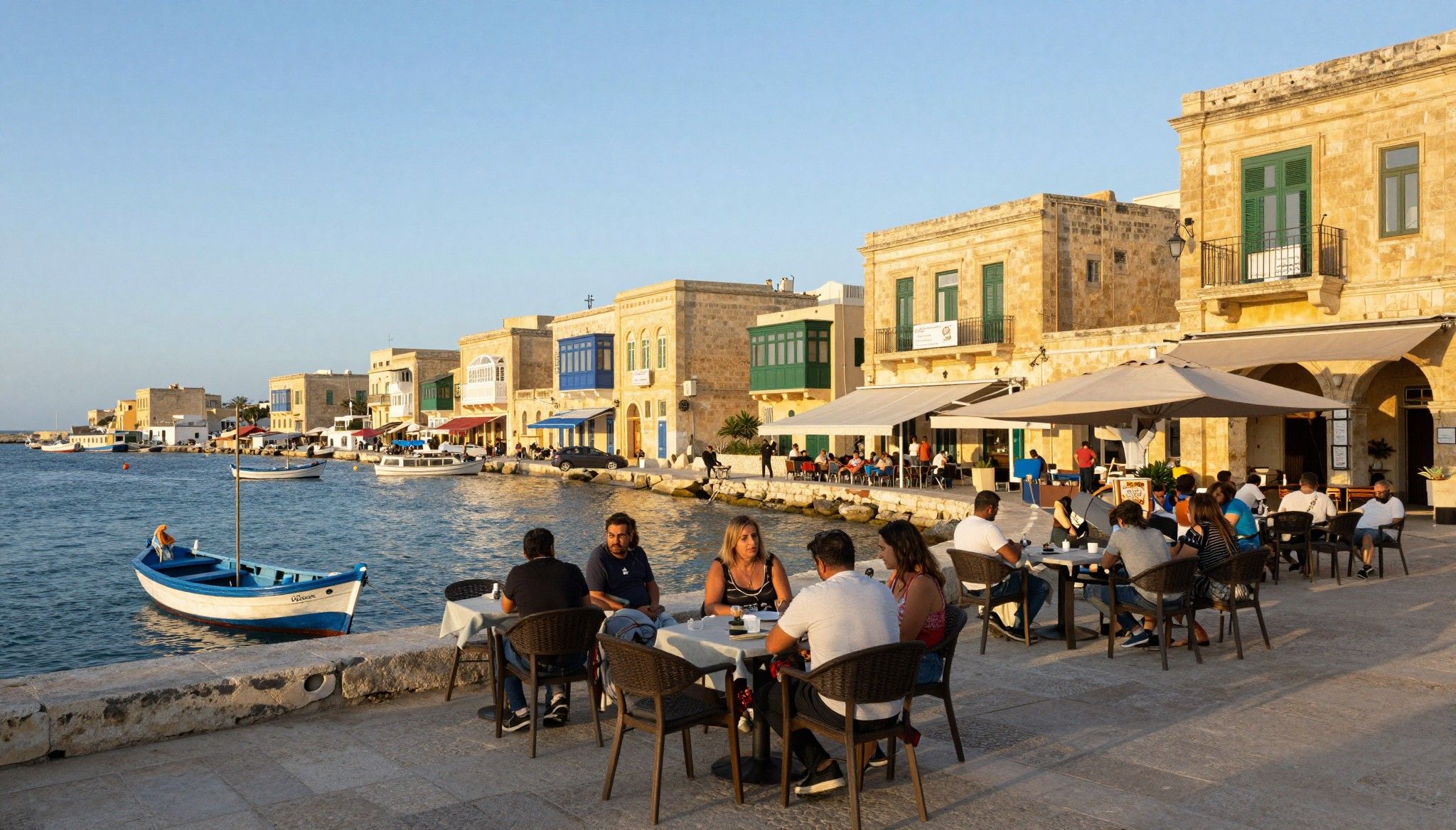
Imagine standing at an outdoor café on Via del Pigneto in Rome at 9am: espresso steam, dog walkers, a vendor unloading ripe tomatoes at the mercato. That ordinary morning is also the real reason many buyers fall for Italy — the small rituals that stitch daily life together. But loving a place and buying there are different acts. We start with life, then pull up the practical maps you need to buy well.
Living the Italy Life: Streets, Markets and Seasons
Italy’s charm is granular: a piazza where everyone knows your name, a neighborhood bar that defines your morning, a coastline that slows things down. Cities move on different rhythms — Milan’s 8am suit-and-croissant tempo, Naples’ loud scooters and late dinners, Bologna’s student-driven afternoons. Picture yourself choosing where to live by those rhythms, not by a price-per-square-metre number alone.
Neighborhood Spotlight — Milan: Porta Romana to Navigli
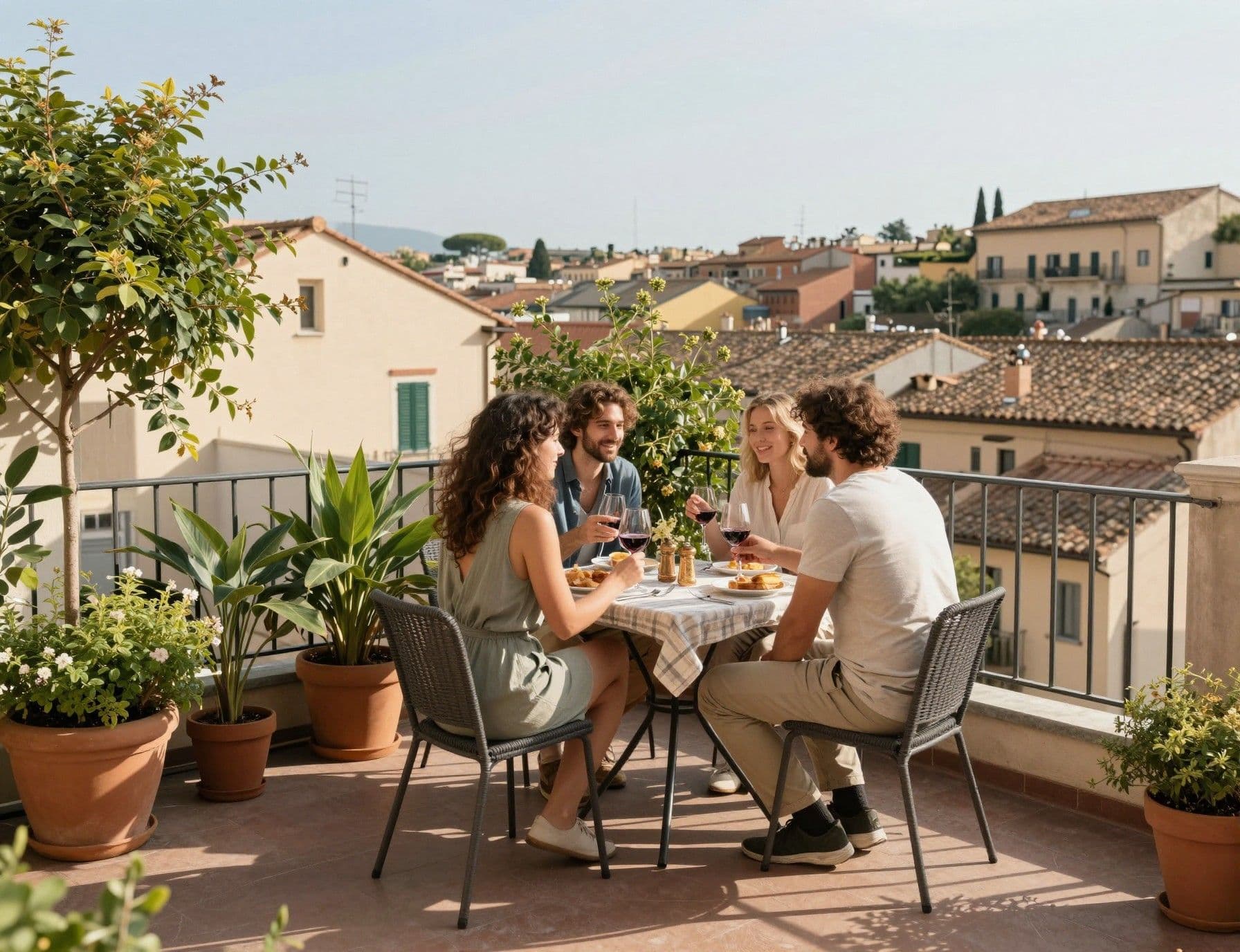
Porta Romana is quieter, good for families who want parks and bakeries; Navigli offers evening life and canal-side aperitivo culture. Walk down Via Conchetta at dusk and you’ll know why small terraces and open-plan kitchens sell here — the life is social, outdoors, and often staged around food.
Food, Markets and Daily Rituals
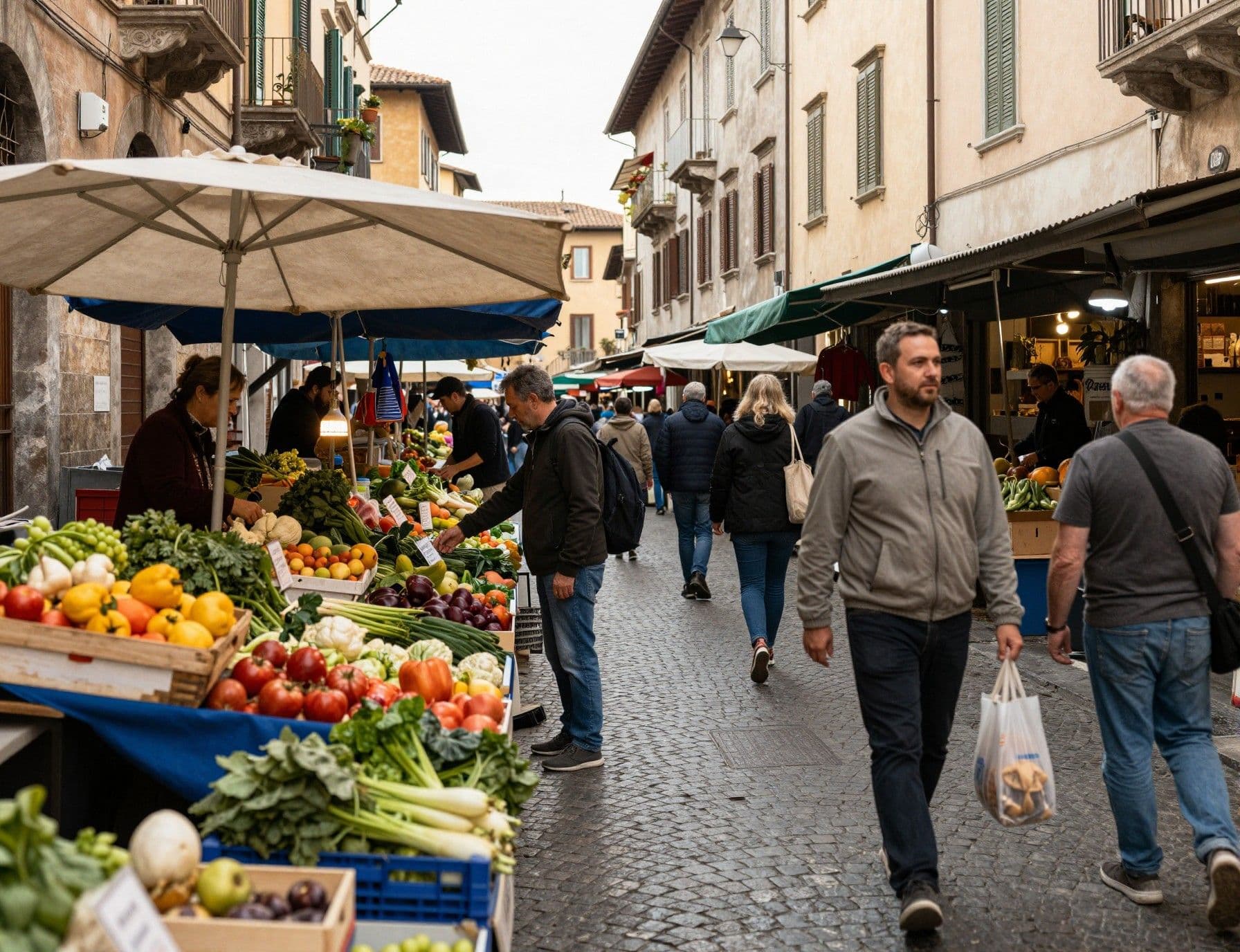
Morning markets shape shopping, kitchen layout choices and Saturday routines. From Palermo’s Ballarò to Florence’s Mercato Centrale, fresh commerce drives local life — and for buyers it means properties near markets hold lifestyle value (and often rental appeal). Recent market commentary shows demand concentrating in city hubs where these amenities exist.
- Daily-life highlights: espresso at Bar Luce (Milano), weekend produce at Mercato di Testaccio (Rome), aperitivo on the Navigli, an evening passeggiata along Lungomare (Naples), and truffle fairs in Alba during autumn.
Making the Move: Practical Considerations that Match the Life
You can love Italian life and still stumble on the logistics. Recent industry reports point to steady, city-led price growth and stronger investor activity in 2024–2025, which changes negotiation power depending on area and property type. Translate lifestyle priorities (markets, schools, nightlife) into search filters early — it saves time and prevents emotional overbids.
Property styles and how they affect daily life
Historic center flats offer immediacy: cobbled streets, nearness to cafes, but often limited storage, noisy summers and quirky layouts. Suburban townhouses give outdoor space and parking, ideal for families. New-builds near transport (e.g., Milan’s Porta Nuova developments) provide modern insulation and clearer paperwork — useful if you plan remote work or want predictable bills.
Work with experts who match lifestyle to legal reality
- Steps we recommend: 1) List 3 daily non-negotiables (school, market, commute) and map neighborhoods; 2) Ask agents for comparable day-to-day checks (noise at 8pm, waste collection days); 3) Inspect properties during a weekday and a weekend; 4) Request recent condominium minutes and utility costs to avoid surprises.
Insider Knowledge: What Expats Wish They'd Known
Here’s the honest talk: Italian bureaucracy is real, seasons shift neighbourhood life dramatically, and local customs affect everything from renovation timelines to how quickly you’ll make friends. ISTAT’s housing figures show price movements you should respect — but they don’t capture whether a street has a lively morning market or a community festival that defines the year.
Cultural integration, language, and the social scene
Language helps but isn’t mandatory in many expat pockets. You’ll integrate faster by joining local clubs (football, bocce, cooking classes) and shopping at the same market stall. Expect slower administrative responses — patience and a local fixator (an agent or avvocato) are worth their weight in saved time and stress.
Long-term lifestyle and investment realities
Buyers planning to rent part-time should focus on accessibility and year-round appeal — city centers and university towns perform differently from coastal holiday spots. Institutional interest in Italy is rising, which supports long-term price resilience in major hubs but can compress supply in popular districts.
- Red flags and local checks: 1) Incomplete condominium minutes or unpaid levies; 2) Lack of energy certificate (APE) or unclear building permits; 3) Properties adjacent to seasonal tourist hotspots that are quiet off-season; 4) Long-term flood or geological risk not disclosed in the deed.
- How to prioritise viewings: 1) Watch the street life at 8am and 8pm; 2) Listen for building sounds (elevators, HVAC); 3) Check sunlight on the terrace across seasons; 4) Talk to two neighbours about noise and maintenance.
Buying in Italy is about buying into a rhythm. Pick the rhythm you want — daytime markets and late dinners, quiet lanes and afternoon espresso, or a competitive city center address — and then map that rhythm to the practical facts: paperwork, local agents, seasonality, and real market data. That’s where good decisions live.
If Italy feels right, start with three neighbourhood visits across a week, bring a local agent who knows that rhythm, and ask for real running costs and minutes from the condominium. We’ll gladly introduce you to partners who combine neighbourhood taste with tight due diligence so you buy the life you saw at the café table — not just the listing photo.
Dutch relocation advisor who moved to Marbella in 2016. Guides Dutch buyers through visa paths, relocation logistics, and balance of lifestyle with value.