Italy’s Urban Price Illusion — Where Value Hides
Cities in Italy hide value if you look by neighbourhood, not headline price — practical steps and local examples to match lifestyle to smart buying.
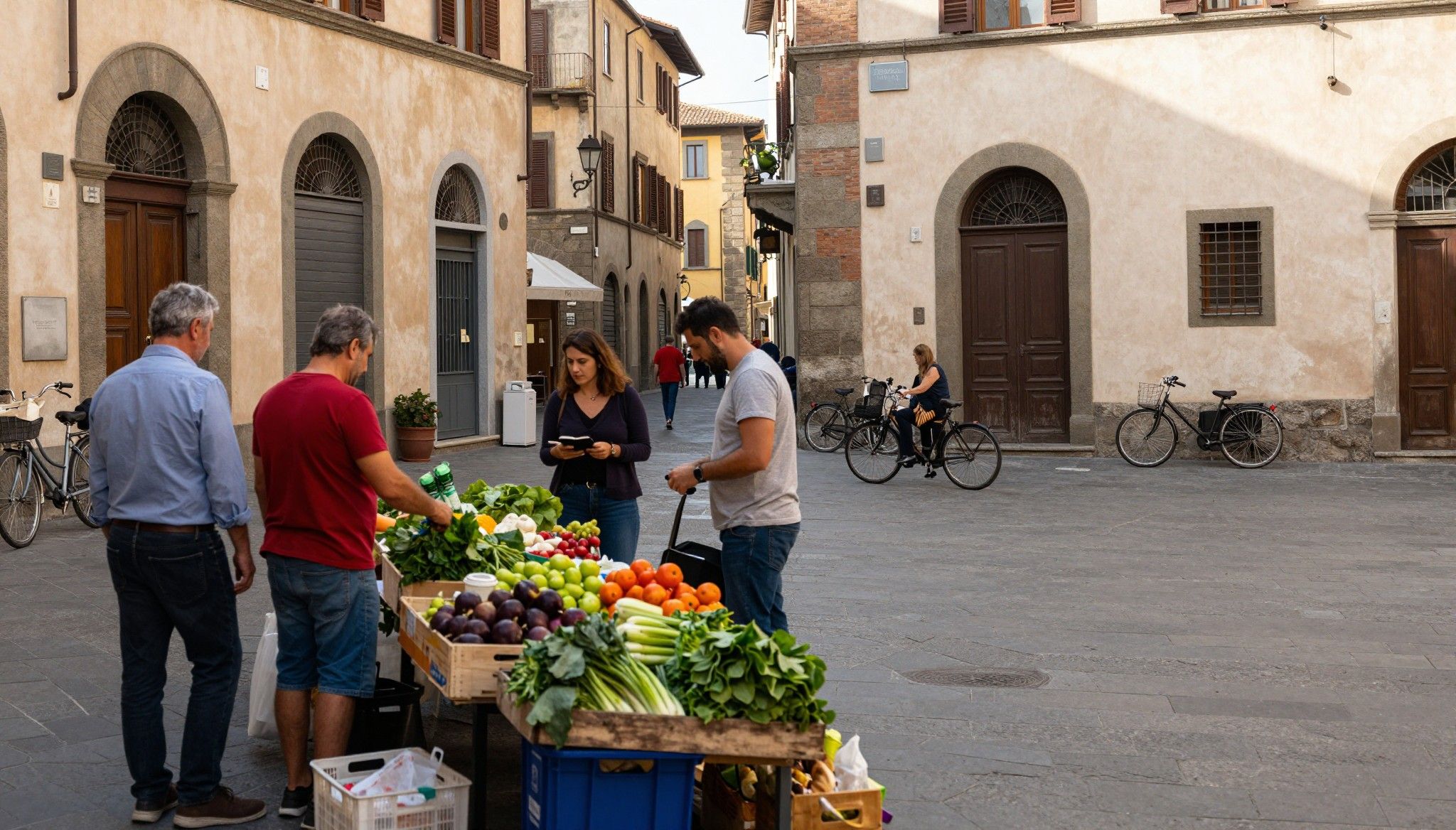
Imagine an espresso on a narrow Roman morning street — steam, Vespa chords, marble stoops — then imagine paying less per square metre than the headline suggests. Italy's big-city real estate story isn't one number; it's a collage of neighbourhoods where the dream and the price diverge. We start with the lived-in scenes because that’s what you’ll buy: a way of life, not just a floorplan. But we also anchor that romance in data so you don't buy a story without knowing the ledger.
Living the Italy urban life
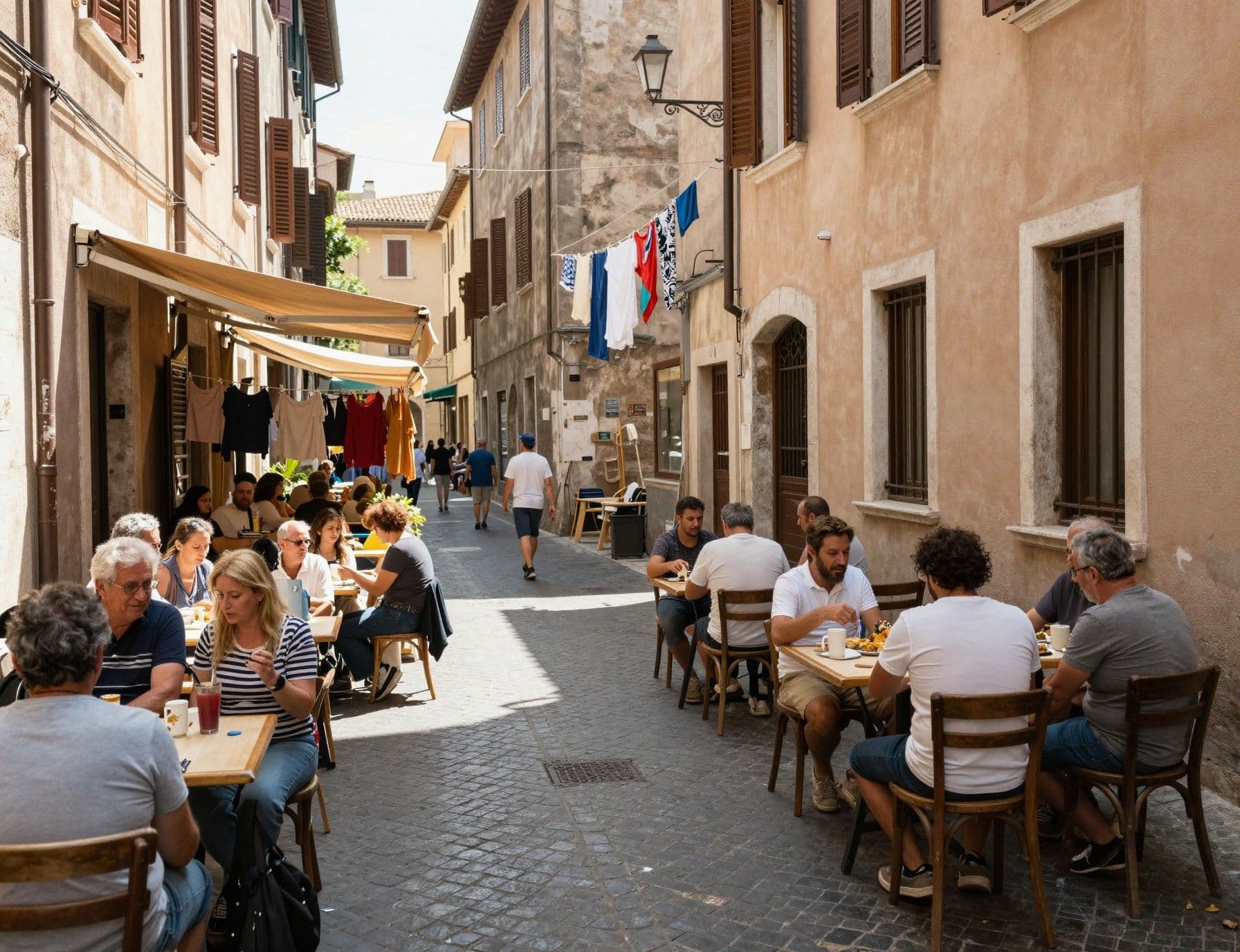
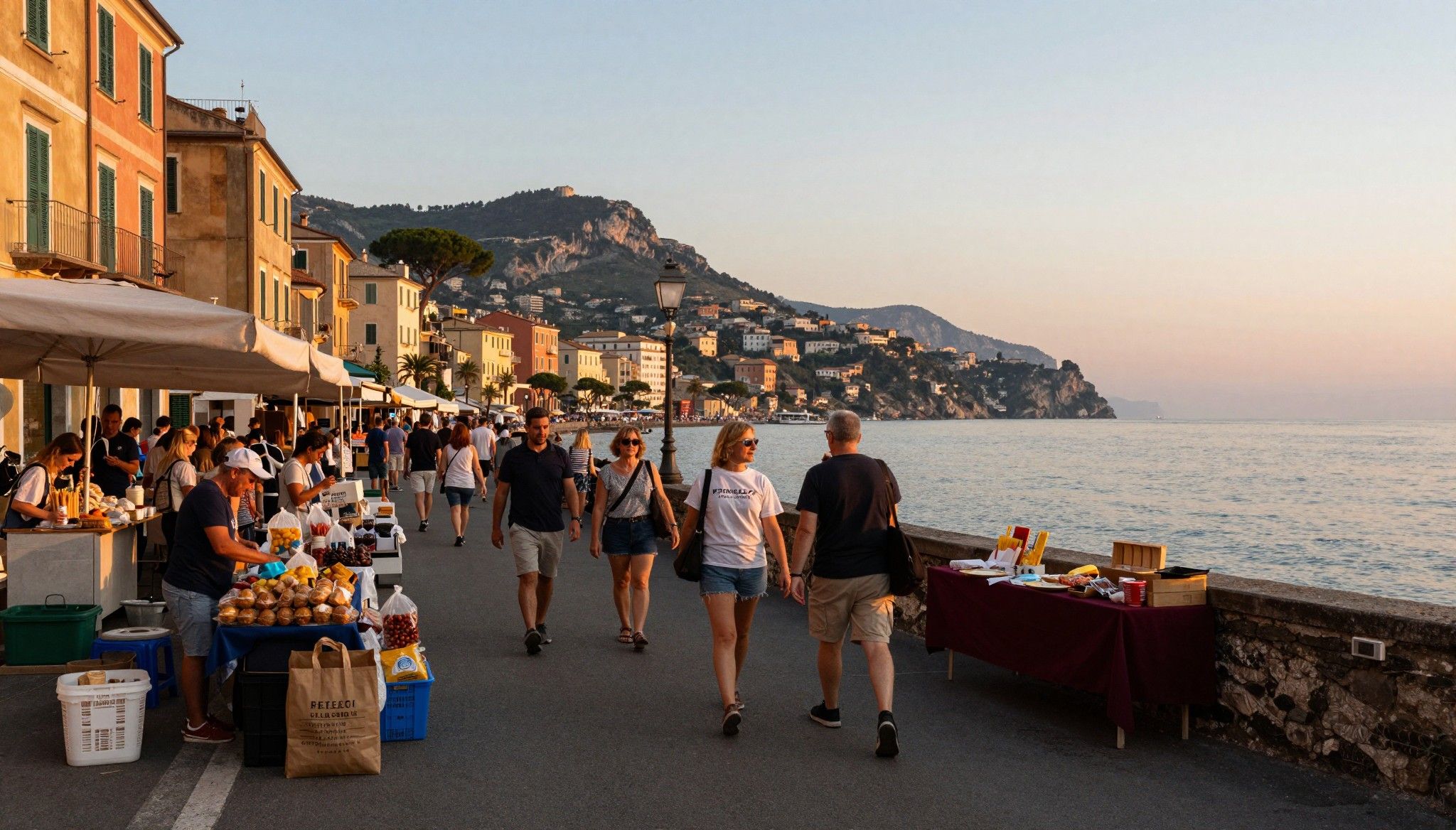
Cities like Rome and Milan are sensory feasts: market stalls at dawn, aperitivo spillovers at dusk, and museums that feel like neighbourhood living rooms. Yet national portals and market analyses show different dynamics by district — Rome posted higher average growth in 2025 while Milan's increases were steadier. That means your buying strategy should be neighbourhood-first, not city‑first: some streets feel expensive but hide accessible pockets two blocks away. We’ll name those pockets and explain why they matter for life and for value.
Milan: work, design and night cafés
Milan hums with productivity: finance around Porta Nuova, fashion in Brera, and student energy in Città Studi. Streets like Via Tortona and the Navigli canal offer café life and evening crowds, while pockets such as Scalo di Porta Romana and NoLo have seen rapid price discovery — they still deliver design studios and lively markets at a fraction of central Duomo rates. If you want a daytime neighbourhood café habit and a short commute, consider semi-central areas that trade tourist polish for lived-in authenticity.
Rome: ancient bones, modern rhythms
You can have a morning passeggiata in Trastevere and a rooftop aperitivo in Prati on the same weekend. Rome’s historic centre commands the highest per-square-metre prices, but neighbourhoods like Garbatella and Pigneto are where creative families and younger professionals find better value and community. Think of central Rome as a museum you live inside, and outer central neighbourhoods as villages within a metropolis: similar textures at different price points.
- Lifestyle highlights to taste and test
- Sunrise espresso at a caffè on Via del Governo Vecchio (Rome); weekly produce at Mercato Centrale (Florence and Rome); aperitivo along Navigli (Milan); weekend hikes and slow lunches in Colli Bolognesi (Bologna); Sunday beach escape to Lido di Ostia for Romans.
Making the move: practical considerations
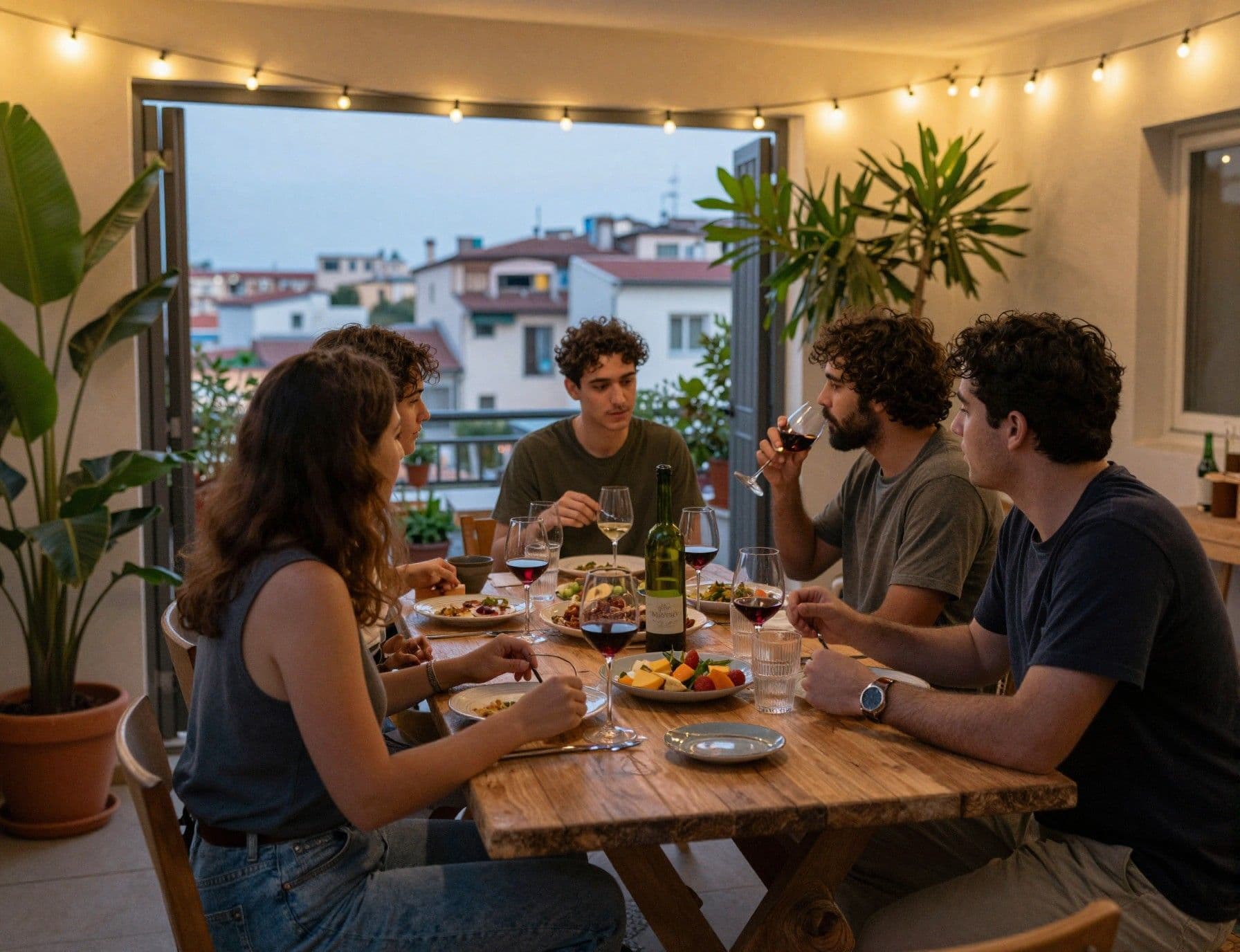
Lifestyle sells the dream, but paperwork closes the deal. Recent market overviews show modest national price rises and strong transaction volumes: Nomisma recorded resilience in 2025 while consultancy reports point to steady prime-market demand. For international buyers that means two things: expect competition in prime pockets, and expect attractive value in well‑connected secondary streets. Work with agents who map both lifestyle fit and transaction history — not just show you pretty photos.
Property types and how they shape daily life
Historic apartments with high ceilings, shutters and original floors feel cinematic but often require maintenance and specialist restorations. New-builds and refurbished lofts in Milan and Bologna offer elevator access, insulation and modern services — easier for long-term rentals and remote work. Choose by routine: if you crave terrace breakfasts and late-night street life, a compact central flat will deliver; if you want a garden and quiet for family life, aim for upper-turn suburbs or smaller regional cities with good rail links.
How local experts match lifestyle to listings
1. Ask your agent for recent transaction records on the specific street you like; compare advertised price to what actually sold. 2. Request a walk‑through at three different times of day to test noise, sun and foot traffic. 3. Get a local budget for building maintenance (condominio) — this often surprises buyers on older buildings. 4. Have an architect or builder estimate renovation time and cost before the offer; older fabric hides work. 5. Confirm transport links and commuting times using local timetables rather than broad distance measures.
Insider knowledge: what expats wish they'd known
Expats often arrive enchanted and then meet realities: administration takes patience, smaller shops close earlier than you expect, and seasonal rhythms reshape neighbourhood life. The OECD notes demographic and fiscal trends that influence housing supply and taxes, which means your lifestyle costs can shift over time. The best buyers combine a sense of place with contingency funds and flexible timelines — buy the neighbourhood you can genuinely live in, not the one you only visit on holiday.
Cultural integration and day-to-day life
Learn a few phrases, find the mercado vendor you like, and attend a local festa — these are faster routes to community than formal clubs. Neighbourhood bars in Italy are small social hubs and will introduce you to routines: laundry days, morning markets, and where to get the best focaccia. If you’re moving with children, visit local schools and playgrounds repeatedly; where families gather reveals long‑term neighbourhood health.
Long-term lifestyle and investment horizons
- Treat Italian property as a long game: expect moderate appreciation in major hubs, stronger demand for well-served neighbourhoods, and above-average rents in tourist‑proximate central areas. Look for good energy performance and adaptable spaces that can swap between family life, short-term rental, or remote-work layouts. Preserve liquidity: renovation timelines and condo rules can delay occupancy and cash flow.
Conclusion: Italy offers a powerful mix of daily pleasure and practical upside, but only if you look past city averages and buy where life actually happens. Start with neighbourhood walks, verify transaction records, and brief an agent who understands both the espresso‑hour scene and the sale ledger. If you want help mapping lifestyle priorities to streets with smart value, we can introduce agents who do both — and who will tell you the parts of the city to love, and the parts where the price outstrips the life.
Norwegian market analyst who serves Nordic buyers with transparent pricing and risk assessment. Specializes in residency rules and tax implications.