Italy’s Urban Heart: Where Life Outvalues Price
Italy’s cities hide lifestyle value beneath headline prices — pair neighbourhood visits with market data to buy the life you actually want.
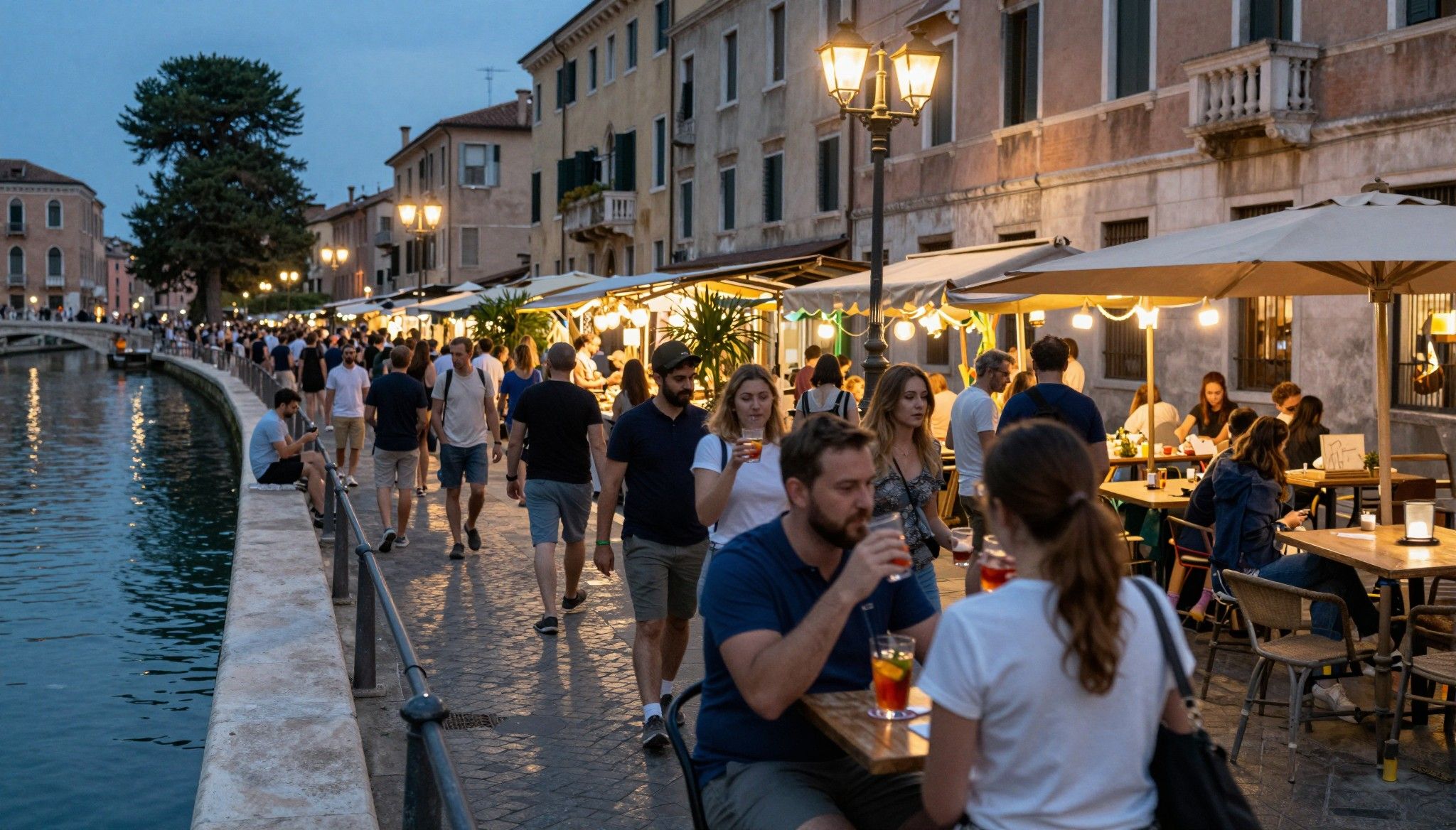
Imagine walking out of a tram in Navigli at dusk, the canal lights reflected in an espresso cup, then picturing the same evening in a narrow alley in Trastevere or a piazza by the Duomo. Italy moves at multiple paces at once: slow lunches and fast metro commutes, centuries-old facades and slick new developments. For international buyers the romance is obvious; the hard part is turning that romance into a neighbourhood you can actually live in. Recent market reports and national data help separate the postcard from the everyday — and that’s where smart buying starts. (See Nomisma's 2026 report.)
Living the Italy Lifestyle — city rhythms that decide where you buy
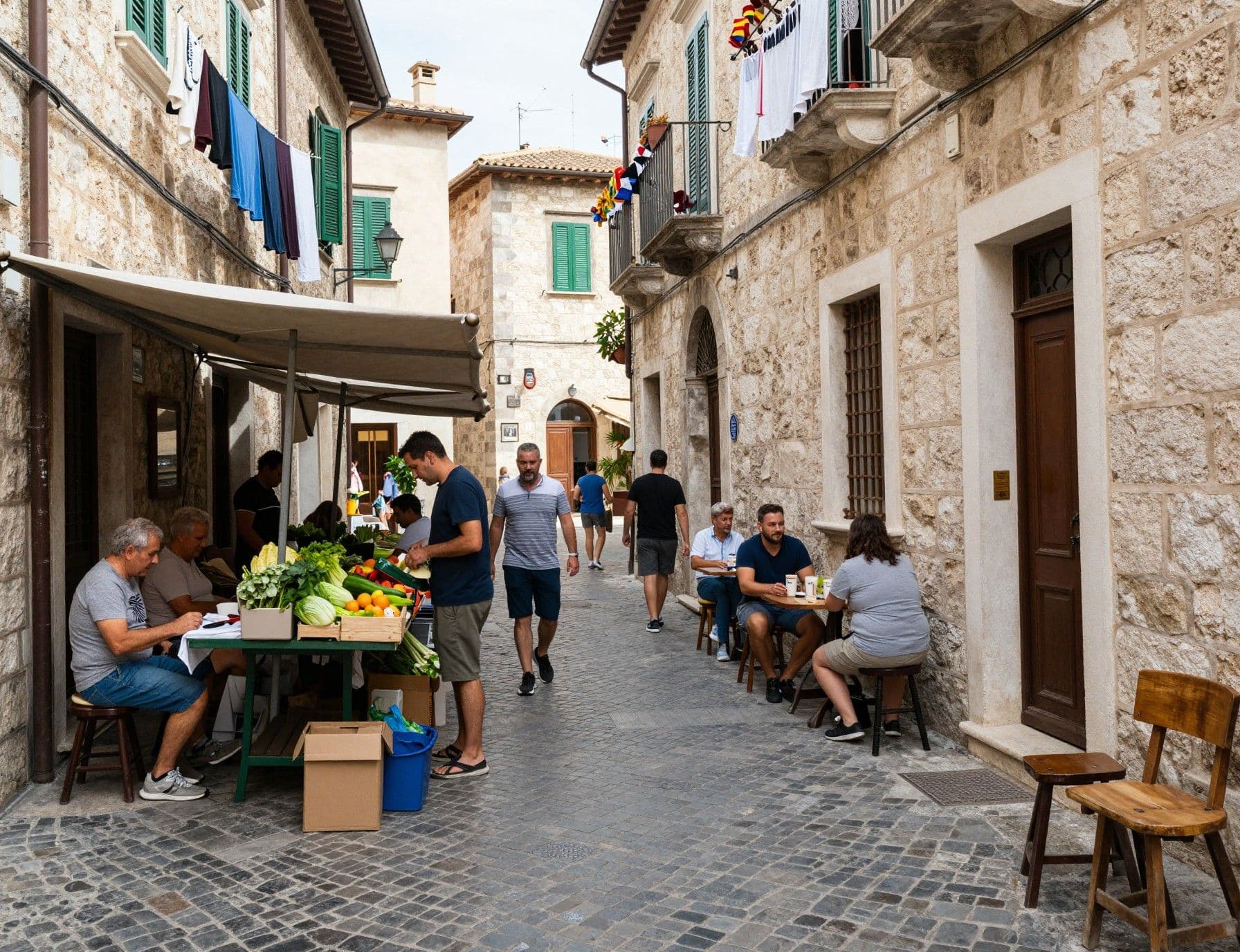
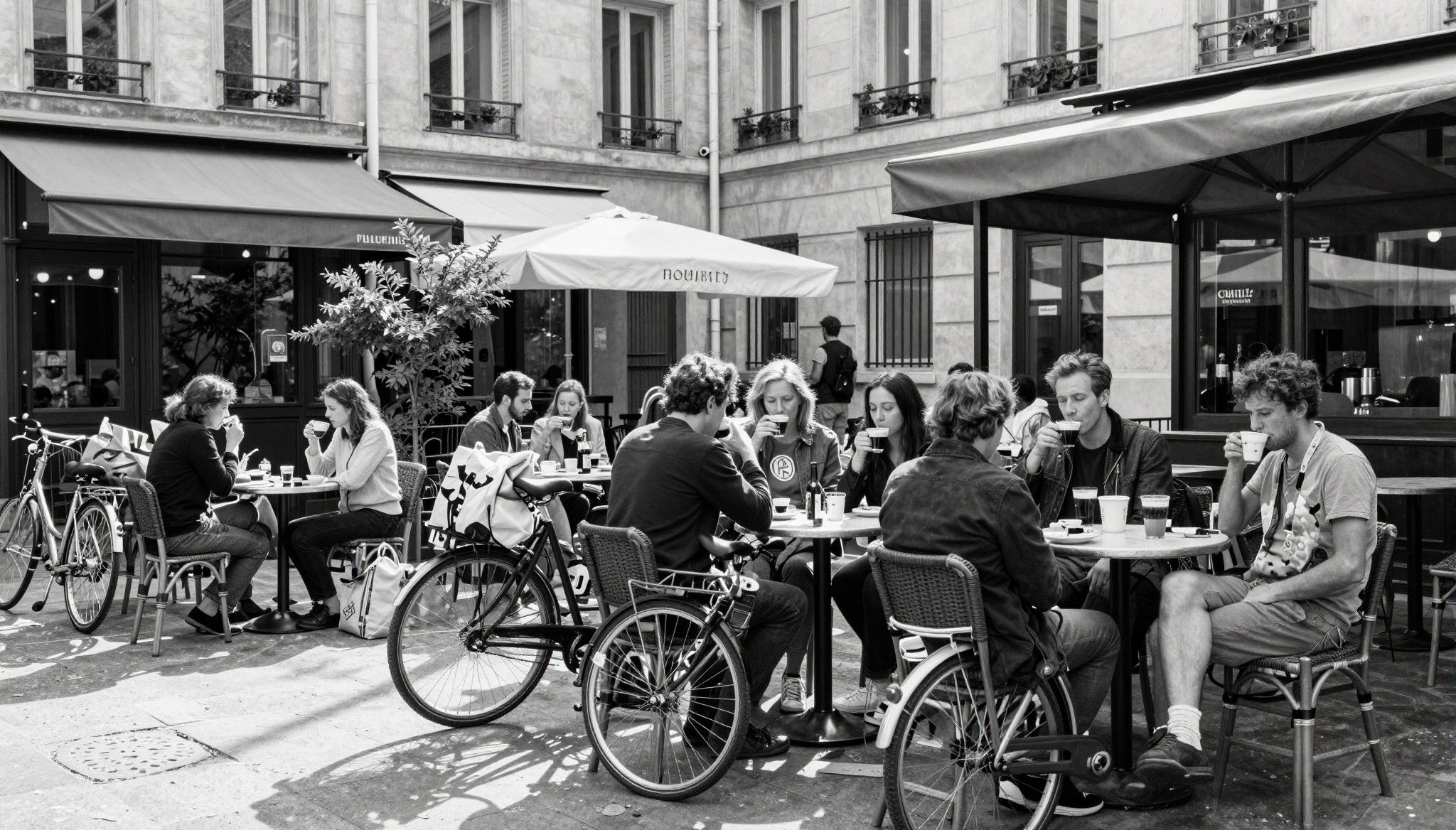
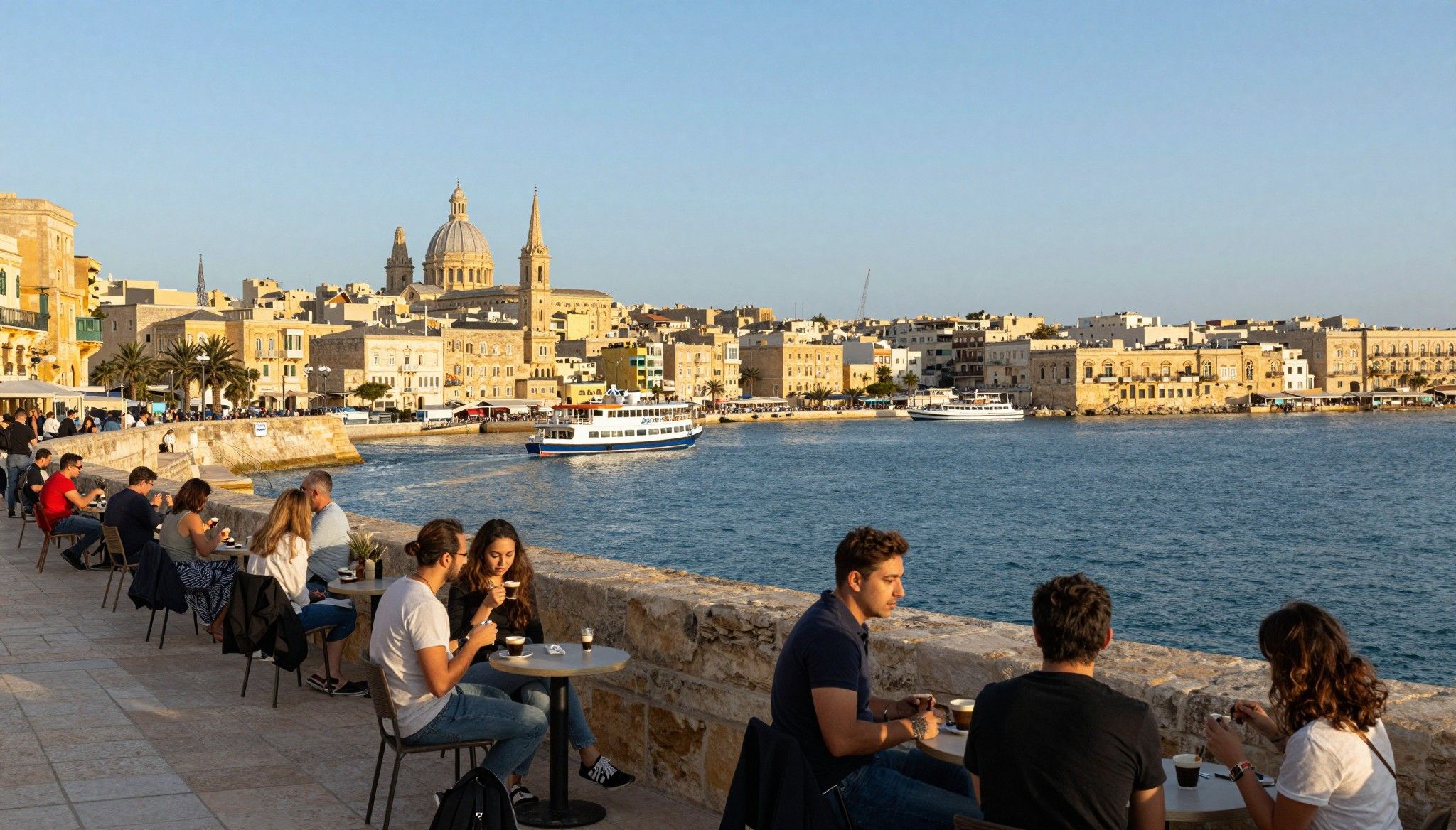
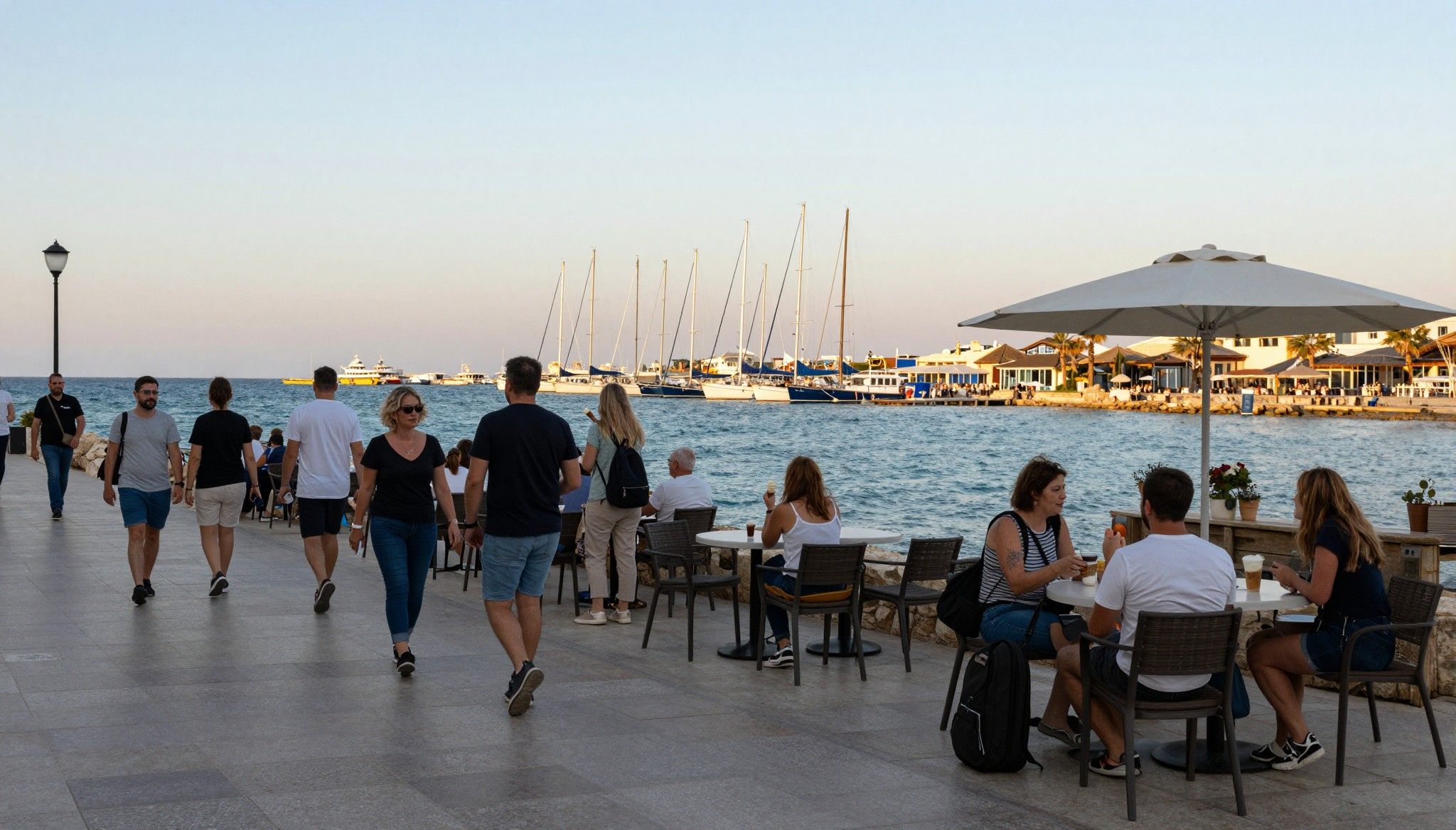
Daily life in Italy is sensory and neighbourhood-led: morning markets, bar stools for espresso, late-night aperitivo, and strikingly different Sundays depending on region. In Milan the rhythm is business and aperitivo; in Rome it’s piazza politics and meandering Sundays; in Bologna it’s markets and university energy; in Naples it’s street life, coffee and family. Those rhythms change what people value in a home — a terrace for summer dinners matters more on the Amalfi coast than it does in a compact Milanese loft. Official data show price growth varies by zone and stock; reading the numbers alongside how you want to live will keep you from paying for the wrong thing. (Istat’s House Price Index helps map those differences.)
Milan: canals, design and commuting trade-offs
Milan shows the clearest split between old-brick tradition and new glass towers: Brera and the historic centre trade space for atmosphere, while Porta Nuova and Isola offer newer builds and better floor plans for remote work. Prices vary block by block — the premium is often for light and layout rather than an address alone. If you need quick airport and train access, look at Porta Venezia or Città Studi; if you want canals and nightlife, Navigli or Porta Genova make more sense. Checking marketplace snapshots — like those from local portals — will help you compare micro-prices rather than city averages. (See Idealista for recent city figures.)
Rome, Naples, Bologna: history, intensity and space choices
In Rome, owning a flat near Trastevere or Campo de' Fiori means living inside a tourist loop — wonderful for atmosphere, trickier for everyday groceries and parking. Bologna’s porticoes and university scene attract families and academics who prize larger apartments and local markets. In Naples, the street culture is unmatched, and buyers who accept lively exteriors often find better value. The question for buyers is never just price per square metre; it’s how that square metre supports your day-to-day: morning coffee, after-school pick-up, or an easy commute to a client meeting.
Lifestyle highlights to compare when you’re choosing a neighbourhood:
Morning markets: Mercato Centrale (Florence), Mercato di Porta Palazzo (Turin), Mercato di Testaccio (Rome).
Coffee rituals: espresso at a standing bar (Naples, Rome), slow café culture (Bologna), fashionable cafés and design stores (Milan, Brera).
Outdoor escapes: Parco Sempione (Milan), Villa Borghese (Rome), the Lido and beaches an hour from Genoa or Bari.
Making the Move: practical considerations that preserve the lifestyle

Turning lifestyle preferences into a purchase requires matching style to structure: period apartment vs new build, terrace orientation, insulation for winter, lift access, and flexibility for short-term rentals. Macro data tell us the market is steady but selective — demand remains solid in urban hubs even as financing tightens. Work with advisors who can quantify how a neighbourhood’s rental appeal, renovation potential, and seasonal tourism affect both lifestyle and return. The Bank of Italy’s recent analysis outlines those broad risk factors and regional divergences you should weigh.
Property types and what they mean for daily life
Historic apartments often give you high-ceilings and location but can carry quirks — stair-only access, quirky layouts, and older systems that need work. New developments trade charm for comfort: better insulation, parking, and elevators that make life easier if you plan to age in place. For families, proximity to schools and parks trumps instant centrality; for remote workers, stable internet and quiet afternoons matter more than a landmark view. Think less about headline price and more about what the floor plan will let you do every day.
Working with local experts who know the life you want
The right agent is someone who can steer you to properties that match how you actually live: weekday routines, weekend habits, and the type of neighbours you want. Ask agencies about comparable sales on the exact street — not the whole district — and request energy certificates, condominium minutes, and recent renovation receipts. Good local counsel will introduce you to reliable architects and installers who understand Italian heritage rules, building consortia (condominio) customs, and seasonal maintenance needs. That local network saves money and preserves the lifestyle you came for.
Steps to reconcile lifestyle with a practical purchase:
List the three daily non-negotiables (work commute, food shopping, green space) and assign them to neighbourhoods you like.
Visit those streets in the morning, midday and evening — real life at different hours reveals noise, deliveries and social patterns.
Ask your agent for an itemised running cost estimate: utilities, condominio fees, expected maintenance and a realistic renovation quote.
Insider Knowledge — what expats wish they’d known before buying
A few candid points from people who’ve done it: neighbourhood charisma doesn’t pay the bills; energy efficiency does. Many buyers fall for cobbled streets and façade charm, then lose patience with damp basements or tiny kitchens. Another common surprise: Italy’s condominio culture means rules about pets, subletting and renovations can be strict and slow. Use neighbourhood visits to check not just cafes but the practicalities you’ll live with every week.
Language, integration and daily courtesies
You don’t need full fluency to live well, but learning basic neighbourhood phrases changes how people treat you. Introduce yourself to the local barista, the greengrocer and the building custode — these quick connections make practical things easier and speed integration. Schools, sports clubs and civic events are where expats meet locals; neighbourhood festivals and mercato days accelerate friendships and reveal hidden services. Invest a little time in local etiquette and the city becomes more usable, faster.
Long-term lifestyle questions that affect property choice
Ask yourself: do you want a weekend pied-à-terre or a full-time home? If the former, prioritise low-maintenance condos near transport links; if the latter, prioritise community, schools and year-round services. Think five years ahead: will your family need extra bedrooms, or will you trade space for location as you age? Properties that flex with life changes preserve not only value but the life you bought them for.
Conclusion — fall in love first, then quantify the life you chose
Italy rewards buyers who prioritise lived experience over headline deals. Start with the life you want — morning market runs, a terrace for summer dinners, or a short commute to clients — then use the data to check that neighbourhoods will deliver that life sustainably. Look at Istat and market reports to verify trends, work with local agents who can show you exact-street comparables, and plan for renovation and condominium realities. Fall in love, then ask the right questions — that’s how you buy the life, not just the postcard.
Swedish expat who moved from Stockholm to Marbella in 2018. Specializes in cross-border legal navigation and residency considerations for Scandinavian buyers.