Malta’s Urban Hubs: Life, Trade‑offs & Local Truths
Malta’s charm is immediate — rooftop terraces, promenades, and village rituals — but buyers must match lifestyle with tight urban supply, realistic budgets and local know‑how.
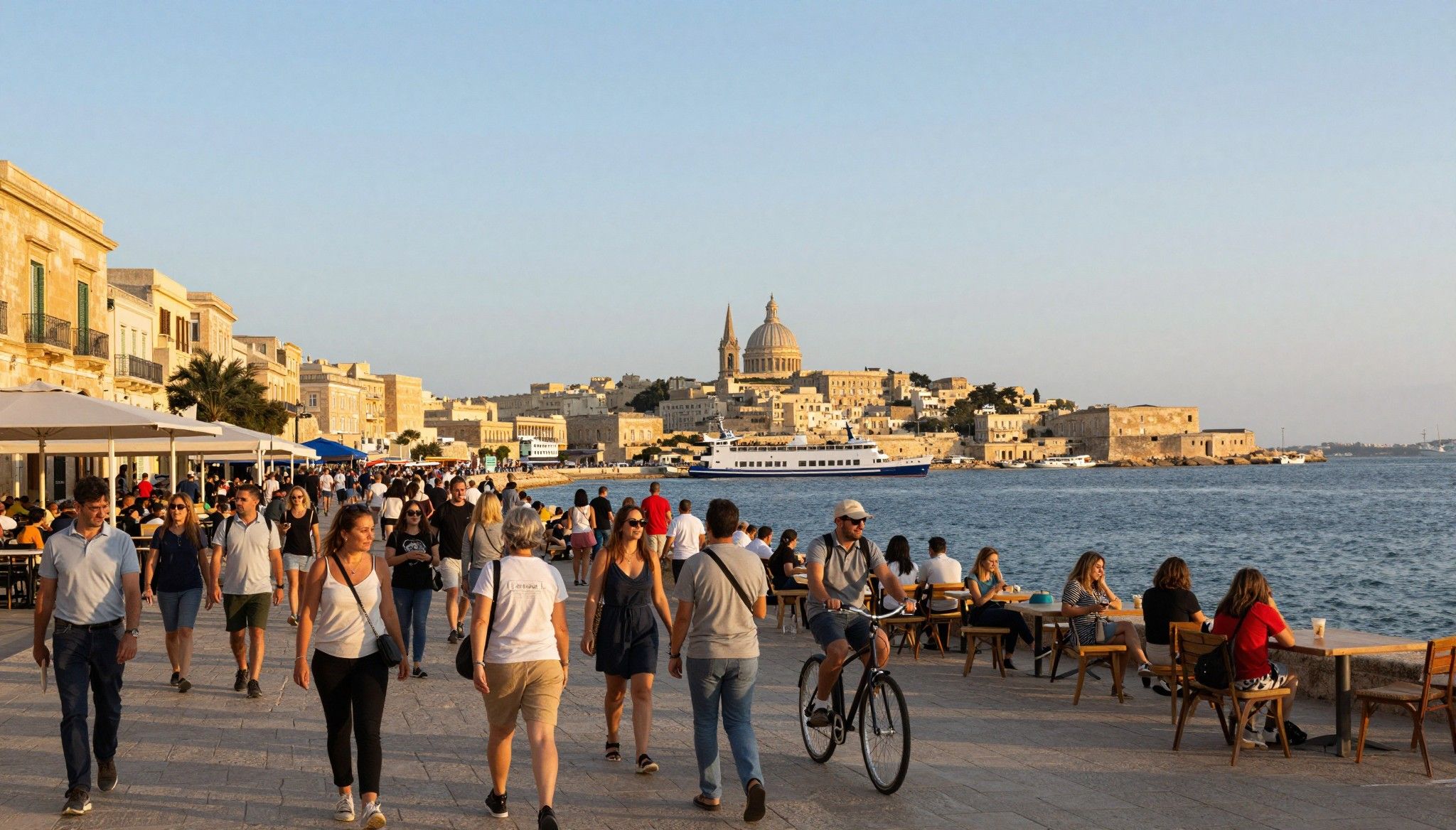
Imagine stepping out of a narrow limestone lane into a sunlit terrace café in Sliema, espresso steaming, ferries carving silver lines across Marsamxett Harbour. That compact sense of arrival — history within walking distance, the sea always a short walk away — is what draws so many internationals to Malta. Yet behind the postcard there are real trade-offs: tight supply in premium pockets, a market concentrated in a few urban hubs, and residency rules that reward specific purchase patterns. We want you to fall in love — and then make a clear, confident plan.
Living the Malta lifestyle
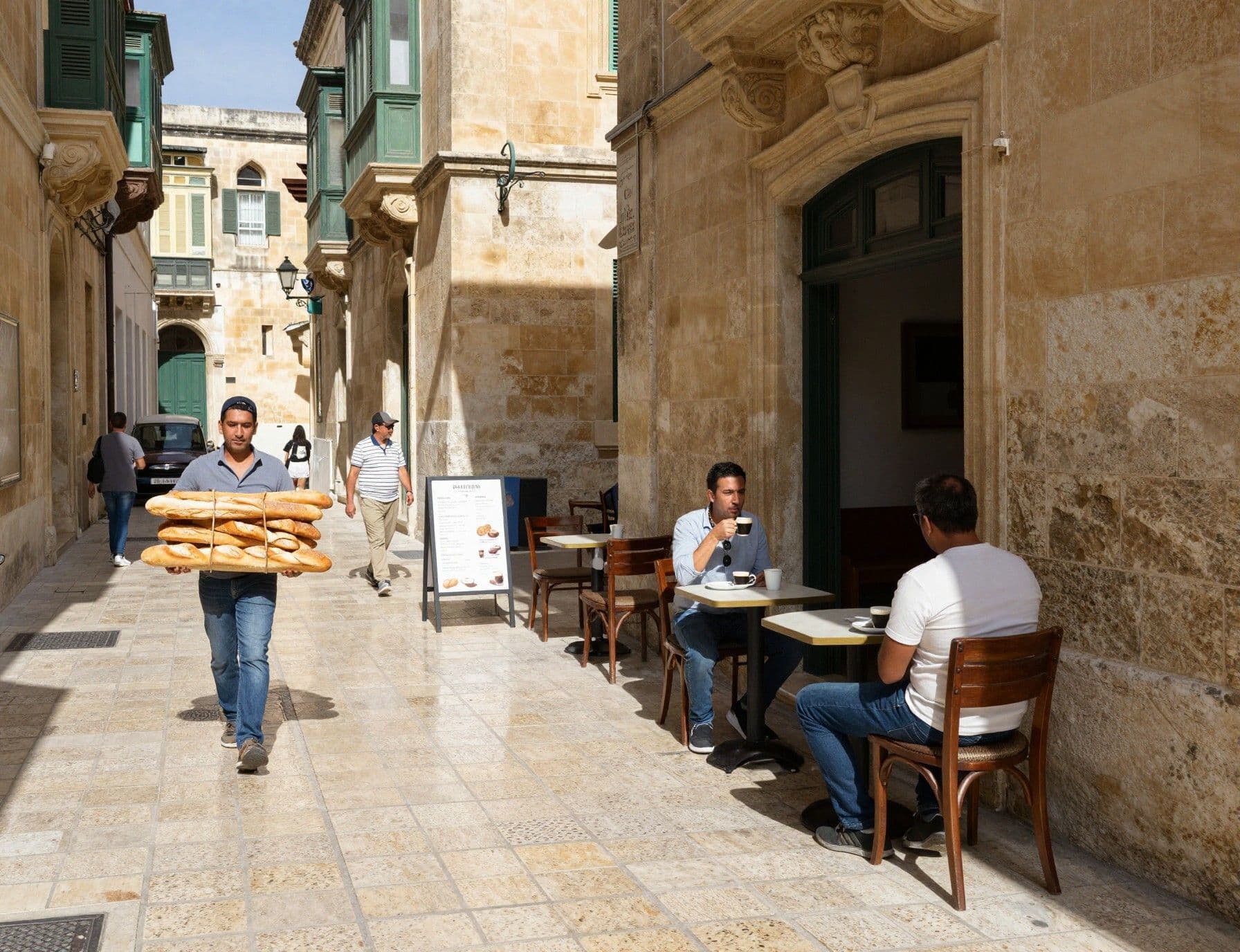
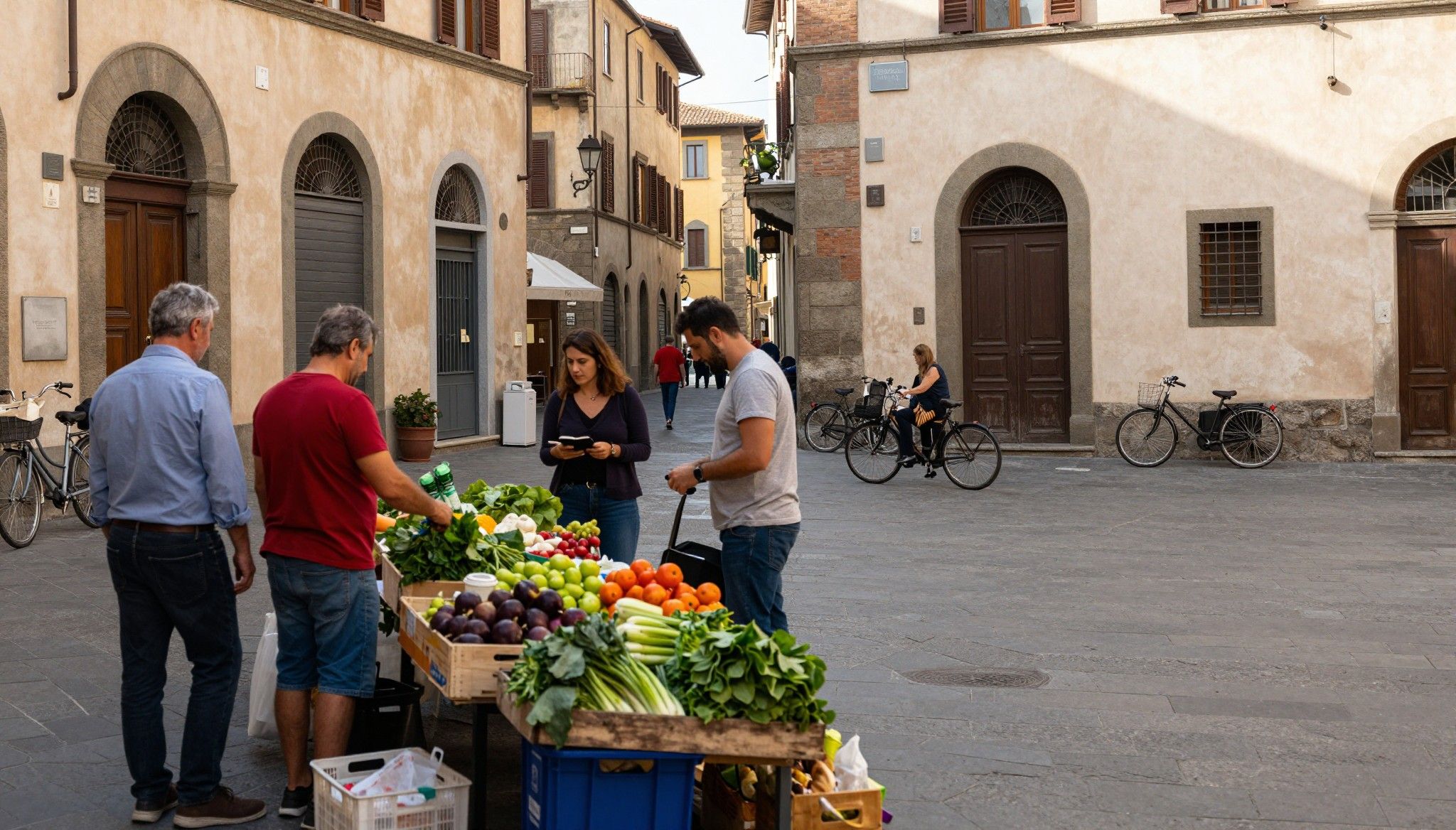
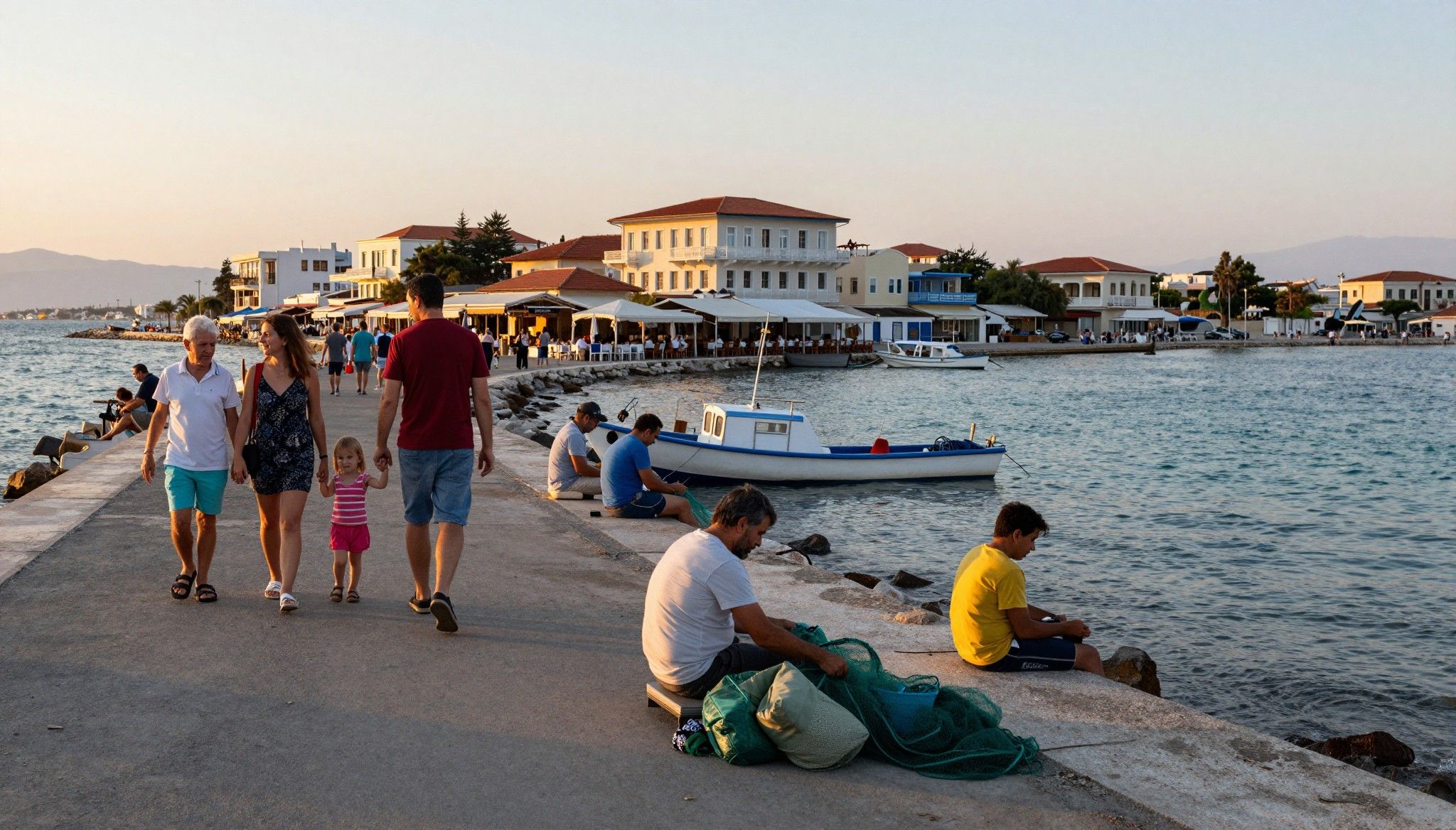
Malta moves at a Mediterranean tempo: mornings are for markets and quick coffees, afternoons for cliff swims or siestas in quiet bays, and evenings for long seafood dinners under string lights. English as an official language flattens the learning curve; parish festas and village rhythms teach you the social map. For buyers, that means lifestyle choices are intensely local — each neighbourhood feels like its own miniature town, and where you buy changes how you live.
Valletta and the old-town intimacy
Valletta is limestone theatres, tight streets, and an afternoon that smells of baked bread and sea salt. Living here means cathedral bells, rooftop terraces with harbour views, and a walking life where everything is a short stroll. Apartments are often in historic palazzini with dramatic internal proportions — charming, but expect compromises on modern storage and parking.
Sliema, St Julian’s and the promenade life
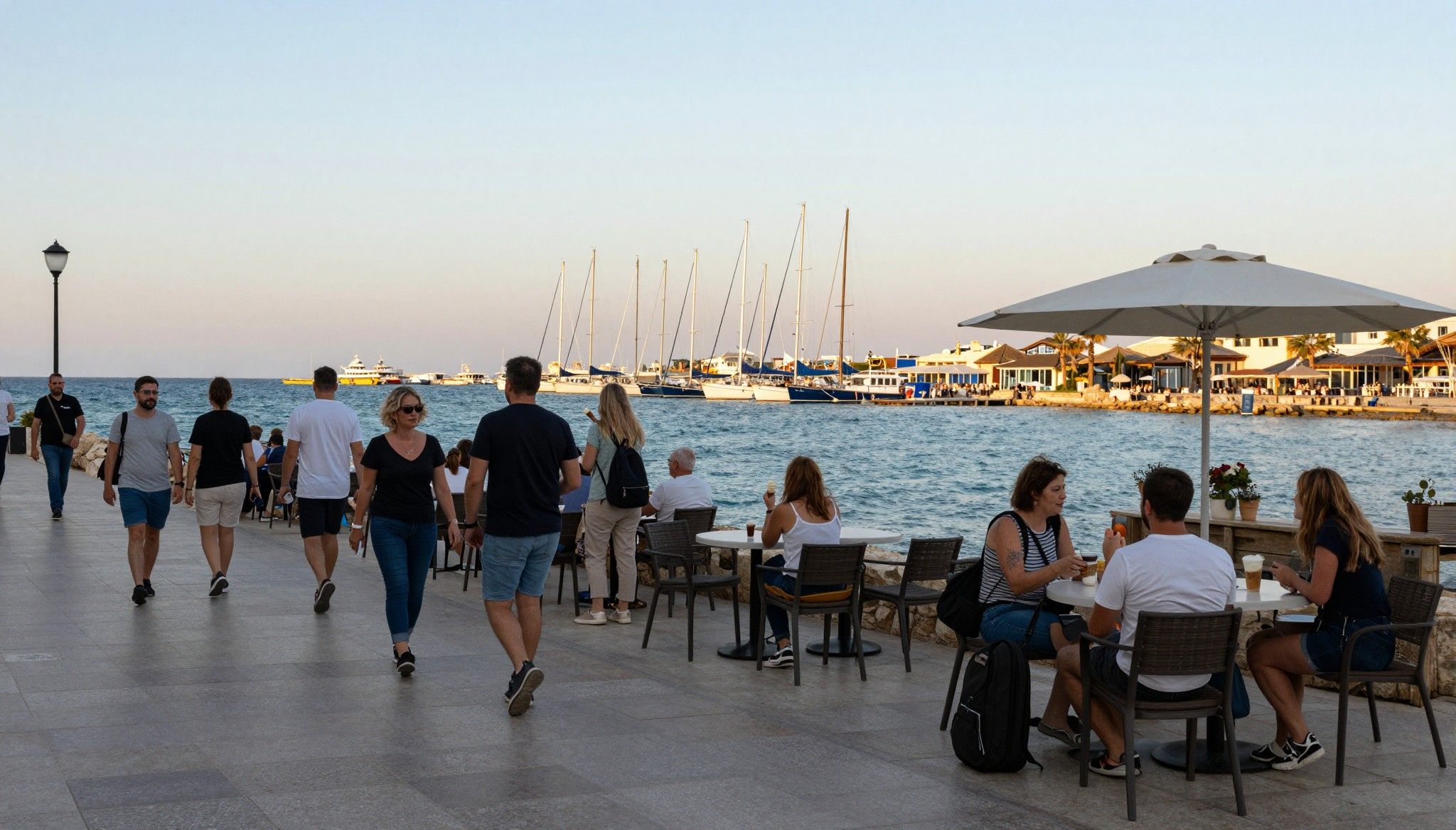
Sliema and St Julian’s are the island’s modern heartbeat: waterfront promenades, espresso bars open at eight, evening promenades and a strong expat community. These areas suit buyers who want convenience — cafes, ferries to Valletta, and many international services. Be prepared for denser development and premium per-square-metre pricing in the most walkable strips.
- Sea-scented mornings on the Sliema promenade; Valletta rooftop sunsets; late-night dining in Paceville (for the energetic); Sunday fish at Marsaxlokk market; hidden cliff bays in the north like Armier; neighbourhood festas in small towns.
Making the move: practical considerations
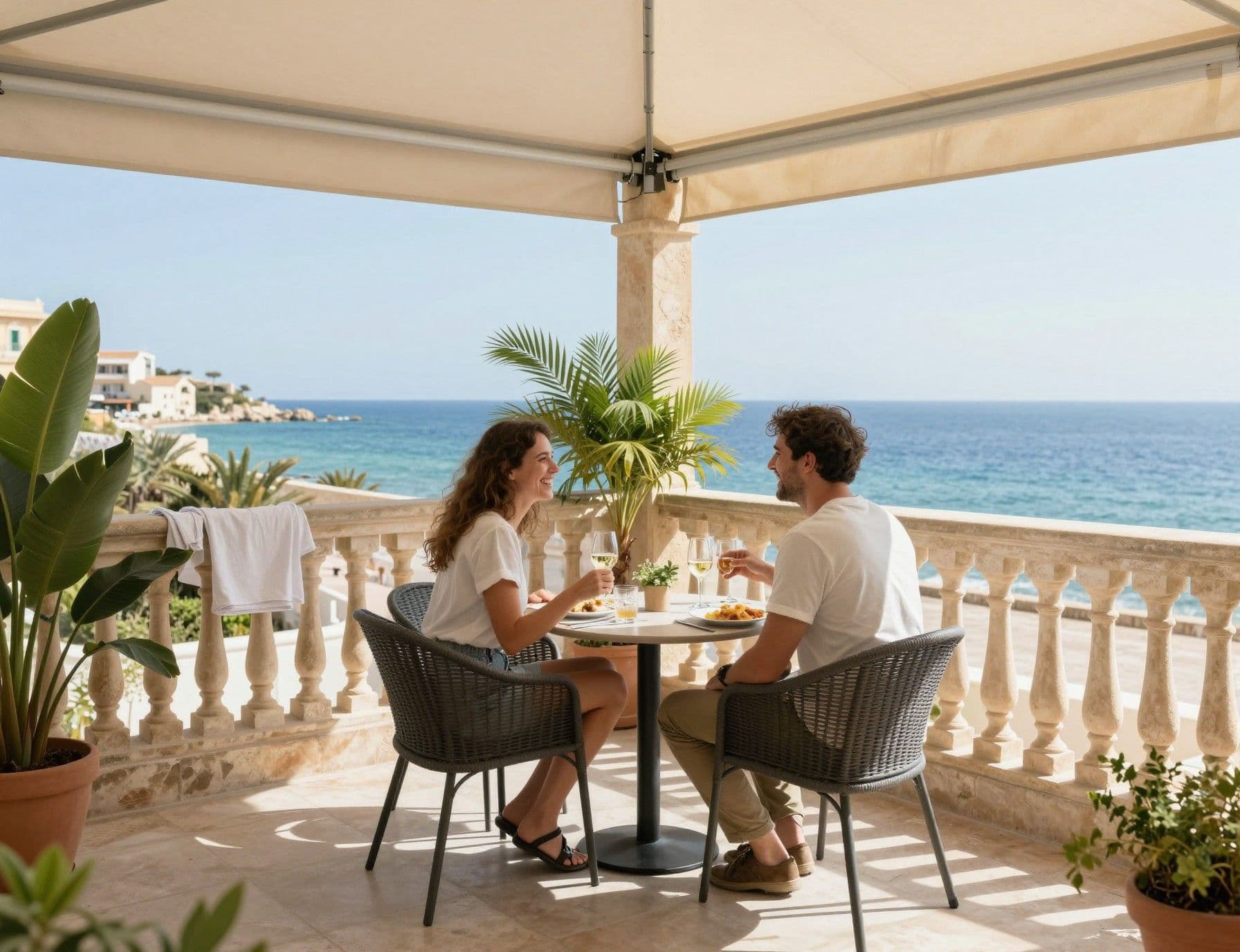
Matches between lifestyle and property are not automatic. Demand clusters in a few urban hubs — Sliema, St Julian’s, Gżira and Valletta — and average asking prices there sit above national medians. Supply is tight in premium promenades, so finding a terrace-with-view often takes patience and local access. Good local data helps: consult recent price reports and agency listings before you commit.
Property styles and how you’ll actually live
Choose a period palazzo if you want character and indoor volumes; choose a modern penthouse on Tigné Peninsula for terraces and thermal performance; choose a seafront apartment in Sliema if you want the promenade life. Each comes with practical trade-offs: older buildings may need structural or drainage work, modern blocks can charge high maintenance fees, and parking is a premium everywhere.
Working with local experts who know the life
- 1. Ask an agent for neighbourhood walk-throughs timed to different hours to check noise and light. 2. Request recent condo-management accounts and roof/drainage reports before offers. 3. Confirm residency or permit implications tied to the property (some permit rules reference minimum values or locations). 4. Insist on local notary recommendations and an English-competent solicitor to explain contract clauses.
Insider knowledge: what expats wish they'd known
Expat buyers tell us they underestimated two things: how quickly premium pockets fill and how local patterns determine everyday life. The IMF notes market concentration and steady growth — meaning prices can nudge upward in popular hubs. That’s not an argument to rush; it’s an argument to be precise about where you want to live and why.
Cultural integration and the social map
English eases daily life, but the social keys are local rituals: regular café haunts, involvement in parish festas, and time spent at community spots. Neighbourhood acceptance often follows visible, repeat presence — the same person, same café, same terrace. That’s how you move from tourist to local, and where agencies that understand lifestyle matching provide real value.
Long-term lifestyle checks
- Check building management reserves; visit in winter to test wind and light; confirm broadband and co-working proximity if you work remotely; inspect nearby ferry and bus connections; factor parish festa noise into evening plans.
If Malta’s compactness and bilingual ease speak to you, the rest is logistics — the purchase steps, the right solicitor, a realistic budget for upkeep, and a local agent who knows which lanes hide the best terraces. We’ve toured dozens of properties across Valletta, Sliema and St Julian’s; the ones that feel like home pair sensible due diligence with time spent in the terraces and cafés until the place grows familiar. When you’re ready, start with a neighbourhood brief — not a property list — and let lifestyle steer the search.
Next steps: spend 48 hours in your shortlisted area (morning market, midday quiet, evening dining), ask your agent for recent condo accounts, and request an independent building inspection before signing. These three moves protect both the dream and the deposit.
Danish investment specialist who relocated to Costa del Sol in 2015. Focuses on data-driven market timing and long-term value for Danish buyers.