Cyprus: Life, Title Deeds and the Small Print
Fall for Cyprus’ sunlit rhythms—but check the title deed, VAT on new builds and tiered transfer fees; official indices show rising prices with deceleration regionally.
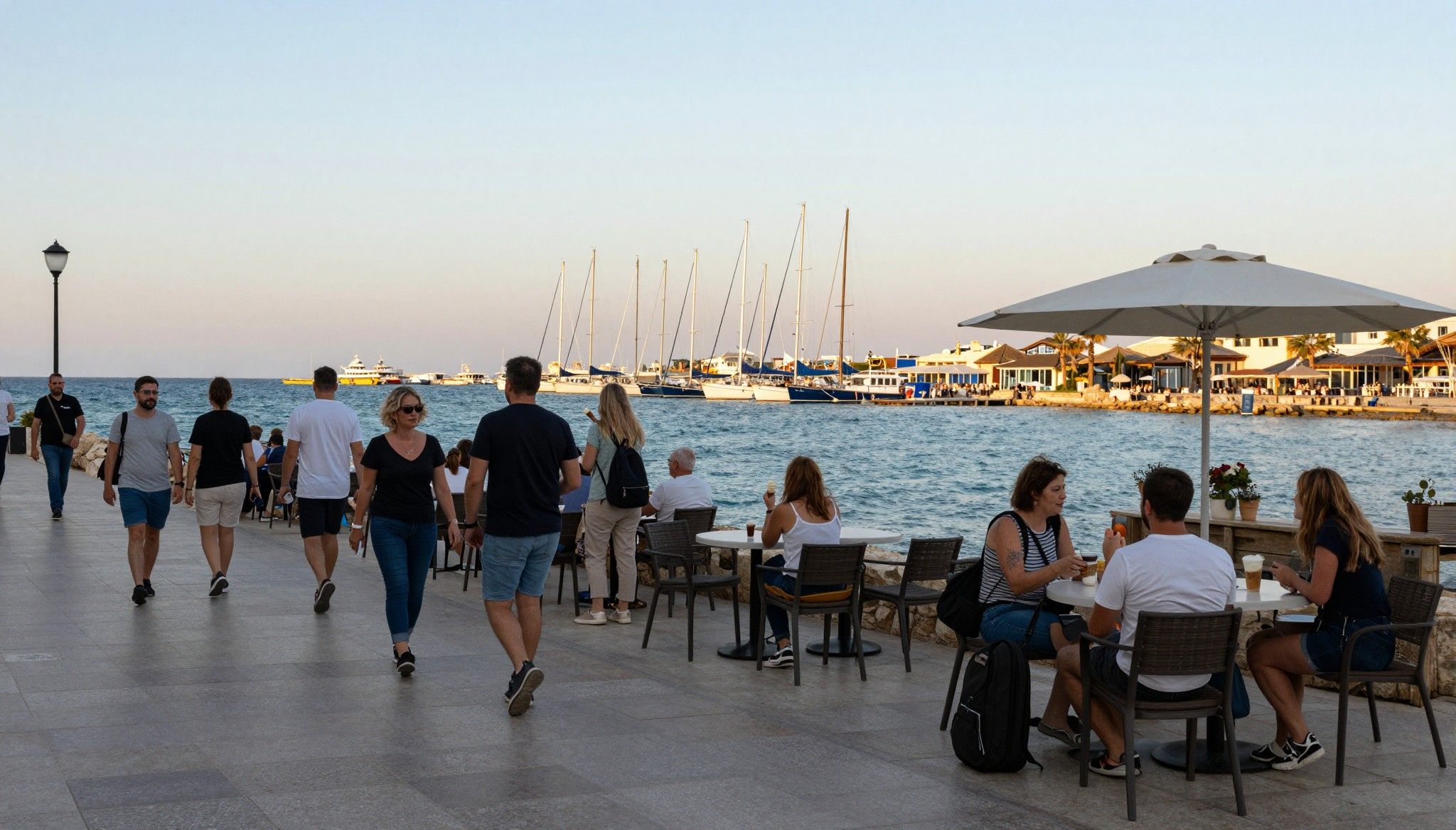
Imagine stepping out for espresso on Nicosia’s Ledra Street, then driving 40 minutes to swim off Protaras’ Fig Tree Bay in the same afternoon. Cyprus lives at two speeds: old‑town, slow ritual and a bright, sunlit coastal tempo. That rhythm is exactly why international buyers fall in love — and why smart buyers learn the legal beat before moving in.
Living Cyprus: Sunlit rituals and local textures
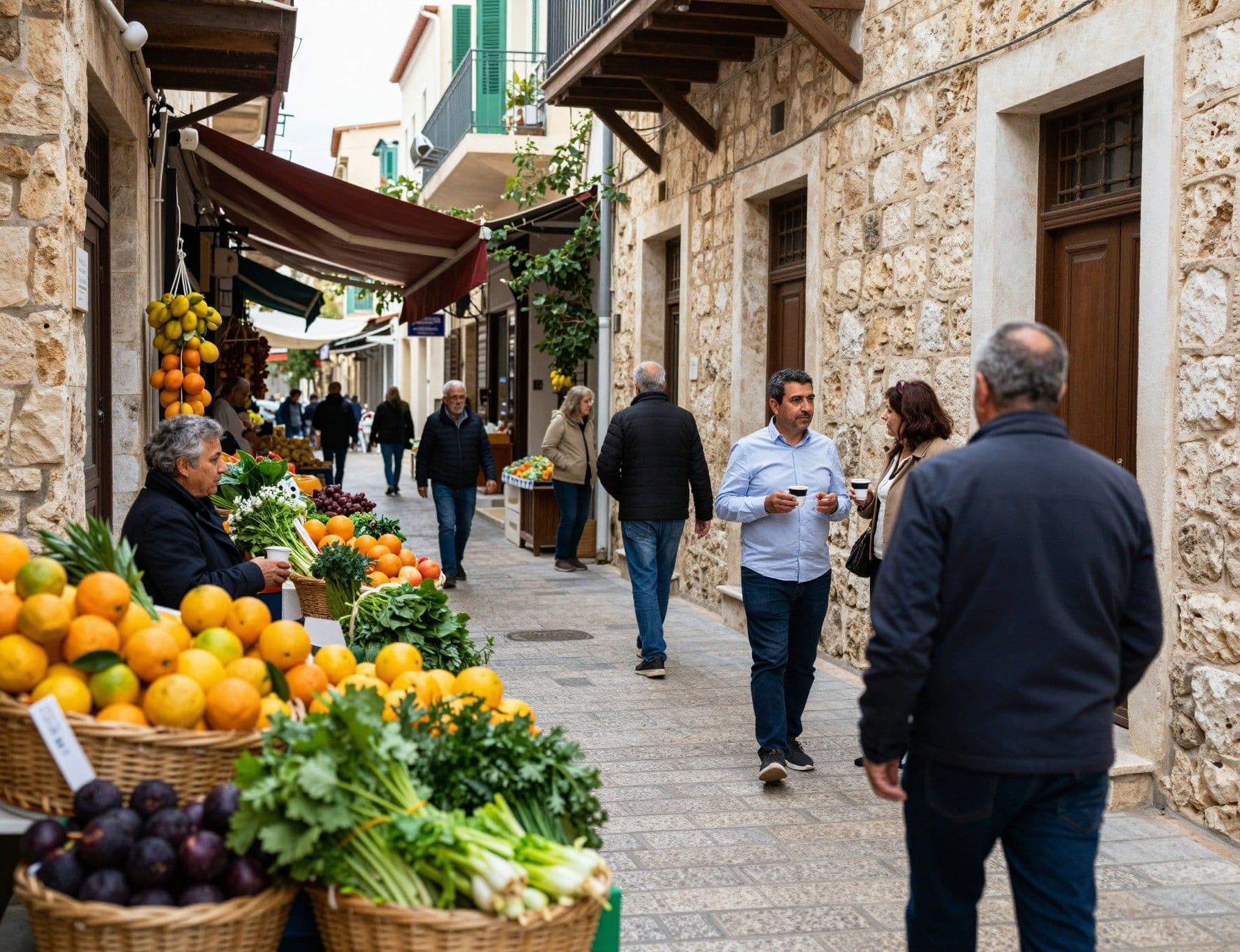
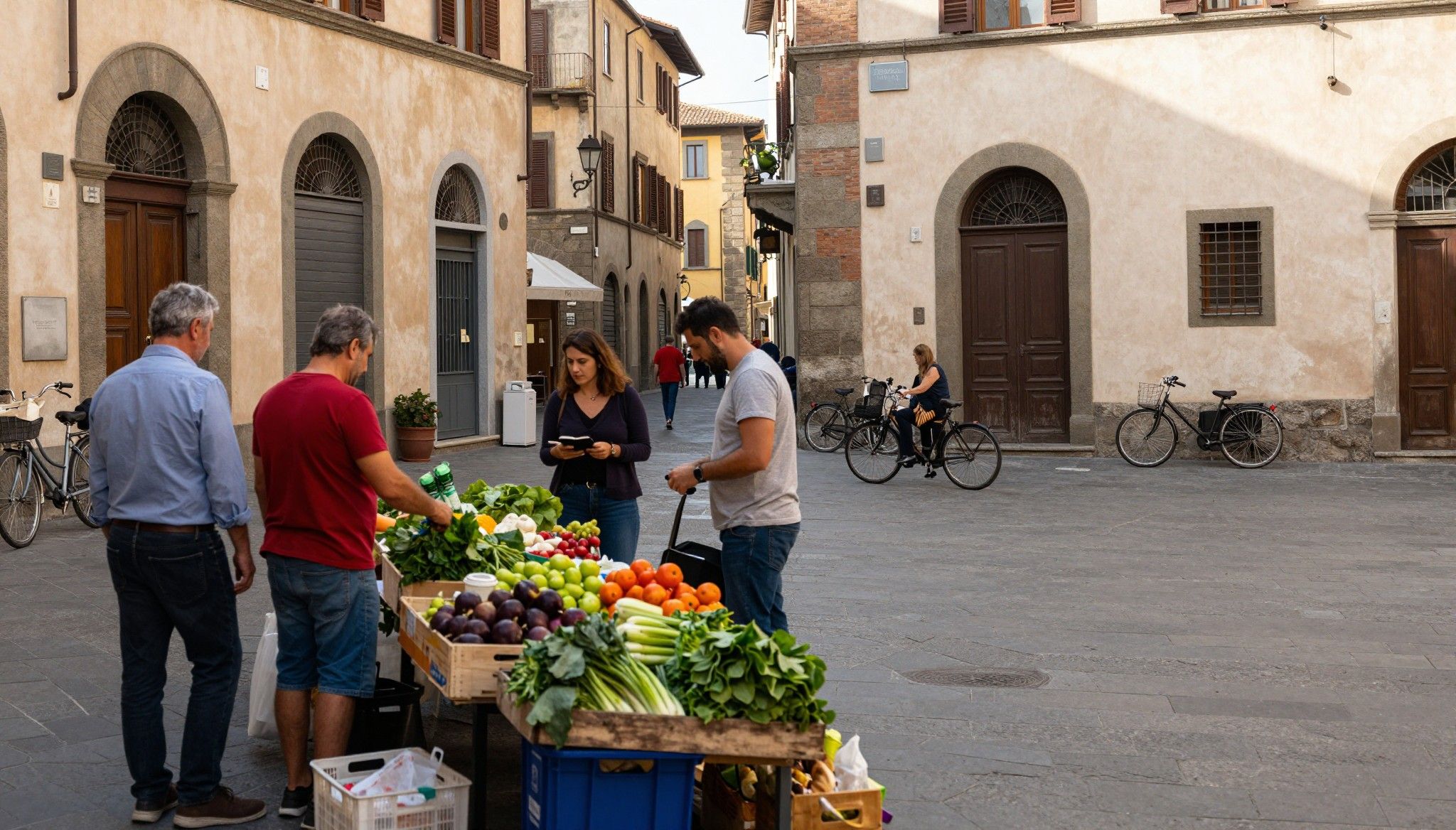
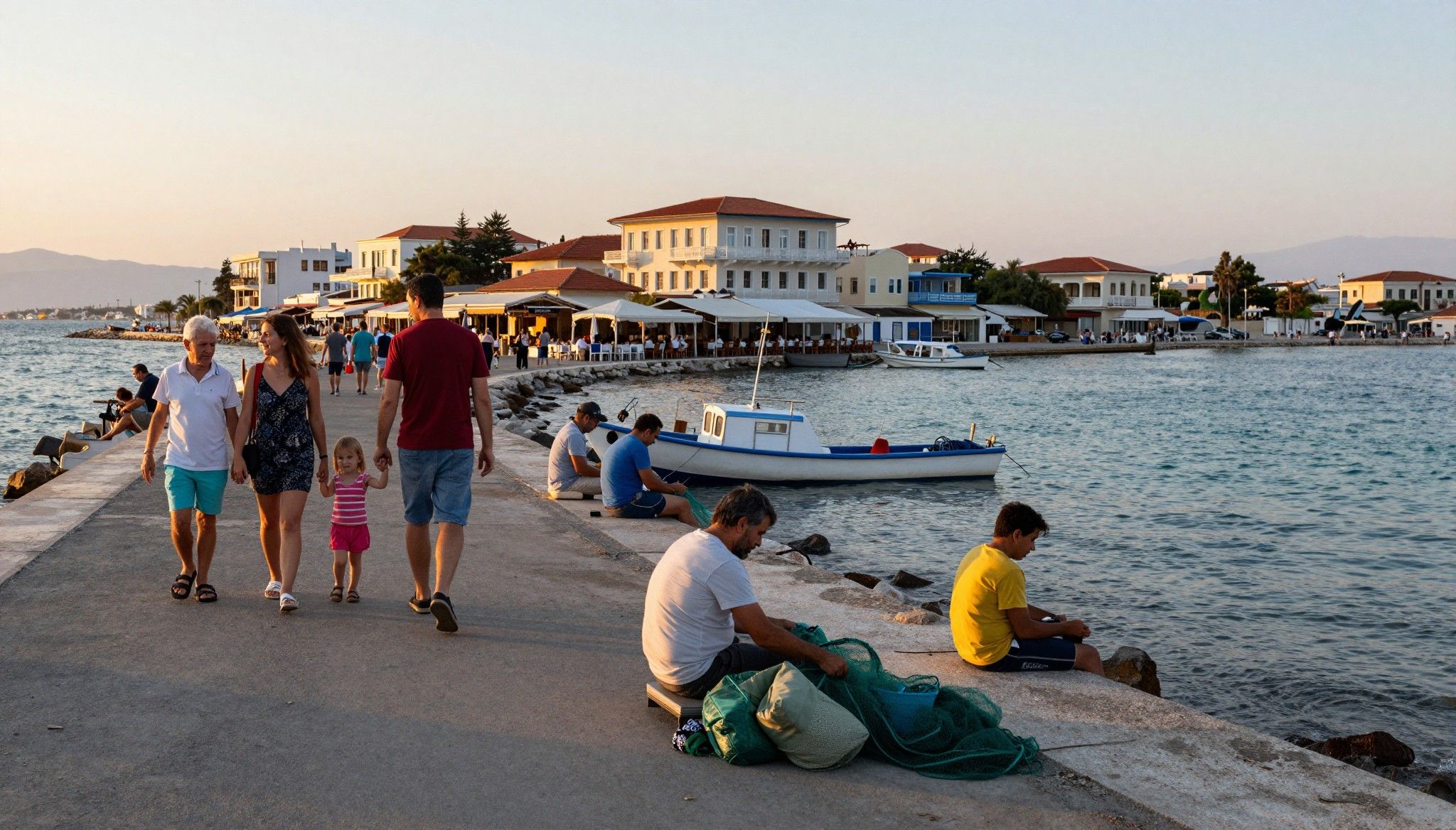
Cyprus is tactile: markets smell of citrus and halloumi, sea air mingles with pine from the Troodos slopes, and cafés keep the day’s pulse. Weekends swing between tavernas in Larnaca’s old port and family barbecues in mountain villages such as Kakopetria. That mix—Mediterranean sociability plus quiet residential pockets—frames what you actually buy here: houses that invite outdoor living and neighbourhoods that work on foot.
Coastlines, towns and a handful of streets worth memorising
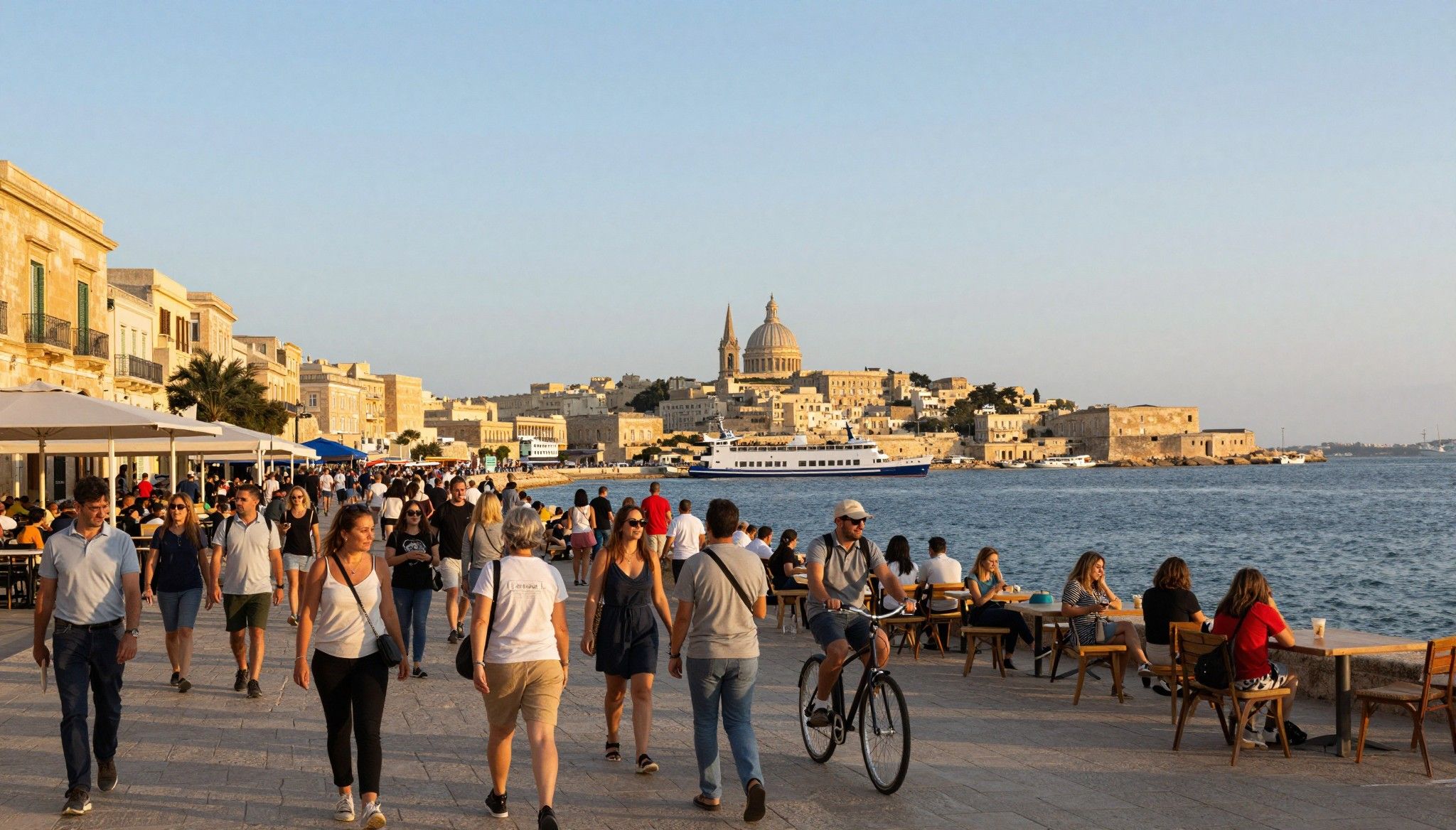
Limassol’s Molos promenade and the buzzy cafés on Anexartisias Street show coastal city life; Paphos’ Kato Paphos blends archaeology and seafront living; Ayia Napa’s Nissi Avenue is summer energy turned up. But pay attention to micro‑streets: in Limassol, Agiou Andreou has quieter residential corners within a 10‑minute walk of the marina; in Nicosia, the cafés around Archbishop Makarios Avenue are where newcomers meet long‑term locals. Those blocks shape daily life more than glossy ZIP code labels.
Food, markets and seasons that reframe property life
Buyers often romanticise year‑round summer—yet seasons matter. Autumn grape harvests in Limassol bring village fiestas; winter snow on Troodos makes stone cottages feel suddenly sensible; spring markets in Larnaca overflow with herbs and fresh cheese. Those cycles affect how you’ll use outdoor terraces, heating needs and when you can realistically rent the property short‑term.
- Lifestyle highlights: morning markets in Larnaca, seafood tavernas on Paphos harbour, Mooresque architecture in Kyrenia lanes, Troodos hiking weekends, sunrise swims at Fig Tree Bay, and weekly meze with neighbours on small community squares.
Making the move: where lifestyle meets the legal file
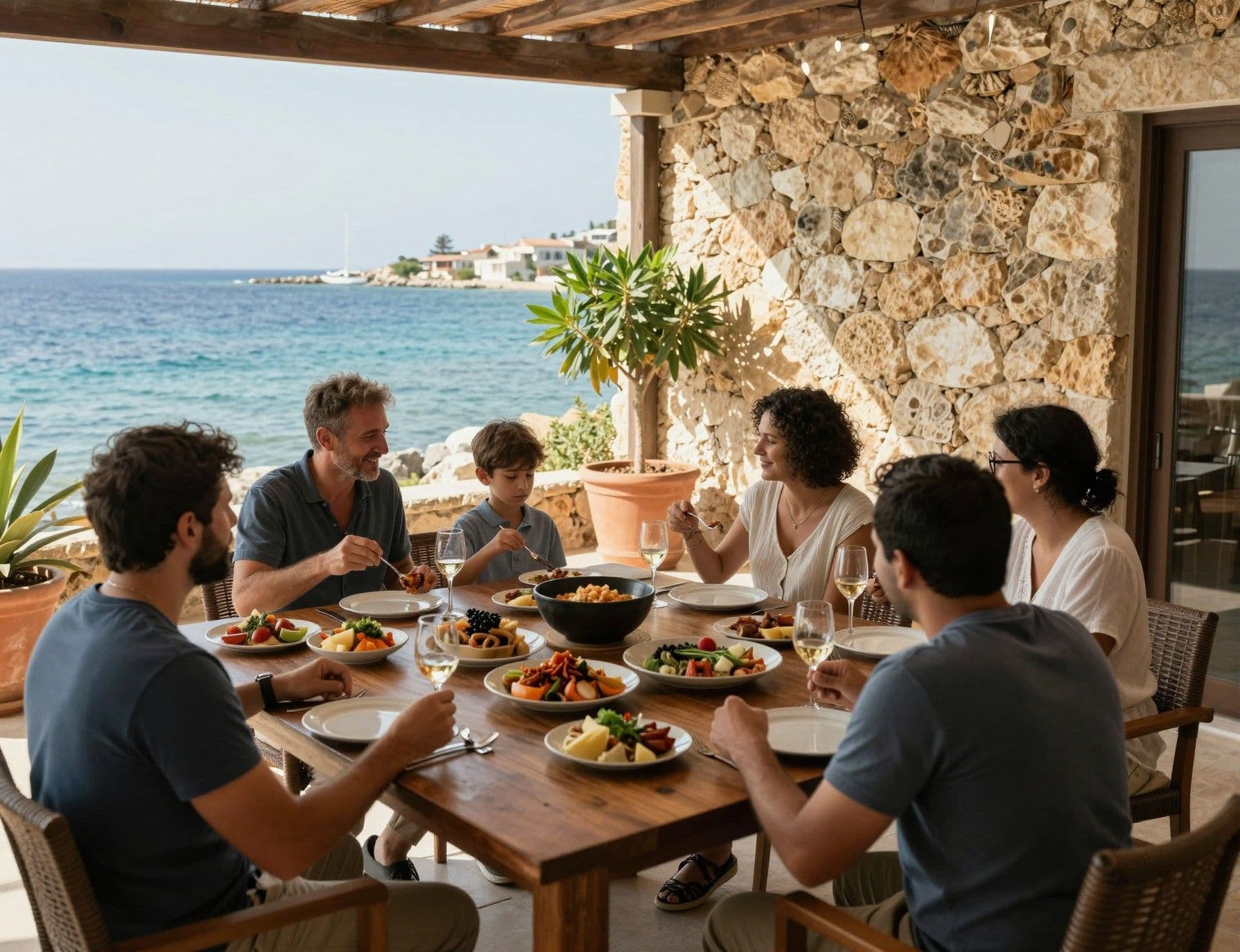
You can fall in love with a terrace view in Paphos, but the property file is what keeps that love long term. Prices have been rising but the pace is slowing according to official indices, so timing and paperwork matter. Expect to balance lifestyle goals (terrace size, proximity to cafes) with transfer fees, VAT permutations on new builds, and the Land Registry timeline that produces the title deed.
Property styles that match the life you want
Coastal apartments give you easy rental potential and morning swims; stone houses in the Troodos foothills offer slower seasonal living and more privacy. New developments near Limassol’s marina prioritise concierge and pool life, while older terraced homes in central Nicosia prioritise walkability and community. Pick the property type with the lifestyle—terrace dinners, short‑term lets, or village rhythms—in mind, then ask how VAT, developer licences and completion certificates affect transferability.
Work with experts who speak both lifestyle and law
A good local agent is your translator: they know which neighbourhood cafés are year‑round and which apartments flood with tourists in July. But you still need a lawyer who reads Land Registry searches and a surveyor who checks boundary lines. We recommend simultaneous teams: an agent for lifestyle filtering, a lawyer for title and permits, and an architect or surveyor for renovation feasibility.
- Steps that blend lifestyle and legal sense: 1) Visit neighbourhoods at different times (weekday morning, Saturday evening). 2) Ask your agent for recent comparable sales, not just asking prices. 3) Commission a Land Registry search and an up‑to‑date planning/permit check. 4) Get a written estimate for transfer fees, VAT exposure and any local council charges. 5) Keep a lawyer in the loop before any reservation deposit is paid.
Insider knowledge: red flags, real savings and expat truths
Here’s the blunt truth we tell clients: the biggest surprises aren’t views or tile choices, they’re paperwork quirks. Cyprus’ official indices show prices rising in recent years but with a decelerating trend, which means negotiating power can vary by district. Transfer fees, VAT rules on new builds and the timing of the title deed are where most buyers feel friction. Treat these as part of the lifestyle decision—your terrace is only valuable if the title is clear.
Common red flags buyers miss
- No recent Land Registry search; incomplete completion/utility certificates; VAT left unsettled on developer resale; boundary discrepancies in older village plots; properties with planning permissions expired or incomplete.
Tax and fees—what to expect in practice
Practically, transfer fees follow a tiered schedule tied to market value; consult up‑to‑date tables from major tax advisers. VAT applies to many new builds but may not on resales; this changes the effective buyer cost by tens of thousands on higher‑value units. Also budget for notary and lawyer fees, and for the fact that official price indices show regional differences—Limassol and Paphos often lead increases while other districts lag.
- How we structure due diligence (short checklist): 1) Land Registry search and title deed confirmation. 2) Planning & completion certificate check. 3) VAT / transfer fee estimation from your lawyer. 4) Local utilities & service costs review. 5) A short, staged payment schedule linked to clear milestones in the contract.
Expat lessons we hear again and again
Expats tell us they underestimated how important a local routine is—where you buy determines your weekend life. They also say: speak some Greek phrases (people notice) and find the one café where faces repeat. Practically, many wished they’d started lawyers’ checks earlier; a short delay buying peace of mind is almost always worth it.
- Quick tips from locals: pick a neighbourhood square over an Instagram view, visit a property outside summer, confirm completion certificates in writing, and ask neighbours about drainage and winter wind on the block.
If Cyprus has enticed you, the next move is practical: visit outside peak season, bring a lawyer and a local agent who knows both the market and the streets, and prioritise title clarity over a marginal price cut. Do that and the terrace dinners, coastal swims and slow market Sundays will follow—without the paperwork drama.
Danish investment specialist who relocated to Costa del Sol in 2015. Focuses on data-driven market timing and long-term value for Danish buyers.