Fall for France — But Pack the Legal Checklist
Fall for France first; plan with data. Practical legal, tax and residency realities—transfer costs, notaire fees, inheritance rules—must shape your purchase from day one.
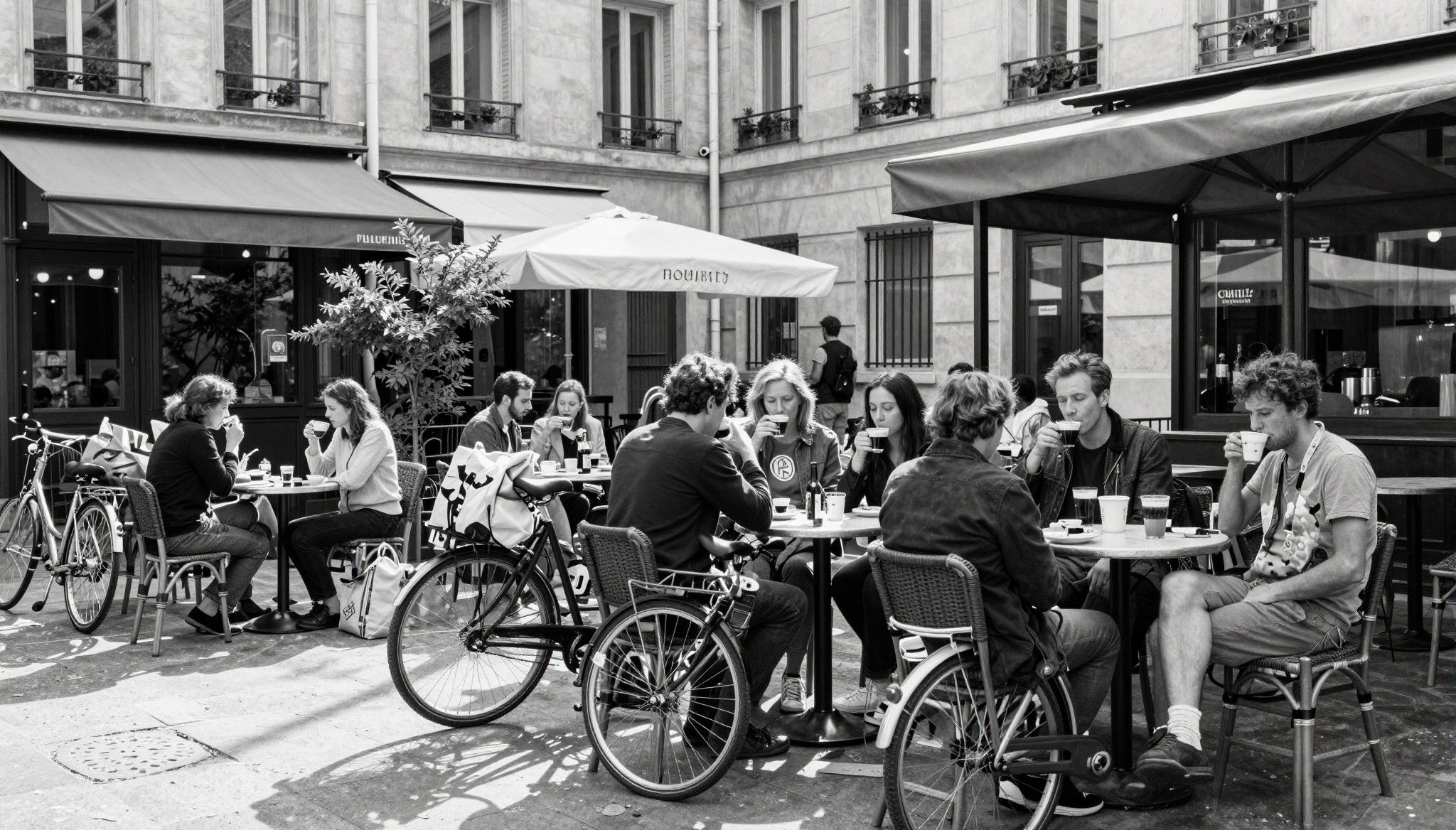
Picture an 8 a.m. Saturday in Aix‑en‑Provence: terraces steaming, market stalls arranging mountains of apricots, a boulanger setting out warm fougasses. That easy rhythm—long café mornings, market runs, a late weekday aperitif—explains why many of us fall for France before we start the paperwork. But the romance meets rules: transfer taxes, notaire fees, and residency realities shape what that life will actually cost and how quickly you can settle in. Read on for the parts of the French dream agents rarely lead with, and the specific data that will keep your move honest.
Living the French life — what it really feels like
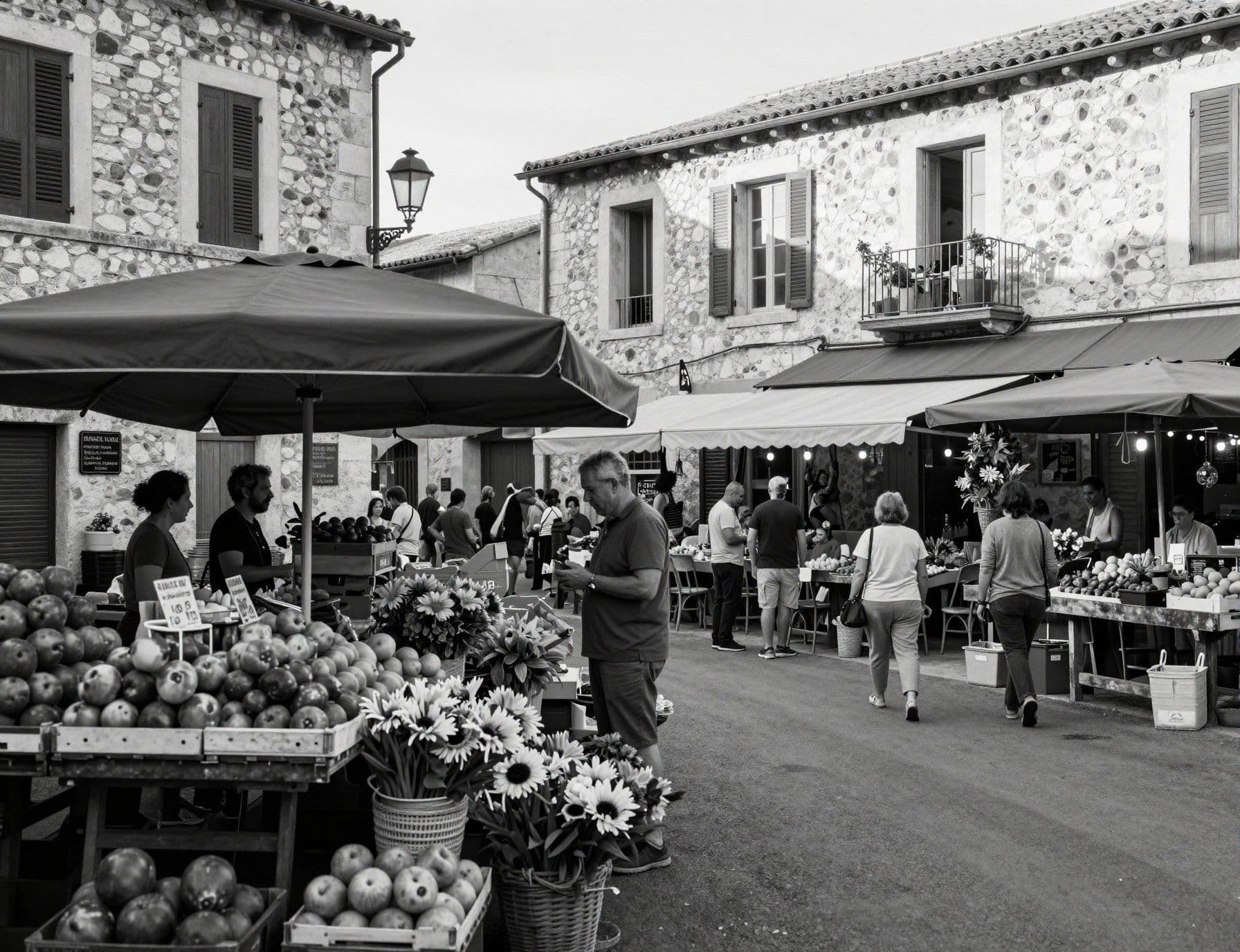
France is not one atmosphere but many: Parisian stone courtyards and alleyway cafés; the slow, olive‑scented days of Provence; the broad Atlantic light of La Rochelle; the seaside social life of Nice and Biarritz. Daily life is textured. Weekends are for markets and family meals. Neighbours still greet each other on stairwells and small town mayors maintain surprisingly powerful local rhythms. When you buy here, you’re buying into that tempo as much as you buy square metres.
Neighbourhoods that define the mood
Paris’s Canal Saint‑Martin is for slow strolls and independent bookshops; Le Marais keeps an edgy, layered history; Lyon’s Croix‑Rousse still hums with morning markets; in Bordeaux the Chartrons combine old wine warehouses with new cafés. On the coast, little streets off Nice’s Promenade hide family‑run bouchons and terraces that hum in July. Each neighbourhood shifts how you use a home: terraces matter in the south, storage and insulation in the north.
Food, ritual and the seasonal pulse
Markets are the social calendar: the weekend marché in St‑Rémy, the morning fish stalls at Hendaye, the covered markets of Toulouse. Seasonal life matters — truffle season reshapes local menus and property demand in Périgord, while the summer swell of tourists changes how coastal rentals perform. Think in seasons when imagining life here; the region’s calendar will determine noise, rental income potential, and day‑to‑day convenience.
- Lifestyle highlights: Marchés at dawn; boulangeries on every corner; afternoon siestas in rural villages; seaside aperitifs on the Côte d’Azur; weekly neighbourhood fêtes in small towns.
Making the move: practical realities that preserve the dream
The paperwork feels formal because it is: a notaire handles the conveyancing and collects state taxes, and transfer costs can add materially to the headline price. For an older property these costs commonly sit between roughly 6–8% of the purchase price, while new builds carry much lower registration fees but may include VAT. Knowing the breakdown up front prevents the 'I love it, I can’t afford it' shock — and gives you room to negotiate on price or renovation budgets.
Property types and how they shape daily life
A stone village house with shutters gives you garden space and morning light but often requires ongoing maintenance and insulation upgrades. A Parisian Haussmann apartment delivers ceiling height and location, but storage and elevator access matter for families. New builds (VEFA) offer energy performance and lower initial registration costs, but lack the patina that makes many buyers fall in love with France. Match the property’s physical reality to your daily habits before you fall too hard for aesthetics.
Why local experts matter — and what to expect from them
A good local agency does more than show homes. They’ll explain local tax timetables, co‑ownership (copropriété) rules, and whether a property’s terrace is owned or communal. Expect them to coordinate with a bilingual notaire or solicitor, point you to reliable surveyors, and translate local customs — for example, how monthly syndic (building management) charges are allocated. That local guidance keeps the lifestyle promise from becoming a maintenance nightmare.
- Six combined lifestyle + practical steps when you view: 1) Visit at morning market time to test convenience and noise; 2) Ask to see the copropriété procès‑verbaux (minutes) from the last three years; 3) Check heating type and EPC/diagnostics (DPE) for energy costs; 4) Measure storage and bike access if you plan family life; 5) Clarify exactly what outdoor space is private vs shared; 6) Get a local tax estimate (taxe foncière, taxe d’habitation if applicable).
Insider knowledge: expat truths, legal quirks and red flags
Real talk: buying property in France won’t automatically get you residency, and inheritance laws can surprise non‑EU buyers. Property is often more regulated than many anglophone markets — that’s a feature, not a bug, but it calls for planning. Expat communities will help you settle, yet integration usually depends on small rituals: learning a few phrases, joining a marché stall queue, accepting that shops close mid‑afternoon in many towns.
Residency and the myth of ‘buy-to-stay’
Buying property does not create an automatic pathway to residency in France. Non‑EU buyers who wish to live long term must follow visa and permit rules separate from property ownership. That means factoring in visa requirements, health insurance obligations, and tax residency tests when making a purchase decision — especially if you plan to become a frequent resident or move full time.
Estate planning: French inheritance rules you can’t ignore
French forced‑heirship rules can restrict how you’ll pass property on to heirs, and tax rates on inheritance vary by relationship and value. For many international buyers, a simple will drafted under French law — coordinated with home‑jurisdiction estate planning — prevents surprises. Treat inheritance planning as part of the acquisition budget, not an afterthought.
- Red flags to watch for: recent heavy syndic levies or unresolved copro travaux; properties near planned major infrastructure (noise, flood risk); missing diagnostics (e.g., lead, termites, DPE); and murky boundaries on garden/terrace ownership.
We’ve seen buyers fall for a village’s charm and then discover three years of neglected roof work or a lift replacement bill that wipes out expected rental yield. That’s why local due diligence — minutes, diagnostics, and neighbour conversations — matters every bit as much as market data.
Data snapshot: prices and short‑term trends
Official statistics show France’s housing prices stabilised in late 2024 after earlier adjustments, with regional variation: coastal resort and prime Paris segments behave differently from inland provincial markets. Combine national indices with local notaire data to understand micro‑movements — a national stability figure can mask very active local markets where timing and seasonality create opportunities.
- Practical next steps (actionable): 1) Book a local notaire or bilingual lawyer to review titles before you bid; 2) Commission diagnostics and request three years of syndic minutes; 3) Model total acquisition costs (purchase price + ~6–8% for existing, or lower for new builds) and ongoing taxes; 4) Check visa/residency rules separate from purchase plans; 5) Draft a French will and coordinate it with your home country estate plan.
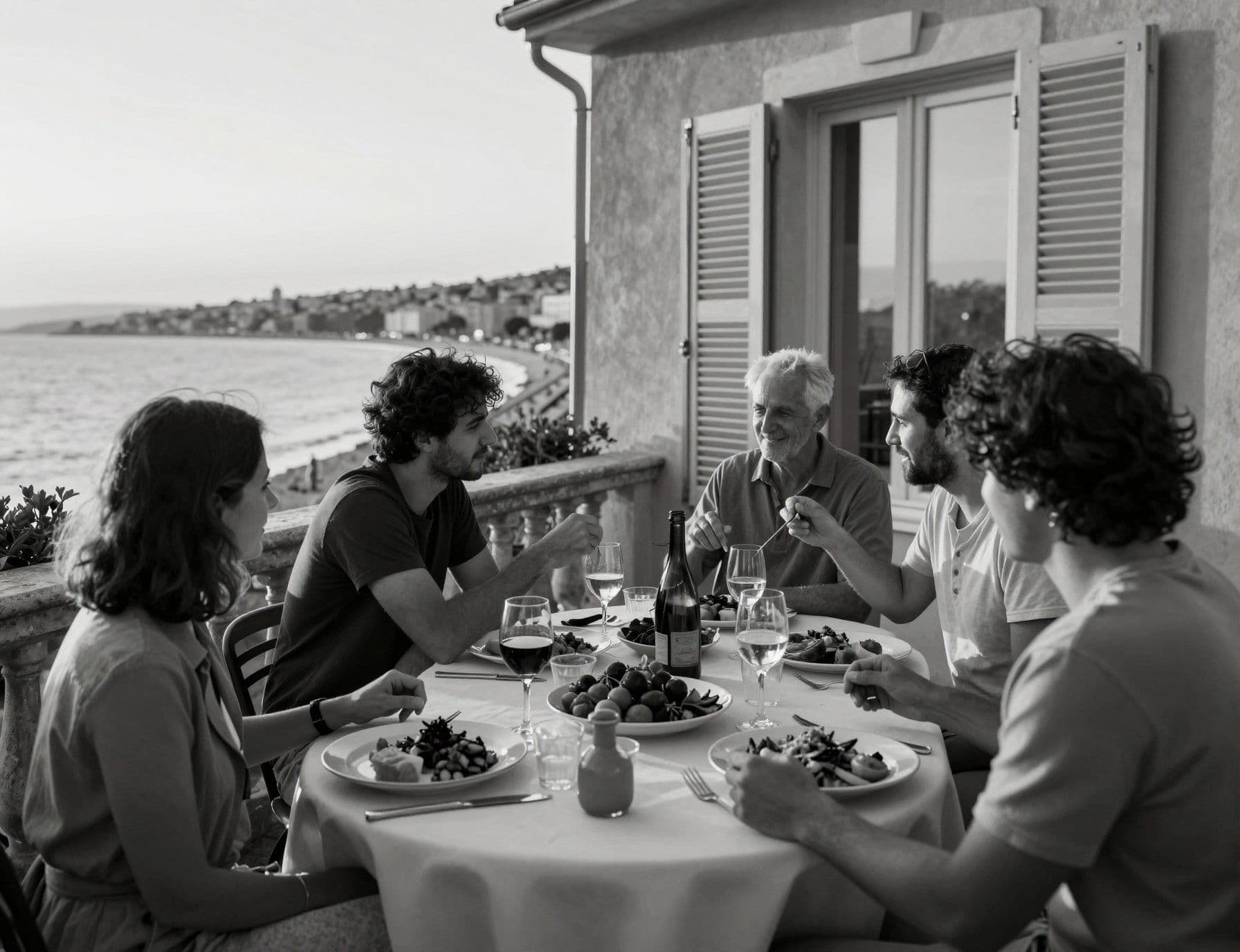
France seduces with daily rituals: a morning at the marché, an evening with friends on a shaded terrace. But securing that way of life requires practical honesty: build buffers for taxes and repairs, don’t assume purchase equals residency, and work with local professionals who translate culture into contracts. When you balance romance with the real numbers, you get both a home and a life that lasts.
British expat who relocated to Marbella in 2012. Specializes in rigorous due diligence and cross-border investment strategies for UK and international buyers.