When Malta Feels 'Too Expensive' — The Case for Buying
Malta’s price growth looks loud, but neighborhood choice and permit rules make lifestyle-focused buying the smarter route — spend a week on the street first.
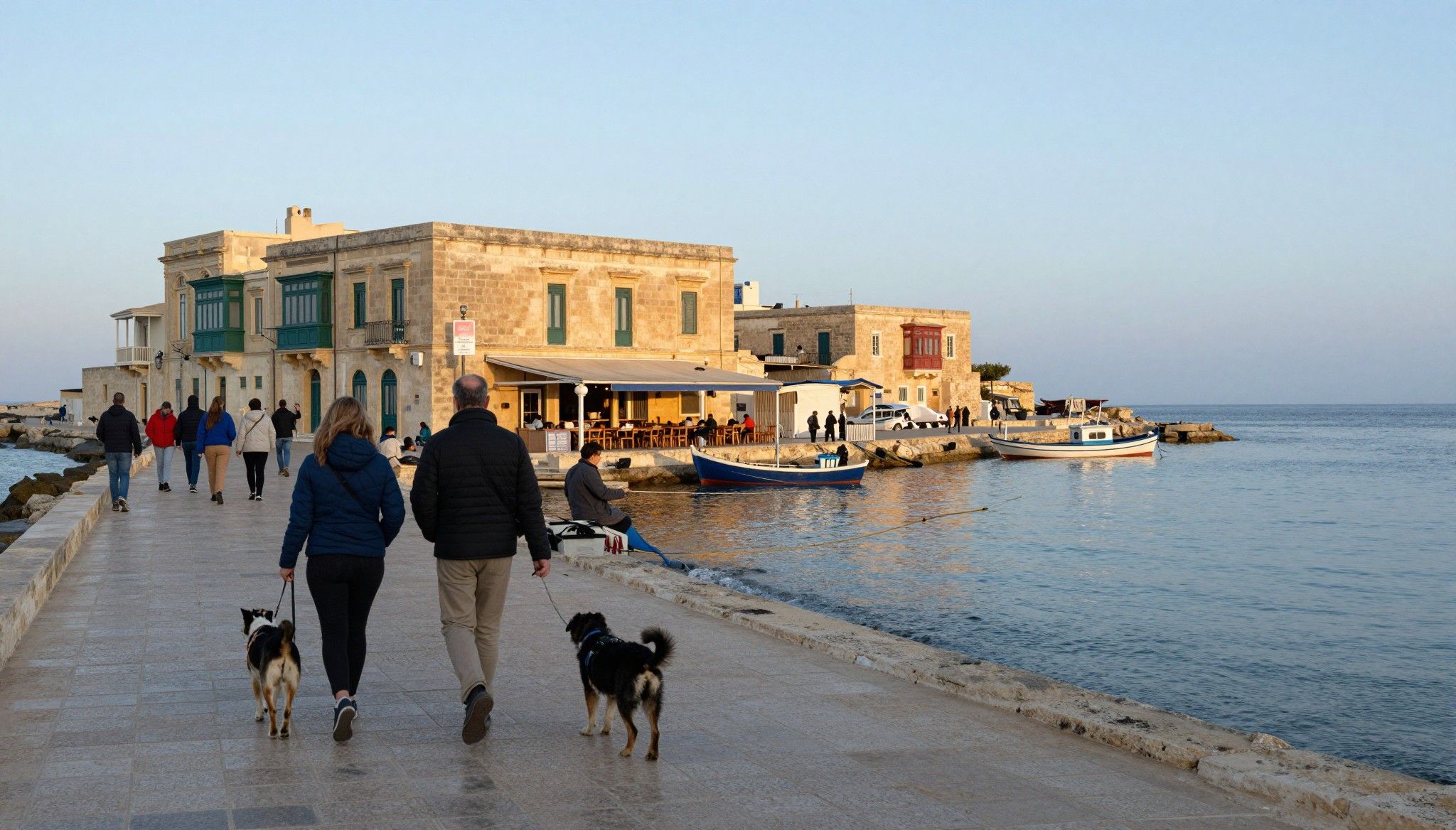
Imagine starting your day with espresso at a café on Strait Street in Valletta, then taking a ferry across to Sliema for an afternoon of seawatching from a fifteenth‑floor balcony. Malta is compact enough that a weekend can contain a UNESCO capital, rocky coves, and a quiet village festa. That closeness — cultural density, thriving food scenes, English as an official language — is exactly why people fall in love with Malta. But the market side is noisier: steady price growth, limited stock, and rules about non‑residents buying make the purchase feel more complicated than the lifestyle. We think those complications are solvable if you put lifestyle first and the facts second.
Living Malta: how the island actually feels
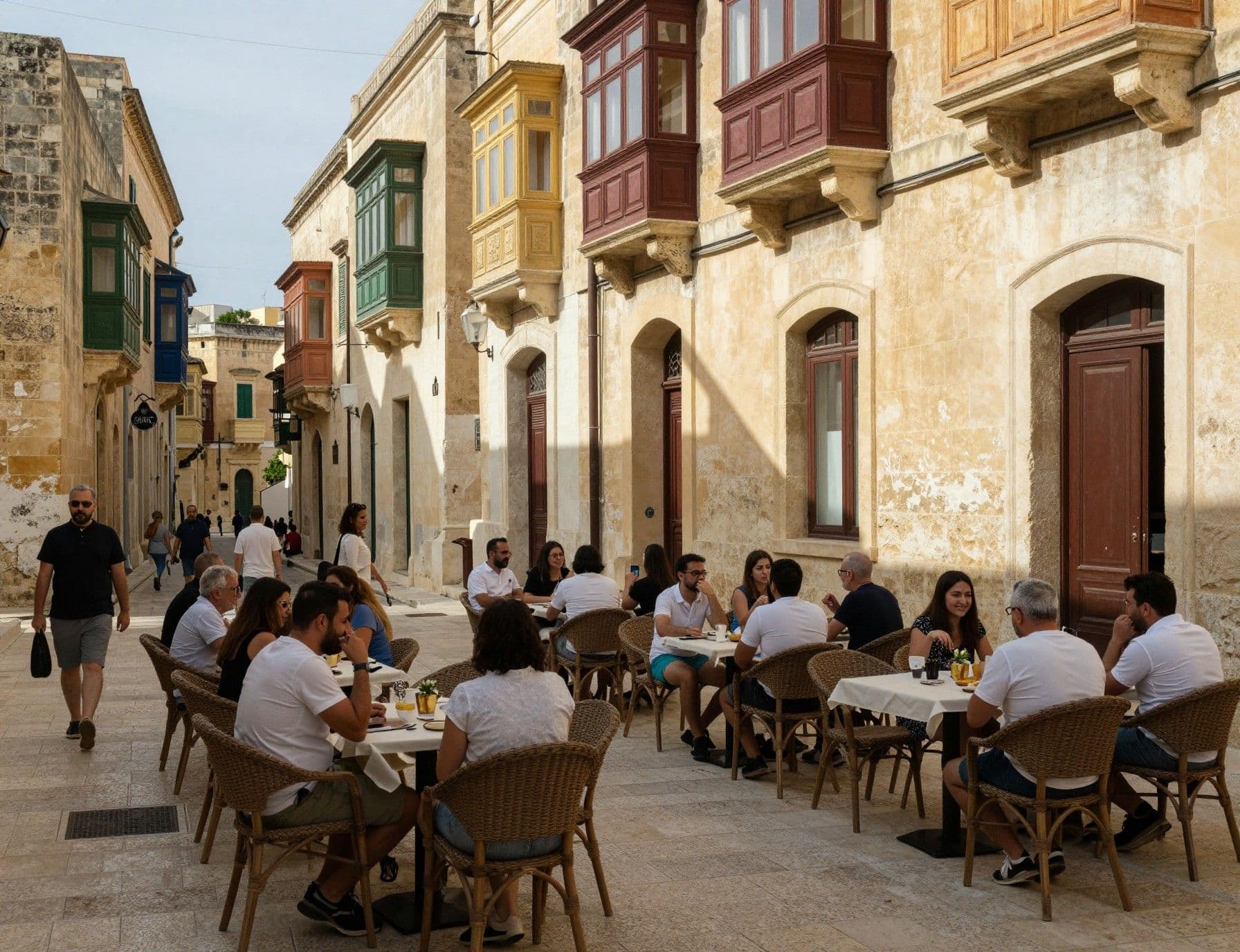
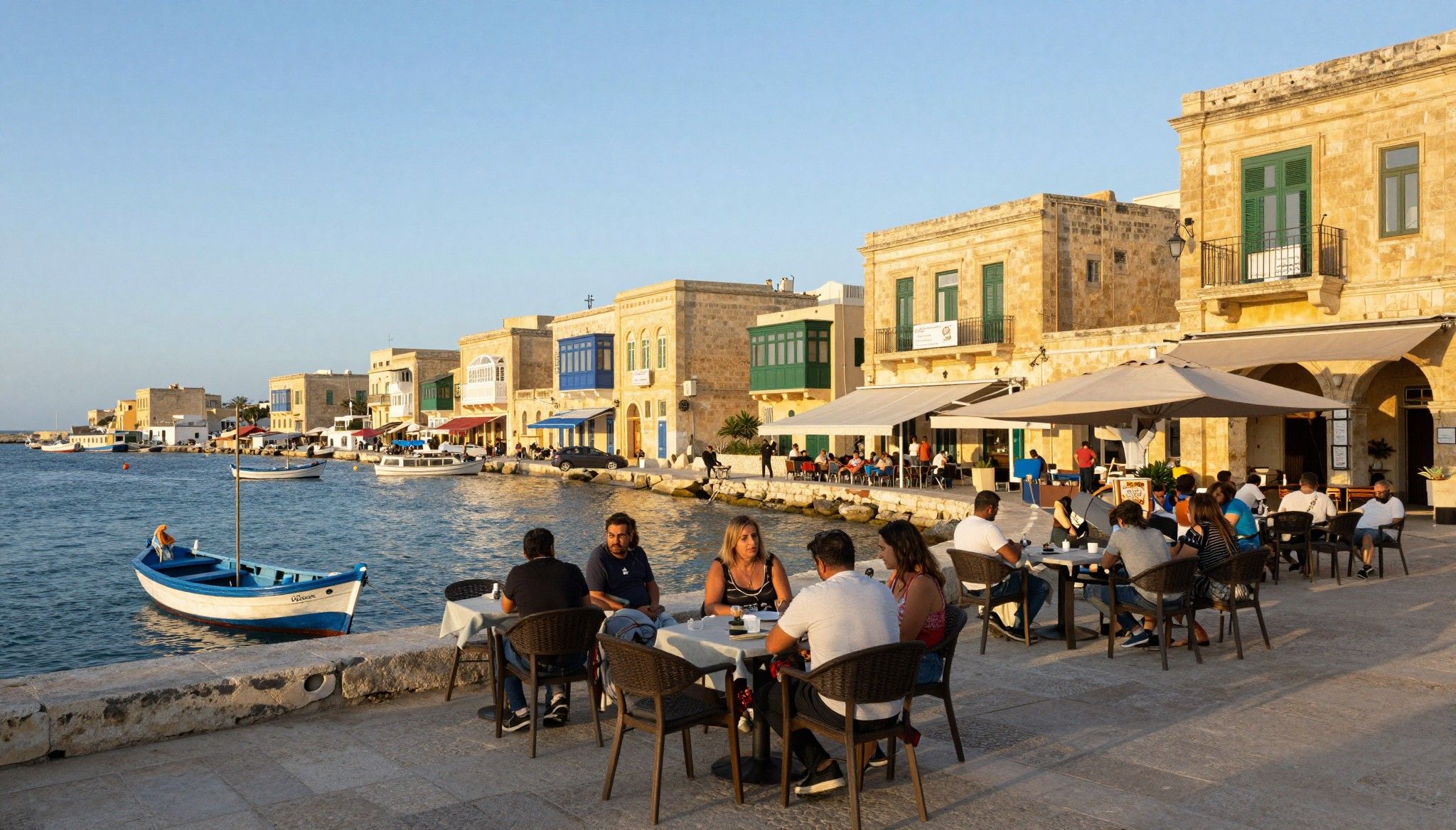
Wake up in a converted townhouse in Mdina and you’ll hear church bells and wind in limestone. Live in St Julian’s and your evenings buzz with restaurants and late-night promenades. The island’s small size means neighbourhood identity is immediate: streets in Valletta feel layered and historic, while Gżira and Sliema are practical for daily errands and working remotely. Expect Mediterranean light, narrow alleys that open suddenly onto sea views, and neighbourhood cafés where baristas know regulars by name.
Valletta, the lived‑in museum
Valletta is not a museum you visit; it’s a neighbourhood people inhabit. Streets like Republic and Merchants are busy in the day, but step two blocks back and you find quiet stairwells and cafes where residents sit for hours. If you prize walking to theatre, single‑building character and the kind of compact urban life where everything is within a ten‑minute walk, Valletta delivers. Properties here tend to be older, with high ceilings, timber balconies and renovation needs — and the price you pay buys location more than square metres.
Sliema, Gżira & St Julian’s — convenience and the sea
Sliema and Gżira are the practical heart for many expats: ferries, gyms, shops, and a variety of apartments facing the promenade. St Julian’s (Paceville aside) mixes seaside living with buzzy dining strips. If you want a modern apartment with a terrace for sunset drinks, these areas offer the easiest lifestyle fit. The trade‑off is that they also attract short‑term rental demand and thus can feel more tourist‑oriented in summer.
Making the move: what the market numbers actually say
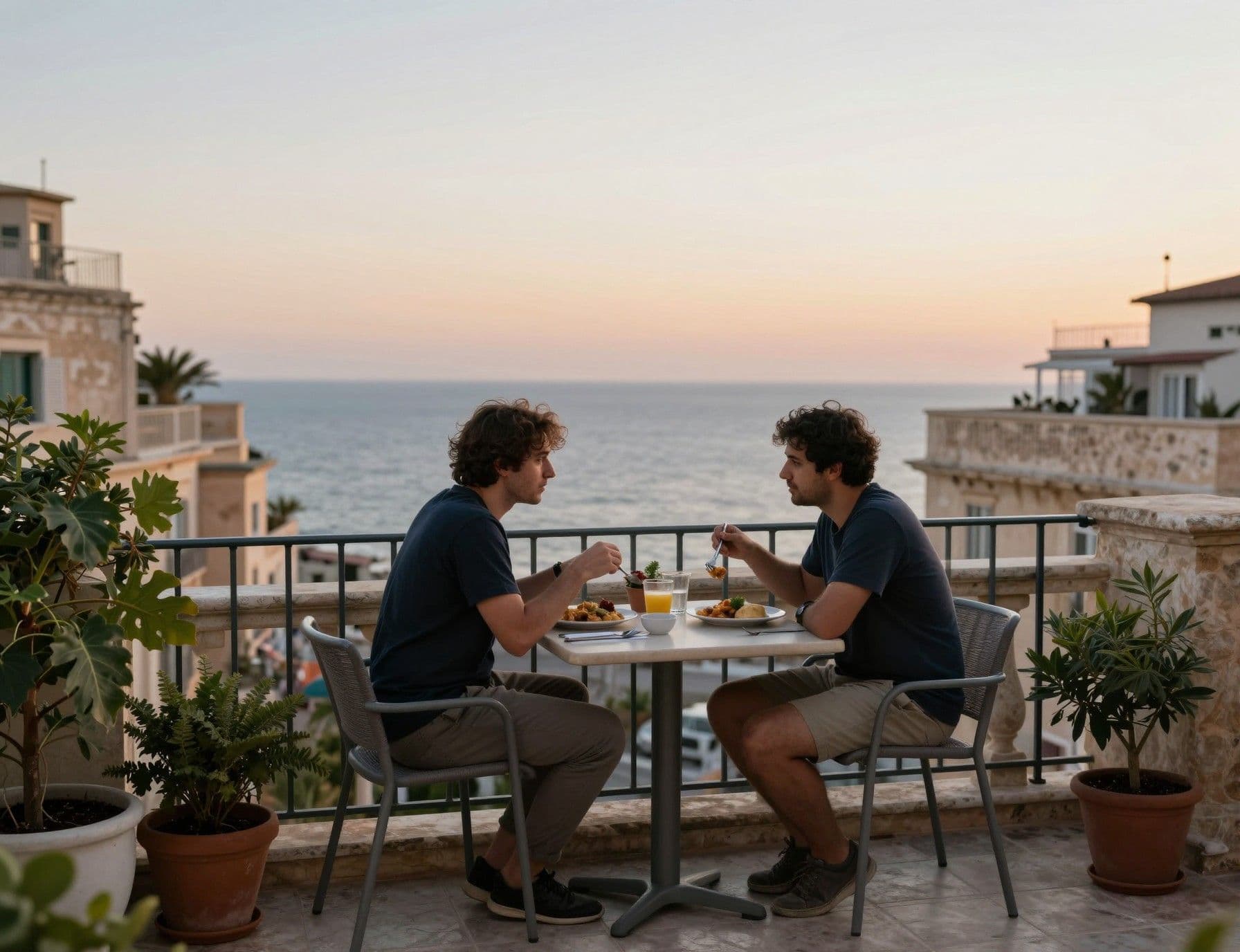
Don’t let headlines alone decide your view. Official statistics show Maltese residential prices rising in recent years — the National Statistics Office reports periodic gains that outpace some EU averages — but the picture is granular: apartments, maisonettes and maisonettes with terraces have moved differently. For lifestyle buyers that means location and property type matter more than the headline rate. You can buy into a compact, characterful Valletta flat or choose a newer Sliema apartment where the layout better suits modern living.
What average prices hide
Average sale prices (headline figures like €266,000 reported in local press) smooth over sharp local differences. A fully renovated town house in Mdina or a three‑bed townhouse in Marsaxlokk will command a different market entirely than a small inner‑locality apartment. UX tip for buyers: focus on micro‑markets (street or block level) rather than island‑wide averages. Your lifestyle choices — terrace for dinners, proximity to ferry or school — will determine which micro‑market makes sense.
Rules for non‑residents and special designated areas
Malta still uses permit regimes for non‑residents in some cases and has Special Designated Areas (SDAs) with different rules for purchases. That matters for where you look: some attractive seafront developments are in SDA zones where foreign purchasers have clearer pathways, while standard stock elsewhere may require additional approvals. A local lawyer and agent who know the permit landscape are not optional — they keep your lifestyle brief (the living) from colliding with legal paperwork later.
Insider knowledge: lifestyle trade‑offs every expat learns
Here’s the real talk: summers can feel crowded along the promenades, some older buildings need careful renovation, and short‑let pressure can change a neighbourhood’s daytime rhythm. But those are trade‑offs — not dealbreakers — if you choose with intention. We’ve seen clients opt for quieter inland villages for daytime calm and keep a small pied‑à‑terre by the sea for weekends. Think in layers: lifestyle first, property second, and legal clarity third.
Cultural cues that change where you buy
Language is easier here than on many Mediterranean islands — English and Maltese coexist — but social integration still favours slow, repeated gestures: attend a festa, shop at the local market, volunteer at a local club. Neighbourhood acceptance weighs heavily; sellers and agencies notice which buyers will become part of the street. That cultural 'fit' is practical: it influences how willing neighbours are to support renovations, to share tradespeople, and to accept short‑term lets.
- Lifestyle highlights & hidden gems
• Morning espresso at Café Jubilee in Valletta; wander the Upper Barrakka Gardens afterward. • Evening promenade in Sliema from Fort Tigné to the Ferries; perfect for people‑watching and sea air. • Sunday fish market in Marsaxlokk for fresh catch and social life. • A quiet hike on the Dingli Cliffs at sunset for dramatic coastal views. • Discovering restored timber balconies on Triq ir-Repubblika (Republic Street) — small architectural details that make life picturesque.
How to act — practical steps that keep the lifestyle intact
If Malta’s lifestyle appeals to you, here are practical actions that protect both your dream and your capital. Start with street‑level reconnaissance: spend mornings, afternoons and one evening in any area you’re considering. Use local agents who live in those neighbourhoods and ask them about day‑to‑day life, not just comparable sales. Insist on a local lawyer familiar with acquisition permits and the SDA rules. Finally, budget for renovation and management — a charming stone flat may need damp proofing and bespoke carpentry.
Property types and what they mean for daily life
Townhouses and houses of character deliver space and charm but often need restoration. Modern apartments give convenience and lower maintenance, frequently with terraces that suit Mediterranean living. If outdoor living is key, prioritise terraces or proximity to a promenade. For remote workers, focus on broadband provision and at‑home workspace possibilities — many older properties can be adapted but check structural limits first.
- Practical buying checklist (steps to take)
1. Spend at least one week living in the neighbourhood at different times of day. 2. Hire a local lawyer to check title, permits and SDA implications before offer. 3. Request utility and maintenance histories for older buildings; get a structural pre‑survey. 4. Confirm short‑let rules and whether the area tolerates holiday rentals if you plan to let. 5. Negotiate a timeline that allows for any permit applications — some zones are slower.
The one thing buyers miss
Buyers often focus on headline growth and forget running costs: management, occasional structural works on older stone buildings, and the reality that utilities in older streets may need upgrades. A small predictable maintenance reserve protects your lifestyle — it means that your terrace dinners and daily walks continue uninterrupted, rather than being sidelined by surprise works.
Conclusion — fall in love first, then build the plan. Malta’s compressed scale gives you a richness of life — cafés, sea, culture — within short distances. That makes lifestyle matching simpler, but the market rules and micro‑market differences mean you must match the neighbourhood to the life you want. Work with local agents who can show you both the morning routines and the legal files. If you do it this way, the price you pay buys a life; if you rush, it buys surprises. When you’re ready to look, treat the island like a set of villages stitched together: pick the village that fits, then get the file in order.
Danish investment specialist who relocated to Costa del Sol in 2015. Focuses on data-driven market timing and long-term value for Danish buyers.