Small Streets, Big Value: Malta’s Under‑seen Urban Pockets
Malta’s charm is microscopic: choose the right street, not the seafront, and you capture the lifestyle while avoiding headline premiums. RPPI rose through 2024–25.
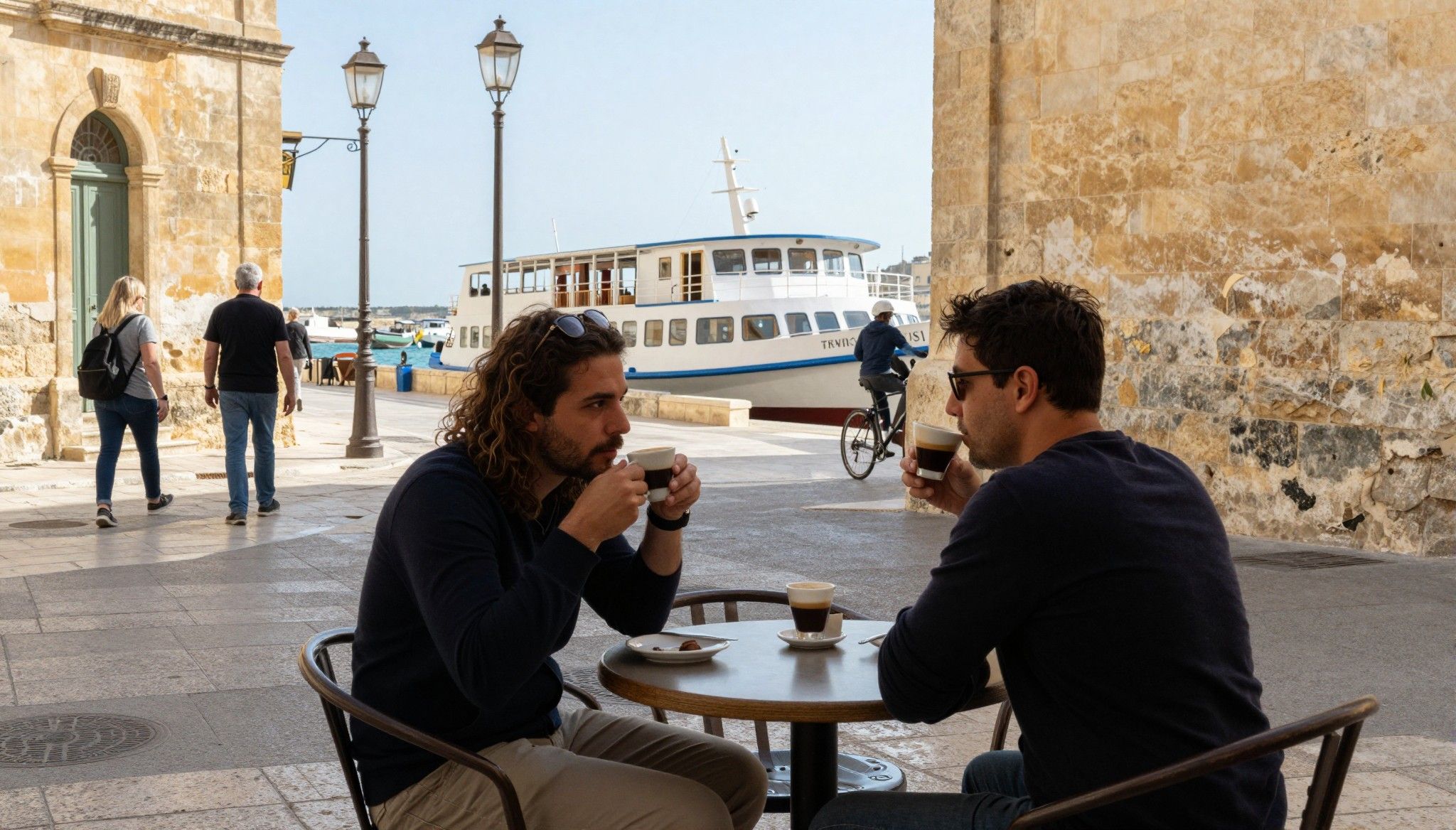
Imagine stepping out of a limestone courtyard into a narrow street where a café owner knows your coffee order and the ferry to Valletta leaves every half hour. That compact, lived‑in rhythm is Malta: dense neighbourhoods, abrupt sea views, late dinners and an easy English‑friendly life — and a market where prices have climbed steadily in recent years. According to the National Statistics Office, Malta’s Residential Property Price Index rose through 2024–25, underscoring why neighbourhood selection matters more than a headline price per square metre.
Living Maltese Life — what you’ll actually wake up to
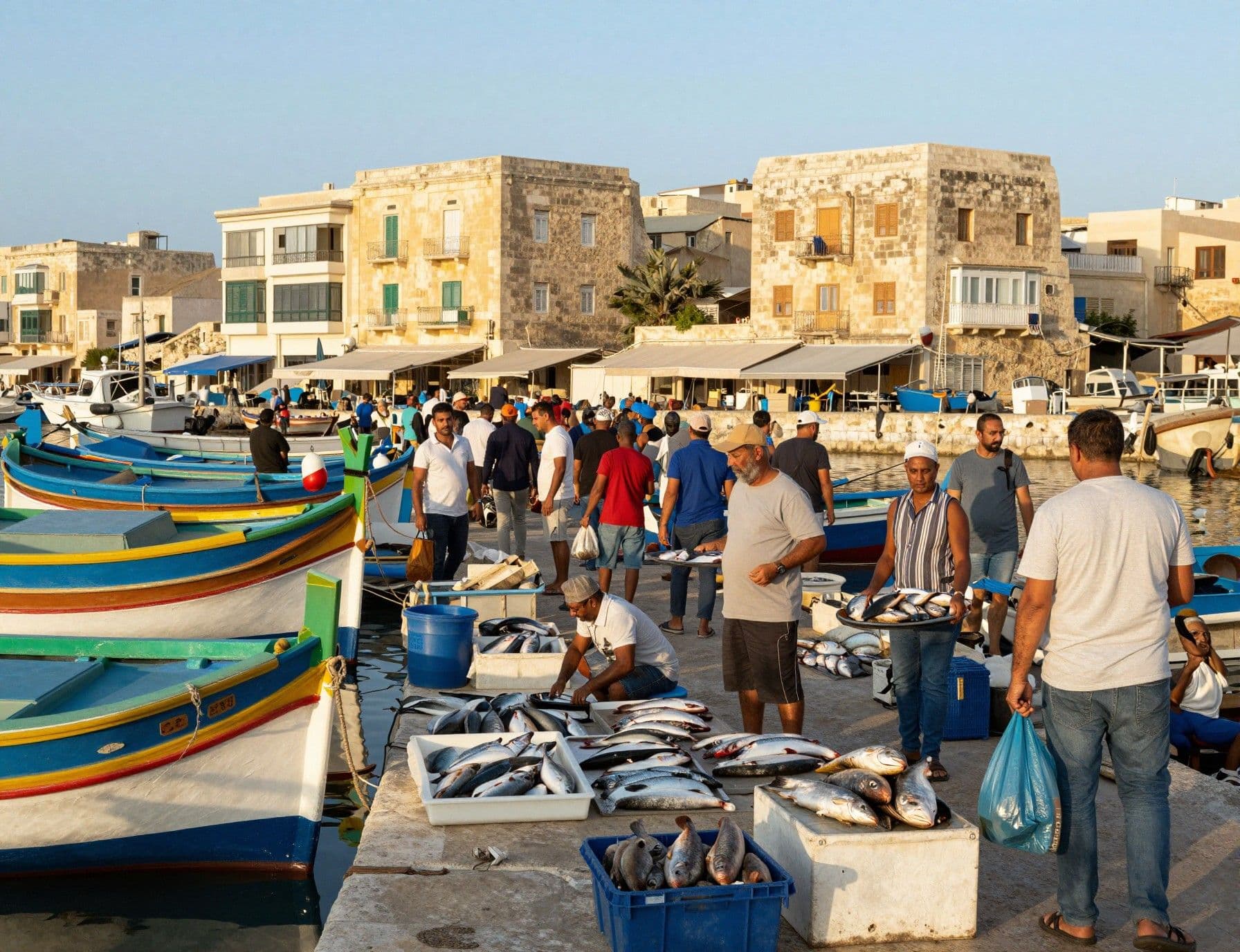
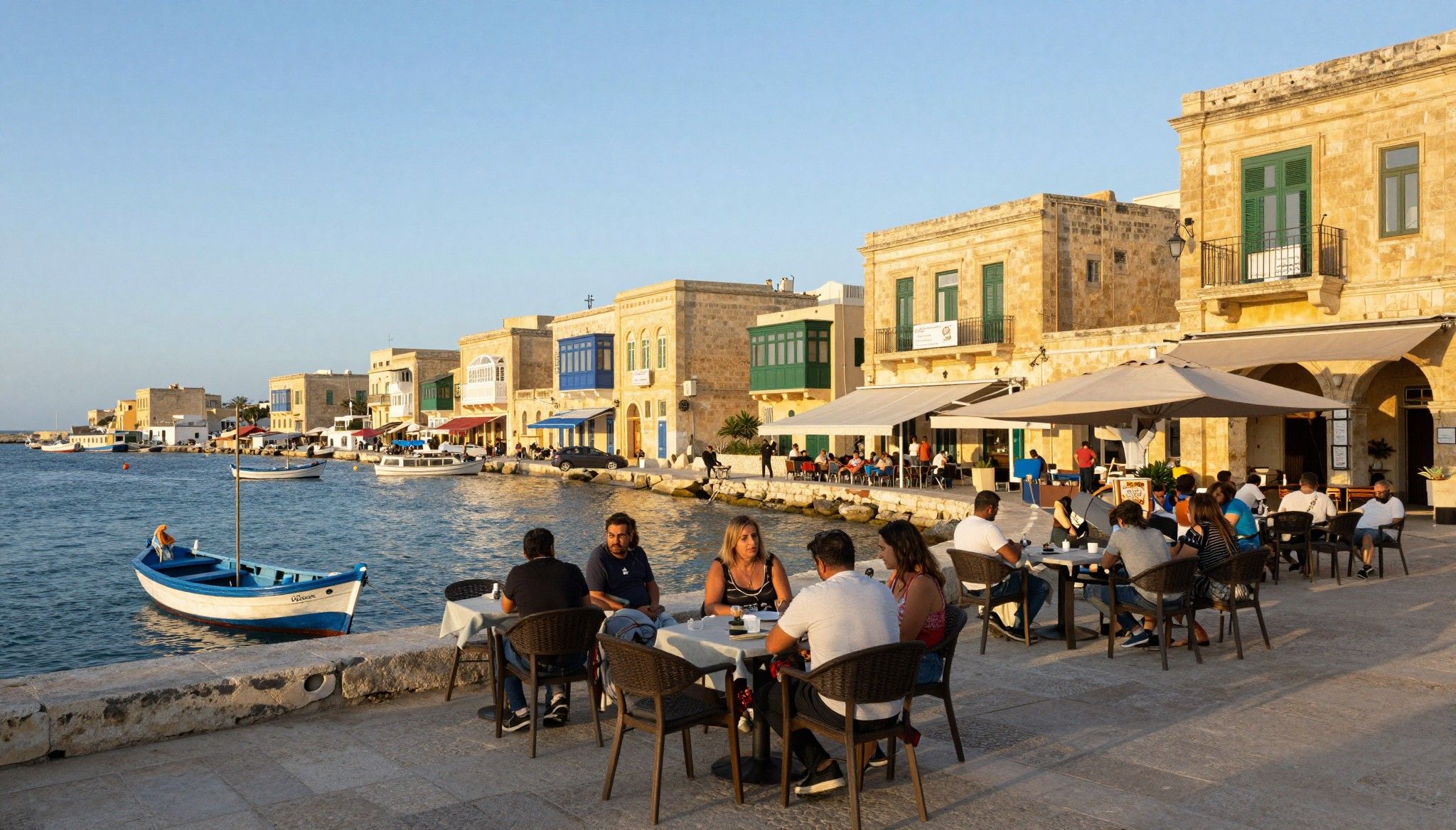
Malta is small enough that moving ten minutes down the coast can change your daily soundtrack: church bells in a village square, wind off Balluta Bay, or the nightclub pulse in Paceville. Expect narrow streets of honey‑coloured stone, balconies hung with laundry, tiny bakeries, and a cafe culture that blends British tea habits with Mediterranean espresso. English is an official language, so practical life—banking, healthcare admin, even your plumber—usually feels accessible from day one.
Valletta fringe: the compact city you can actually afford
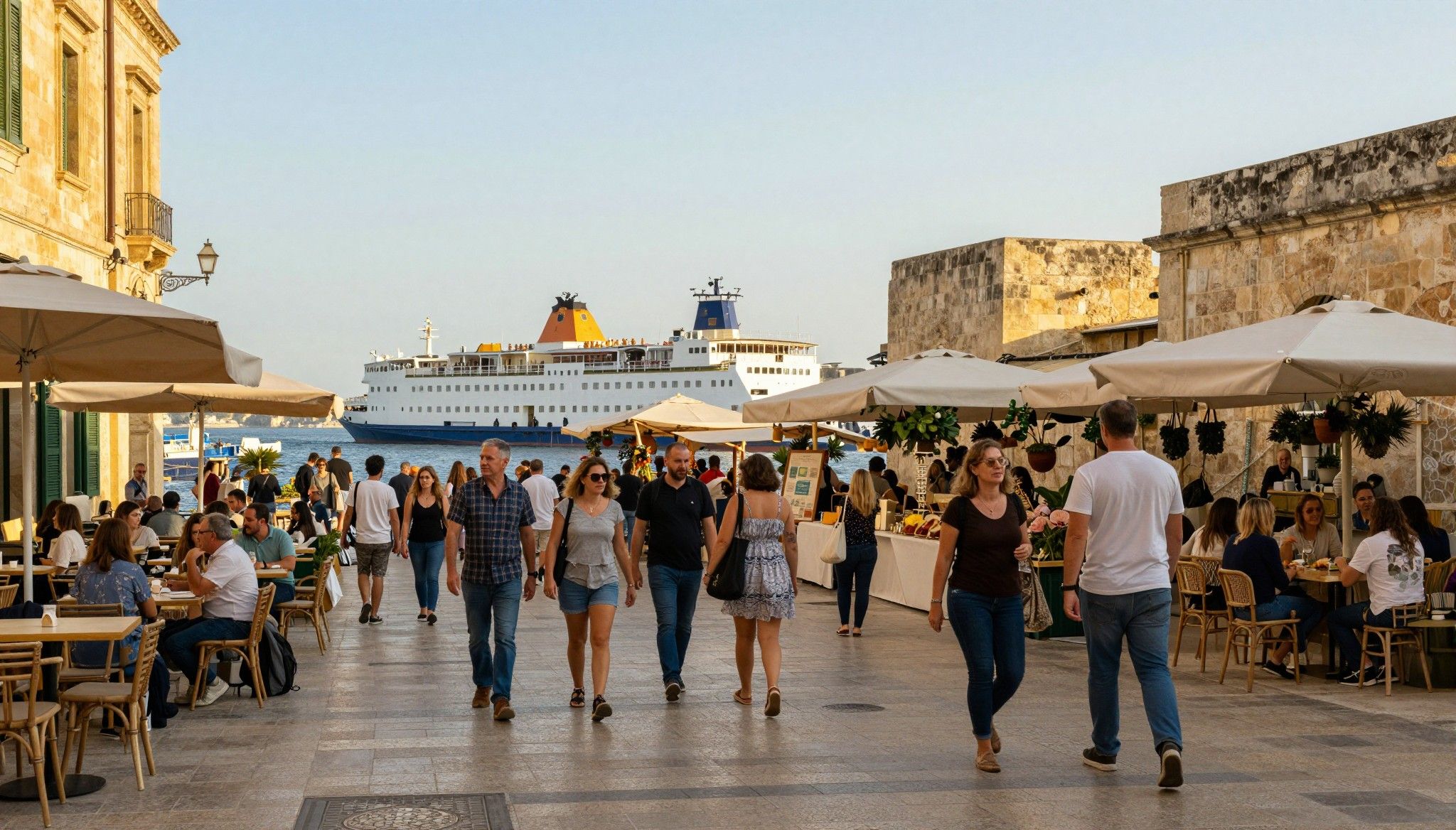
Everyone names Valletta, Sliema and St Julian’s first, but the real character is in the adjacent streets: Floriana’s gardens, the gritty charm of Marsa’s waterfront, or the terraces of Ħamrun. These pockets give you short walks to theatres, ferries and neighbourhood markets without the inflated façades that come with headline seafront addresses. You gain the city rhythm — early markets, late dinners, opera nights — but often pay less per square metre and get more authentic community life.
Food, markets and the weekend tempo
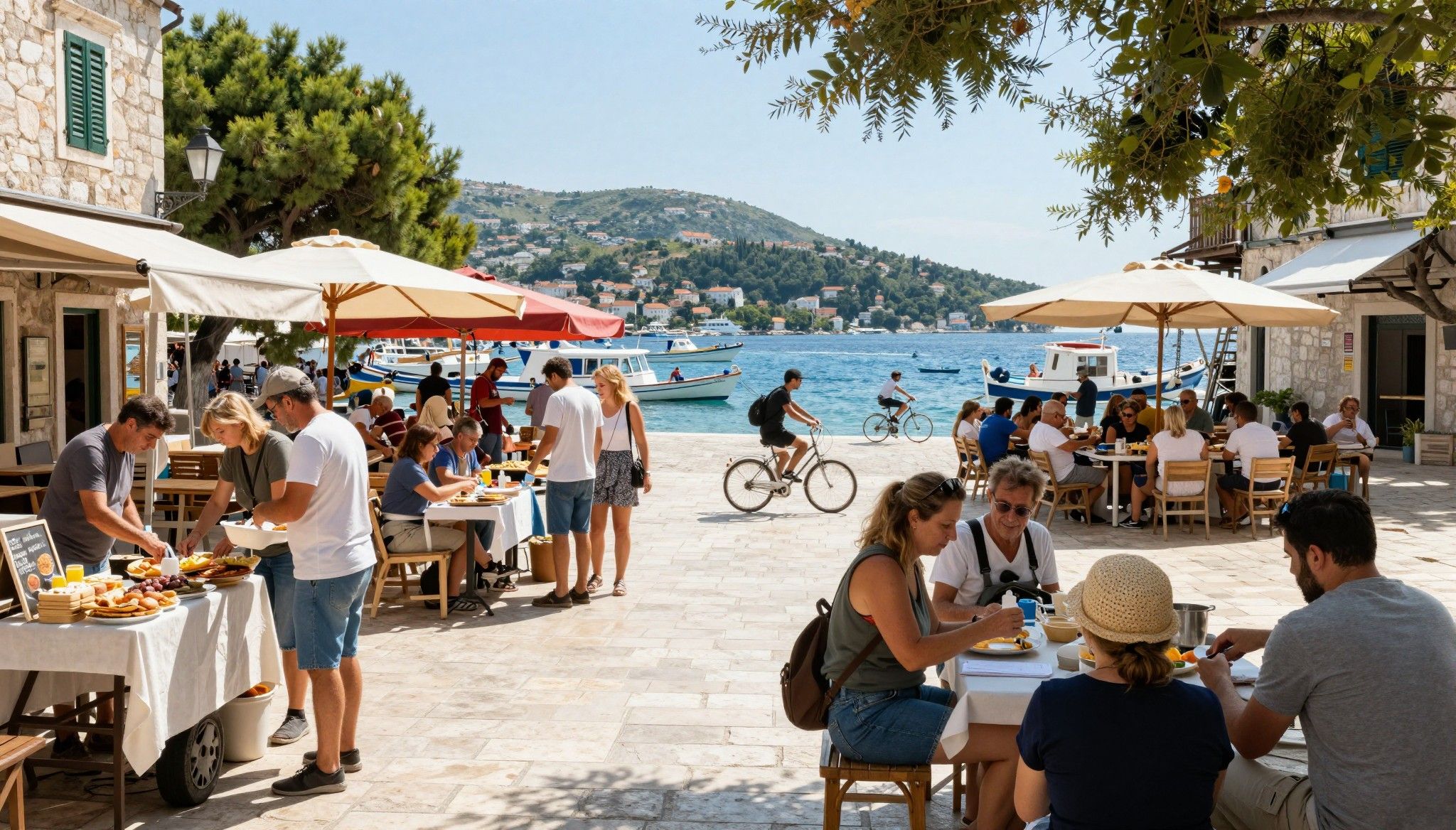
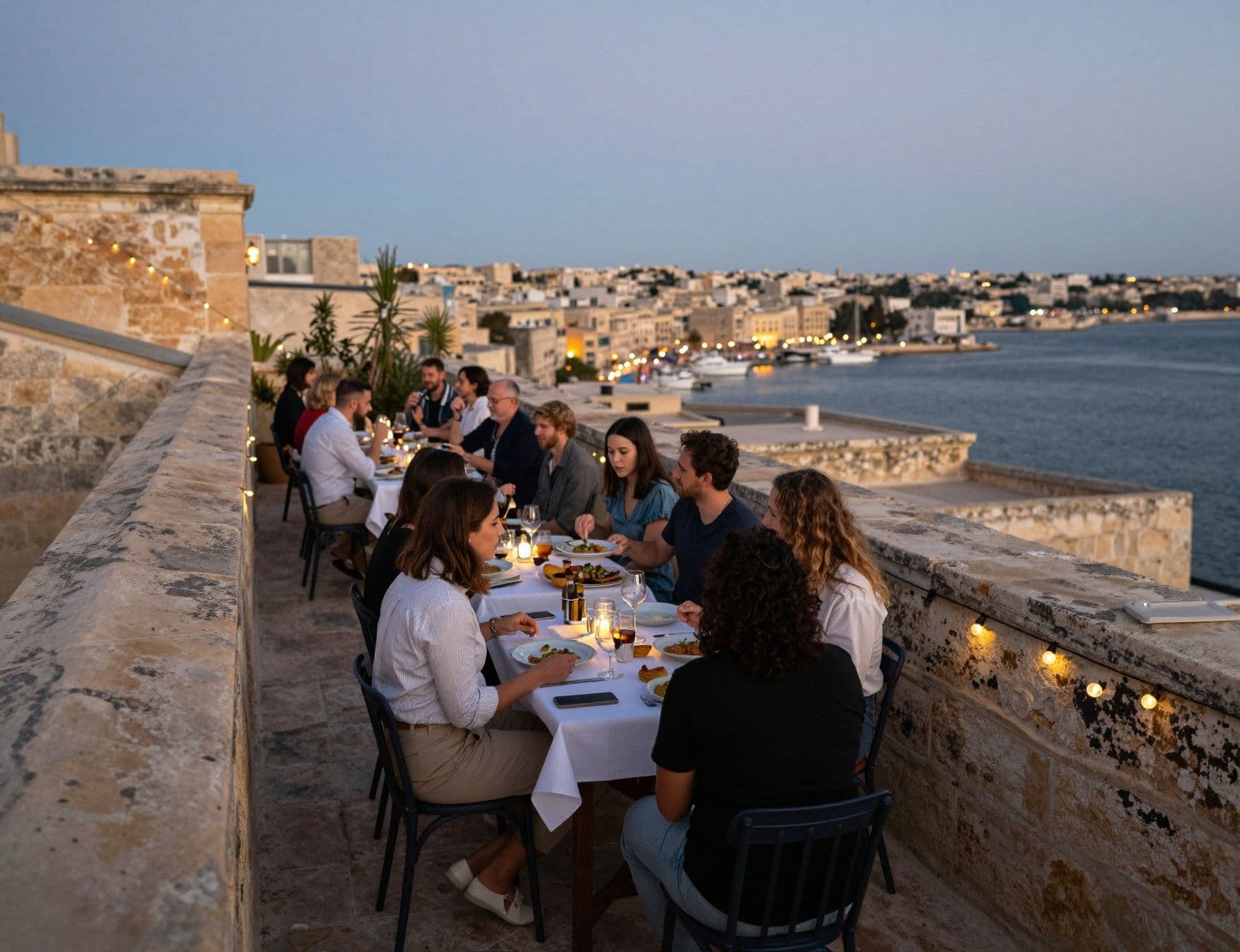
Weekends in Malta are about the market and the sea. Fish markets in Marsaxlokk, small neighbourhood bakeries in Paola, and aperitifs along the promenade in Sliema create rituals that shape where people choose to live. If you crave fresh bread at 7am, terrace lunches and a late‑night paseggiata, prioritise walkability — tiny lanes and sheltered squares matter more than a long balcony view you’ll only use twice a year.
- Lifestyle highlights you’ll actually use
- Morning espresso at Café Cordina, Valletta; fish market Saturdays in Marsaxlokk; evening strolls from Sliema waterfront to Valletta ferry; hidden rooftop terraces in Gżira; Sunday lunches in Senglea with harbor views.
Making the move: the realities behind the romance
We love the lifestyle — but the market is not static. Malta’s RPPI rose in 2024 and into 2025, with demand strongest for the mid‑range segment and growing interest in €500k+ listings. That means your selection strategy should be hyperlocal: look for streets where transaction history lags perception, and be ready to move quickly when a well‑priced, well‑located apartment appears.
Property types and how they fit your life
Typical Maltese homes are compact: maisonettes with internal courtyards, converted townhouses, and modern apartments with terraces. Choose based on how you live: a ground‑floor maisonette gives indoor/outdoor simplicity for entertaining; a high‑floor apartment gives light and views but smaller outdoor space. Remember insulation is often thin in older stone buildings — if you work remotely, factor acoustic upgrades into your budget.
Working with a local agent who knows the streets
- Why local expertise matters: 1) Agents translate neighbourhood signals (which blocks trade better). 2) They know planning quirks — many renovations need permits. 3) They can guide residency‑linked purchase options and timing. 4) They surface off‑market stock where better value hides.
Insider knowledge: what expats wish they’d known
The headline about ‘buy a passport’ is largely history — recent legal and political shifts mean citizenship‑for‑sale routes have closed or been heavily restricted. That changes buyer motivation: most international buyers now pursue Malta for lifestyle, residency programmes with strict requirements, or steady rental demand, not instant citizenship. That reality affects which properties are in demand and how agencies advise you.
Cultural cues that shape neighbourhood choice
Maltese social life clusters around family, the church calendar and neighbourhood associations. If you want an active expat social circle, target Sliema/Gżira/St Julian’s. If you want quieter community rituals and dockside mornings, consider Senglea, Vittoriosa or Marsaxlokk. Language won’t be a barrier, but local customs — like long lunch hours and late evening dining — will shape routines for families and professionals.
Longer‑term practical considerations
- 1) Factor rising RPPI into a 3–5 year value outlook; 2) Budget for renovation permits and VAT where applicable; 3) Confirm residency programme requirements before committing to property; 4) Prioritise walkability and local services over distant sea views if you plan year‑round living.
Conclusion: Malta’s compactness is its superpower. Buying here is less about a glamorous seafront image and more about a chosen street and its daily rituals. If you want the late dinners, fresh markets and ferry rhythms, work with an agent who knows which blocks deliver that life without the premium that comes with a postcard address. Start by shortlisting 3 neighbourhoods you’ve visited (or can visit virtually), ask for recent sale records on the street, and have a local lawyer and planner review any renovation plans before you sign.
Danish investment specialist who relocated to Costa del Sol in 2015. Focuses on data-driven market timing and long-term value for Danish buyers.