When Summer Hides Malta’s Best Property Deals
Malta’s compact rhythms hide seasonal pricing quirks — buy when locals are quiet, not when tourists inflate asking prices; check AIP rules and street-level comparables.
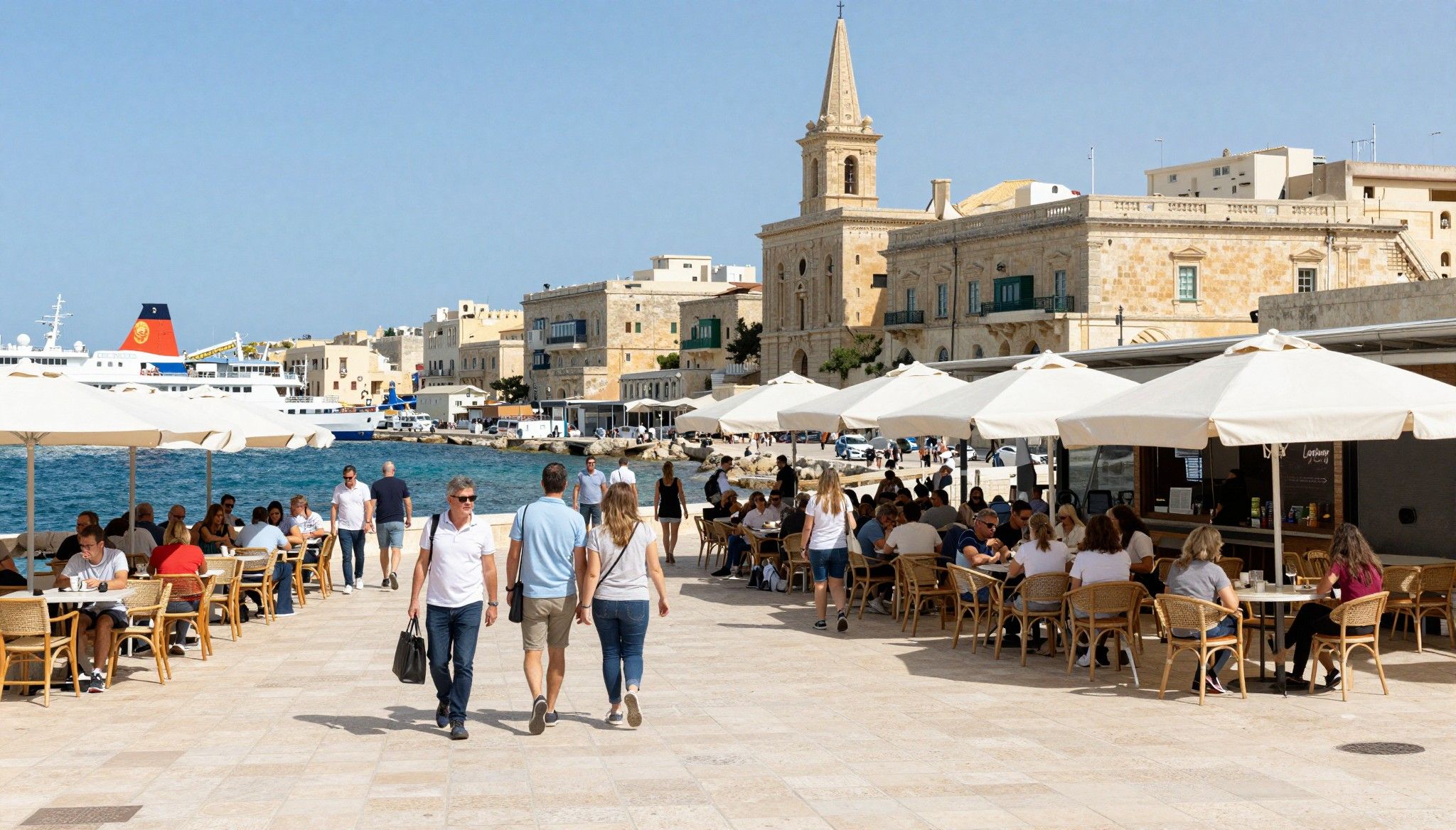
Imagine stepping out for an espresso on a narrow Valletta street, then catching a late-afternoon ferry to Sliema for aperitifs — Malta lives in short, vivid scenes. That sense of compact, everyday drama is why so many of us fall for the island: neighborhoods are a five-minute rhythm of cafés, piazzas, and sea views. But lifestyle and market don't move at the same pace; prices rose again in 2025, and where you look — and when — changes what you'll pay. Read on for the counterintuitive season to search, the neighbourhoods buyers skip (and shouldn't), and the practical steps that turn longing into a secure purchase.
Living the Malta life: small island, big daily pleasures
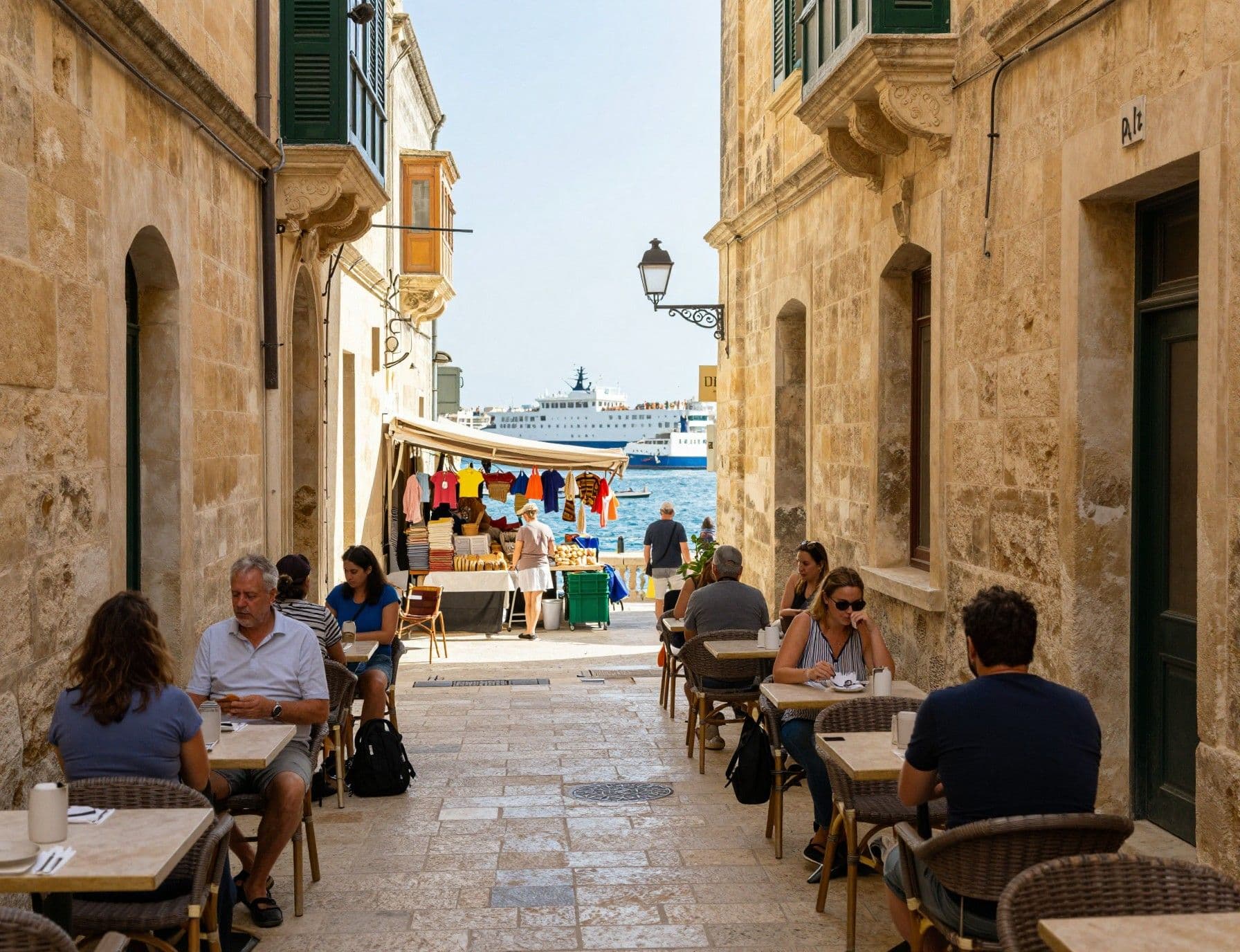
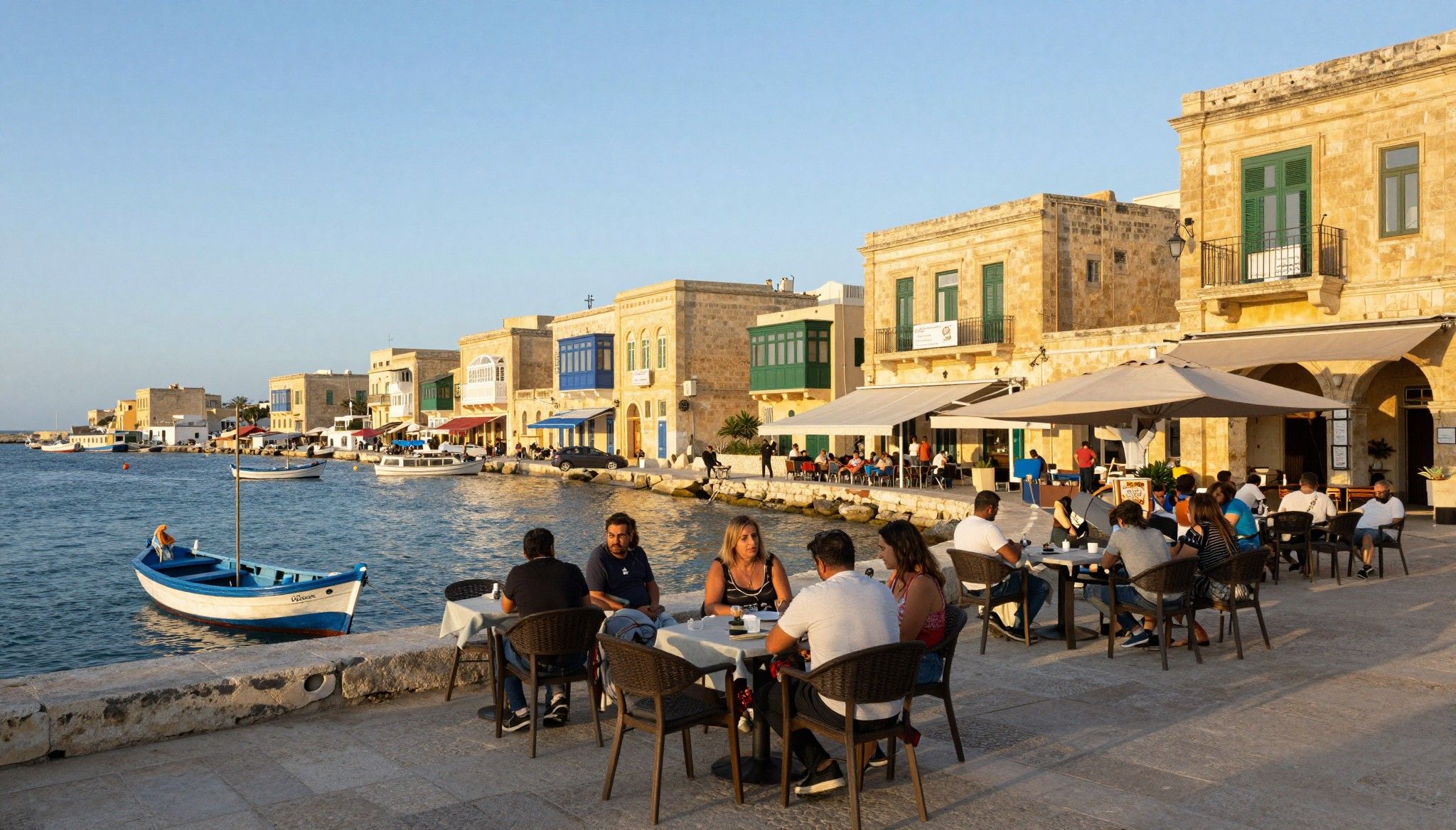
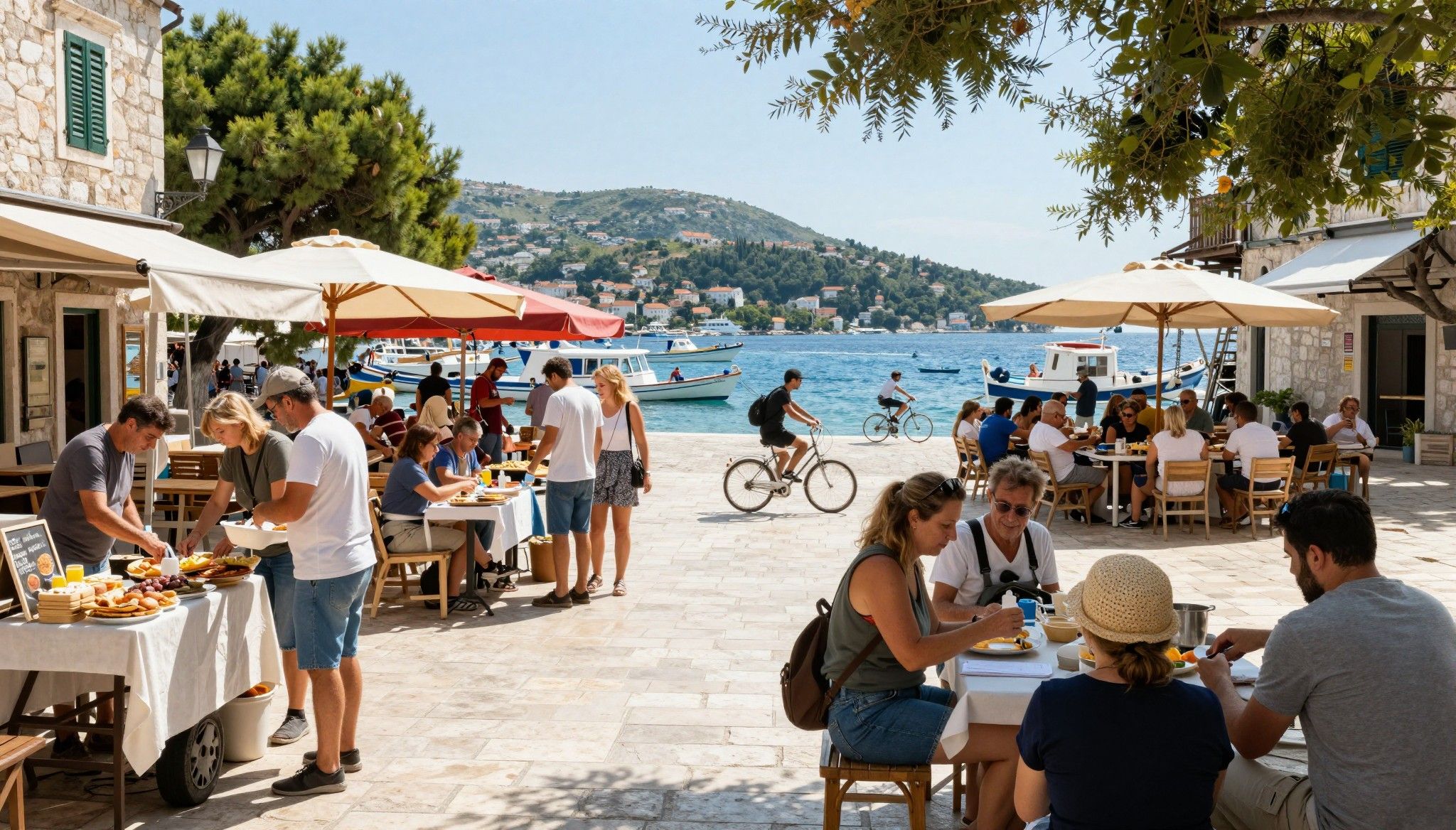
Life in Malta is portable: café tables act like public living rooms and the coast is a 20‑minute plan rather than a pilgrimage. Morning markets in Marsaxlokk, brunch crowds in Gzira, and late dinners in St Julian’s create a patchwork of routines rather than a single city rhythm. English is an official language, so practical tasks are easy, but local rhythms — long family lunches, church festa nights, and island‑time negotiations — shape how you actually use a home here. If you picture terraces, short commutes, and salted air, you’re close — but the lived details matter when you pick a street.
Valletta and the capital fringe: history that lives
Valletta is not a museum you visit; it’s a neighbourhood people inhabit, with stepped lanes, tiny grocery shops, and unexpected terraces. Properties range from restored townhouses on Merchants Street to compact flats above cafes on Strait Street. Expect stairs, thick limestone walls that keep the heat out, and a kind of urban intimacy that rewards small outdoor spaces more than large gardens. For buyers who want to walk everywhere and value character over floor‑plan perfection, Valletta delivers a daily life that feels distinctly Mediterranean and unmistakably local.
Sliema, Gzira and St Julian’s: coastal urban comfort
Sliema promenades, Gzira’s working-into-evening cafés and St Julian's nightlife give you different versions of coastal city living. Apartments with sea views or modern conversions near the promenade suit buyers who want outdoor cafés and easy ferries to Valletta. If you need coworking, international schools, and a lively weekend scene, these towns are the most practical urban hubs on the island.
- Lifestyle highlights: Marsaxlokk market mornings, Mellieħa beaches for weekends, Upper Barrakka Gardens for sunset views, Paceville for late-night options, and small bakeries such as Crystal Palace in Attard for traditional ftira.
Making the move: practical steps that keep the lifestyle intact
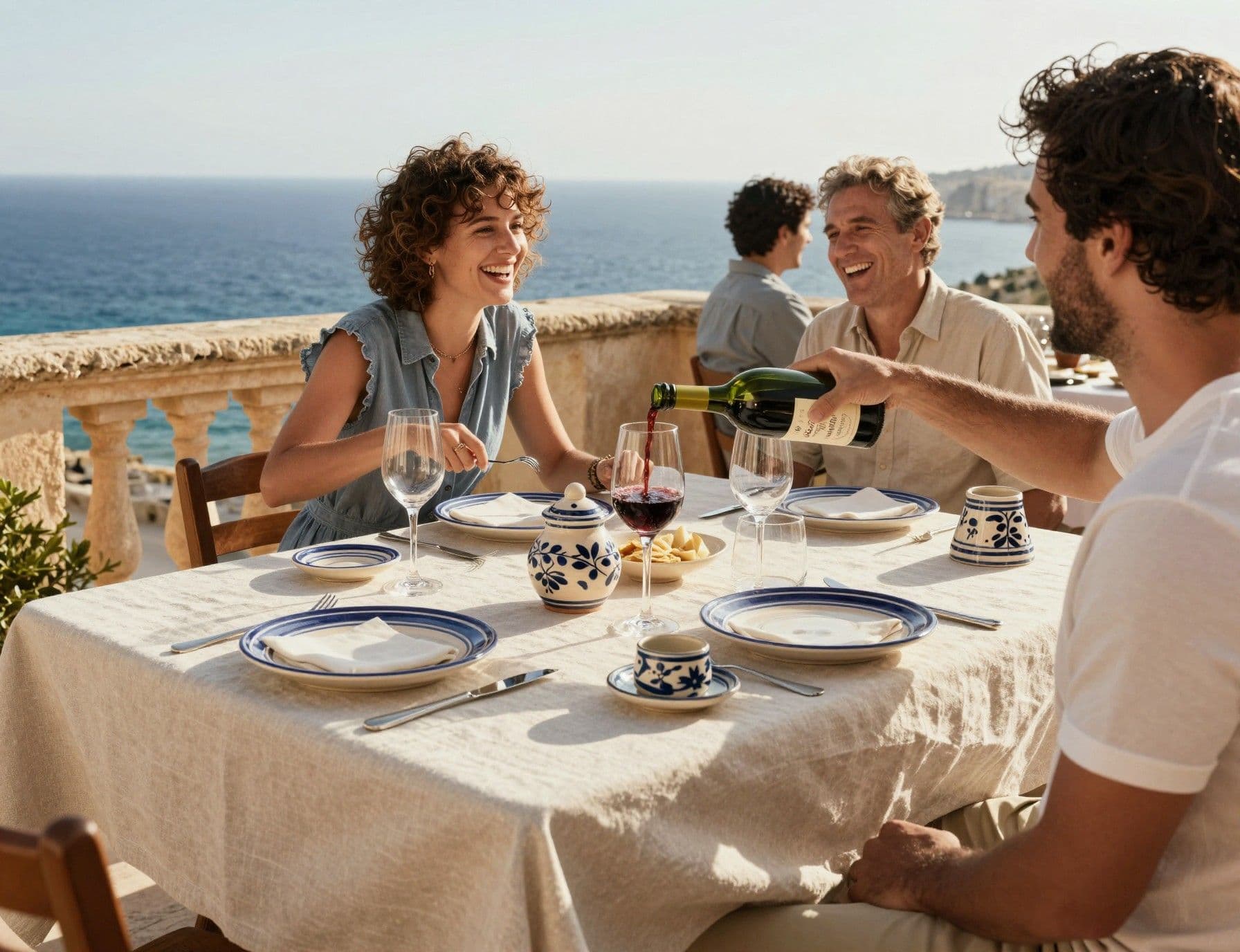
Your dream terrace and the deed are two different conversations. Non‑EU buyers often need an Acquisition of Immovable Property (AIP) permit and minimum price thresholds can apply depending on property type. Local counsel and an agent who understands permit timing save weeks of frustration and ensure you don’t waste emotional energy on properties that can’t be legally transferred. We always pair lifestyle tours with a practical feasibility check: the street you love might require special approvals or carry higher running costs.
Property types and how they shape daily life
Malta’s market mixes historic townhouses, mid‑rise apartment blocks, and new developments aimed at international demand. A restored townhouse gives you rooms that work for living and hosting, but expect renovation realities: rewiring, insulation, and often complicated access for trades. Modern apartments trade character for ease — quiet lifts, built‑in appliances and terraces that actually function. Match the property type to your daily habits: host often? choose internal space and a practical kitchen. Want to be outside? prioritise a balcony or a communal roof terrace.
Working with local experts who know the rhythm
- 1. Ask agents for recent comparable sales on the same street — not just the area. 2. Verify AIP or residency implications before making offers; put feasibility clauses in your initial contract. 3. Use a local architect or surveyor to estimate renovation budgets; stone properties hide damp and wiring issues. 4. Check running costs: older buildings often have higher maintenance because of shared roof works or façade repairs. 5. Meet neighbours: a single loud bar or a fortnightly festa can reshape your lifestyle fast.
Insider knowledge: the island truths we tell clients
Here’s the real talk: prices have continued to climb — official data shows gains in 2025 — but headline averages hide street‑level variation. That bright apartment on the promenade will track differently from a tucked‑away terrace in a village. Seasonality matters too: summer listings often carry inflated asking prices aimed at short‑term holiday buyers, while serious sellers tend to list in quieter months. Buying at the 'right' time in Malta is more about market rhythm than the calendar month.
Cultural integration, language and community
English makes everyday life straightforward, but Maltese social life runs on relationships: shopkeepers remember faces, festa committees decide noise levels, and neighbours still swap ricotta and tomatoes. Integrating means showing up — weekends at the local market and joining a club will get you faster acceptance than a formal application. Expect friendly directness: people will tell you if your renovation plans are naff or brilliant, and that local candour is part of the charm.
Long-term thinking: what life will look like after year one
After the first year you’ll notice routines matter more than raw square metres: morning routes to the grocer, where deliveries can legally park, and how much time the ferry adds to a weekend plan. New infrastructure and development plans can change desirability quickly; follow local planning notices and ask your agent about proposed works near a property. For many buyers the real wealth is non‑monetary: neighbours who become friends, small rituals at the local pastry shop, and a terrace that becomes your office in winter light.
Conclusion: Fall for the life, then build the file. Let the island sell you on daily rituals — the market will supply options — but pair desire with checks. Start with a short list of streets, confirm legal feasibility (AIP, permit thresholds), budget for the true cost of living in a stone building, and choose an agent who knows both the people and the paperwork. If you want an intro to reliable local advisors we work with that balance lifestyle matching and rigorous due diligence — tell us which towns you love and we’ll shortlist practical next steps.
Swedish expat who moved from Stockholm to Marbella in 2018. Specializes in cross-border legal navigation and residency considerations for Scandinavian buyers.