Croatia: Fall for the Life — Insist on the File
Croatia’s lifestyle is irresistible but market opacity, seasonality and rapid coastal price rises demand file‑first buying — visit two seasons, verify permits and work with local experts.
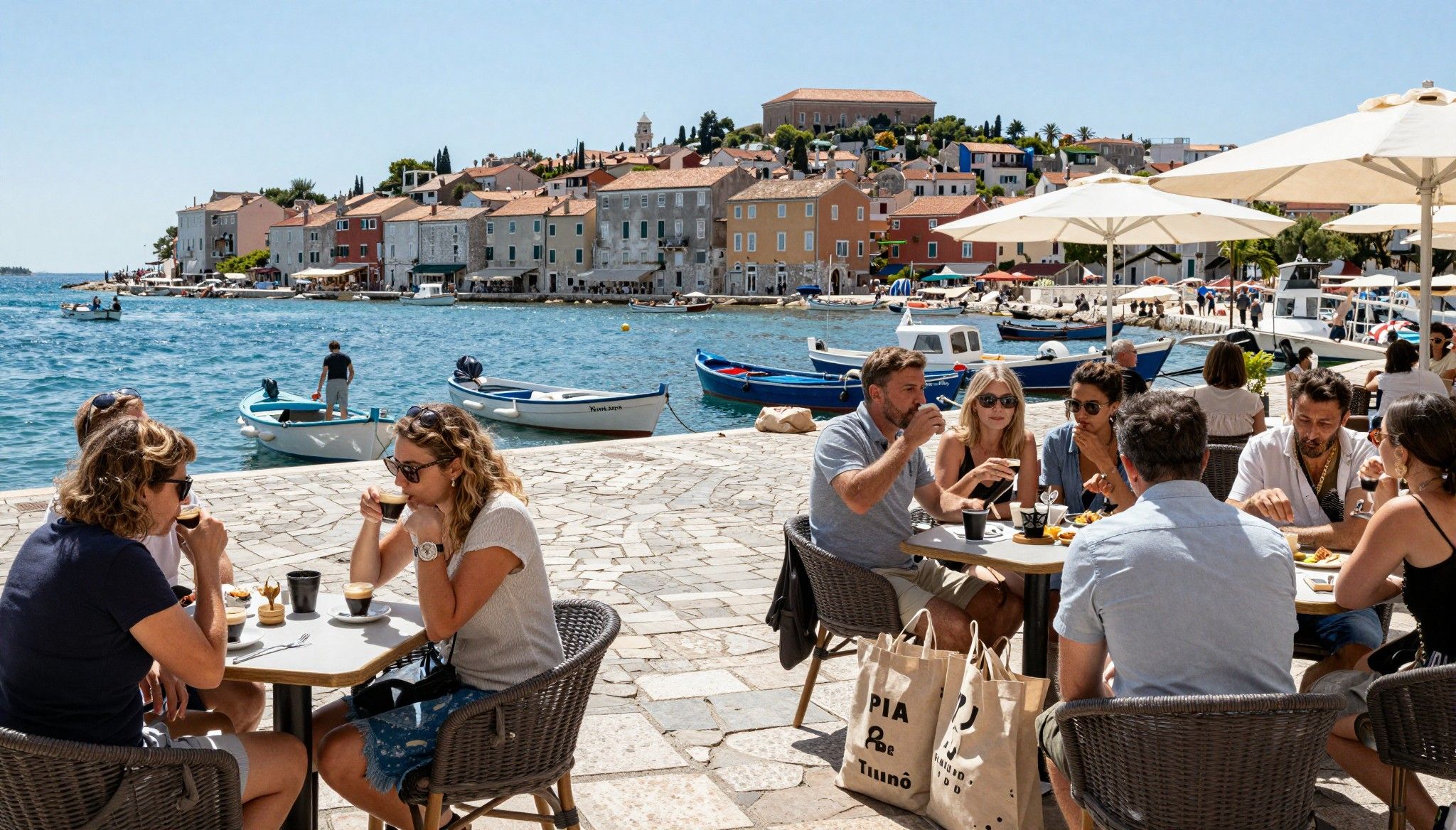
Imagine starting your morning with espresso in Split’s Varoš, then wandering the stair‑lined lanes to a market stall where the fishmonger already knows your name. That vivid, small‑scale life is what draws people here — but behind the postcard is a market with surprising opacity, seasonal swings and local rules you won’t read on a tourist blog. We’re here to tell the parts that seduce you, and the parts that protect your wallet.
Living Croatia: everyday rhythms you won’t want to leave
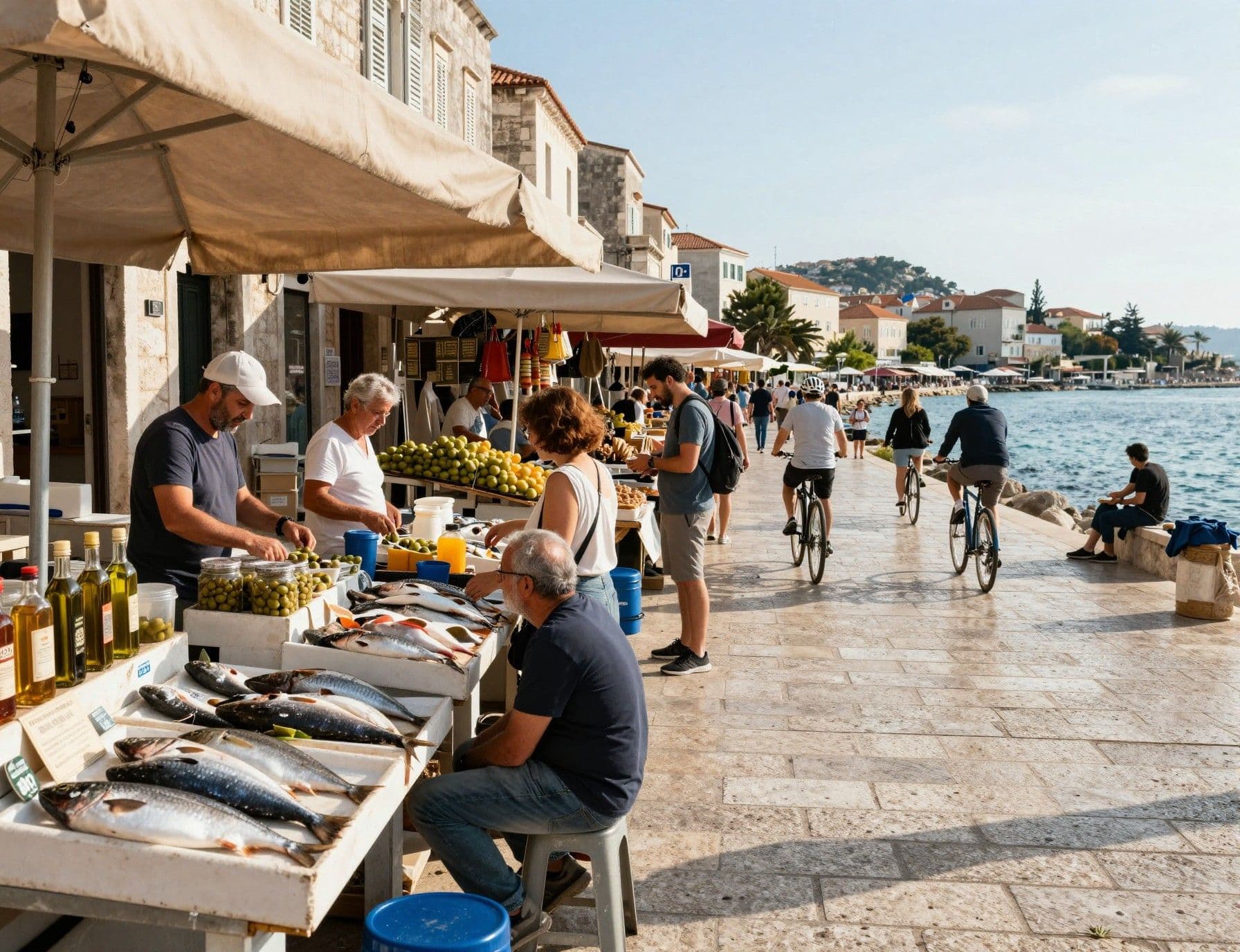
Croatia’s pull is sensory and seasonal: slow breakfasts in Zagreb’s leafy squares, high‑summer terraces on Hvar, and November storms that empty the Dalmatian waterfront and reveal a different, quieter life. Prices have been rising notably — official house price indices show strong year‑on‑year gains especially on the Adriatic — which helps explain the market’s split personality: intense demand in summer; quieter, more affordable windows in winter. Knowing when to look matters as much as where.
A few neighbourhoods that actually define Croatian life
Trešnjevka in Zagreb is both practical and lively — secondhand furniture shops, family cafes and a steady rental market for professionals. In Split, Varoš and Bacvice combine seafood markets and pebble beaches within walking distance. On Istria’s coast, Rovinj’s stone streets host an artisanal food scene; on Hvar the Old Town squares are summer theatre. Each place trades a different combination of noise, services and year‑round life; pick the rhythm first, the view second.
Food, markets and the social calendar
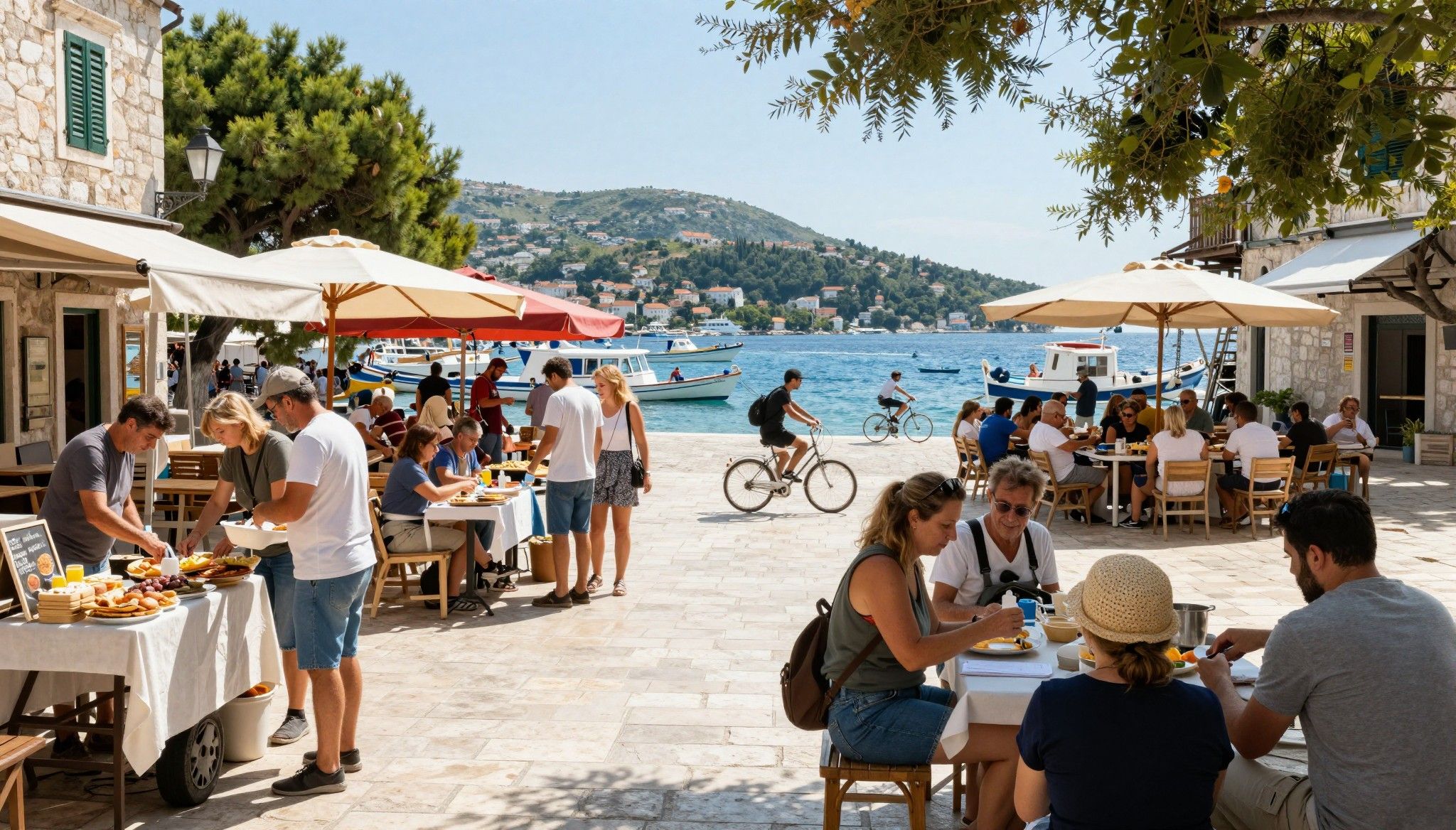
Weekends are market days. Think open‑air stalls in Zadar or Rijeka brimming with Istrian olive oil, fresh squid and fruit so sweet it reshapes breakfasts. The social life pivots around cafés and family‑run konobas (taverns) — places where neighbours swap news and owners sometimes sell first‑notice rentals. For buyers that lifestyle is part of the asset: local connections often unlock off‑market opportunities and realistic expectations on maintenance.
- Varied lifestyle highlights to check in person
- Morning espresso at Split’s Riva; afternoon swim at Bačvice; evening fish at Matejuška.
- Weekend market in Dolac (Zagreb) for cheese, truffles, and people‑watching.
- Cycling and wine tasting in Istria’s hinterland (Motovun loop) to clear your head before bidding.
Making the move: where lifestyle meets legal clarity
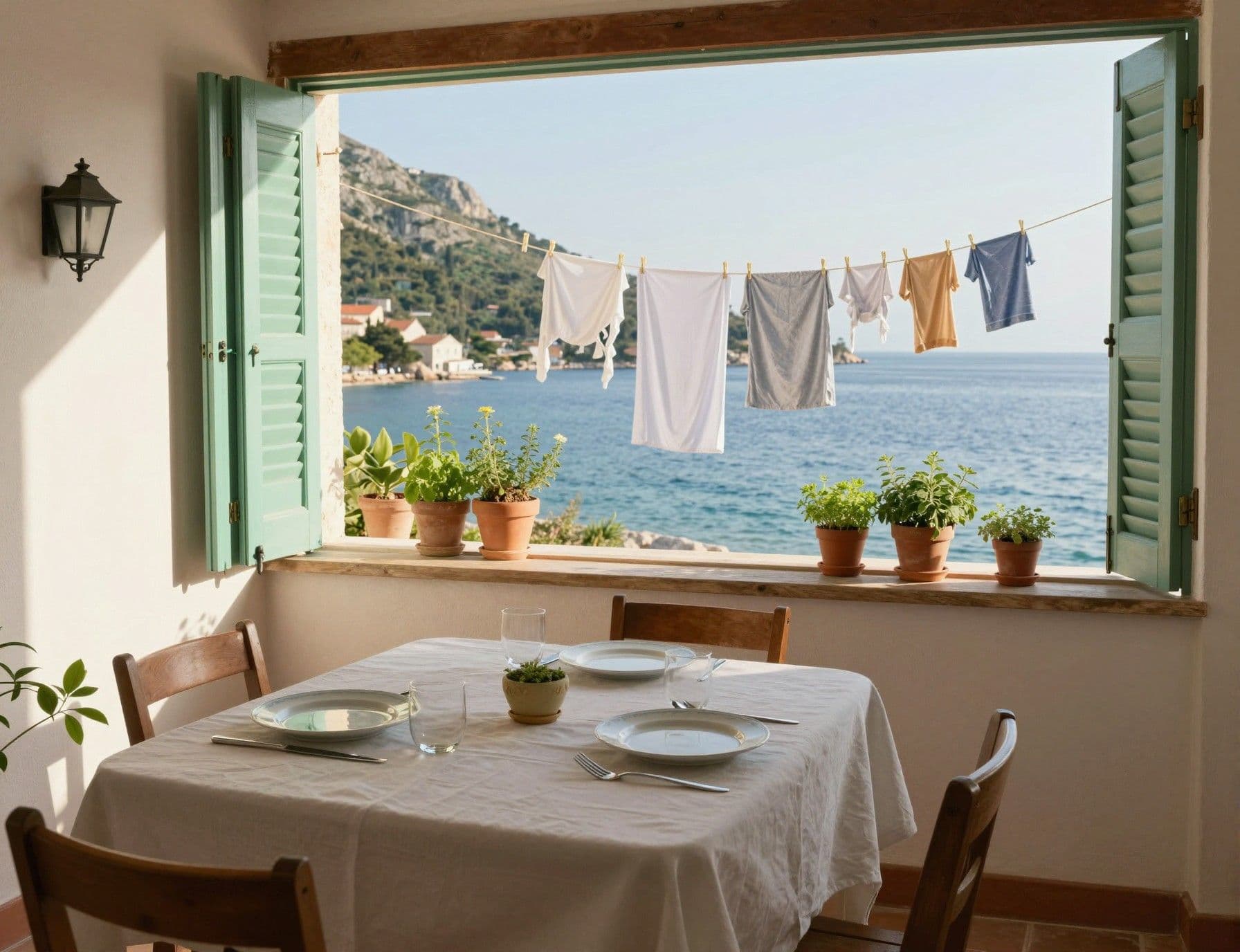
We love the life here — and we also insist on the file. Sales volumes dipped recently while prices rose in key spots, a sign that a smaller market is chasing quality stock. That makes transparency crucial: title records, building permits, zoning status and evidence of tourist licence suitability are the documents that turn romance into a secure purchase.
Property types and how they shape daily life
Stone apartments in old towns bring light and compact living — expect narrow stairs and thick walls that keep summers cool. Modern coastal developments offer terraces and parking but often come with condominium rules that limit rentals. Rural houses give land and privacy but demand upkeep and a tolerance for distance from services. Match the property’s daily constraints with how you actually want to live.
How local experts protect the lifestyle you’re buying
- Work with a lawyer who reads the municipal cadastre and past permits before you offer — it reduces surprise costs.
- Ask an agent for utility bills and maintenance records to estimate real running costs of older stone properties.
- Confirm rental rules with the local municipality if you plan short‑term lets; tourist licences and taxes vary by island and town.
- Insist on an on‑site survey for sea‑view claims and coastal setbacks to avoid later disputes with neighbours or regulators.
Insider knowledge: what expats wish they’d known
A common story: buyers fall in love at sea‑level, then discover maintenance, municipal fees and seasonality carve into returns. Coastal prices per square metre can be far higher than inland equivalents — detailed coastal studies show big premiums for direct sea access. If rental income matters, seasonality will skew yields; if year‑round living matters, look inland a little and you’ll find a quieter, more affordable life.
Cultural cues that change how you pick a place
Neighbours in many coastal towns value long relationships over fast contracts. Introducing yourself at the local konoba goes further than a glossy dossier. Learning a few Croatian phrases opens doors — and sometimes a storage room, a garden plot, or a tip on the right not‑for‑sale house that might appear on the market next month.
Hidden risks to watch for
- Rapid price growth in some regions while transaction volumes fall — this mismatch can mean thin liquidity and wider gaps between asking and sale prices.
- Incomplete permits and undocumented renovations — common in island houses; always verify cadastre and building permits.
- Tourist‑tax and short‑term rental rules differ town‑to‑town; assume you’ll need local confirmation before marketing a property to holiday guests.
- Infrastructure seasonality: ferries, medical services and shops can scale down outside summer months — factor this into year‑round lifestyle plans.
- If you’re ready to act: a simple, reliable six‑step pre‑purchase checklist
- 1) Visit in at least two seasons — mid‑summer and late autumn — to sense real life and running costs.
- 2) Order a cadastre extract and building permit search from a locally registered lawyer before contracts.
- 3) Get detailed utility bills and maintenance records for the previous 12 months to budget realistically.
- 4) Confirm municipal short‑term rental rules and tourist tax obligations for that specific address.
- 5) Arrange an independent survey (structural + roof + damp) — stone houses hide issues under beautiful facades.
- 6) Agree title handover with clear escrow steps and a closing date tied to cleared funds and registered deeds.
When you combine that checklist with the on‑the‑ground feel of markets, cafes and morning light, you stop buying a photo and start buying a life. That difference is everything in Croatia.
Final takeaways — how to fall for Croatia wisely
Croatia rewards people who respect seasonality and paperwork equally. The lifestyle is immediate — sea walks, markets, and close‑knit communities — but the market needs patient buyers who verify, visit off‑season and work with local lawyers and agents who share both the love of place and an insistence on the file. If you do that, you get the life and the security.
Next step: plan two visits (one summer, one off‑season), request cadastre extracts for target addresses and arrange an introductory call with a locally‑based lawyer — that will separate dreams from transactions.
Dutch relocation advisor who moved to Marbella in 2016. Guides Dutch buyers through visa paths, relocation logistics, and balance of lifestyle with value.