Croatia: Fall for the Life — Insist on the File
Fall for Croatia’s island life — but insist on registry extracts, permit checks and seasonal visits to separate romantic views from risky paperwork.
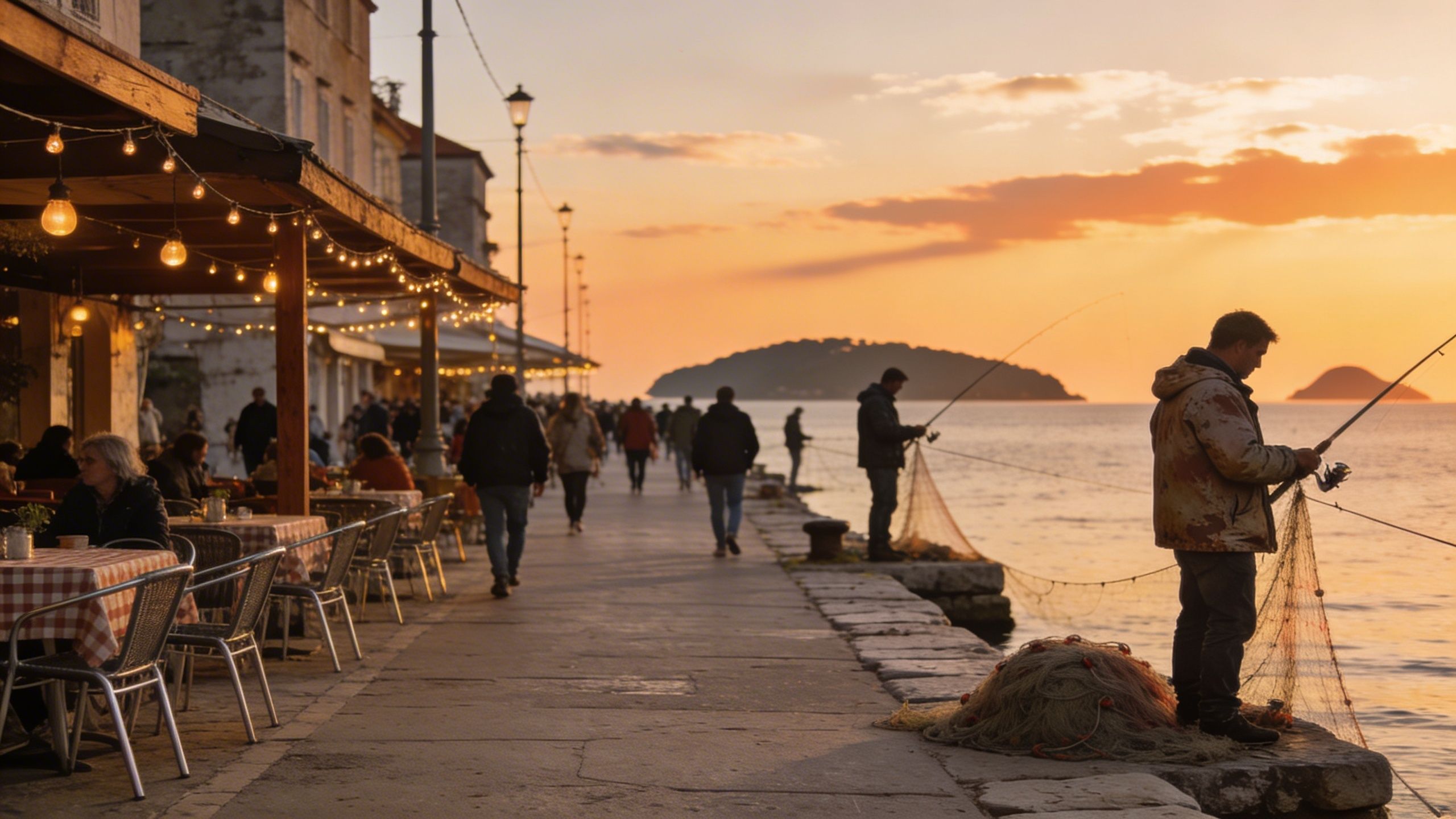
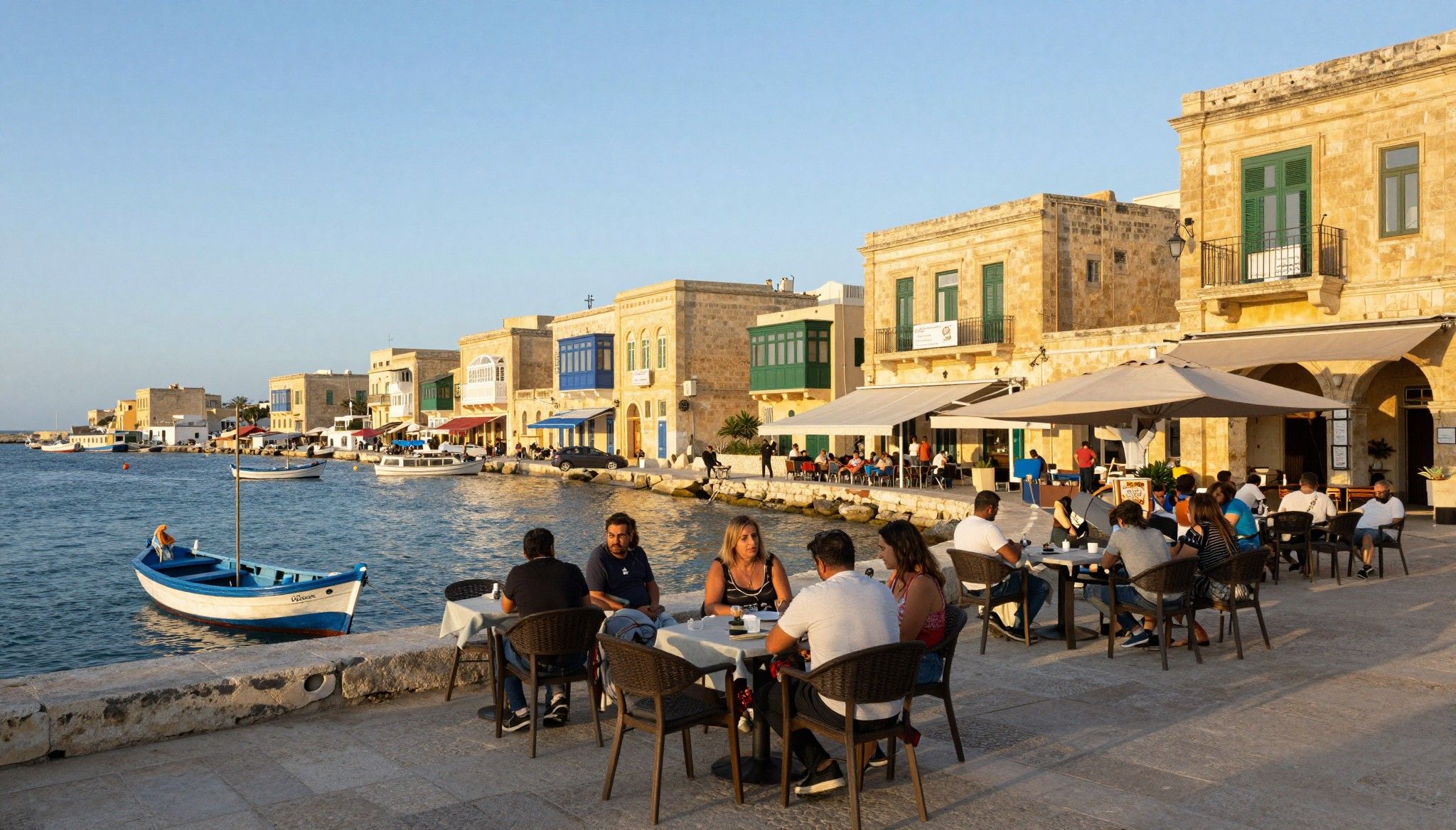
Imagine buying a corner apartment on Split’s Riva where you hear trampling steps, fishermen arguing in Dalmatian dialect, and the sea skimming the stone quay at dawn. In Croatia that scene is real, and it’s the reason so many of us fall for the place — but the paperwork, market rhythms and local disclosure habits are less romantic. We start here with the life you’re chasing, then show the transparency checkpoints that keep that life from turning into a costly surprise.
Living the Croatia lifestyle
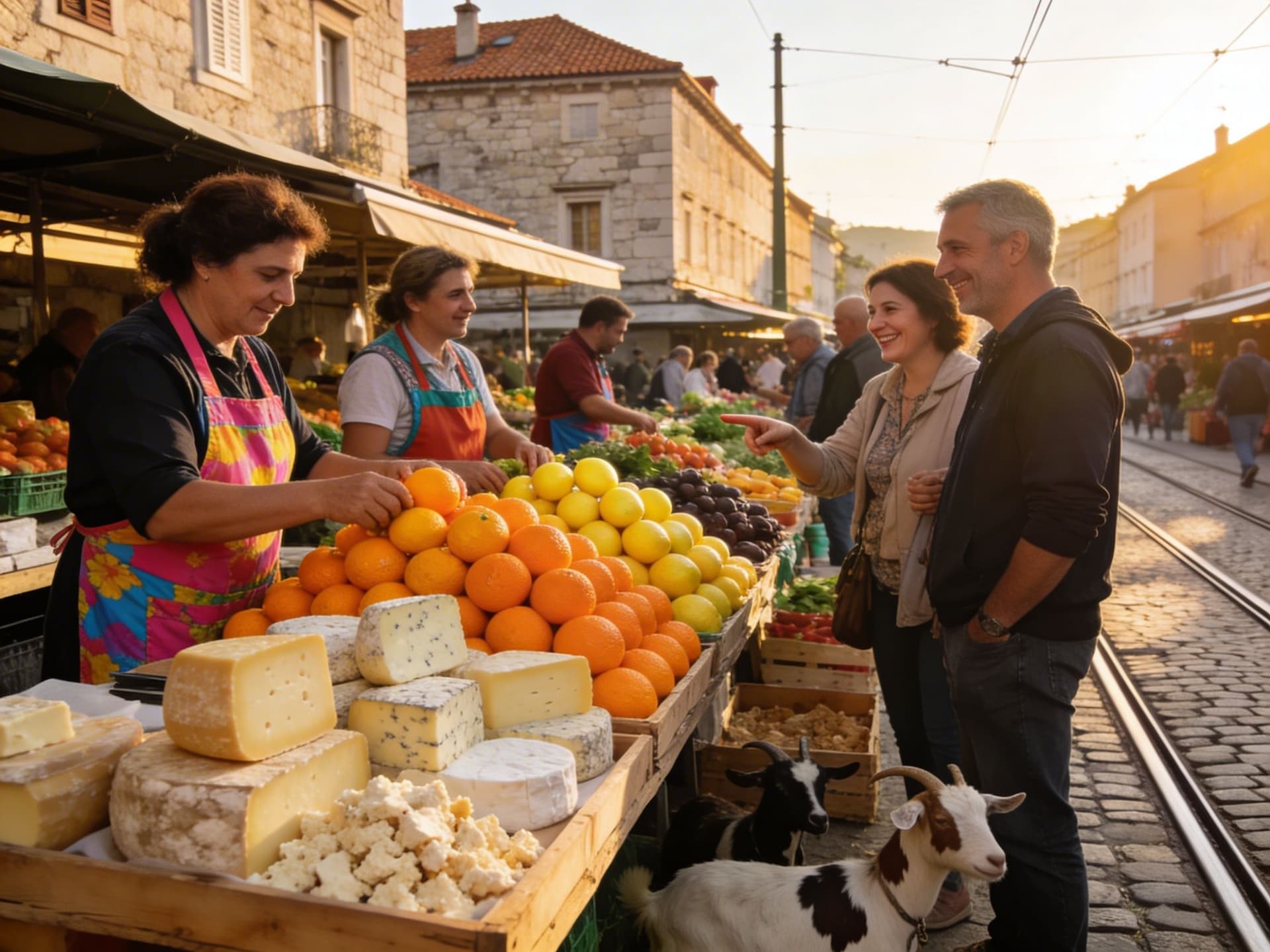
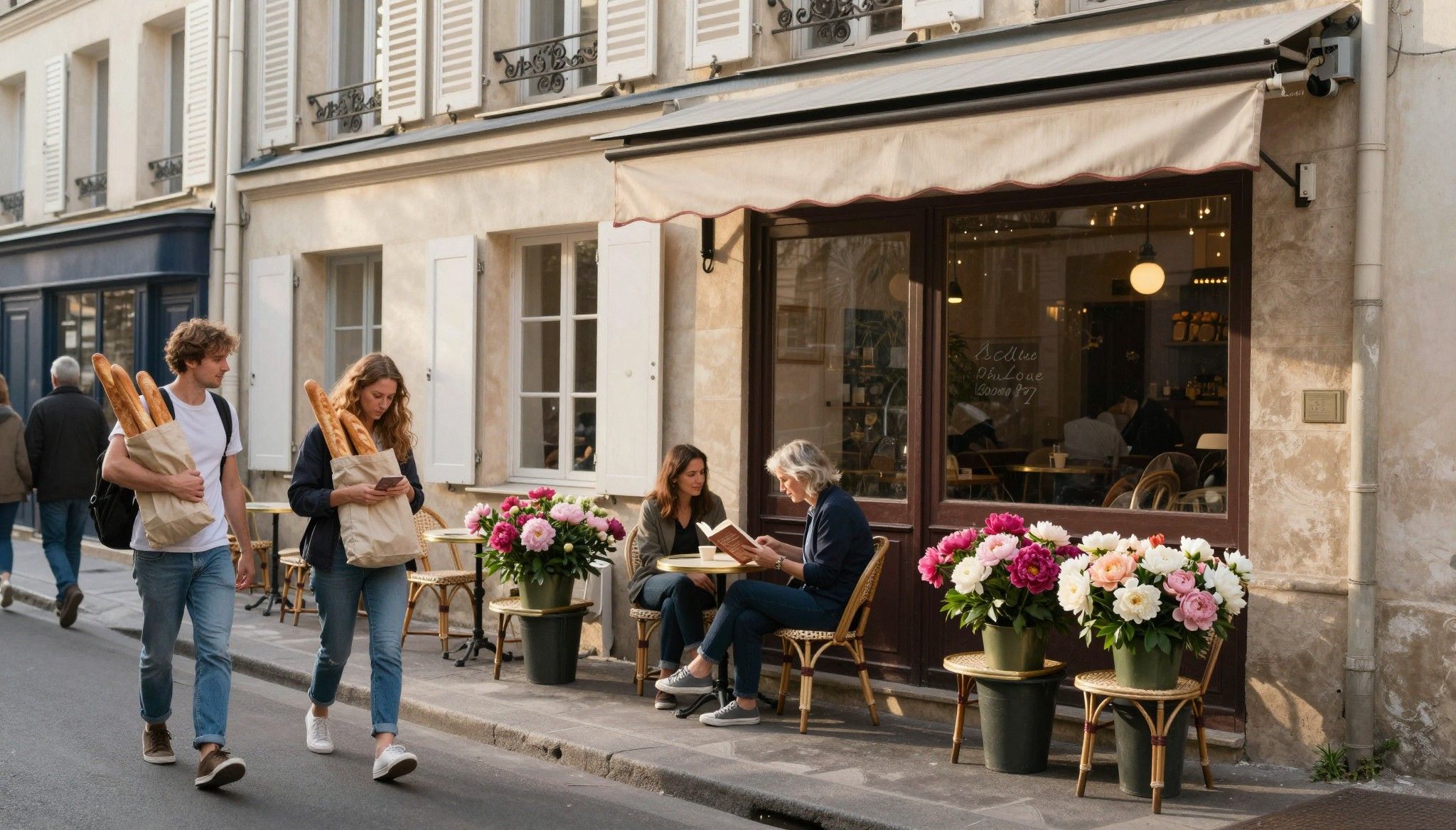
Croatia is coastal towns and inner plains at once: the Adriatic’s islands and limestone walls, plus lowland markets and oak forests inland. Days are paced by coffee (espresso at 9:00 is religious), late lunches that can stretch into siestas, and evenings by old stone squares where neighbours still greet each other by name. For buyers, this means property isn’t just square metres — it’s a rhythm. Find the rhythm that fits you and you’ll feel at home faster than you think.
Neighborhoods that show you different Croatias
Zagreb’s Lower Town (Donji Grad) offers tree-lined promenades, art-house cinemas and bakeries that open before dawn — practical for year‑round life and services. On the coast, Split centre and the Riva deliver daily life shaped by tourism but anchored in neighbourhood traditions; head to Veli Varoš for a quieter, local feel. On islands like Hvar or Vis, villages such as Stari Grad keep slow rhythms: mornings on the market, afternoons on a small terrace, and social life that concentrates in the harbour after sunset.
Food, markets and the seasons that make a place
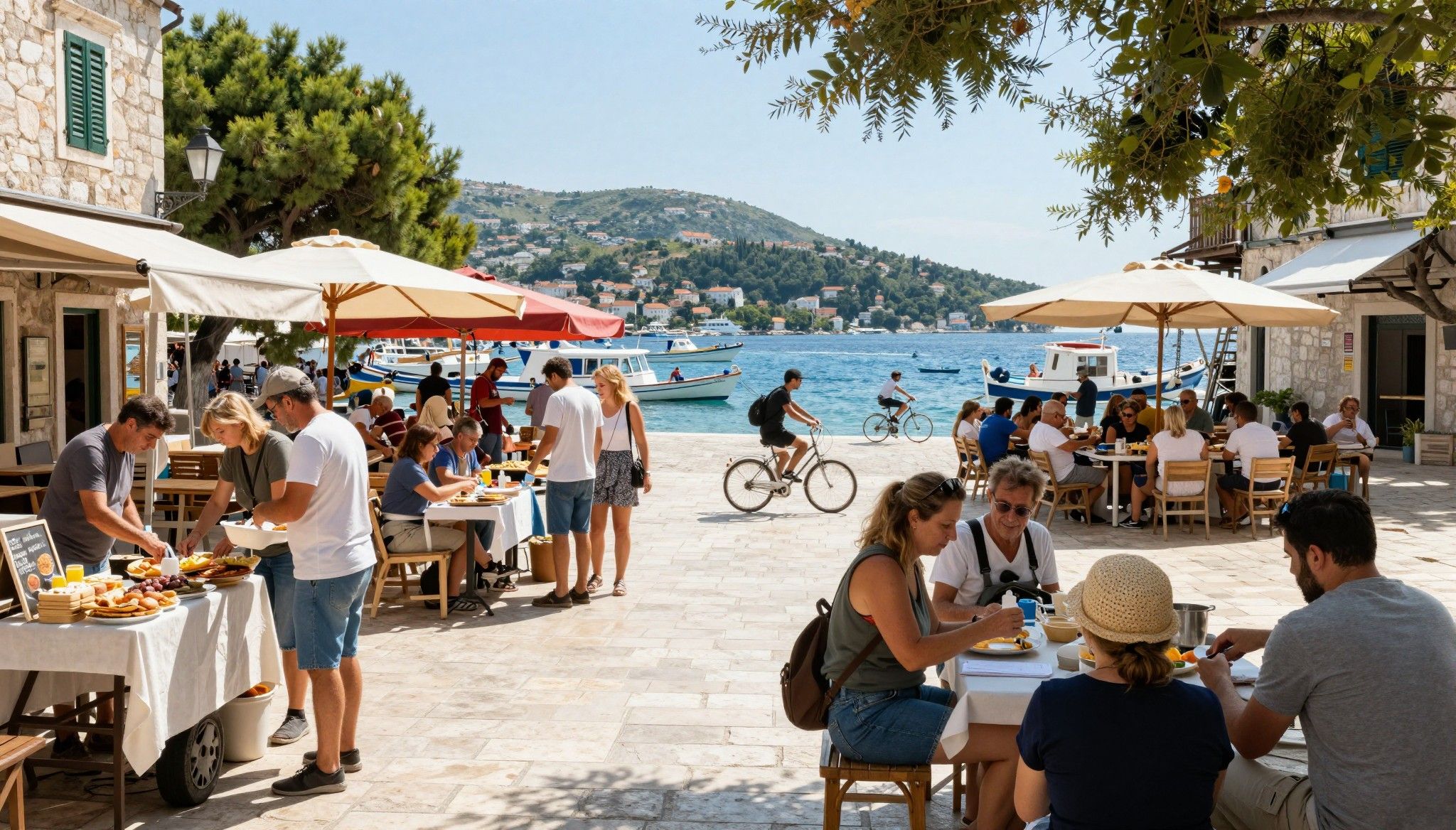
Markets define neighbourhood calendars. Try Dolac in Zagreb for cheeses and seasonal fruits; Rijeka’s fish market for early-morning rituals; Split’s Pazar for fragrant citrus and olives. Seasons matter in Croatia: summer brings crowds and higher short‑term rental demand on the coast; winter reveals whether a town offers year‑round services or shuts down until spring. Those seasonal patterns feed directly into property value and rental transparency — and you want to know which towns are summer actors and which are steady performers.
- Lifestyle highlights
- Morning espresso and market hauls — Dolac market for produce, Dolac bakery for burek; a daily ritual that makes grocery shopping social.
- Island afternoons — board a local ferry to Hvar or Vis and spend an afternoon discovering stone alleys and family-run konobas.
- Riva evenings — walking the waterfront in Split or Dubrovnik is how locals wind down and judge neighbourhood energy.
- Forest escapes — inland Istria and Slavonia offer weekend country life, truffle hunts, and quieter property prices than the coast.
Making the move: practical considerations
The dream starts with lifestyle, but the truth lives in data. Official statistics show house prices rose about 10% year-on-year in late 2024, with regional variation between Zagreb, the Adriatic coast and hinterland municipalities. That pace matters: coastal towns can behave like tourist micro-economies while inland markets answer to local wages and supply. Use national indices to set expectations, then layer local sale-by-sale evidence to see where listing prices match reality.
Property styles and how they shape daily life
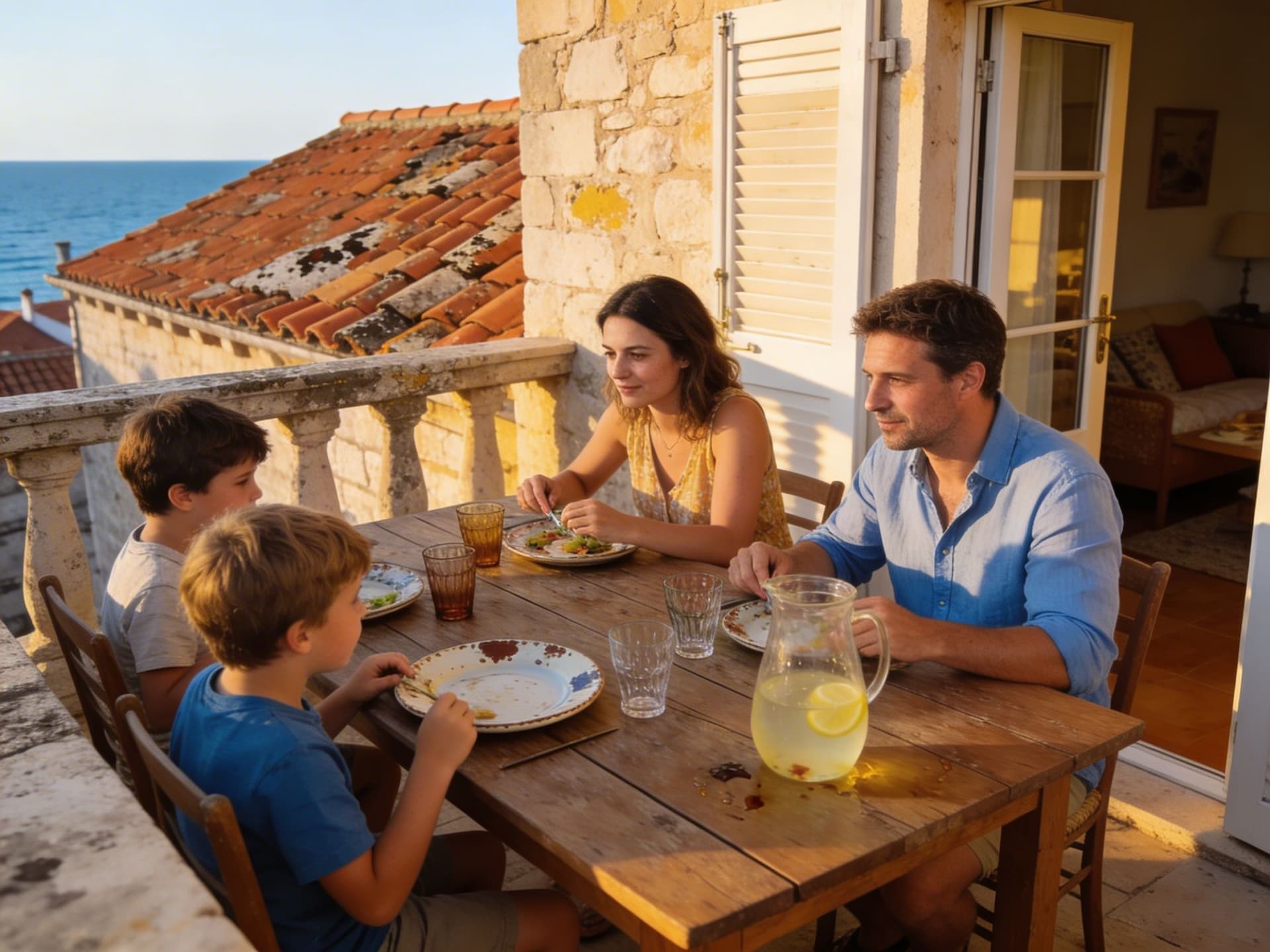
Stone townhouses in Dalmatia keep the heat out and invite terrace living, but they often come with narrow staircases and costly restorations. Modern apartments in new Zagreb developments give predictable maintenance and amenities but less character. Villas on islands promise privacy and views, and frequently higher running costs — well water, septic, or island electricity surcharges. Match the property type to how you’ll actually use it: full‑time residence, seasonal retreat, or rental asset.
Working with local experts who speak both life and law
We recommend an agent who can show you the lifestyle and read the files. Good local agents connect you to notaries, surveyors, and municipal records; they know which villages have active year‑round life and which are summer façades. Expect to ask for land registry extracts, utility connection histories, and evidence of permitted works — the agents who provide those before you ask are the ones worth your time.
- How we recommend you blend lifestyle and process: 1) Visit in at least two seasons (summer and shoulder season) to sense service levels and tourist pressure. 2) Ask for the land registry extract (izvatak iz zemljišnih knjiga) and utility records before negotiating. 3) Commission a structural and roof survey to assess restoration costs in old stone houses. 4) Confirm whether short‑term rental demand is organic or developer‑driven to avoid overpaying for a temporary premium.
Insider knowledge: what expats wish they'd known
Three truths we hear from buyers: foreigners still account for a material share of transactions (over 30% in recent years), coastal prices often reflect short‑term rental strength, and national indices can mask local volatility. That means you can fall for the view and later discover seasonal vacancy, municipal restrictions on rentals, or deferred maintenance. The smart path is curiosity plus paperwork — enjoy the espresso, but insist on the file.
Cultural integration and practical daily life
Croatians value directness and local hospitality; learn basic phrases and you’ll find doors opening. Many services close mid‑day in smaller towns and public administration can be slow, so budget time for registrations, tax ID processes, and utility set‑ups. Expat communities cluster in coastal towns and Zagreb — they’re useful for introductions but don’t substitute learning local rhythms if you want true belonging.
Long‑term lifestyle and risk factors
Population trends matter to long‑term value. Younger Croatians leave home later than other Europeans and many towns face demographic ageing; this affects local rental pools and service continuity. Combine this with tourism-driven coastal supply and you can see why inland and secondary towns sometimes offer steadier returns. Think beyond tourist seasons when modelling cashflow.
- Red flags and transparency checks
- Title ambiguity — always request a current land registry extract and check ownership chains.
- Unpermitted works — ask the municipality for building permits before you sign; renovations without permits can become costly legal problems.
- Seasonal service drop-off — verify year‑round utility reliability and local medical/retail access if you plan to live there beyond summer months.
- Rental regulation risk — confirm local short‑term rental rules and any municipal licensing requirements that might affect income forecasts.
- A transparent purchase checklist: 1) Get a full land registry (izvadak) and confirm cadastral parcel IDs. 2) Obtain municipality permits for all works and check recent tax assessments. 3) Commission an independent surveyor and ask for a utilities history. 4) Use a notary experienced with foreign buyers and insist the contract specifies completion conditions and penalties.
Conclusion — fall in love with life, insist on the file. Croatia rewards patient buyers who pair lifestyle scouting with rigorous transparency checks. Visit in different seasons, meet the neighbours, and insist your agent and notary deliver registry extracts, permits, and utility records before you make an offer. Do that and the stone terraces, market mornings and harbour evenings will be yours — without the surprises.
Danish investment specialist who relocated to Costa del Sol in 2015. Focuses on data-driven market timing and long-term value for Danish buyers.