Cyprus Disclosure: Hidden Signals Buyers Miss
A lifestyle‑first look at Cyprus that reveals the market signals international buyers often miss — backed by Central Bank and Land Registry sources.
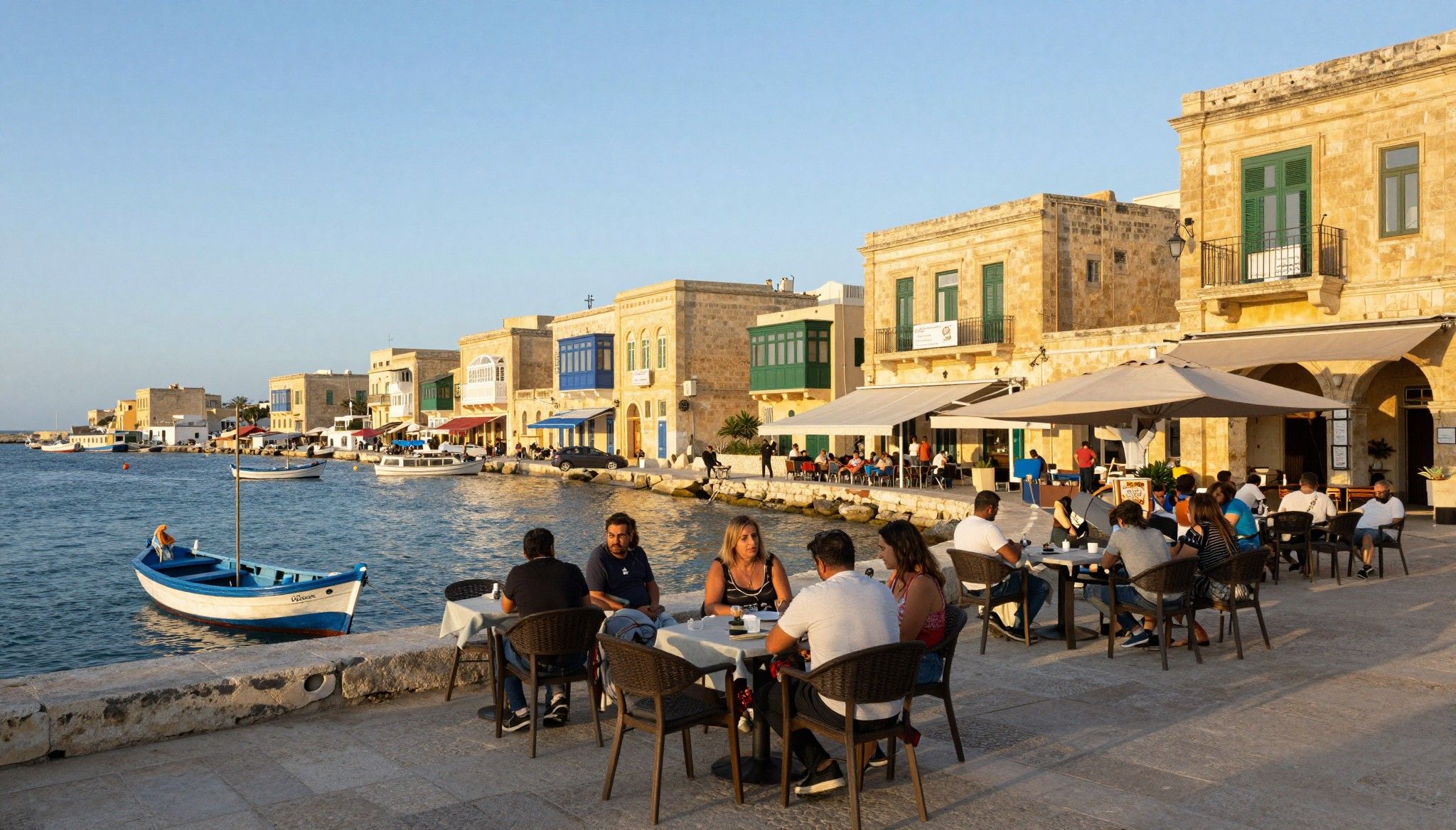
Imagine a Saturday morning in Limassol’s Old Port: fishermen mending nets, cafes filling with espresso steam, toddlers chasing pigeons along Anexartisias. That scene is why people fall for Cyprus — the light, the sea, the pace. But when that romance meets paperwork, many buyers discover a second, quieter story: how much (or how little) the market tells you before you sign.
Living the Cyprus life — and the small signs that matter
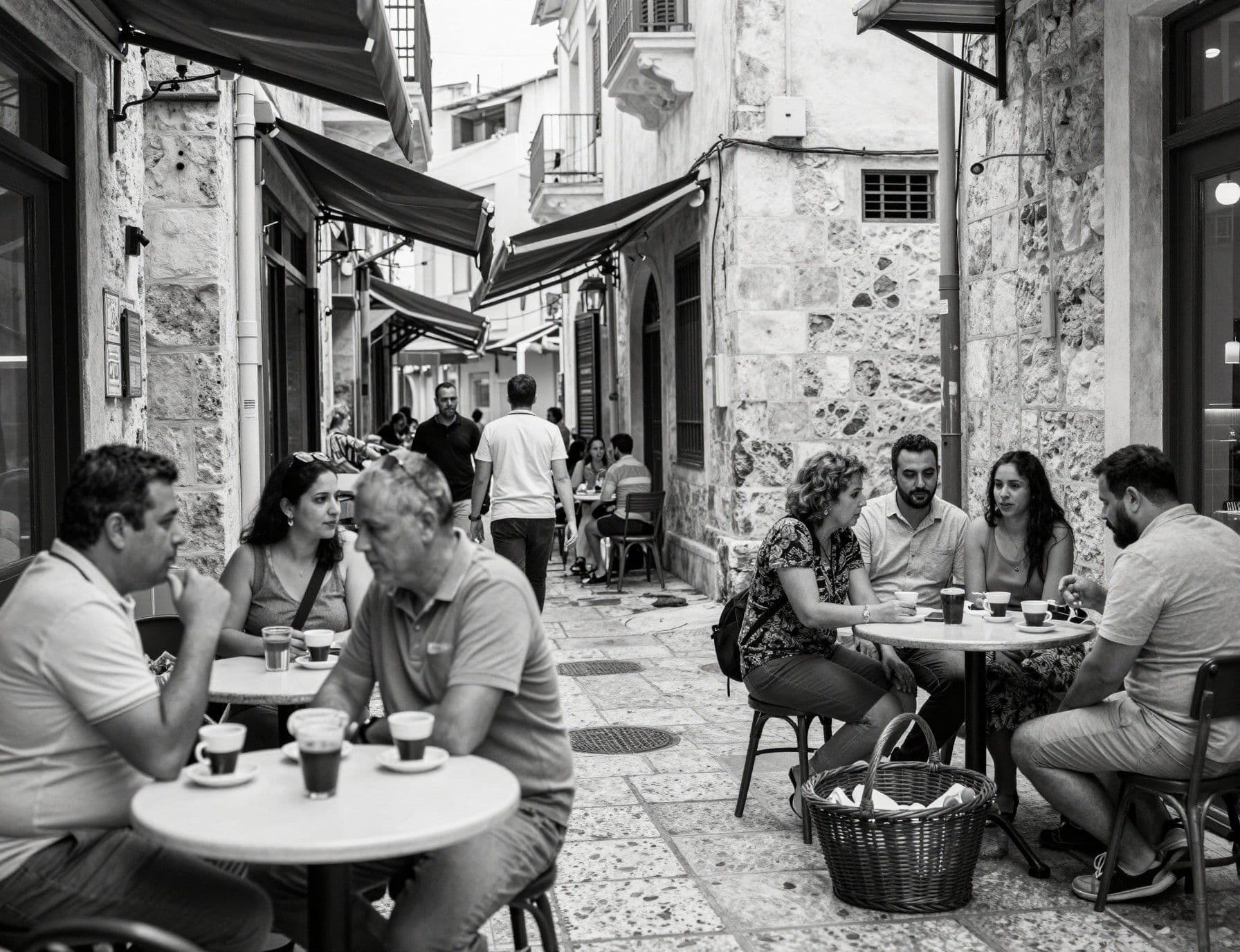
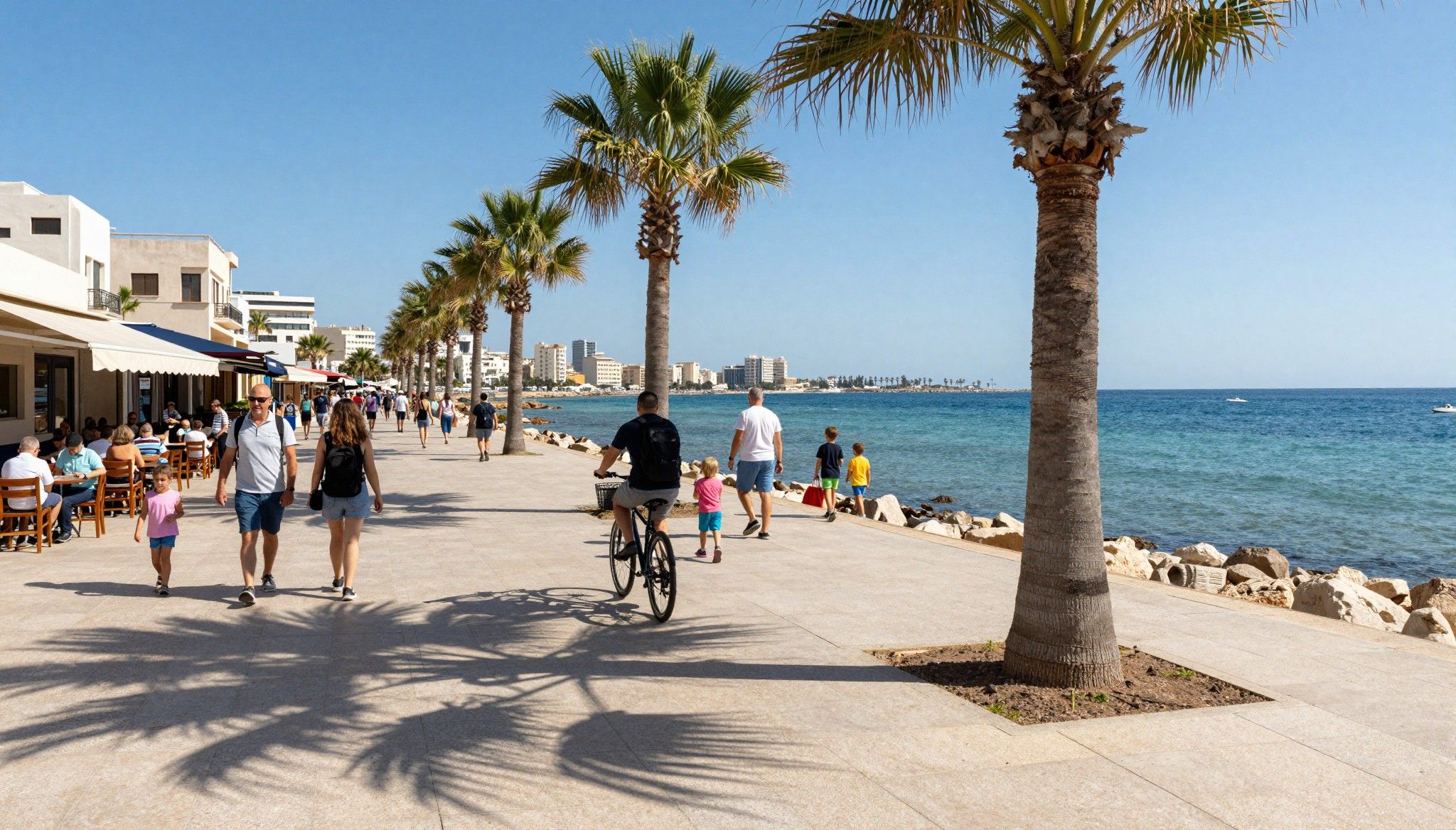
Cyprus feels immediate: morning markets in Nicosia, sunset promenades on Larnaca’s Finikoudes, and the shifting rhythms of mountain villages like Omodos. That sensory pull shapes what you look for in a home — terraces for late dinners, covered verandas for siestas, kitchens where neighbours drift in — and it also hides small market signals that should change how you bid and what documents you insist on seeing.
Spotlight: Limassol’s old town vs Germasogeia coast
Walk Anexartisias at 10am and you’ll hear Greek and English in equal measure; stray into Germasogeia and the beaches, expat bars and newer apartments tell a different planning story. Old‑town properties often carry mixed ownership histories and piecemeal renovations; coastal developments bring developer packs but sometimes thinner disclosure on past land uses. Both are lovely — but they ask for different questions at the lawyer’s desk.
Food, markets and the life you’re buying
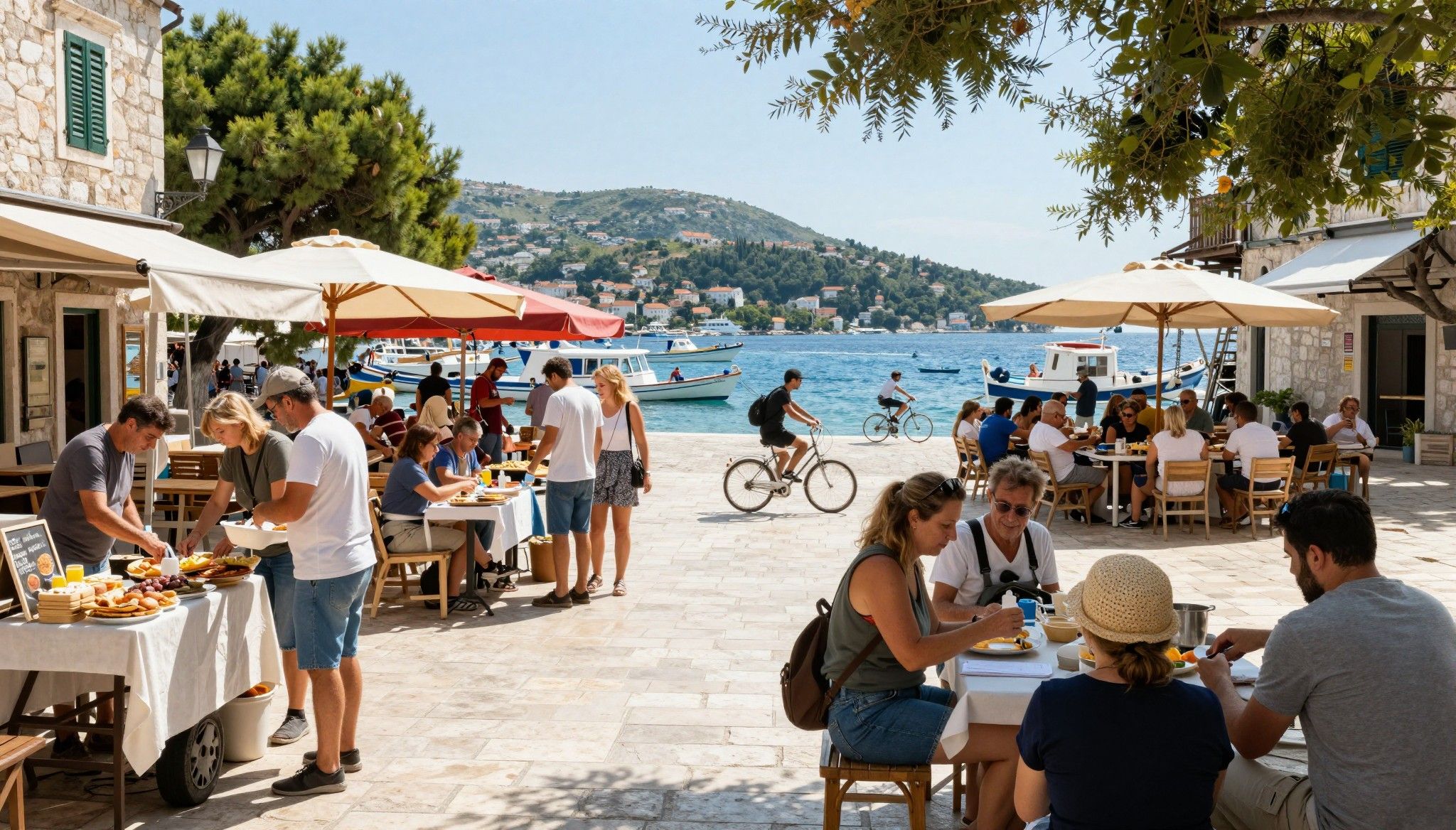
From the Strovolos morning market in Nicosia to Paphos’ coastal tavernas, lifestyle is the headline. But cafes and weekly markets can also be early warning signs: consistent local footfall means long‑term rental demand; seasonal vendors point to tourism exposure. Match the daily life you want with the market transparency you need — some neighbourhoods trade steady community buzz for better documentary clarity; others trade charm for murky ownership trails.
- Terraces and sea breezes — lifestyle highlights to check on the file
- Morning markets: Nicosia’s Municipal Market (Pazari) and local fruit vendors
- Seafront promenades: Larnaca’s Finikoudes and Limassol Old Port evening life
Making the move: practical transparency you can demand
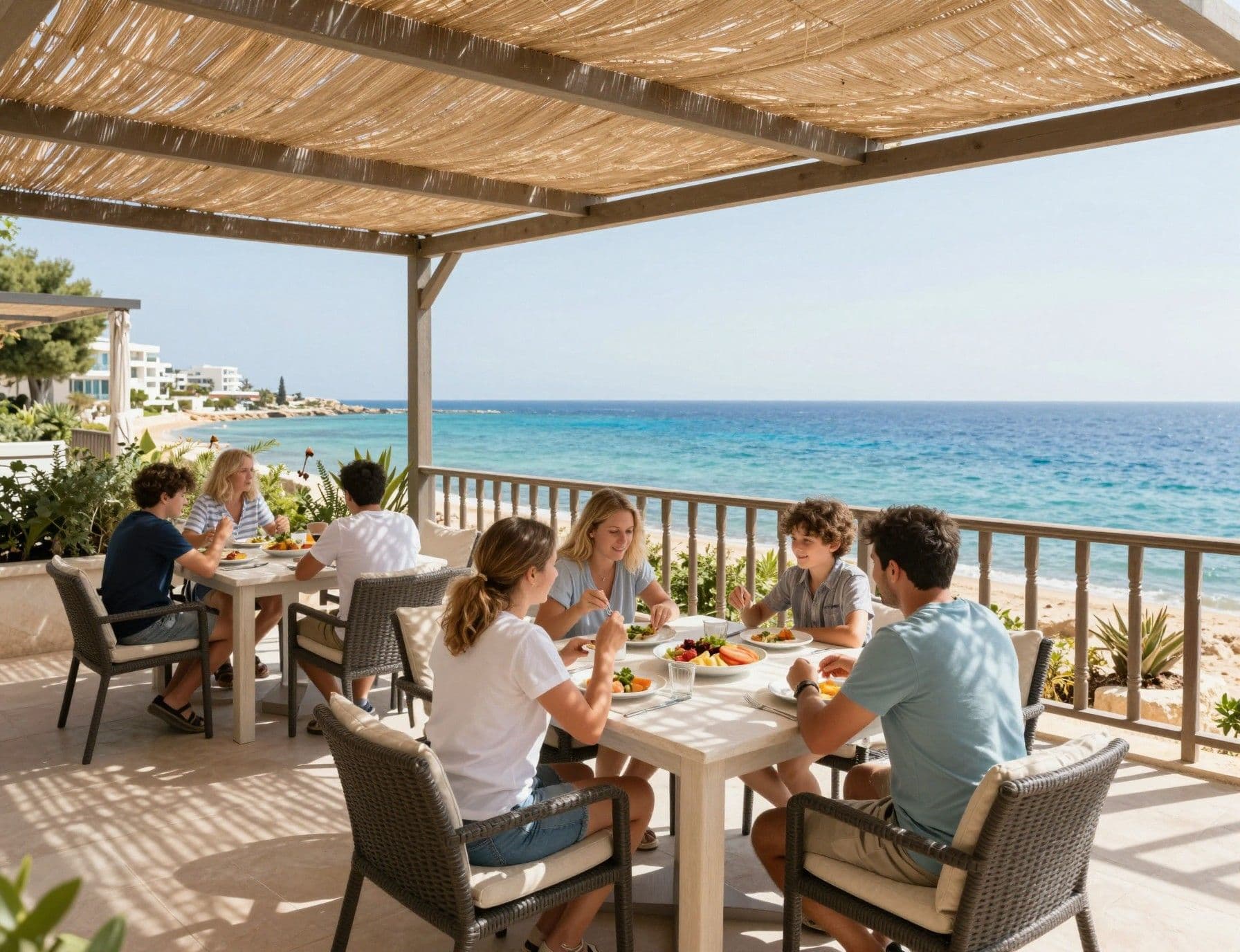
The dream starts with lifestyle, but the transaction lives in documents. Cyprus has improved public reporting — the Central Bank’s property indices and the Land Registry publish useful numbers — yet disclosure practices at the point of sale are uneven. That means your checklist must include both market data and specific records tied to the property.
Property styles and the paperwork they hide
Detached village houses, modern Limassol apartments, and Paphos holiday flats each carry different transparency needs. Older houses may lack full title plans or have unrecorded extensions; new developments often provide a developer’s dossier but require careful verification of planning permissions. Recent Central Bank data shows island‑wide price rises have been steady, so missing documents translate directly into risk — and price volatility.
Who to bring with you: the small team that matters
- 1. A Cyprus‑licensed lawyer who reads deeds in Greek and English and checks the Land Registry for encumbrances.
- 2. A local surveyor or architect to confirm build conformity and spot unpermitted works.
- 3. Your agent — not as seller’s mouthpiece, but as a lifestyle translator who can point to comparable local evidence.
- 4. An independent tax adviser to map transfer taxes, stamp duty and ongoing rates specific to the district.
Insider knowledge — what expats wish they’d known
We’ve worked with buyers who fell in love with a terrace in Kato Paphos before they saw the restrictive covenants attached to the plot; others who bought in Limassol without checking near‑shore development plans that later changed the view. Those aren’t horror stories — they’re signals. Learn to read them early and you keep the lifestyle without the surprises.
Cultural and seasonal realities that affect value
Cyprus’ high season (May–October) paints properties at their best; off‑season reveals maintenance issues, humidity effects, and quieter rental demand. Social life is family‑centred — village fêtes, church calendars and market days shape neighbourhood rhythms — and they affect both desirability and the kind of disclosures sellers should make about recurring nuisances or benefits.
Longer‑term lifestyle questions — growth, infrastructure, and risk
Look beyond the building. New highway links, planned marina expansions, or an incoming international school can lift neighbourhood life — and prices. Conversely, proposed zoning changes or unapproved coastal developments are red flags. Use official notices and local council minutes; they reveal the infrastructure story that rarely appears in sales brochures.
- Red flags to watch for (quick checklist)
- Partial title or ‘file number’ discrepancies in the Land Registry
- Unpermitted extensions, roof terraces or converted basements
- Inconsistent seller disclosure about rental history or occupancy
- Neighbourhood plans or coastal permits that could reshape views or access
- 1. Order a Land Registry check and title report — insist on official registry extracts.
- 2. Commission a local survey that lists permitted works and obvious defects.
- 3. Cross‑check price context using Central Bank indices and recent sale contracts in the district.
- 4. Ask your agent for three off‑market or quietly sold comparables — these reveal real negotiation ranges.
Conclusion: Cyprus sells a way of life. Our advice is to buy that life — but insist on the file that proves it. Use official registries, bring the small team we outlined, and treat neighbourhood rhythm as market data. When you balance the sea view with the title deed, you preserve the magic and avoid the surprises.
British expat who relocated to Marbella in 2012. Specializes in rigorous due diligence and cross-border investment strategies for UK and international buyers.