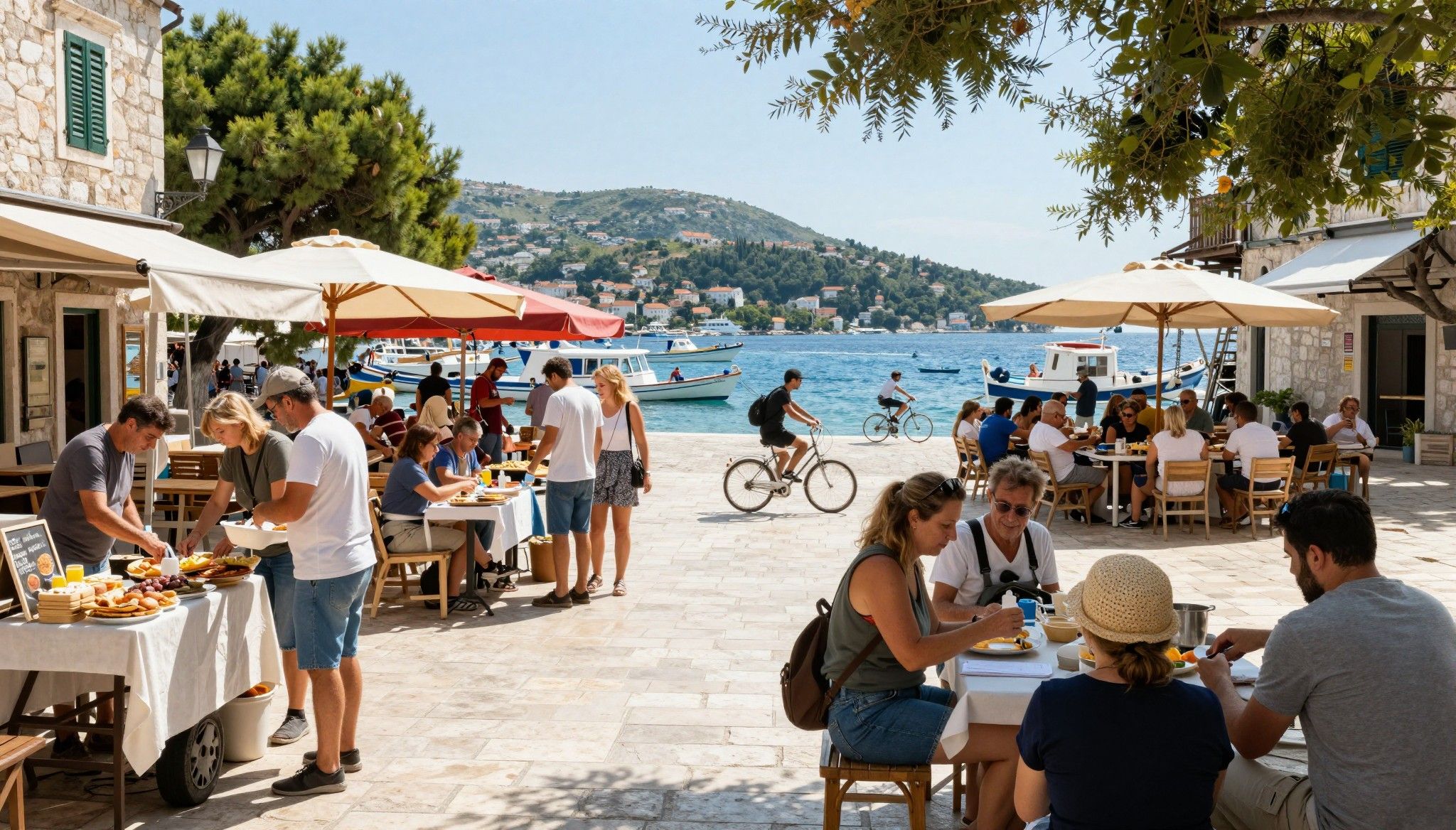
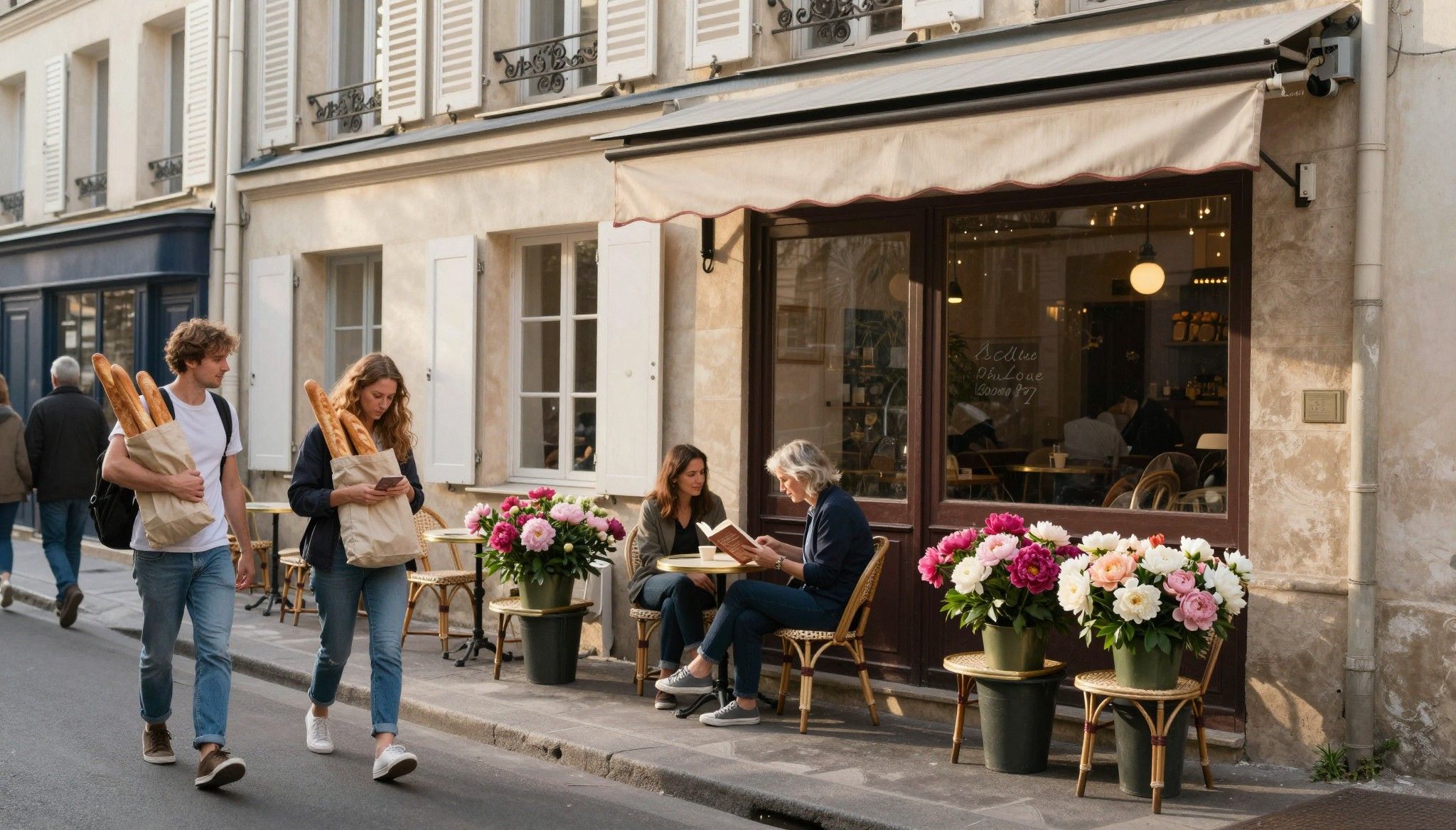
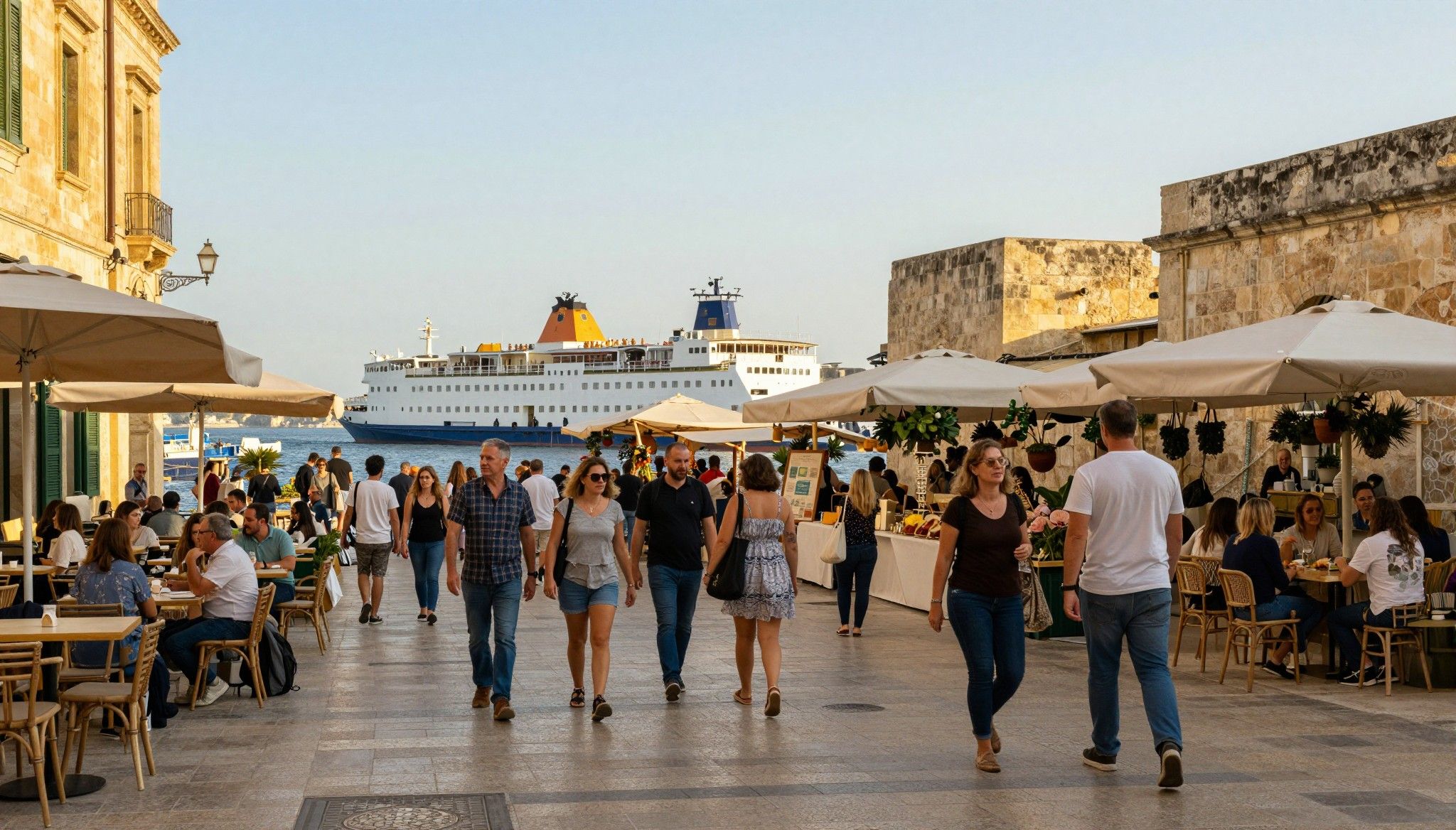
France: The Disclosure Rules Locals Rely On
France’s neighbourhood rhythms aren’t just charming — they’re embedded in disclosure rules and notaire records. Read the DDT, visit at different times, and let documents confirm the life you buy.
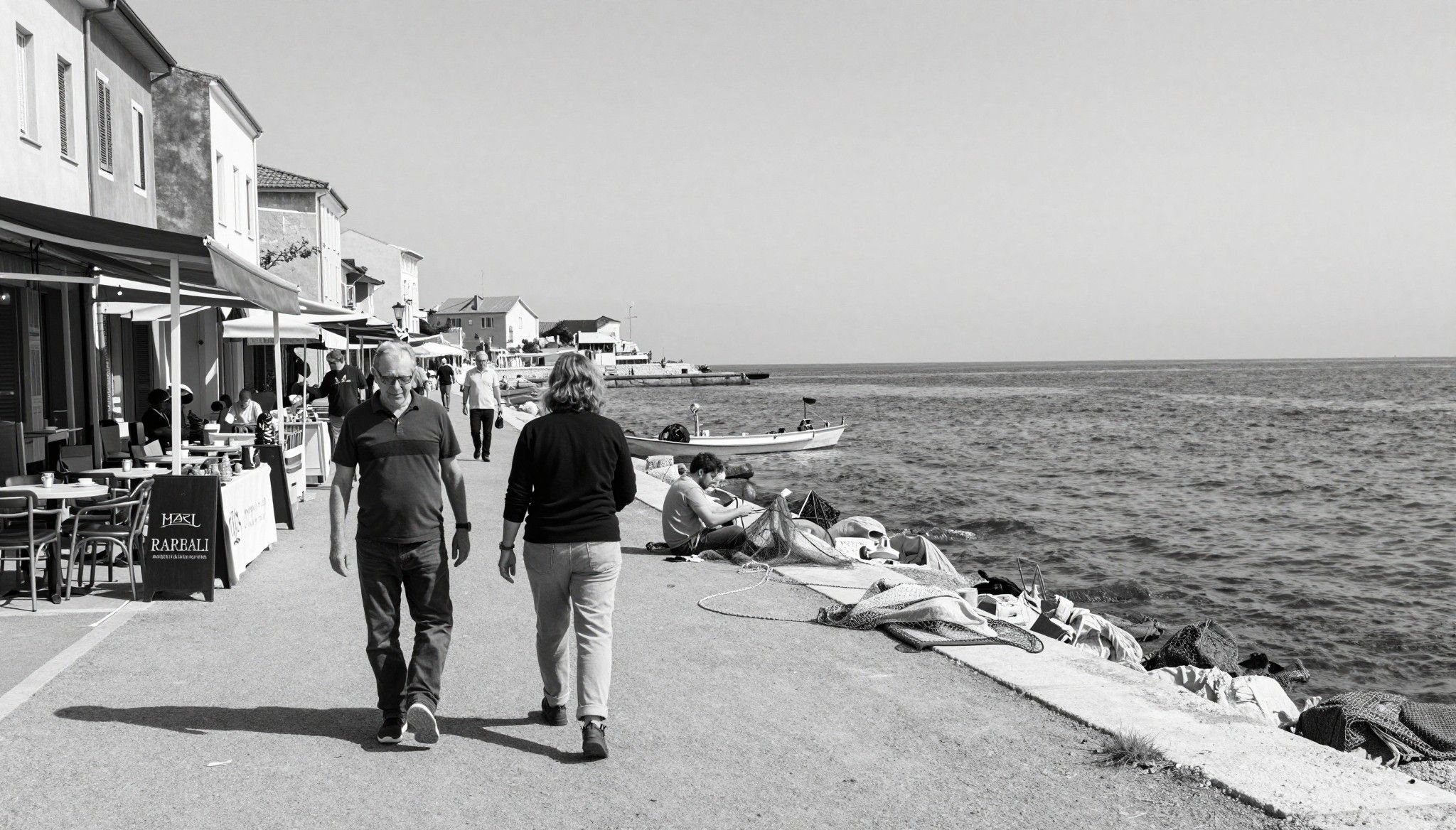
Imagine sipping espresso at a rue‑side table on Rue des Martyrs, watching delivery bikes weave between boulangeries and a grey stone façade with shutters half drawn. France is sensory — markets at dawn, long lunches, village fêtes that feel like family reunions — and those rhythms shape where people buy. But lifestyle alone doesn’t explain how the market actually works: disclosure rules, diagnostics, and local notaires do. Knowing those rules changes the game; it’s where romance meets records.
Living the French life — and the small print that protects it
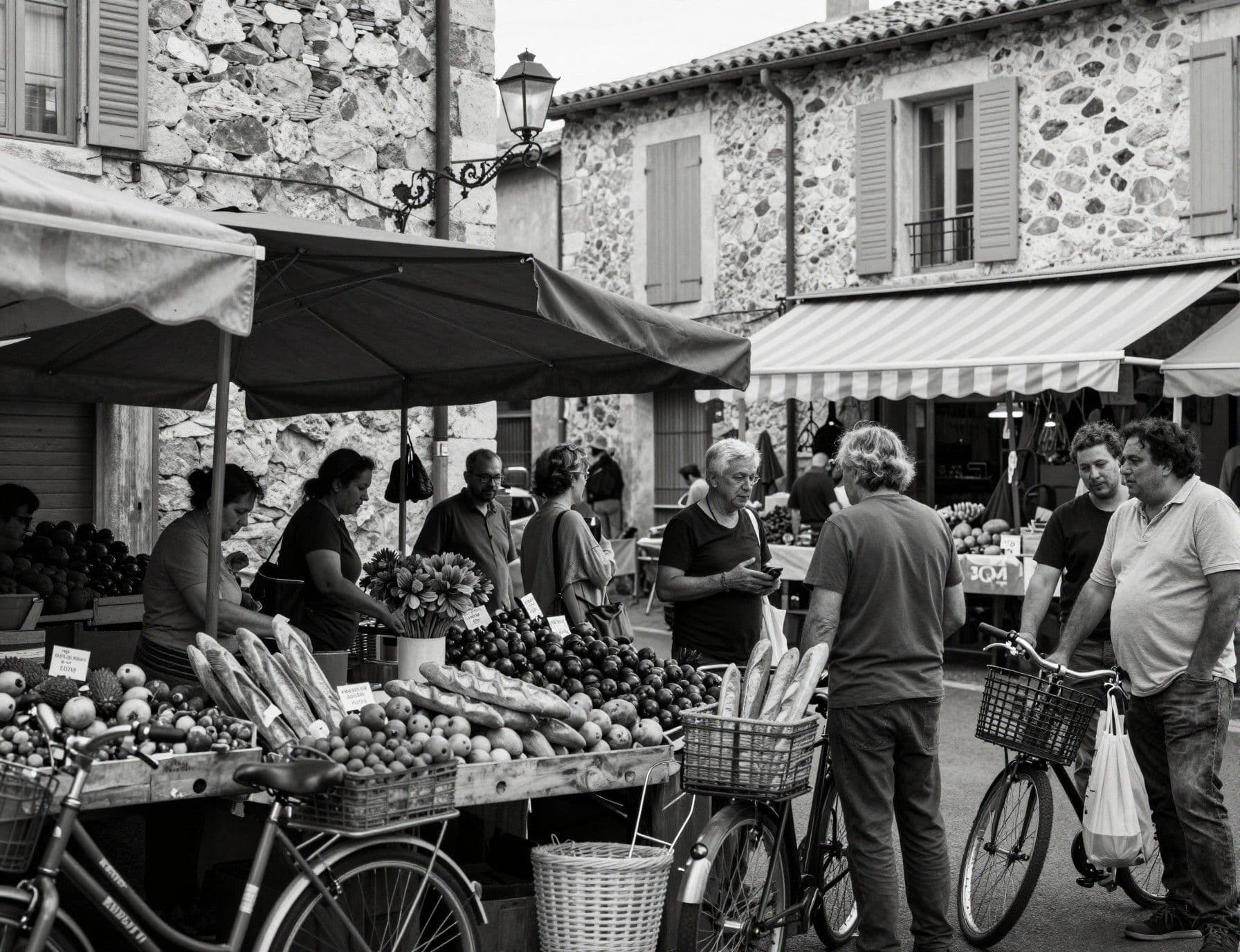
France’s everyday pleasures — marché stalls, neighborhood cafés, Sunday provincial drives — are the first thing buyers fall for. But there’s a practical layer beneath the charm: mandatory diagnostics (DDT), notaire oversight, and local tax signals that tell you whether a place is loved or merely photographed. We’ll show how the rituals of daily life connect to legal disclosure so you buy the life, not a postcard.
Paris to Provence: how neighbourhood rhythm defines choice
In Paris the rhythm is compressed — staircases, short cafés, early evening aperitifs on narrow streets; in Aix‑en‑Provence it’s long markets and siesta‑slow afternoons; on the Atlantic coast it’s surf, oyster bars and weekend traffic. Each rhythm points to different property types: Haussmannian flats, stone mas with courtyards, or coastal villas. And each property type triggers specific diagnostics and renovation histories you’ll want in writing. The Dossier de Diagnostic Technique (DDT) is often the first honest conversation a seller has with you about a home’s condition. Notaire records make it official.
Food, festivals and seasons that change what you want
Mornings at Marché Bastille, truffle season in Périgord, or Les Vieilles Charrues in Brittany — these moments reveal the lived life of a place. They also expose practical demands: storage space for weekly markets, heating efficiency for long winters, or parking for festival crowds. Those lifestyle needs should be matched against diagnostics (energy performance, plumbing, asbestos) and local price signals before you press “compromis.”
- Lifestyle highlights to test in person: marché stalls (Rue Cler, Paris), café terraces (Vieux Nice — Place Rossetti), village fêtes (Gordes), oyster bars (Arcachon), and coastal walks (Plage de la Côte des Basques).
Making the move: how disclosure actually protects you

Purchasing in France is record‑heavy, and that’s a strength. National indices show modest recent price movements and regional variation; transaction volumes recovered modestly across 2024–2025, but local pockets tell different stories. That variation makes disclosure critical: the diagnostics and notaire‑held title records are where long‑term value and hidden risk are both visible. Treat documentation as part of the lifestyle filter — you want a sunlit terrace and a clean title.
Property types and what they mean for living there
A period apartment in Lyon gives you walkable cafés and vaulted bedrooms but often higher maintenance charges; a renovated mas in Luberon buys outdoor life and land‑care responsibilities; a seaside apartment near Biarritz brings surfing and seasonal rental demand. Match the physical reality to daily rhythms: if you love markets, ensure accessible storage and local delivery options; if festivals excite you, check local noise and short‑term rental rules.
How local experts translate lifestyle into documents
A local agent and a notaire do different but complementary jobs: the agent introduces the street life and neighbourhood nuance; the notaire ensures the file, title chain and mandatory diagnostics are complete. Work with agents who can read a DDT and explain what an energy class D (or worse) will mean for winter bills, resale and renovation needs. Ask for recent comparable sales, but insist on the notaire’s abstracts — they’re the single source that turns atmosphere into accountability.
- Steps to marry lifestyle with legal certainty: 1. Experience the rhythm at different times (market morning, weekday, weekend). 2. Request the DDT and read Energy Performance (DPE) carefully. 3. Ask your notaire for a title search to reveal easements, mortgages or pre‑emptive rights. 4. Compare local transaction volumes and price indices to sense demand. 5. Budget for departmental taxes and potential DMTO variations.
Insider knowledge: red flags locals spot first
Expats often tell us they were charmed into love‑at‑first‑sight purchases — and later learned about mould, non‑compliant electrics, or unclear building permits. Locals spot patterns: a boarded shop front on a usually busy street, a suddenly emptied rental building, or a property with repeated short‑term lets. These are lifestyle signals with legal correlates. Always read the file before signing the compromise.
Cultural nuances that affect integration
French daily life rewards patience and respect for local rhythms. Learn basic greetings, join the marché early, and bring your ID to the mairie for registration. Integration helps you spot community trends — who’s investing in town, which boulangerie is closing, or where children play after school. Those signals matter for long‑term value: community‑rooted areas age better in price and quality of life.
Longer term: how lifestyle decisions shape value
Choose a place that fits the life you want in five years, not just your holiday mood. Properties in walkable quarters with strong local services and transparent title histories tend to hold value better than seasonal trophy houses. Use notaire abstracts and public indices to confirm neighbourhood resilience before committing.
- Quick red flags and what to do about them: - Missing or expired diagnostics (DDT): demand updated reports. - Unclear title chains: commission a deep notaire search. - Recurrent short‑term lets nearby: check local rental regulations. - Energy class F/G: get renovation quotes and factor into offers. - Sudden price outliers: ask for recent comparable notarised sales.
If you’ve fallen for the life — the cafés, markets and sea air — protect it with the file. Visit at different hours, read the DDT, and work with an agent who translates neighbourhood rhythm into documents the notaire can verify. That’s how you buy the life, and not surprises.
Next steps we recommend
- 1. Visit your chosen neighbourhood morning and evening. 2. Ask the seller for the full DDT and any building permits. 3. Instruct a local notaire to run title checks before signing the compromis. 4. Get a renovation estimate if energy performance is poor. 5. Budget for departmental taxes and notaire fees.
We’re drawn to France by its light, food, and streets. The paperwork might feel prosaic in comparison — until it protects everything that attracted you in the first place. Fall for the place; then insist on the file.
Dutch relocation advisor who moved to Marbella in 2016. Guides Dutch buyers through visa paths, relocation logistics, and balance of lifestyle with value.