Fall for France — Then Read the File
Fall in love with French life — then read the file: how mandatory diagnostics, local customs and micro‑market data protect international buyers in France.
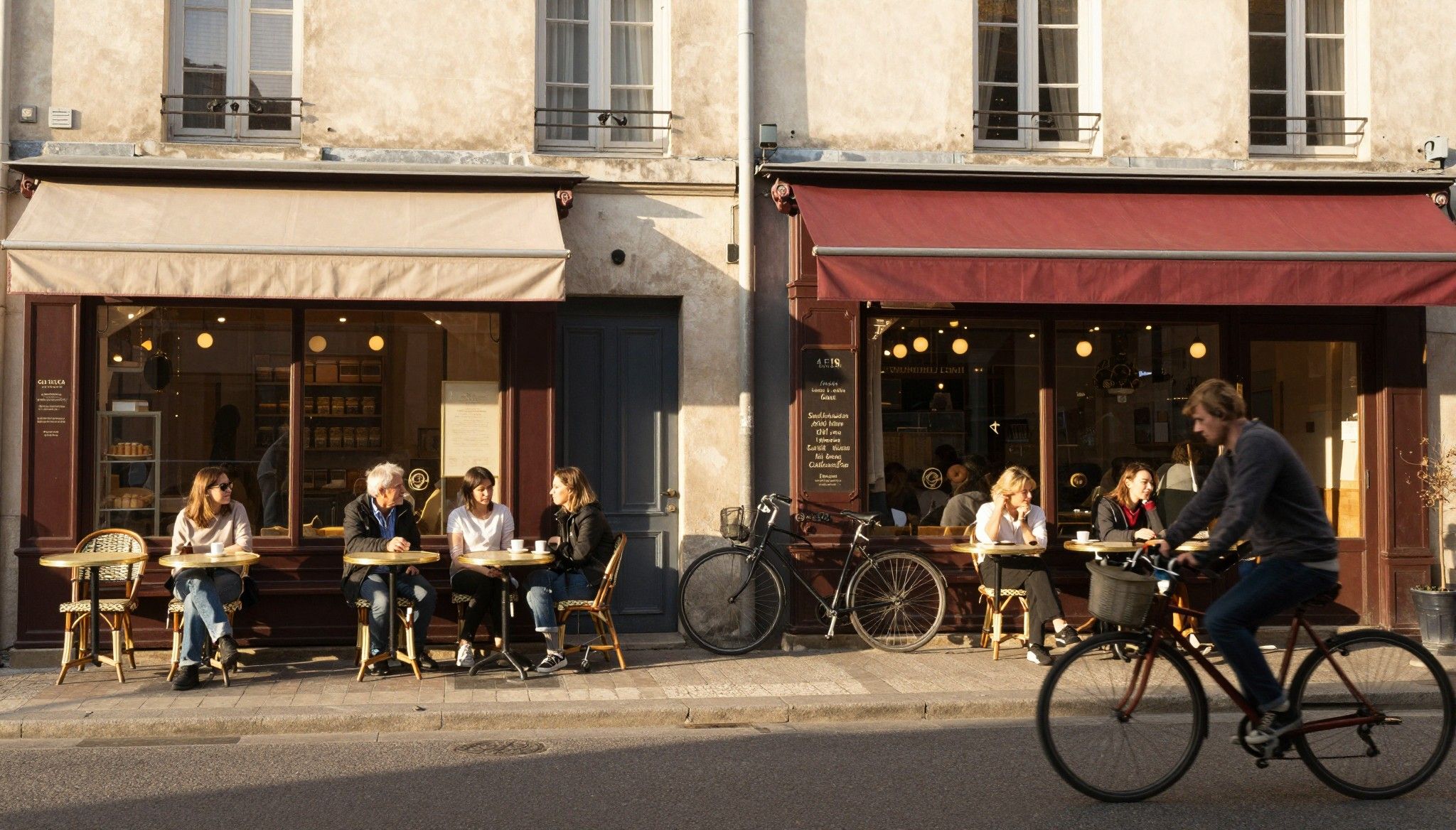
Imagine sipping an espresso on Rue Cler, then stepping into a Tuesday morning notaire’s office to sign papers that actually match what you saw. France feels like a postcard: marble staircases, marché chatter, village fêtes — but the paperwork, disclosure norms and local practices are where dreams either become a smooth life or a costly lesson. We’ll show you the French rhythm of life and the transparency signals to watch so you can buy confidently.
Living the France lifestyle — sensory and specific
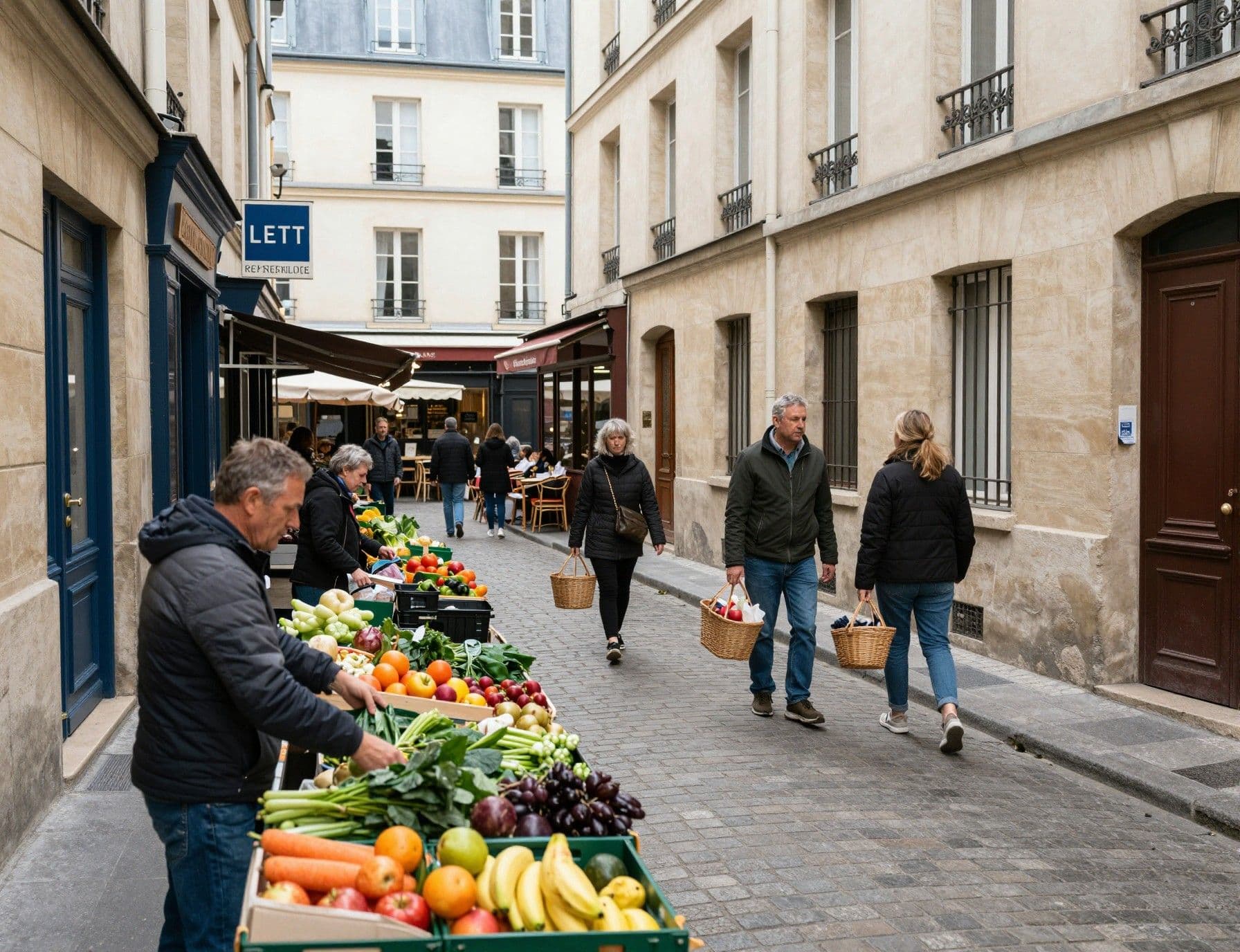
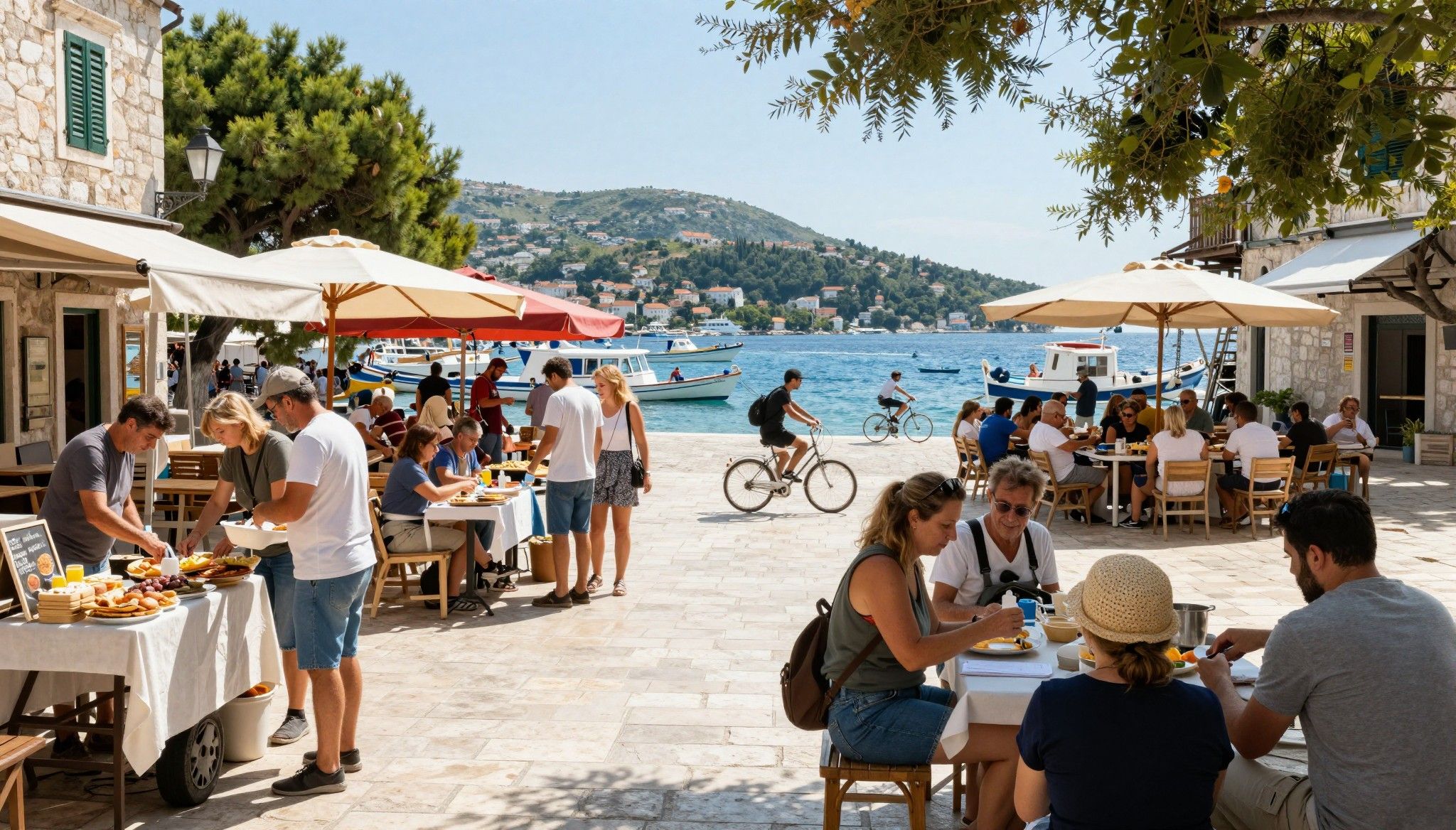
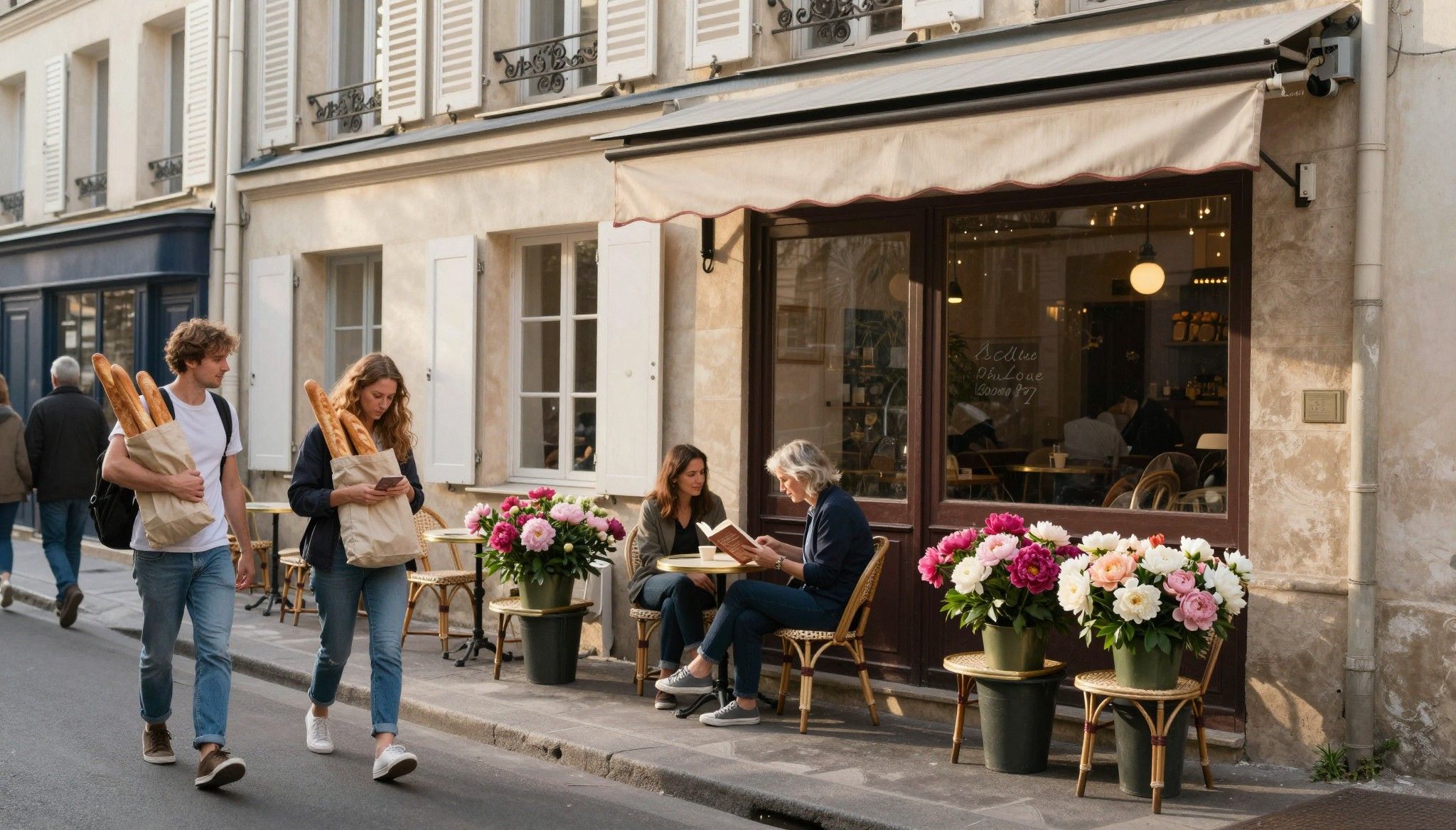
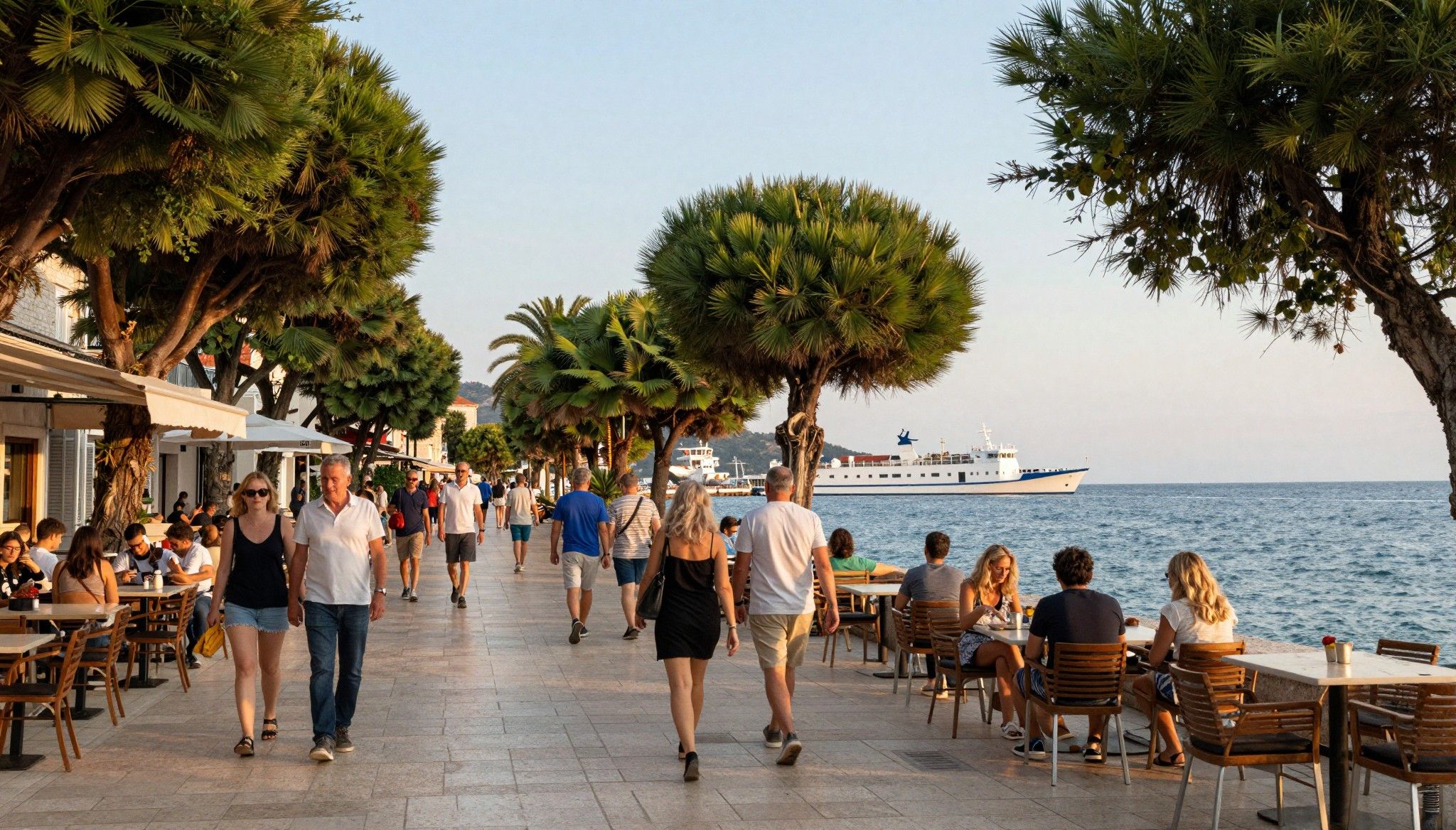
France moves by neighbourhoods and seasons. Morning boulangeries on Rue Montorgueil, lavender-scented markets in L’Isle‑sur‑la‑Sorgue, sunset aperitifs on Marseille’s Vallon des Auffes — each place writes its own daily rhythm. Your day becomes defined by local rituals: café terraces, marché runs, and a weekly boulodrome match in the square. That rhythm should steer the kind of property you pick, not just price per square metre.
Neighbourhood spotlight: Paris 6e vs. Lyon Croix‑Rousse
A one-bedroom in the 6th arrondisement gives you alleyway bookshops, Saint‑Germain cafés and a walkable life; a comparable budget in Croix‑Rousse buys a house‑feeling apartment with murals and weekly markets. Both placards sell charm — but the lived experience differs: quiet mornings in Lyon, tourist flux in central Paris. Know which daily soundtrack you actually want.
Food, market and season: how meals shape the week
Weekends here are market‑driven. In Nice, fish stalls and socca stand beside Provencal stalls; in Bordeaux, the Marché des Capucins governs Saturday plans. If you crave a life of sociable cooking, choose properties with easy storage, a functional kitchen and a short walk to markets — not just a view.
- Lifestyle highlights: marchés, cafés and micro‑neighbourhoods
- Rue Cler market strolls (Paris) — morning boulangerie, cheese stall, small-scale shopping
- Vallon des Auffes (Marseille) — evening seafood, sheltered harbour walks
Making the move: how French disclosure and transparency affect life
The French purchase process is heavy on mandatory diagnostics and formalities designed to protect buyers — but that protection only works if the documents are accurate and recent. Sellers must provide a Dossier de Diagnostic Technique (DDT) including DPE, asbestos, lead, termite reports and more. These documents are legally binding; errors can be pursued after sale. We use these dossiers to compare what the listing promises with what the file proves.
Property styles and how they match daily life
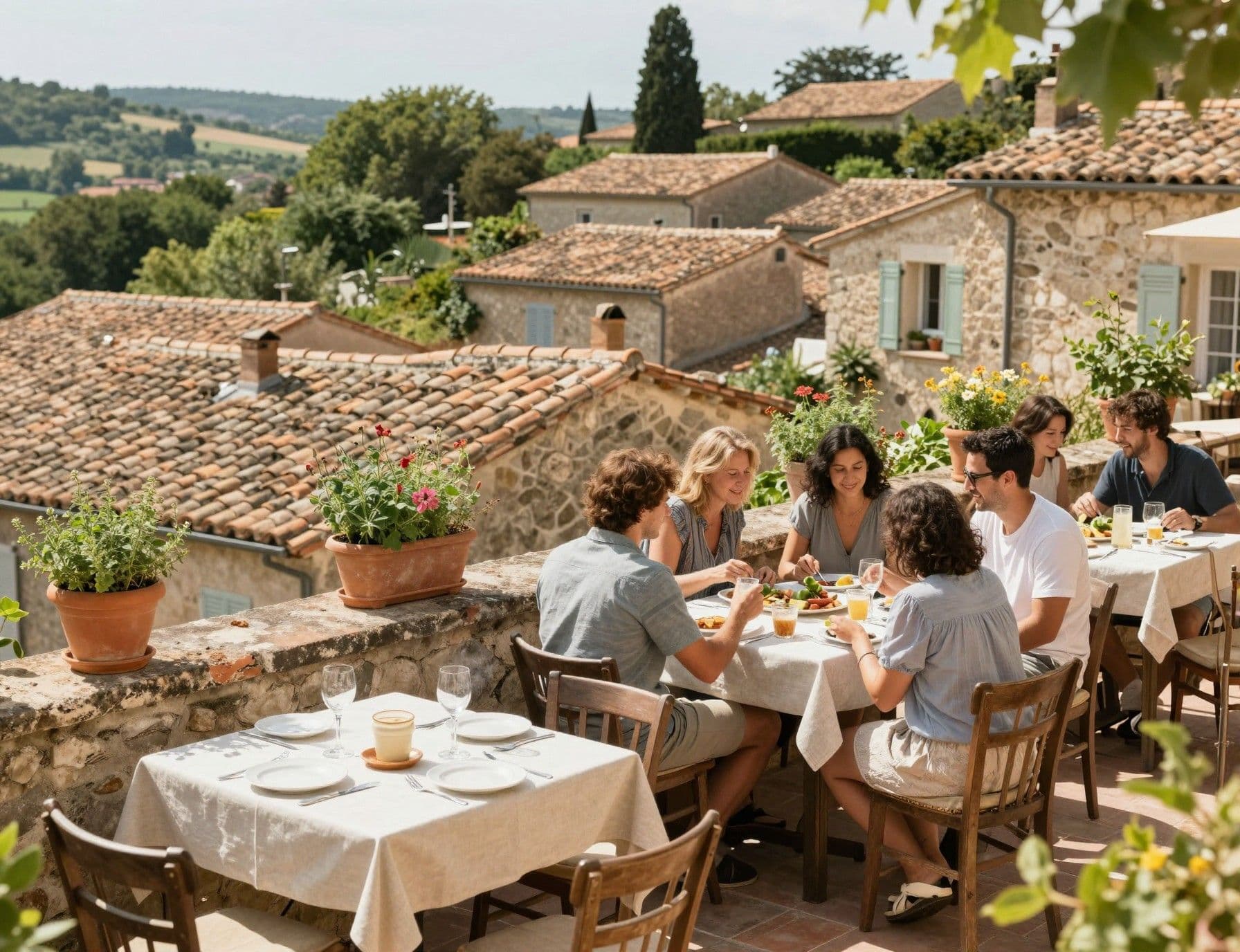
Historic apartments (haussmannien, pierre de taille) bring light and proportion but often higher upkeep and complex copropriété rules. Modern builds offer insulation, parking and lower maintenance. In Provence, stone farmhouses shout pastoral life — but check water access and seasonal heating costs. Match the property’s practical profile to your imagined week: scale, maintenance and neighbour norms matter.
Working with local experts who actually speak neighbourhood
A local notaire, a diagnostiqueur certifié and an agency that knows the street are your minimum triad. Notaires manage the deed, but agents and local diagnostiqueurs surface practical red flags: non‑declared easements, missing building agreements, or noisy seasonal tourism. Ask your agent where they’ve bought personally and which notaires they trust — a recommendation often matters more than a glossy website.
- Steps to verify a property’s transparency before you bid
- Request the full DDT and check dates; insist on recent gas/electrical certificates (if older than three years, factor replacement costs).
- Ask for the procès‑verbaux de copropriété for the last three years (major works or disputes show up here).
- Check cadastre and titre de propriété with the notaire to confirm boundaries, servitudes and any unresolved inheritance issues.
Insider knowledge: what expats miss (and how it affects value)
Data shows steady, regionally varied recovery since 2024: cities and western France saw stronger rebounds while rural houses lagged. Relying only on headline national averages hides these micro differences. If you want rental resilience, target university towns or coastal towns with year‑round residents, not only summer tourism hotspots.
Cultural quirks that change where you buy
French neighbours value quiet hours, clear bin days and proper building etiquette. Small annoyances — noisy renovation work or a holiday rental next door — have outsized impact on satisfaction and lettability. Meet neighbours, visit at different times and ask your agent about past disputes recorded in copro minutes.
Long‑term signals: what keeps value stable
Stable local employment, transport links, and regulated supply of new housing underpin long‑term value in France. Historic centres keep scarcity value; good schools and international connections keep demand steady. Use local price maps from notaires and INSEE to check whether your neighbourhood’s price trend is anchored by fundamentals or by seasonal hype.
- Red flags we look for in French listings
- Missing or outdated diagnostics (DPE older than 3 years).
- Copro minutes showing recurring disputes or sudden, large announced travaux.
- Unclear property boundaries or historic inheritance claims in the dossier.
Conclusion — fall for the life, then insist on the file. Come for the marché, stay for the community, but treat the DDT, copro minutes and cadastre like the most romantic documents you’ll ever read: they tell the true story. Start with market maps from Notaires and INSEE, hire a notaire early, and ask your agent for three street references they’ve handled. That's how you turn a French dream into a dependable home.
Norwegian market analyst who serves Nordic buyers with transparent pricing and risk assessment. Specializes in residency rules and tax implications.