Hidden Signals: What Sellers Don’t Tell You in Croatia
How Croatia’s postcard charm hides disclosure gaps — practical red flags, seasonal truths and documents every international buyer should demand.
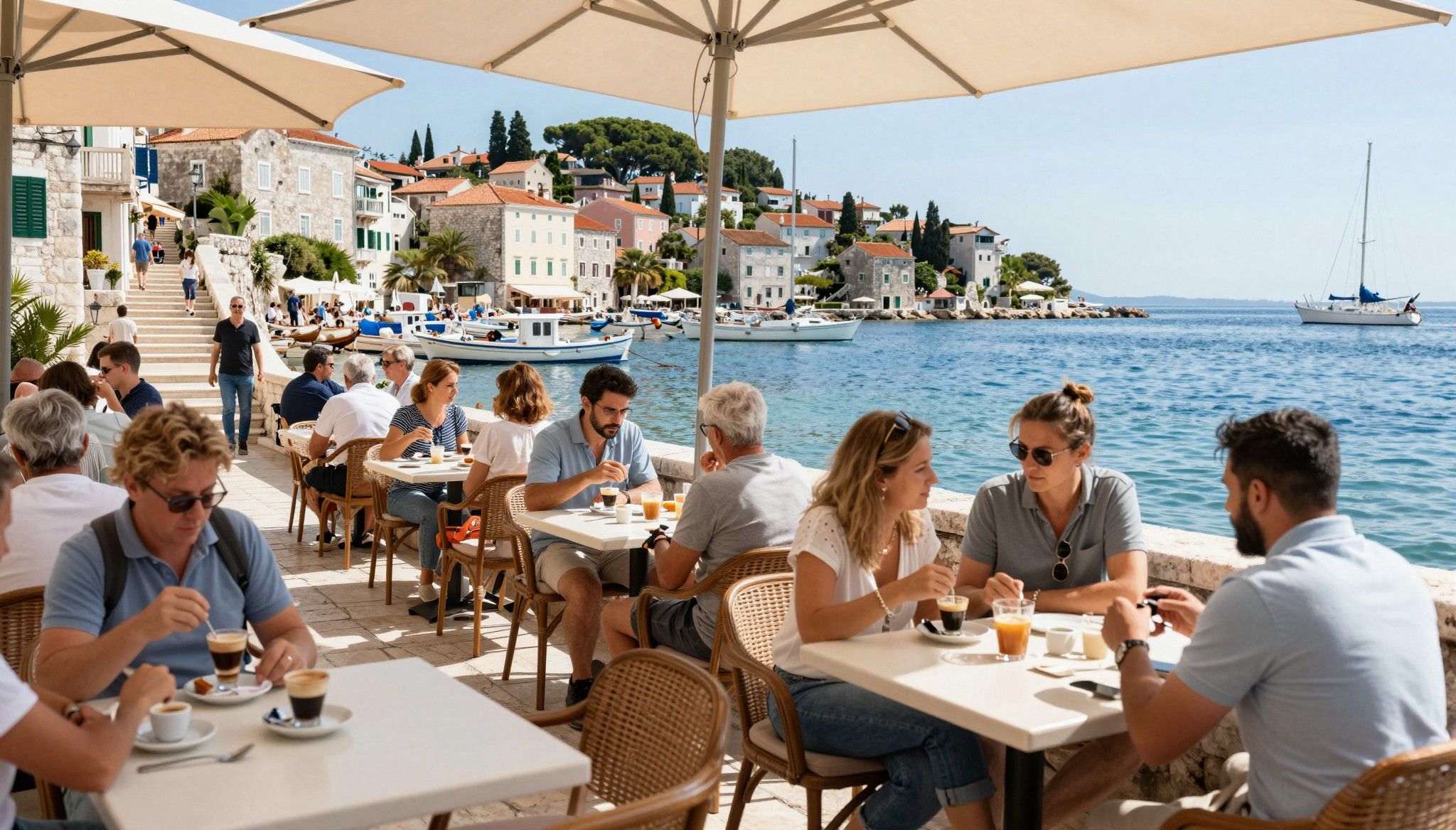
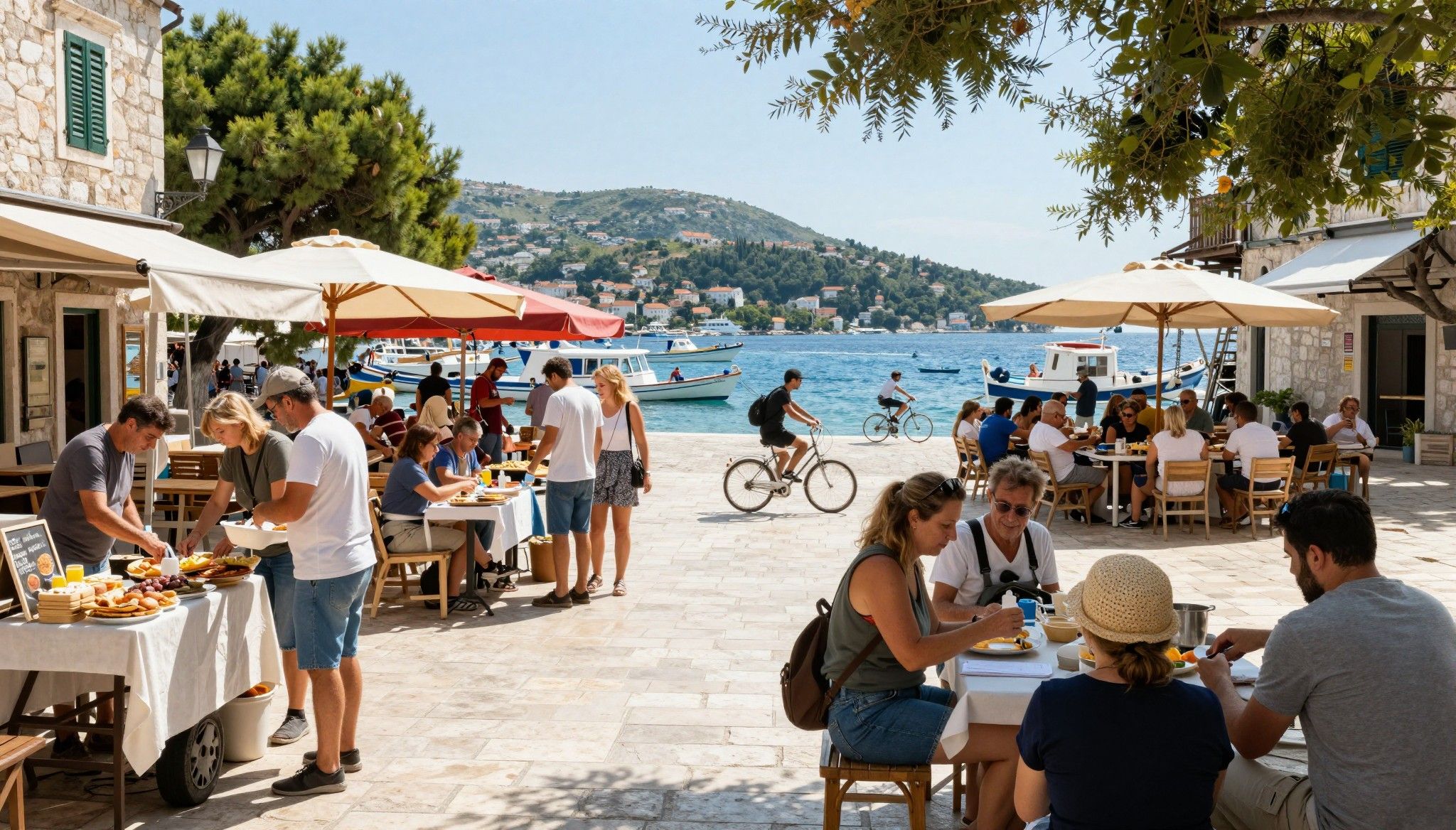
Imagine a Sunday in Rovinj: espresso at Caffé Bar Puntulina, fishermen sorting the day’s catch at the harbour, limestone alleys cooling in the shade. In Croatia the day is measured in light — the west-facing terraces at dusk, the bright, wind-scoured mornings on islands like Brač and Hvar. That sensory picture is exactly what brings international buyers here. But beneath postcard scenes there are a handful of local market signals and disclosure habits that change how you should buy, price and live in Croatia.
Living the Croatia lifestyle
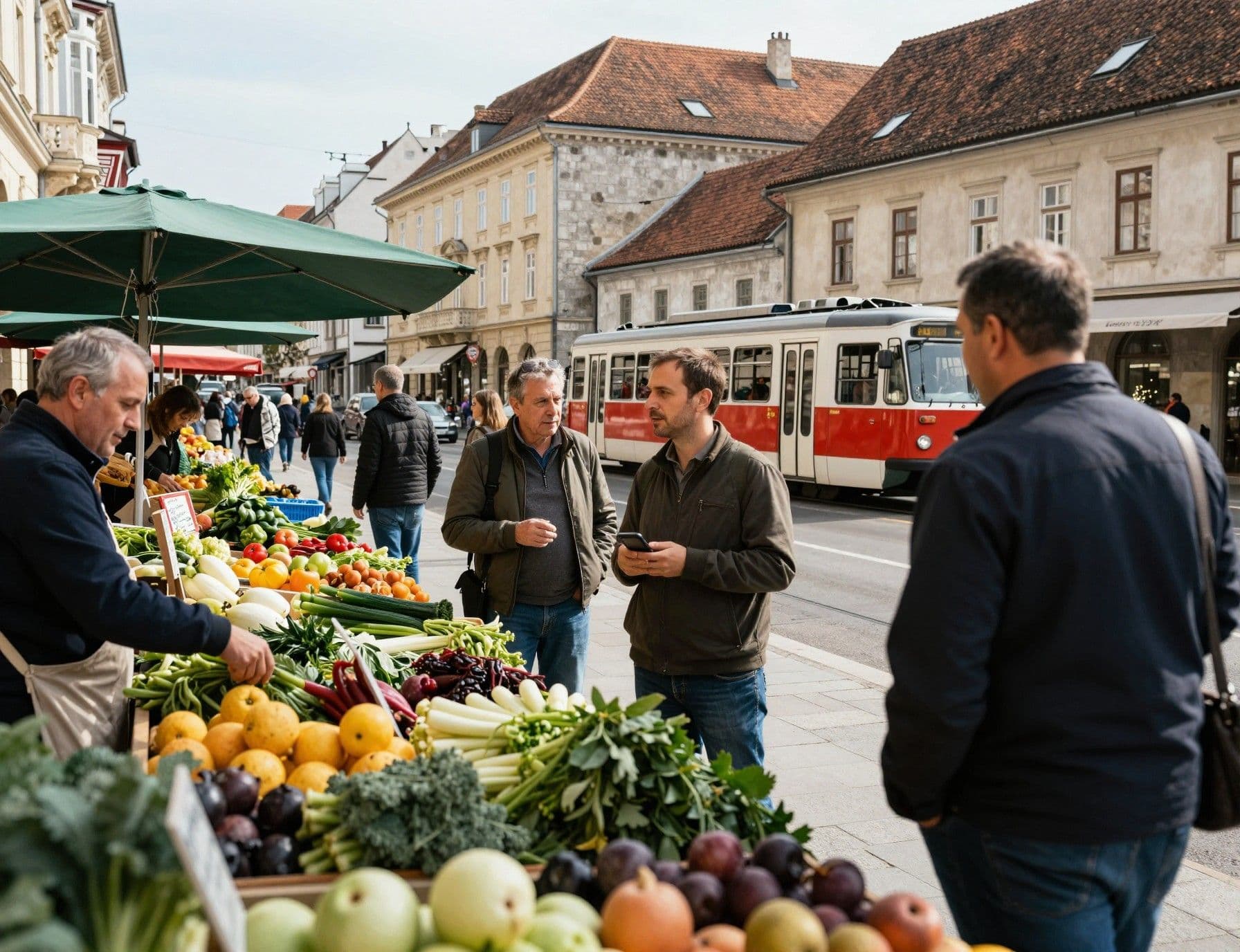
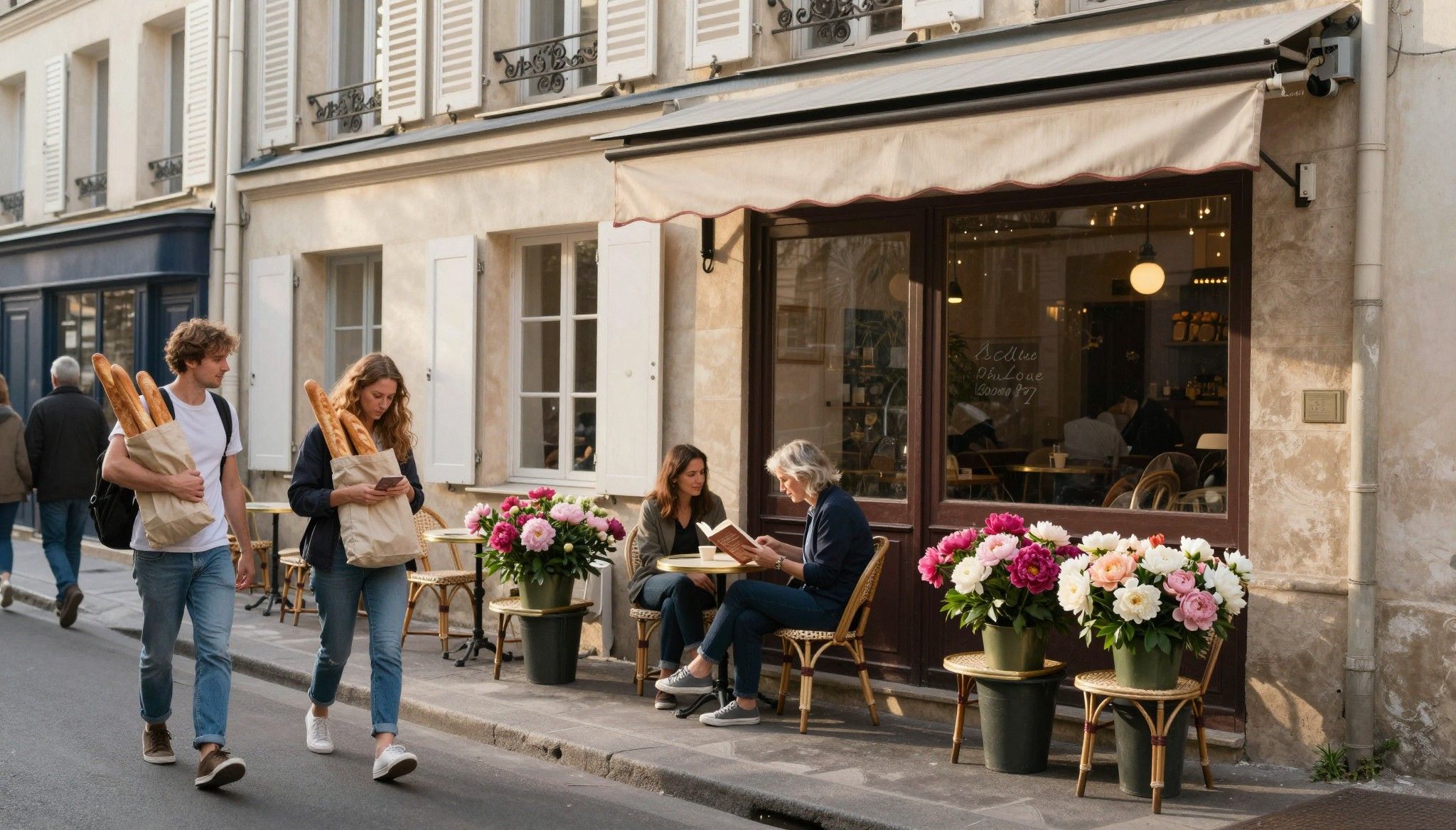
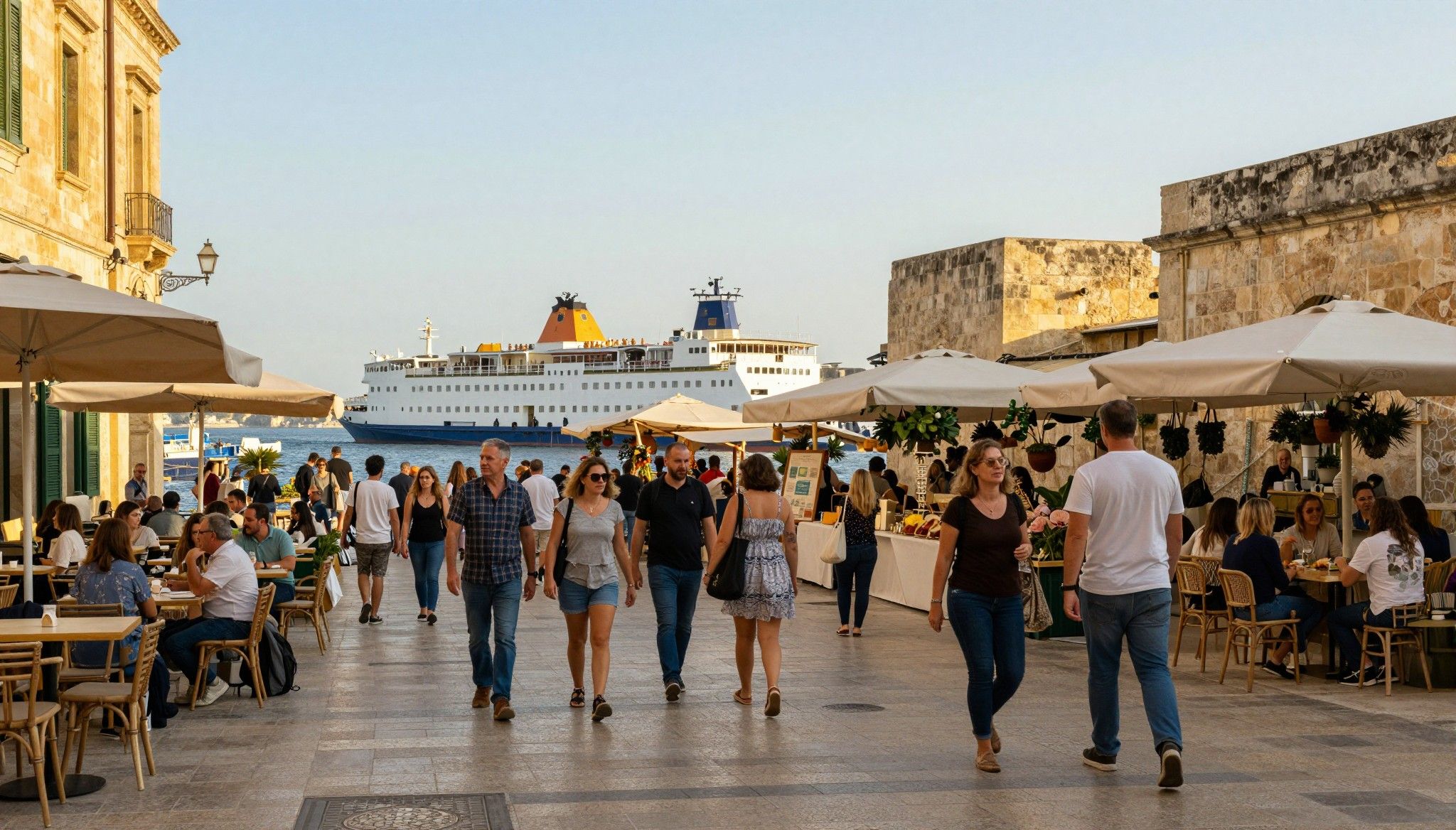
Croatia’s appeal is immediate: Adriatic coastlines, UNESCO old towns, and an intimate café culture where everyone knows your order by the second week. Cities like Zagreb have a calm continental rhythm — morning markets on Britanski trg, aperitifs in Tkalčićeva — while Split and Dubrovnik pivot between local life and intense summer tourism. For buyers dreaming of daily life rather than a holiday postcard, the rhythm of neighborhoods matters more than regional price headlines.
Coastal towns vs. inland cities — different beats
In coastal towns such as Rovinj, Bol (Brač) and Trogir, mornings are for markets and boat owners, afternoons for siesta-like quiet and evenings for seafood and local wine. Inland, in Zagreb or Osijek, you’ll find year-round services, established schools and a steadier property market outside the seasonal tourist swings. Which life you want determines the practical priorities: insulation and heating in inland homes, maintenance and salt-resistant materials by the sea.
Food, markets and the social calendar
A day often begins at the local market — Dolac in Zagreb or Pula’s green market — where produce, cheese and conversation set the tone for community life. Seasonal festivals — olive harvests in Istria and truffle fairs in Motovun — are as much social calendars as tourist draws, and they influence short-term rental demand and local pricing cycles. Living here is as much about access to people and rituals as it is about sea views.
Lifestyle highlights: seaside morning swims; market breakfasts (Dolac, Pula); island ferry commutes (Brač, Hvar); aperitivo culture in Split’s Riva; olive and truffle festivals in Istria.
Making the move: practical considerations
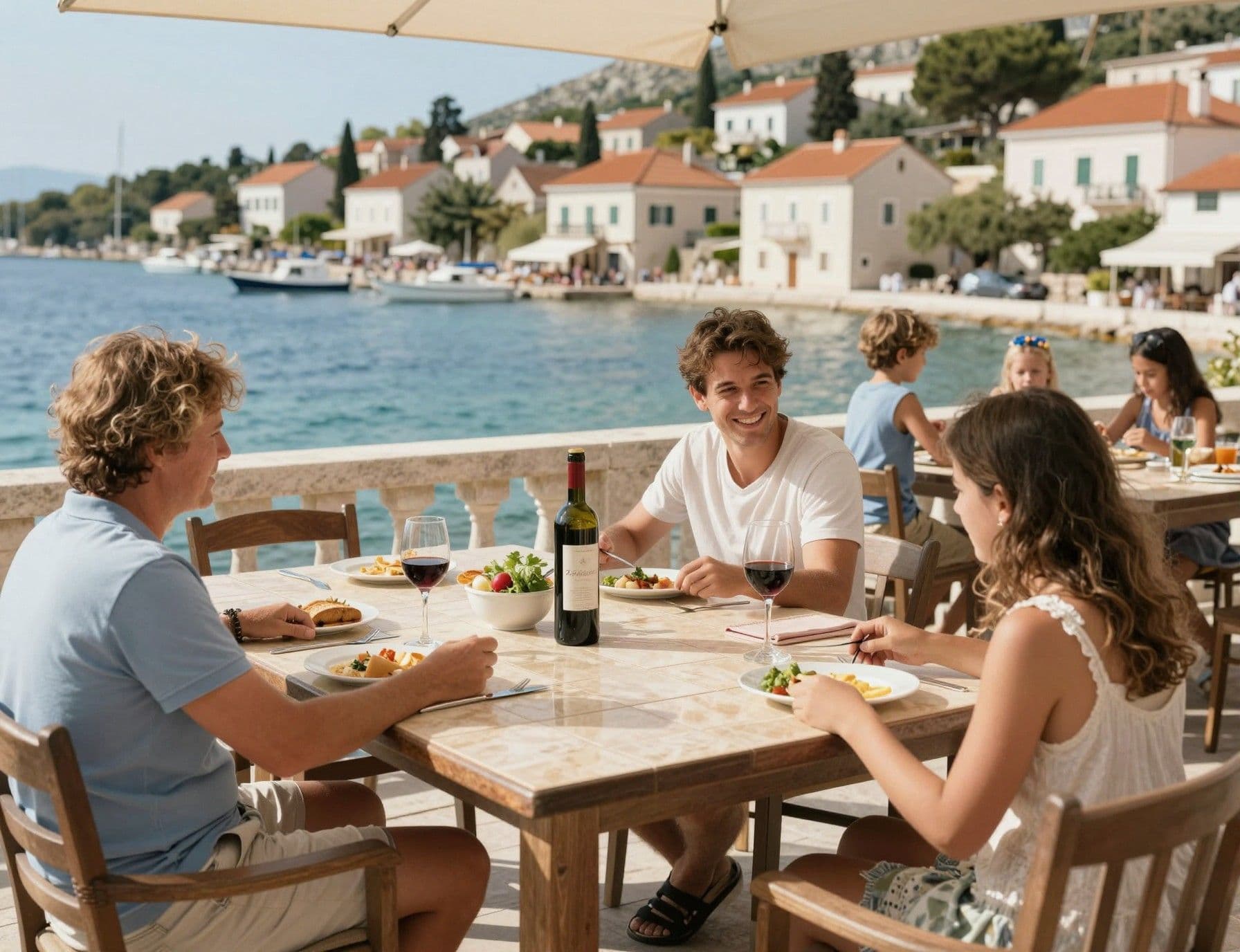
The romantic part is easy; the paperwork and market signals are not. Croatia’s housing price indices show sustained growth in recent years, especially along the Adriatic, and transaction volumes have become more selective. That creates three practical consequences: sellers may withhold long-term maintenance histories, coastal properties face special zoning or state pre-emption rules, and asking prices often reflect seasonal desirability more than true year-round value.
Property styles and what they actually deliver
Stone Adriatic houses come with thick walls and charm, but can hide expensive restoration needs — from damp-proofing to electrical rewiring. New builds offer modern systems but may sit on parcels with complicated utility access on islands. Understand what the surface tells you, and more importantly, what it doesn’t: ask for maintenance logs, utility bills and a clear history of coastal permits.
Working with local experts who know the lifestyles
1. Use a local attorney who reads the land register and confirms any state pre-emption rights; reciprocity rules still matter for foreign buyers. 2. Ask your agent for three years of utility bills, a building maintenance ledger and records of any renovations. 3. Insist on an on-site technical survey that checks sea-salt corrosion, drainage and insulation — coastal wear is a long-term cost. 4. Time visits for off-season months (October–April) to see real neighbourhood life rather than summer theatre. 5. Verify rental yield assumptions with local booking data, not only agency estimates.
Insider knowledge: what expats wish they'd known
We’ve heard the common regret: buying by a postcard and discovering the real neighbourhood in January is quiet and under-served. Expats often underestimate winter realities — ferry frequencies, heating bills and local municipal services — and overestimate summer rental income. The smarter buyers look at a property’s off-season life first and the high-season glamour second.
Cultural integration and daily routines
Croatians place high value on local relationships: shopkeepers, the municipality clerk, and the café owner are small but powerful gatekeepers to smooth daily life. Learning a few phrases goes a long way; showing respect for local customs — market bargaining, observing church feast days in small towns — opens doors. For families, proximity to schools in Zagreb or Split is more important than a dramatic sea view.
Long-term lifestyle plus risk signals
Key transparency red flags to watch for: incomplete building permits; missing cadastral maps in the file; sellers who cannot produce a CONSIGNMENT (energ. certificates/utility records); unclear access easements on island properties; and optimistic rental yield projections without booking data.
If any of the red flags appear, pause. A property loved for its terrace and views can still be a poor long-term buy if access is uncertain in winter or if the coastal parcel is subject to pre-emption. Ask your agent to explain each line in the title deed and show you the cadastral map — if they cannot, walk away.
1. Read the title deed yourself; match boundaries on the cadastral map. 2. Request three years of municipal tax and utility bills. 3. Order a technical survey focusing on coastal wear and drainage. 4. Confirm reciprocal ownership rights and state pre-emption rules with a lawyer. 5. Visit off-season to verify local services and ferry schedules.
We’ve seen buyers rescue a purchase simply by insisting on full disclosure: an island villa’s permit history clarified, or a stone house’s hidden damp problem fixed before completion. Transparency is rarely perfect, but insistence and local expertise close that gap. Think of agencies and lawyers as your translators — not just of language but of local market habits.
Conclusion: fall for the life, insist on the file. If you want the sound of Dalmatian evenings and markets on Saturday morning, buy for the life you’ll lead in January as much as for July’s postcard. Start with off-season visits, demand full technical and legal disclosure, and work with local experts who can read cadastral maps and municipal ledgers. Do that, and Croatia gives you a life that’s both beautiful and defensible.
Swedish expat who moved from Stockholm to Marbella in 2018. Specializes in cross-border legal navigation and residency considerations for Scandinavian buyers.