Cyprus: Where Lifestyle Trumps Headline Prices
Cyprus offers sunlit lifestyle value — but real decisions hinge on micro‑markets, RPPI trends and local realities; combine national indices with street‑level checks.
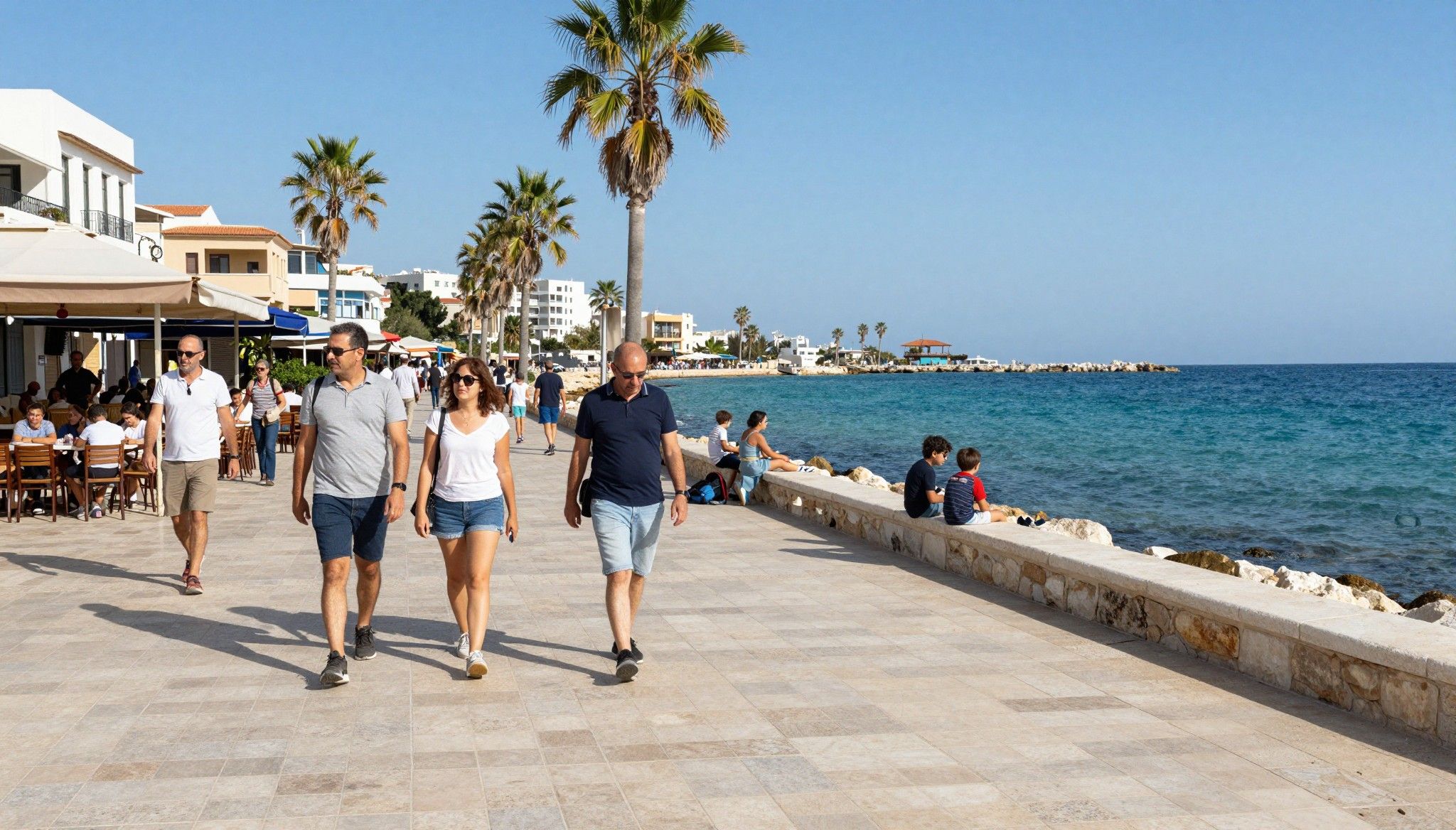
Imagine waking to the smell of strong coffee on Nicosia’s Ledra Street, spending afternoons on the wind‑buffeted terraces of Paphos, and buying a Saturday loaf at Larnaca’s market before a late‑afternoon swim. Cyprus feels small and convivial, sunlit in four different ways: historic lanes, stretch‑out beaches, mountain villages and compact city quarters. But beneath the postcard sunshine are specific price signals that change who can afford that lifestyle — and when.
Living Cyprus: the rhythms that shape value
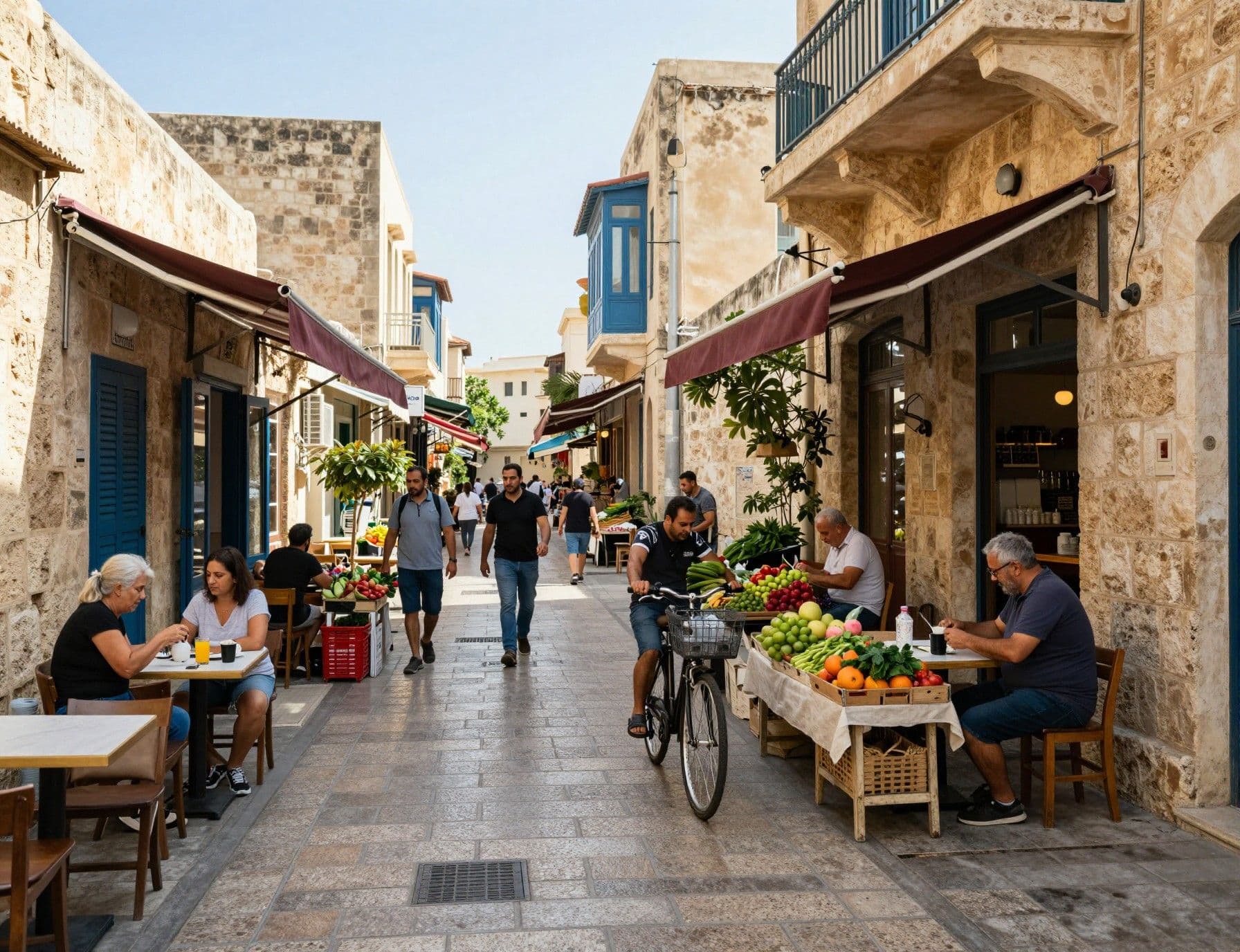
Daily life in Cyprus explains a lot about property demand. In Nicosia you trade seafront views for walkable cafés, while Limassol and Paphos trade village calm for resort energy. Tourist seasons, university terms and the ebb of Mediterranean festivals concentrate demand in certain months — and those moments are when prices and short lets spike.
Neighbourhoods that feel like home (and why)
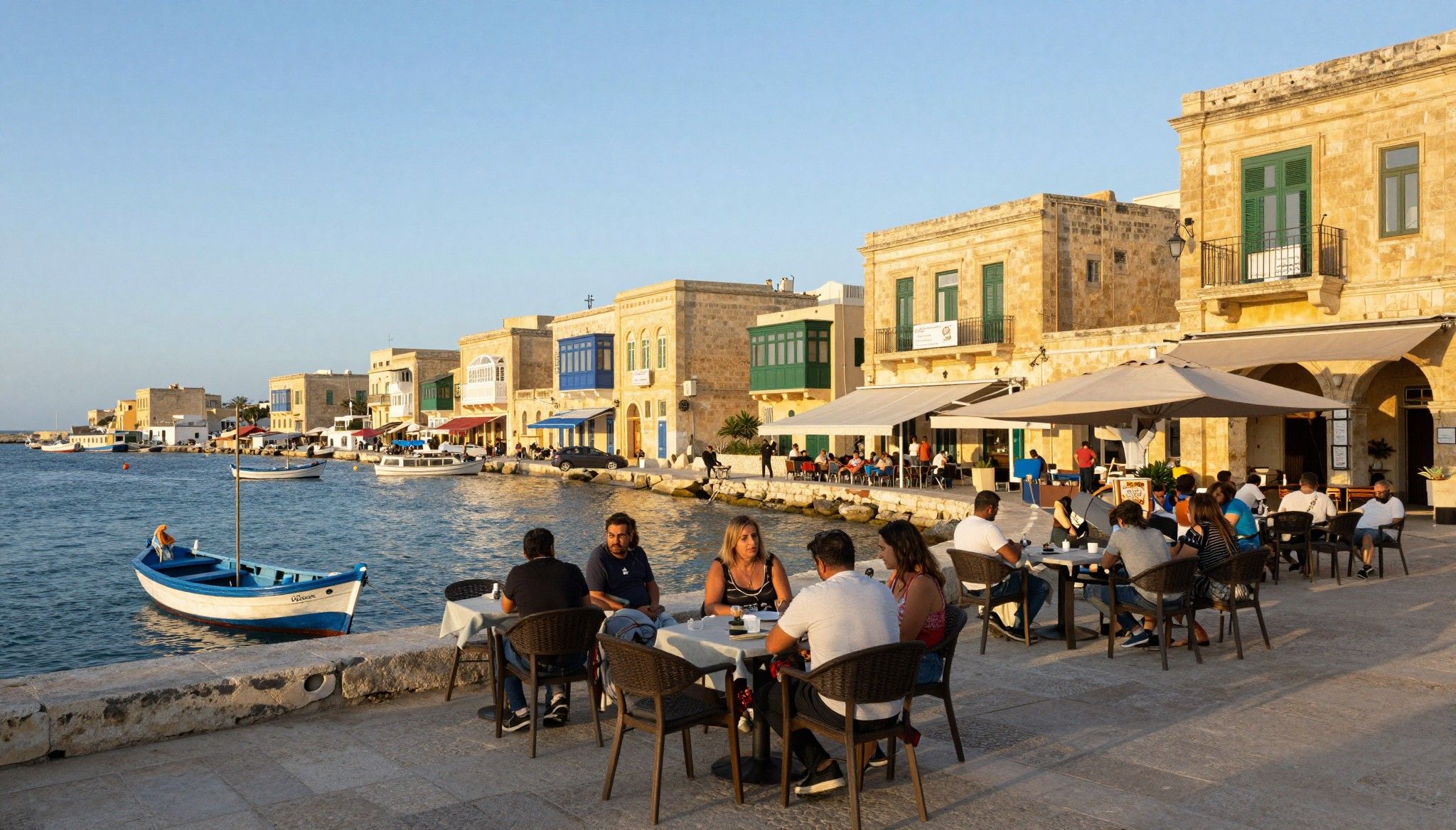
Walk the seafront promenade at Limassol’s Old Port, and you’ll find renovated neoclassical facades beside slick new apartments — a clear example of where renovation premiums live. In Nicosia, areas around Onasagorou Street combine culture and steady rental demand. In Paphos, Kato Paphos offers investor liquidity; nearby Peyia and Tala offer quiet village life with good resale potential.
Food, markets and the small things that matter
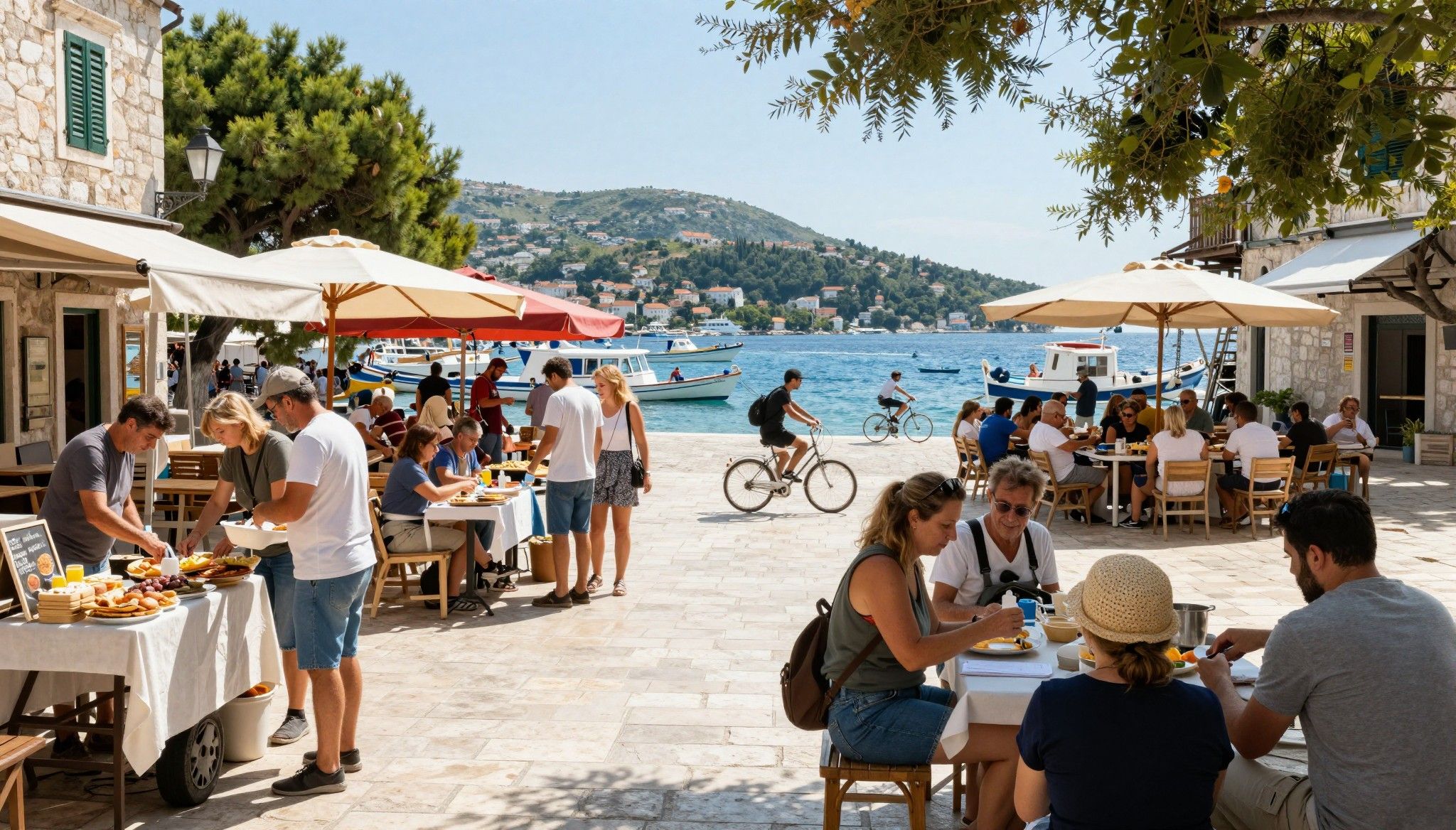
A property near a beloved taverna or the morning market matters in ways spreadsheets don’t show. Larnaca’s Finikoudes promenade, Limassol’s Germasogeia strip and the mountain tavernas of Troodos define micro‑markets — buyers pay a premium for being part of that daily ritual.
- Lifestyle highlights: local experiences that lift price and enjoyment
- Morning coffee on Onasagorou (Nicosia); weekend farmers’ stalls in Limassol’s Zakaki; sunset swims at Coral Bay (Paphos); mountain walks from Platres; seafood dinners on Larnaca’s marina.
Making the move: what the numbers tell you
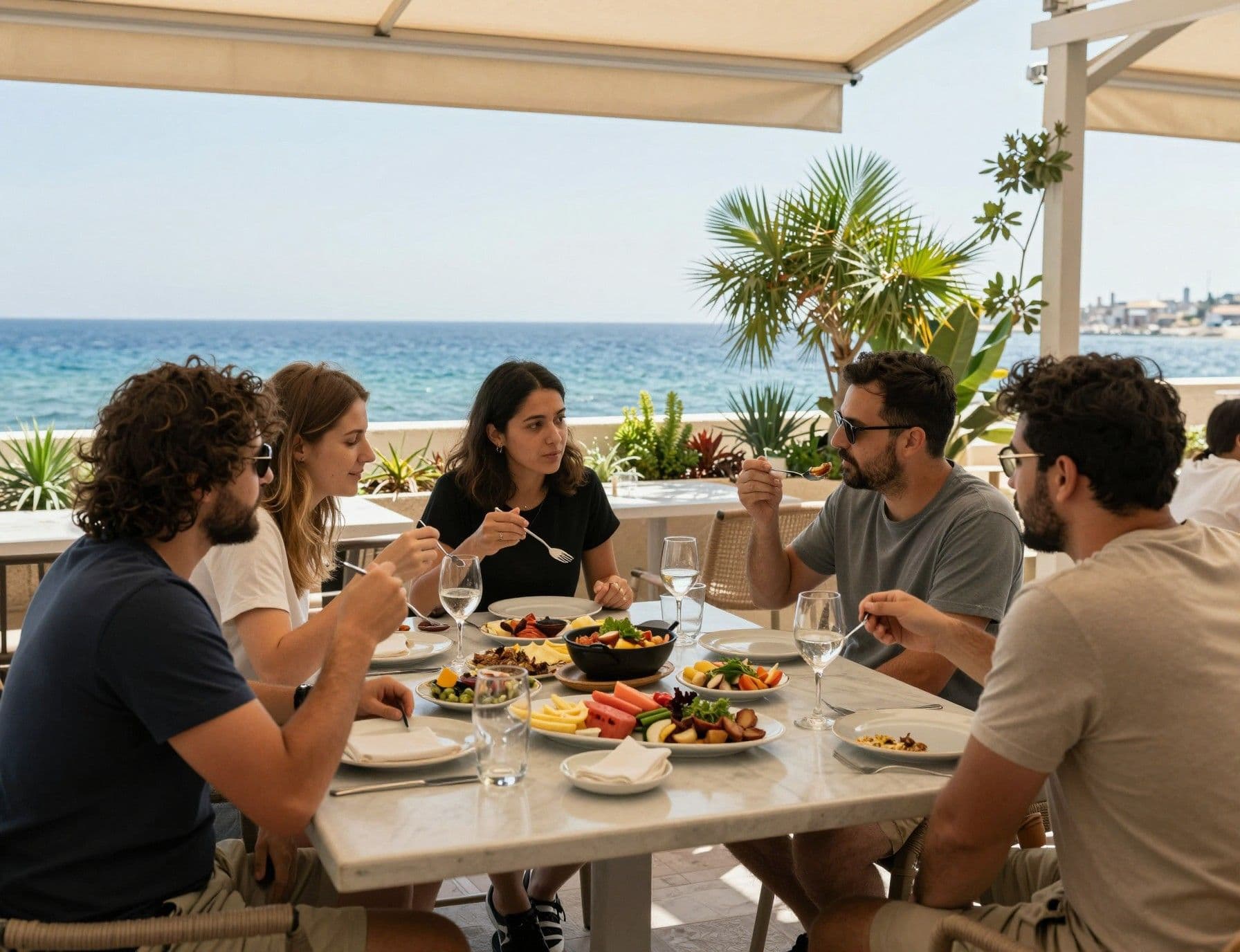
Let’s be blunt: Cyprus saw sustained price growth in recent years, but growth has become uneven. Government and industry data show apartment demand and new‑build sales pushed averages up, while some family houses lag. That split matters if you want lifestyle now versus capital appreciation later.
Where growth has come from (and where it hasn’t)
Tourist hubs and Limassol’s luxury segment accounted for disproportionate gains. By contrast, inland villages and some older city blocks saw modest rises. If you’re buying for rental yield, target seawards and university corridors; if you want quiet life and value, look inland or at small coastal towns outside the headline hotspots.
How to read the headline indices (quick primer)
- Use national indices to spot direction, not street‑level prices. The RPPI shows quarter‑on‑quarter shifts; combine it with local agent listings and Cystat HPI breakdowns to find true micro trends.
- Watch transaction volume: rising prices on thin transactions can reverse faster than prices backed by steady sales.
- Segment the market: apartments, villas, and small houses behave differently. Don’t infer one from the other.
Insider knowledge: what expats wish they'd known
Expats often say: “We fell in love with the view, then learned about seasonal noise, title quirks and running costs.” Two consistent regrets: underestimating service charges and overpaying for perceived seafront prestige. The data confirms both are frequent sources of buyer remorse.
Cultural and practical cues that change where you buy
Cypriot communities prize proximity to family amenities and tavernas. That social value translates into price premiums for certain streets. Language is rarely a barrier — English is widely used in business — but local relationships still speed up everything from renovations to paperwork.
Longer horizon thinking: lifecycle of a Cyprus buy
Buyers who think five to ten years ahead see different choices than those buying for a summer bolt‑hole. Expect urban densification, a continued appetite for apartments, and niche demand for restored stone houses in villages. That shapes renovation budgets and resale timing.
- Practical tips: blend lifestyle and data before you sign
- 1) Cross‑check RPPI and local listings; 2) Visit outside high season to test daily life; 3) Factor service charges and water costs into yields; 4) Ask for permit history and recent sales on the street.
- Step‑by‑step: how we recommend you decide (short)
- 1) Experience: spend a week in preferred neighbourhoods off‑season; 2) Data: download RPPI and HPI reports and map recent sales; 3) Local counsel: instruct an independent lawyer for title checks; 4) Offer with contingencies tied to permits and service‑charge review.
Conclusion: fall in love deliberately — then check the file
Cyprus is easy to love and complex to buy into. Use national indices to see direction, local listings to see reality, and local experts to translate lifestyle into sound purchases. If you want help matching a neighbourhood’s daily life to the correct price signals, we can introduce agencies who live and breathe those streets.
Danish investment specialist who relocated to Costa del Sol in 2015. Focuses on data-driven market timing and long-term value for Danish buyers.