Cyprus Price Signal: Where Value Hides Beyond the Coast
Cyprus feels like a postcard — but price data shows value hiding in everyday streets. Blend lifestyle choices with local indices to buy smarter.
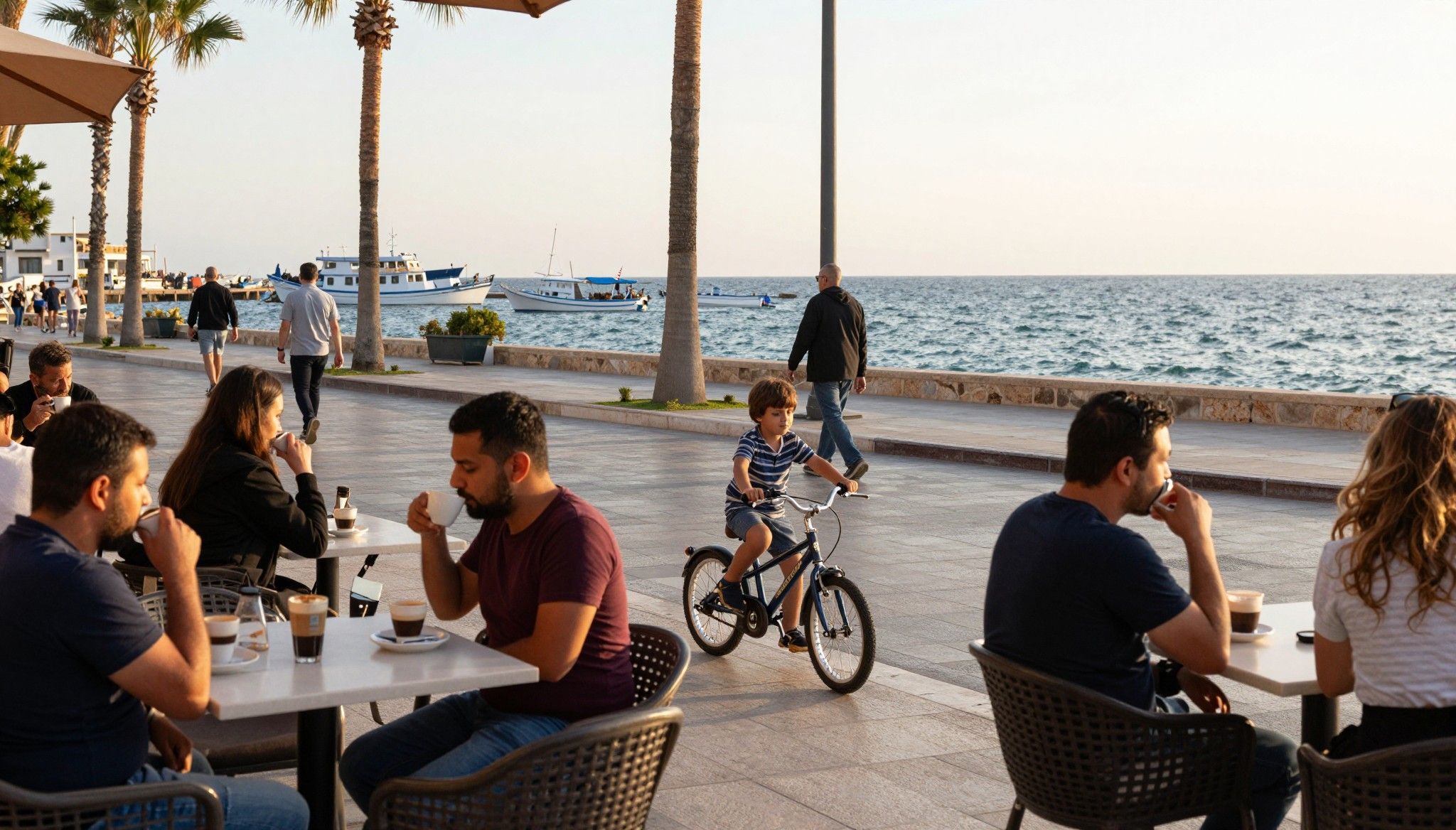
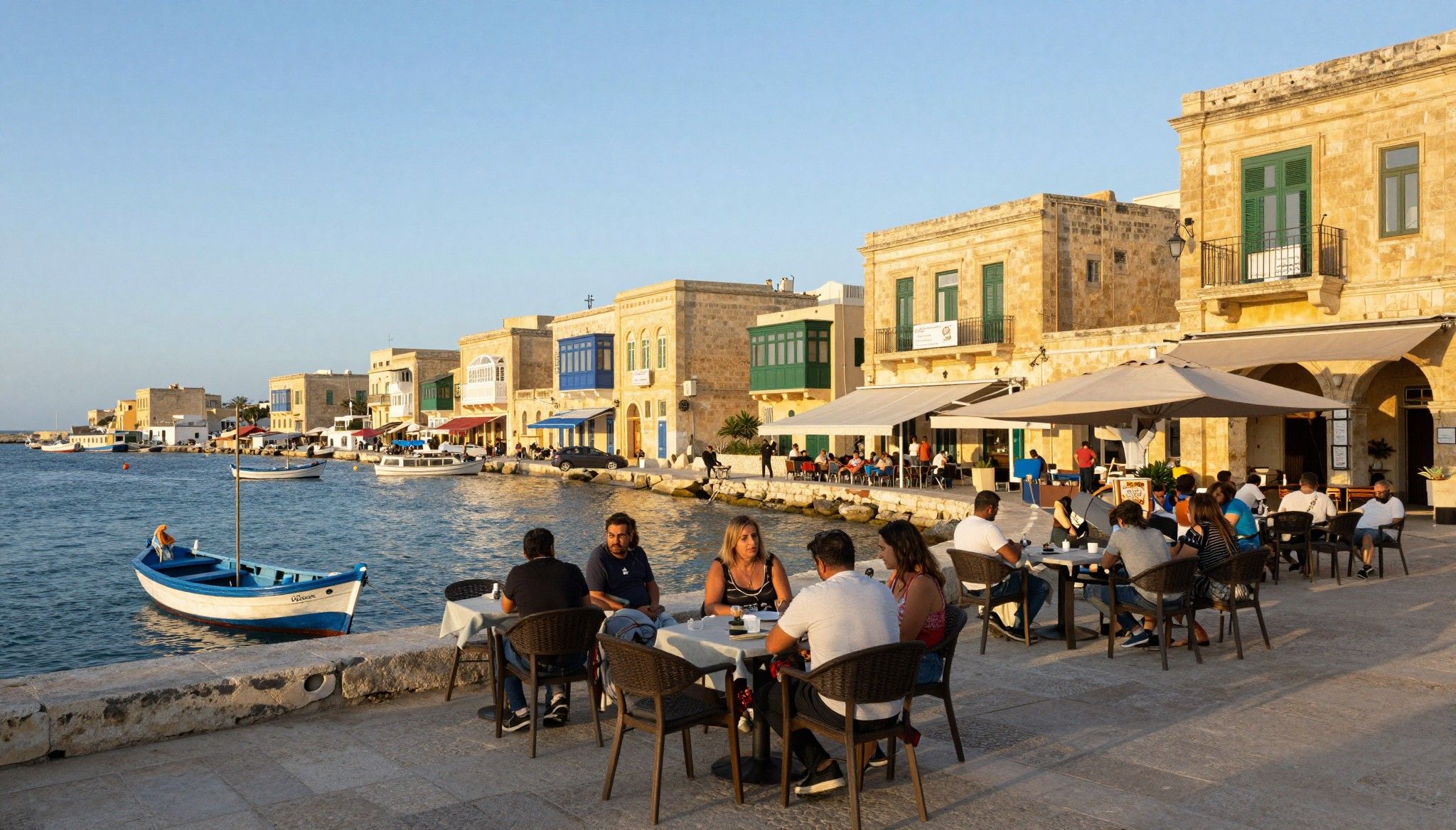
Imagine sipping an espresso in the old town of Limassol at 9 a.m., then walking ten minutes to a windswept beach where fishermen mend nets. Cyprus feels small, sunlit and immediate — a mosaic of beachside promenades, mountain villages and neighbourhood cafés. But behind that easy-living postcard are price signals that surprise many international buyers. According to recent market analysis, parts of Cyprus that feel expensive are masking pockets of value few buyers notice.
Living Cyprus: the everyday you actually buy
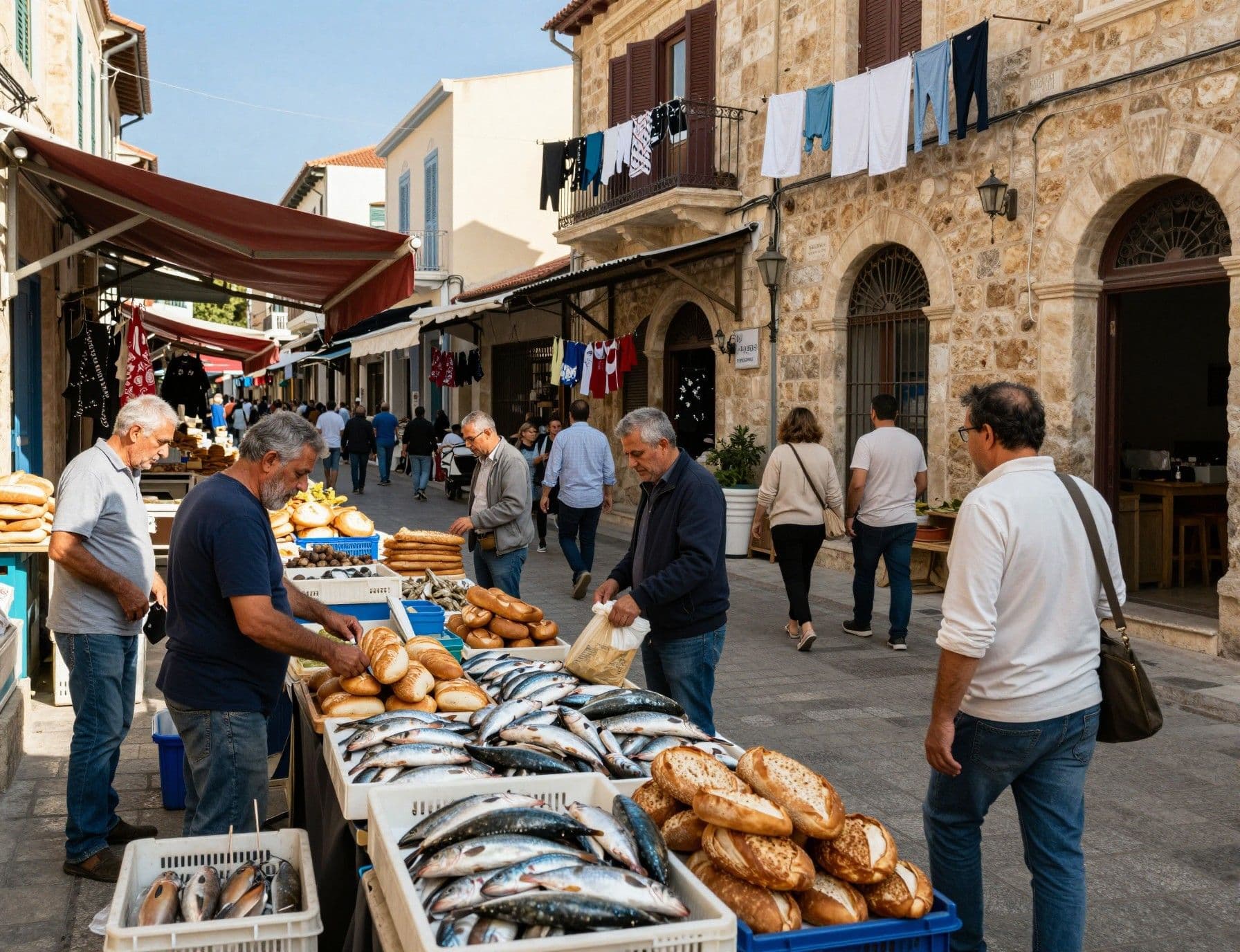
Cyprus isn't a single lifestyle — it's a set of daily rhythms. In Paphos mornings smell of bakery bread and sea salt; in Nicosia there's the murmur of offices and late-night tavernas; in the Troodos foothills you trade humidity for pine-scented air. Life here is about outdoor cafés, Sunday markets, and a neighbourhood scale that makes it easy to know your baker, your neighbour and the council worker who clears the road after storms.
Neighbourhood spotlight — Limassol Marina to Old Town
Walk from Limassol Marina’s polished yachts to the Old Town’s limestone alleys in twenty minutes and you’ll see why buyers split their budgets here. The marina commands premium per-square-metre prices, but the streets of Agios Nicolaos and Katholiki — two blocks inland — still offer restored townhouses and terraces that give the same social life for materially less.
Food, markets and weekend life
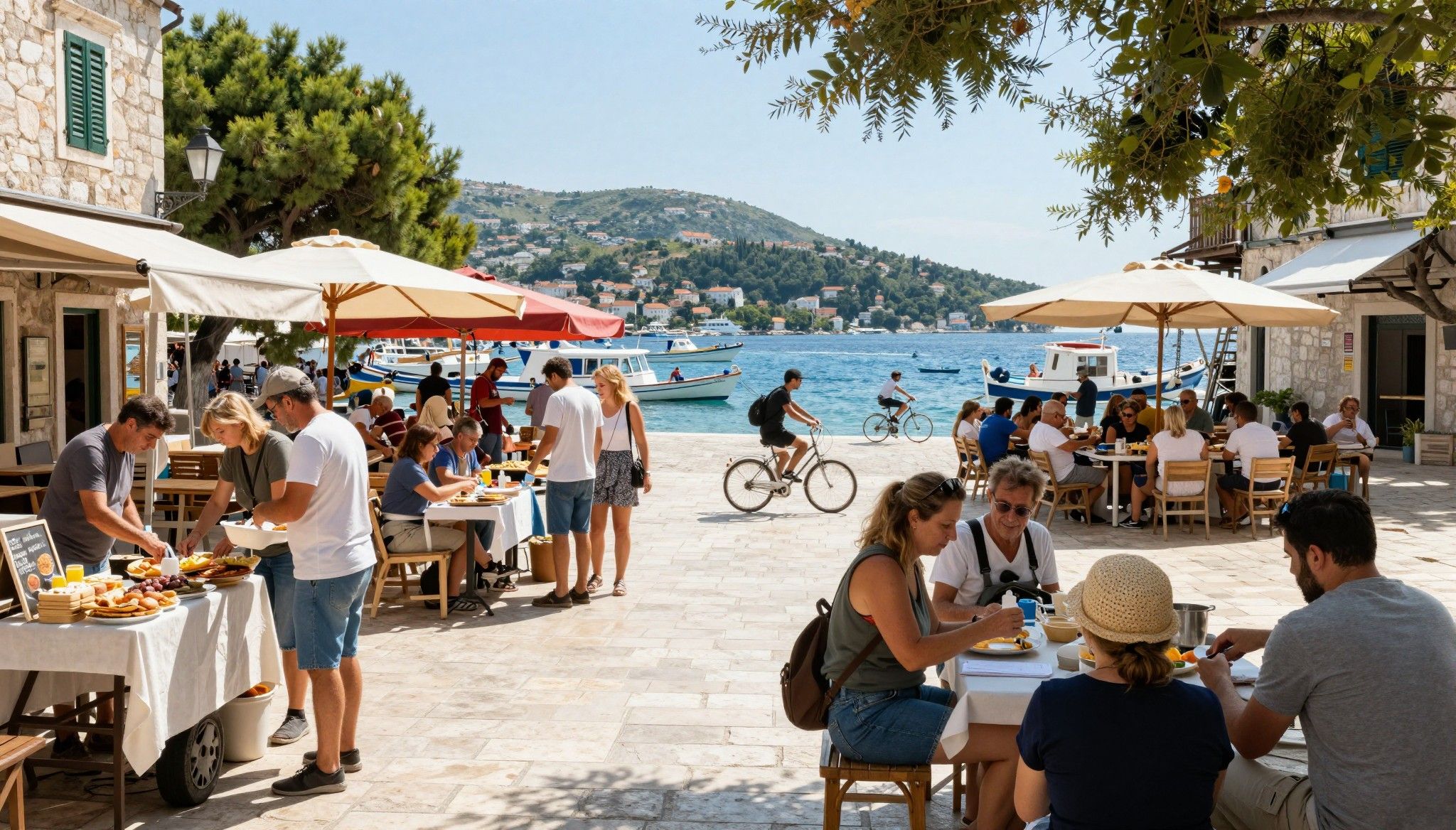
Sunday markets (Evagoras in Paphos, the Nicosia municipal market) are where locals shop and gossip — and where foreign buyers first learn how neighbourhoods breathe. Seek properties near bakeries, fishmongers and small tavernas: they are the best informal predictors of long-term rental demand and walkable everyday life.
- Lifestyle highlights: walkable marinas, mountain trails, village tavernas, municipal markets, expat meetups in Paphos, Limassol café culture
Making the move: price trends that matter
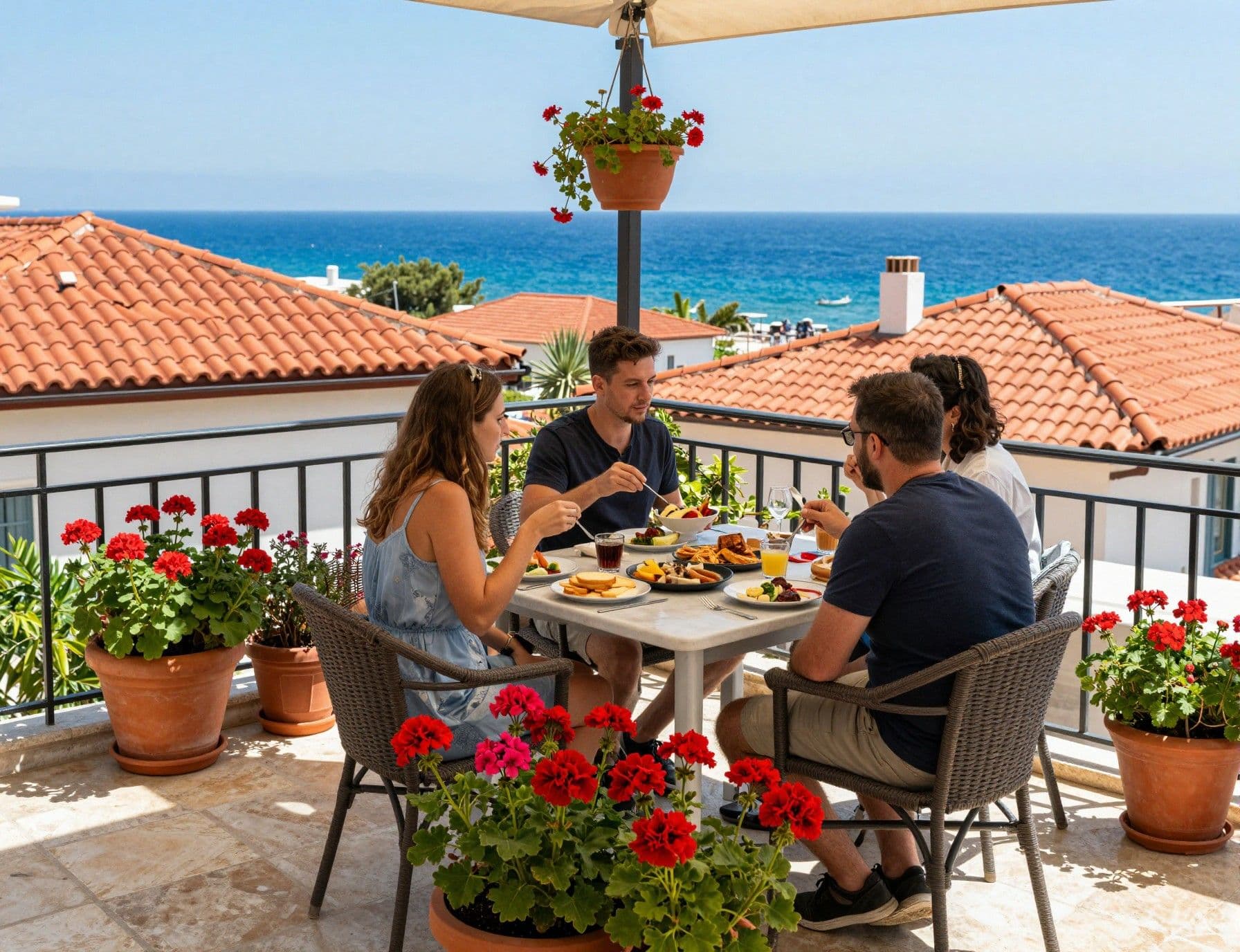
Dreams meet spreadsheets fairly quickly. National indices show steady year-on-year growth but important variation by district and property type. Government House Price Index figures and Central Bank indices point to mid-single-digit annual growth in recent quarters — a reminder that headline growth often hides diverging micro-markets (apartments vs. houses, coastal vs. inland).
Property styles and what they mean for life
New-build seafront apartments give you maintenance-light living and strong short-let appeal; village stone houses offer space, terraces and a different pace but can demand renovation. Luxury villas recovered modestly in recent reports, while the apartment market accounts for the bulk of transactions — important if you plan to rent or resell quickly.
How local expertise turns lifestyle into price advantage
A good local agent knows which streets are about to benefit from infrastructure works, where planning applications quietly inflate neighbourhood value, and which sellers accept offers below asking price. This is less about hype and more about reading planning notices, bank lending patterns and micro supply — the data that turns a lifestyle preference into a sensible purchase.
- Practical steps blending life and market sense: 1. Map desired daily routes (coffee, school, market) before viewing. 2. Check recent sold prices on municipal records or via an agent. 3. Prioritise walkability and micro‑supply over headline district averages. 4. Ask for recent energy performance and sea‑air exposure notes—maintenance matters. 5. Negotiate on comparable streets, not the glossy waterfront brochure.
Insider knowledge: contrarian truths expats learn late
Here’s the kind of thing you don’t read in glossy brochures: ‘expensive’ seafront addresses often have thinner year-round demand than mid-town streets with local services. RICS and market reports confirm pockets of faster growth inland or near airports, where infrastructure and rental demand converge. The surprising winners are often streets with consistent local life, not the postcard view.
Cultural and seasonal realities
Cypriot social life is seasonal: summer brings tourists and short-let income; winter reveals the true resident fabric. Buying in high-summer viewings can mislead — properties feel livelier, rents peak and sellers hold firm. If you can, schedule viewings in off-season to see how neighbourhoods behave when the tourists leave.
What expats wish they’d known
Many wish they’d inspected drainage, roof details and proximity to municipal works. Others regret buying the ‘view’ over the ‘route’ — a gorgeous balcony is worthless if the daily commute requires a car for every errand. Spend equal time on how you’ll live there on a Tuesday morning as you do on the sunset views.
- Red flags and checks: unclear title notes, missing permits for extensions, inconsistent utility connections, unusually low energy efficiency, disproportionate maintenance fees
Longer-term lifestyle questions
Think three-to-five years ahead: will you want a quieter life, a school nearby, a rental income stream? Growth districts today may change with new roads, coworking hubs, or airport expansions. Use local planning portals and ask agents for recent licence applications—small signals become big value drivers.
Conclusion: Cyprus sells a lifestyle first and a spreadsheet second. If you prioritise the life you want — the café, the walk to the market, the local school — and then back that up with house price indices, municipal records and a local agent who knows streets (not just areas), you get the best of both worlds. Start with a short list of streets, check recent sold prices and plan at least one off‑season viewing. If you want, we can point you to agents who read the data and the daily rhythm the same way.
British expat who relocated to Marbella in 2012. Specializes in rigorous due diligence and cross-border investment strategies for UK and international buyers.