Where France’s Price Tag Hides Real Opportunity
France’s price headlines mask neighbourhood-level opportunities—buy life first, use local data (INSEE, Banque de France, Notaires) to turn charm into durable value.
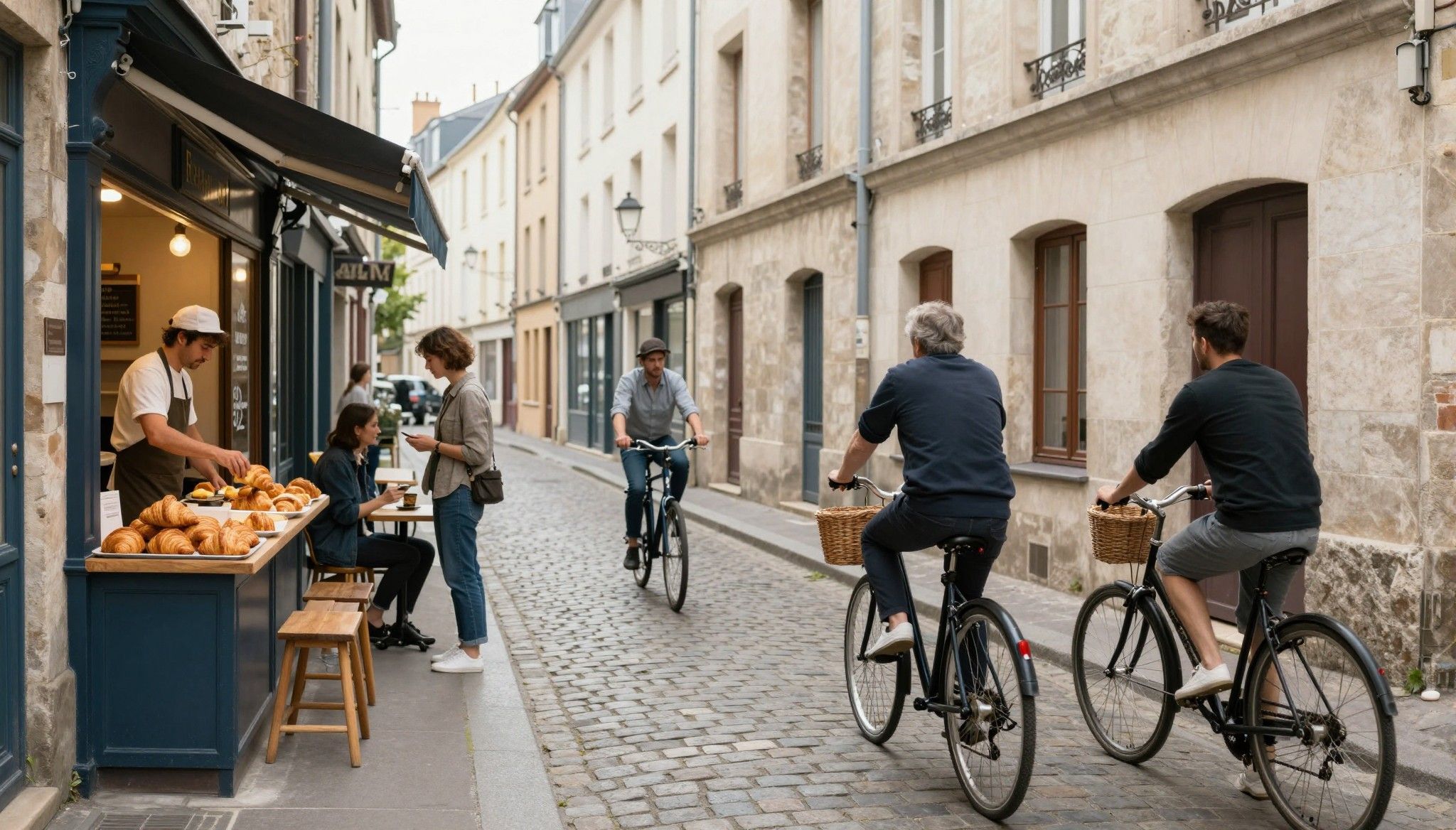
Imagine morning light on a narrow rue in Lyon, a boulanger holding out a warm croissant, or an autumn market in Aix where neighbors still haggle over olives. France feels—sensory, textured, lived-in—and that rhythm shapes value in ways simple price‑per‑m² numbers never do. For international buyers, that’s the useful surprise: when we look past headline prices, France often offers durable lifestyle value and pockets of price agility that savvy buyers can exploit. (See recent INSEE analysis for national momentum.)
Living the French life—what you actually buy
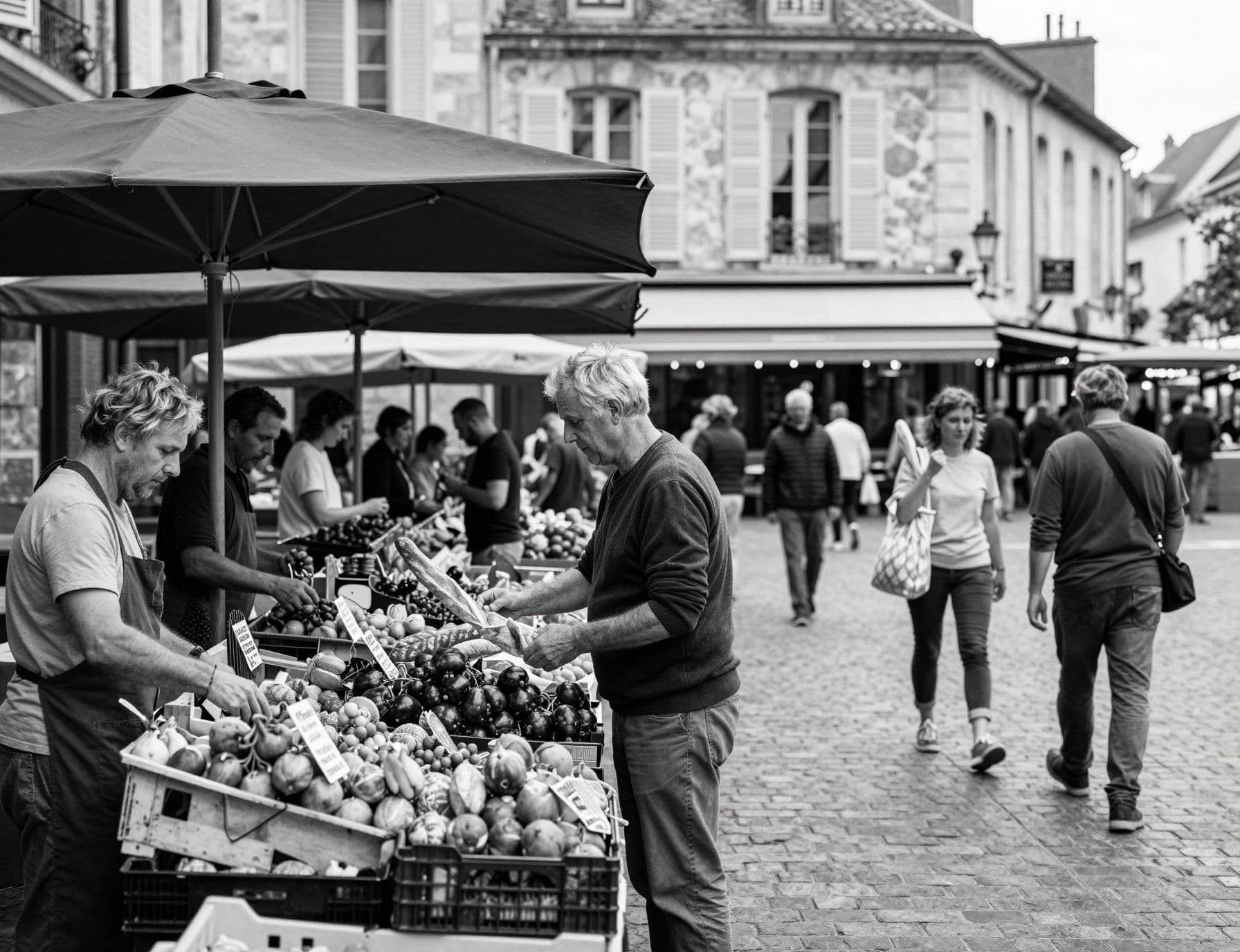
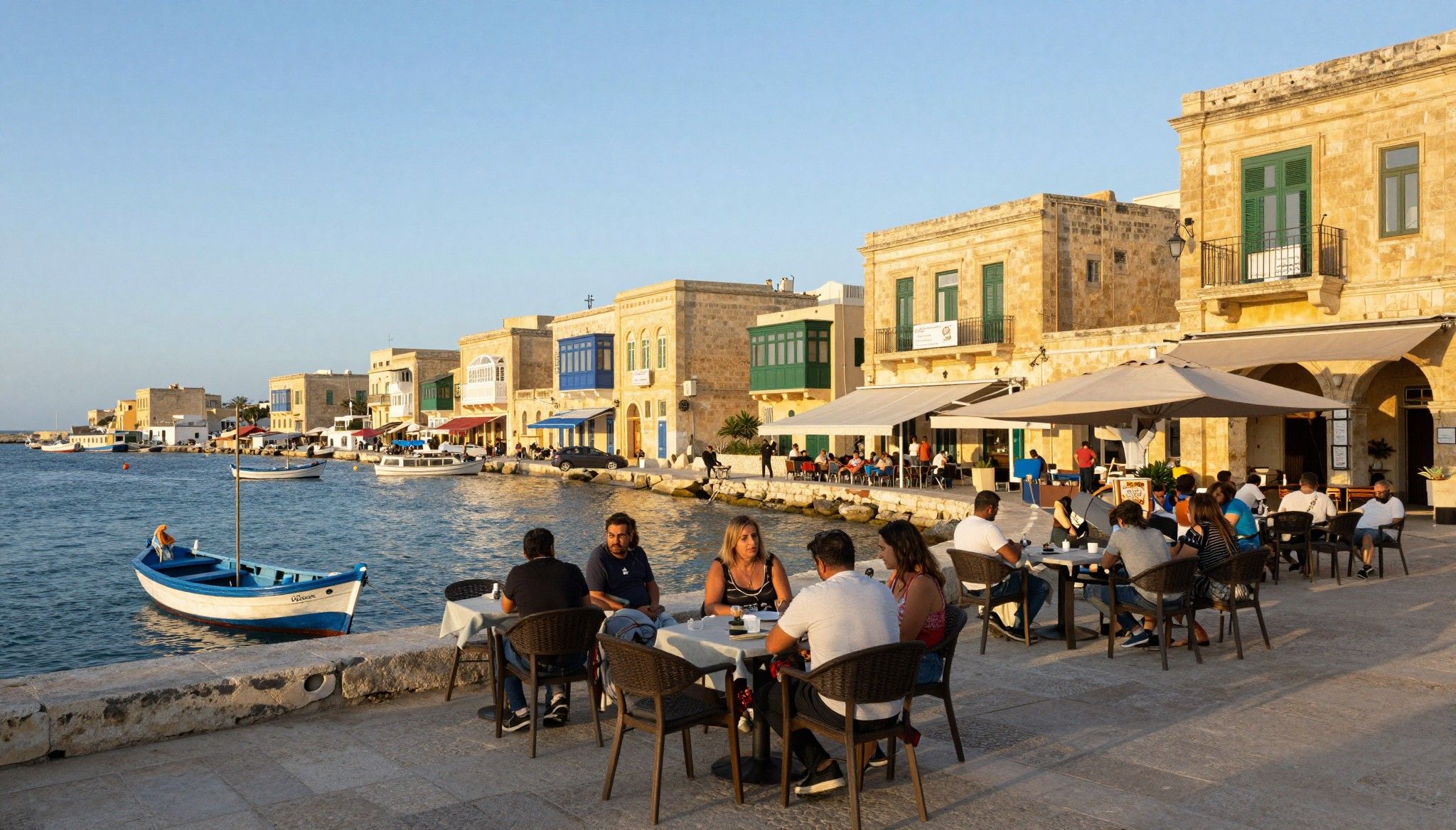
France is not one market but many: Paris apartments trade like boutique assets, rural Dordogne farmhouses sell for lifestyle first, Bordeaux townhouses draw wine‑scene buyers and the Riviera is a seasonally charged micro‑economy. When you imagine 'buying in France' think in terms of daily rhythms—market mornings, long lunches, and a social life that orients around cafés, marché stalls and the local mairie more than co‑working hubs or chain supermarkets.
Neighborhoods that shape daily life
Small details determine whether a street fits your life. In Paris, we look at blocks like Rue Cler (7th) and Canal Saint‑Martin for that café/corner‑store loop. In Marseille, the Cours Julien pulse versus the calmer end of Le Panier tells you about artisan culture and evening safety. In Nantes or Toulouse, proximity to the marché and the tramline matters more than an extra bedroom for remote work, because you’ll live outside as much as inside.
Food, market life and seasons
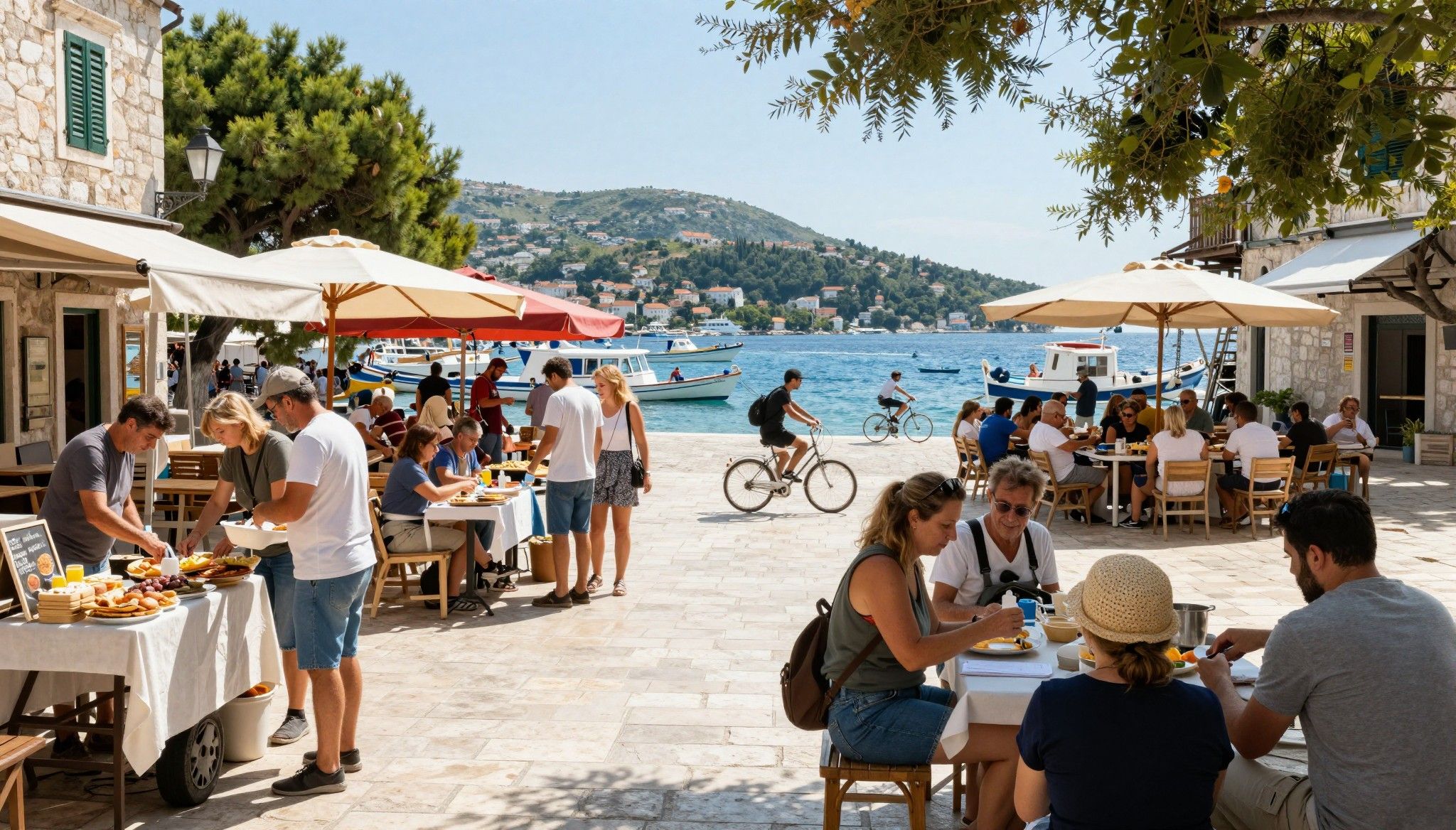
Seasonality is part of the purchase decision. Summer alters footfall on the Côte d’Azur and demand spikes for short‑lets; autumn and winter reveal true neighbourhood resilience—who shops locally, who closes for months. If you love daily markets, prioritize towns with year‑round marchés (e.g., Lyon’s Les Halles, Nice’s Cours Saleya). If you want calm summers, an inland Provence village will look completely different come August.
- Lifestyle highlights to look for when assessing neighbourhood fit: • Morning marché within 10 minutes (fresh food + social life) • A local café where names are known—a sign of community • Proximity to a quality clinic or hospital for long‑term security • Regular public transport (tram or TER) over motorway dependence • A mix of owner‑occupiers and long‑term rentals, not just holiday lets
Making the move: price signals and practical realities
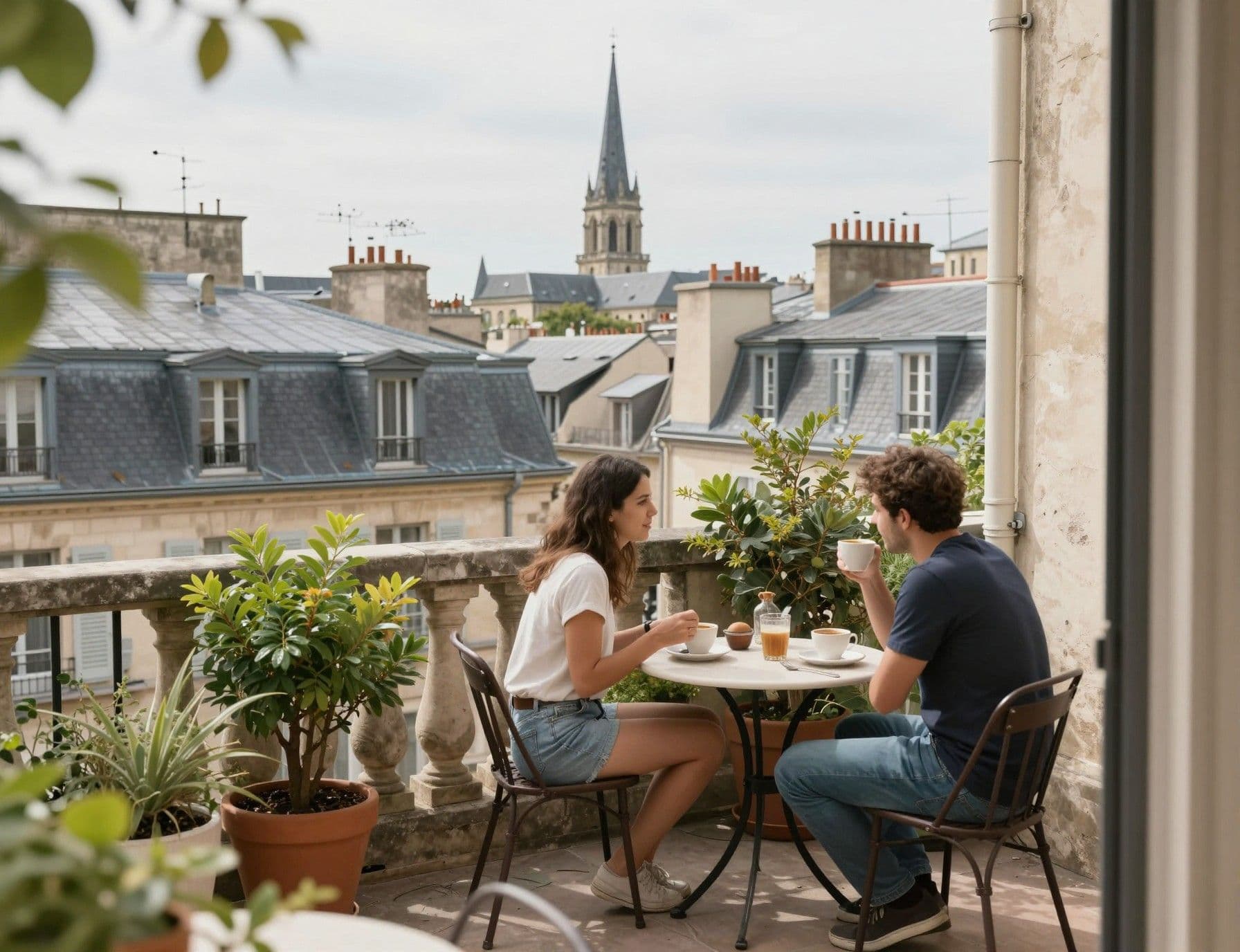
Dreams meet data when you sign a compromis. Macro indicators show France’s market stabilising after a period of correction: national indices oscillated in 2024–2025 and transaction volumes recovered in 2025 as mortgage conditions eased. That matters for timing: temporary dips can reveal negotiation leverage, but local dynamics (season, tourism, renovation backlog) decide whether a discount is real value or a thin market illusion. Banque de France reporting helps you interpret the credit backdrop and transaction flow.
Property types and how they map to life
Apartments in city centres often offer rental resilience and easier maintenance; rural houses and châteaux give land and privacy but come with upkeep. Notaires‑INSEE indices show apartments and houses have diverged in recent years—apartments in some city centres fell, while rural and suburban houses held steadier. Match property type to the life you want: if daily cafés and walkable errands matter, prioritise compact city units; if olive trees and a garden top your list, budget for restoration costs.
How local experts turn lifestyle into a realistic shortlist
- Steps a good local agent should take: 1. Map your daily routines (market, school, healthcare) and translate them into 5‑minute catchment areas. 2. Deliver comparable sales that adjust for floor, view and renovation status—not just headline price per m². 3. Flag seasonal rental pressures and tourist zoning that can affect yield and livability. 4. Coordinate local specialists (notaire, diagnostiqueur, architect) to cost realistic renovations before bidding. 5. Run a two‑year occupancy and maintenance projection with realistic seasonal income if you plan to let.
Insider knowledge: red flags and contrarian finds
We hear two myths: 'France is uniformly expensive' and 'coastal = best investment.' Data and street visits disagree. Major cities show price segmentation by arrondissement, and some coastal towns have short‑season economies that hide vacancy risk. Conversely, mid‑sized cities—Nantes, Clermont‑Ferrand, Rennes—often combine stable local demand, universities, and transport links that deliver steadier long‑term returns than headline tourist hotspots.
Cultural cues that affect value
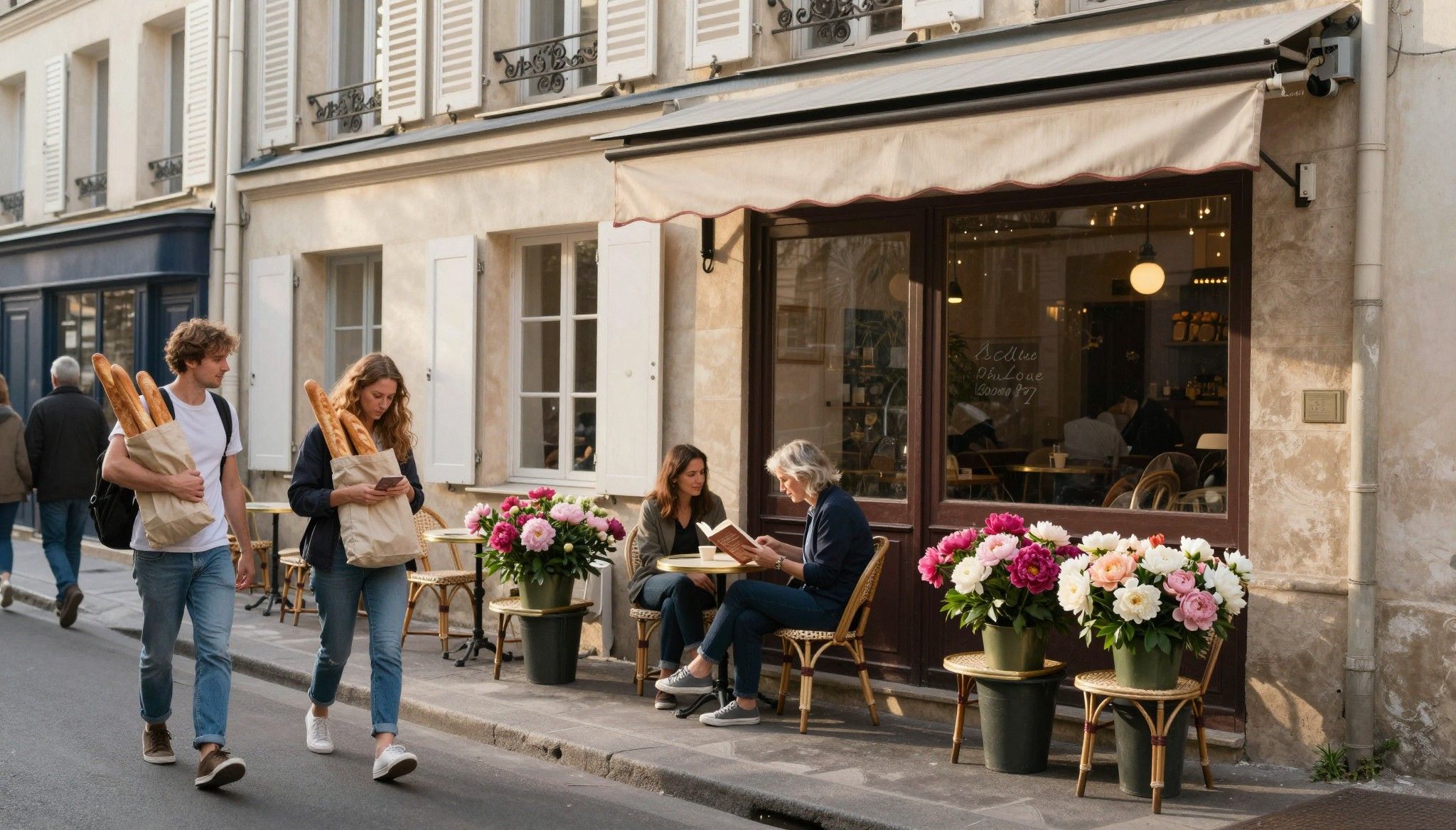
Pay attention to what locals value: a good boulanger, a lively marché, school reputation, and a mairie that invests in public spaces. These non‑monetary signals often predict price resilience. Also note occupancy patterns—streets that breathe in winter (locals stay) are less risky than those that only live at high season.
- Red flags we routinely spot: 1. Listings using 'seasonal rental only' language—ask for year‑round occupancy stats. 2. Large price jumps with few comparables—demand proof of renovation and permits. 3. Overreliance on tourist income without local tenant demand. 4. Properties adjacent to future infrastructure plans with unclear timelines. 5. Missing energy diagnostics (DPE) or deferred maintenance that hides costs.
Longer term, France rewards buyers who buy life first and spreadsheets second. A street you love now will likely hold value because people buy into routines—school runs, market trips, a favourite café. That’s the kind of stability that shows up in indices over a decade, even when short‑term macro noise creates buying windows.
Next steps: walk the blocks you love, ask for two years of transaction comparables from a local notaire or agent, and ask for an occupancy‑sensitive renovation budget. If you want, we’ll help set up a shortlist and local calls—because buying in France should start with imagining your mornings and end with paperwork that actually reflects that life.
Norwegian market analyst who serves Nordic buyers with transparent pricing and risk assessment. Specializes in residency rules and tax implications.