Why Croatia’s Coast Feels Pricier — Where Value Hides
Coastal premiums are real — but transaction data, county indices and micro‑market checks reveal where lifestyle and value converge across Croatia.
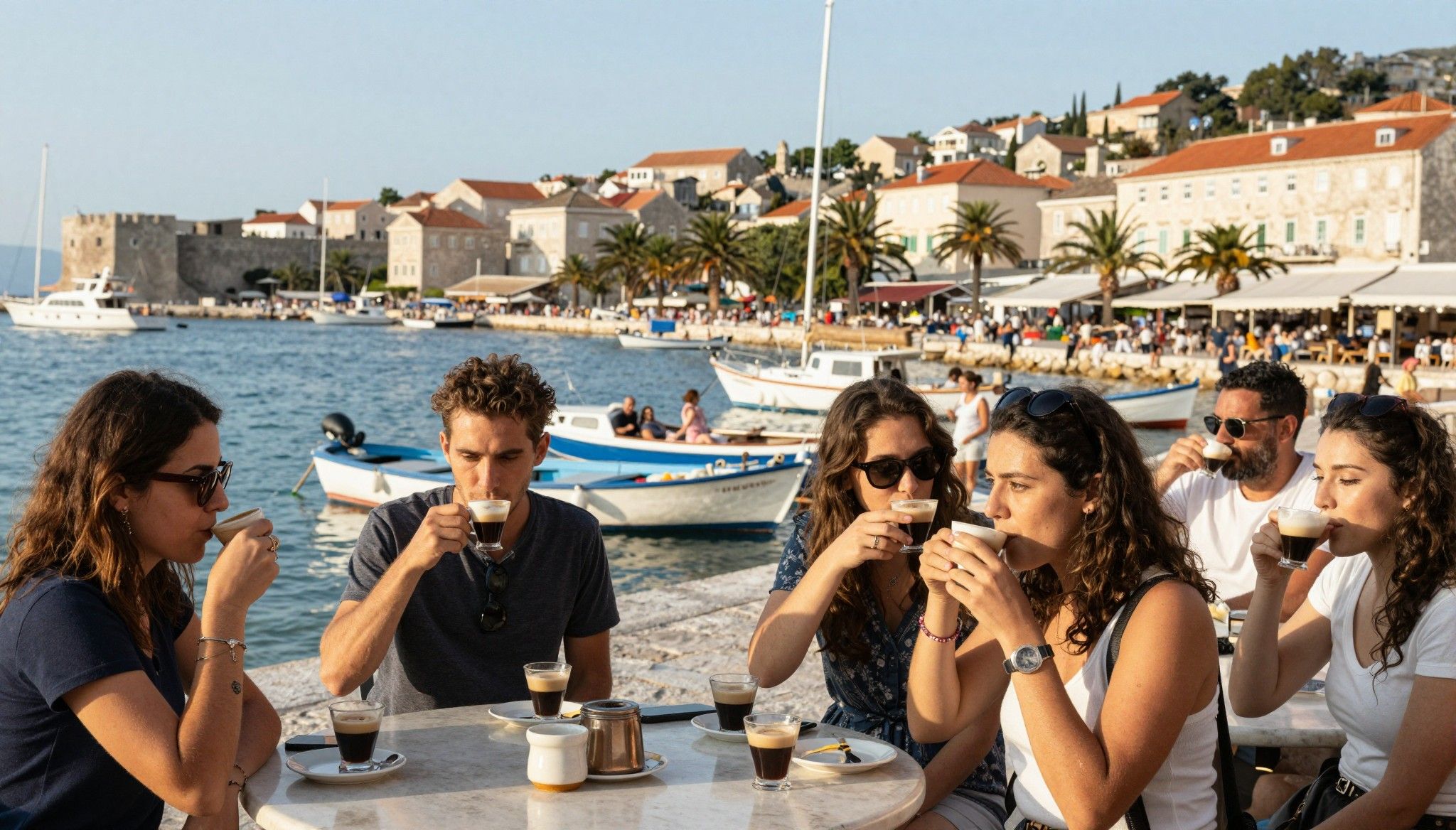
Imagine sipping espresso on Split’s Riva as fishing boats cut a bright line across the Adriatic. The light here changes how you plan your day — and how you value a balcony, a terrace, a sea view. But the numbers tell a different story than the postcard: coastal premiums exist, yes, but they hide surprises inland and in overlooked towns.
Living the Croatian Lifestyle
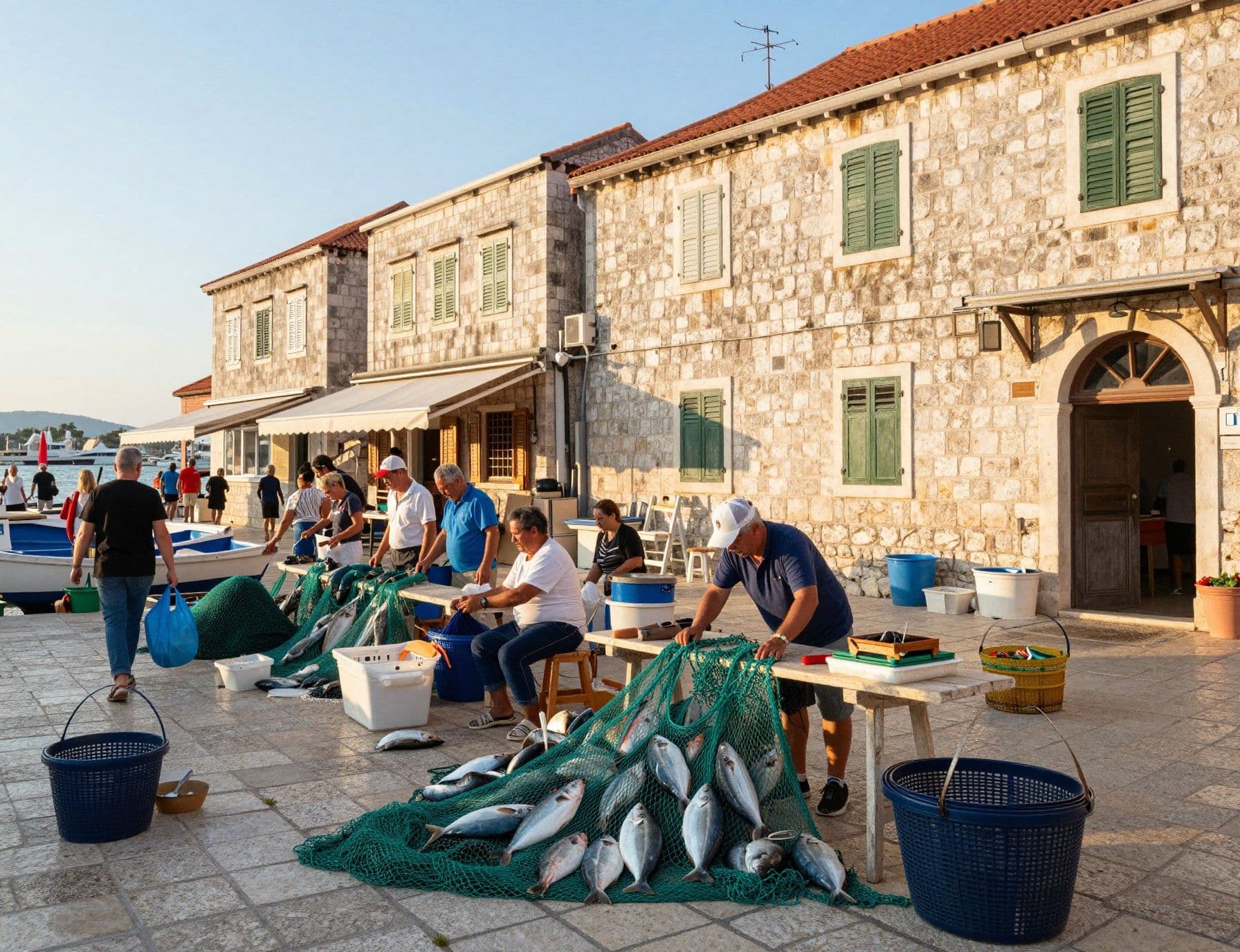
Croatia is a stitched-together life: ancient stone alleys in Dubrovnik, waterfront cafés in Rovinj, modern co-working cafés in Zagreb. Day-to-day rhythm mixes market mornings, long lunches, and evenings that unfurl slowly along the water. For many internationals the attraction is immediate — the sea, islands you can reach on a weekend, and small-city ease — but everyday living depends on where you land.
Coastal towns vs inland towns: who buys what
In places like Split, Dubrovnik and Istria, asking prices jumped strongly in 2024–25, driven by seasonal demand and short-term rental economics. But asking-price spikes can exaggerate what locals actually pay year-round; Njuškalo’s market snapshot shows coastal asking prices rising faster than national averages, concentrated in narrow postcodes. That creates opportunities a short drive inland can reveal.
What daily life looks like in three representative spots
Picture this: eating pašticada in a konoba off Split’s Marmontova, buying fish at Zadar’s market at 7am, escaping to quieter beaches on Brač by 10am. In Zagreb you trade sea-for-city: museums, co‑working hubs, and a stronger year‑round rental market. Which life you pick affects what type of property makes sense — a compact historic flat, a white-stone coastal house, or a new-build apartment with parking.
Lifestyle highlights
Morning fish market in Split; afternoon swim at Bačvice; evening espresso on the Riva.
Rovinj’s cobbled streets and summer galleries — a compact town you can walk in an afternoon.
Zagreb’s year-round cultural calendar, food markets in Dolac, and a steadier rental season for long-term returns.
Making the Move: Practical Considerations
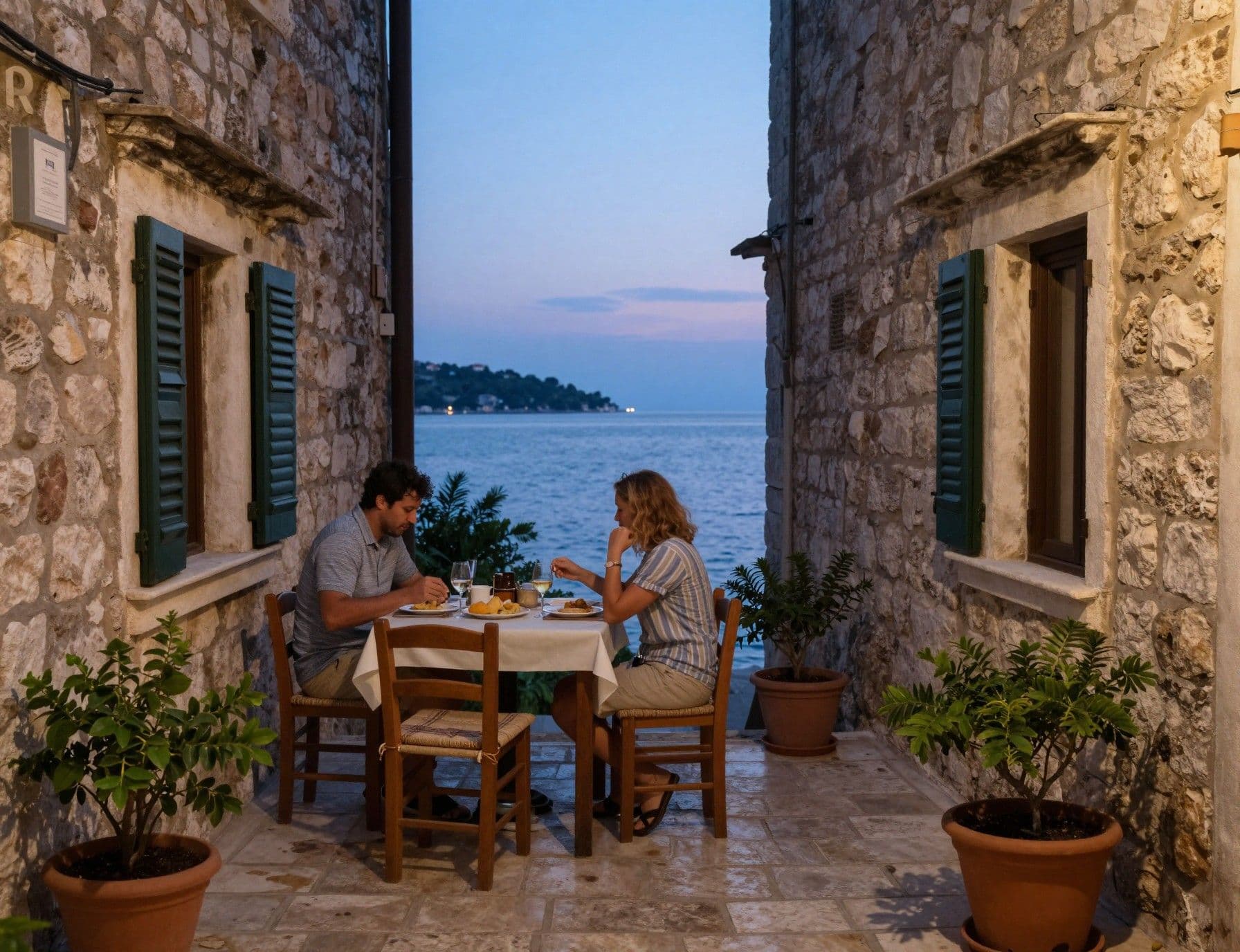
Numbers matter. The Croatian Bureau of Statistics and OECD analyses indicate sustained growth since 2016, with coastal counties outperforming inland regions. But headline growth doesn’t mean every coastal street is a safe bet. Look at county-level indices and transaction data — not just listings — to see where momentum is real and where it’s seasonal inflation.
Property types and how they shape life
Stone houses with terraces (Dalmatian coast) deliver that slow-summer life but can be costly to maintain. New-build apartments in Zagreb or Rijeka offer modern systems, parking and easier rentals. Villas on islands give privacy but work harder as investments because of seasonal occupancy and infrastructure limits.
How local experts translate lifestyle into numbers
Work with an agent who knows micro-markets: they convert lifestyle wants (a morning market, a walkable promenade, quieter winters) into measurable tradeoffs: price per m², realistic rental yield, maintenance expectations, and seasonal vacancy risks.
Ask for three comparable sale records from the last 12 months — not asking prices. Agencies with access to transaction data (not just portals) will show you real sales and give context for premiums on sea-front versus 5km inland.
Plan for hidden practicals: drainage and insulation for stone houses, summer water logistics on smaller islands, and the difference that a parking spot or storage room makes to resale in city centres.
Insider Knowledge: What Expats Wish They'd Known
Here’s the blunt part: many internationals lock onto postcards — a harbour view, UNESCO walls — and pay a premium. Expats we speak to say their happiest moves involved compromising on the headline view in favour of being near a market, a ferry, or a train. That decision made their daily life richer and their investment less volatile.
Cultural cues that change the property decision
Croatians prize community ties. A lively konoba on your street or a local café owner who knows your name will shape the way you live far more than square metres. Learn where festivals (like ŠpancirFest in Varaždin or local feast days on islands) cluster — those rhythms affect rental demand and your quality of life.
Long-term lifestyle and how markets adapt
Expect the market to bifurcate: prime coastal strips will keep attracting premium buyers and short-let money, while well-connected inland towns and cities like Zagreb will offer steadier long-term yields. If you want both life and resilience, consider a coastal town with strong year-round transport links or a city property within two hours of the coast.
Quick red flags to watch
Single-season rental performance: check January–April and October–December bookings, not just July–August.
Infrastructure lag: islands and remote coves may lack reliable water, waste or fast fibre — factor maintenance and renovation costs.
Regulatory shifts: changes in short‑let regulation or tourism policy can quickly change local ROI projections.
Conclusion — How to Fall for Croatia, Wisely
Croatia sells a life, not just square metres. Let the lifestyle draw you in, but let transaction-level data keep you honest. Compare coastal districts with nearby inland towns, insist on comparables, and work with an agency that can show real sales records and translate a seaside feeling into durable numbers. That’s how you buy both joy and sound investment.
Swedish expat who moved from Stockholm to Marbella in 2018. Specializes in cross-border legal navigation and residency considerations for Scandinavian buyers.