Italy’s Quiet Winners: Where Life and Value Meet
Italy’s emerging hotspots—Puglia, Abruzzo and lesser-known towns—combine lifestyle richness with renovation value; match your rhythm to region-level realities and paperwork.
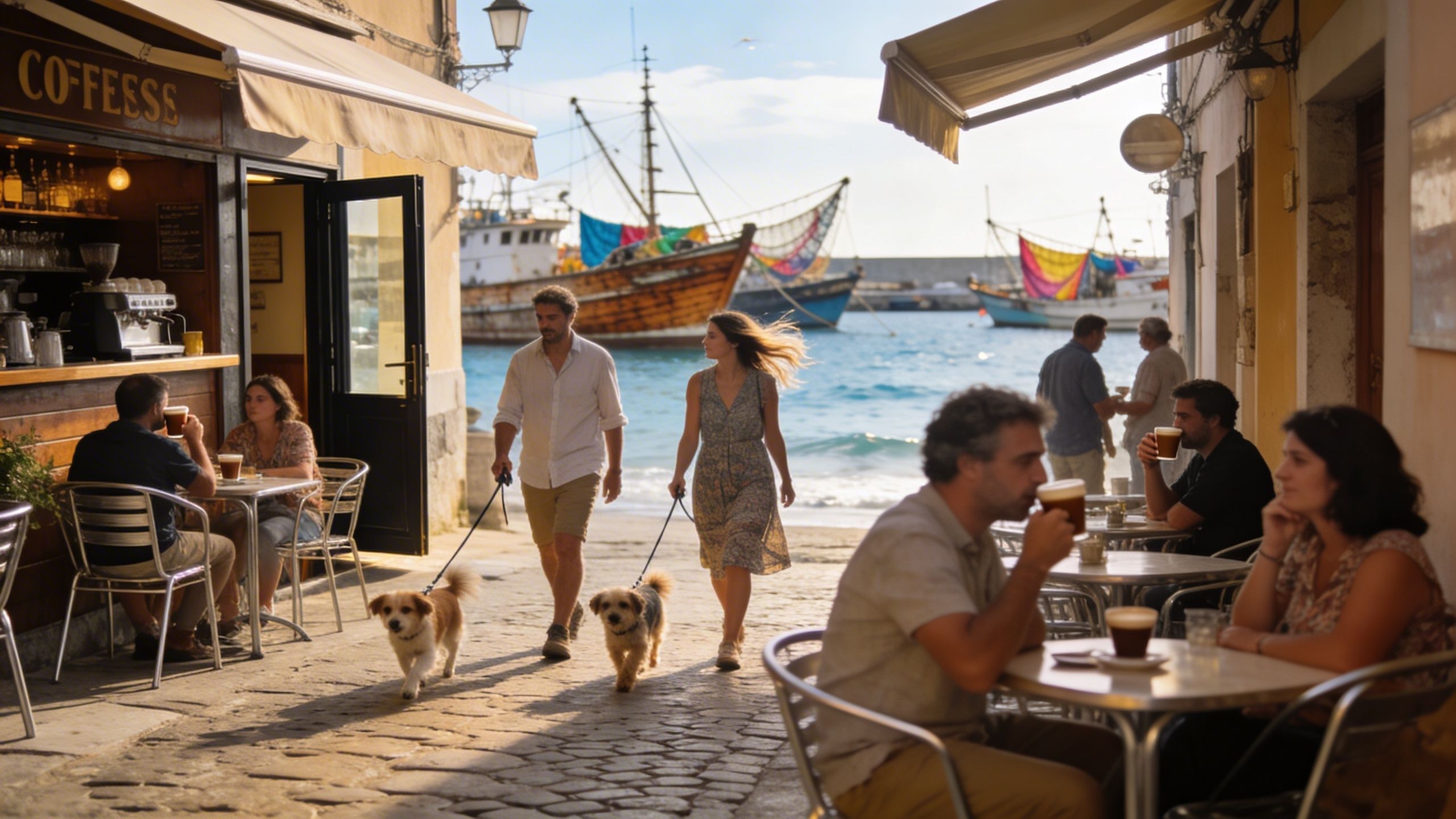
Imagine waking up to the clatter of an early market in Bari, espresso steaming in a tiny ceramic cup, or spending a Sunday stretching along a quiet Ligurian alley where the neighbour knows your name. Italy sells itself in moments like these — tactile, loud, slow where it needs to be, fast where life asks for it. But for international buyers the romance has to meet records, and the surprising truth is this: Italy’s most interesting opportunities are not always in postcard Tuscany or central Milan. Emerging pockets — Puglia’s white hill towns, Abruzzo’s mountain villages, parts of Le Marche — are quietly rewriting what value looks like.
Living the Italy lifestyle — more than the view
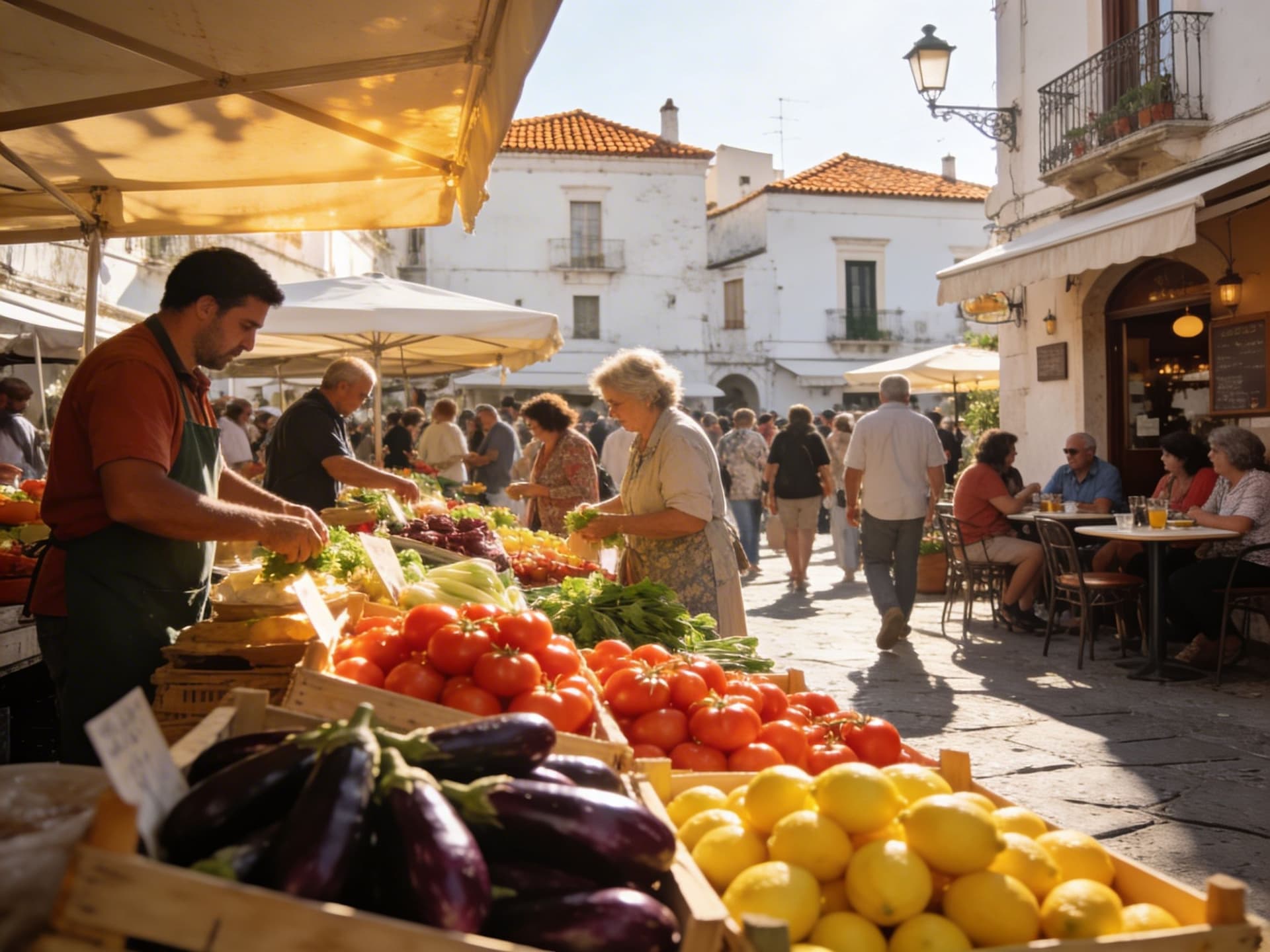
Italy is sensory: citrus and sea salt on the coast, woodsmoke in inland winters, and piazzas that are theatre every evening. Your daily life here will be measured in market runs, midday pauses, and neighbourhood rituals — the barista who knows your order, the fruit seller who holds back the best figs. That texture matters when you pick a place; a terrace with a view is lovely, but a street with life is what keeps you there.
Neighborhood spotlight: Puglia’s Valle d’Itria and Ostuni
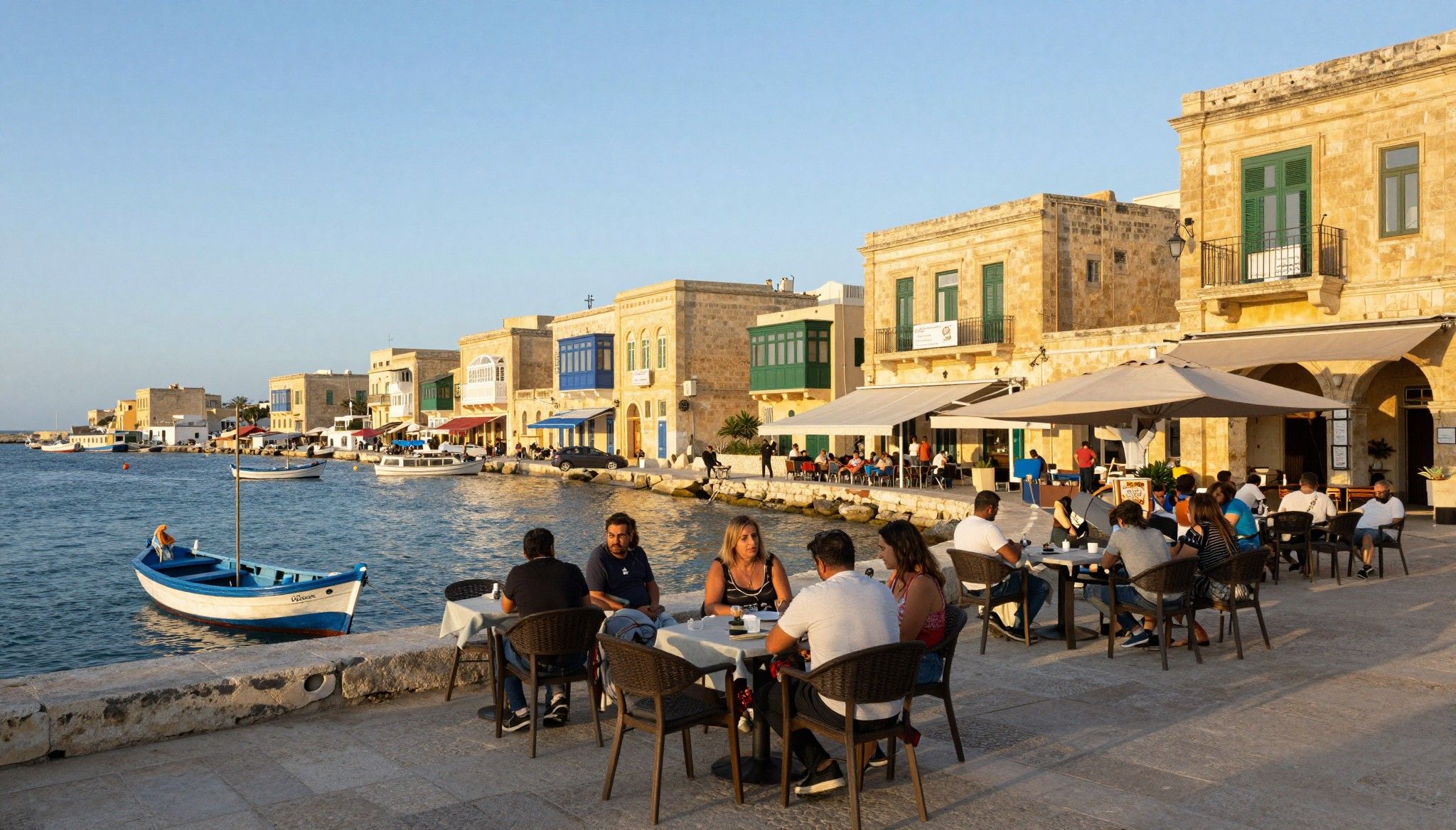
Walk the whitewashed lanes of Ostuni and you’ll understand why international buyers are asking questions. Trulli roofs, olive groves, and restored farmhouses give Puglia a lived-in luxury that feels less staged than some northern retreats. Inquiries to the region have spiked, and prices for renovated prime homes have risen sharply — but compared with central Florence or Milan, the lifestyle-per-euro is often better here. If you want sun, community, and renovation potential, this is where to start.
Food, music and rhythm: daily life in small cities
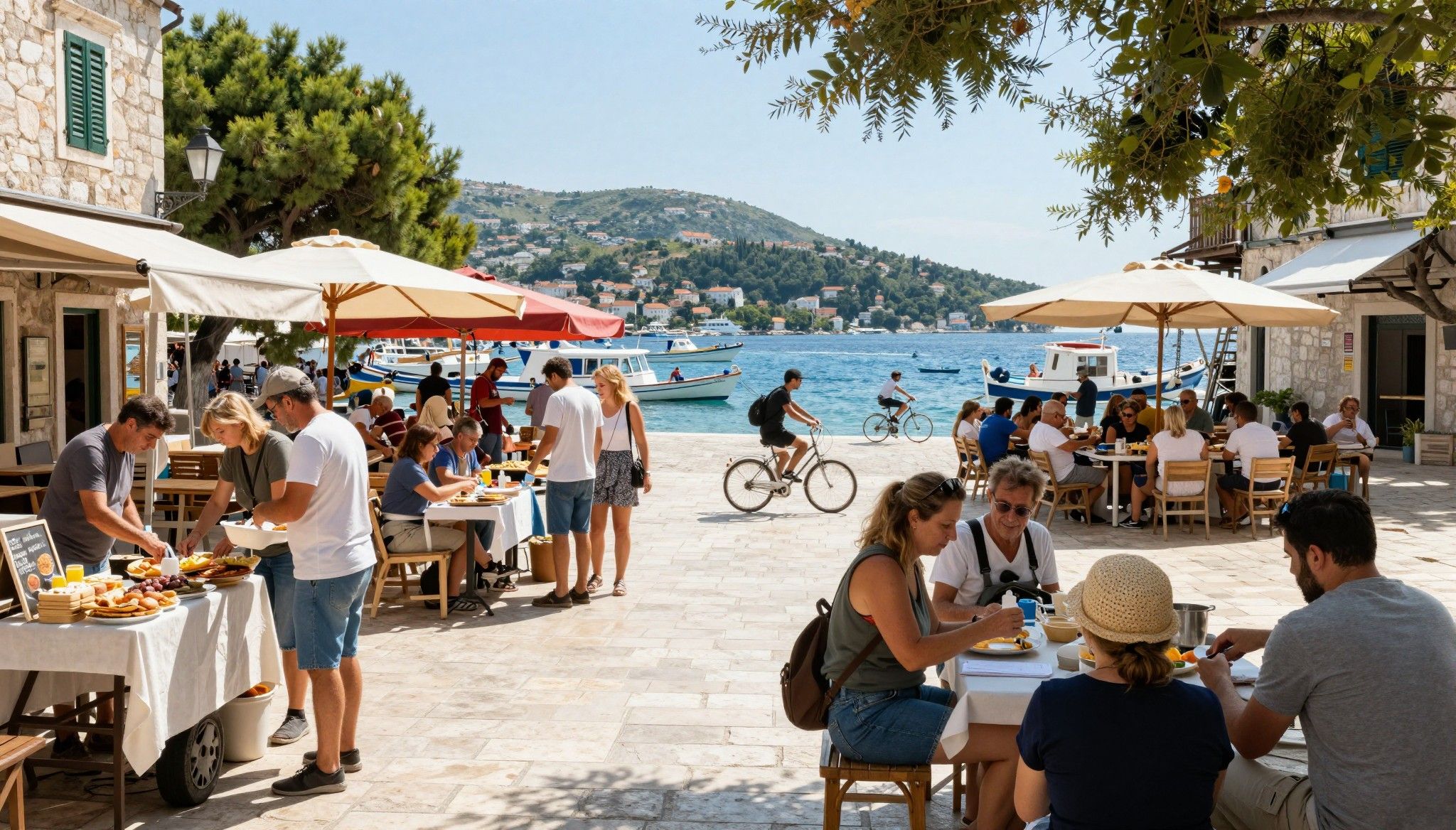
From Palermo’s fish markets to Parma’s slow-food kitchens, regional identity dictates everyday life. Weekends rotate around mercato hauls and long lunches; evenings are for passeggiata — the stroll where neighbours catch up. For buyers, this means location choices should prioritise proximity to markets, bakeries and social nodes as much as scenic views. A property two blocks from a lively square will repay you in quality of life every season.
Making the move: property realities that match the dream
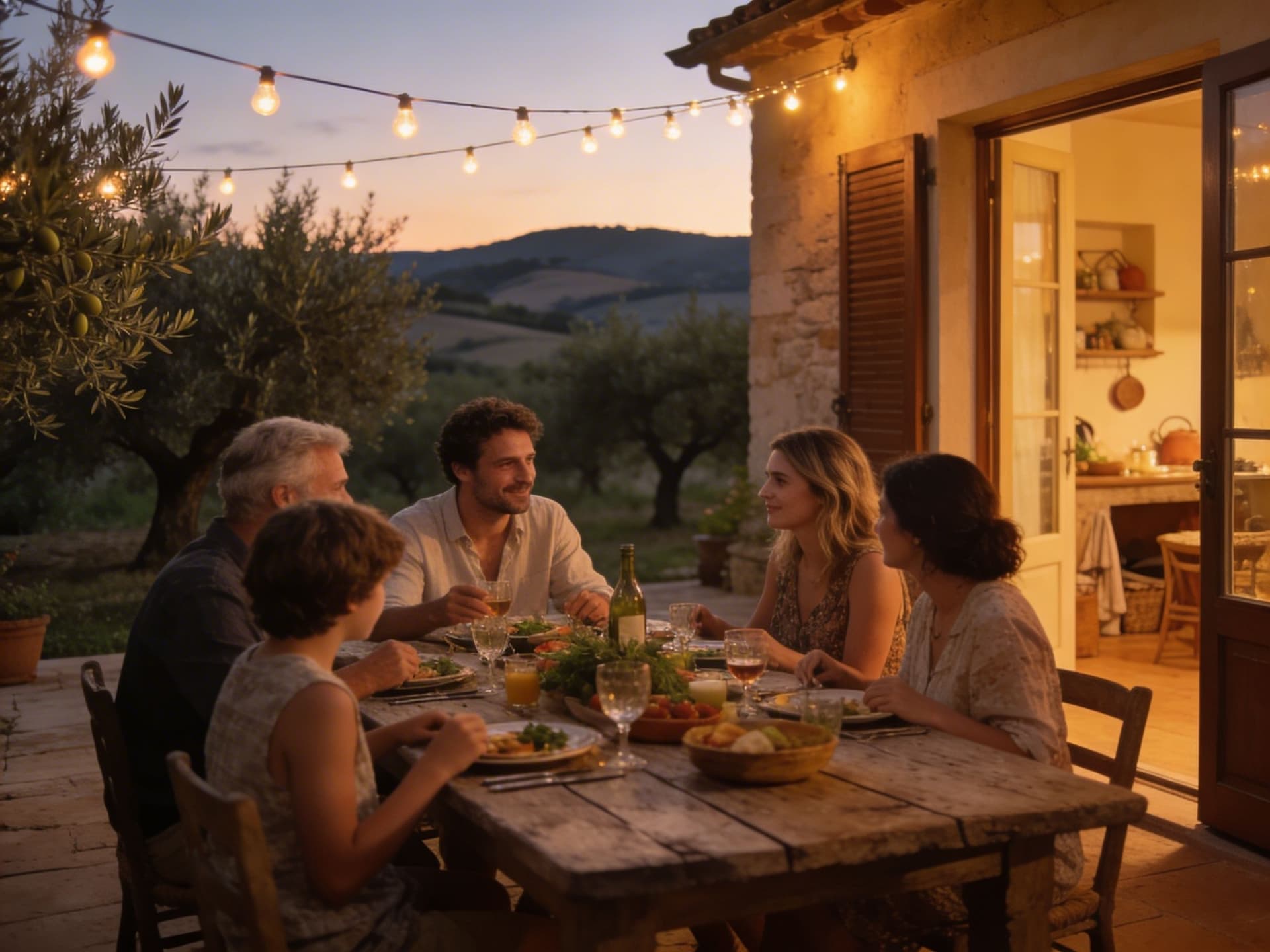
Dreams meet data: Italy’s house price index shows modest annual gains in many regions, and transaction volumes have been rising — the market is active but fragmented. That fragmentation is the opportunity: national headlines focus on Florence and Milan, while fast-changing micro-markets offer renovation value, higher rental yield potential, and a lower entry price. Treat region-level headlines as context, not destiny.
Property types and how they shape daily life
A restored masseria (farmhouse) in Puglia gives you outdoor rooms, olive groves and rental cachet but requires maintenance and planning permissions. A central apartment in Bologna or Genoa delivers walkability and year-round rental demand, but less outdoor space. Match property type to rhythm: if you crave markets and cafés, prioritise a compact historic centre flat; if you want solitude and land, factor in seasonal isolation and running costs.
How to blend lifestyle and practical checks when viewing
Schedule visits at different times (market morning, late afternoon passeggiata, and a quiet weekday morning). Ask neighbours about winter life (heating, road clearance, services). Check distance to the nearest pharmacy, post office and alimentari — these are daily necessities. Inspect outdoor spaces for drainage and sun exposure across seasons. Confirm whether historic features are protected — renovations may be constrained.
Insider knowledge: what expats wish they’d known
The most common regret we hear isn’t about the view; it’s about underestimating daily logistics. Can you get utilities fixed in winter? Is the neighbourhood lively enough for year-round life? Small things — a reliable local builder, a bar that opens in winter, a friendly municipal clerk — determine whether your love affair with a place endures. Integrating into community life often matters more than a single room’s light.
Language, bureaucracy and social rhythm
You can live well in Italy with limited Italian, but the smoother path uses local help. Language matters for negotiations, building permits, and understanding municipal rules. Recent incentives — like tax breaks for highly skilled workers — attract new residents to certain regions, but eligibility and benefit details change. Use an adviser who explains both the lifestyle upside and the paper trail.
Practical red flags and checks
Unapproved alterations in protected historic buildings are common; insist on clear records. Check cadastral maps (Catasto) and whether the energy certificate (APE) matches the property. Beware listings that overstate ‘walking distance’ — measure routes yourself. Ask about seasonal service reductions (winter ferry schedules, municipal hours). Confirm internet speeds — remote work depends on it.
Conclusion: fall for the life, but love the checklist. Italy rewards patience. Start with lifestyle priorities — market mornings, a favourite bar, winter light — then layer in data: regional price trends, local permissions, and service realities. Work with an agency that can translate the neighbourhood rhythm into tangible metrics (transaction times, renovation limits, realistic yield expectations). When those align, Italy stops being a place you visit and becomes the place you belong.
British expat who relocated to Marbella in 2012. Specializes in rigorous due diligence and cross-border investment strategies for UK and international buyers.