Hidden disclosure risks in Cyprus — what sellers don’t say
Cyprus sells sun and slow living — but buyers must pair lifestyle with rigorous paper checks: title, VAT vs. transfer tax, permits and local rules to secure both life and investment.

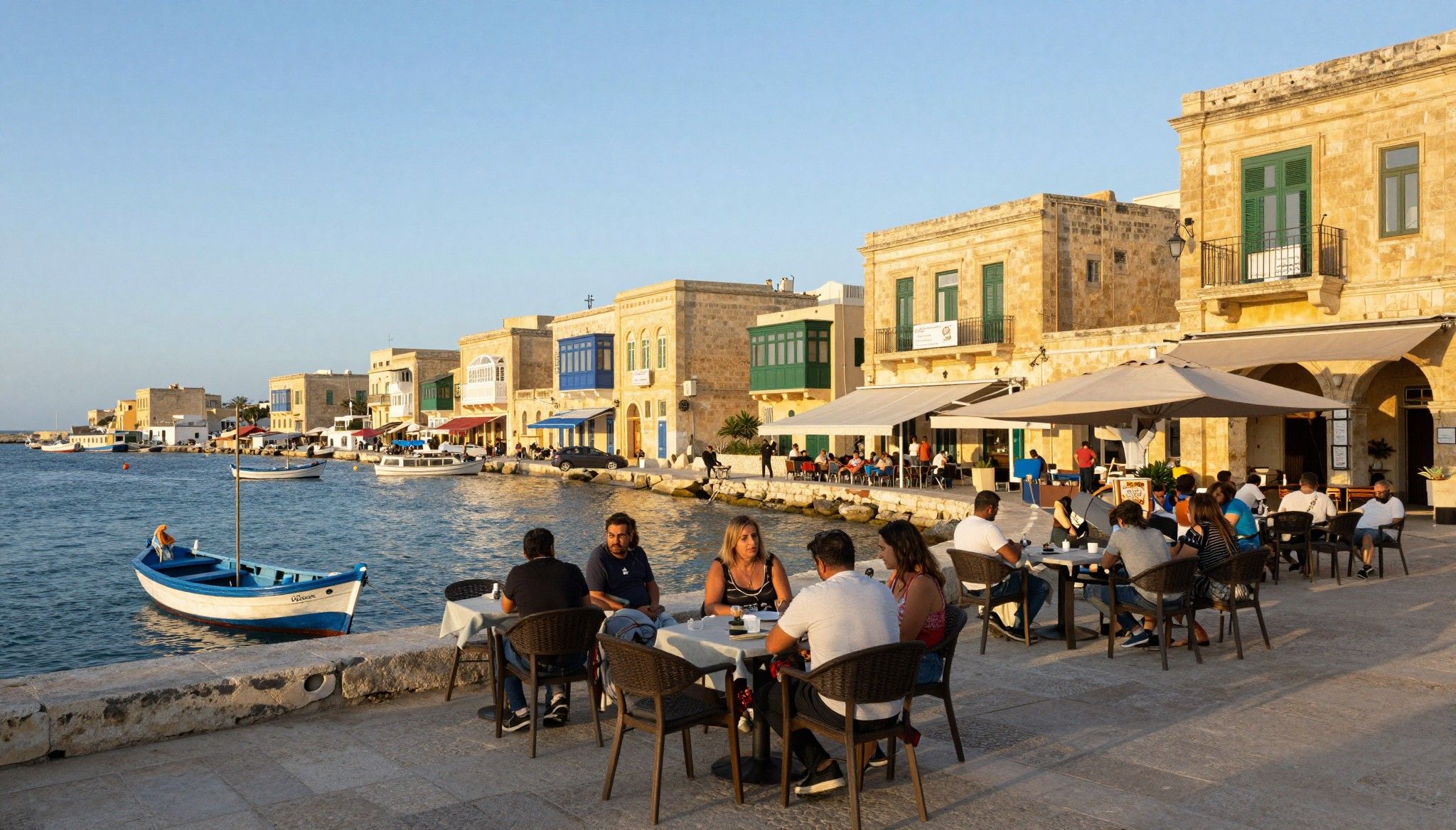
Imagine waking to the smell of baking halloumi, grabbing espresso at a corner kafeneio in Larnaca, then walking to a seafront balcony that faces the calm Mediterranean. Cyprus sells that slow Mediterranean day—sun, small plates, village rhythms—but behind the light and limestone there are disclosure gaps, paperwork quirks and local practices international buyers must meet head-on.
Living the Cyprus life — sun, streets and small pleasures
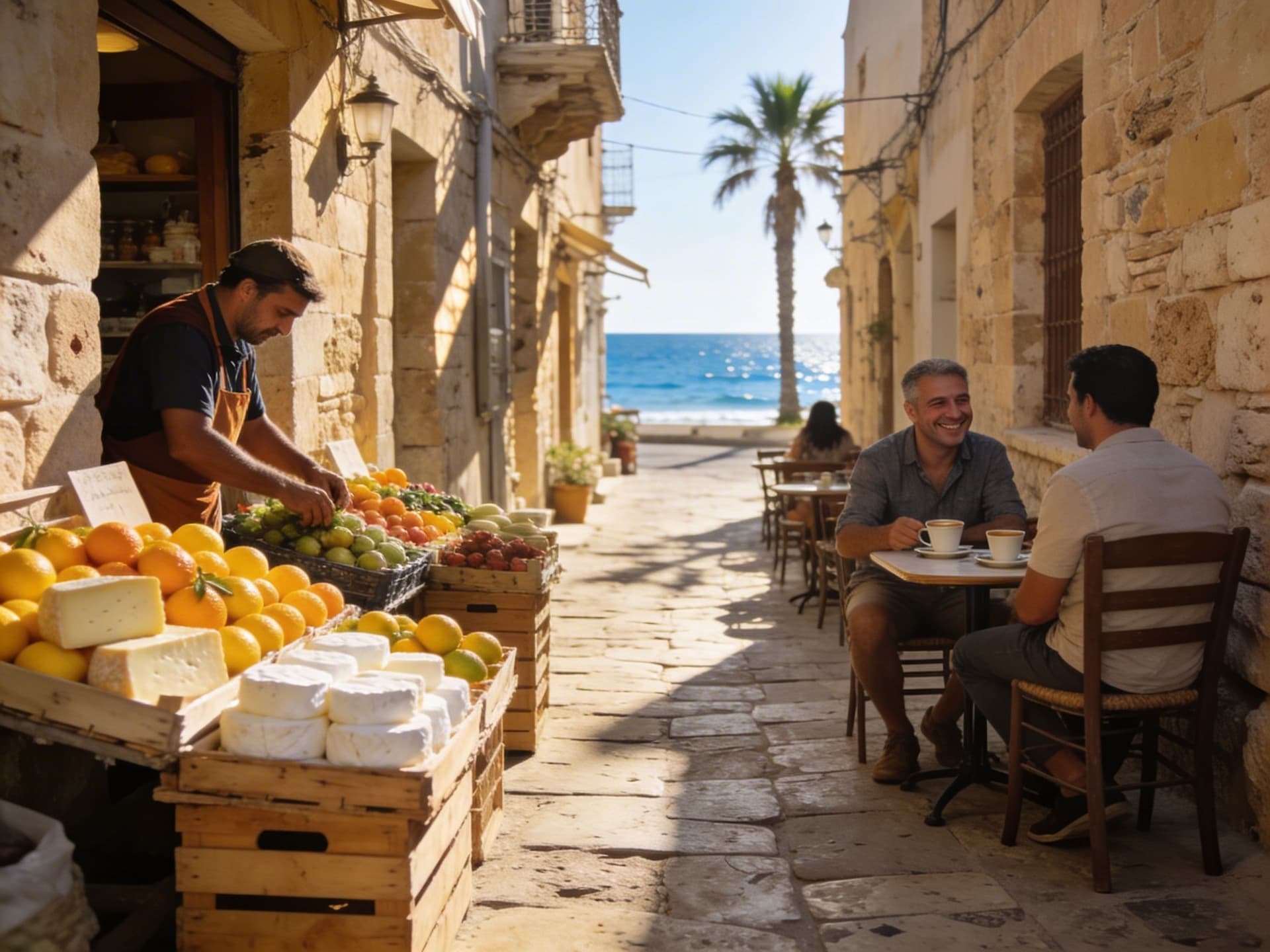
Cyprus is island life with choices: limestone alleyways in Nicosia, cosmopolitan cafes in Limassol’s Zakaki quarter, stripped-back fishing piers in Latchi and quiet mountain villages in Troodos. Days are paced by market hours, tavernas that open late, and a strong emphasis on outdoor living; terraces and covered verandas are not luxuries but everyday rooms.
Neighbourhood spotlight: Limassol’s Molos to Agios Georgios
Walk from the Molos promenade past public sculpture to the Agios Georgios district and you’ll see why buyers chase Limassol: a lively mix of sea-view apartments, family-friendly streets and cafés where English is commonly spoken. Yet the most desirable terraces sit above properties with differing legal statuses—new builds, conversions and gated complexes—and those statuses affect what you can legally rent or alter.
Food, rhythm and the small-city secret: Paphos mornings
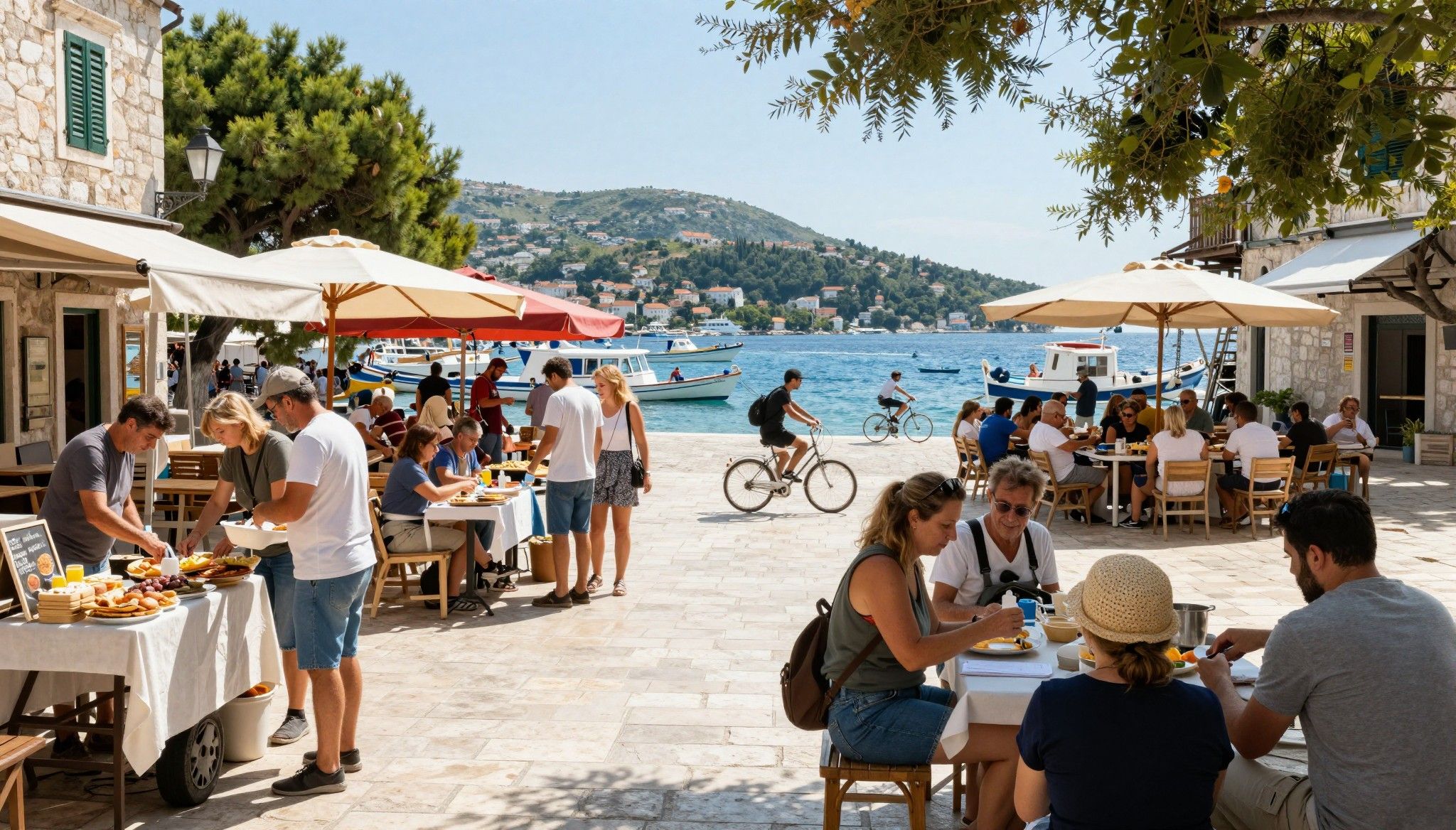
In Paphos mornings mean fish markets at the harbour, bakeries filling the air with fresh bread, and coffee crowds under plane trees by Kennedy Square. For buyers this local rhythm translates to lifestyle choices: proximity to weekend markets and municipal services matters more than a postcard sea view when you plan year-round living.
- Lifestyle highlights: cafés on Ermou Street (Nicosia), Molos promenade (Limassol), Latchi harbour tavernas, Troodos hiking trails, Paphos archaeological park weekends, Polis Chrysochous sunset swims
Making the move: where lifestyle meets the fine print

The island’s price signals are subtle: official indices show modest annual growth rather than runaway spikes, but regional differences matter. Limassol and Famagusta have shown stronger house-price rises, while Nicosia is more stable. Use local indices to judge momentum — they tell you whether a neighbourhood is warming up or simply tourist-noise.
Property types and what they mean for daily life
Cyprus offers apartments, semi-detached houses, detached villas and traditional village homes. Apartments near marinas suit a lifestyle of cafés and short walks; village stone houses reward someone after a renovation with cool interiors and mountain air. Consider maintenance: communal blocks often have service charges and reserve funds; standalone villas carry garden and pool upkeep.
Work with local experts who read contracts and translate municipal permissions. Transfer fees, VAT on new-builds, stamp duty and occasional municipal charges change the effective price; a lawyer and a local agent will flag whether VAT applies (new build) or transfer fees (resale) and whether reduced VAT for a primary residence is relevant.
- Practical steps that protect lifestyle and wallet: 1. Confirm title status and encumbrances before offers. 2. Check whether VAT or transfer tax applies — it changes closing costs materially. 3. Ask for building permits and completion certificates for extensions or terraces. 4. Get a clear breakdown of annual communal and municipal fees. 5. Inspect resale contracts for short-term rental restrictions if you plan to let.
Insider knowledge: what expats wish they’d known
Here’s the real talk: paperwork often dictates what you can do with a place after purchase. Title irregularities, incomplete permits and informal alterations are common small risks. Buyers who fall in love with a courtyard or rooftop view only to learn a permitted change is missing end up negotiating both emotionally and financially.
Cultural and seasonal realities that shape ownership
Cyprus is social and seasonal: high summer fills coasts, while spring and autumn are when locals reclaim public spaces. If you want a year-round neighbourhood, prioritise access to services (healthcare, food markets) over pure tourist footfall. Speak to residents in cafés; nothing replaces local intelligence for telling if a street is livable off-season.
- Red flags and quick checks: • No clear title documents or long chains of ownership. • Missing completion certificates for extensions. • Unusually low service charges without explanation. • Sellers insisting on cash settlements or vague timelines. • Discrepancies between land registry and developer plans.
Longer-term: think about community, not just capital gains. A comfortable life in Cyprus is about neighbours, local shops, and municipal upkeep. If your plan is mid-term rental income, check municipal zoning and tourist-rental registration. If it’s retirement, confirm nearby healthcare and year-round connectivity.
- Next steps we recommend: 1. Visit in shoulder season to experience daily life. 2. Hire an English‑speaking lawyer to run a title search and verify permits. 3. Ask an agent for comparable sales in the immediate street rather than broad averages. 4. Budget for unexpected compliance work (1–3% of purchase price as a contingency).
Cyprus gives you sunlit mornings, small-town rhythms and a life easily lived outdoors. But the best way to keep that life simple is to pair the dream with a clear paper trail. Come for the sea and the cafés; stay because the paperwork lets you use your home the way locals do.
Conclusion: fall for the life, insist on the file — then make an offer that reflects both. If you want, we’ll introduce you to local lawyers and agents who know the streets, the permits and the coffee spots that help you make a house into a home.
British expat who relocated to Marbella in 2012. Specializes in rigorous due diligence and cross-border investment strategies for UK and international buyers.