Greece: Buy the Life — Not Just the View
How to pair Greece’s irresistible everyday life — streets, cafés, islands and seasons — with post‑2024 market realities and practical buying steps.
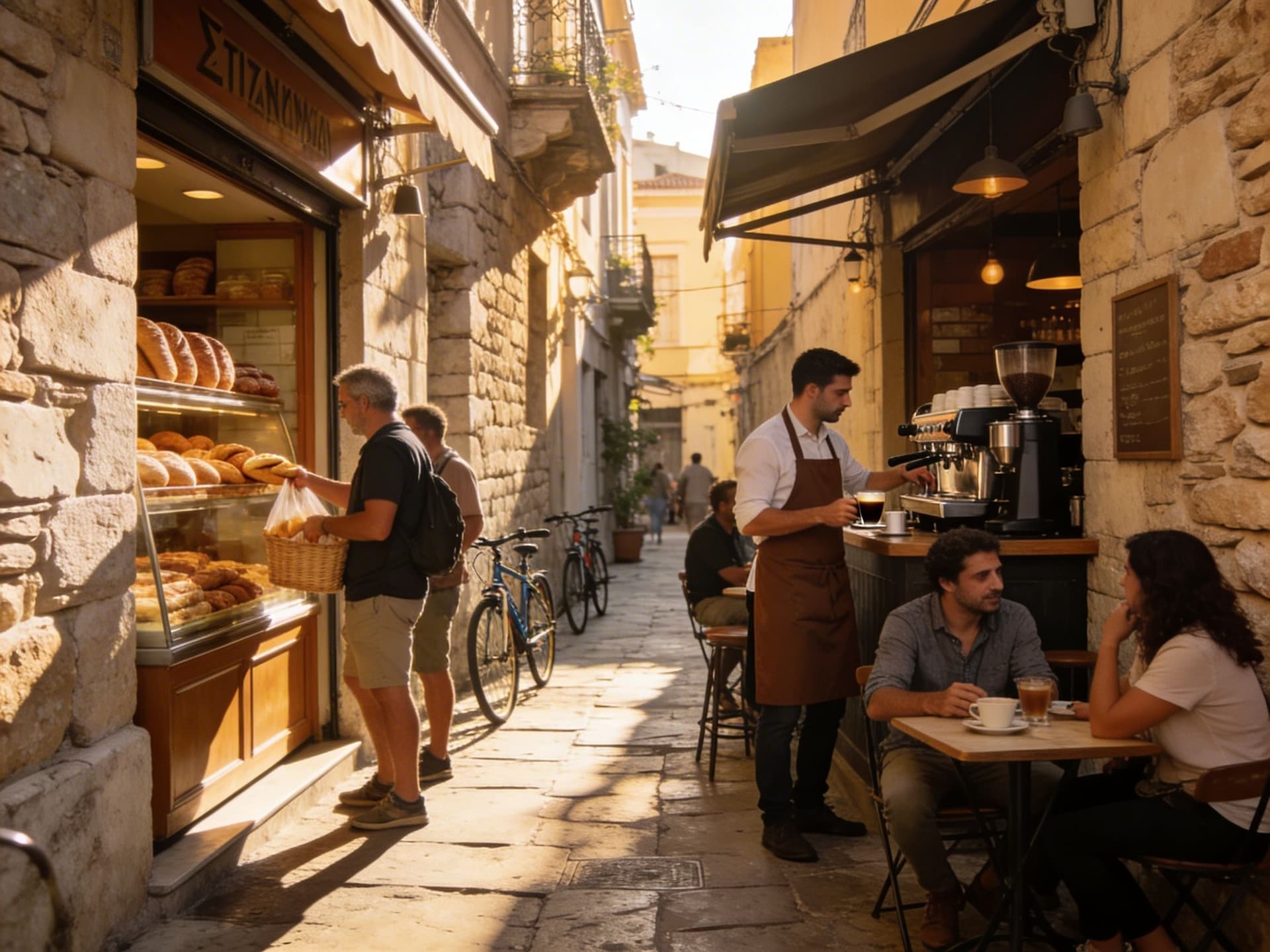
Imagine stepping out at dawn to buy koulouri from a cart in Athens’ Koukaki, or watching fishermen land their catch in Parga as church bells mark the hour. Greece feels tactile: sun-warmed stone, late lunches that stretch into siesta-time conversations, and neighborhoods you learn by smell as much as sight. That everyday texture is exactly why international buyers fall in love — but it’s also why the timing, area choice and local rules matter more than a pretty view. We’ll show you both the life and the ledger: the real rhythms that make Greek property worth buying — and the surprises buyers don’t expect.
Living Greece: the everyday scenes that change how you live
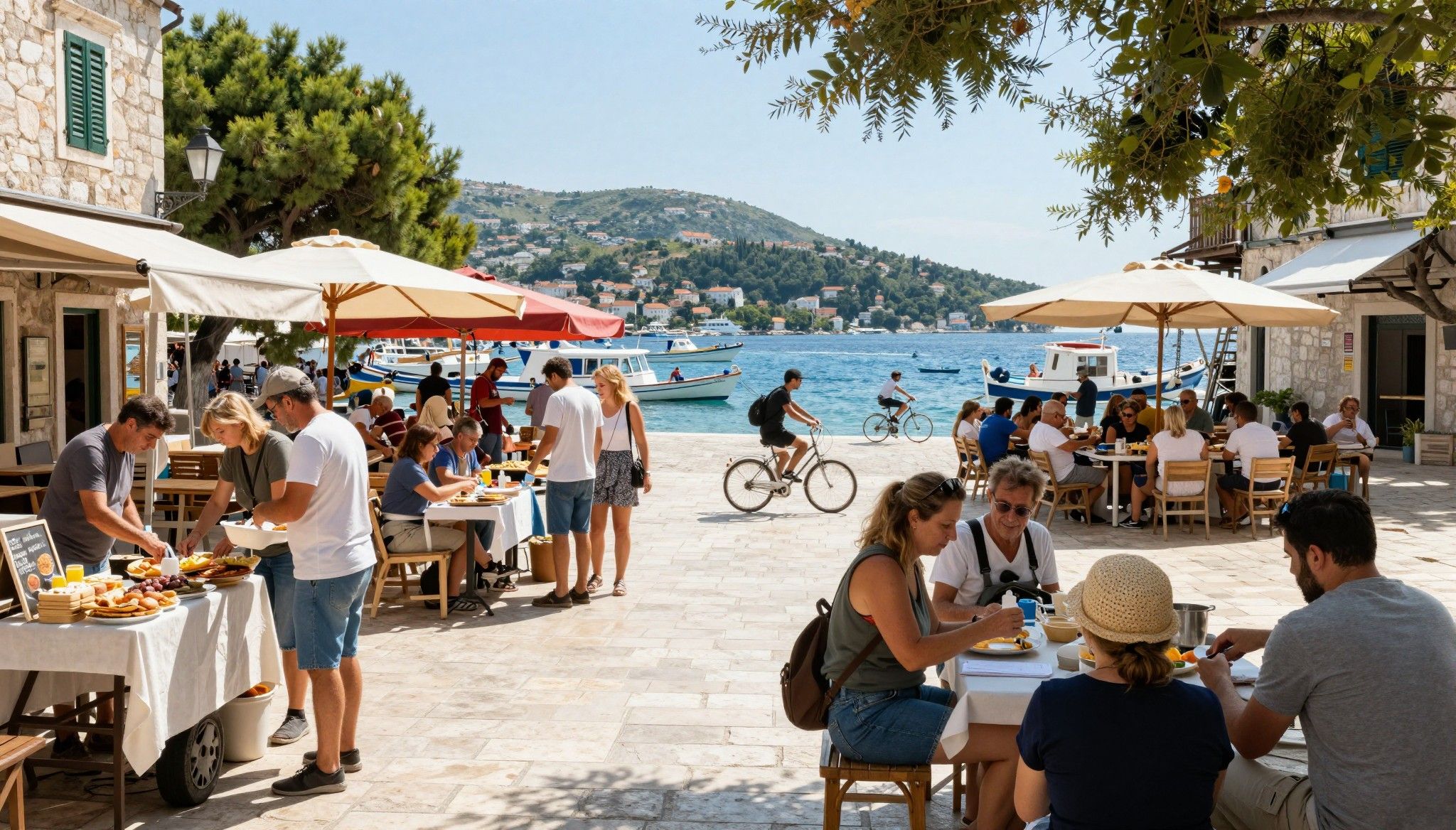
Greece is less a single lifestyle and more a set of daily scripts. In Athens you trade the hum of scooters and late-night tavernas for galleries and a surprising rooftop culture; in Thessaloniki you find a slow coastal energy and cafés that open at dawn; on Crete or Corfu, the days are oriented around the sea and the village square. Seasons rewrite routines: winter markets and fireside raki make islands feel intimate, while summers turn seaside towns into a parade of terraces and live music. Picture your day here — that picture will determine the property type you should actually buy.
Athens neighbourhoods: from Kolonaki roofs to Koukaki lanes
Kolonaki is compact, vertical and best for museum‑goers who want cafes within three blocks. Walk south and Koukaki gives you narrow lanes, local bakeries and that lived-in feel; Plaka offers tourists and picture-book Athens, while Glyfada or Vouliagmeni place you near marinas and blue-water weekends. Prices reflect these lives: coastal suburbs like Vouliagmeni command high per-square‑metre figures, while central, characterful pockets can offer more compact living with huge lifestyle upside. Think about how you want to move through a day — commute on foot, drive to the sea, or host long dinners — and let that shape the neighbourhood shortlist.
Regional hubs: Thessaloniki and the growing north
Thessaloniki is quietly rewriting the value map: better entry prices than Athens, a lively café strip on Nikis Avenue, and university-driven rental demand. Northern corridors and secondary cities now show faster price growth than Athens in recent quarters, making them worth a look if you want balance between lifestyle and upside. For island life, Mykonos and Santorini remain premium and seasonal; smaller Ionian or Peloponnese towns offer calmer coastal life at lower cost. Your lifestyle choice — party-season island, year-round city life, or slow coastal days — will determine which market metrics matter.
Lifestyle highlights to love in Greece:
- Koukaki’s morning bakeries and short walks to the Acropolis for evening light
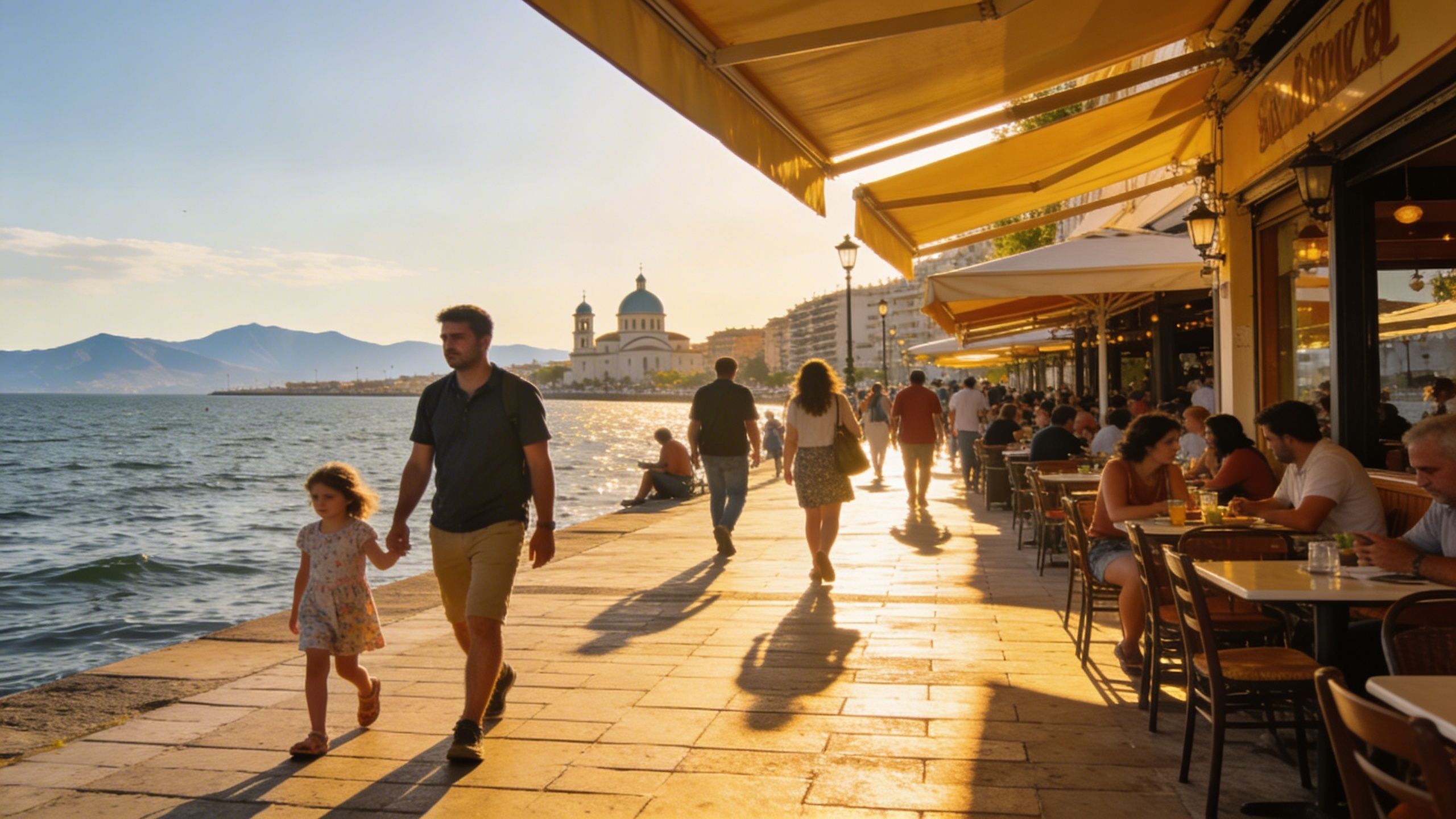
- Thessaloniki’s waterfront promenade and a food scene that’s more about late-night mezze than brunch
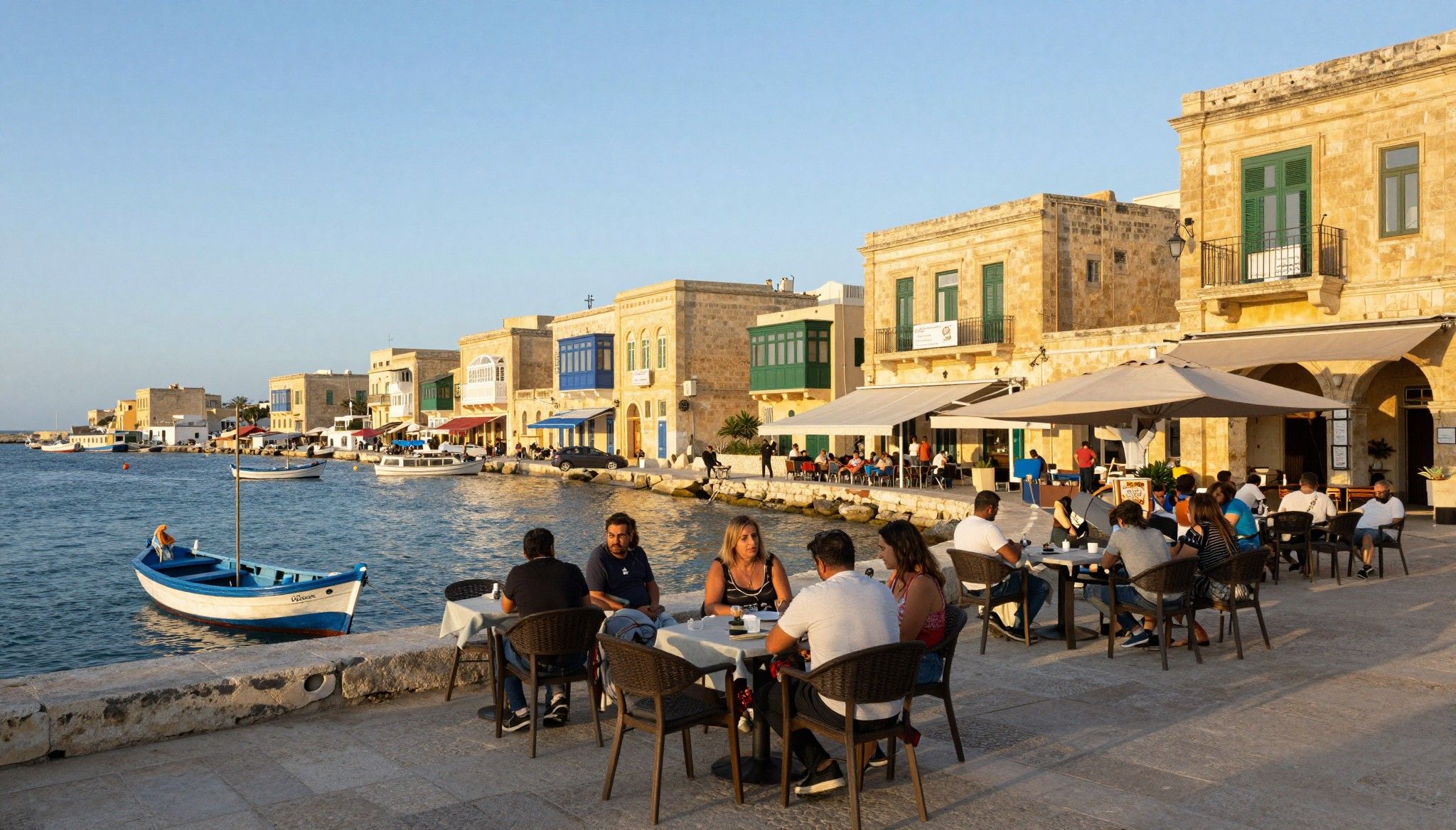
- Small island harbours (e.g., Porto Kagio, Sivota) where village life still centers on the quay and one good fish taverna
Making the move: where lifestyle meets the local market

The dream — a terrace for late dinners, a balcony that catches the light — must be matched with market reality. Rule changes in 2024 raised thresholds for investor residency in hot areas and tightened short‑term rental use, shifting demand toward properties suitable for long-term living or restoration projects. That affects price growth, rental income expectations and what agencies will show you. Work with teams who understand both the lived-in qualities you want and the post‑2024 legal texture that shapes value.
Property types and how they fit your life
Stone village houses give you garden space and slower rhythms; Athenian flats put you at the centre of cultural life; island villas maximise sea access but carry seasonal vacancy. New builds often promise insulation and lower operating costs, while restored stone homes carry charm — and renovation paperwork. Match the property’s day-to-day realities to the life you intend to lead: if you want to host year-round, avoid purely seasonal towns; if quiet seaside mornings matter, accept longer supply cycles and maintenance overheads.
How local agencies win you the life, not just the keys
A good local agent does more than list properties: they introduce you to a neighbourhood café owner, explain communal maintenance customs, and flag projects where legal and engineering checks are already clean. They should be able to point to recent comparable sales, suggest renovation timelines, and connect you to Greek-speaking notaries and engineers who understand municipal quirks. Insist on agents who can show buyer references and a track record in the specific micro‑area you want. Personal chemistry matters — you’ll be asking them to translate local life into a livable home.
Practical steps to match lifestyle and purchase:
- 1. Live there briefly: rent in target neighbourhood for one month to test routines and noise at different times.
- 2. Prioritise legal clarity: ask for engineering certificates and clear title before placing an offer.
- 3. Match seasonality: if you need year‑round rental income, avoid locations dominated by short summer windows.
Insider knowledge: the small truths expats wish they’d known
Expats often underestimate the seasonal mood swings and overestimate instant community. In winter, islands thin out and services contract; in summer, noise and demand spike. Many newcomers also misread the rental market after the 2024 reforms which disincentivise short-term lets for new Golden Visa properties. Another common surprise: small municipal rules — from permitted floor‑area ratios to septic permits — can add weeks to a closing. These aren't show‑stoppers, but they are the friction points that change timelines and budgets.
Community, language and the everyday integrations
Learning some Greek opens doors beyond convenience; it signals intent and earns invitations to local tables. Join a language class in your neighbourhood, volunteer at a community market, or find a local club — these are the real accelerants for integration. Greek hospitality is genuine but slow: friendships deepen over time and shared meals, not rapid small talk. For families, schools and health services vary by region; Athens and Thessaloniki offer more international options than smaller islands or rural towns.
Thinking long-term: what keeps a Greek life sustainable
Sustain the life you move for by choosing properties with good insulation, reliable water supply and access to local services year‑round. Energy-efficient renovations pay off in comfort and resale appeal. Consider proximity to hospitals or airports if you’ll split time between countries. Finally, plan for changes: tourist seasons, regulatory shifts and local infrastructure projects can alter desirability over a 5–10 year horizon — so buy a life, not only a view.
Red flags and local quirks to watch for:
- Unclear title chains or missing engineering certificates
- Properties marketed as short‑term rental gold but located in areas with seasonal service gaps
- Municipal restrictions on change‑of‑use or extensions that require months of permits
Market data show uneven growth: some islands and northern cities outpace Athens, while rural areas lag. Recent policy changes have shifted investor appetite toward long-term residential and restoration projects. That means buyers seeking lifestyle plus steady yields should look beyond headline hotspots and ask their agent for verified rental stats and recent comparable sales.
Conclusion: buy the life you want, with the right map
Love the smell of fresh bread on a Koukaki morning? Chase that life — but do it with expert local help. Prioritise neighbourhood visits, clarity on title and engineering paperwork, and agents who can introduce you to the rhythms of local life as well as the ledgers. With the right team and realistic expectations about seasonality and regulation, Greece offers a rare blend: days that feel effortless and an investment story that can stand up to scrutiny. If you want, we can introduce you to vetted agents who do both.
Norwegian market analyst who serves Nordic buyers with transparent pricing and risk assessment. Specializes in residency rules and tax implications.