Italy: Streets, Seasons and Still-Hidden Opportunities
Italy’s regional diversity hides opportunities: lifestyle decisions — street, season, community — matter as much as price. Use lived visits plus local data to buy wisely.
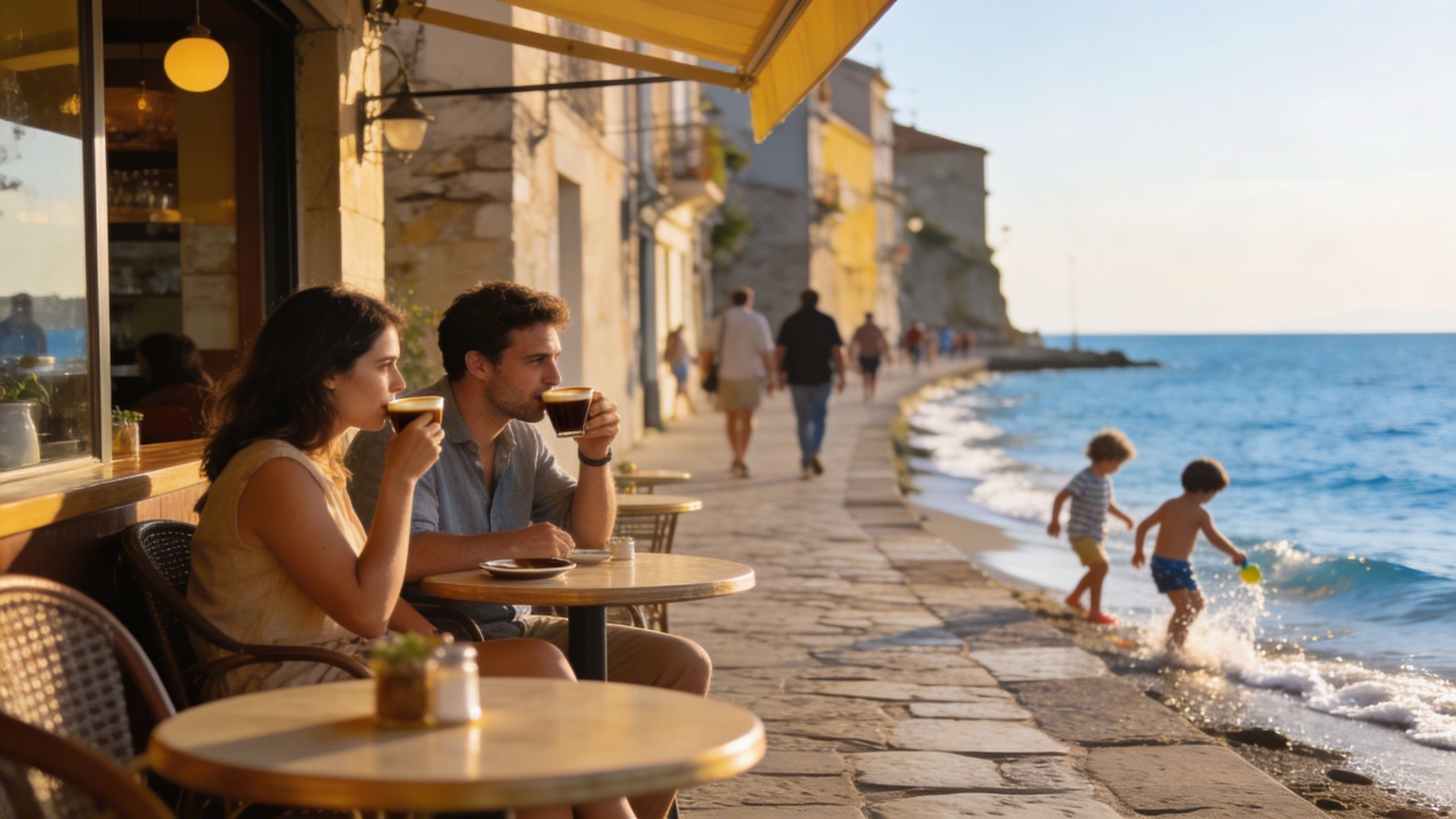
Imagine waking to espresso steam on a narrow Florentine lane, then swapping that view for a sea breeze in Puglia by afternoon. Italy sells itself in rituals — cafés at 9 a.m., markets at noon, passeggiatas at dusk — but the reason international buyers move here runs deeper: varied micro-markets, real value outside headline cities, and a lifestyle rhythm that keeps you rooted. Recent market analysis shows rising foreign demand and widening regional opportunity, and that’s the story we want to tell — the romantic and the real.
Living the Italy life: more than a postcard
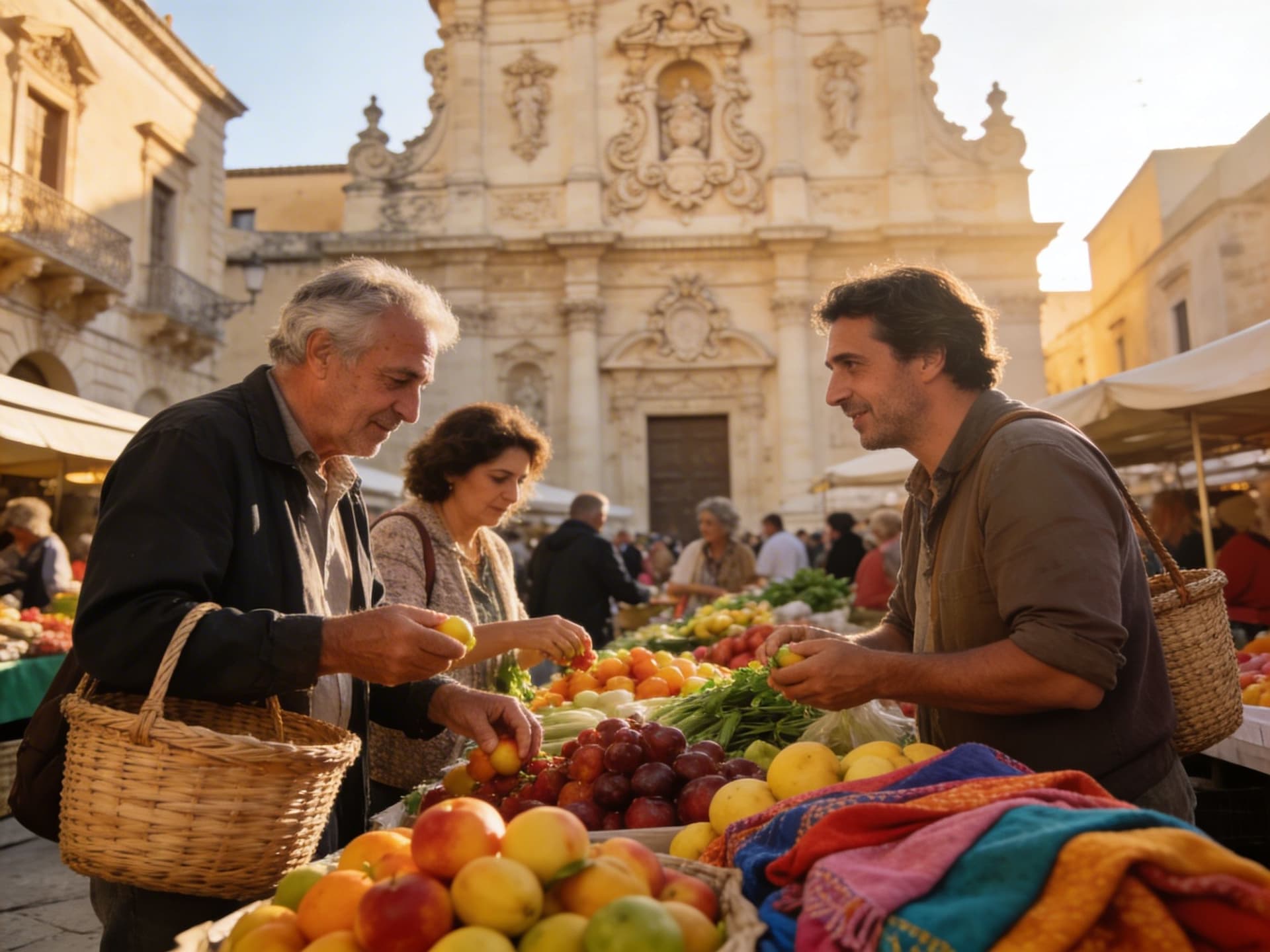
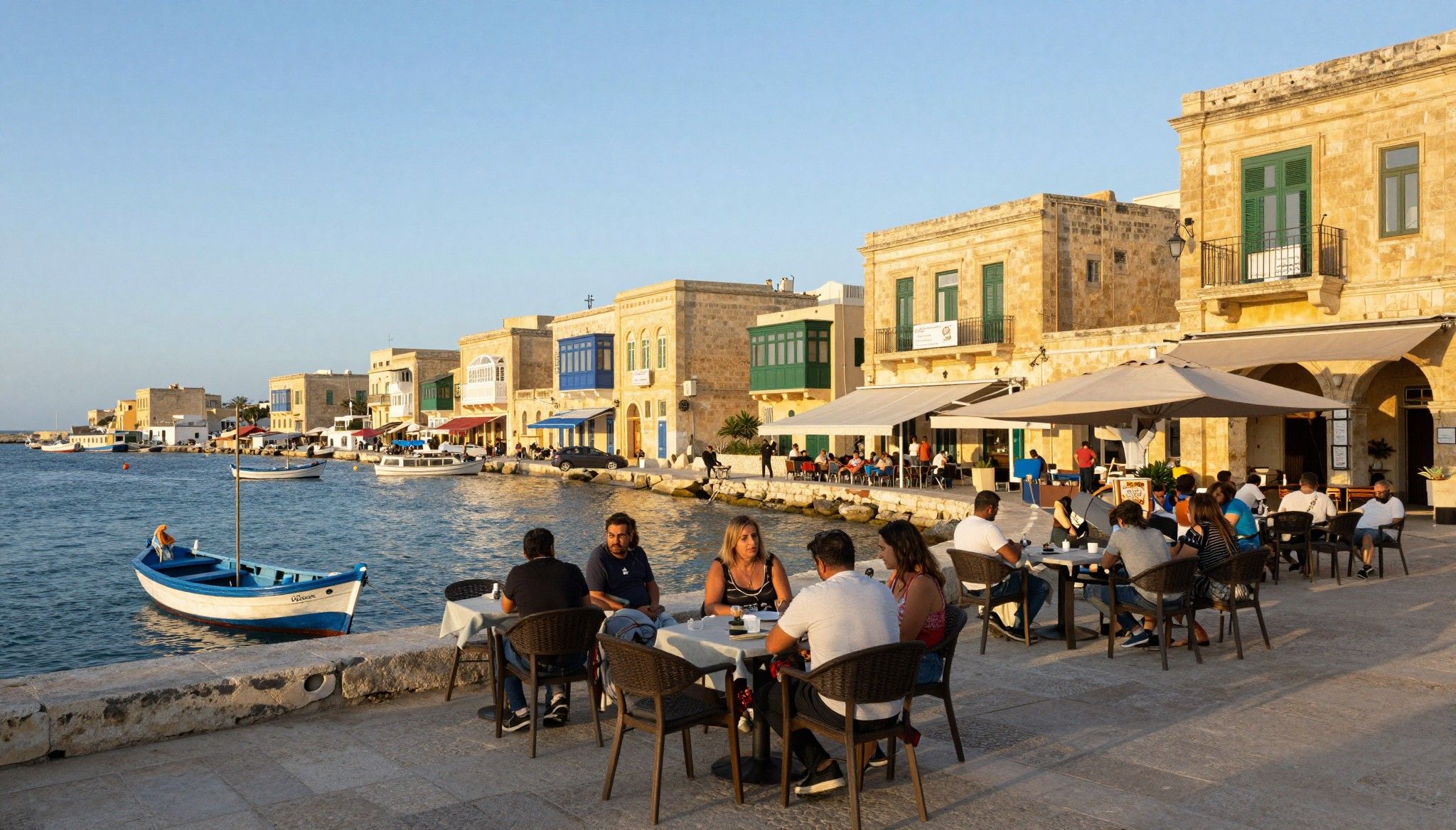
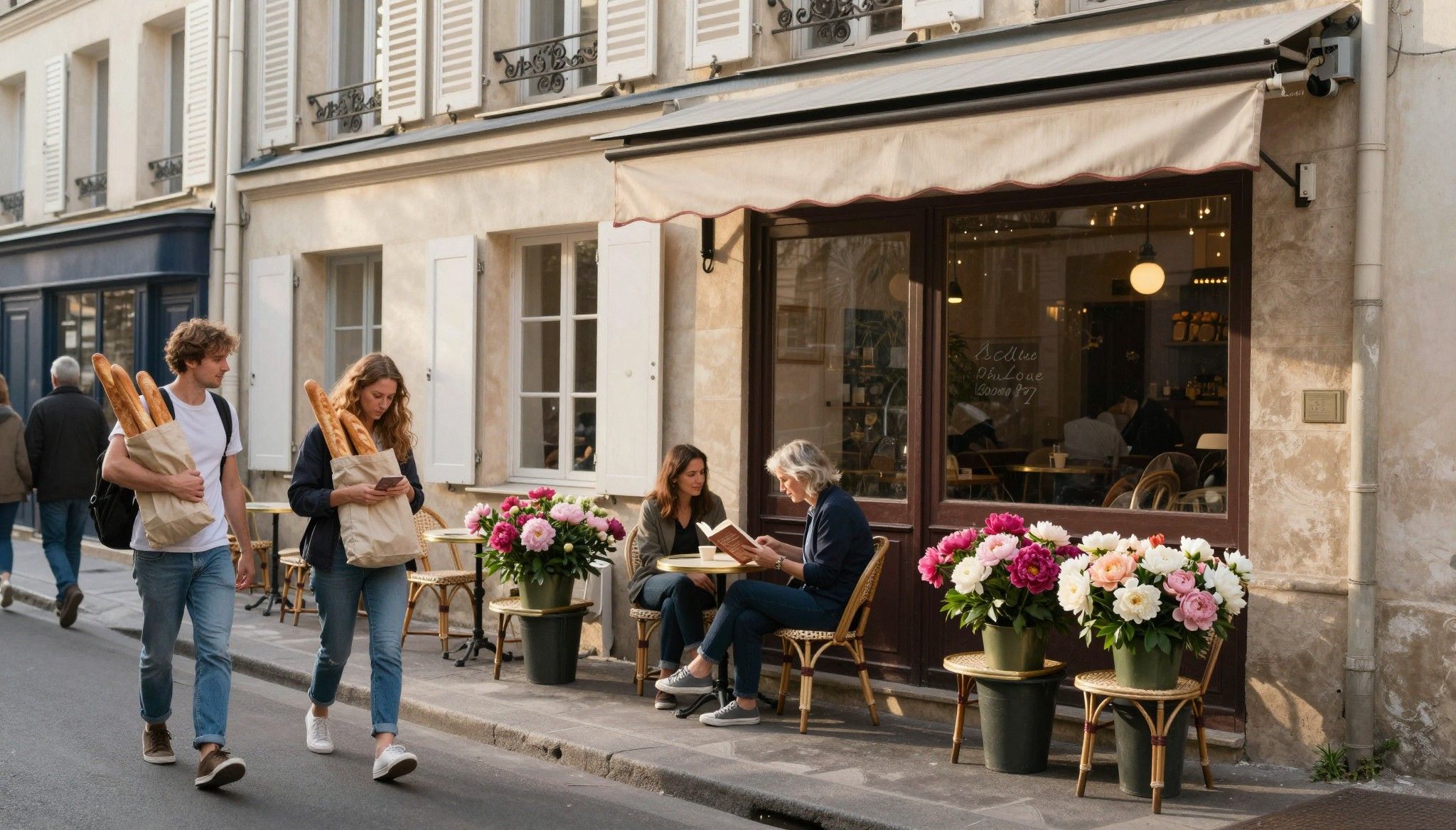
Italy is not one place; it’s dozens. In Milan you’ll hear trams and late-night jazz; in Matera you’ll feel history in stone steps; in Trieste the coffee culture is Central European. Daily life is tactile: fresh bread, market bargaining, neighbors who know your name. For many internationals the surprise is how quickly routines form — weekly market runs, a favorite barista in the morning, small-town festivals that become compulsory social life.
Neighborhoods that surprise (and where locals actually live)
Look beyond central Florence or central Rome. In Bologna, the Santo Stefano quarter hums with food markets and family-run shops; in Lecce, the baroque streets around Piazza Sant’Oronzo are quieter after sunset and perfect for apartment living; in Bergamo Alta you get medieval charm without Milan prices. These are the pockets where Italians buy, not just where tourists sleep — and that matters for long‑term life and resale.
Food, markets and weekend rhythms
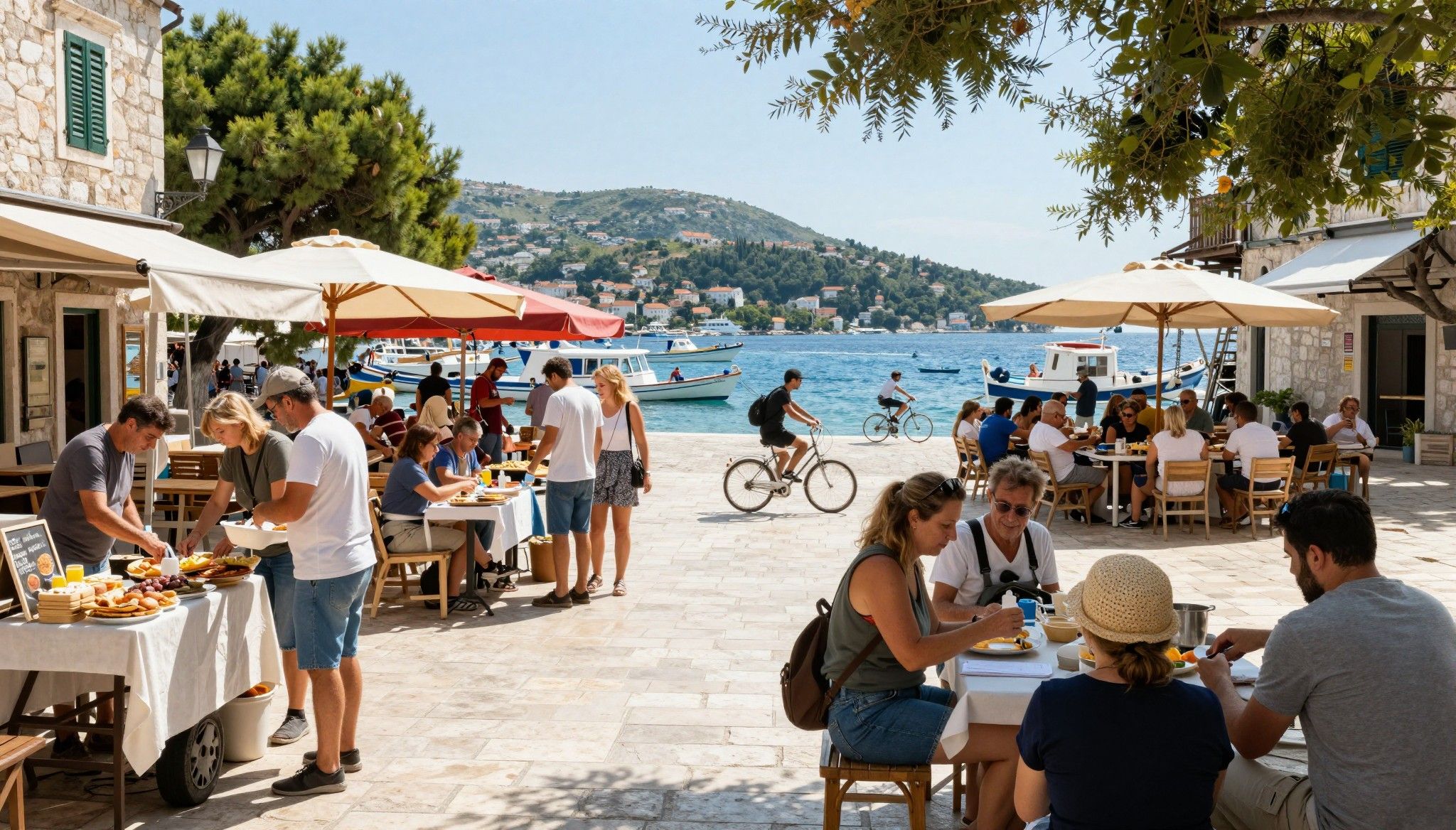
Weekends are for the market, the trattoria, and the vineyard trip. Tuscany’s food scene still anchors buyer interest — small producers, weekly markets and restaurants where the chef knows the farmer. Knight Frank notes sustained appetite in Tuscany’s prime areas, but the real secret is similar rhythms exist in lesser-known regions too, where markets and seasonal festivals create community ties rather than just tourist traffic.
- Lifestyle highlights buyers tell us they can’t give up
- Morning coffee at Bar Pasticceria Nannini (Siena), afternoon market at Mercato di Ballarò (Palermo), sunset aperitivo on Lungomare (Trieste), Sunday pranzo with nonna in Puglia’s olive groves, winter skis and polenta in the Dolomites
Making the move: lifestyle-led practicalities
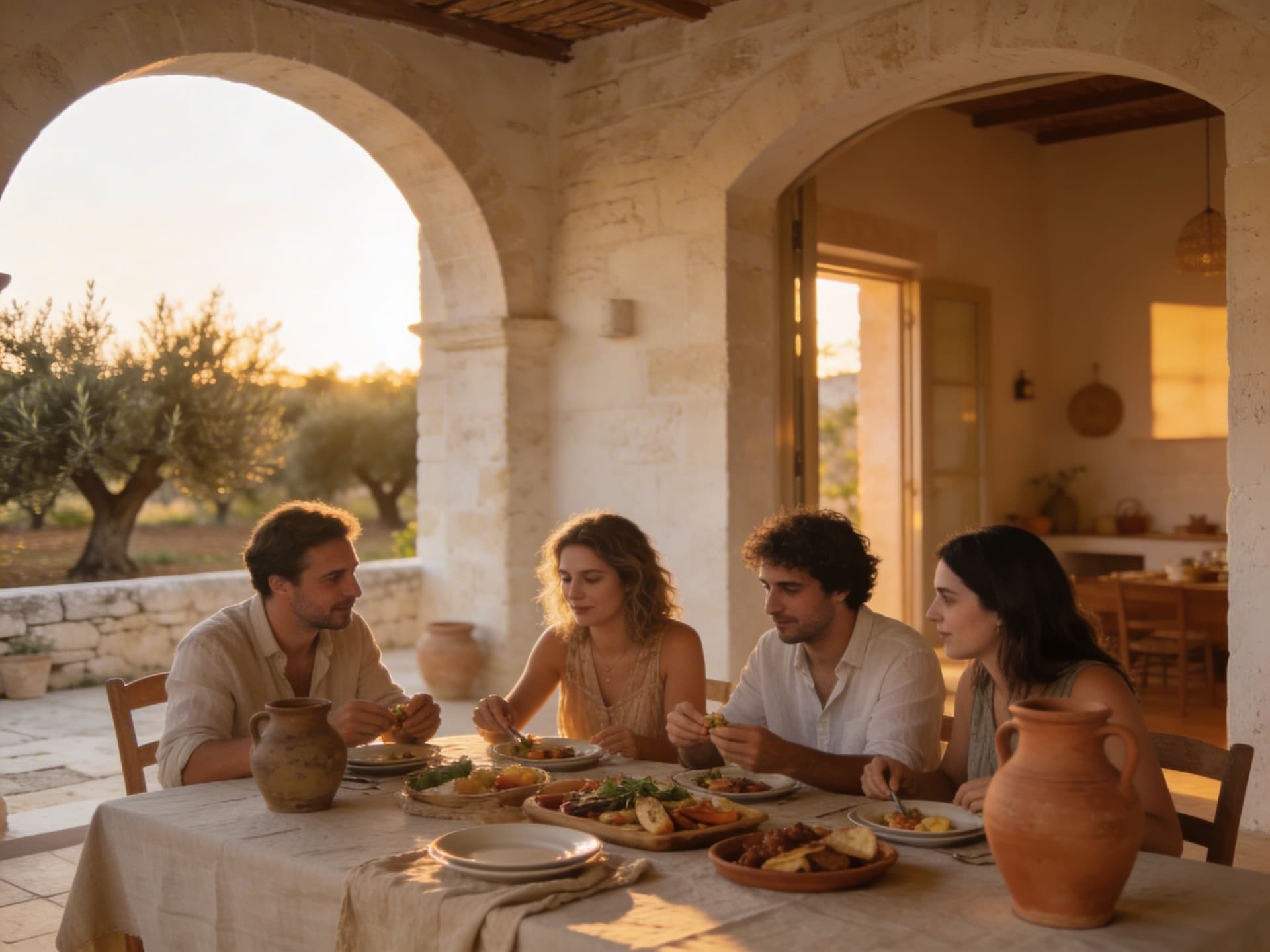
Dreams set the search, but practical steps shape the outcome. Market data points to steady national growth and a rising share of foreign buyers, especially in the south; that means both opportunity and competition. Use the lifestyle you want — daily café, coastal walks, vineyard weekends — as a filter, then layer in facts: transaction trends, regional price bands and speaking to agents who actually live in the neighborhoods you love.
Property types and how they translate to life
Historic apartment in a centro storico means thick walls, small windows and an upstairs life of steps and neighbours — beautiful, but less suited to someone wanting open-plan, light-filled living. A renovated masseria in Puglia gives land, olive trees and privacy but asks for maintenance. New builds around Milan offer connectivity and modern systems but less character. Choose the property by the life you want to live, not only by its Instagram potential.
Local experts who match lifestyle with stock
A local agency should be part cultural translator and part neighbourhood librarian. They know which streets have morning markets, which blocks are noisy on festival nights, and which developers quietly deliver solid builds. Work with agents who live locally, can show comparable lived-in homes (not staged showpieces), and introduce you to lawyers and surveyors who understand regional building traditions.
- Steps that blend lifestyle and process
- 1) Stay a month in your target neighbourhood to test daily rhythms; 2) Map amenities that matter (market, GP, transport) and visit them repeatedly; 3) Ask your agent for lived comparables — apartments currently occupied, not emptied show flats; 4) Commission a local structural survey early if you’re buying historic stock; 5) Budget 10–20% beyond purchase for renovation and adaptation to Italian systems.
Insider knowledge: what expats wish they’d known
Expats often underestimate how social life anchors property choice. You’ll pick streets where neighbours chat on steps and where shops close for small, local holidays. Savills highlights that prime markets remain strong, but many buyers find better lifestyle-value in regional towns where community life is real and costs are lower. That trade-off between tourist glitz and daily ease is the single biggest predictor of happiness here.
Cultural integration and everyday language
You don’t need perfect Italian to live well, but knowing local courtesies — greetings, how to queue, small talk at the market — changes everything. Join a cooking class, volunteer at a local festa, or sign up to language cafés. These micro-actions turn neighbours into friends and make municipal life (permits, registrations) far simpler.
Long-term lifestyle: what grows and what wanes
Expect rhythms to change: children alter room needs, remote work shifts the commuting calculus, and climate trends affect coastal choices. Regions with improving infrastructure and growing expat communities — think parts of Puglia, Le Marche, and inland Tuscany — tend to sustain lifestyle value. Conversely, areas reliant purely on summer tourism can feel empty off‑season and require careful buy-to-let planning.
Data shows a rising share of foreign buyers and strong regional variation in prices — Milan and Florence remain premium, while southern regions can offer significant value per square metre. Use official and industry reports to check regional trends before you commit, and always pair lifestyle visits with hard comparables from recent sales.
- Red flags we see that kill the lifestyle later
- Properties advertised with 'historic charm' but lacking modern services; homes where the nearest supermarket is a 30-minute drive; listings with multiple agent photos showing different furniture styles (possible misleading staging); plots with unclear access rights; coastal units exposed to erosion without documented protections
- How to check the red flags (actionable steps)
- 1) Ask for utility bills and visit at different times of day; 2) Get a solicitor to verify cadastral records and access rights; 3) Commission a seasoned local surveyor for structural and coastal-risk checks; 4) Speak to neighbours about noise and seasonal patterns; 5) Confirm renovation permissions and local municipality mood toward restorations.
Italy sells a life before it sells a property. If you marry that life to a sensible process — local agents who know streets, data from reputable reports, on-the-ground visits and early technical checks — you get both the romance and the resilience. Start by spending time in your chosen pocket, ask to see lived-in homes, and bring experts who speak both 'property' and 'place.'
Ready for the next step? Spend one week living like a local, then ask an agent for three lived comparables, a structural check and a neighbourhood checklist. We’ll help you find agents who know which streets keep their soul off-season and which investments age well — because in Italy, the right street is the best long-term plan.
Dutch relocation advisor who moved to Marbella in 2016. Guides Dutch buyers through visa paths, relocation logistics, and balance of lifestyle with value.