Malta: The Urban-Life Trade-offs Buyers Overlook
Fall for Malta’s compact seaside life — then plan for tight land supply, rising RPPI and updated residency rules to make the move sensible and sustainable.
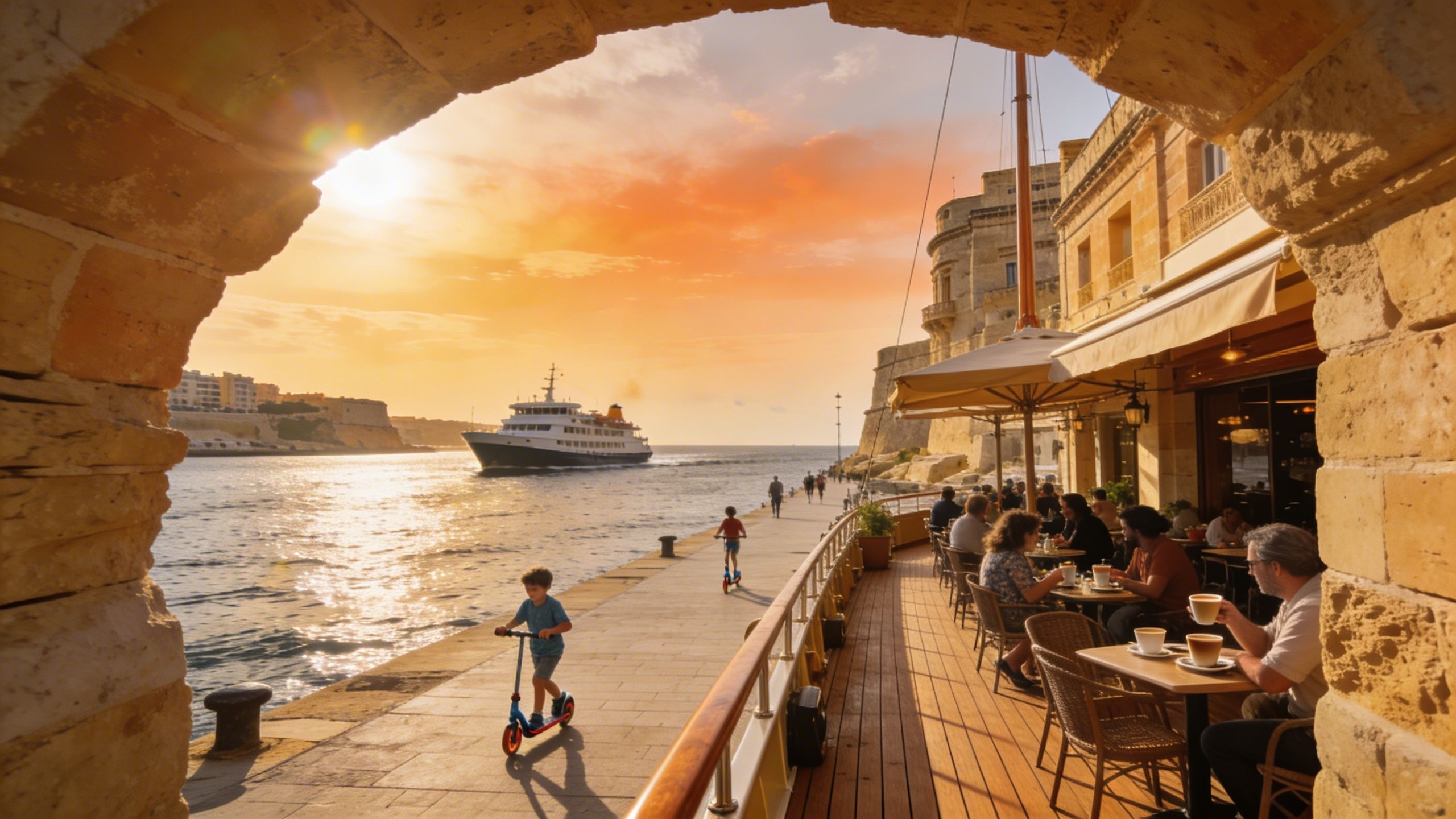
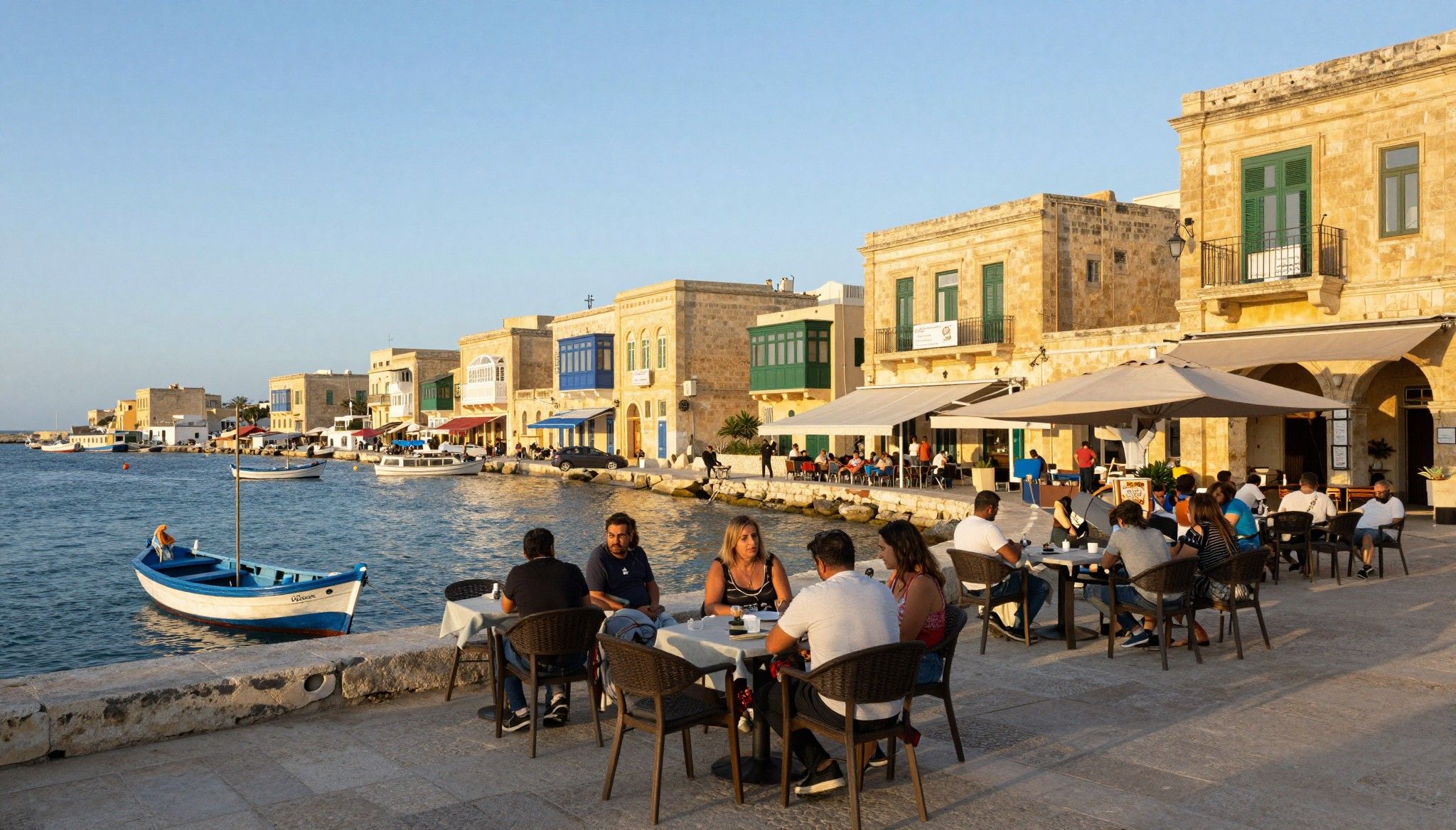
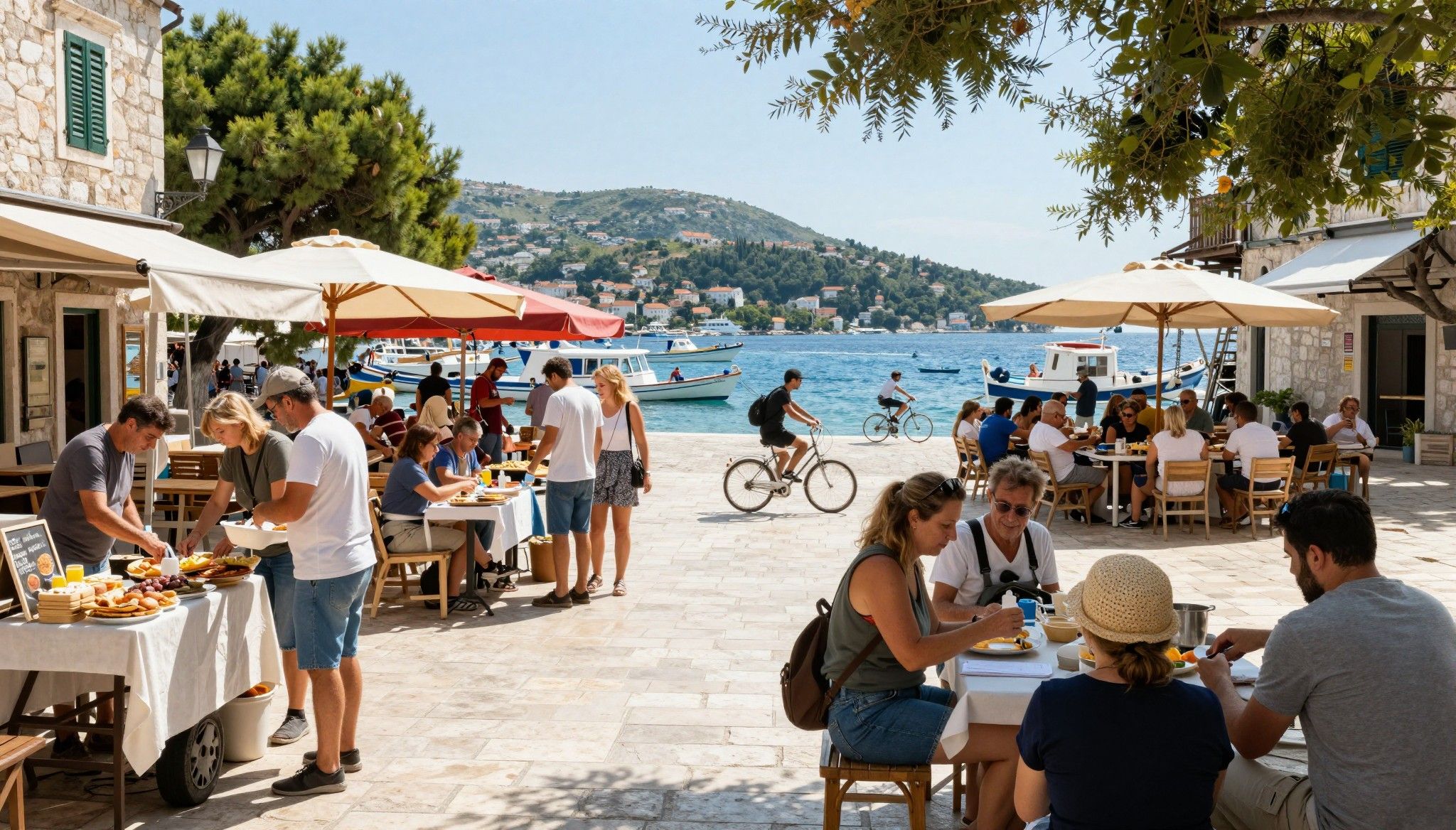
Imagine waking to the sound of church bells over Valletta’s limestone rooftops, buying bread from a terrazza in Marsaxlokk and choosing between an espresso in Sliema or a sea swim before work. Malta is compact enough that your commute might be a ferry and long enough lived-in history that every lane has a story. But beneath the postcard sun lies a market shaped by land scarcity, rapid price growth and recent residency changes — all the practical pieces you need if you plan to make this Mediterranean life permanent.
Living Maltese: daily rhythms, neighbours and neighbourhoods
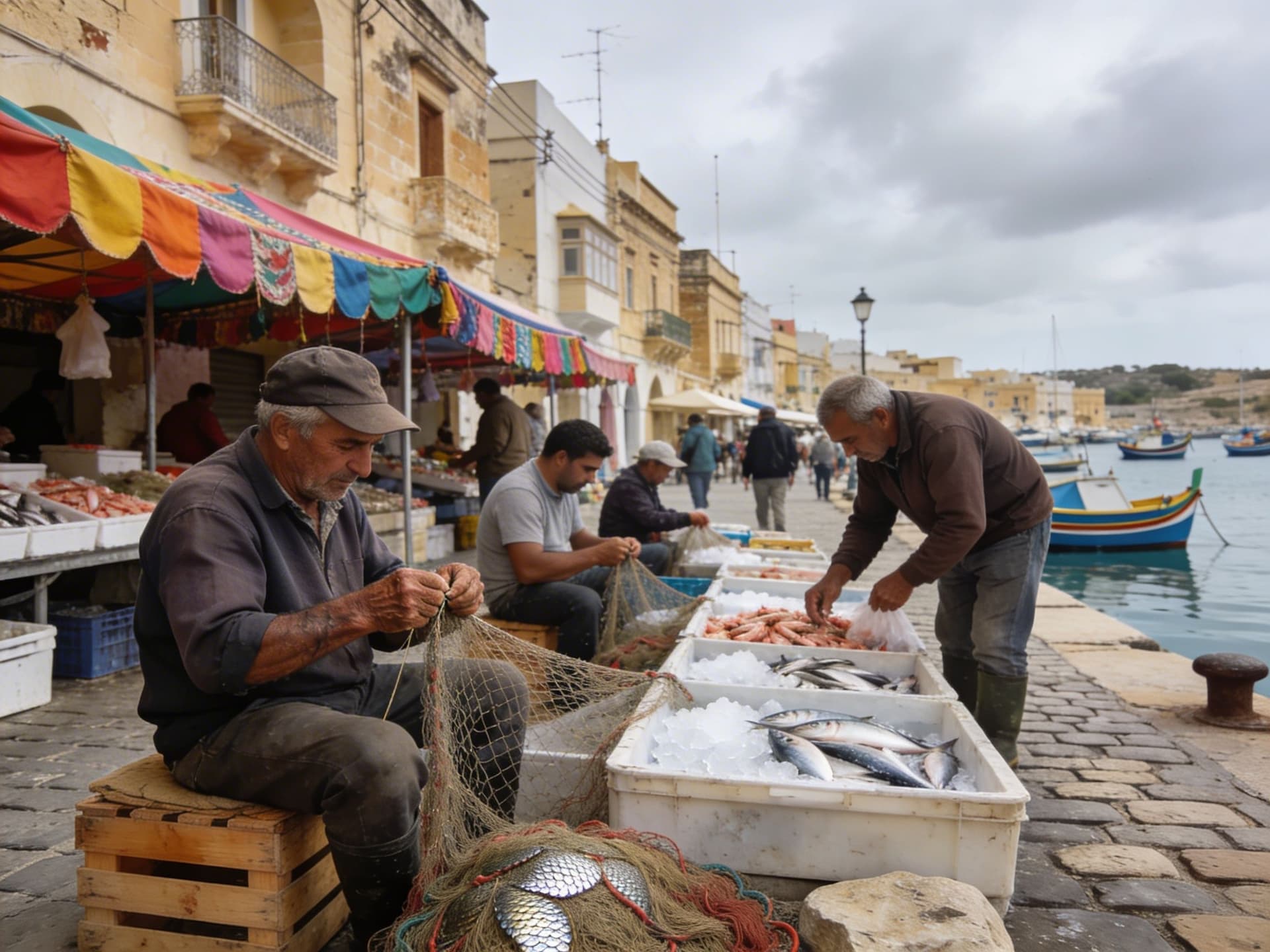
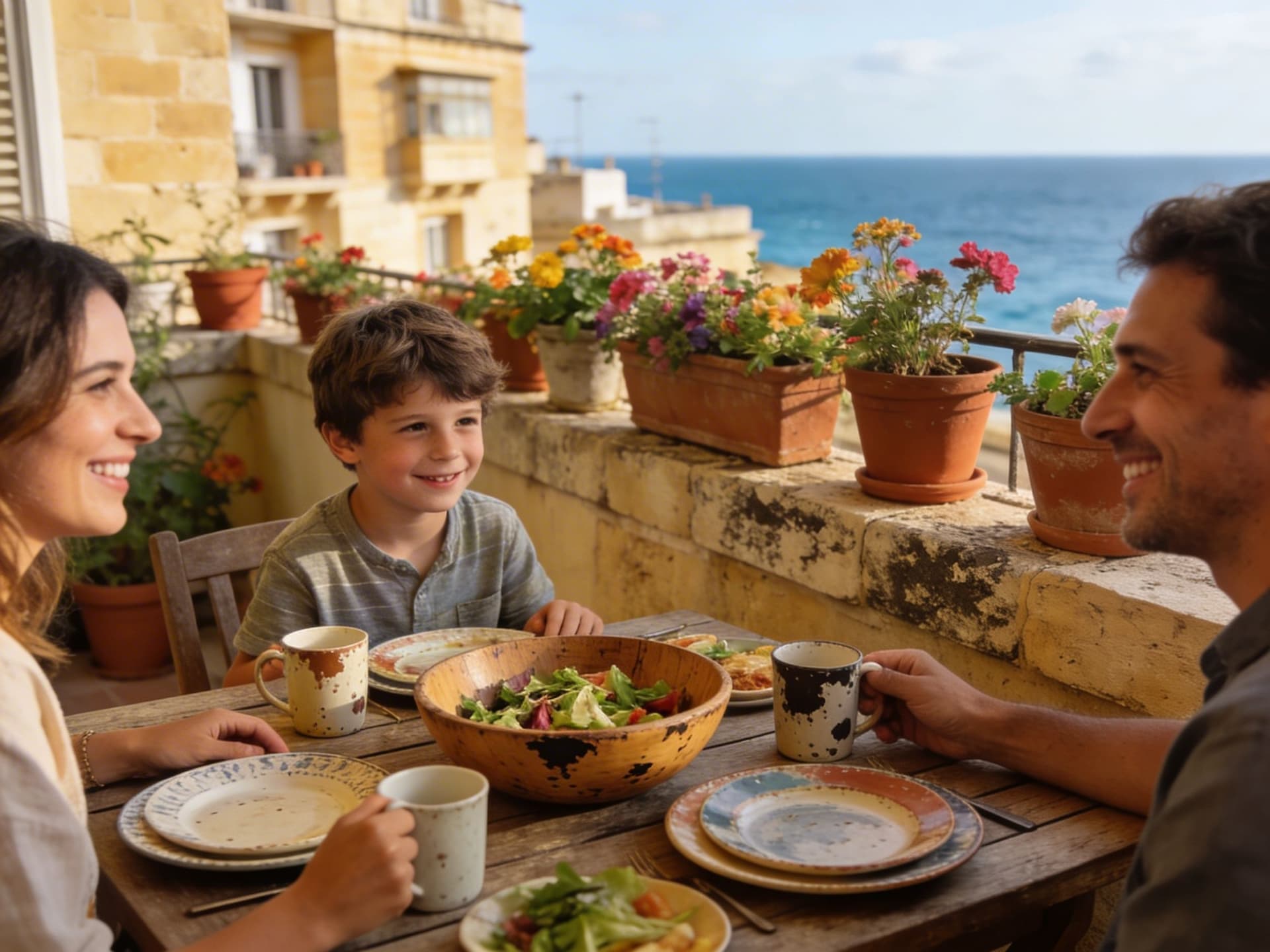
Malta’s rhythm is granular: mornings are for markets and neighbourhood cafés, afternoons bend toward siesta or sea, and evenings belong to family dinners or a stroll along the Valletta bastions. English is an official language, so integration is easier than many Mediterranean destinations, but local pace and traditions — festa season, church processions, and strong neighbourhood ties — shape where you’ll want to live.
Valletta & The Three Cities — historic heartbeat
Picture narrow streets of honey‑coloured limestone, shuttered balconies and a morning espresso outside a tiny café on Strait Street. Valletta is intensely historic and small — an apartment here is about lifestyle and proximity to cultural life, not large terraces. Across the Grand Harbour, Senglea and Vittoriosa offer quieter, lived-in neighbourhoods with harbourside restaurants and a strong local community vibe.
Sliema & St. Julian’s — the urban seaside mix
Sliema and St. Julian’s serve the active expat life: cafés, international schools, gyms, and nightlife. You’ll find apartment living, seafront promenades and convenient shopping. If you want social life and rental demand, these neighbourhoods deliver — but expect higher asking prices and denser development than quieter north-coast towns.
- Lifestyle highlights: Valletta theatre nights, Sliema promenade espresso, Marsaxlokk fish market on Sundays, Golden Bay swims at sunset, community festas in small villages.
Making the move: property types, process and what actually matters
Your lifestyle wish-list must meet market reality. Malta’s Residential Property Price Index rose notably in 2024 and land values have become a dominant price driver, according to the National Statistics Office and local analysis. That means central locations — Valletta, Sliema, St. Julian’s — carry a premium tied more to land and position than to internal finishes. For buyers this translates to trade-offs: smaller square metres but unbeatable location, or more space further out.
Property styles & how you’ll live in them
Apartments and maisonettes dominate urban inventory; traditional townhouses appear in Valletta and the Three Cities, while terraced homes and villas exist on the north coast and Gozo. If you value outdoor life, prioritise a terrace or proximity to a bay; if culture and short walks matter, choose central Valletta or Vittoriosa. Renovation quality matters — many older units look charming but need structural and services upgrades.
Working with local experts who know the lifestyle
- 1. Tell your agent which life you want — daily sea swims, schools within 15 minutes, lively nightlife — and insist on street-level checks, not just photos. 2. Ask for recent utility bills and drainage/roof reports; older buildings commonly need services work. 3. Prioritise agencies with local track records and multilingual staff who can explain festa schedules, local leases and community association rules. 4. Request a neighbourhood “day-in-life” tour: morning market, afternoon noise check, evening light and parking reality. 5. Consider rental potential only after you map seasonality; tourist demand concentrates in St. Julian’s/Sliema but long-term tenants prefer quieter towns.
Insider knowledge: things expats wish they knew earlier
We hear the same surprises from buyers: residency pathways shifted in 2024–25, and the fast-track ‘citizenship for investment’ route was effectively ended at EU level, so plan residency and citizenship as separate horizons. The Malta Permanent Residence Programme still exists but with revised requirements — secure qualifying accommodation and updated contributions — so align your purchase with the specific residency timeline you need.
Cultural integration, language and community
English is widely spoken and public services operate in English, which flattens the learning curve. Still, fiesta calendars, local committees and building associations shape daily life — say yes to a local festa invite and you’ll learn more than a year of formal introductions. Small courtesies, respect for local rhythms and attending community meetings matter when you own there.
Longer-term choices that affect your life later
Think five years ahead: maintenance costs on older stone buildings, potential for stricter planning limits in central areas, and how any residency application ties to property ownership. If you want eventual naturalisation, check the current MPRP and naturalisation timelines; the investment-for-citizenship shortcut is no longer a reliable path.
- Red flags to watch when viewing: missing drainage or roof reports; inconsistent ownership documentation; unrealistic rental projections for low-season months; and agents unwilling to provide recent comparable sales within the same street.
- 1. Ask your notary for a title search and outstanding encumbrances. 2. Commission a local surveyor to check structure and services. 3. Verify residency program alignment (rental vs purchase minimums). 4. Budget for immediate works — acclimatisation of heating, water tanks, insulation where needed. 5. Keep a local lawyer for closing, tax registration, and community association rules.
Malta can be the kind of place that remakes your week: espresso on the promenade, a market haul of fresh octopus, a sunset dip off a rocky cove. But the practical reality — tight land supply, clear pricing premiums for central locations, and changing residency rules — needs honest attention. If the life calls you, start with a street-level visit, get current RPPI figures from the NSO, and work with a local team who knows both the festivals and the filings.
British expat who relocated to Marbella in 2012. Specializes in rigorous due diligence and cross-border investment strategies for UK and international buyers.