Cyprus: Neighbourhood Rhythm, Permissions & Price Reality
Mix Mediterranean lifestyle with legal clarity: how Cyprus’ neighborhood rhythms, permission rules (COMM 145) and recent price data shape smarter buys.

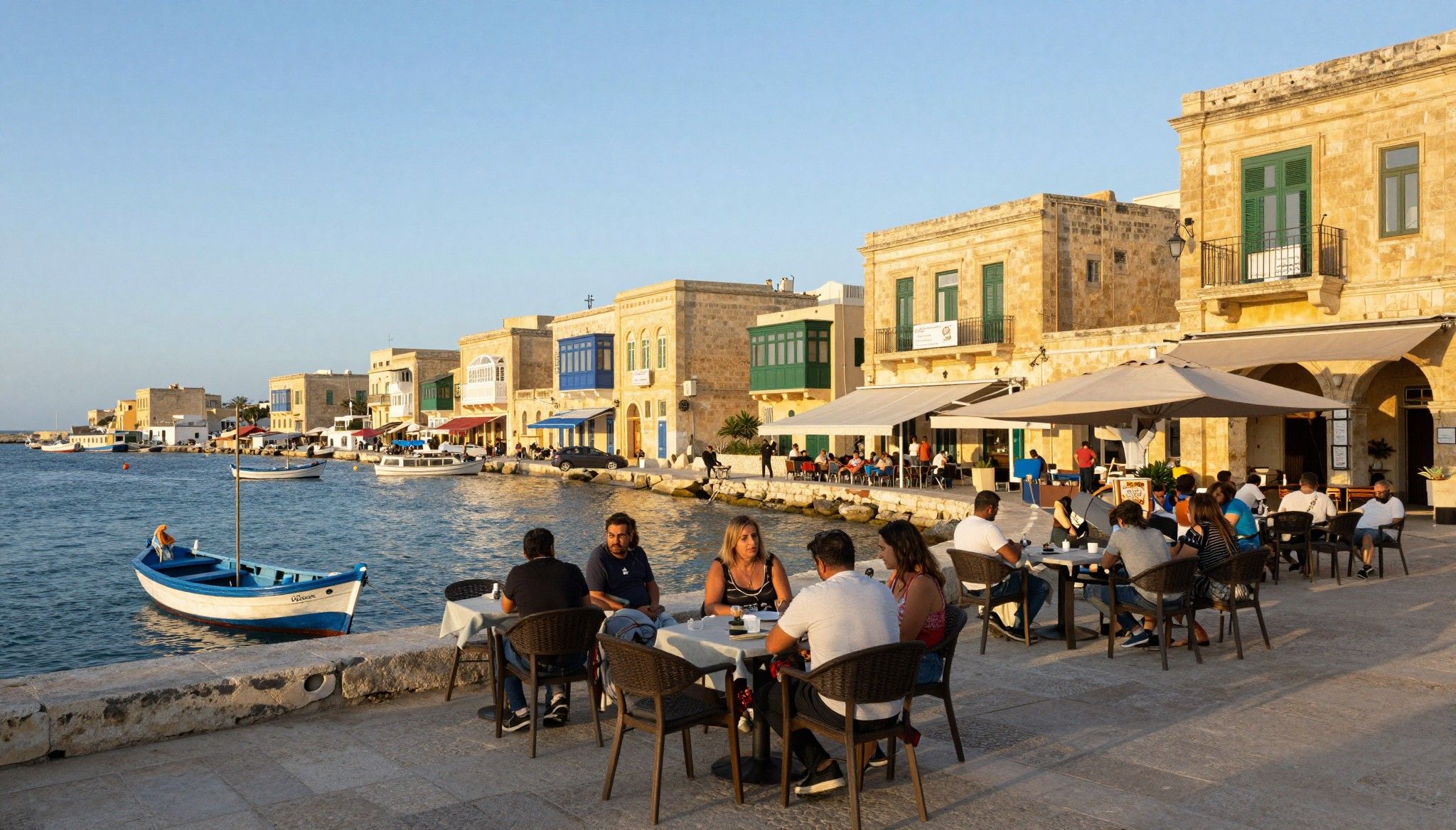
Imagine morning coffee on a Limassol promenade, the sea-salt air, shop shutters opening on Gladstonos Street and a view that feels like an investment brief and a postcard rolled into one. Cyprus sells easily as sunshine, beaches and Mediterranean pace — but the practical side matters: permission-to-buy rules, district-by-district price moves, transfer fees and local residency pathways change how that postcard becomes an address.
Living Cyprus: light, rhythm and neighbourhood texture
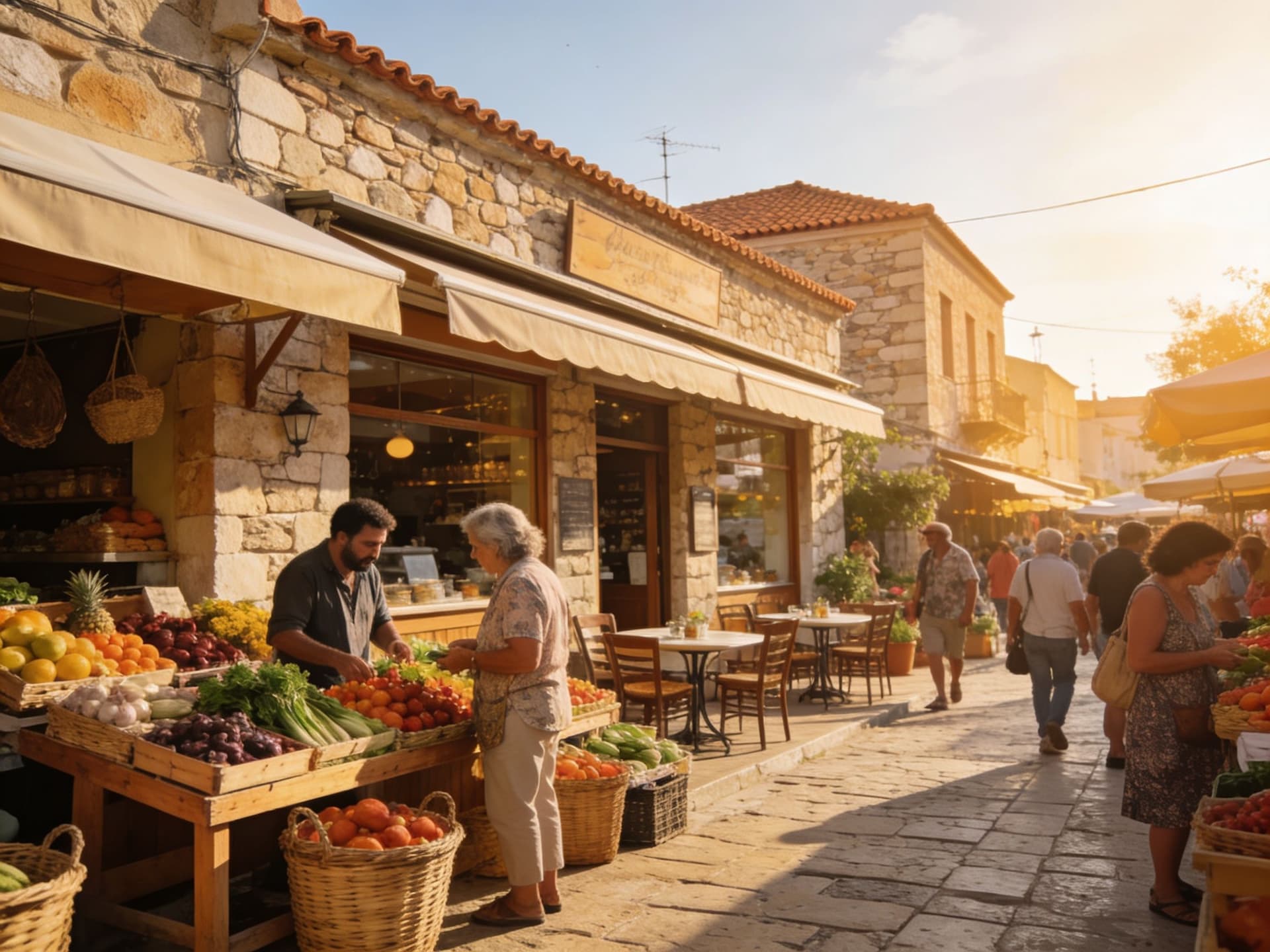
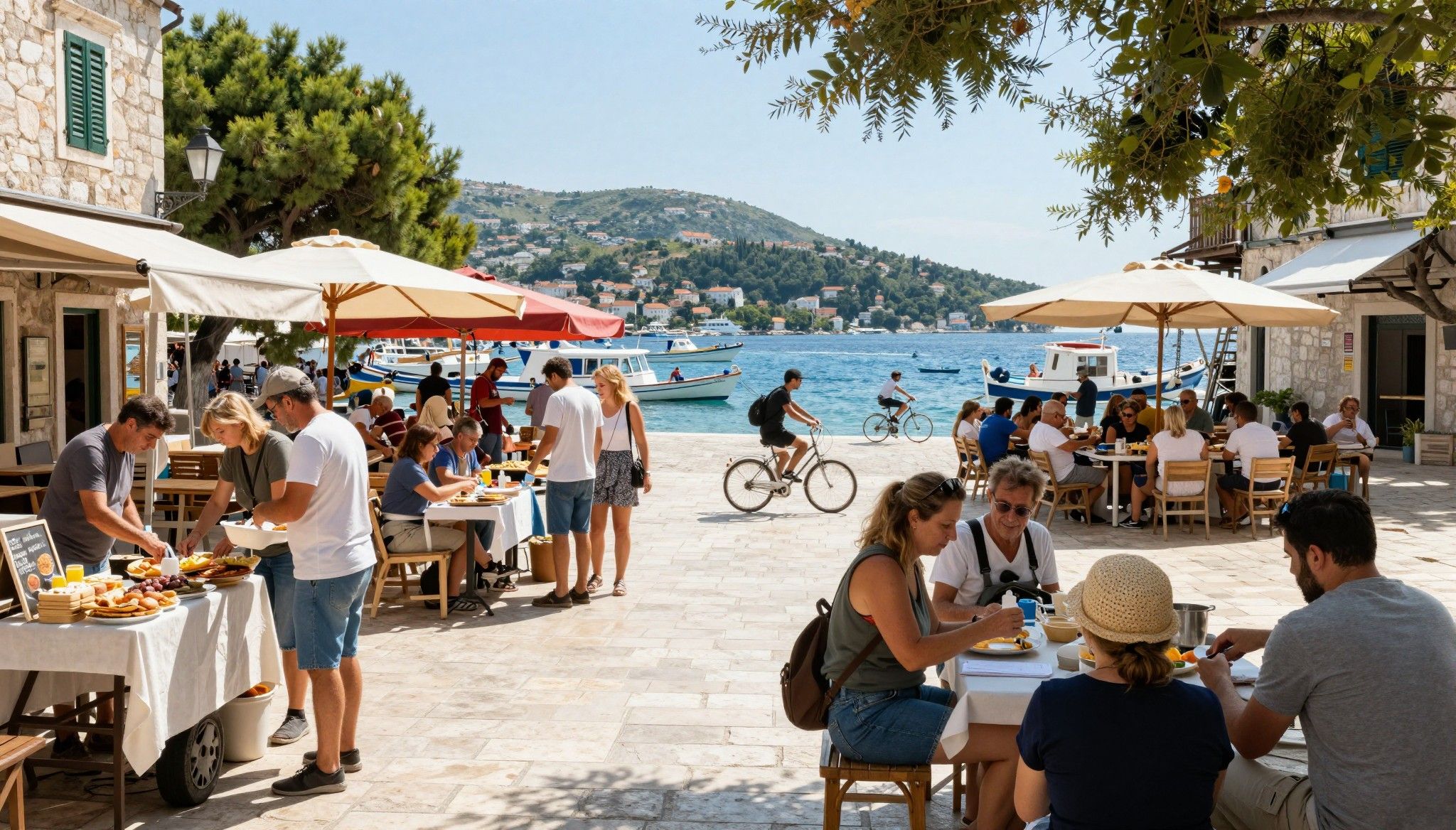
Cyprus is a set of small worlds. Limassol hums with yacht marinas, international cafes and bilingual menus; old Larnaca centres around Finikoudes promenade and a slow market rhythm; Paphos trades in archaeology, rugged beaches and expat clusters; Nicosia is the island’s working heart—quirky lanes, municipal squares and quieter terraces. Each district wears different daylight: mornings on coastal terraces, siesta‑light afternoons in mountain villages, and lively evenings in town squares.
Limassol & the seafront sweep
Walk the Molos and you’ll understand why buyers equate Limassol with style and liquidity. Developers supply high-spec apartments on Akti Olympion and close to Palodia Street, and international schools, boutique restaurants and embassies cluster nearby. The tradeoff is obvious: proximity to the marina commands a premium and sometimes means tighter resale yields compared with up-and-coming pockets in Larnaca or Paphos.
Paphos, village life and coastal calm
If your Cyprus dream includes quiet mornings at the municipal market and afternoons on Coral Bay, Paphos often undercuts Limassol on price per sqm while offering stronger short‑term rental yields in tourist months. Developers and renovators alike are active around Kato Paphos and Chloraka, where newer builds sit cheek-by-jowl with traditional stone houses — a combination that suits buyers seeking lifestyle and immediate rental demand.
Making the move: law, money and the small but decisive rules

The laws look straightforward until you hit the small print. Non‑EU nationals must apply for permission to purchase (COMM 145) through the District Administration; processing commonly takes 2–3 weeks and is a gatekeeper step before contracts are lodged. Meanwhile, official indices show continued price growth in key districts — a reminder to model total cost (purchase price plus transfer fees, notary, local taxes) rather than headline per‑sqm figures when comparing neighbourhoods.
Who needs permission — and why it matters
Citizens of EU member states face fewer hurdles; non‑EU buyers must submit the COMM 145 form and documentation to the local District Administration to get approval under the Acquisition of Immovable Property (Aliens) Law, Chapter 109. That approval is rarely refused when transactions are clean, but it shapes timing: don’t expect to exchange and register within a week — build in at least a month for permissions, searches and bank paperwork.
Price context: what recent data tell us
Official RPPI figures show steady annual growth in recent quarters, with apartments often outpacing houses in urban districts. Transaction value hit record levels in 2024, driven by apartment sales in Limassol and growing activity in Larnaca and Paphos. That pattern matters: where supply is tight — typically Limassol seafront — prices hold stronger, while inland and smaller coastal towns can offer value and upside if tourism and rental demand rise.
Insider knowledge: what expats say (and the small mistakes that cost money)
We talk to buyers who fell in love on a weekend trip and then discovered extra costs, or a property’s title quirks, months later. Common threads: under‑estimating communal fees in new apartment blocks, not checking land‑use restrictions for seaside plots, and assuming rental demand holds at peak season rates year‑round. These are avoidable with local advisors who speak both lifestyle and legalese.
Cultural and practical integration
Cyprus is outwardly bilingual in urban centres; English services (banks, hospitals, real estate agents) are widely available, easing the first months. Still, learning common phrases, attending a village festival (panigyri) and visiting the municipal market in person are quick ways to belong. Those social ties cut transaction friction too — neighbours and local councils often help smooth small permit or renovation queries.
Long-term lens: tax, residency and holding costs
Cyprus offers attractive tax elements for many international buyers, but the detail matters: stamp duty, immovable property tax (where applicable), and annual municipal/solid waste fees can add materially to holding costs. If residency is part of the plan, consult immigration guidance early — property ownership alone no longer guarantees fast‑track citizenship, and residency schemes have specific thresholds and documentation requirements.
- Lifestyle-plus-practical checklist before you sign:
- Walk the neighbourhood at different times (weekend morning, weekday evening).
- Confirm COMM 145 permission timeline with the District Administration early.
- Ask for recent service charge statements and sinking-fund records for apartments.
- Budget for transfer fees, notary, local taxes and a 10–15% renovation contingency for older properties.
Step-by-step: how we suggest approaching a Cyprus purchase
- Tour shortlisted neighbourhoods in person or with a trusted local agent who records video walk‑throughs and exact street names.
- Commission a title search and the COMM 145 application before agreeing a firm deposit to avoid surprises.
- Get a clear service‑charge history and an independent structural survey for older houses or village properties.
- Model holding costs (taxes, insurance, utilities, management fees) for three years to test yield assumptions.
- Finalize with a bilingual solicitor for contract checks, and register promptly at the Land Registry after completion.
How local agents help — more than property lists
Good agencies introduce you to the street-level reality: where the morning bakery is, which lanes flood in heavy rain, and which municipal plans may change nearby zoning. They also coordinate surveys, help lodge the COMM 145 application and often have reliable property managers ready to operate a rental if you won’t be on the island full-time. Treat them as local translators for both culture and process.
Conclusion: Cyprus is both impulsive and technical — a love affair that rewards homework. The island hands you Mediterranean light and convivial neighbourhood life; the laws and costs ask for respect. Visit, taste the market rhythm, confirm permissions and fees, and work with agents and solicitors who know the exact streets, permit timelines and which neighbourhoods are quietly shifting value. When those pieces align, the life you see in a weekend becomes the life you actually live.
Dutch relocation advisor who moved to Marbella in 2016. Guides Dutch buyers through visa paths, relocation logistics, and balance of lifestyle with value.