French Coast vs Costa del Sol: The Unexpected Trade-offs
How France’s coasts deliver varied seaside lifestyles — and the practical trade-offs international buyers must know before choosing a Riviera view.
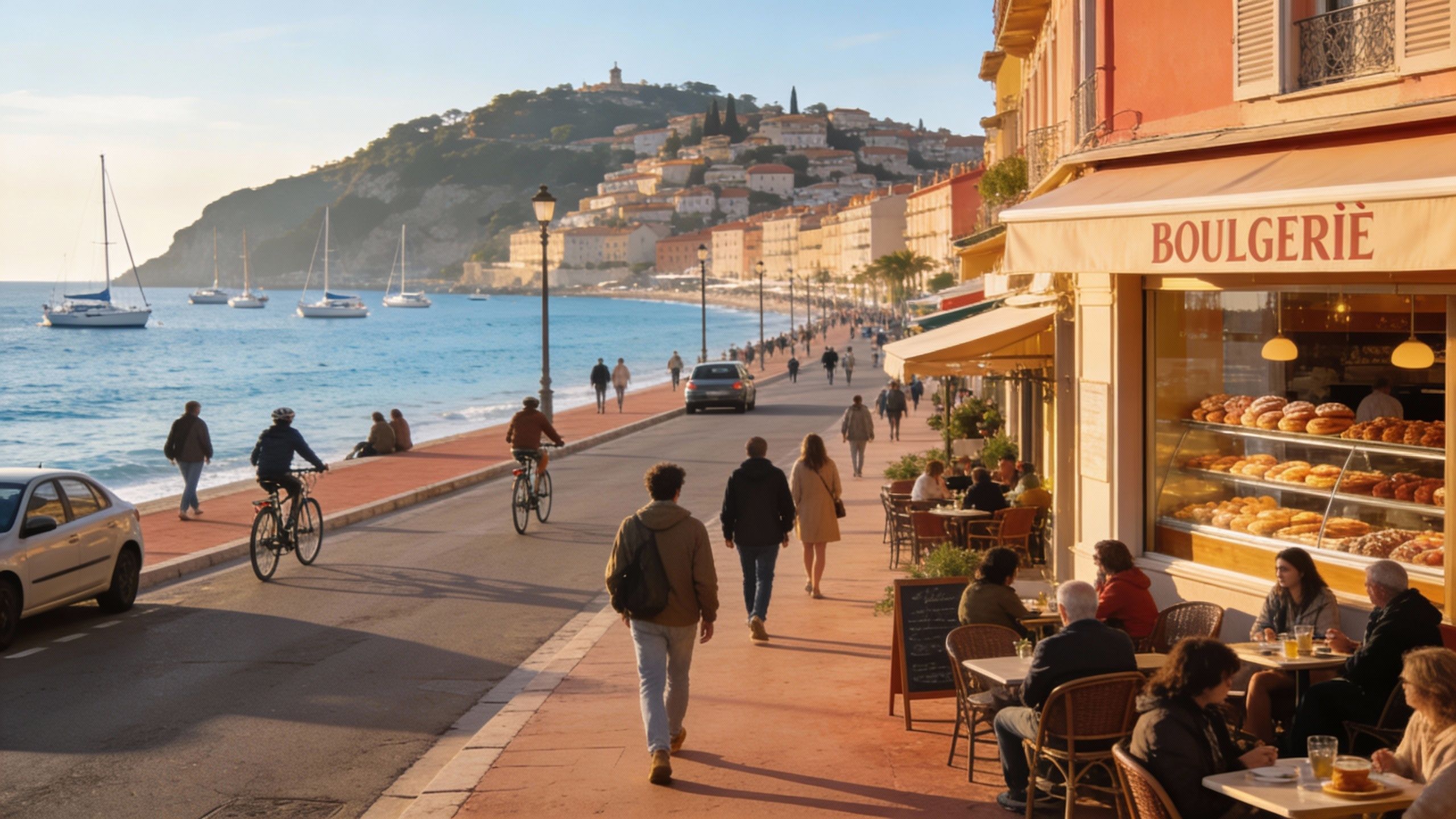
Imagine stepping out onto a sun-warmed terrace in Antibes, the smell of freshly baked fougasse drifting from the boulangerie two streets down, and a market where oysters are still sold by the kilo at noon. That image is why buyers dream of France’s coastline — but the reality beneath the postcard is richer, more varied, and full of trade-offs you won't find in a Marbella brochure.
Living the French Coast Life
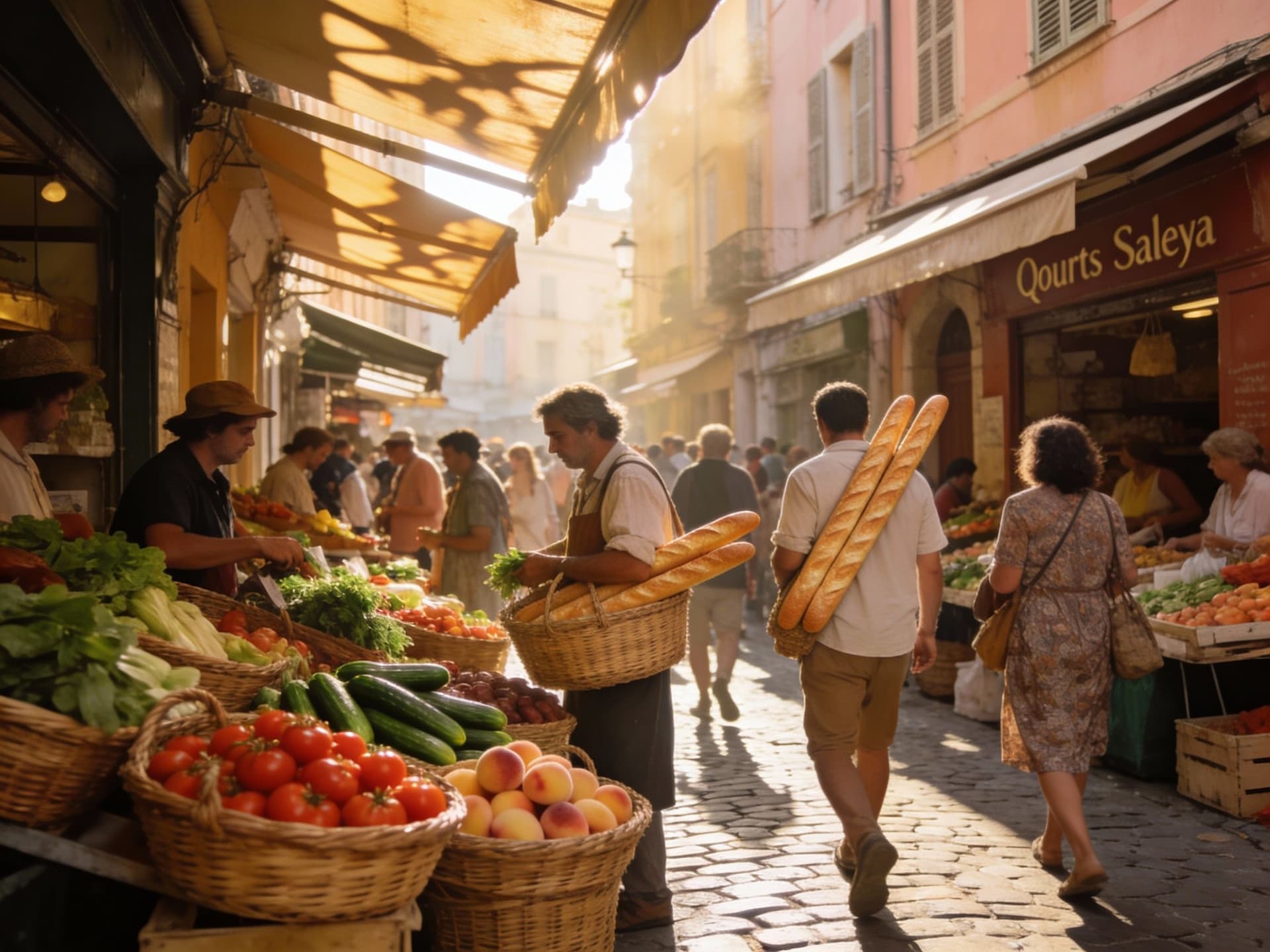
Life on France’s coasts moves with a rhythm that’s part ritual, part casual luxury. Mornings begin with café noirs and paper-strewn terraces; afternoons are for either beaches or shaded hill towns; evenings are long, punctuated by aperitifs and the steady cadence of local festivals. The coast is not a single lifestyle — Nice has an urban pulse, Biarritz is surf-leaning, and Cassis keeps a quieter, fisherman’s tempo — and that diversity is the first advantage for international buyers who want choice.
Riviera nuance: Nice, Antibes, Cannes
Walk Nice’s Cours Saleya at 9am and you’ll hear half a dozen languages — tourist-season French, English, Italian and now more American voices since wealthy buyers returned post-2020. Antibes keeps a quieter, lived-in charm with narrow lanes and neighborhood markets; Cannes concentrates the glamour and short‑term letting economy around festival season. The hill towns behind the Riviera (Mougins, Valbonne) offer larger houses, gardens and slightly lower price pressure — an increasingly popular compromise for buyers priced out of seafront apartments. (See recent reporting on inland demand and discounts.)
Atlantic and Basque coast: Biarritz to La Rochelle
Biarritz brings a surfer’s tempo, robust winter life and high-end second homes; the stretch toward Arcachon and Cap Ferret is quieter but commands strong prices for larger plots and beach access. On the Atlantic, festivals and surf culture define weekends; on the Channel coast (Le Touquet, Deauville) weekenders from Paris shape a different social calendar. These variations matter: they change how a property is used, rented and maintained across seasons.
- Lifestyle highlights — what makes the French coast feel unlike anywhere else
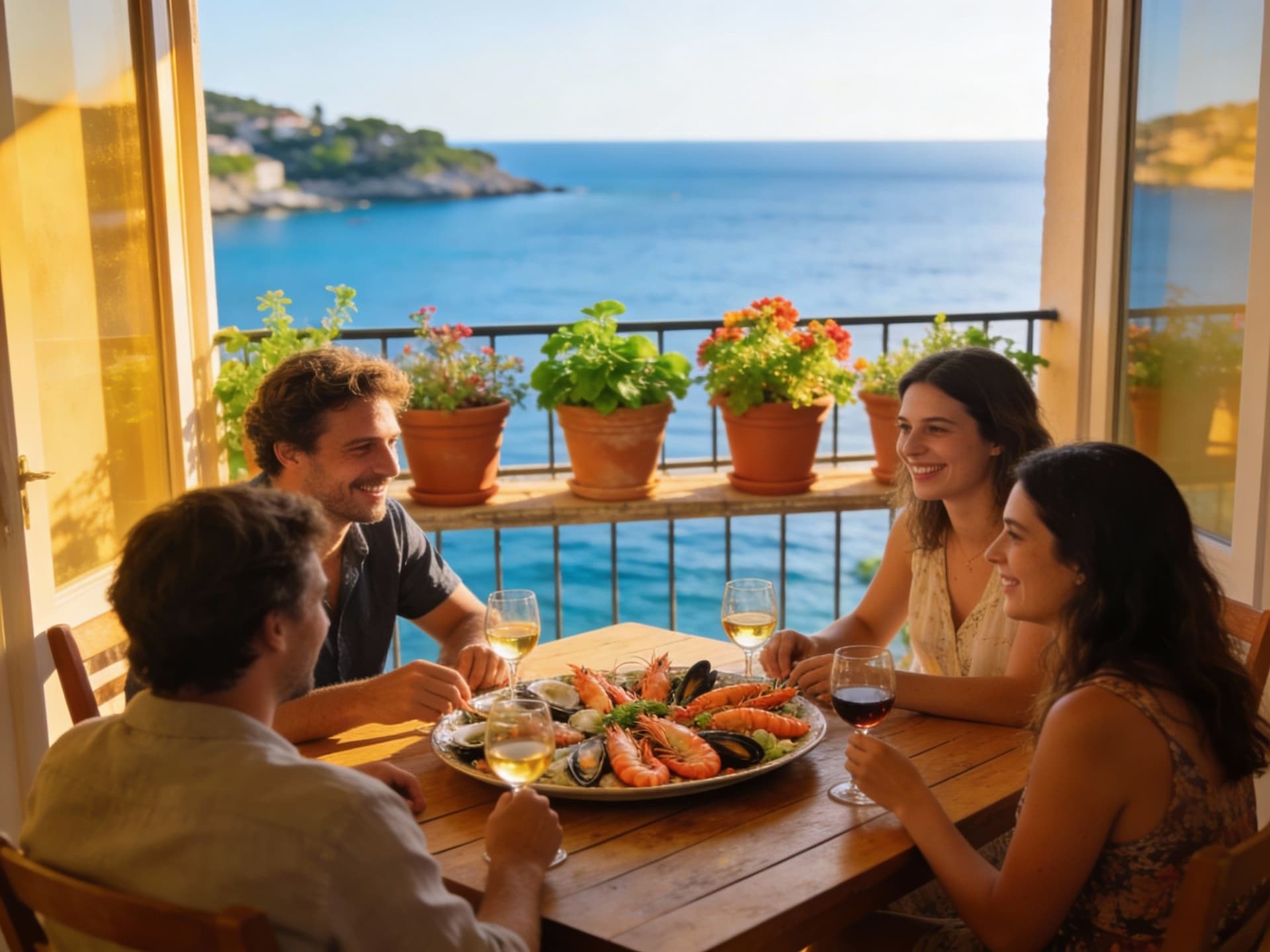
- Cours Saleya market mornings (Nice); oyster stalls and seaside dinners in Cassis; surf mornings and tapas nights in Biarritz; boulevard cafés and yacht watching in Antibes; seaside promenades and classical concerts in Deauville.
Making the Move: Practical Realities That Shape Your Lifestyle
Dreams meet paperwork faster on the French coast than most buyers expect — but that’s not a criticism. Prices have been uneven: some coastal pockets softened in 2024 while others held steady or rebounded in early 2025. Regional differences matter more than national headlines; provinces showed a +1.0% rise in Q1 2025 while the rhythm of recovery varied by seaside resort and property type. That means timing and local knowledge are decisive.
Property types and the life they enable
Seafront apartments are compact, high-maintenance and excellent for short-term letting when markets peak. Villas and inland houses give you garden life, parking and privacy but may be farther from cafés and trains. In practice, many international buyers choose a 'hybrid' — a small sea-facing pied-à-terre for months of the year and a larger inland home for everyday life. Know the trade-offs: proximity to the sea changes insurance costs, renovation rules and energy choices.
Working with local experts who protect the lifestyle
- 1. Start with an agent who knows the micro-neighbourhood — not just the town. 2. Ask for recent comparable sales within the last 12 months and demand notarised prices. 3. Get an independent survey on coastal exposure, drainage and construction history. 4. Clarify rental rules and local mairie restrictions if you plan short‑term lets. 5. Budget for energy works: bans on G-rated rentals began January 1, 2025 in France and can affect usable rental stock.
Insider Knowledge: What Expats Wish They'd Known
Expats often say the surprise wasn't how beautiful life is, but how specific local rhythms are. Festivals close main streets for days; municipal planning preserves village scale; and local social networks — boulanger, pharmacist, mairie officials — determine how easily you feel at home. Successful buyers adapt to the tempo: they accept seasonal peaks in rental demand, learn a few phrases of French, and prioritise neighbours over views when choosing a street.
Cultural integration and everyday practicalities
Language helps but isn’t mandatory: bilingual agents, local expat groups and mairie services ease the transition. For everyday life, shop at marché stalls, book local medical practitioners early, and join seasonal clubs (sailing, pétanque or surf) to meet people. The unglamorous truth: parking, bin days and mairie permissions shape happiness as much as a sea view does.
Long-term lifestyle and investment sense
Coastal real estate in France blends cultural durability with geographic scarcity — but it’s not uniformly 'expensive.' There are pockets where inland hill towns, lesser-known coastal stretches or year-round towns offer better value and more reliable rental demand than marquee Riviera addresses. For many international buyers the best long-term choice is a property that fits how they actually live year-round, not just the Instagram moment.
- Red flags to watch before you fall in love
- No recent comparable sales within 18 months; unclear building permits for terraces or extensions; coastal erosion or floodmap exposure not disclosed; short‑term let restrictions from the mairie; energy-efficiency obligations (mandatory retrofits for rentals).
Conclusion — live like you belong, buy like you’re cautious. The French coast offers a spectrum of lives: seaside ritual, surf culture, village calm, or urban Riviera comfort. Fall in love with the daily rhythms first — the markets, the promenades, the evenings — and then build a buying strategy around those routines. Work with local experts who know the street-level details, and you’ll end up with a property that delivers both the dream and the practical life it’s meant to support.
Danish investment specialist who relocated to Costa del Sol in 2015. Focuses on data-driven market timing and long-term value for Danish buyers.