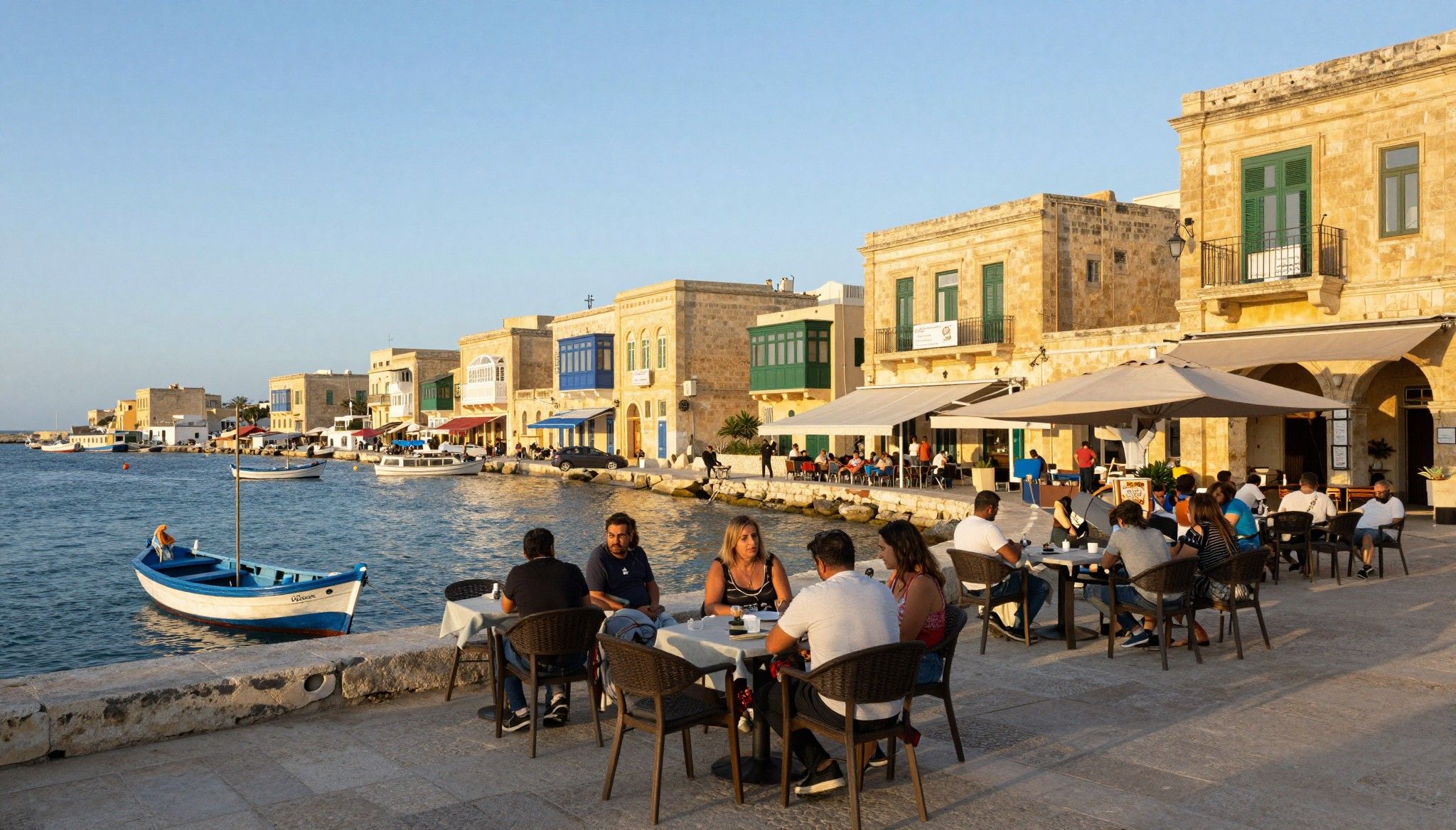
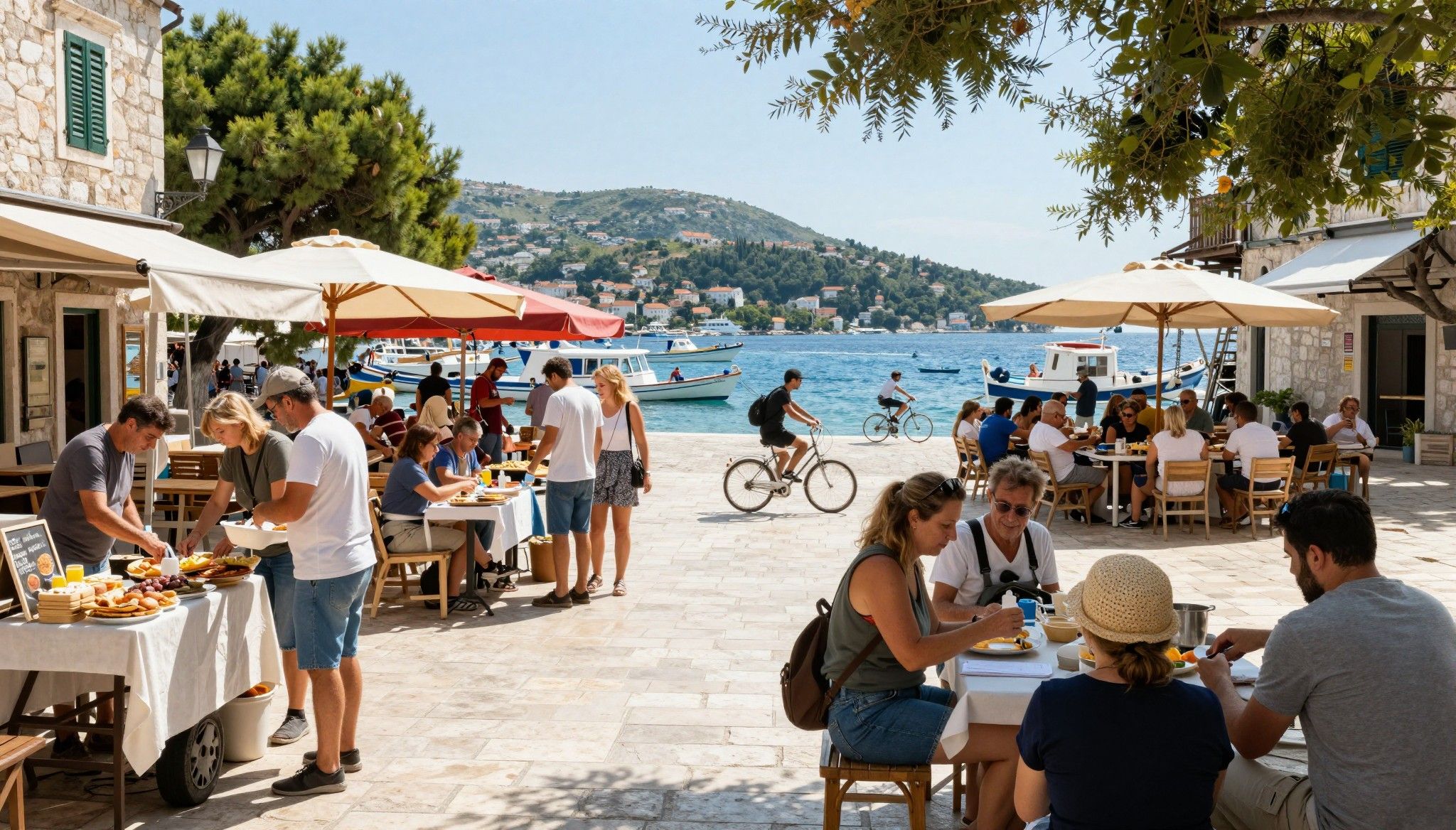
Croatia: Life First, Costs Second — Tax & Local Logic
Fall for Croatia’s daily rhythm — then plan tax, transfer and renovation realities with local lawyers and agents to protect both lifestyle and investment.
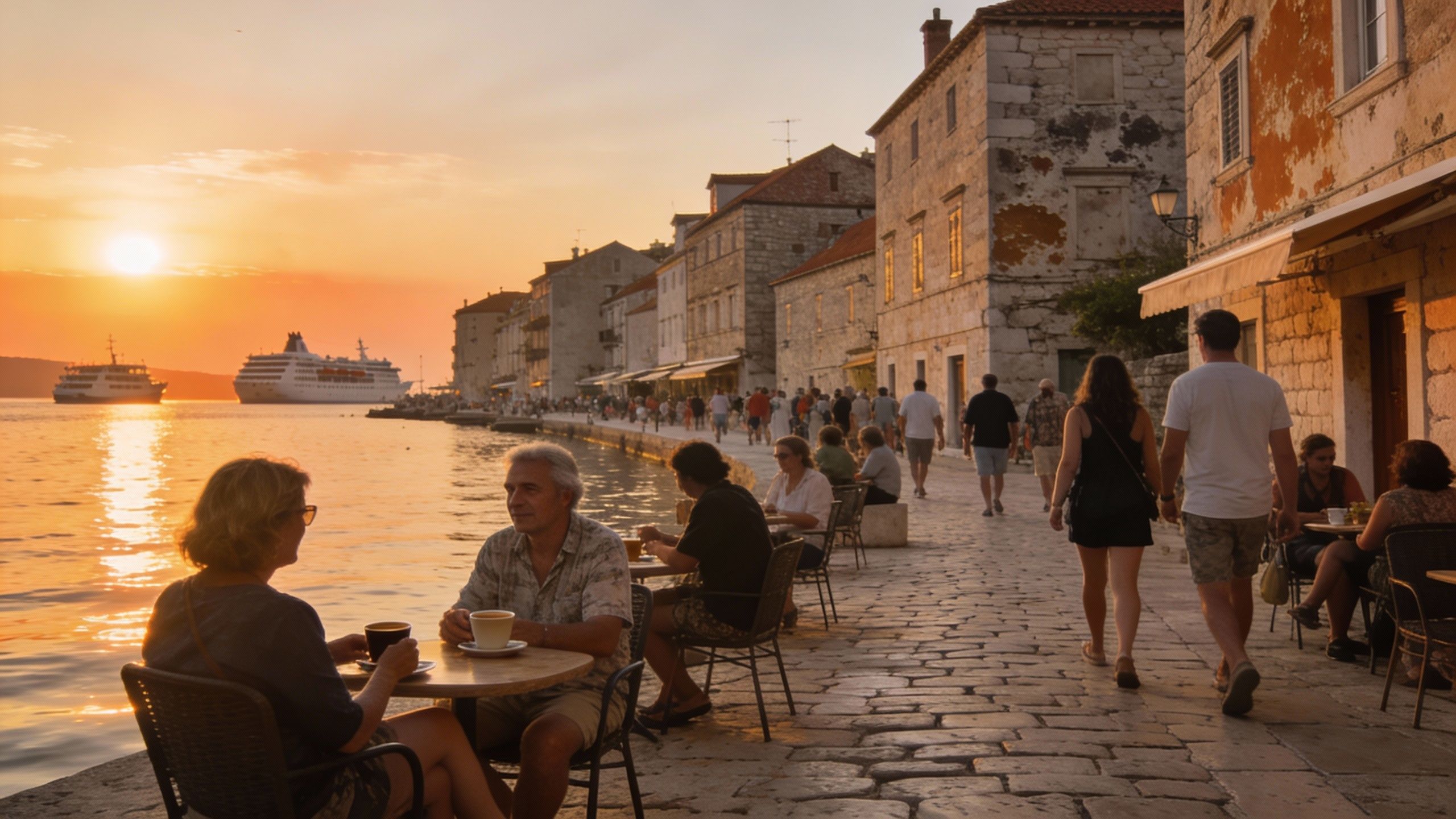
Imagine stepping out at dawn to buy pastries on Split’s Riva, then taking a detour through cobbled Vrbnik streets where laundry flutters above stone alleys. Croatia lives where sea air, market chatter and late‑night konoba meals set the rhythm; many international buyers fall for that daily choreography long before they sign any papers.
Living the Croatian lifestyle — the day you’ll wake up to
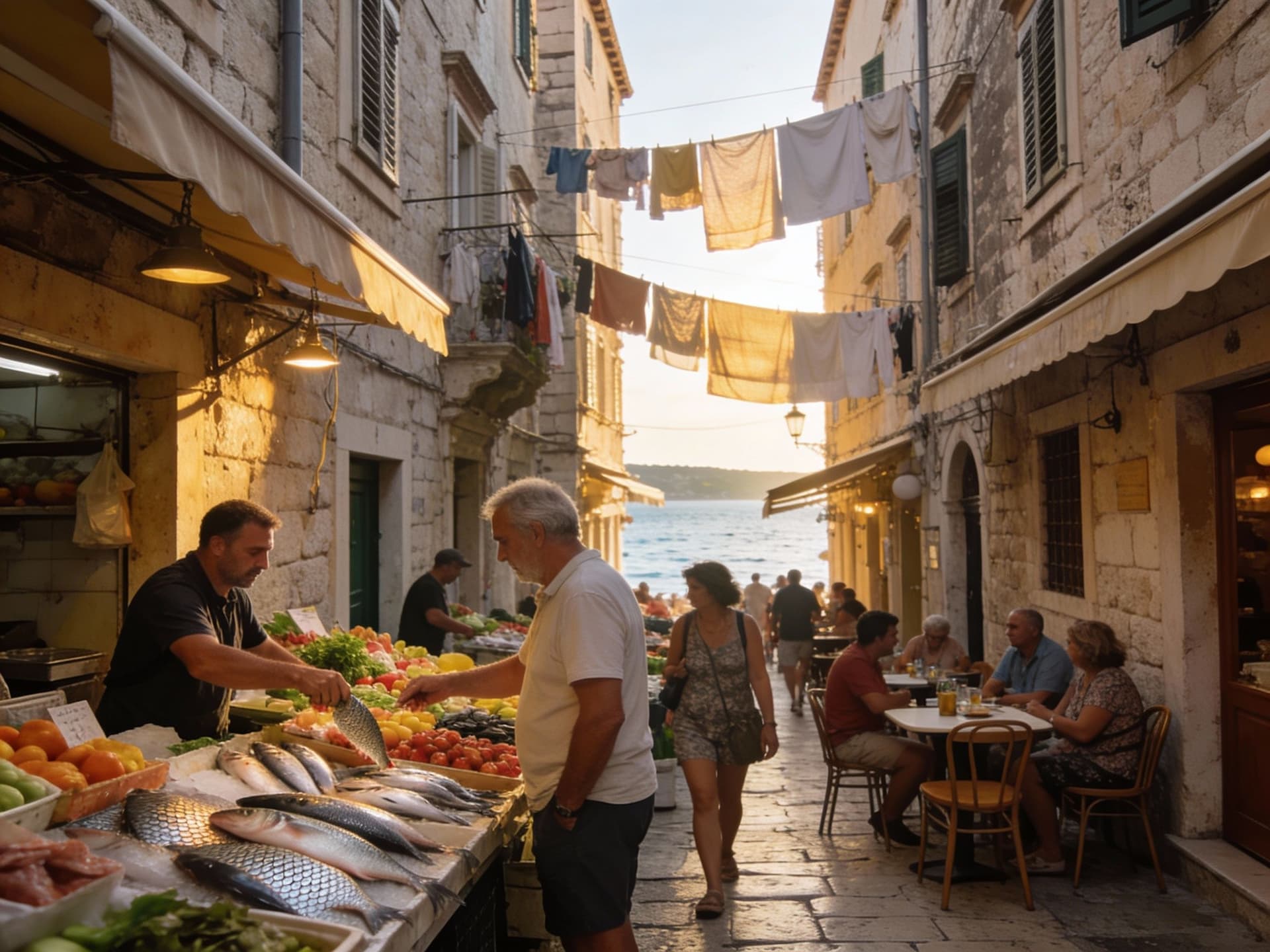
Life here is tactile: espresso at Pax in Dubrovnik’s old town, oyster plates in Ston, weekend markets in Zagreb’s Dolac. The rhythm changes by coast, island and inland plain — mornings on terraces, afternoons at beaches like Zlatni Rat, and evenings when neighbourhood konobas light up. That rhythm shapes what homes need: cross‑ventilation in stone houses, shaded terraces for long summers, and solid insulation for surprisingly crisp winters inland.
Neighbourhoods that matter (and what they tell you about buying)
Split’s Old Town and Bačvice offer walkable life and a year‑round rental market; Rovinj’s historic peninsulas reward culture lovers with slower seasons and stable prices; Zagreb’s Maksimir and Britanski trg suit buyers seeking daily urban life with good schools. Knowing the lane, café and pier is as important as knowing the square metre price — lifestyle fit narrows the list faster than any spreadsheet.
Food, seasonality and the social calendar
Harvest festivals in Istria, the summer surge on Hvar and Split, and winter truffle weekends around Motovun shape local life and short‑term rental demand. If you love weekend farmers’ markets, look near municipal squares; if you want quieter winters, consider inland Istrian hilltops or northern Dalmatian towns. Those choices affect yield, occupancy and the type of renovation you’ll want — think breathable lime plaster for summers and upgraded heating for November to March.
- Market‑shaping lifestyle highlights: • Morning espresso at Split’s Riva or Zagreb’s Tkalčićeva • Weekend truffle hunts and wine tastings in Istria • Island ferry routines from Hvar, Brač and Korčula • Konoba dinners in stone basements (look for ventilation and damp prevention) • Coastal promenades that amplify short‑stay demand • Local markets (Dolac, Ploče) that keep kitchens in daily use
Making the move: practical realities you should know
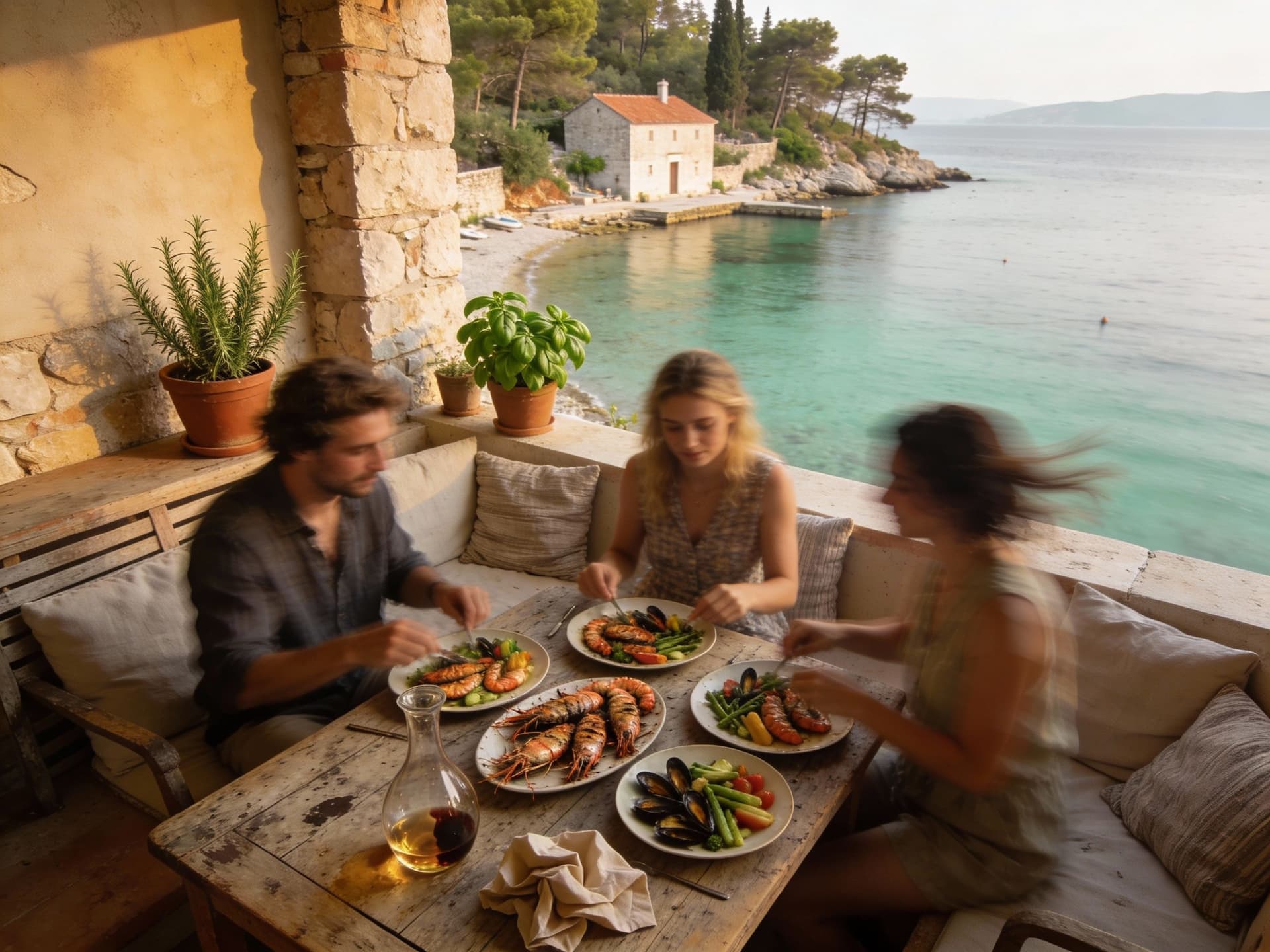
Croatia’s attractiveness comes with legal and fiscal specifics that change what a lifestyle purchase really costs. Transfer tax, VAT treatment, municipal real estate tax and residency paperwork all affect the final price and your timeline. Recent industry summaries and government guidance show transfer tax sits at roughly 3% where VAT does not apply, while coastal hotspots have seen strong price gains — important context when you compare offers.
Property types, renovation realities and hidden costs
Buying a stone house on an island feels romantic but expect higher renovation, connection and logistics costs (transporting materials, specialist craftsmen). New builds carry VAT (making them VAT‑subject and exempt from transfer tax) and often higher per‑m² prices in coastal zones; older town apartments trade at premiums where walkability and views drive demand. Always budget an extra 10–20% for refurbishment and municipality permit timing — crews and permits are part of the local rhythm.
Who to bring to the table: experts that actually help
- 1. Local lawyer experienced with title issues and coastal concessions (essential for islands and protected zones). 2. Notary and translator for clear contract language and official filings. 3. Architect or builder familiar with stone restoration and Adriatic microclimates. 4. Tax advisor for transfer tax vs VAT scenarios and long‑term tax residency planning. 5. A neighbourhood‑savvy agent who knows streets, ferry timetables and seasonal rental patterns.
Insider knowledge: what expats wish they’d known
People tell us their biggest surprise isn’t the sea views — it’s logistics. Ferry timetables, seasonal staff shortages, and municipal office hours shape renovation schedules and move‑in dates. Practical windows — early autumn or late spring — give you time to settle before peak tourist season. Also, watch for local incentive schemes: recent government measures have included tax refunds and subsidies for first‑time buyers that can change affordability calculations for younger buyers or those buying to live full‑time.
Cultural cues and community building
Croatians value face time and honesty. Expect an easier path to integration if you learn a few phrases, shop regularly at the market, and support local trades. Building neighbours’ trust can help smooth permit issues and introduce reliable craftsmen. Many expats swear by joining local associations — from sailing clubs in Split to wine cooperatives in Istria — as the fastest route to being part of weekend life.
Longer‑term considerations that change a buy from nice to smart
- • Confirm whether your purchase is VAT‑subject or transfer tax‑subject — this alters the effective purchase cost. • Check local real estate tax rules: municipalities set per‑m² rates that vary widely. • Factor in seasonal rental demand if you plan to let: coastal towns can push occupancy but compress net yields. • Consider accessibility: proximity to ferry lines or airports matters more than raw distance when islands are involved. • Always verify cadastre records and past permit history before offers.
Conclusion — the life, then the paperwork. Croatia offers a living rhythm few places replicate: market mornings, sea afternoons, community evenings. If that life fits you, bring clear financial modelling, a local legal team, and an agent who knows the streets and the seasons. Start with a short reconnaissance visit timed outside high summer, meet a lawyer and an architect, and let the lifestyle narrow the list — not the other way round.
Norwegian market analyst who serves Nordic buyers with transparent pricing and risk assessment. Specializes in residency rules and tax implications.