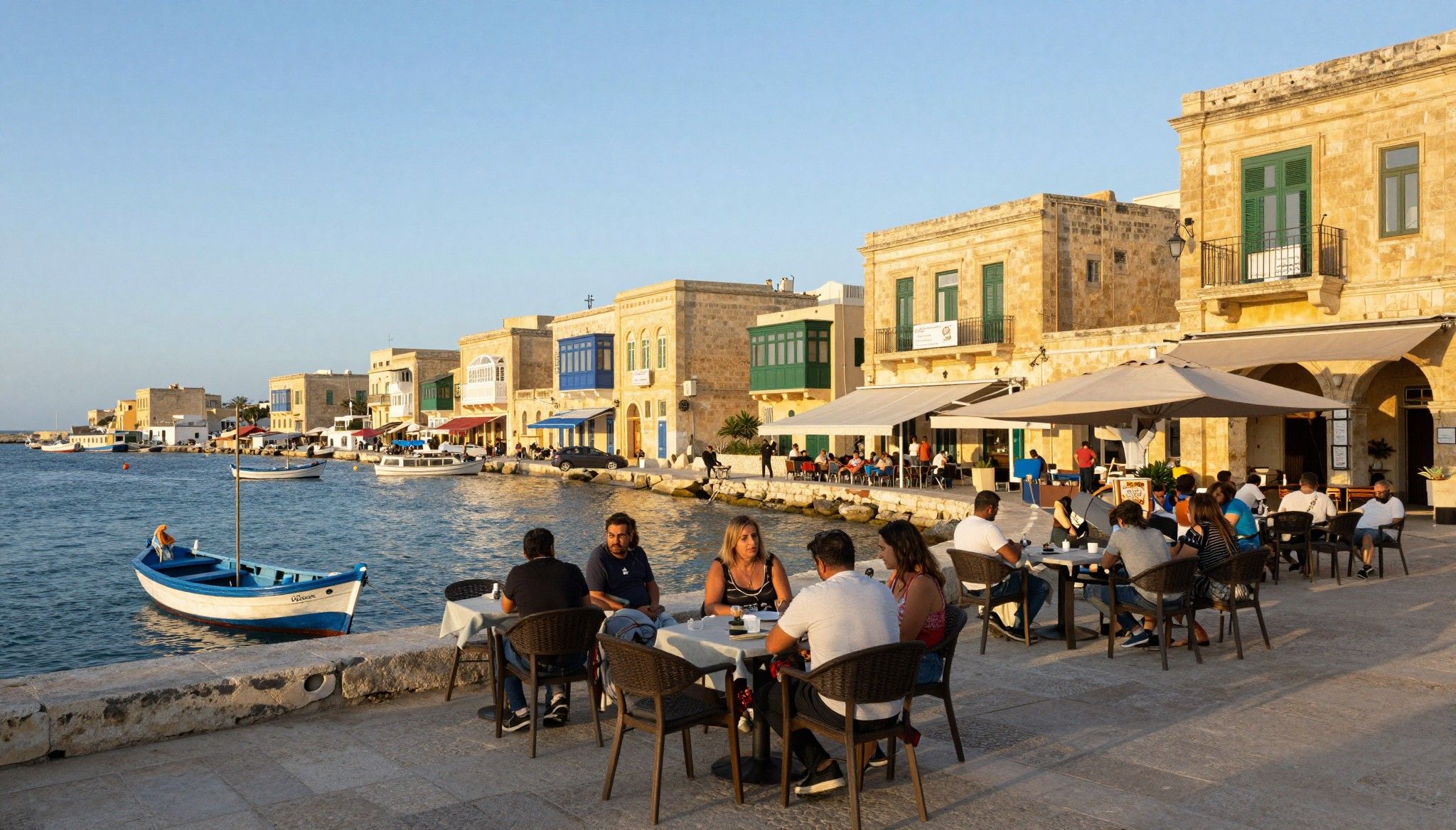
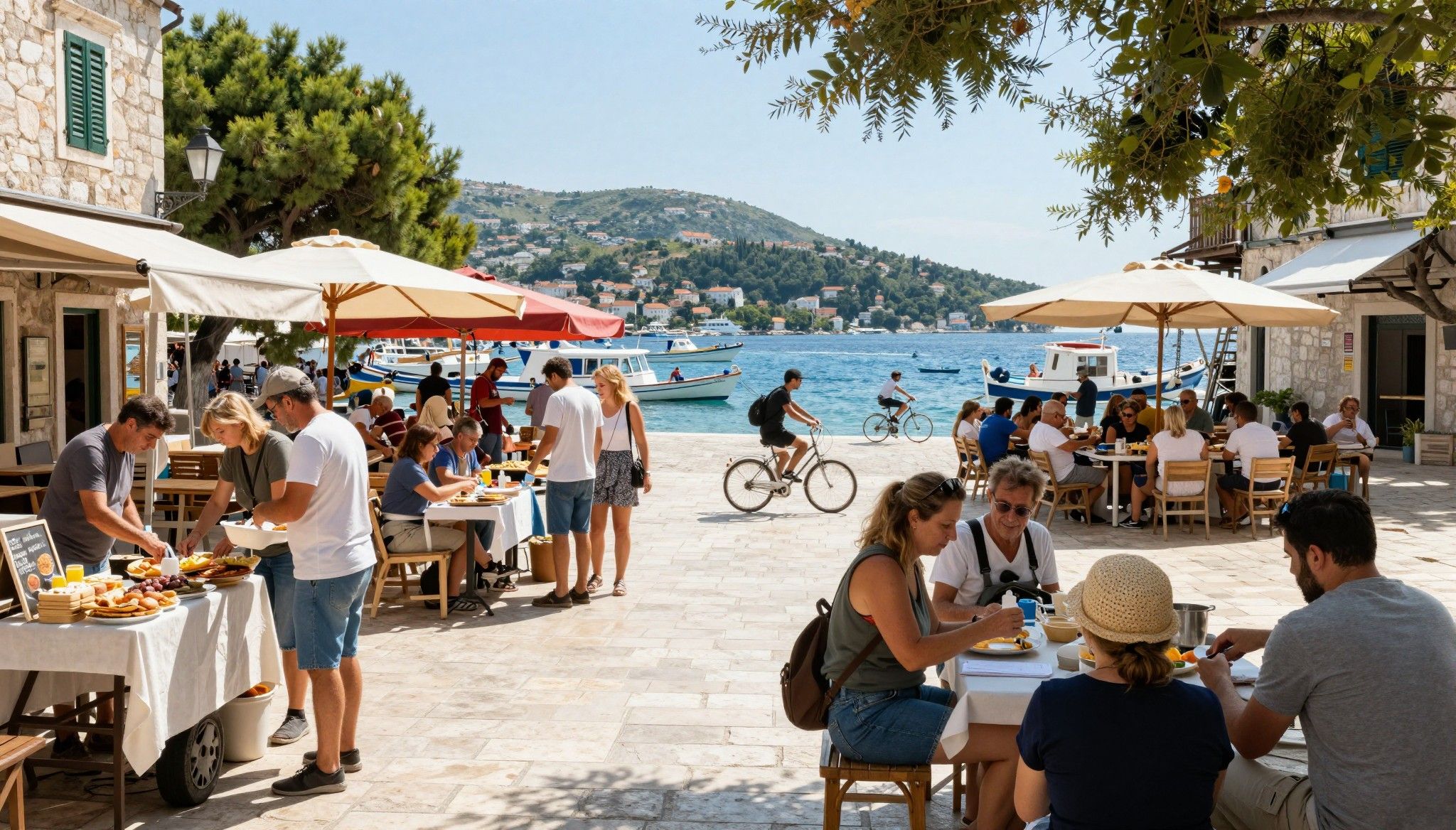
How Croatia’s Taxes, Permits and Rhythm Shape Where You Buy
Croatia offers sunlit island life and precise EU rules. Know when 25% VAT applies, when a 3% transfer tax bites, and why non‑EU buyers must budget for permissions.
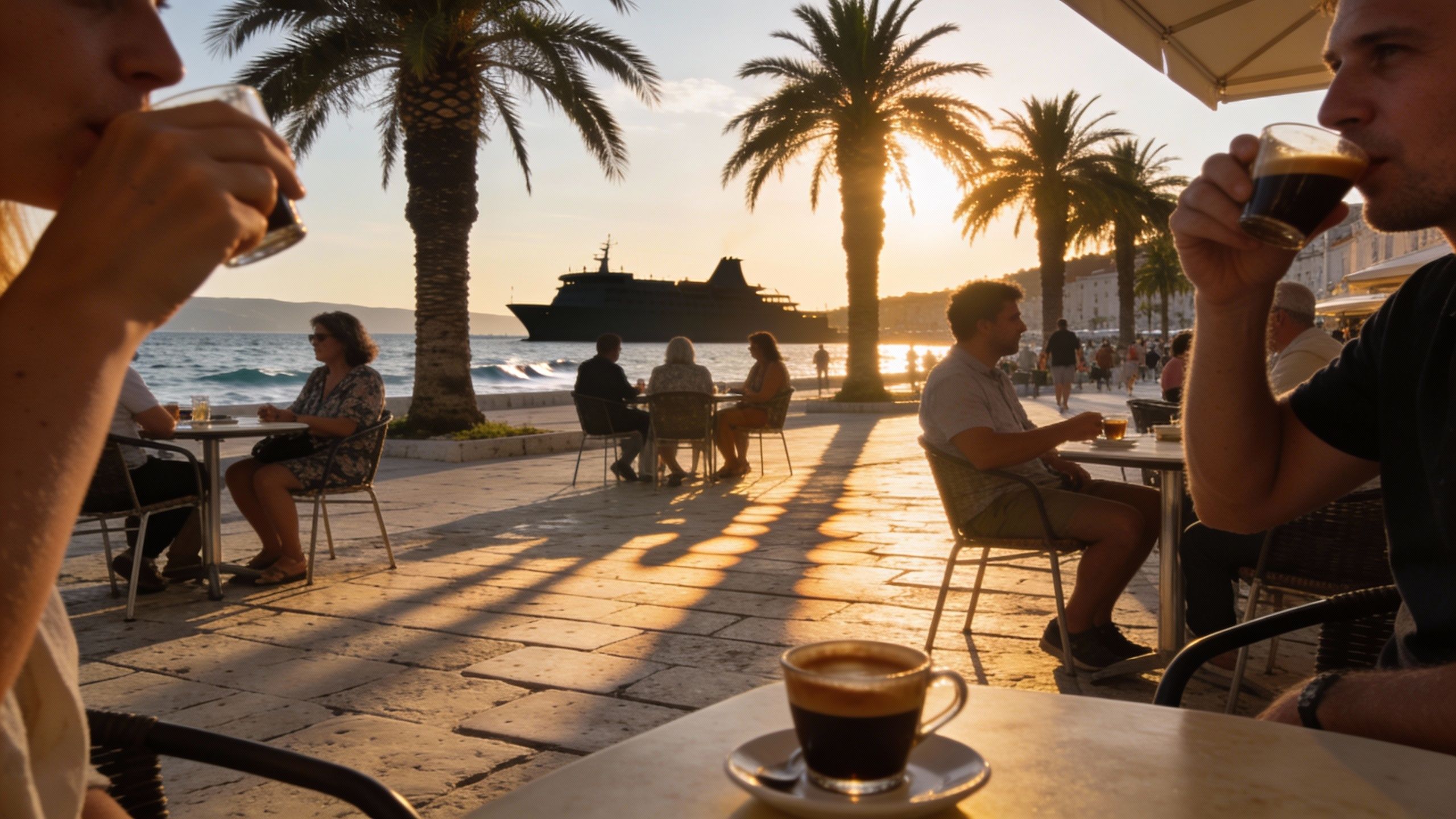
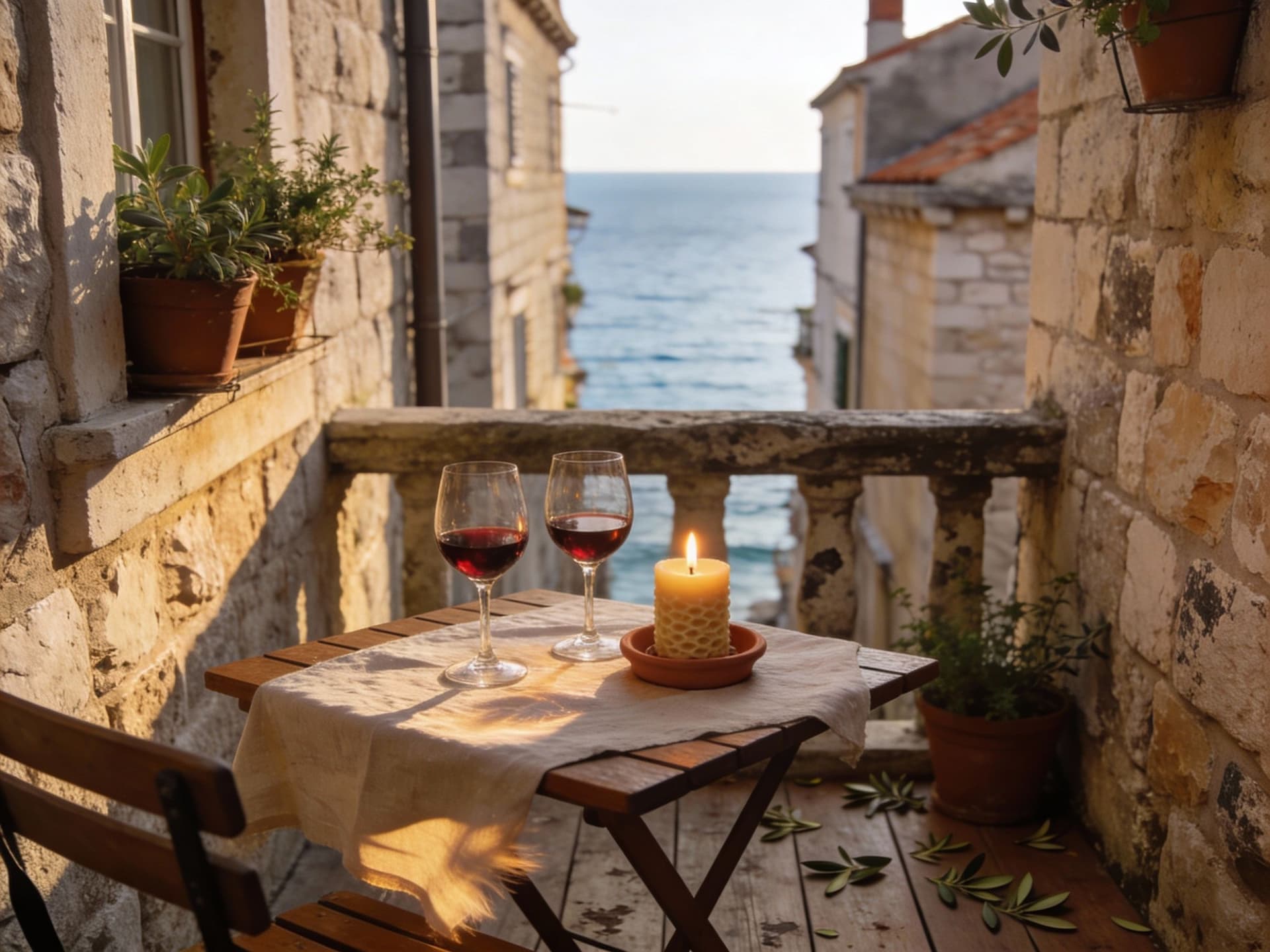
Imagine starting the day with espresso on Split's Riva, then walking a few blocks past stone staircases to a quiet terrace that feels uniquely yours. Croatia is that strange, soft‑light place where coastal cafés, island ferries and late‑night konobas coexist with precise EU paperwork — and that contrast is exactly why understanding the legal landscape matters before you fall in love.
Living the Croatia lifestyle — salted air and small rituals
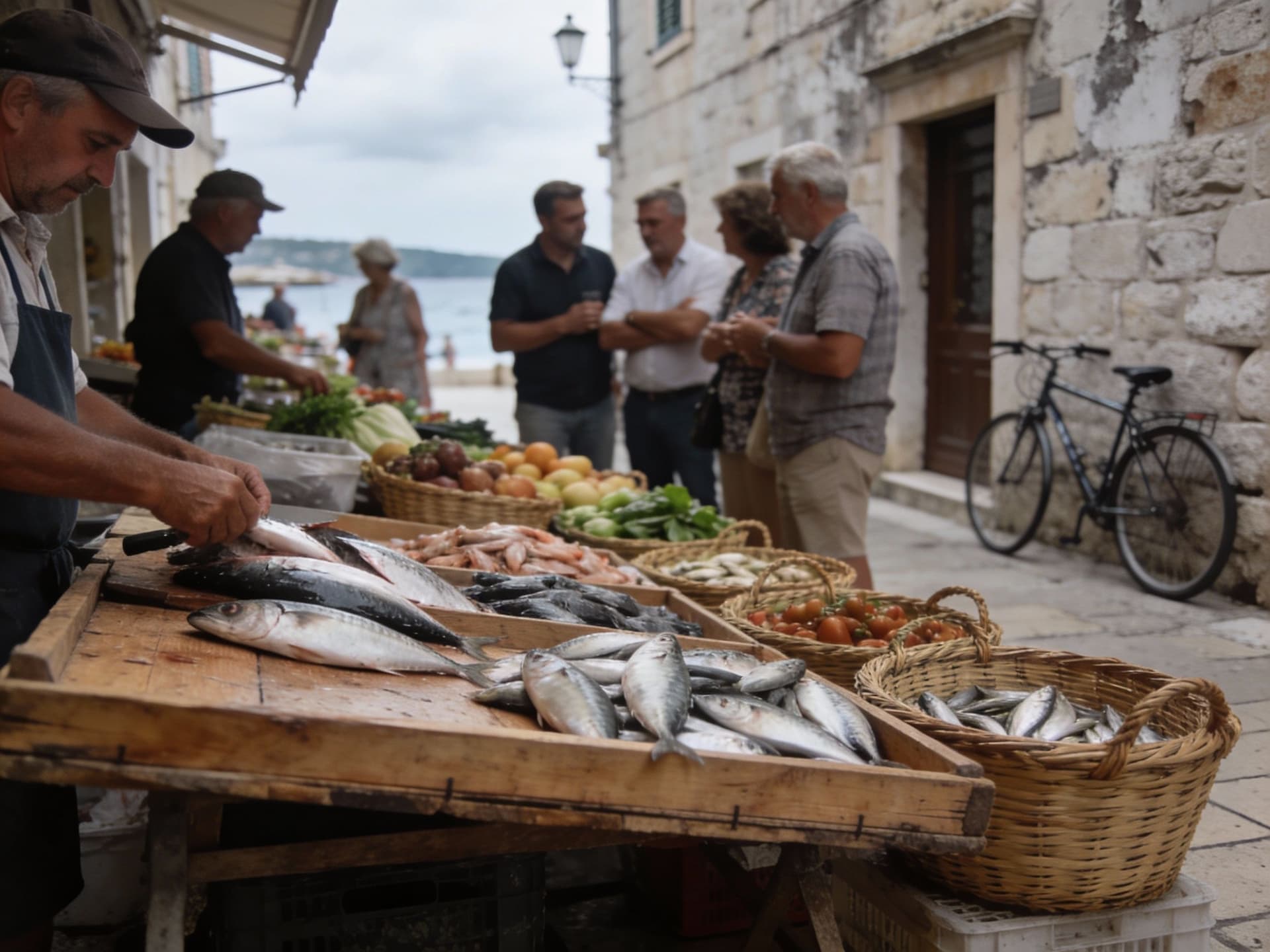
The daily rhythm in Croatia depends on where you land. In Dubrovnik and Hvar mornings begin with fishermen hauling crates, afternoons slow into café conversations and evenings are for family‑style seafood that stretches for hours. Inland towns such as Varaždin or Osijek offer green markets and a calmer cadence: Saturdays mean farmers' stalls, church bells and pastry queues rather than tourist traffic.
Coastlines, islands and city quarters: signature neighbourhoods
If you picture stone streets and sea views, think Split’s Veli Varoš (breathable alleys and tiny konobas), Rovinj’s old town (artists, narrow lanes), or Korčula town (church spires and hidden terraces). Zagreb's Gradec and Tkalčićeva bring café life and contemporary galleries. Each area shapes how you’ll use a property—terrace living on the coast, heated interiors inland, or compact city flats for year‑round life.
Food, markets and weekend rituals that decide where you live
Markets matter here. Hvar’s fish market, Split’s Pazar, and Zagreb’s Dolac are not tourist props — they’re the places you buy food, meet neighbours and measure seasons. For many buyers the proximity to a morning market or a favourite bakery determines neighbourhood choice as much as price or square metres.
- Lifestyle highlights: coastal promenades, island hops, local markets, late‑night dining, seaside running routes, weekend island escapes
Making the move: practical considerations that preserve the lifestyle
You can fall in love with the light and still lose money on the paperwork if you don’t know two things: whether your purchase will be subject to VAT (new builds) or the 3% transfer tax (resales), and whether you — as a non‑EU national — need ministerial approval. These aren’t abstract costs; they change the math and timing of offers and renovations.
Property types and the tax split that matters
Short version: resale apartments and houses are usually charged a 3% real‑estate transfer tax. New builds sold by VAT‑registered developers attract 25% VAT instead. That difference often makes resale units cheaper up front but potentially less flexible for commercial uses like holiday rentals. Always confirm whether VAT applies before signing.
Why non‑EU buyers must check reciprocity and permissions early
If you’re not an EU citizen, Croatian law can require prior approval for acquisition — often handled by a court or the Ministry of Justice based on reciprocity with your home country. That process can take weeks and occasionally affect whether a notary will proceed. Factor that into offer deadlines and deposits.
- Steps to protect your lifestyle purchase: 1) Ask the seller and agent in writing whether VAT applies; confirm with a lawyer. 2) For non‑EU buyers, request a written timeline for any required ministerial approval. 3) Budget 3% transfer tax for resales, or 25% VAT for new builds; include registration and legal fees. 4) Verify municipal real estate tax rates for the property’s location — some coastal towns set higher per‑m² rates.
Insider knowledge: expat mistakes and local truths we hear repeatedly
We’ve met buyers who assumed EU membership removed every friction — then discovered local zoning, heritage status or municipal rules that prevent renovations. Others loved properties with sea views but couldn’t use terraces as expected because ownership of the adjacent land was unclear. Those weren’t romance failures; they were avoidable due diligence gaps.
Cultural and day‑to‑day realities that change where you live
Language matters less than willingness to learn. In coastal tourist towns you’ll find English widely spoken; inland, Croatian goes further. Neighbourhood choice affects your calendar: island living means ferries and seasonal closures, city life means year‑round services. These rhythms determine whether a property is a daily home or a weekend refuge.
Longer term: taxes, rentals and the sustainability of your life here
From 2025 Croatia introduced an annual local property tax calculated per square metre in many municipalities. Some exemptions exist for primary residences and long‑term rentals. If you plan short‑term holiday lets, check local rules: municipalities are incentivising long‑term rentals and may set tax or operational limits that affect returns.
- Red flags we watch for on coastal purchases: unclear cadastral boundaries, heritage protection on façades, undeclared VAT status of developer sales, ferry‑dependent access limits, and elevated municipal per‑m² taxes
- How we recommend you proceed, step‑by‑step: 1) Visit in both high and off season to feel the tempo. 2) Retain a Croatian lawyer to check land registry (Zemljišne knjige) and building permits. 3) Confirm VAT vs transfer‑tax status and budget accordingly. 4) For non‑EU buyers, start the reciprocity/permission process early. 5) Ask about municipal per‑m² tax rates and short‑let regulations before offer.
Picture this: you sign for a white stone apartment in Rovinj, your renovation plan approved, and a small terrace that becomes your morning ritual. That’s the promised life. The practical steps above are what turn that promise into a durable, legally sound reality.
If you’re ready to explore, start by shortlisting neighbourhoods that match your daily rituals — market proximity, ferry schedule, café culture — then pair that shortlist with a lawyer and an agency that understands municipal tax differences. We’ll help you line up lifestyle visits with the exact legal checks that keep your dream on firm ground.
Norwegian market analyst who serves Nordic buyers with transparent pricing and risk assessment. Specializes in residency rules and tax implications.