Malta: The Life You Buy — and the Small Truths Behind It
Fall in love with Malta’s seafront cafés, festas and limestone streets—then pair that life with RPPI data, tax relief windows and local‑first checks for confident buying.
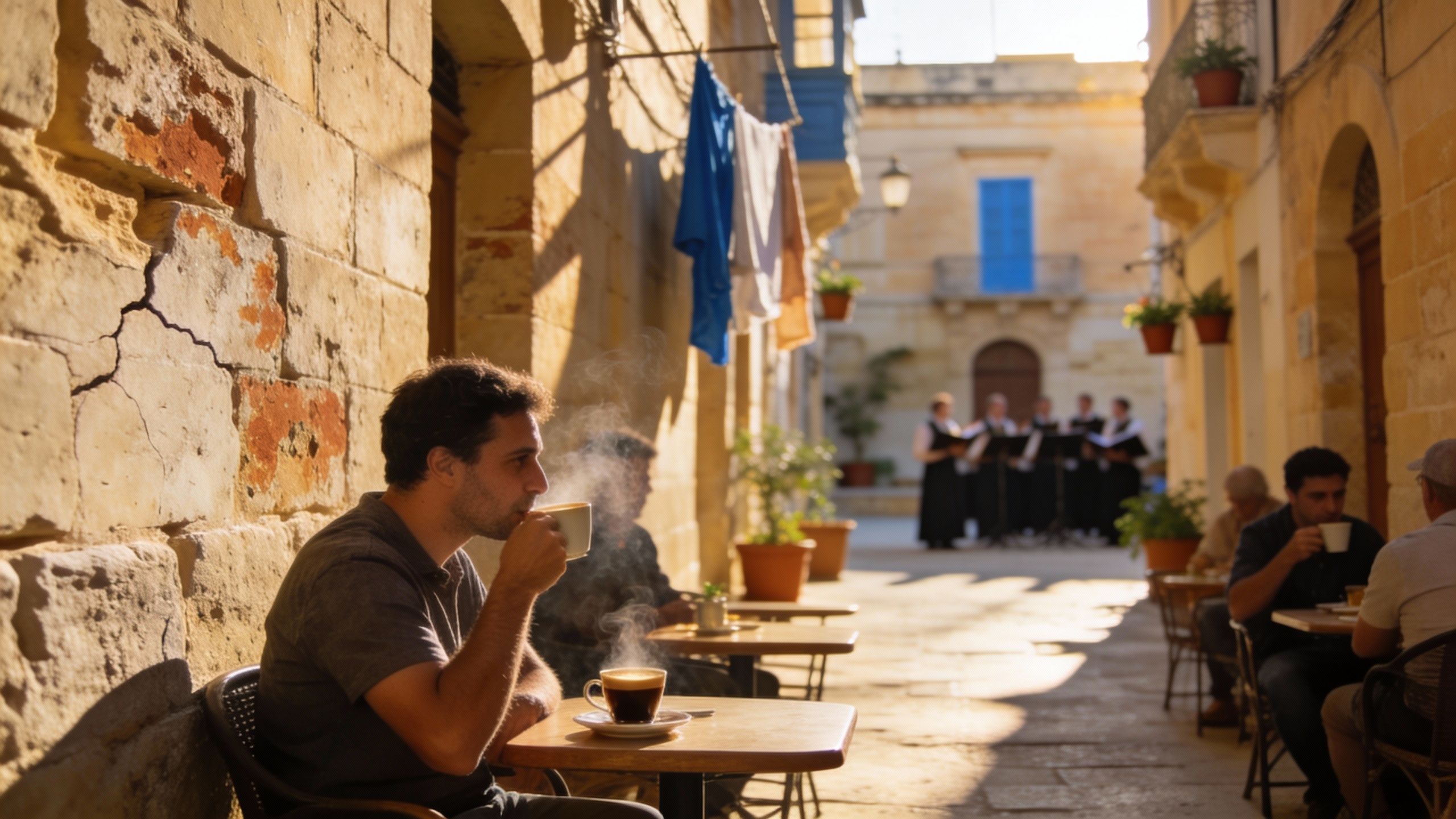
Imagine a late‑afternoon walk along Sliema’s seaside promenade: espresso steam, sun on limestone, children chasing pigeons, and limestone façades that catch the light. That compact, lived‑in feeling — where a café table can feel like the front door to your new life — is what draws people to Malta. But desire alone won’t buy the right home. Read on for the places, the small truths locals keep to themselves, and the practical checks that make a confident purchase.
Living the Malta lifestyle
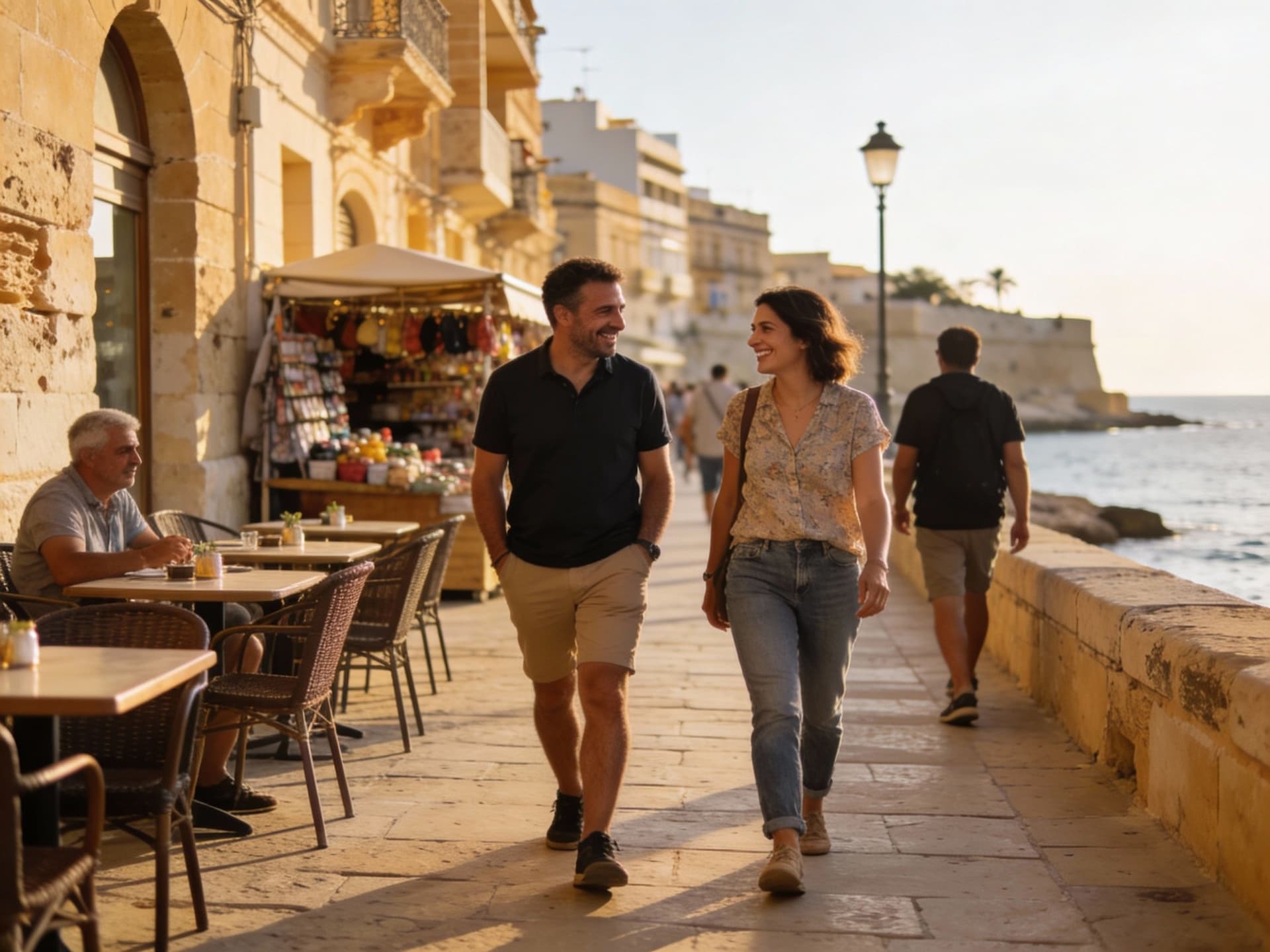
Life in Malta moves on a Mediterranean rhythm: mornings are for errands and coffee, afternoons for siesta‑slow chores or sea dips, and evenings for long dinners that start late. English is spoken everywhere, yet Maltese neighborhoods retain a distinct local cadence — market shouts, choir rehearsals in village churches, and festas that light entire streets. For an international buyer, that translates to immediate usability and quick social integration, with a surprising depth of seasonal variety despite the island’s small size.
Sliema & St Julian’s: coastal energy with convenience
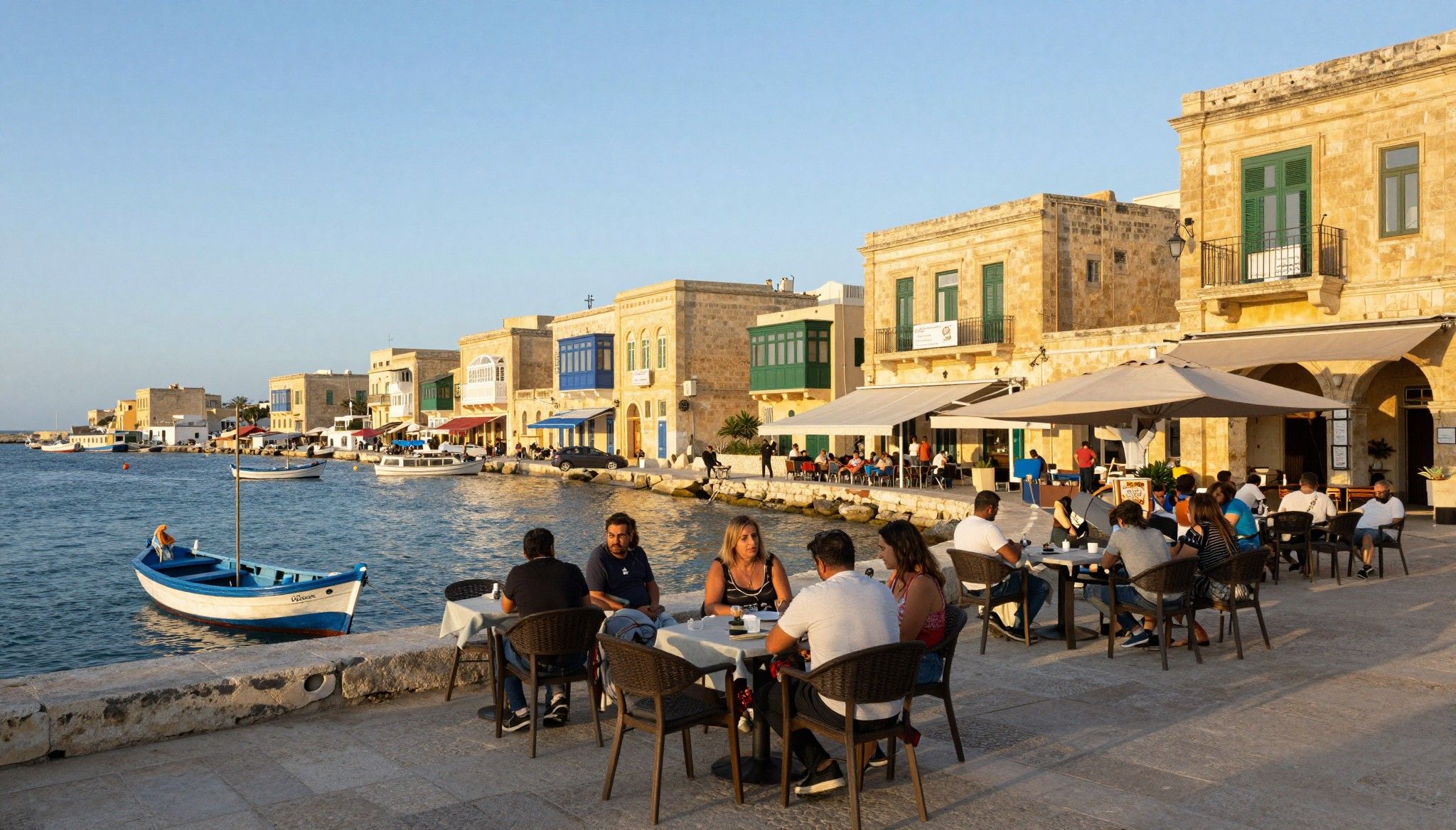
Sliema and St Julian’s feel like a continuous coastal strip where apartment living, cafés, and harbourside bars mix with family terraces. Walk from Balluta Bay to Spinola Bay and you’ll find modern apartments, boutique supermarkets, and multilingual expat pockets. These areas suit buyers who want short commutes, restaurant life, and easy rental demand — but expect higher price per square metre and busy summers.
Mdina & Valletta: historic bones, intimate streets
If you want limestone architecture and a sense of permanence, Valletta or Mdina answer differently. Valletta hums with theatres, museums and a compact urban life; Mdina is quieter, almost monastic, with narrow lanes and big stone houses. Expect smaller footprints and special renovation rules in conservation areas — properties here give lineage and character rather than open‑plan square metres.
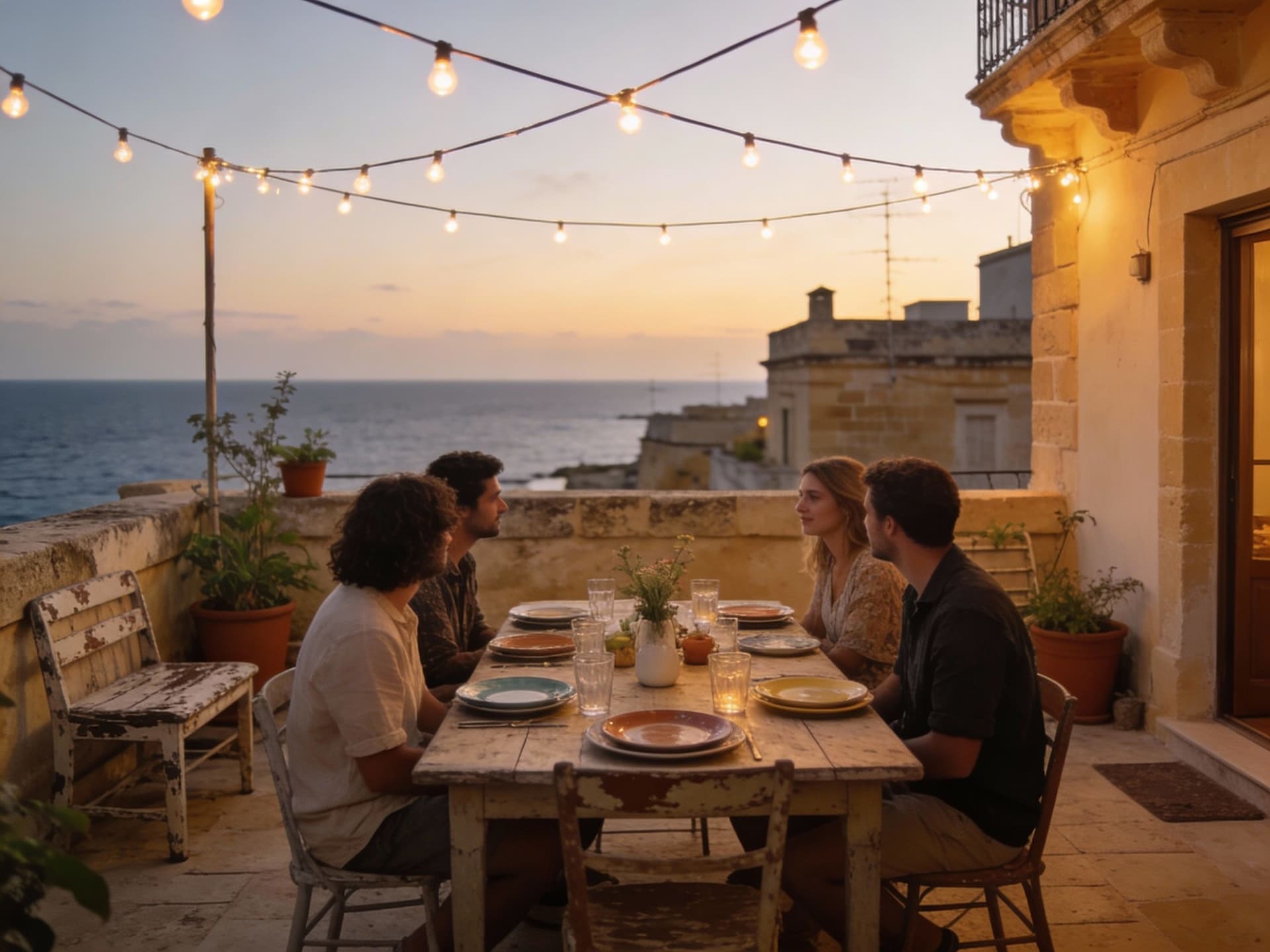
- Lifestyle highlights: Balluta Bay swims, Marsaxlokk fish market Sundays, cafés on Tower Road, festa nights in small towns, rooftop terraces catching the sunset.
Making the move: practical considerations that keep the lifestyle real
The romance of Malta is backed by brisk market movement. The National Statistics Office reports yearly price rises (Residential Property Price Index), and the government continues short‑term duty reliefs that shape effective transfer costs. Understanding current indices and temporary tax relief windows is essential — they change the math on when to commit and what you actually pay.
Property styles and how they shape daily life
Apartments dominate coastal towns; maisonettes and terraced houses appear inland and on older streets. Apartments win for low‑maintenance living and rentals; maisonettes give terraces and that indoor‑outdoor feeling Maltese life craves. Check duty and document exemptions that apply to first‑time buyers or redevelopment of urban conservation properties — these affect budget and renovation plans.
Working with local experts who know both life and law
A good agent in Malta does three things: (1) matches you to neighbourhood rhythm (not just size and price), (2) flags conservation and permit constraints early, and (3) coordinates reliable local notaries and architects. This reduces surprises and keeps renovation timelines realistic.
- 1. Choose agents who show you actual streets and speak to neighbours. 2. Insist on clear timelines for permits and conservation approvals. 3. Ask for rental comparables if you plan to let. 4. Confirm which tax reliefs or duty exemptions apply and the deadlines to claim them.
Insider knowledge: what expats wish they'd known
A few realities surprise new arrivals. Malta’s small size means markets react fast — policy changes (like the EU court decision on citizenship‑for‑investment schemes) reshape residency options. And social integration happens through local rituals: festas, community clubs, and markets. The biggest practical surprise is often paperwork: conservation restrictions, exact quirk of title deeds, and differing utility setups in older houses.
Cultural integration and everyday life
English gets you a long way, but learning a few Maltese phrases unlocks smiles and invitations. Weekends happen at the sea or the village festa; clubs, churches and community centres bring people together. For families, international schools cluster around central localities; for retirees, quiet villages on Gozo often win hearts with calmer pace.
Long‑term lifestyle and market considerations
Malta’s market has appreciated steadily. That’s great if you plan to hold long term, but it raises entry costs for younger buyers and can squeeze rental yields in hotspots. We recommend pairing lifestyle priority (which neighbourhood feels like home) with objective metrics: recent RPPI movements, rental comparable checks, and likely conservation or development plans nearby.
- Red flags to watch for: incomplete title deeds; undeclared extensions; conservation restrictions that block terraced rooftop use; unclear service charge accounting; and properties with unresolved communal ownership disputes.
If you want to live here, picture buying a small maisonette in Marsaxlokk or a light‑filled apartment on Sliema’s seafront. If you want to invest, look past the obvious summer hotspots to locations where rental demand is year‑round (certain university suburbs or business corridors). Either way, involve a local architect and lawyer early — the island is small, but the paperwork can be surprisingly particular.
Ready to make Malta more than a dream? Start with street‑level scouting: spend mornings in different neighbourhood cafés for a week, ask locals about seasonality, and get agent introductions to recent buyers who live where you want to. Those conversations tell you more about daily life than any brochure. When you’re ready for numbers, we’ll help you match the lifestyle you loved to a property that fits the real costs and rules.
Danish investment specialist who relocated to Costa del Sol in 2015. Focuses on data-driven market timing and long-term value for Danish buyers.