When Truffles Tip the Market: Istria’s Buying Window
Why Istria’s truffle and harvest seasons create a transparent buying window — combine sensory timing with land‑registry checks to reduce risk and find value in Croatia.
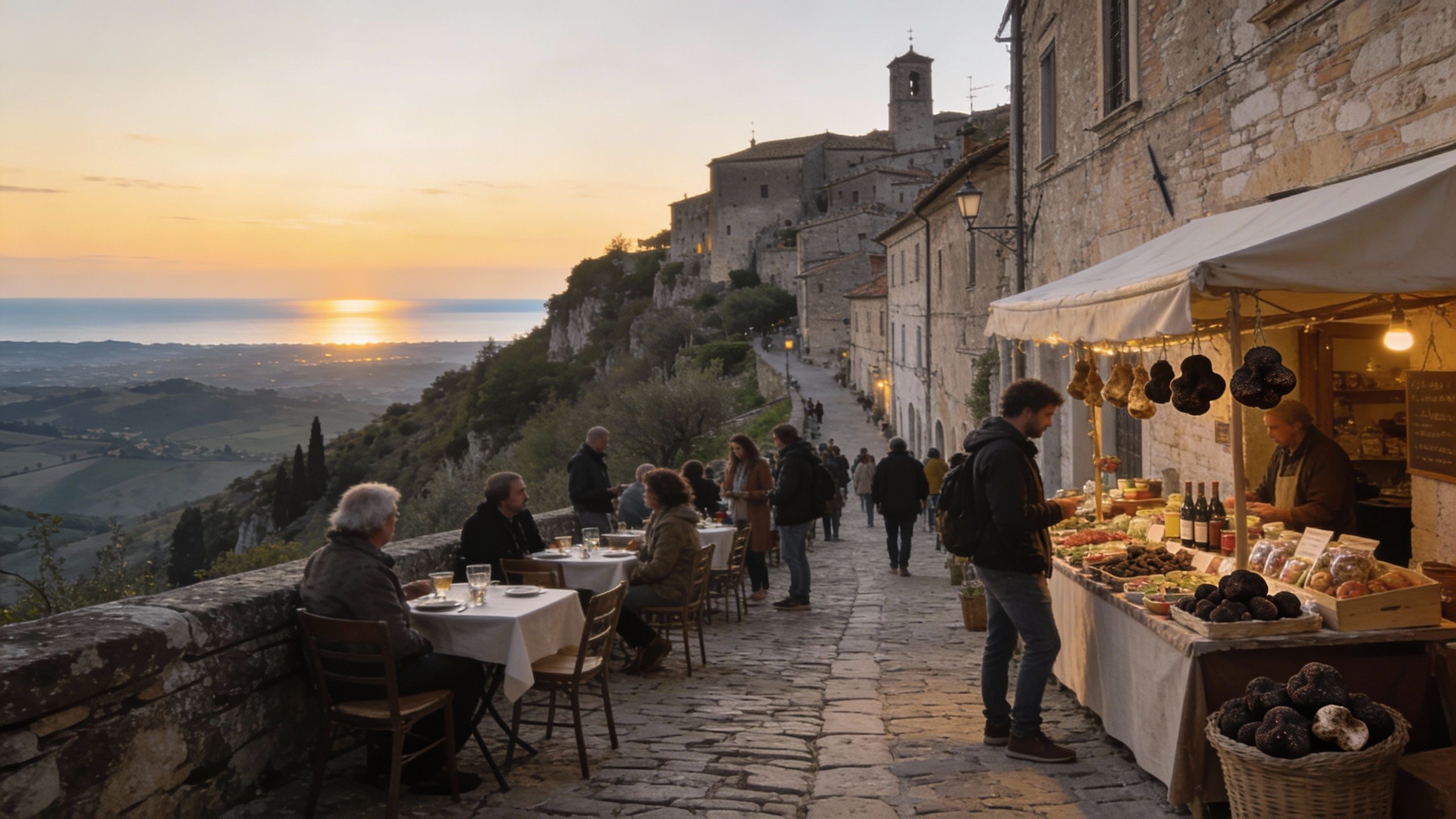
Imagine an autumn morning in Motovun: chestnut smoke from village chimneys, tables laid out with fuži and shaved white truffle, and narrow stone streets almost empty of tourists. That hush is more than atmosphere — it’s a market signal. In Istria and parts of the Adriatic, seasonal rhythms (truffle festivals, olive harvests, winter quiet) compress demand into a few months and create buying windows the casual buyer misses. We’ll show why the sensory life of Croatia — markets, festivals, cafés — matters to the pragmatics of price discovery, disclosure and risk.
Living the Croatia lifestyle
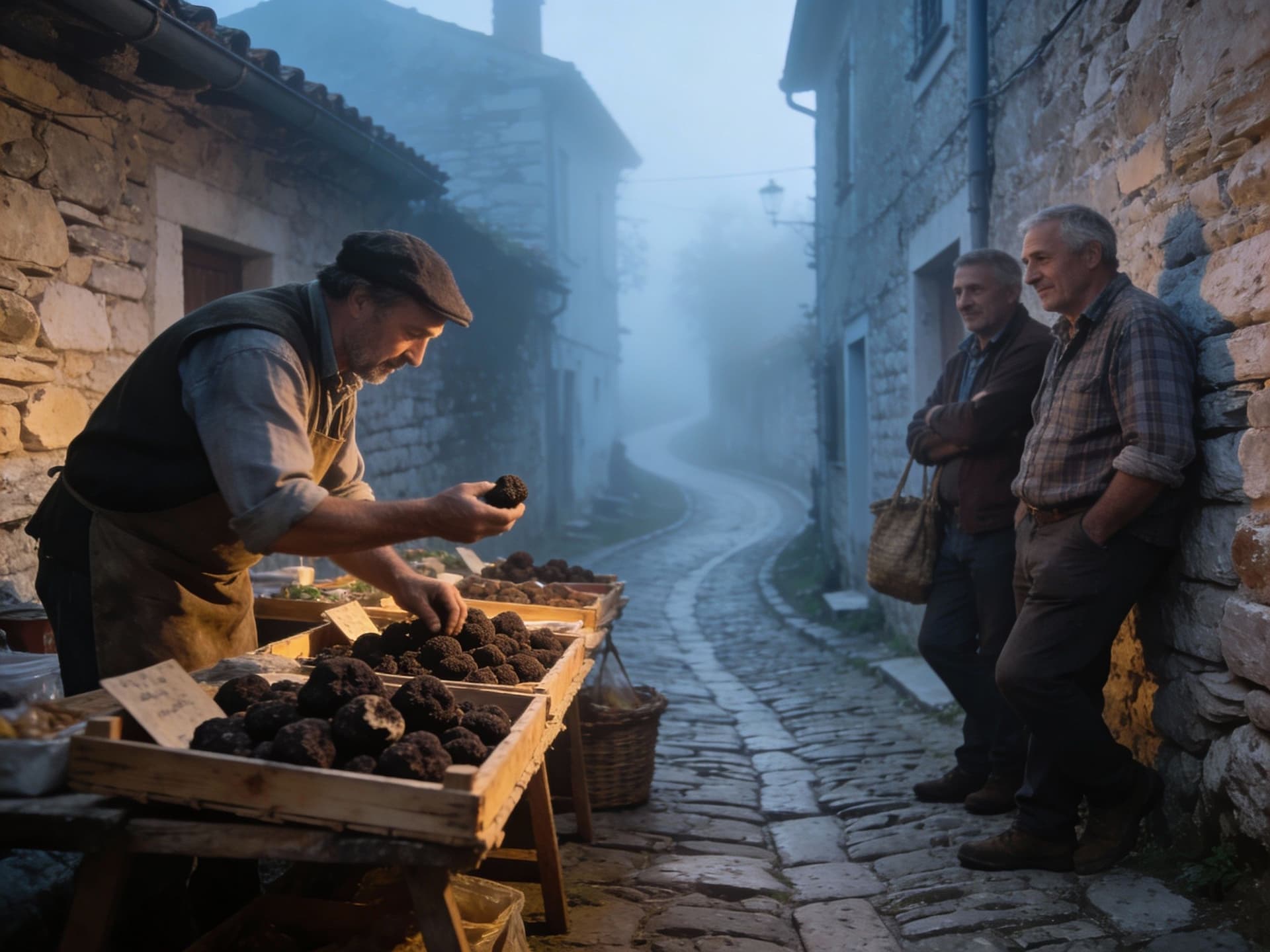
Croatia is a place of contrasts: sunwashed terraces and medieval alleys, ferry horns and inland forests. Days follow a slow rhythm on the coast — espresso, a market run, an afternoon dip — while inland towns like Varaždin hum to a different tempo, with weekly markets and family-run konobas. For buyers, those differences shape what property best suits you: a compact stone apartment in Rovinj means immediate sea life; a farmhouse near Buzet gives you truffle season on your doorstep and landscape privacy the coast can’t match.
Istria & Motovun: truffles, terraces and slow mornings
Walk into Livade on a crisp October weekend and you’ll smell why this inland peninsula has become a foodie magnet. Truffle festivals like Zigante pull chefs, buyers and curious expats into tiny towns, concentrating visitors — and property viewings — into a short season. That compressed demand often pushes prices and creates off-market conversations among locals. If you love culinary life, owning a restored stone house near Motovun can be lifestyle gold, but it also requires attention to local land rights and forest access.
Coast: Rovinj, Split & Dubrovnik — postcard days, practical nights
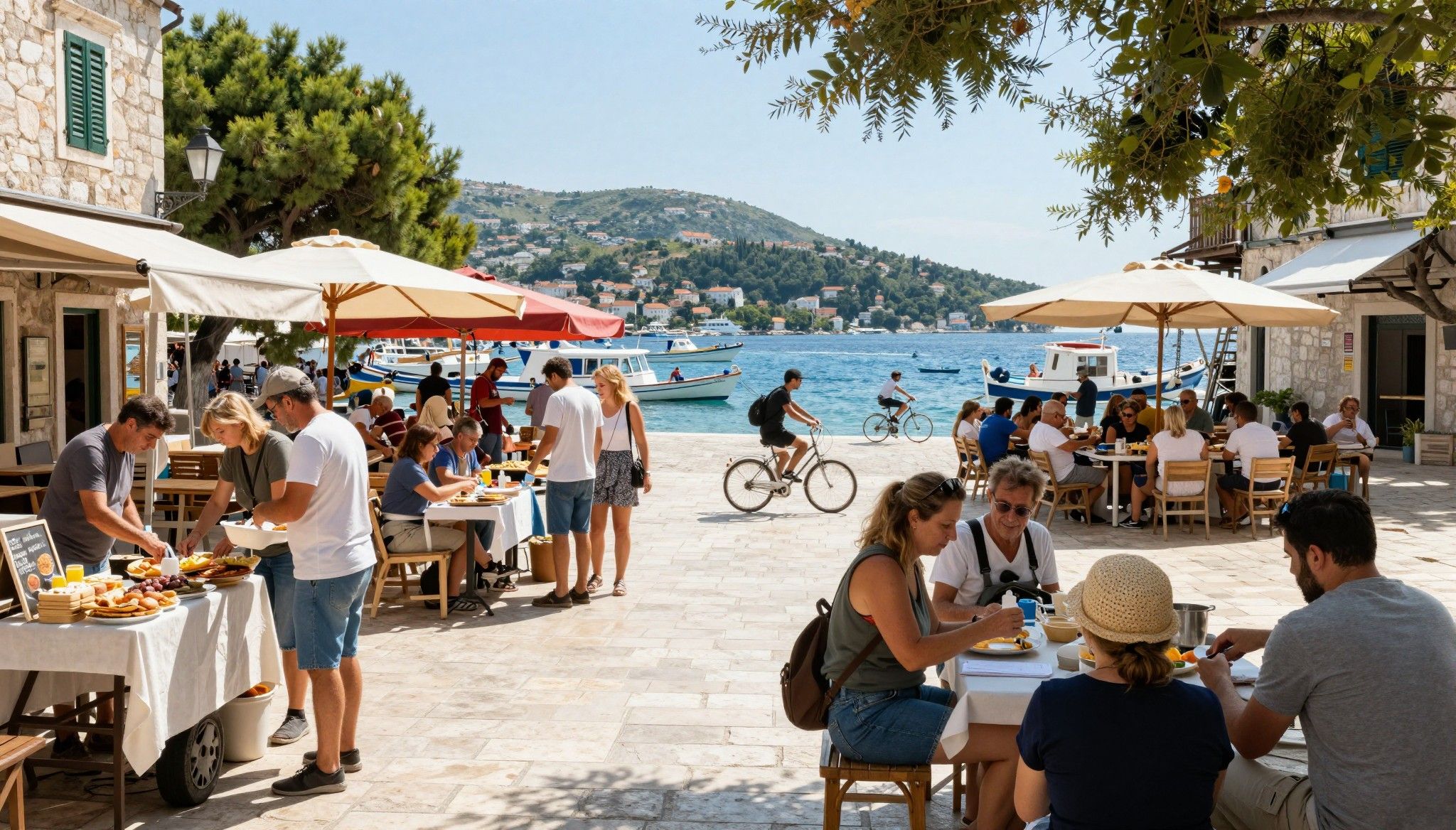
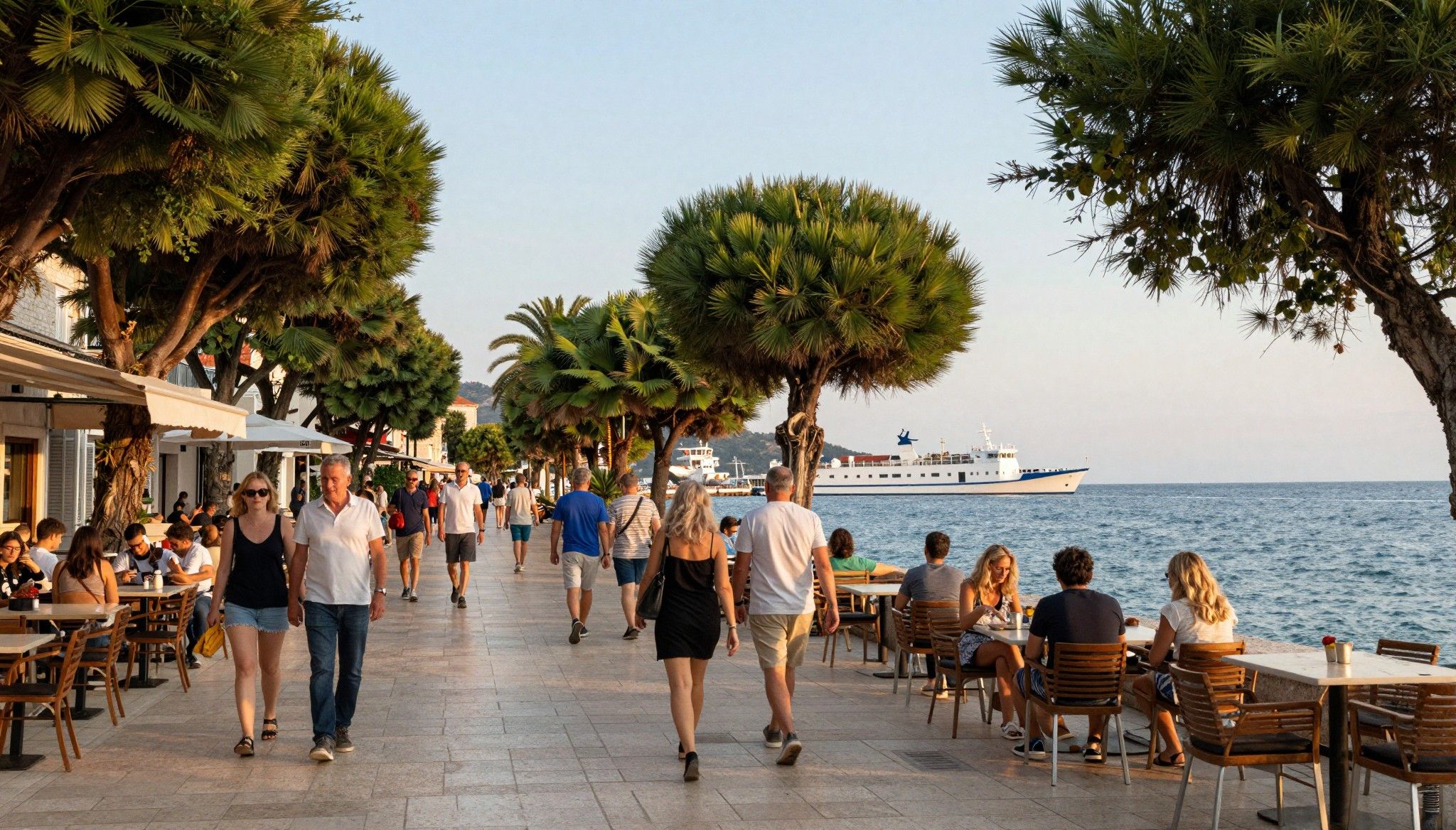
Coastal towns deliver the classic Adriatic life: pebble coves, seafood konobas, and stone façades that glow at sunset. But those postcard months bring short-term rental pressure, seasonal rental incomes and, in places like Dubrovnik, stricter local rules about tourist apartments. The lifestyle is vivid; the market overlay — occupancy, zoning, and disclosure of short‑let history — needs careful reading before you fall in love with a terrace view.
- Market‑shaping lifestyle highlights: • Zigante Truffle Days (Livade): peak visibility for Istrian properties. • Rovinj’s old town cafés: morning life that sells the idea of walkability. • Split’s Riva and local konobas: urban seaside rhythm, year‑round services. • Pelješac wine roads and oyster bars: seasonal boutique tourism that supports premium country houses.
Making the move: practical considerations
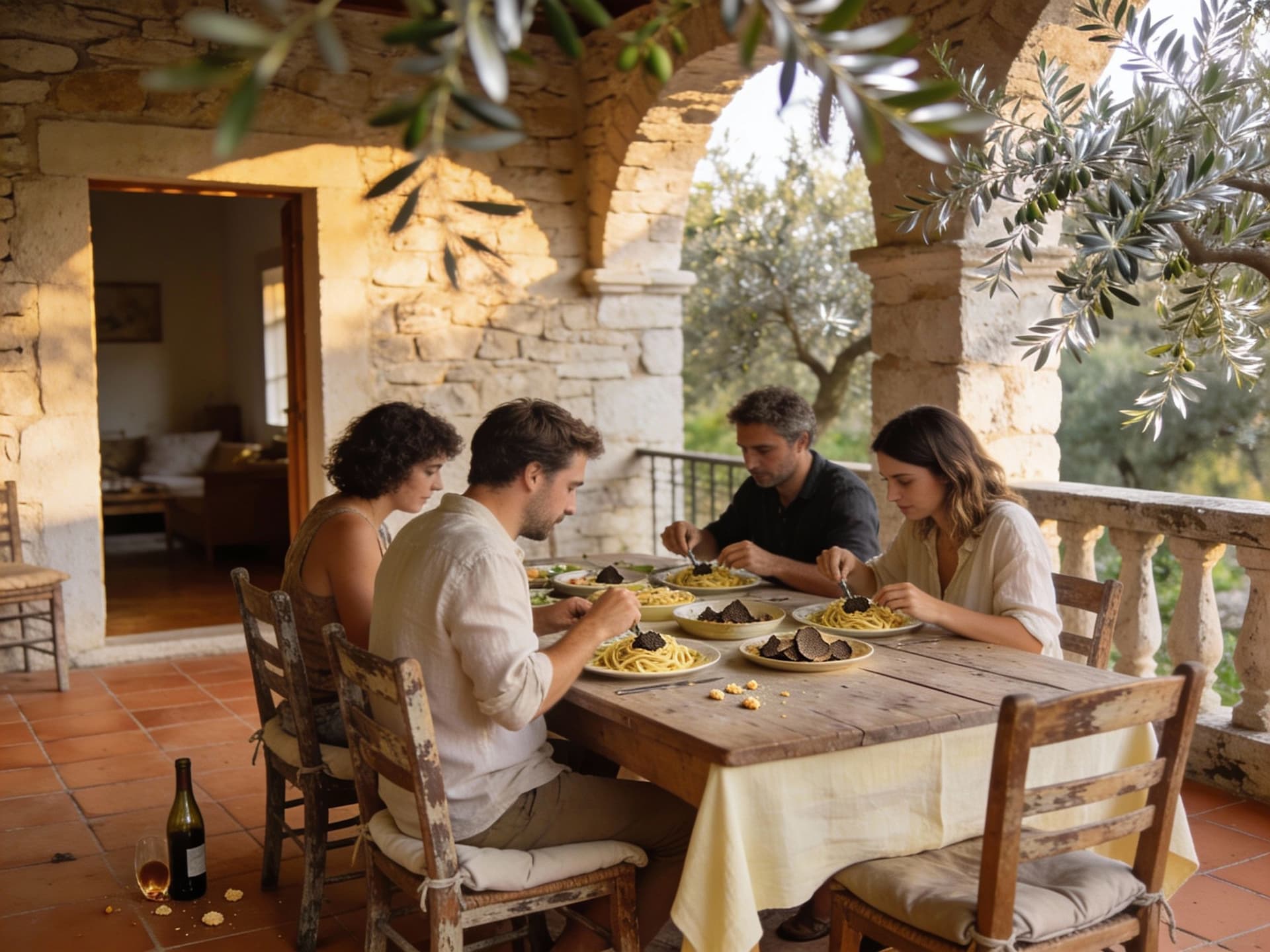
The data matter: Croatia’s house‑price indices rose steadily through 2023–24, with coastal counties among the priciest. That trend makes timing and disclosure more important, not less. Seasonal buying — during truffle or harvest months — can be a hedge: motivated sellers, clearer negotiation space, and a chance to inspect a property in real-life seasonality (winter damp, olive harvest sounds, empty streets). But you must pair that lifestyle timing with due diligence on ownership records and rental declarations.
Property types: stone houses, new builds and apartments
Stone restorations in Istria offer character and insulation but often hide irregularities — ancient boundary lines, undocumented extensions, or shared access paths. New builds provide warranties and clearer paperwork but lack the immediate soul of an old konoba. Apartments in coastal towns can generate short‑term rental income but come with disclosure demands about occupancy history and local tourist permits. Match the type to how you’ll actually live: weekend escape, year‑round home, or rented asset.
Work with people who know both festivals and files
- How local expertise blends lifestyle and transparency: 1. Ask agents for energy certificates, building permits and short‑let licences before a formal offer. 2. Commission a land registry (katastar) extract and recent notarised ownership history. 3. Insist on utility bills and local council records to detect undeclared short‑lets. 4. Use a bilingual lawyer to translate quirks in contracts and explain residency implications. 5. Visit in both peak and off‑season to test noise, access and maintenance realities.
Insider knowledge: what expats wish they'd known
We’ve worked with buyers who thought the white truffle season was only a tasting trip; six months later they owned a renovated farmhouse surrounded by truffle grounds — and a patchwork of informal easements they hadn’t spotted. The common regret? Falling for the lifestyle without verifying legal reality. Foreign buyers remain active in Istria and the coast, accounting for a sizeable share of transactions, which means competition, but also more local professionals accustomed to international purchasers.
Cultural cues that affect the purchase
Croatians value direct relationships and village reputation. Sellers sometimes disclose verbally what isn’t on paper; conversely, long family histories can complicate titles. Learn a few local customs — greet the neighbour, attend the market — and you’ll access knowledge that never reaches formal listings. That social currency can reveal rights of way, seasonal nuisances, or local plans that affect value.
Longer-term lifestyle risks and red flags
- Watch for these transparency red flags: • Missing katastar extracts or unverifiable boundary lines. • Short‑let income hidden from seller’s documents — can lead to fines. • Recent, unpermitted renovations (roof terraces, pools) lacking council approvals. • Utility inconsistencies indicating informal connections or shared supplies. • Vague clauses in pre‑contracts about deposit refunds and conditional permissions.
Before signing, pair the romance of a truffle-scented morning or a Riva espresso with hard checks. Ask for notarised ownership history, a cadastre extract (list of land parcels), proof of tourist licences if rental prospects matter, and a clear written statement of what the sale includes — furniture, shared wells, olive groves. Take an off‑season visit too; winter light reveals damp, access roads and the truth behind concierge hours.
Conclusion — live the life, respect the files. Croatia gives you days of slow markets, truffle dinners and coastal clarity. Those experiences are real and often the reason buyers move. But the best international purchases here pair that sensory love with local transparency: documented titles, clear short‑let histories, and advisors who know both the festivals and the files. If you want help seeing both sides — the life and the ledger — talk to an agent who brings local rituals and rigorous checks to the same table.
Dutch relocation advisor who moved to Marbella in 2016. Guides Dutch buyers through visa paths, relocation logistics, and balance of lifestyle with value.