Buy the Rhythm: Season, Street and the Greece Trade‑Off
Greece offers seaside ritual and city pulse — but buyers must test seasons, map neighbourhood rhythms and factor recent Golden Visa and price shifts into purchase plans.
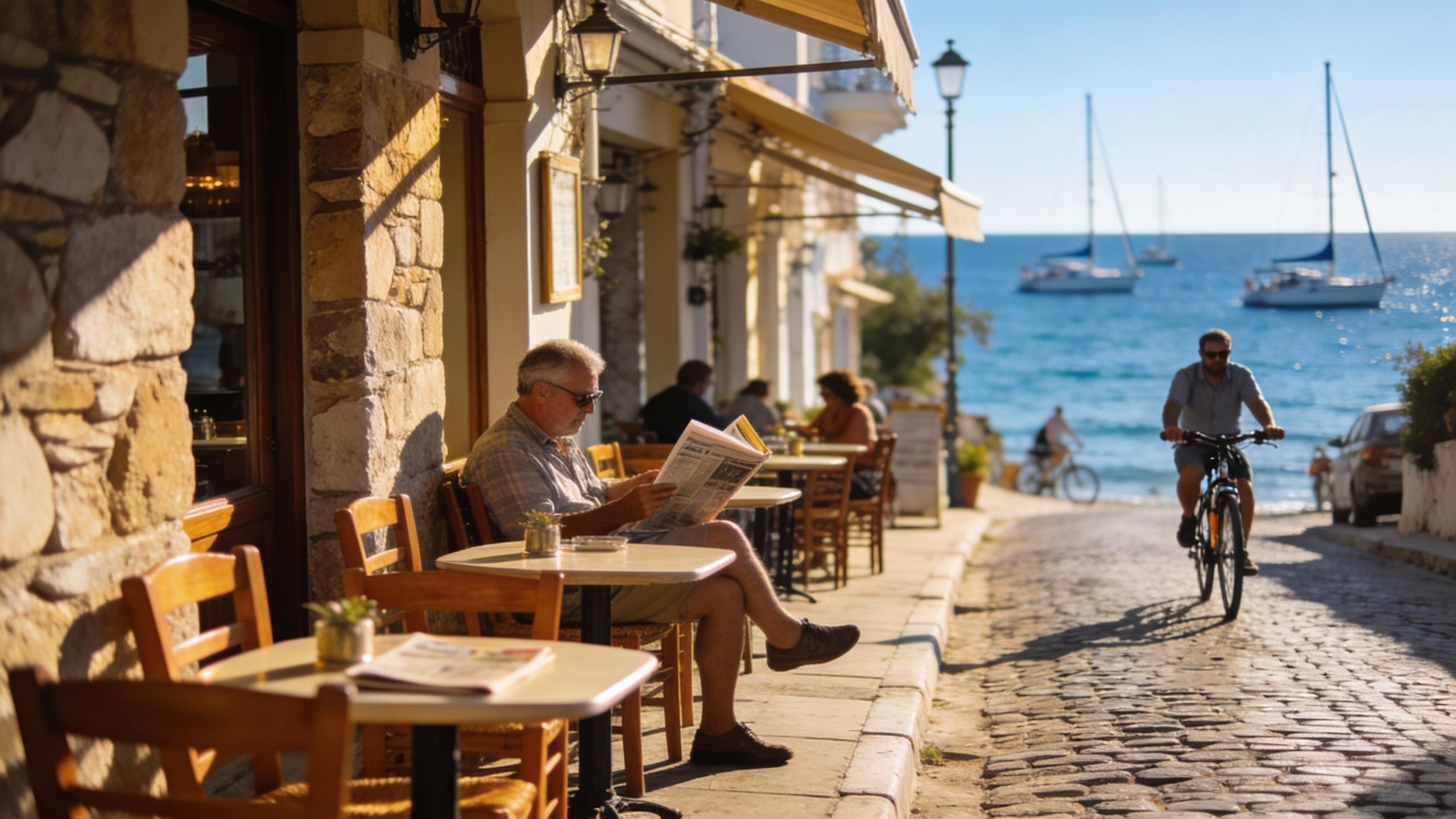
Imagine waking to a baker’s horn and the slow swell of the Aegean: you can smell fresh spanakopita on the corner of Koukaki, cyclists glide past the whitewashed steps of Anafiotika, and by evening the Athens Riviera throws an effortless outdoor dinner for anyone who wants to join. Greece sells you light, rhythm, and a neighbour who remembers your name — and that reality shapes what you actually need in a home.
Living the Greece lifestyle
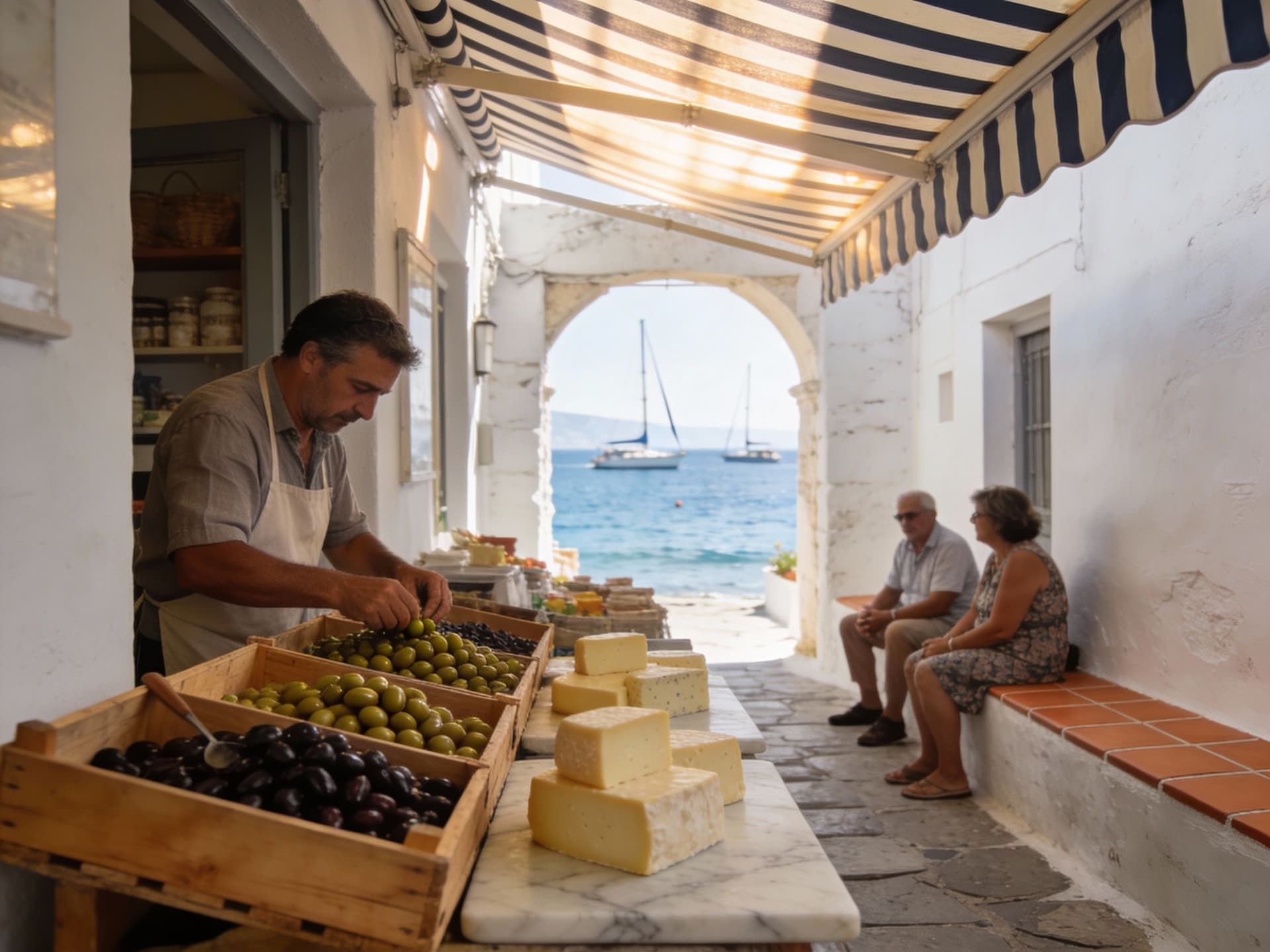
Greece isn’t one mood — it’s several. Athens is a city of espresso shots and archaeological pockets, the islands are seasonal theatre, and the north (Thessaloniki) mixes port-city grit with a rising cultural scene. Big projects like Ellinikon are rewriting coastal living, but they sit beside tavernas that haven’t changed in fifty years. That contrast is the attraction: urban convenience and island ritual within arm’s reach. If you want daytime markets, evenings by the sea, and weekdays with reliable services, Greece delivers — with local quirks that affect where you buy.
Athens neighbourhoods: Koukaki, Plaka, Glyfada
Koukaki gives you cafés that double as community hubs and short walks to the Acropolis. Plaka is postcard‑historic — small streets, high tourist footfall, and quiet at dawn. Glyfada and the Athens Riviera (think Vouliagmeni) trade history for marinas, modern apartments and beaches. For someone balancing city life and weekend sea escapes, the Riviera villages and southern suburbs often win for outdoor living and resale demand.
Island styles: Mykonos, Santorini, Crete, Corfu
Islands are diverse. Mykonos and Santorini are high‑season, high‑price, and internationally visible; Crete offers villages, farmland and year‑round life; Corfu has green landscapes and a quieter low season. Remember: the same house functions very differently across seasons — in Mykonos a property may be rented heavily in July, while in Crete it supports daily living all year. That affects maintenance, community and who will be your neighbours.
- Lifestyle highlights to taste and test before you buy
- Early-morning coffee at A for Athens (Koukaki); late brunch on Vouliagmeni beach; weekend fish taverna in Pefkochori (Chalkidiki); exploring Ano Poli’s markets in Thessaloniki; island market mornings in Chora, Naxos.
Making the move: practical considerations

Your lifestyle wish‑list must meet market reality. Prices rose strongly through 2023 and 2024, then showed a moderation in late 2024: Bank of Greece indices reported national growth slowed to about 6–9% in 2024, depending on the region. That means timing, location and property type change the math — and in many popular zones acquisition costs are now materially higher than five years ago.
Property styles and how they map to life
Whitewashed island houses suit outdoor living and dramatic views but need marine-grade maintenance. City apartments (Athens, Thessaloniki) offer year‑round services and rental potential. Renovation projects can be cheaper up front but come with permits, archaeological checks and time. Pick a style that supports how you’ll use the place: weekend escape, full‑time base, or rented asset.
Working with local experts who know the life
A local agent’s value is cultural as much as transactional. They’ll tell you which streets are lively in winter, which developers use quality materials, and where municipal plans (like Ellinikon) will change commute times and services. Choose advisors who live the neighbourhoods they sell and who can show maintenance histories, terrace orientations and real summer noise profiles.
- Steps to match lifestyle with a purchase
- Visit in two seasons (shoulder and high); shortlist streets not just buildings; confirm utility and seismic records; ask neighbours about winter life; get a local architect on potential renovations.
Insider knowledge: what expats wish they’d known
Expats often romanticise summer rhythm and then find winter illuminating. Streets that are sleepy in January can feel isolated; public services and healthcare access become decisive. Thessaloniki’s improving infrastructure, for example, is changing long‑term livability and prices. Expect social seasons — not a static postcard — and plan for year‑round needs before committing.
Cultural integration and everyday life
Learn a few Greek phrases, join a cooking or language class, and pick a neighbourhood with a café scene where locals linger — that’s the fastest route to belonging. Municipal boards and school places matter if you plan to stay; local social clubs and church events remain central in smaller towns.
Long-term lifestyle and practical considerations
Recent policy shifts (higher Golden Visa thresholds in prime zones and restrictions on short‑term rental use for qualifying properties) changed demand patterns. If residency via investment matters to you, prioritise properties in eligible areas and confirm program rules and grace periods with a specialist lawyer — rules can vary by date and property type.
- Practical red flags local agents will check for you
- Missing TEE/energy performance certificate; disputed cadastral records; seabed/erosion risk near shore; unauthorised additions; unclear municipal development plans.
We’ve seen buyers pick an island dream home only to be surprised by winter silence, or buy a Glyfada flat for its beach proximity without checking ferry links in low season. That’s the easy mistake: falling for summer and ignoring the rest of the year. Do your tests across seasons.
If you love the life — the markets, the sea, the small‑town rituals — work with an agency that shows you those moments, not just photos. Ask for neighbour references, daytime and nighttime visits, and a clear explanation of how local costs (maintenance, insurance, seismic retrofits) will affect your annual budget.
Conclusion: buy the rhythm, not just the view — then verify the ledger. Greece rewards the curious buyer: explore streets (Koukaki, Ano Poli, Glyfada), test seasons, and partner with advisors who live the area. When lifestyle and due diligence meet, your Greek home will be more than a property — it becomes the backdrop for a different pace of life.
Dutch relocation advisor who moved to Marbella in 2016. Guides Dutch buyers through visa paths, relocation logistics, and balance of lifestyle with value.